Polyurea Grout for Crack Injection: How It Stops Concrete Leaks
Summary
The most carefully designed concrete structures eventually develop cracks. These cracks may appear in basements, tunnels, or bridges. While Water penetrates the structure, causing damage and expensive repairs.
In many waterproof projects, crack injection is used to stop leaks and restore structural integrity. Among the grouting materials, polyurea grout has emerged as a modern solution.
This guide explores how polyurea crack injection works, why it is effective for leak repair.
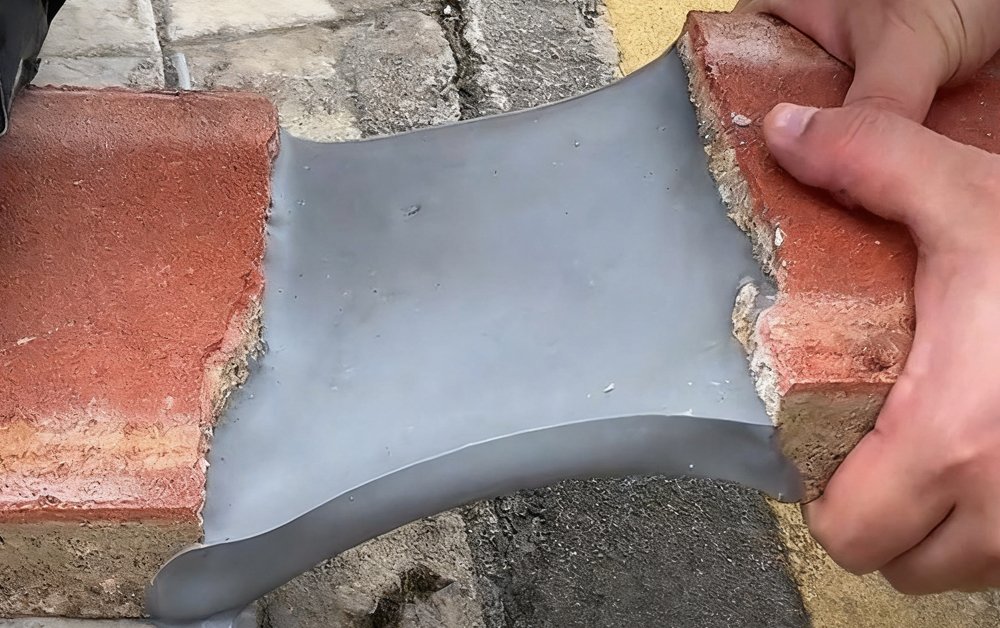
What Is Polyurea Grout?
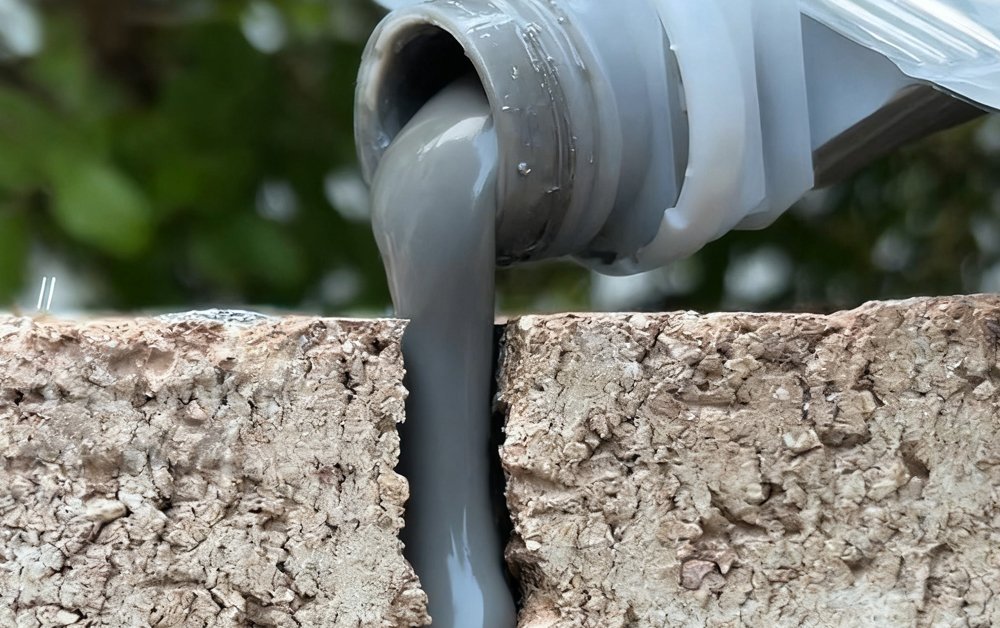
Polyurea grout is a reactive polymer material, it has two types: one-component and two component. The one component type often used for crack injection and waterproofing in concrete structures.
Unlike some traditional rigid grouting materials, polyurea forms a flexible elastomeric seal inside the crack. This elasticity can tolerate slight movement without breaking the waterproof barrier.
Polyurea technology was originally developed for high-performance protective coatings, but it has since been adapted for crack injection systems used in waterproofing and structural repair.
Typical characteristics of polyurea grout include:
- Rapid curing time
- High elasticity
- Strong adhesion to concrete surfaces
- Excellent water resistance
- Long-term durability in wet environments
Because of these properties, polyurea injection materials are increasingly used in modern infrastructure waterproofing systems.
Why Concrete Cracks Cause Water Leaks?
The concrete cracks create direct pathways for water to travel through the structure.
Concrete cracking can be attributed to the following factors:
Shrinkage During Curing
As concrete cures, moisture evaporates and the material shrinks slightly. Shrinkage will form cracks.
Temperature Changes
Concrete expands when heated and contracts when cooled. Repeated thermal cycles can create cracks.
Foundation Settlement
Uneven soil settlement can cause sections of a building to shift. These movements often develop structural cracking.
Structural Loads
Heavy loads, vibration, and dynamic forces can produce stress in concrete elements, and leading to cracks.
Reinforcement Corrosion
When water penetrates concrete and reaches steel reinforcement, corrosion may occur. Corrosion products will create cracks.
Once cracks form, groundwater, rainwater both can enter the structure. Over time, this moisture may cause:
- Structural deterioration
- Reinforcement corrosion
- Mold growth in interior spaces
- Reduced durability of concrete surfaces
This is why effective crack sealing is critical.


How Polyurea Crack Injection Stops Concrete Leaks?
Polyurea crack injection works by filling the internal space of a crack with a flexible polymer material that water sealing and stopping.
The repair process typically follows several steps.
Crack Inspection and Evaluation
Before injection starts, technicians assess the crack to determine:
- Crack width and depth
- Whether the crack is active or dormant
- Presence of water infiltration
- Structural significance of the crack
This evaluation ensures the correct repair material and injection method are used.
Installation of Injection Ports
Technicians will drill several small holes along the course of the crack and install injection ports. These ports allow repair material to be pumped into the crack.
The spacing of the ports depends on crack length and width.
Injection of Polyurea Grout
Using a specialized injection pump, the polyurea grout is injected into the crack through the ports.
The material flows into the crack and fills:
- Internal voids
- Micro-fractures
- Connected pores
Because polyurea has low viscosity before curing, it can penetrate deep into the crack.
Rapid Chemical Reaction
Polyurea has a quickly chemical reaction and can cure in water. Within a short time, the material transforms into an elastic solid body to sealing and water stop.
Formation of a Waterproof Barrier
After curing, the injected polyurea creates a continuous barrier inside the crack.
This barrier:
- Effectively blocks moisture penetration
- Preserves the inherent flexibility of the material
- Bonds strongly to concrete surfaces
Since the material retains its elasticity, it is capable of withstanding minor structural displacements.
Advantages of Polyurea Grout Compared with Traditional Injection Materials
Crack injection materials have several types, including acrylate gels, epoxy resins and polyurethane grouts. Polyurea offers a combination of properties that make it effective in many leak repair situations.
High Elasticity
Polyurea materials are highly elastic after curing. This elasticity enables it to effectively accommodate minute displacements or deformations occurring within the structure.
Rigid repair materials may crack if the structure shifts.
Rapid Reaction and Fast Repair
Polyurea materials cure quickly after injection.
Fast curing allows construction teams to complete repair work efficiently and reduce project duration. This is especially important in infrastructure projects such as tunnels or water facilities.
Excellent Waterproofing Performance
Polyurea forms dense polymer structures that resist water penetration.
This makes polyurea injection suitable for structures exposed to groundwater.
Strong Adhesion to Concrete
Polyurea bonds well with concrete surfaces. Good adhesion can improve long-term sealing performance.
Chemical and Environmental Resistance
Many infrastructure structures are situated in harsh conditions, like chemicals, wastewater.
Polyurea materials possess a certain degree of corrosion resistance and exhibit strong resistance to chemical erosion.

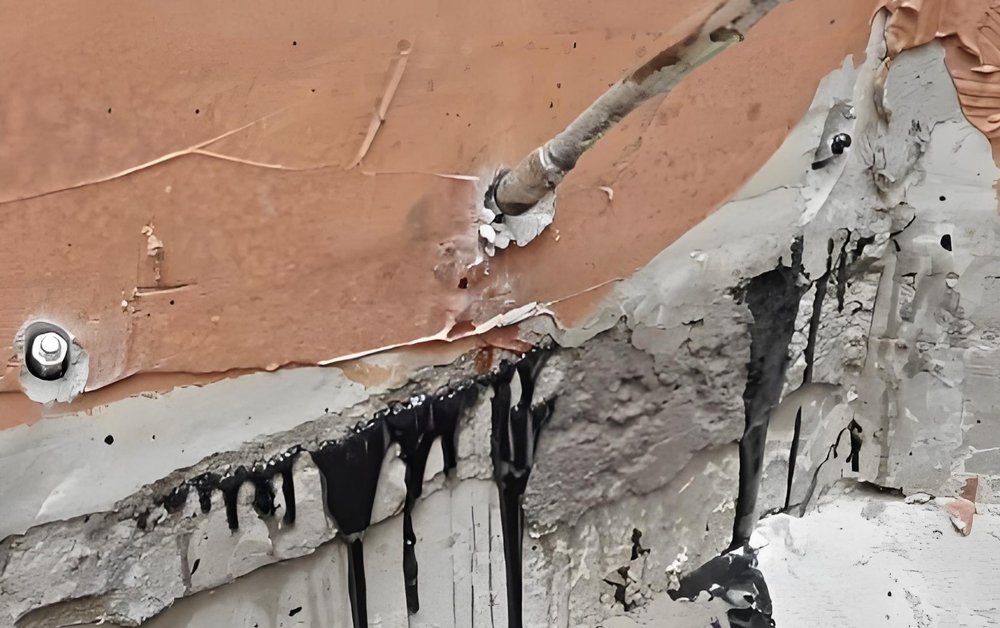
Common Applications of Polyurea Crack Injection
Polyurea injection technology is widely used in both building waterproofing and large infrastructure maintenance projects.
Basement Waterproofing
Cracks in basement foundation walls or slabs can allow water seepage. Polyurea injection helps seal these cracks and prevent leakage.
Tunnel and Subway Structures
Polyurea grout materials are often used in underground tunnels and subway projects to seal cracks and joints in concrete linings.
Water Tanks and Reservoirs
Water storage structures have strict waterproofing integrity.
Polyurea helps seal leaks while maintaining flexibility.
Parking Structures and Industrial Floors
Parking decks and industrial floors often experience structural movement and vibration.
Polyurea crack injection can adapt to these dynamic conditions.
Wastewater Treatment Facilities
Polyurea has good chemical resistance and waterproofability make it suitable for sealing cracks in these environments.
Choosing a Reliable Polyurea Grouting Material Supplier
The success of crack injection projects depends not only on the repair method but also on the quality of materials used.
When selecting a polyurea grout supplier, contractors should consider several factors.
Product Stability
Consistent product formulation ensures reliable performance during injection and curing.
Inconsistent materials may lead to incomplete curing or poor bonding.
Verified Performance Data
Reliable suppliers provide technical documentation including:
- Adhesion strength
- Elasticity
- Chemical resistance
- Waterproof performance
These data help engineers select appropriate materials for specific projects.
Manufacturing Quality Control
Quality control during manufacturing ensures batch consistency and reliable performance.
Technical Support
Experienced manufacturers often provide technical guidance on product selection and application methods.


YURU: Professional Polyurea Grouting Material Manufacturer
YURU Waterproof is a direct manufacturer of waterproofing materials based in China, specializing in the production of a wide range of waterproofing and grouting materials used in construction and infrastructure projects.
The company offers a range of crack repair materials, including:
- Polyurea grouting materials
- Microcrystalline polyurea injection materials
- Polyurethane injection grouts (hydrophilic and hydrophobic)
- Epoxy resin injection grouting materials
- Acrylate resin grouts
These materials are used in applications such as concrete crack repair, tunnel waterproofing, basement leak sealing, and infrastructure maintenance.
FAQs
1. Is polyurea grout waterproof?
Yes. Polyurea grout forms a dense elastomeric seal inside cracks, preventing water leakage.
2. Is polyurea better than polyurethane for crack injection?
Polyurea often offers higher durability and elasticity, although polyurethane may still be used for certain leak-stopping applications.
3. Can polyurea injection repair structural cracks?
Yes, it is mainly used for waterproofing and flexible crack sealing.
4. Where is polyurea crack injection commonly used?
It is commonly used in basements, tunnels, water tanks, underground structures, and infrastructure maintenance projects.
Conclusion
Concrete cracks are common in buildings and infrastructure. Polyurea grout injection provides an effective solution for sealing cracks and preventing leaks.
Compared with some traditional materials, polyurea offers advantages such as:
- High elasticity
- Fast curing
- Long-term waterproof performance
- Resistance to chemical exposure
Contact YURU Waterproof to inquire about product details, obtain samples, and receive solutions.
YURU Product solutions