Best Waterproof Coating for Roofs
Overview:
Roof protects the interior from rain, sunlight, wind, and temperature changes. However, roofs are constantly exposed to harsh environmental conditions, which makes them vulnerable to leaks, cracks, and deterioration. So, finding the best waterproof coating for roofs is essential.
Modern waterproof coatings provide a flexible and durable protective layer that prevents water penetration, then extends the lifespan. Compared with traditional waterproof membranes, coating-based materials are often easier to apply and forming seamless protective layers.
In this guide, we will explore why roof waterproofing matters, enumerate common roof coatings, discuss how to choose the right one.
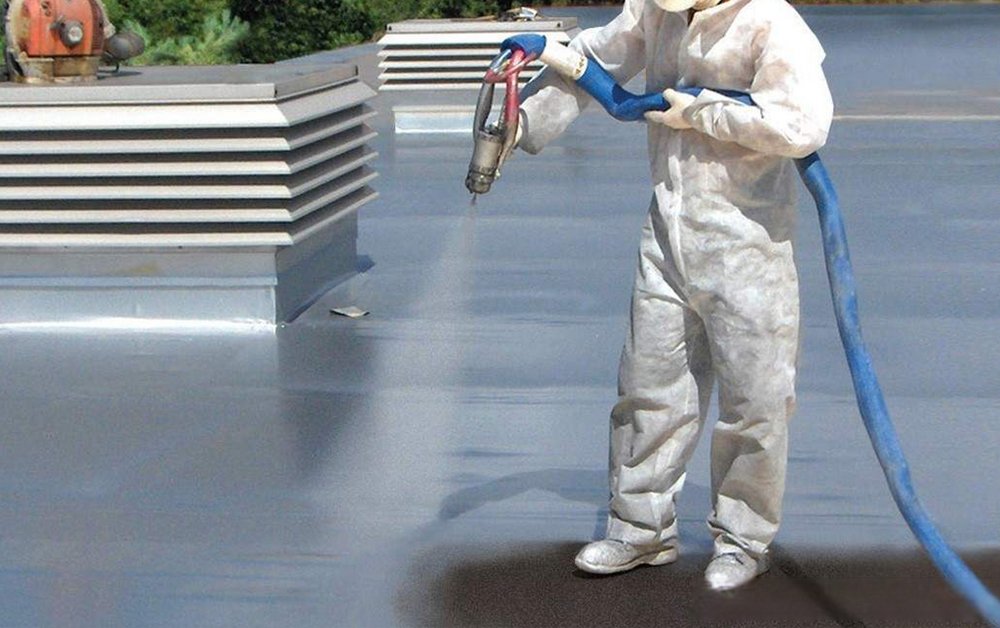
Why High-Quality Roof Waterproof Coatings Matter?
Roof leaks can cause some structural problems. Even small amounts of water penetration also cause concrete cracking and leakage.
When applied correctly, waterproof coating forms a protective layer that effectively blocks moisture penetration.
Preventing Water Damage
Moisture intrusion not only weaken roofing materials and will also lead to increased seepage and damage to the ceilings, walls. Waterproofing coatings can create a continuous, impermeable protective layer.
Protecting Structural Materials
Roofs are typically constructed from concrete, metal, or composite materials. If exposed to damp environments over extended periods, these materials will gradually deteriorate. Waterproof coatings protect these materials, can reduce water absorption and prevent corrosion.
Extending Roof Lifespan
Without proper protective measures, roofing materials may degrade quickly due to weather or other reasons. High-quality waterproofing coatings can enhance a roof’s durability and extend the life of the roof.
Reducing Maintenance Costs
For building owners, frequent repair work often translates into substantial expenses. Applying an effective waterproof coating reduces the need for repeated maintenance and repairs.
It is precisely because of these numerous advantages, waterproof coatings have become an essential part of modern building construction.
Common Types of Roof Waterproof Coatings
Choosing the best waterproof coating for roofs need understand the available material options.
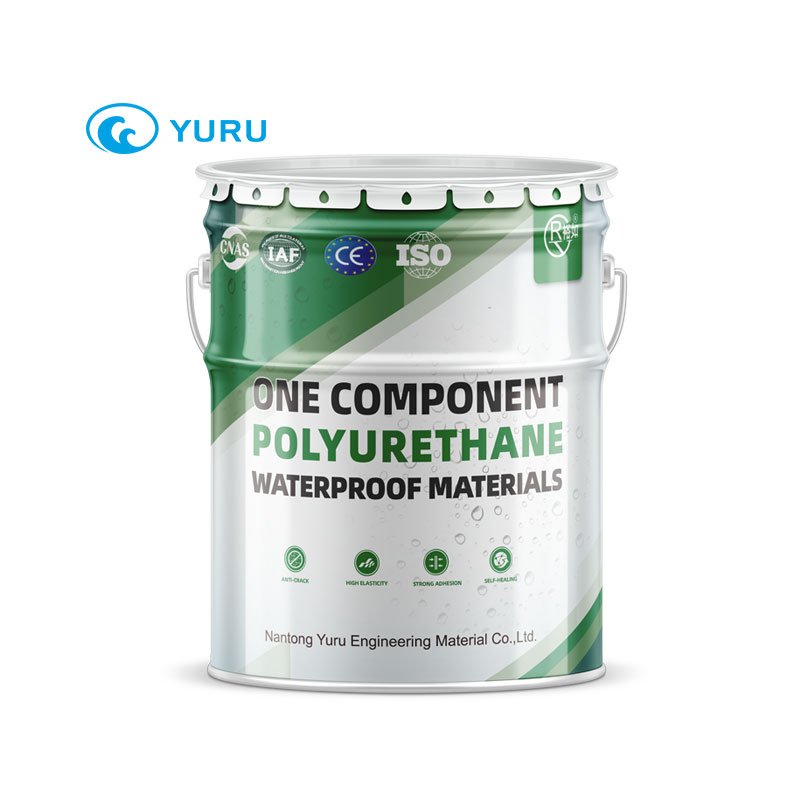
Polyurethane Waterproof Coating
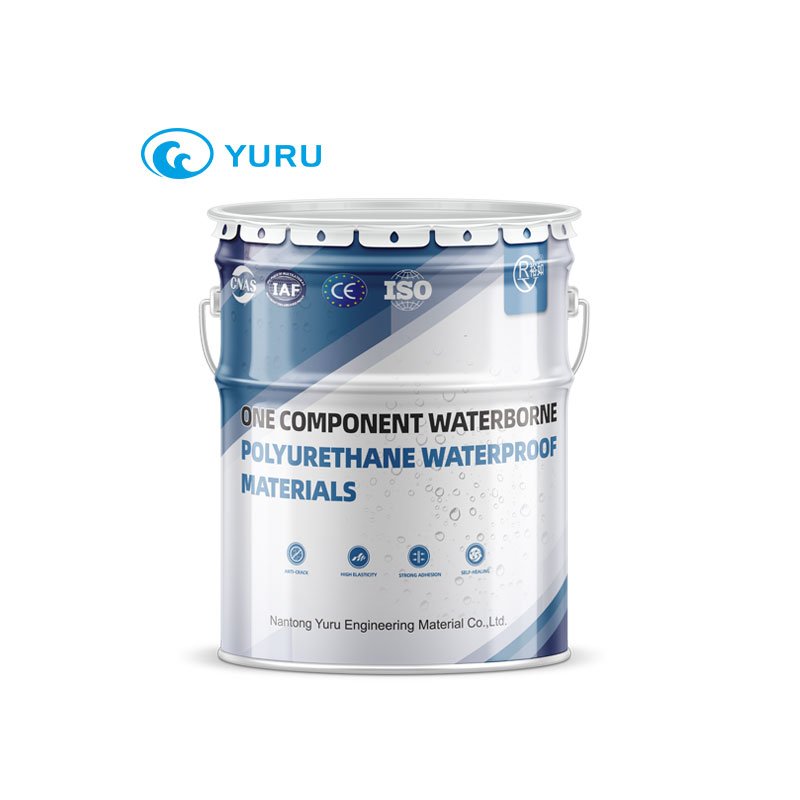
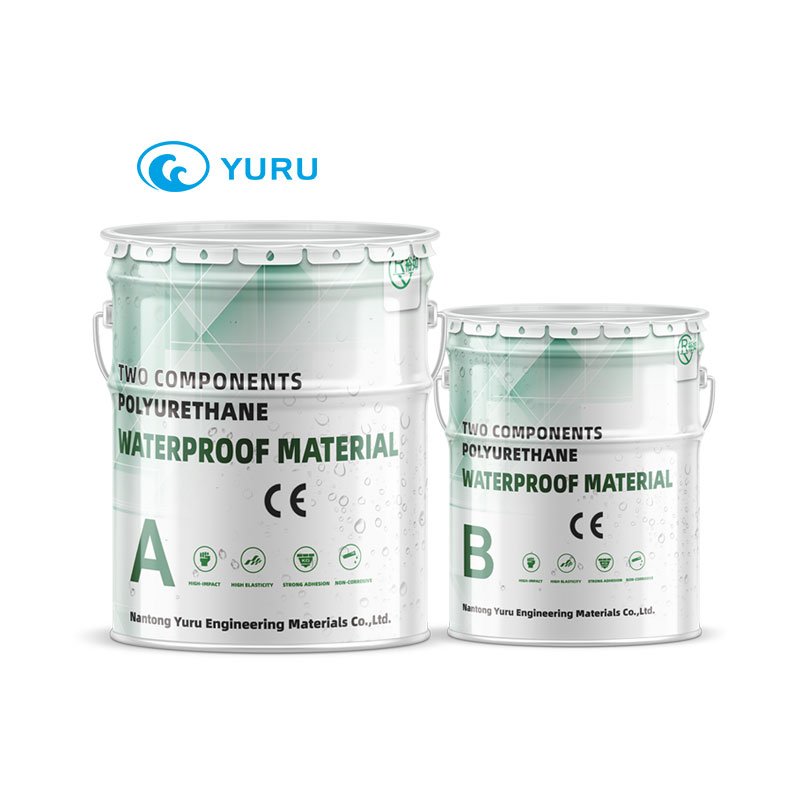
Polyurethane coatings have excellent elasticity and strong adhesion, suit for various surfaces.
Key advantages include:
- High flexibility to accommodate structural movement
- Strong bonding with concrete and metal surfaces
- Good resistance to weather and aging
- Seamless waterproof layer formation
Polyurethane coatings are particularly suitable for complex roof structures, but some pu coatings are not suitable for direct exposure and require the application of an additional protective layer.
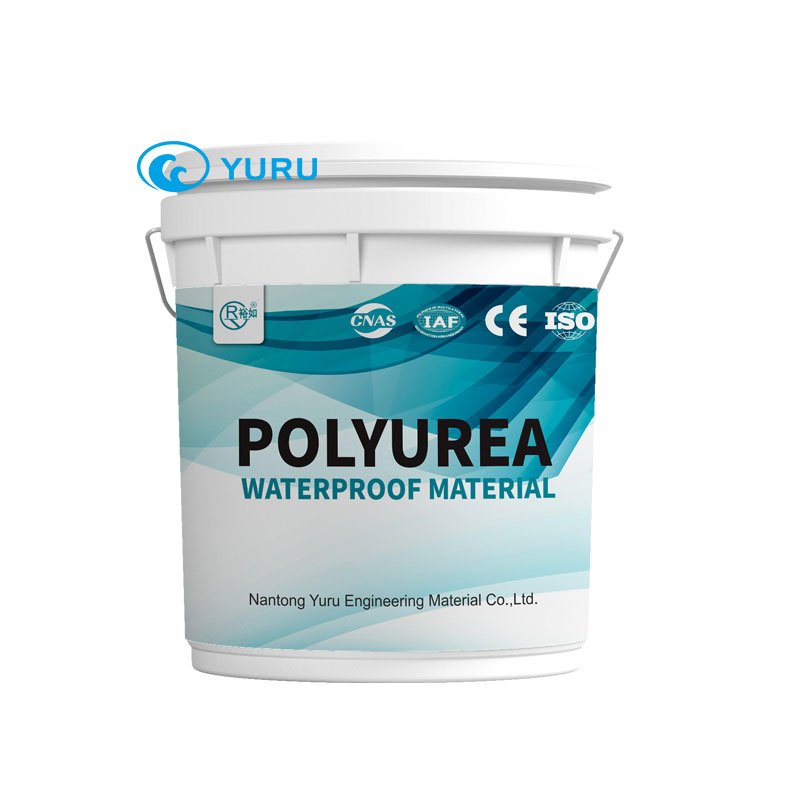
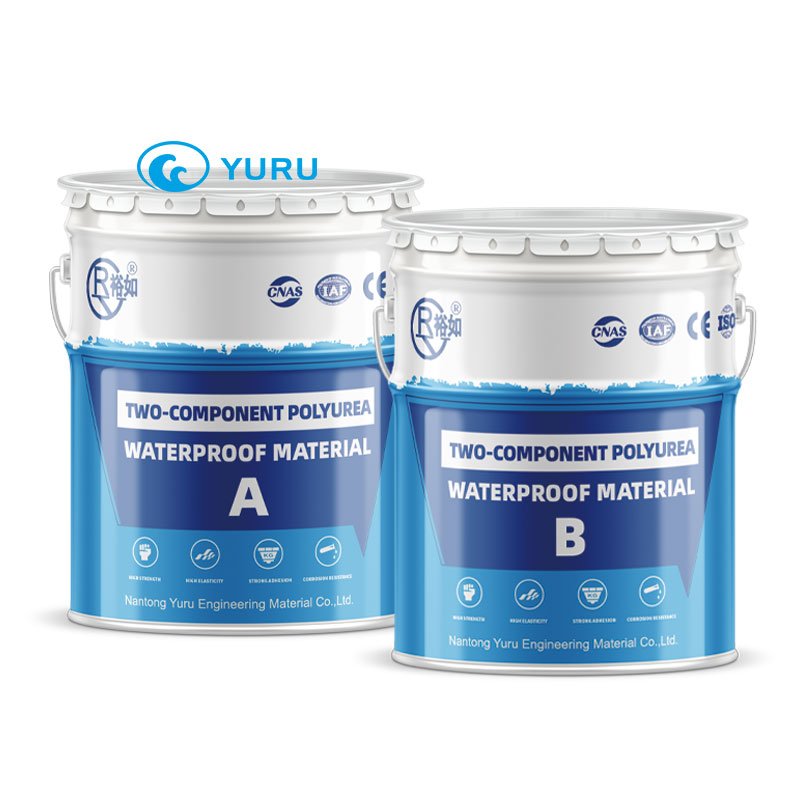
Polyurea Roof Coating
Polyurea waterproof coatings is popular in morden construction beacuse its fast curing times and superior mechanical strength.
Key characteristics include:
- Rapid curing
- Durability and abrasion resistance
- High resistance to temperature changes
- Long service life in demanding environments
Polyurea coatings are suitable for large-scale projects, such as industrial, commercial buildings, infrastructure.
Acrylic Waterproof Coating
Acrylic roof coatings have good uv-resistance, commonly used for residential buildings and small commercial structures.
Features include:
- Easy application
- Cost-effective solution
- Good UV resistance
- Suitable for maintenance and refurbishment projects
However, acrylic coatings may not perform well in extremely harsh environments.
Silicone Waterproof Coating
Silicone roof coatings are designed for areas exposed to intense sunlight.
Important features include:
- Excellent UV resistance
- Strong water repellency
- Long-term performance in outdoor environments
Silicone coatings are often recommended for buildings in hot or humid climates.
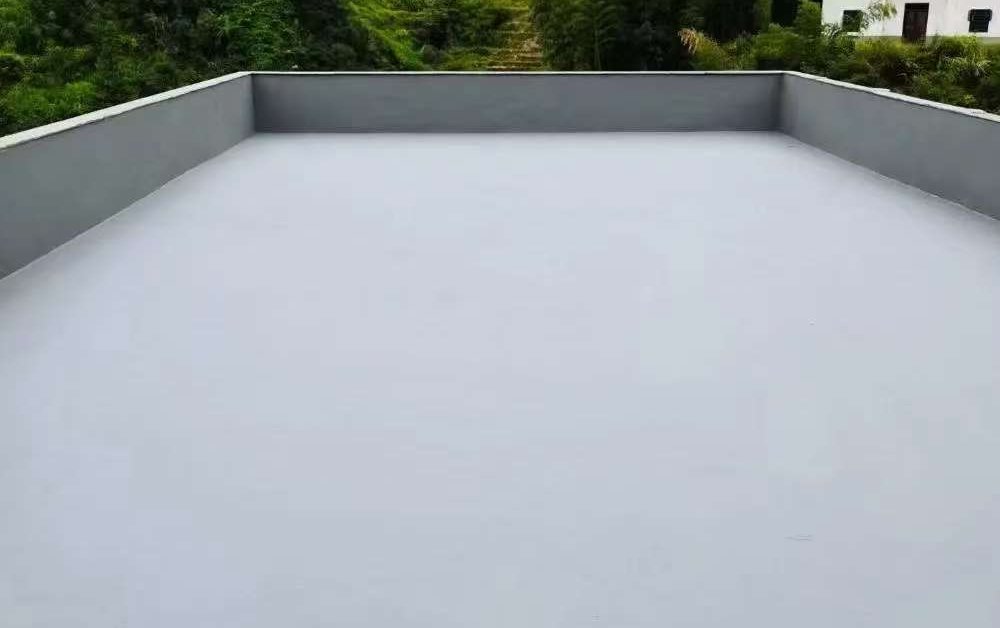
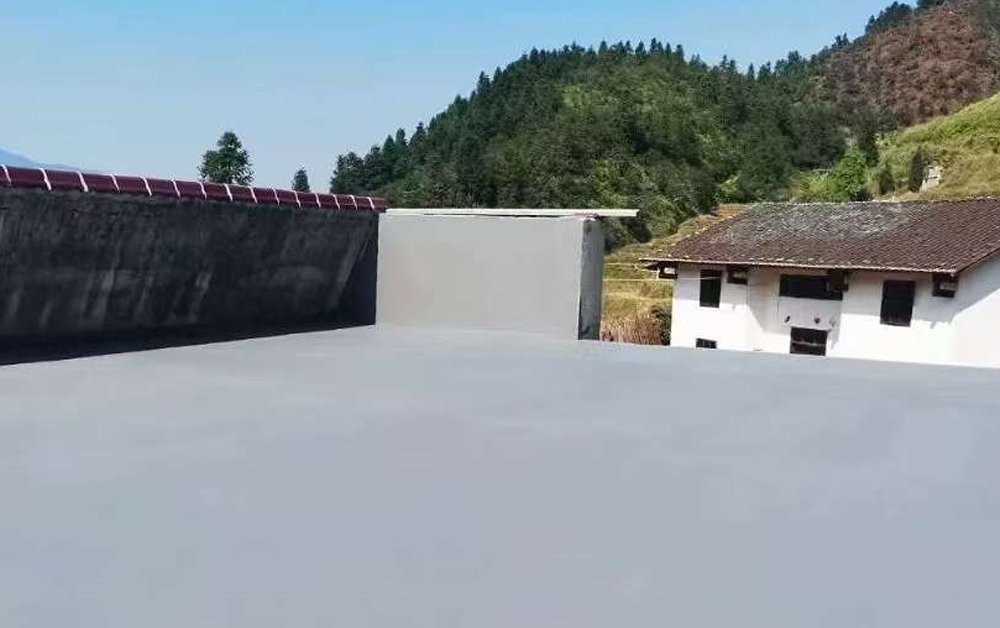
Key Factors When Choosing the Best Waterproof Coating for Roofs
Selecting the right waterproof coating involves evaluating various project-specific factors.
Roof Material
Different roofing materials require different coating materials.
Examples include:
- Concrete roofs may require flexible coatings like polyurethane.
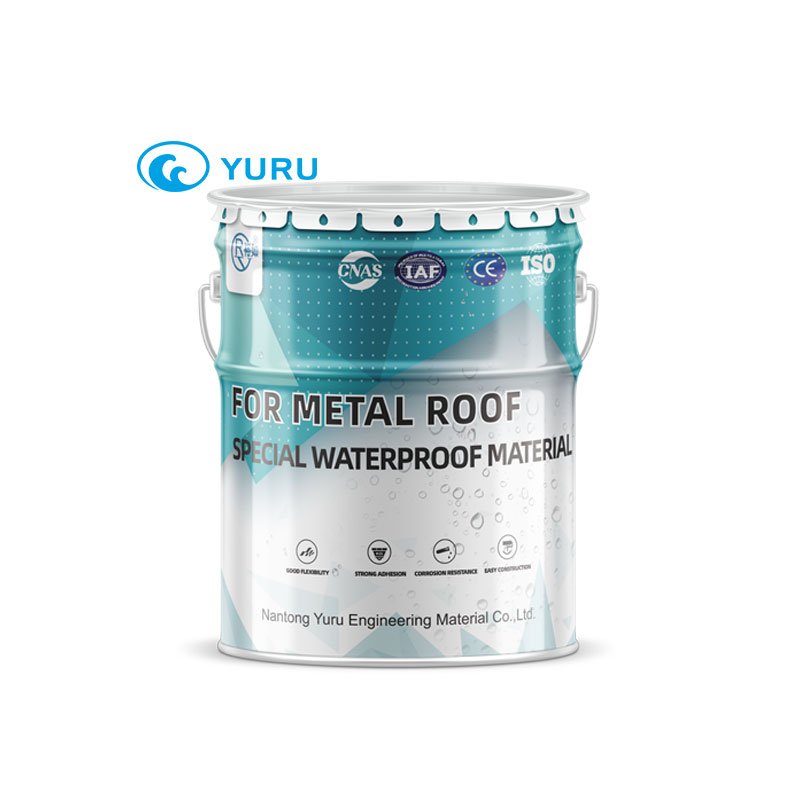
- Metal roofs often demand strong adhesion and corrosion resistance, recommend acrylic coatings.
- Older roofs typically require coatings specifically designed for renovation and repair purposes.
Climate and Environmental Conditions
When selecting the most suitable coating type, climate and environmental factors must be carefully considered.
For example:
- Regions with intense sunlight require coatings that offer UV resistance.
- Areas with rainy climates require coatings with excellent water resistance properties.
- Industrial zones may require coatings capable of withstanding chemical corrosion.
Durability and Flexibility
A high-quality coating must withstand structural movement.
Flexible coatings are essential for preventing cracks in the waterproof layer.
Installation and Maintenance Costs
Evaluating installation costs and maintenance requirements helps determine the most cost-effective solution.
Best Waterproof Coatings for Different Roof Types
Different roof structures require different waterproofing coatings.
Concrete Roofs
Concrete roofs are common in daily buildings. These roofs may develop cracks over time.
Polyurethane waterproof coatings or polyurea coatings both recommended because they provide flexible waterproof protection.
Metal Roofs
Metal roofs are widely used in warehouses, factories, and agricultural buildings. And metal surfaces are prone to corrosion.
Acrylic or silicone coatings can help protect metal roofs by providing corrosion resistance and improved waterproofing.
Industrial Facility Roofs
Industrial buildings often have large roof areas and the environment is relatively poor.
Polyurea coatings can use in these environments because they offer:
- Excellent durability
- Resistance to chemicals and abrasion
- Long service life
Residential Roofs
Homeowners often prefer easy to apply and cost-effective. Acrylic roof coatings are commonly used for residential maintenance projects.
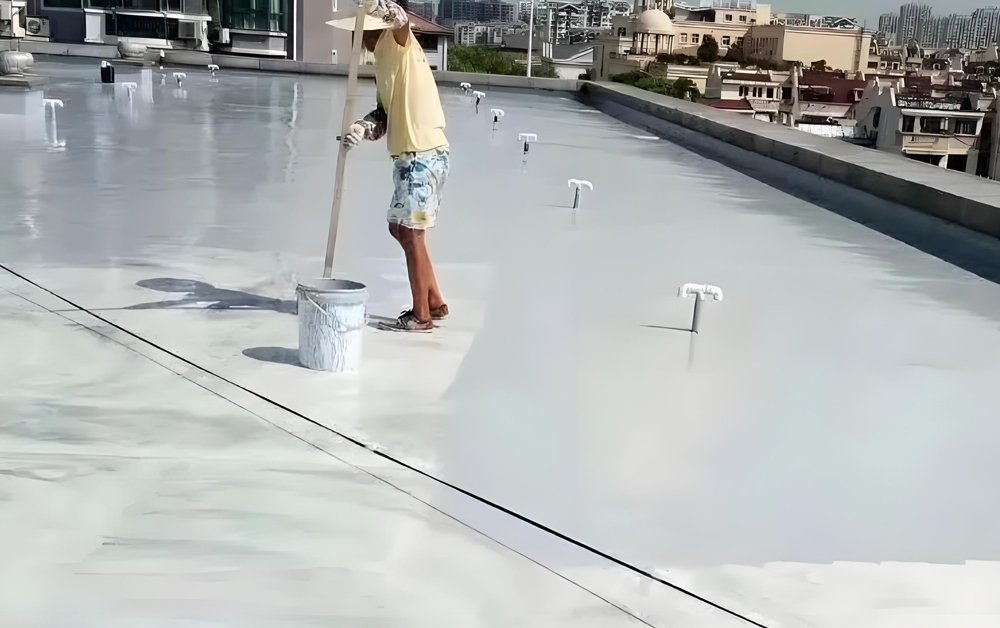
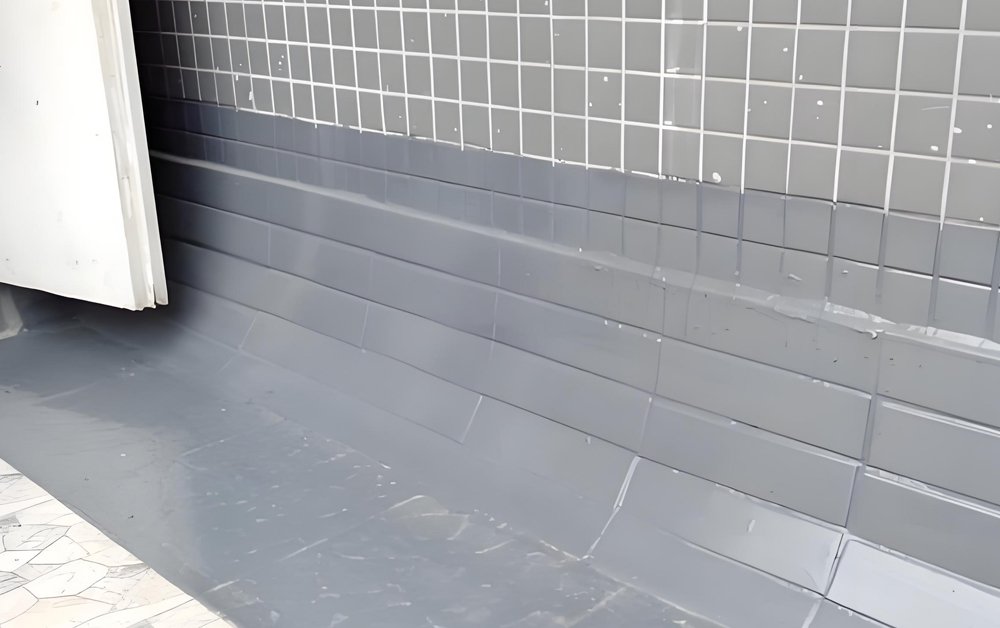
Roof Waterproof Coating Application Process
A professional construction process, combined with high-quality materials, delivers optimal results.
Surface Preparation
Before applying a waterproof coating, the roof surface must be cleaned thoroughly. Dirt, dust, and loose materials can reduce coating adhesion.
Cracks or damaged areas should be repaired well before applying paint.
Primer Application
In some cases, a primer layer is applied to improve adhesion between the roof surface and the waterproof coating.
Coating Application
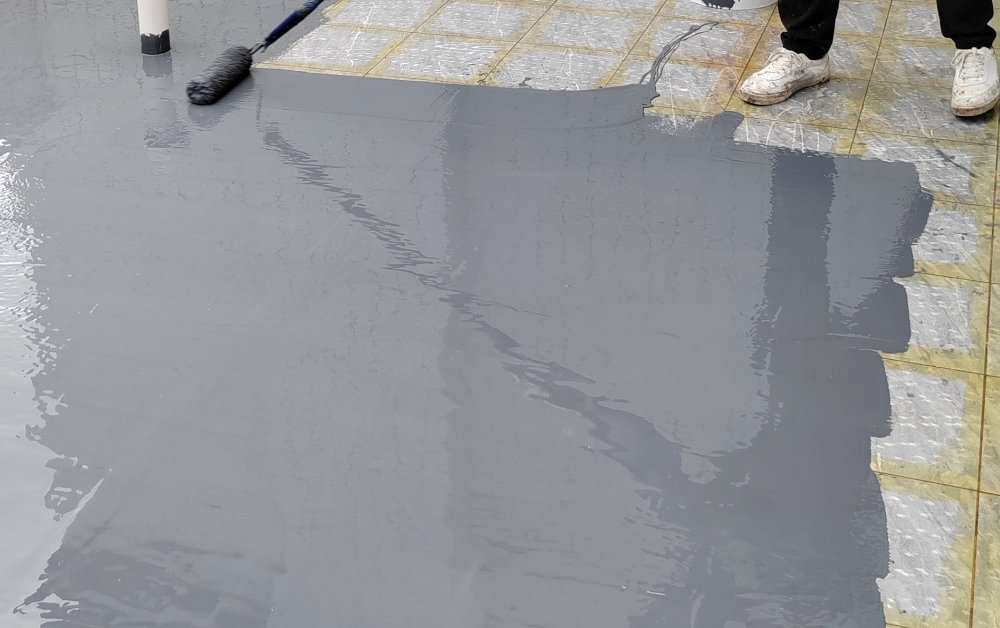
The waterproof coating is applied in one or multiple layers. It is necessary to follow the “three layers of fabric, one coat” procedure.
Methods may include:
- Roller application
- Brush application
- Spray application for large surfaces
Curing and Inspection
After application, allow the coating to fully cure. Personnel should inspect the roof to ensure that the coating is uniform and of sufficient thickness.
Choosing a Reliable Waterproof Coating Manufacturer
For contractors and project managers, selecting the right supplier is also very important.
A reliable manufacturer should offer:
- Consistent product quality
- Technical support and guidance
- Comprehensive product documentation
- Stable supply for large projects
YURU Waterproof Solutions
YURU Waterproof is a professional manufacturer specializing in waterproof coatings, grouting materials, and flooring coatings based in China.
The company focuses on delivering reliable materials, stable product quality, and technical support to ensure project success.
Why Modern Construction Projects Prefer Waterproof Coatings?
Seamless Waterproof Protection
After curing, coatings can create a continuous protective layer without seams, to waterproof.
Adaptability to Complex Roof Structures
Unlike sheet membranes, coatings can easily cover irregular surfaces and penetrations.
Improved Durability
High-performance coatings can withstand extreme weather conditions, keep long-lasting performance.
Cost-Effective Maintenance
The coatings can often be reapplied without major reconstruction.
FAQs:
1. What is the best waterproof coating for roofs?
The best waterproof coating depends on the roof type and environmental conditions. Recommend polyurethane coatings, polyurea coatings, and silicone coatings.
2. How long does a roof waterproof coating last?
Can last between 10 and 20 years when applied correctly.
3. Can waterproof coatings be applied to old roofs?
Yes. The waterproof coating can be applied to old roofs.
4. Are waterproof coatings suitable for metal roofs?
Yes. Acrylic and silicone coatings are often used on metal roofs.
5. How often should roof coatings be inspected?
Roof coatings should typically be inspected once or twice per year.
Conclusion:
Choosing the best waterproof coating for roofs requires considering multiple factors. Modern coatings such as pu, polyurea, acrylic, and silicone can provide effective solutions.
Not only selecting high-quality materials, but also following proper application methods, can significantly improve roof waterproof and durability.
YURU Waterproof offers a range of products designed to meet the needs of modern construction projects. Contact YURU Waterproof for customized solutions.
YURU Product solutions