How to Waterproof a Roof?
Introduction:
The roof has always been there to protect the building. However, over time, roofing materials will inevitably face wear. Without proper waterproofing, the roof and building structure will be damaged.
Water infiltration can cause serious problems, understanding how to waterproof a roof is essential for protecting buildings.
Modern roofings rely on advanced waterproof materials and professional installation techniques, then ensure long-term durability.
In this guide, we will introduce the importance of roof waterproofing, preparation steps, common waterproofing materials and installation procedures.
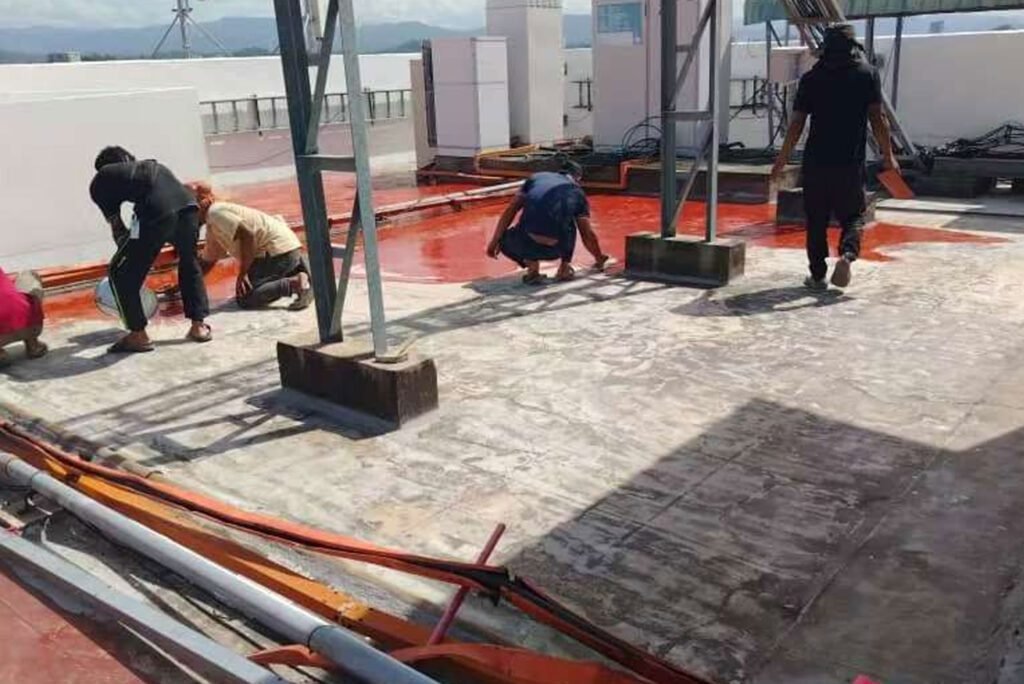
Why Roof Waterproofing Is Essential for Buildings?
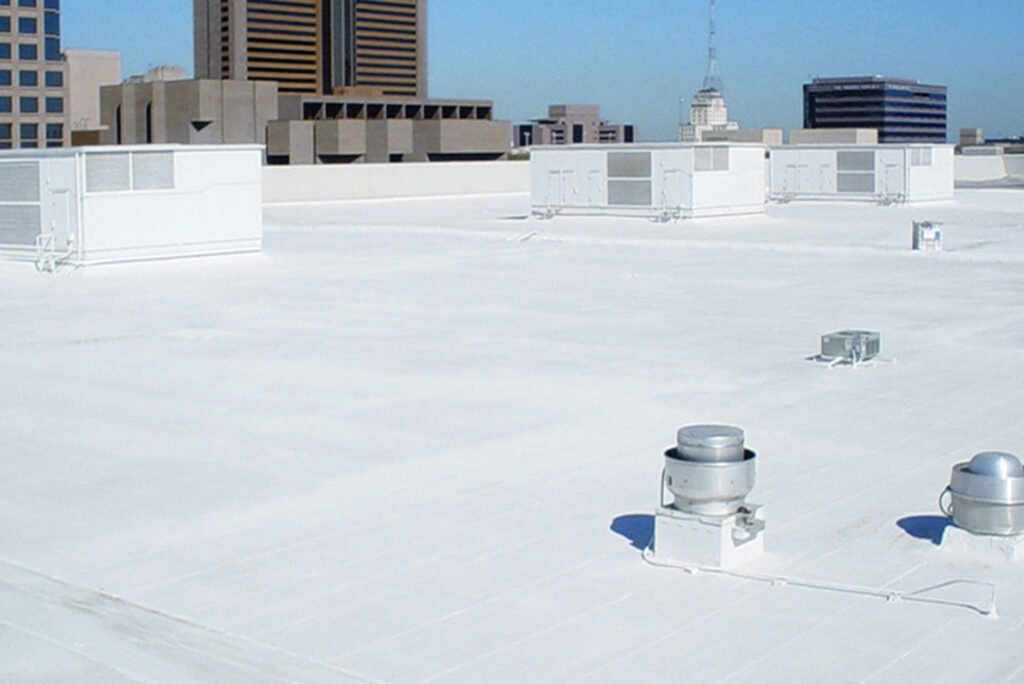
Roof waterproofing is not just an optional improvement. It is a fundamental requirement for maintaining the structural safety and durability of buildings.
Preventing Structural Damage
Long-term moisture penetration can affect the structural safety of a building, leading to cracking, aging. Over time, this can weaken the building’s integrity.
Proper waterproofing prevents moisture from reaching these structural elements, protecting them from corrosion and deterioration.
Protecting Interior Spaces
Roof leaks cause common problems include:
- Water stains on ceilings and walls
- Damaged insulation
- Mold and mildew growth
- Electrical hazards
A properly installed waterproofing system can prevent these issues and maintains a healthy indoor environment.
Extending Roof Lifespan
Roofs experience thermal expansion and contraction due to temperatures. Waterproof coatings help absorb these movements and prevent cracking in roofing materials.
As a result, roofs last longer.
Reducing Maintenance Costs
Repairing water damage inside a building is extremely expensive. Proper roof waterproofing reduces maintenance costs and avoids frequent repairs.
Because of these advantages, waterproofing has become a standard practice in modern construction projects.
Preparing the Roof Surface Before Waterproofing
Properly preparing the substrate surface is one of the most crucial steps in roof waterproofing. Otherwise, even the best waterproofing materials will not be effective for long.
Inspecting the Roof Structure
The first step is to inspect the roof carefully. Contractors should identify:
- Cracks in concrete surfaces
- Damaged roofing materials
- Weak joints or seams
- Areas with previous water leakage
These problems must be addressed before waterproofing begins.
Cleaning the Roof Surface
The roof surface must be thoroughly cleaned to remove:
- Dust and debris
- Oil or grease contamination
- Loose particles
- Old coating residues
Cleaning improves the adhesion between the roof surface and the waterproofing material.
Repairing Surface Defects
Cracks and holes should be repaired before applying waterproof coatings. This step ensures that the coating forms a continuous protective layer.
Common repair methods include crack filling, patching damaged areas, injection grout repaired and reinforcing weak structural points.
Ensuring a Dry and Stable Surface
Most waterproof coatings require a dry and stable surface for proper curing. Contractors should check moisture levels before starting the waterproofing process.
By completing these preparation steps carefully, then improve the durability of the waterproofing system.
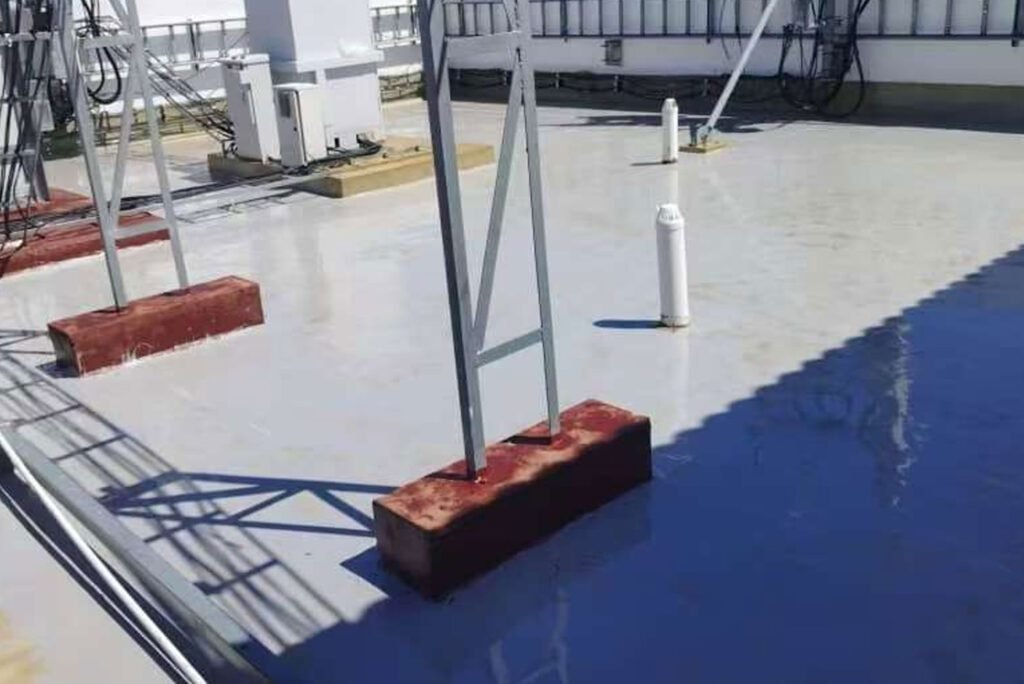
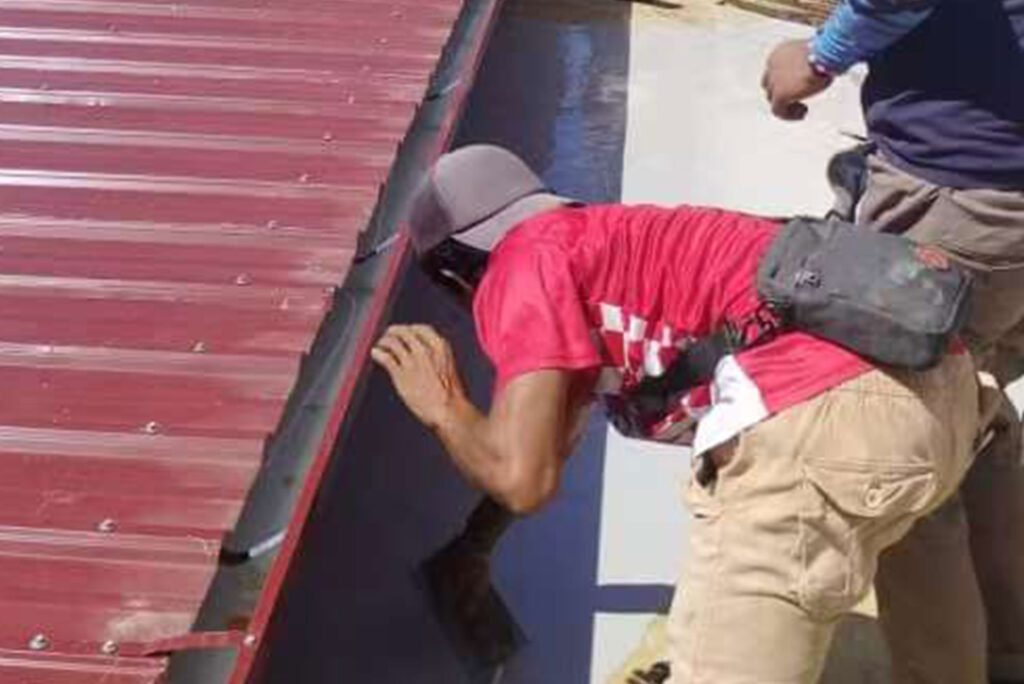
Common Roof Waterproofing Methods and Materials
There are several methods used to waterproof roofs.
Polyurethane Waterproof Coating
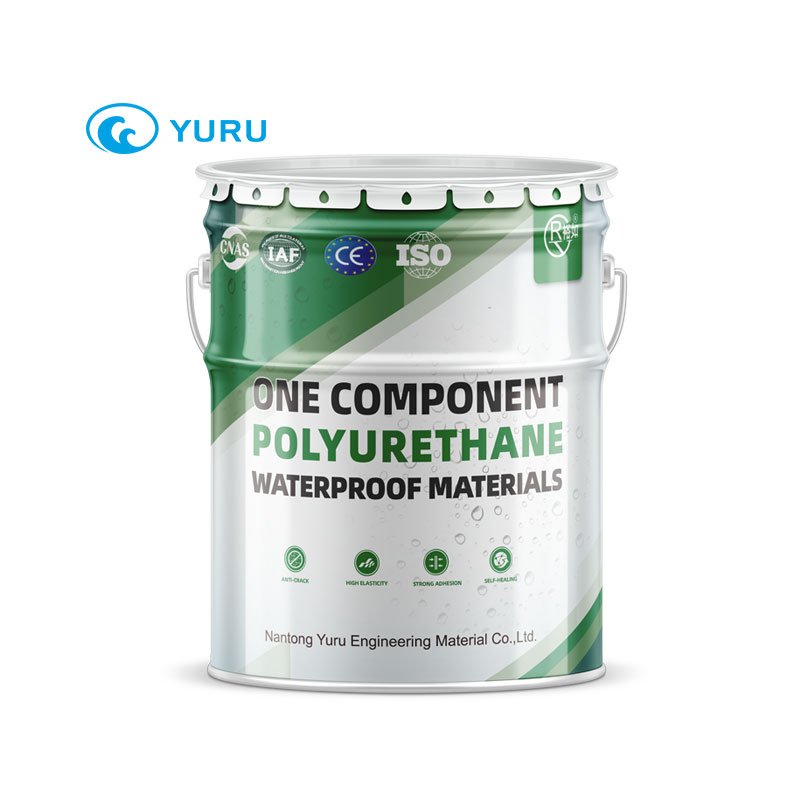
Polyurethane coatings are widely used in roof waterproofing because of their flexibility and strong adhesion.
Advantages include:
- Excellent elasticity
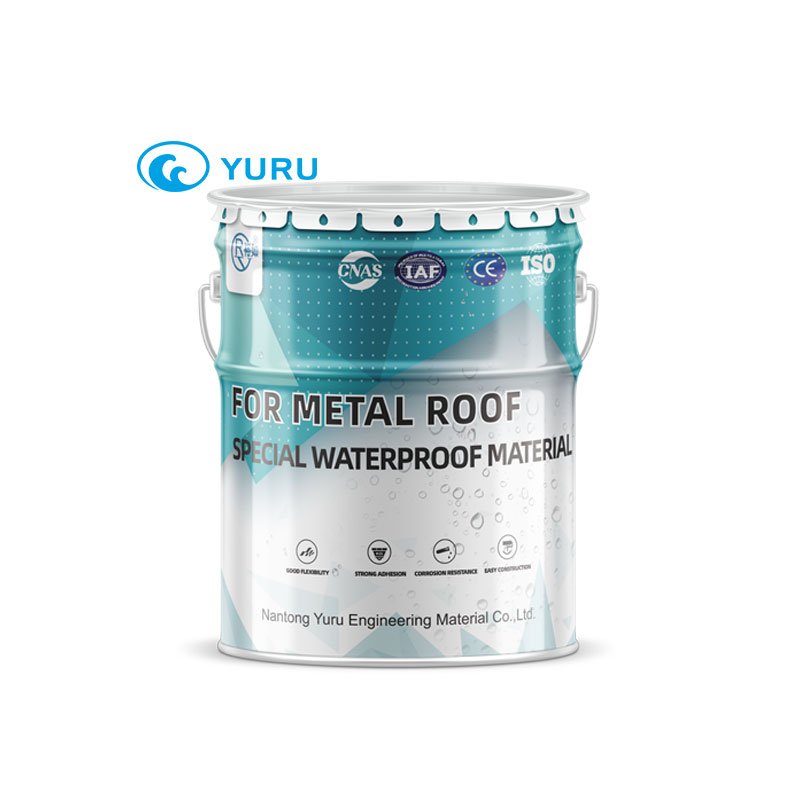
- Strong bonding to concrete and metal surfaces
- Resistance to weather and UV exposure
- Seamless waterproof membrane formation
Polyurethane coatings are especially effective for roofs with complex shapes or multiple penetrations.
Polyurea Waterproof Coating
Polyurea coatings is advanced waterproofing technologies available today.
Key characteristics include:
- Fast curing time
- High mechanical strength
- Superior resistance to abrasion and chemicals
- Long service life
Polyurea coatings are commonly used in industrial facilities, large commercial buildings, and infrastructure projects.
Acrylic Roof Coating
Acrylic coatings are frequently used in residential buildings because they are cost-effective and easy to apply.
Their advantages include:
- Good UV resistance
- Simple application methods
- Environmentally friendly formulations
- Suitable for maintenance and repair projects
However, acrylic coatings may require periodic reapplication depending on environmental conditions.
Silicone Roof Coating
Silicone coatings provide excellent protection in regions with heavy rainfall or strong sunlight.
Key benefits include:
- Outstanding water resistance
- Strong UV protection
- Long-term durability in outdoor environments
Silicone coatings are particularly useful for roofs exposed to extreme weather conditions.
Step-by-Step Roof Waterproofing Process
Waterproofing a roof requires careful planning and professional installation. Following the correct steps ensures optimal performance.
Step 1: Surface Cleaning and Preparation
Before applying waterproof materials, the roof must be cleaned and repaired. All debris, dust, and loose materials should be removed.
Cracks and damaged areas must be filled or patched to create a smooth surface.
Step 2: Applying a Primer Layer
In many waterproofing systems, a primer is applied before the main coating. The primer improves adhesion between the roof substrate and the waterproof material.
Primers also help seal porous surfaces such as concrete.
Step 3: Applying the Waterproof Coating
The waterproof coating is applied in one or more layers depending on the product specifications.
Application methods include:
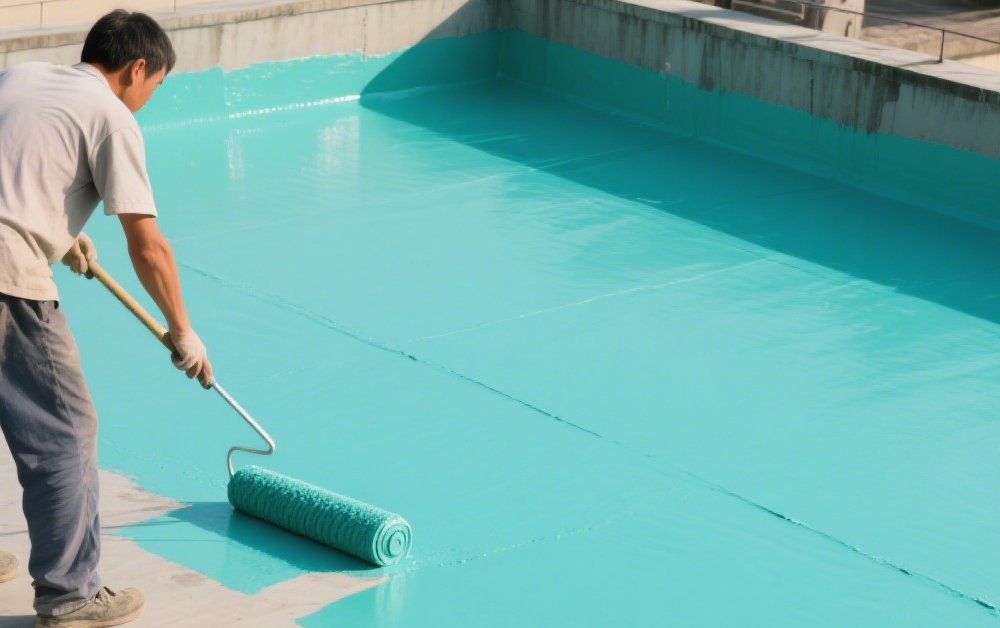
- Roller application
- Brush application
- Spray application for large surfaces
Multiple layers may be required to achieve the recommended thickness.
Step 4: Reinforcing Critical Areas
Certain roof areas require additional reinforcement, including:
- Drain outlets
- Pipe penetrations
- Expansion joints
- Roof seams
Reinforcement materials such as mesh fabrics may be used to strengthen these areas.
Step 5: Final Inspection and Curing
After the coating is applied, the roof must be allowed to cure according to manufacturer guidelines.
Contractors should inspect the surface to ensure uniform coverage and proper thickness.
Proper curing ensures the waterproof coating achieves its full performance.
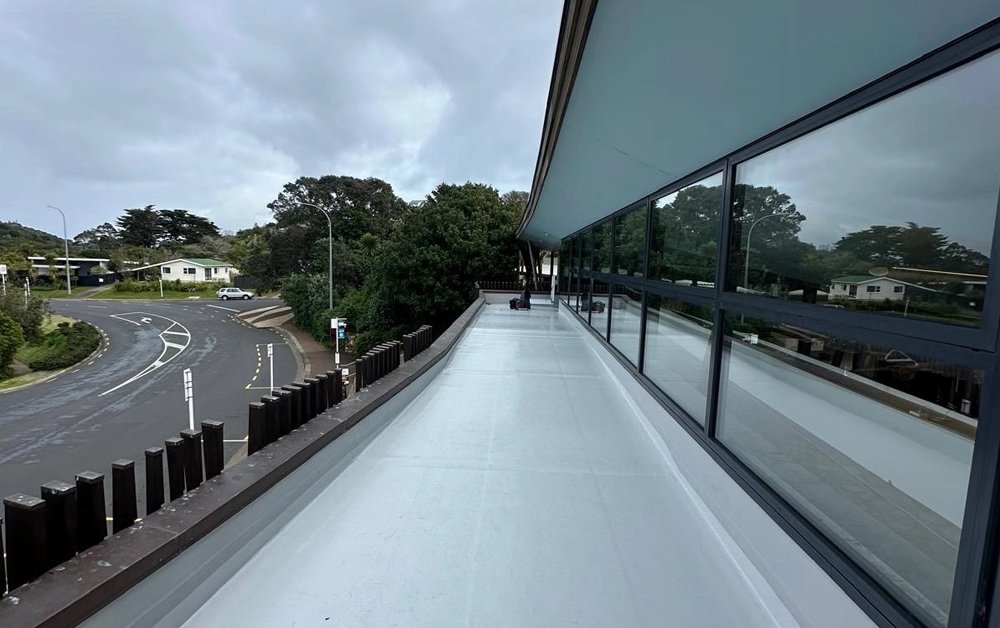
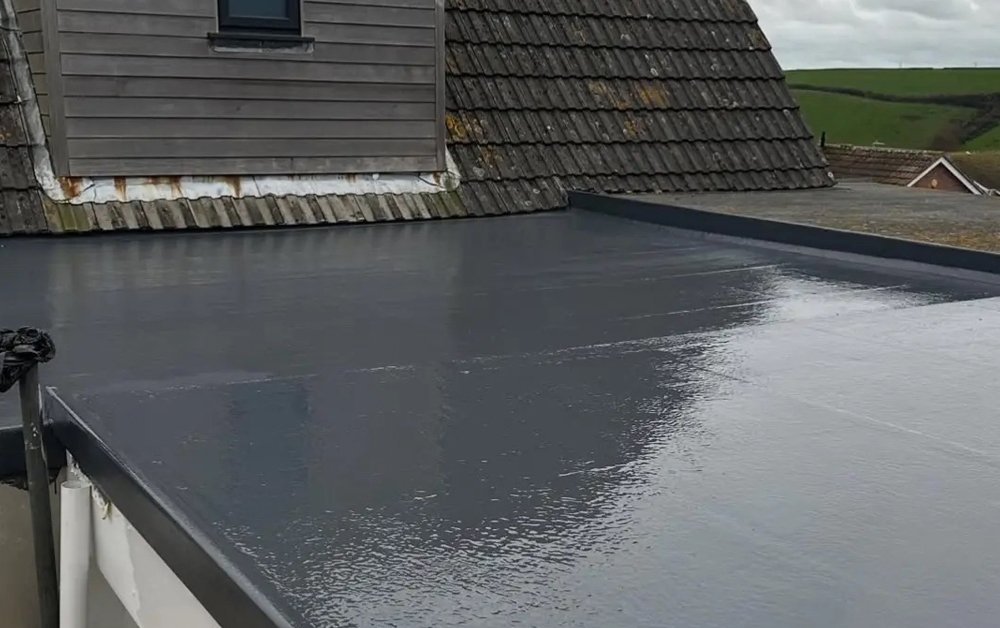
Choosing a Reliable Waterproofing Material Supplier
The success of a waterproofing project depends not only on materials and techniques but also on the reliability of the product supplier.
Product Quality and Certification
High-quality waterproofing materials should meet industry standards and undergo strict quality control during production.
Technical Support and Expertise
Reliable manufacturers provide technical guidance to help contractors select the most appropriate materials for their projects.
Stable Supply for Large Projects
Large construction projects require consistent material supply. Choosing an experienced manufacturer helps avoid delays and quality inconsistencies.
YURU Waterproof Solutions
YURU Waterproof is a professional manufacturer specializing in waterproof coatings, grouting materials, and floor coating systems. The company focuses on delivering reliable solutions for construction professionals, including contractors, engineers, distributors, and municipal project developers.
The products are widely used in residential, commercial, and industrial projects. By combining advanced technology with strict quality control, the company helps customers achieve durable and effective waterproofing systems.
Building a Long-Lasting Roof Waterproofing System
Successful roof waterproofing involves more than simply applying a coating. It requires a comprehensive system that combines quality materials, proper installation, and regular maintenance.
Proper Design and Material Selection
- The roof waterproofing system should be designed according to the building type, environmental conditions, and expected service life.
Professional Installation
- Experienced contractors ensure correct application techniques and adequate coating thickness.
Regular Inspection and Maintenance
- Periodic roof inspections help identify early signs of wear or damage. Small repairs can prevent larger problems in the future.
FAQs:
1. What is the best way to waterproof a roof?
Common solutions include polyurethane, polyurea, acrylic, and silicone waterproof coatings.
2. How long does roof waterproofing last?
Last between 10 and 20 years when properly installed and maintained.
3. Is roof waterproofing necessary for concrete roofs?
Yes. Concrete roofs can develop cracks over time, which may allow water infiltration. Waterproof coatings help prevent this problem.
4. How often should roof waterproofing be inspected?
Roofs should typically be inspected once or twice per year, especially after severe weather conditions.
Conclusion:
Understanding how to waterproof a roof is important. Modern waterproofing technologies provide reliable solutions for residential, commercial, and industrial roofs.
From proper surface preparation to selecting the right coating materials and following professional installation procedures, every step plays a role in achieving long-term protection.
Contact YURU Waterproof for expert guidance and customized recommendations.
YURU Product solutions