How Does Polyurea Grout Work?
Introduction:
In modern construction and waterproofing projects, among the available solutions, polyurea grout has gained attention for its speed, flexibility, and strong sealing performance. However, many contractors and buyers still ask a fundamental question:
How does polyurea grout actually work?
Understanding the working mechanism is essential. It helps you:
- Choose the right material for your project.
- Avoid common application mistakes.
- Improve waterproofing and reinforcement results.
- Communicate effectively with suppliers and engineers.
This guide explains the full process, from chemical reaction to field performance, based on real-world applications.
What Is Polyurea Grout?
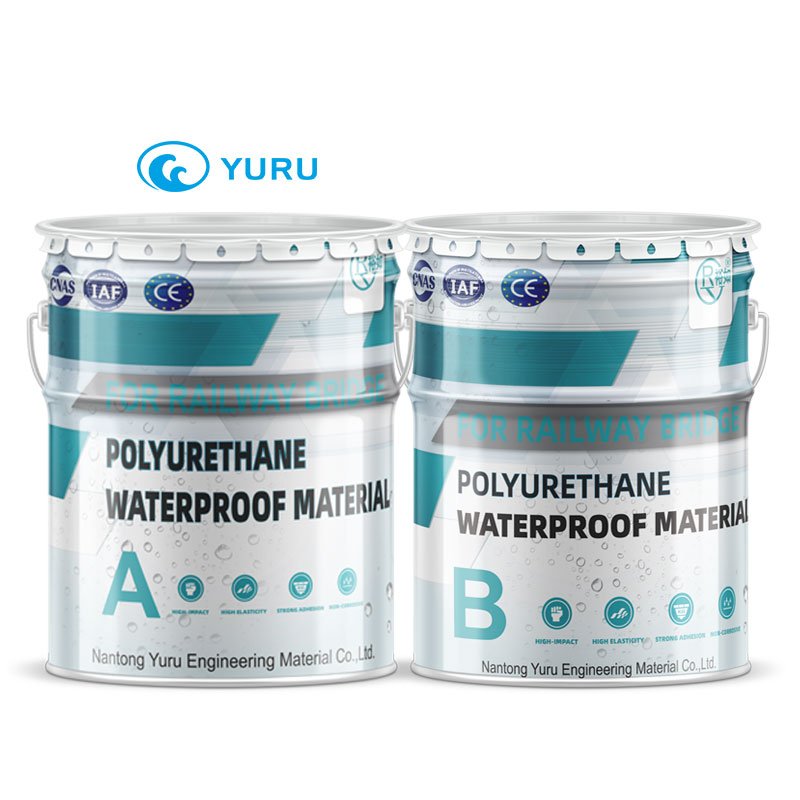
Polyurea grout is a fast-reacting polymer material used for crack injection, void filling, and waterproof sealing.
Key Properties:
Polyurea grout stands out because of its:
- Fast curing time
- High elasticity after curing
- Strong adhesion to concrete
- Excellent resistance to water and chemicals
Unlike traditional materials, polyurea does not rely on environmental moisture to cure, which makes it more stable under varying conditions.
How Does Polyurea Grout Work? (Step-by-Step Process)
To fully understand its performance, we need to break down the working process into clear stages.
Step 1: Injection into Cracks or Voids
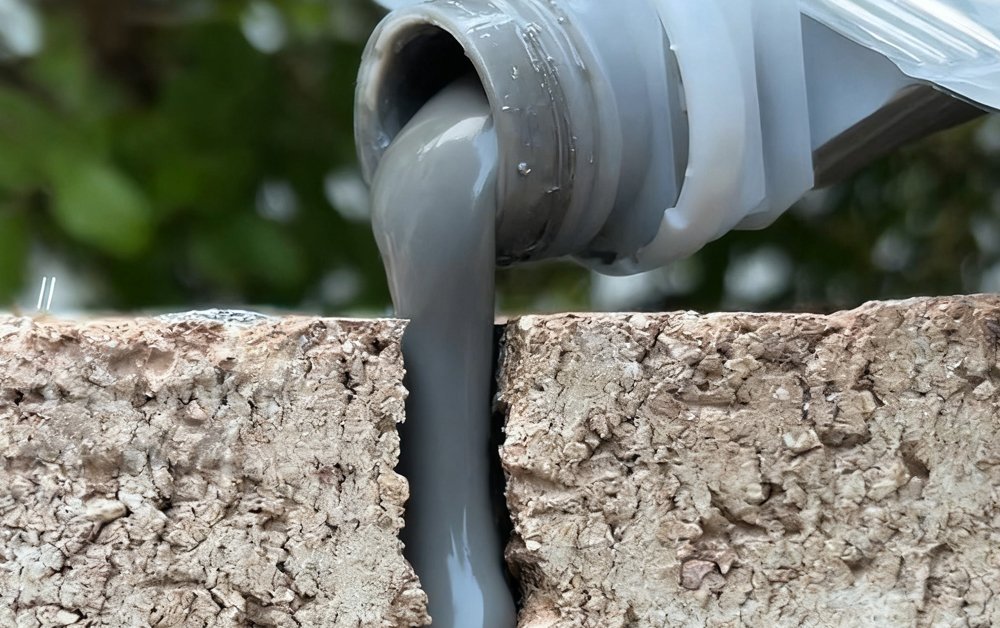
The process begins with injecting liquid polyurea grout into the target area.
These areas may include:
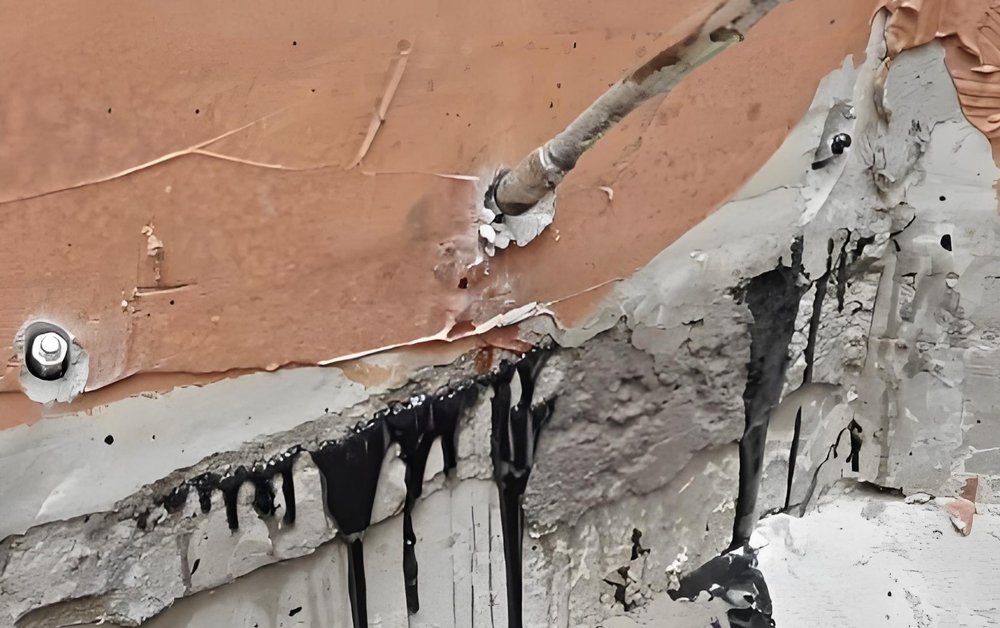
- Concrete cracks
- Structural joints
- Underground voids
- Water leakage paths
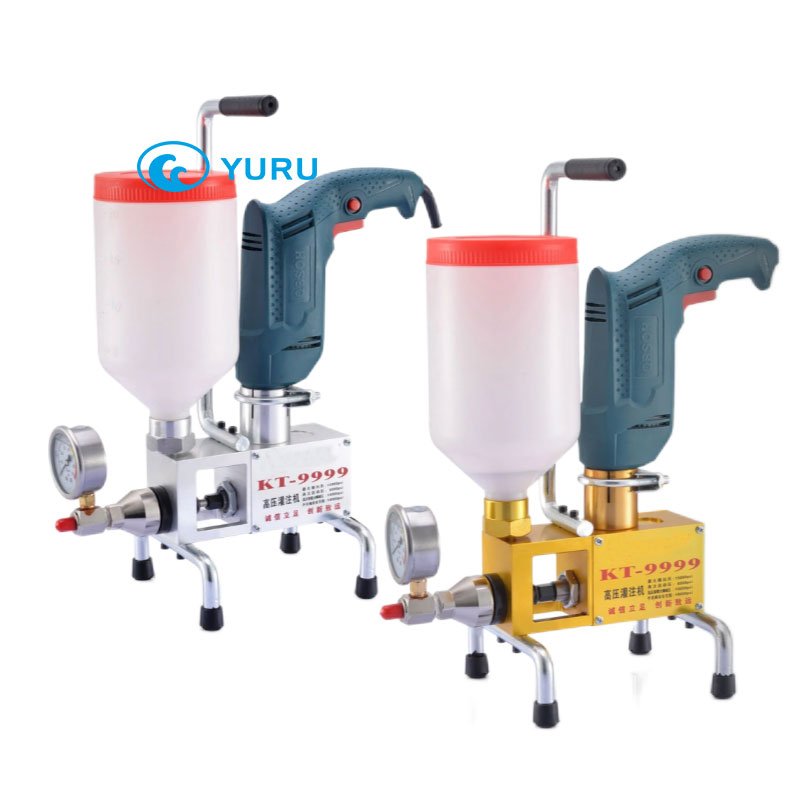
The injection is typically performed using high-pressure equipment to ensure deep penetration.
Step 2: Rapid Chemical Reaction
A chemical reaction starts immediately.
This reaction: Converts liquid into solid elastomer
Because of this rapid reaction, the material quickly stabilizes within the structure.
Step 3: Expansion and Penetration
During the reaction, polyurea grout may slightly expand.
This expansion helps:
- Fill micro-cracks
- Reach hidden voids
- Improve contact with surrounding materials
At the same time, its low initial viscosity allows it to penetrate deeply into fine cracks.
Step 4: Formation of Elastic Solid Structure
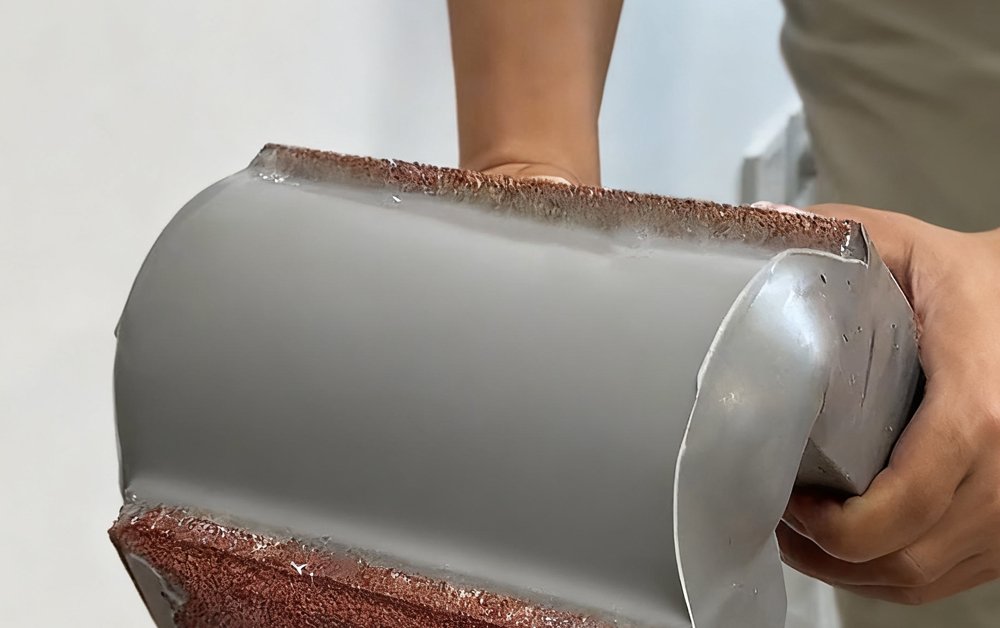
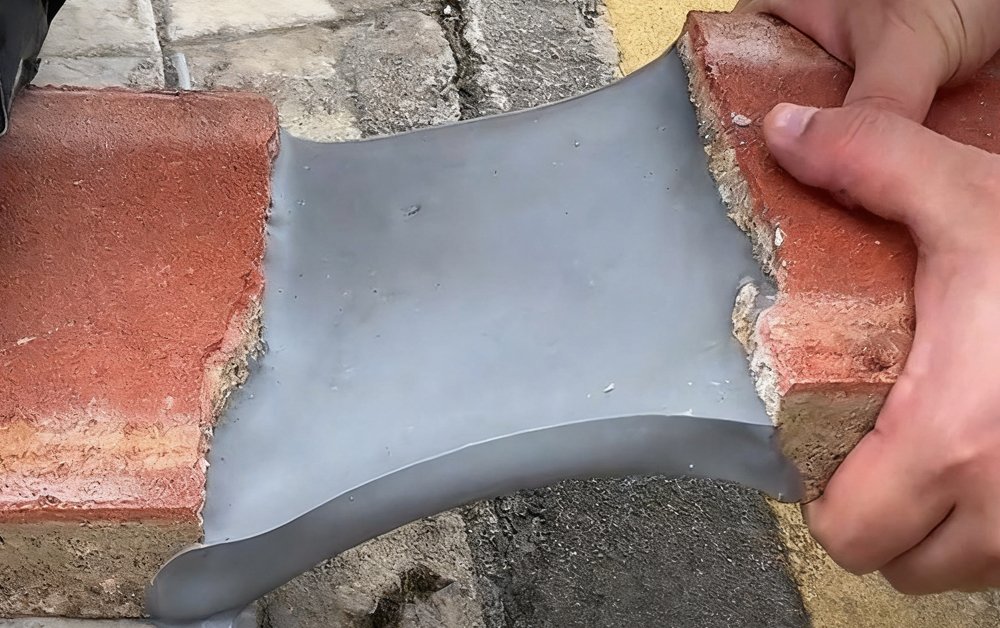
After curing, the material forms a flexible yet strong structure.
This structure:
- Bonds tightly with concrete
- Maintains elasticity over time
- Absorbs minor structural movements
This is a key advantage over rigid materials like cement grout.
Step 5: Sealing Water Pathways
Finally, the cured polyurea creates a continuous barrier.
This barrier:
- Blocks water infiltration
- Resists hydrostatic pressure
- Prevents future leakage
As a result, polyurea grout provides both structural reinforcement and waterproofing in a single process.

The Core Mechanisms Behind Polyurea Grouting
To better understand its effectiveness, we can look at the underlying mechanisms.
Chemical Reaction Mechanism
Polyurea forms through a rapid polymerization reaction between isocyanates and amines.
Unlike polyurethane, this reaction:
- Does not depend on water
- Is less affected by humidity
- Produces consistent results
Physical Filling Mechanism
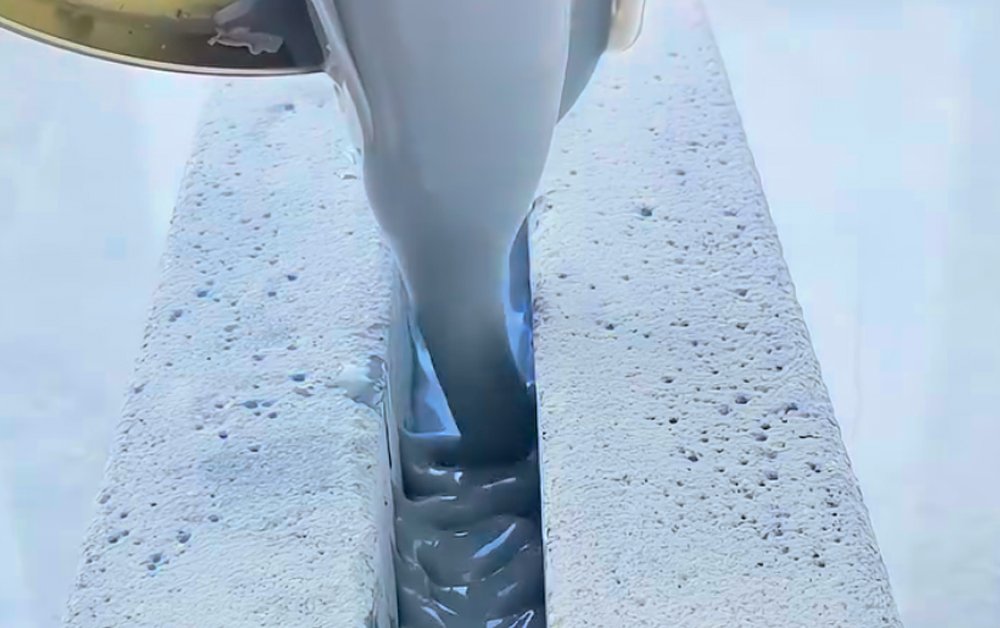
Polyurea grout flows into cracks and voids before curing.
This allows it to:
- Fill irregular shapes
- Seal complex structures
- Reinforce weak zones
Elastic Adaptation Mechanism
Once cured, polyurea remains flexible.
This flexibility allows it to:
- Adapt to temperature changes
- Handle minor structural movement
- Prevent cracking under stress
Waterproof Sealing Mechanism
The final cured material forms a dense, closed structure.
This structure:
- Prevents water penetration
- Resists long-term exposure
- Maintains sealing performance over time
Where Is Polyurea Grout Used?
Polyurea grout is widely used in projects where both sealing and reinforcement are required.
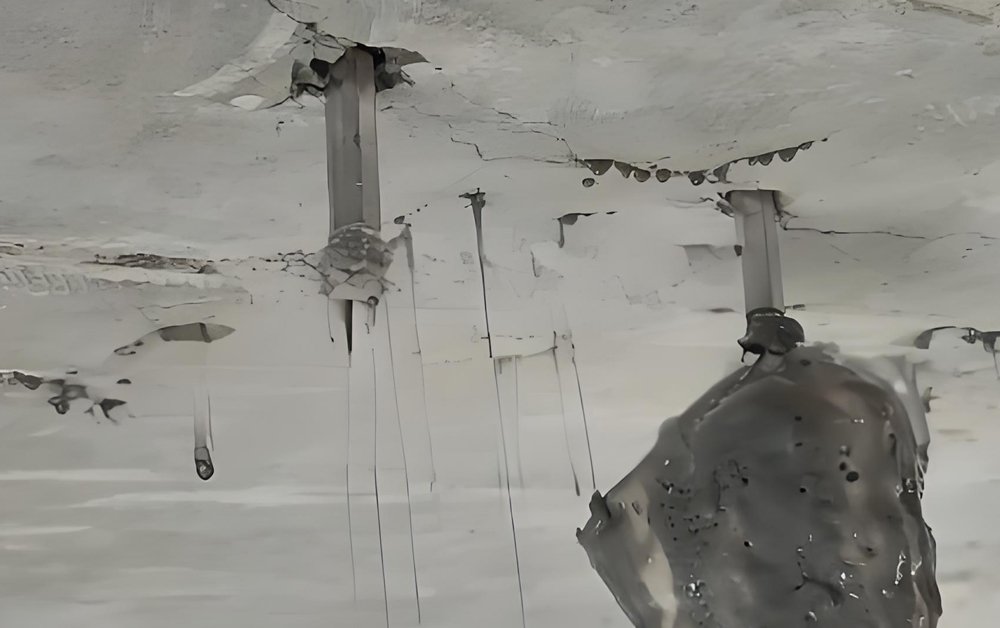
Crack Injection in Concrete Structures
Used to repair:
- Structural cracks
- Expansion joints
- Water leakage points
Underground Waterproofing
Common in:
- Basements
- Tunnels
- Subways
Its ability to perform in wet conditions makes it ideal for these environments.
Void Filling and Soil Stabilization
Used to:
- Fill cavities under slabs
- Stabilize loose soil
- Support foundations
Infrastructure Projects
Applied in:
- Bridges
- Highways
- Industrial facilities
These projects benefit from its durability and fast application.
Polyurea Grout vs Polyurethane Grout
Although similar, these materials have important differences.
Elasticity:
- Polyurea: higher long-term elasticity
- Polyurethane: may become brittle over time
Application Environment:
- Polyurea: works well in extreme conditions
- Polyurethane: more sensitive to moisture
Cost:
- Polyurea: higher cost
- Polyurethane: more economical
Installation Process Overview
Although methods vary, the general process includes:
Surface Preparation:
- Clean cracks
- Identify injection points
Installing Injection Packers:
- Ensure proper sealing
- Prepare for pressure injection
Grouting Operation:
- Inject material under controlled pressure
- Monitor material flow
Inspection and Finishing:
- Check filling effectiveness
- Seal injection holes
Common Issues and How to Avoid Them
Uneven Injection:
- Cause: Poor layout or pressure control
- Solution: Plan injection points carefully
Material Reacting Too Fast:
- Cause: High temperature or incorrect formulation
- Solution: Use controlled reaction systems
Incomplete Sealing:
- Cause: Insufficient injection volume
- Solution: Ensure full crack penetration

How to Choose High-Quality Polyurea Grout?
Key Factors to Consider
- Stable reaction time
- Balanced strength and flexibility
- Good performance in wet environments
- Reliable supply consistency
Importance of Technical Support
A good supplier should provide:
- Application guidance
- Project recommendations
- After-sales support
YURU Polyurea Grouting Solutions
YURU Waterproof specializes in high-performance grouting materials for global construction and infrastructure projects.
Product Strengths
- Consistent formulation quality
- Designed for real project conditions
- Suitable for multiple environments
Service Capabilities
- Technical consultation for contractors
- OEM and custom solutions
- Stable production and delivery
YURU focuses on helping clients achieve reliable and efficient project results.
FAQs:
1. What is polyurea grout used for?
It is used for crack injection, waterproof sealing, and structural reinforcement.
2. Can polyurea grout stop water leaks?
Yes, it forms a strong waterproof barrier.
3. Is polyurea grout flexible after curing?
Yes, it remains elastic and can handle structural movement.
4. Is polyurea grout suitable for underground projects?
Yes, it is widely used in tunnels, basements, and other underground structures.
Conclusion:
Polyurea grout works through a combination of:
- Rapid chemical reaction
- Deep penetration into structures
- Elastic structural support
- Long-lasting waterproof sealing
When properly applied, it provides a reliable solution for both repair and protection.
Contact YURU Waterproof today to get samples and tailored solutions for your project.
YURU Product solutions