How to Repair Concrete Cracks with Injection Grouting?
Introduction:
Concrete cracks are one of the most common issues in construction and infrastructure projects. While some cracks are purely cosmetic, others can lead to serious problems such as water leakage, structural weakening, and long-term durability concerns.
Many repair methods exist, including surface sealing, patching, and coating. However, these methods often fail because they do not address the root of the problem—the internal structure of the crack.
This is where injection grouting becomes essential.
Injection grouting allows repair materials to penetrate deep into cracks, restoring structural integrity and sealing water pathways from within. As a result, it is widely used in:
- Basements and foundations
- Tunnels and underground structures
- Bridges and industrial facilities
In this guide, we will explain step by step how to repair concrete cracks using injection grouting, including material selection and practical considerations.
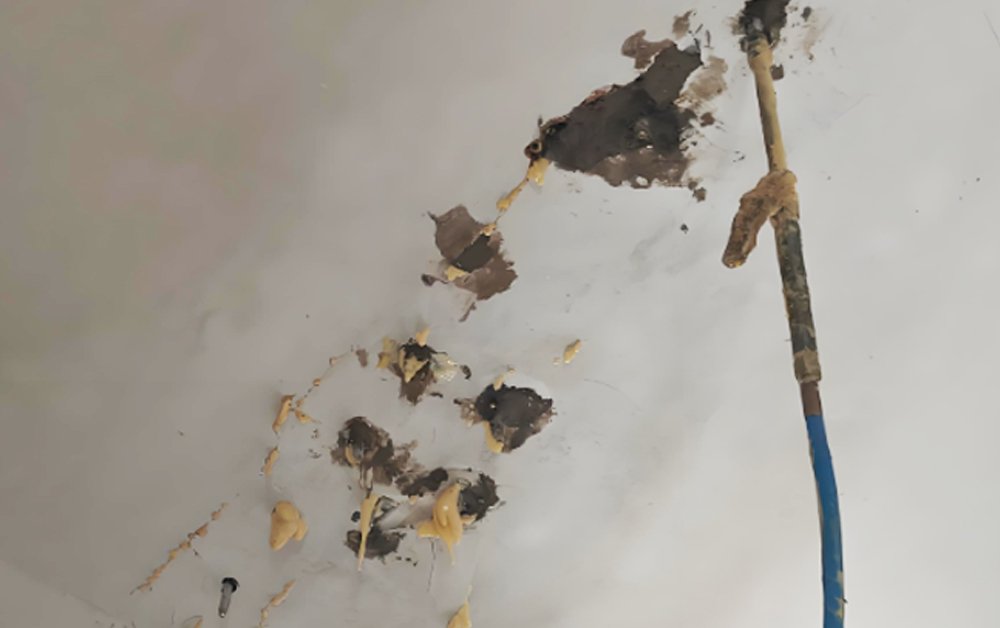
Why Do Concrete Cracks Occur?
Understanding the cause of cracks is the first step toward effective repair.
Structural Load Stress
Cracks may occur when the structure is subjected to loads beyond its design capacity.
These cracks are often serious and may affect structural safety.
Thermal Expansion and Shrinkage
Concrete expands and contracts with temperature changes.
Over time, this movement creates stress that leads to cracking.
Foundation Settlement
Uneven settlement of the foundation can cause differential movement in the structure.
This results in visible cracks, especially in walls and slabs.
Poor Construction Practices
Improper curing, incorrect mix ratios, or inadequate reinforcement can all lead to cracking.
Water Infiltration
Water can weaken concrete over time, creating or expanding cracks.
What Is Injection Grouting?
Basic Principle:
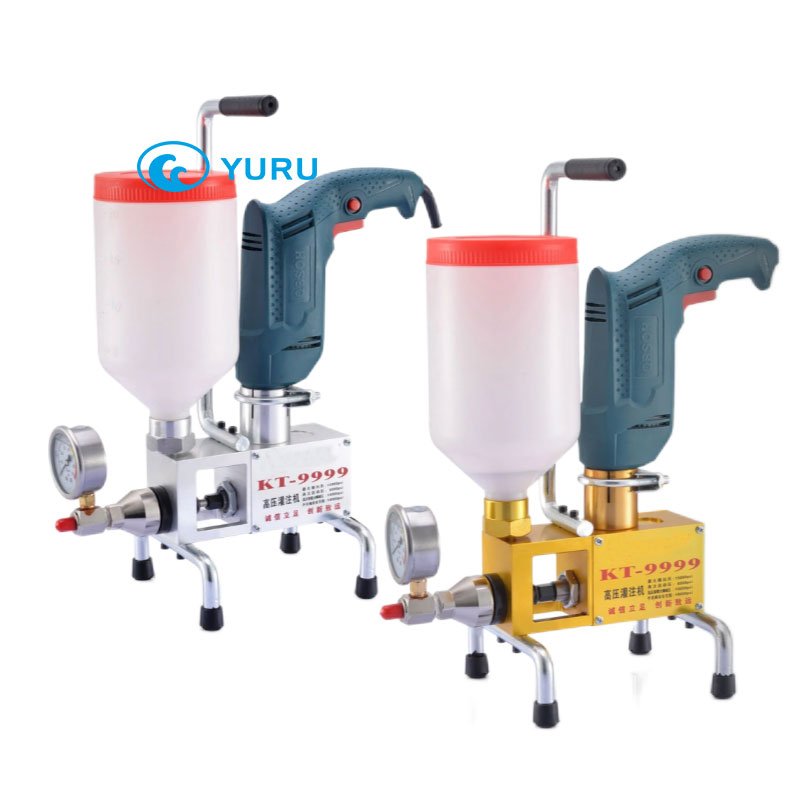
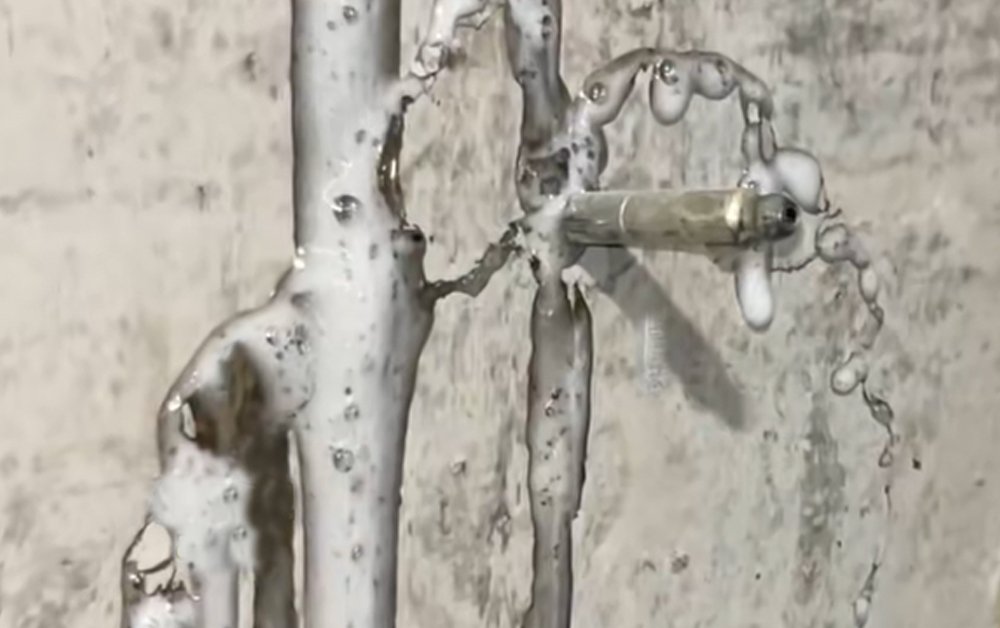
Injection grouting involves injecting liquid materials into cracks under pressure.
Once inside, the material reacts or cures to form a solid or flexible seal that achieves water-stopping or waterproofing.
Why Injection Works Better Than Surface Repair:
Surface repairs only treat visible damage.
In contrast, injection grouting:
- Fills the entire crack depth
- Restores bonding between concrete sections
- Blocks internal water pathways
This makes it a long-term solution rather than a temporary fix.
Step-by-Step Process of Injection Grouting
Step 1: Crack Inspection and Assessment
Before starting, it is essential to evaluate:
- Crack width and depth
- Whether the crack is active or static
- Presence of water leakage
This step determines both the repair method and material selection.
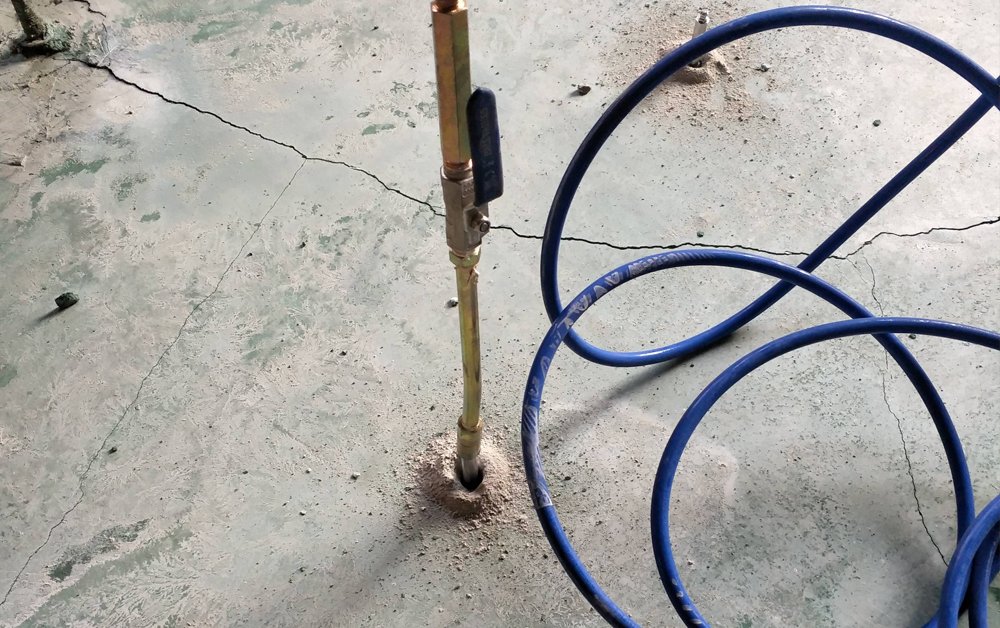
Step 2: Drilling Injection Holes
Holes are drilled along the crack line.
Key considerations:
- Spacing typically ranges from 10 to 30 cm.
- Angle depends on crack depth and orientation.
- Proper alignment ensures full coverage.
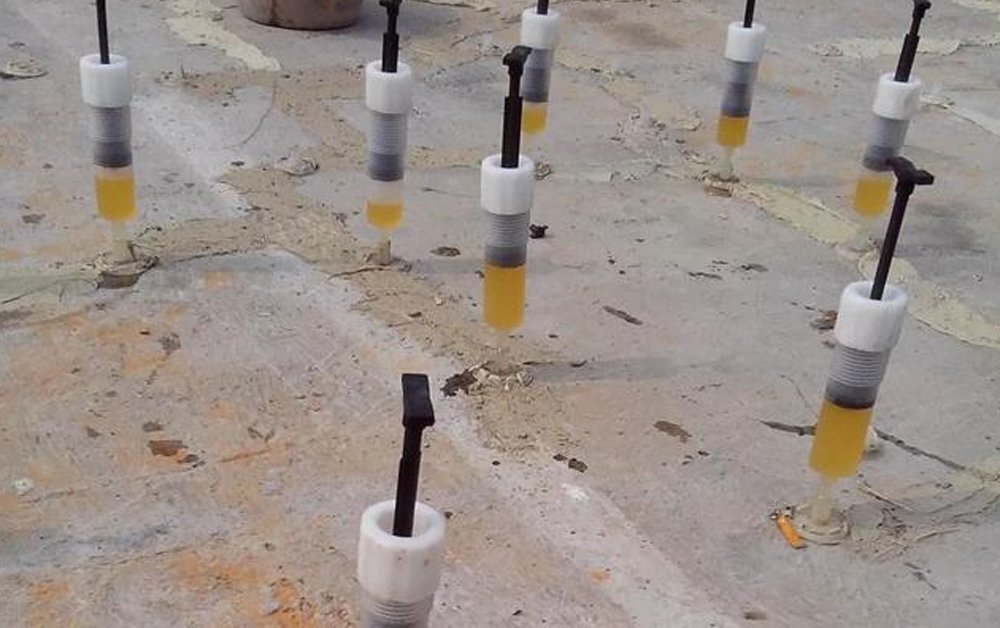
Step 3: Installing Injection Packers
Packers are installed into drilled holes.
Their purpose is to:
- Provide a connection point for injection equipment.
- Ensure pressure is directed into the crack.
Step 4: Surface Sealing
The crack surface is sealed to prevent leakage during injection.
Common sealing materials include epoxy paste or fast-setting sealants.
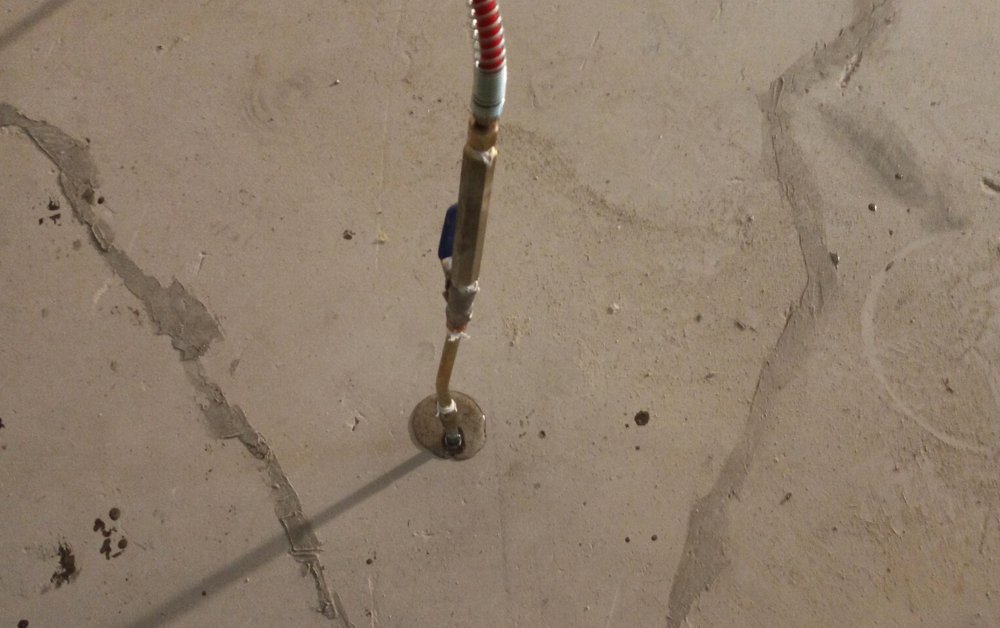
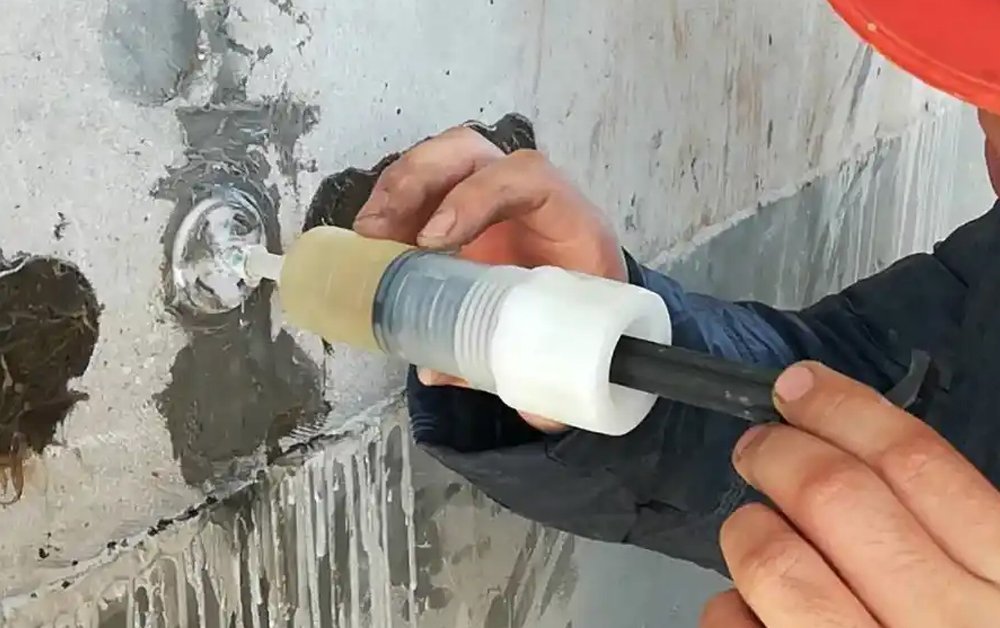
Step 5: Injection Process
This is the core stage.
Key points:
- Start from the lowest point
- Inject material under controlled pressure
- Observe flow and filling behavior
Proper pressure control ensures complete penetration without damaging the structure.
Step 6: Curing and Monitoring
After injection:
Allow sufficient curing time
Monitor for leakage or incomplete filling
Step 7: Finishing and Cleanup
Finally:
- Remove packers.
- Seal holes.
- Restore surface appearance.
- Upon completion of grouting, the surface substrate must undergo waterproofing treatment.
How to Choose the Right Injection Grouting Method?
Dry and Static Cracks
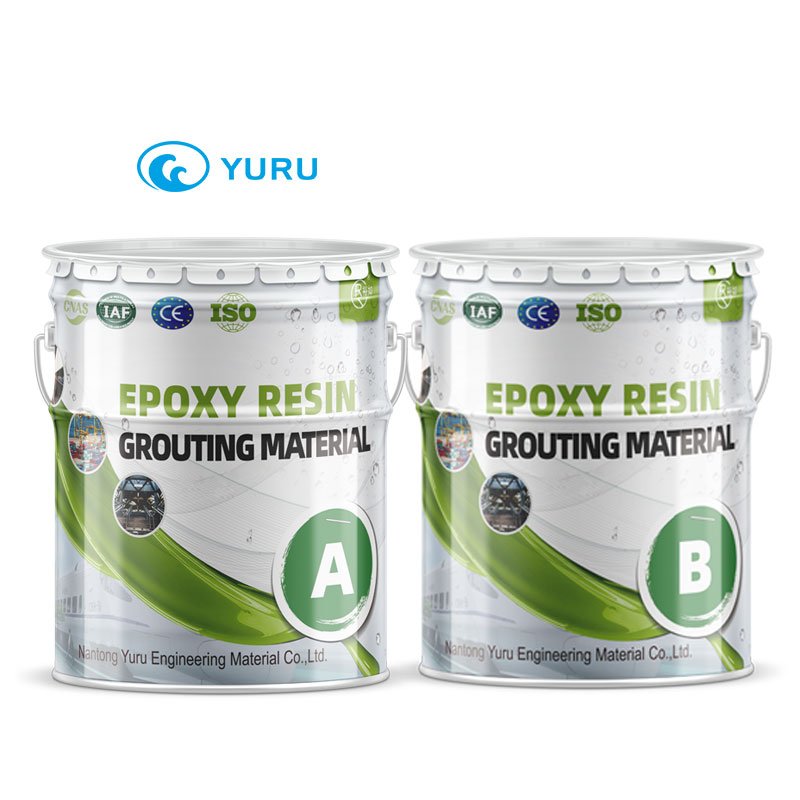
Recommended material: Epoxy resin
Reason:
- Provides strong bonding
- Restores structural integrity
Water-Leaking Cracks
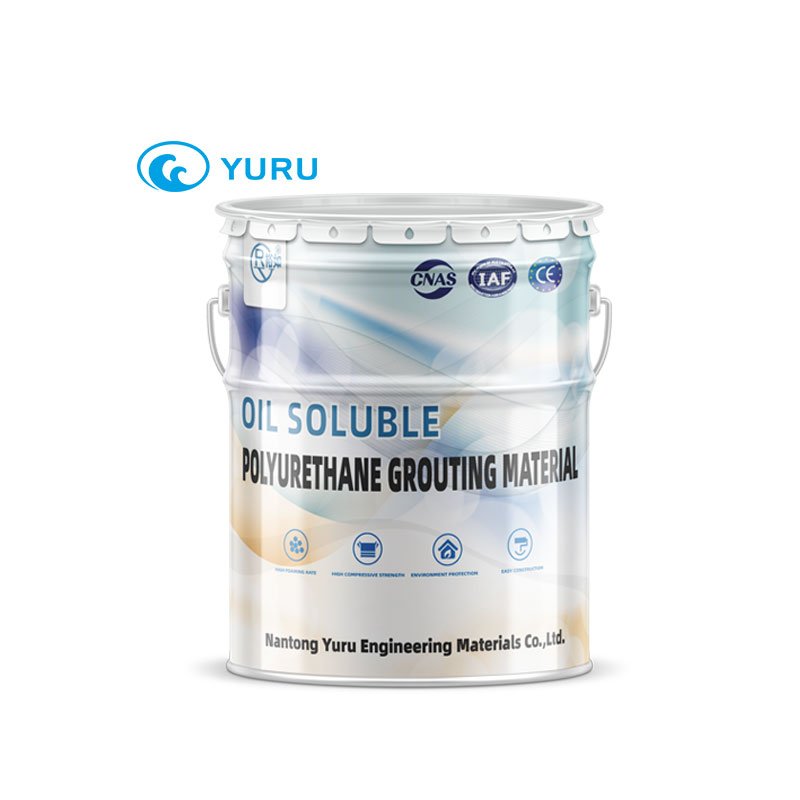
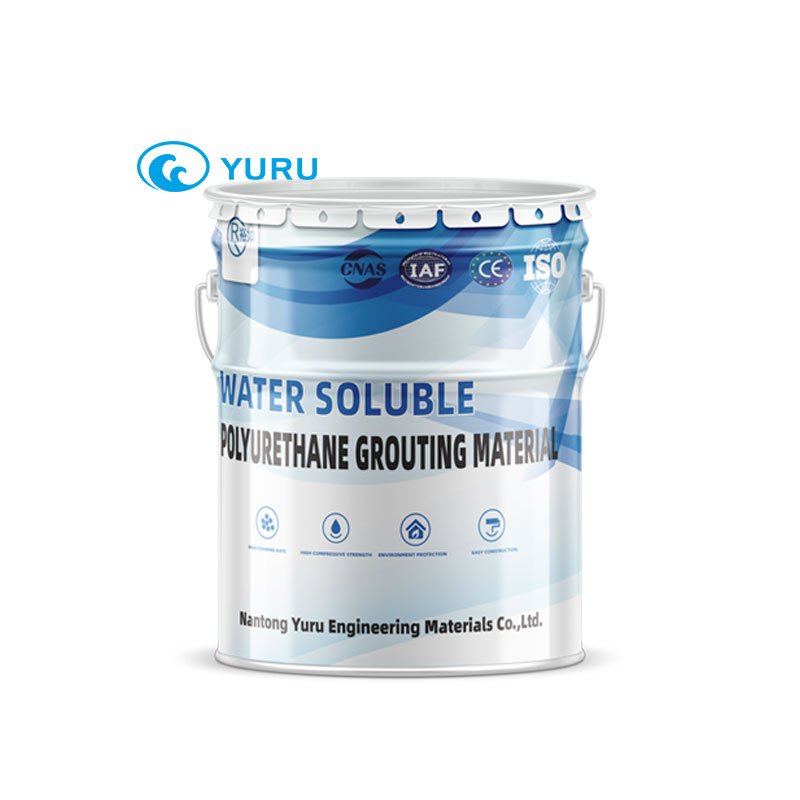
Recommended material: Polyurethane grout
Reason:
- Expands upon contact with water
- Stops active leaks quickly
Active (Moving) Cracks
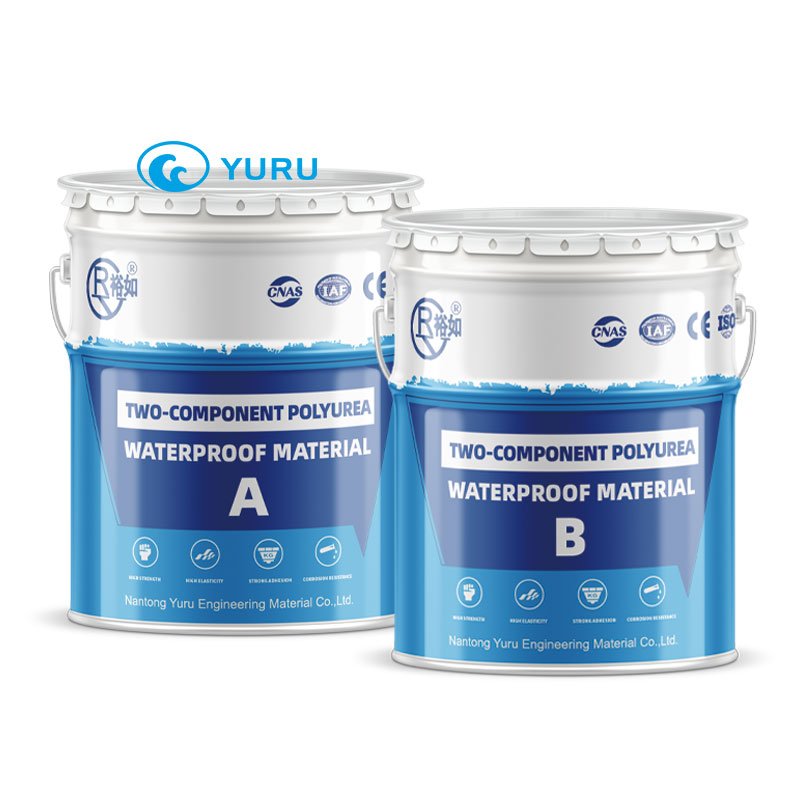
Recommended material: Polyurea grout
Reason:
- High elasticity
- Adapts to movement
Micro Cracks
Recommended materials:
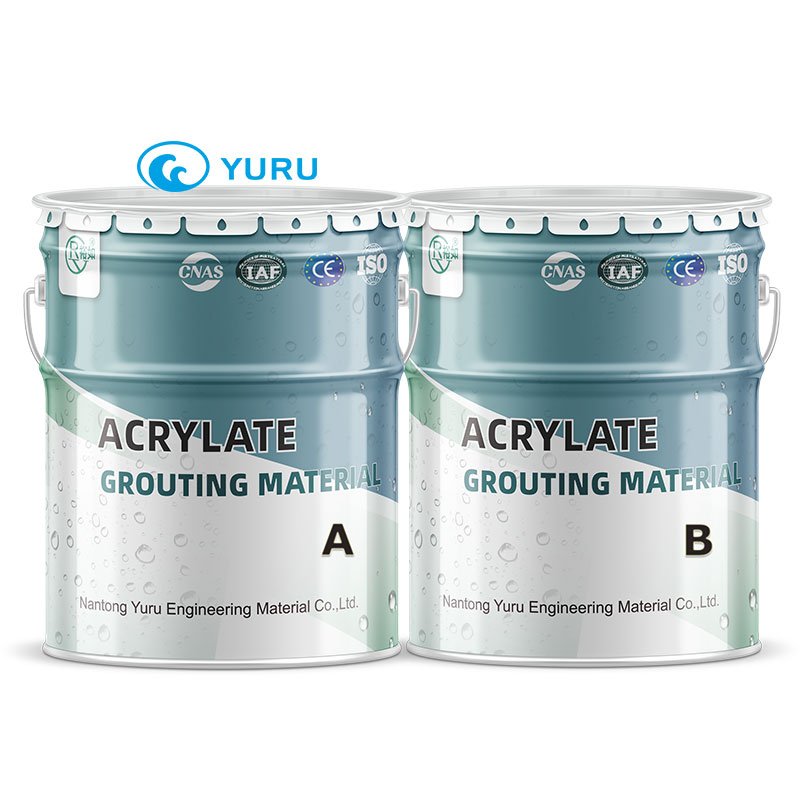
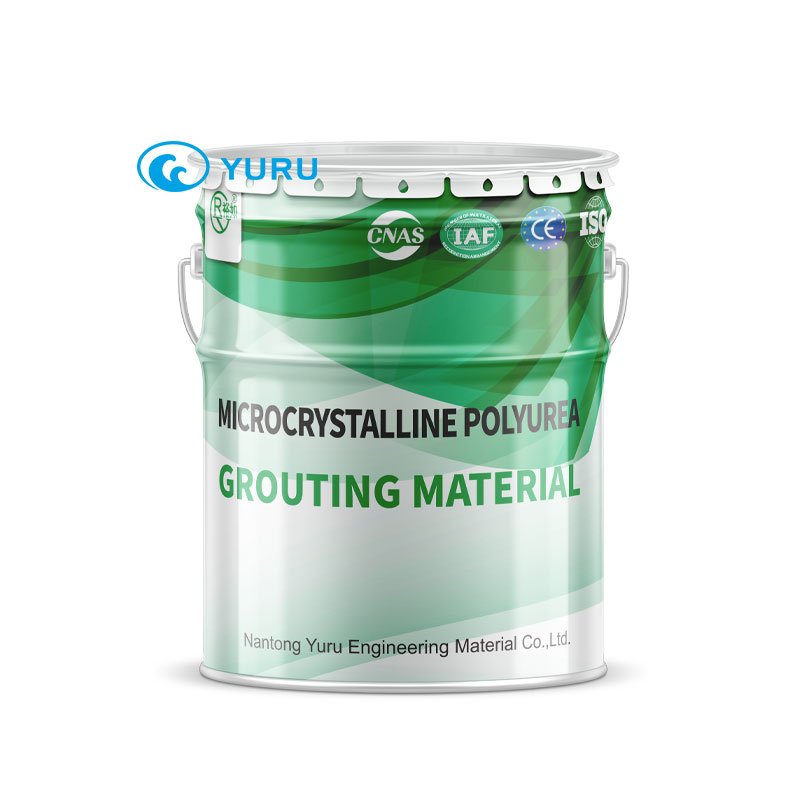
Acrylate grout / Microcrystalline Polyurea Grouting
Reason:
- Superior penetration ability
Types of Injection Grouting Materials
Epoxy Resin Grout
Features:
- High strength
- Rigid after curing
- Strong adhesion
Applications:
- Structural repair
- Load-bearing cracks
Polyurethane Grout (PU)
Features:
- Water-reactive expansion
- Fast sealing
Applications:
- Active leaks
- Emergency repair
Polyurea Grout
Features:
- Fast curing
- High elasticity
- Durable
Applications:
- Long-term waterproofing
- Dynamic cracks
Microcrystalline Polyurea Grout
Features:
- Lower viscosity
- Better penetration
Applications:
- Fine cracks
- High-end engineering projects
Acrylate Grout
Features:
- Extremely low viscosity
- Flexible gel structure
Applications:
- Micro-cracks
- Curtain grouting
Common Problems and How to Avoid Them?
Uneven Injection
- Cause: Poor hole layout
- Solution: Proper planning before drilling
Incorrect Material Selection
- Cause: Lack of understanding of crack type
- Solution: Always assess before choosing materials
Pressure Mismanagement
- Cause: Incorrect equipment settings
- Solution: Use controlled injection pressure
Advantages and Limitations of Injection Grouting
Advantages:
- Deep repair
- Combined waterproofing and reinforcement
- Long-lasting results
Limitations:
- Requires skilled operation.
- Needs specialized equipment.
YURU Injection Grouting Solutions
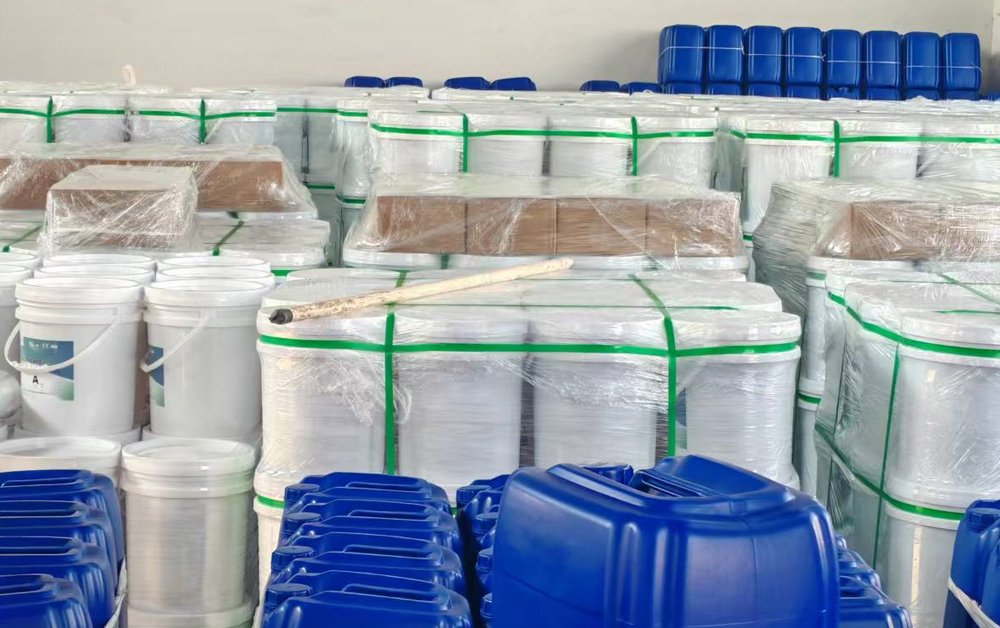
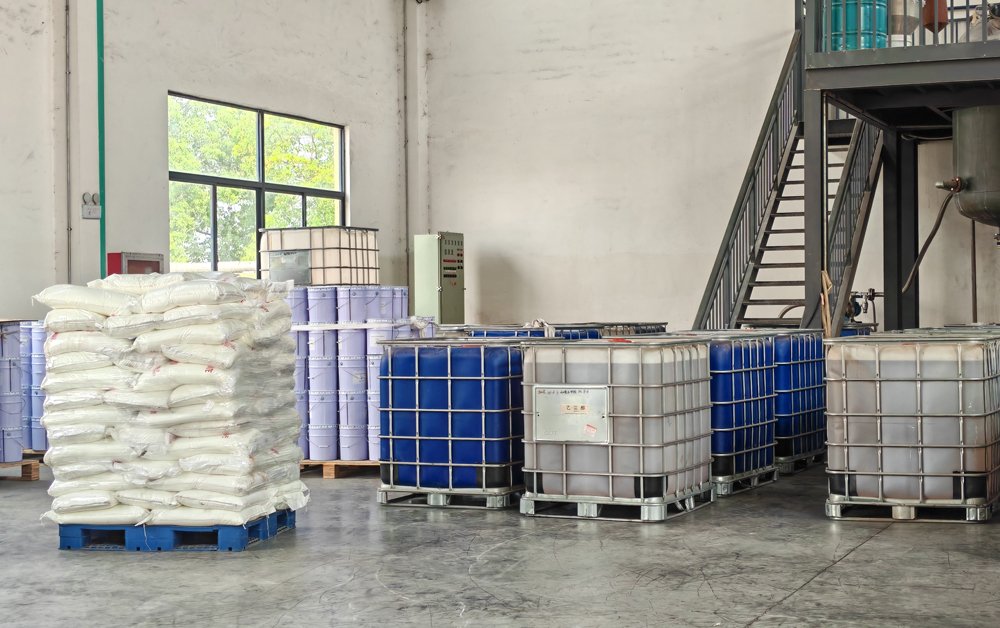
YURU Waterproof provides a full range of injection grouting materials for global construction and repair projects.
Product Range:
- Epoxy injection systems
- Polyurethane grout
- Polyurea grout
- Microcrystalline polyurea injection
- Acrylate grout
Also have waterproof coatings, membranes, and flooring paints.
Key Advantages:
- Consistent product quality
- Engineering-based formulations
- OEM and customization support
- Reliable supply chain
YURU supports contractors and distributors with practical solutions for real-world challenges.
FAQs:
1. What is injection grouting used for?
It is used to repair cracks, stop leaks, and reinforce concrete structures.
2. Which material is best for crack injection?
It depends on the crack type. Epoxy, PU, polyurea, and acrylate all serve different purposes.
3. How long does injection grouting last?
It can last for 10-30 years if applied properly.
4. Is injection grouting expensive?
Costs vary depending on materials and project complexity.
5. Can injection grouting repair structural cracks?
Yes, epoxy injection is commonly used for structural repair.
Conclusion: Achieving Reliable Crack Repair
Injection grouting is one of the most effective methods for repairing concrete cracks.
However, success depends on:
- Correct diagnosis of the crack
- Proper material selection
- Professional application
By following the right process and choosing suitable materials, you can achieve durable and reliable results.
Contact YURU Waterproof today for high-performance grouting materials, technical support, custom solutions and competitive pricing.
YURU Product solutions