Best Solution for Active Water Leakage Cracks
Summary:
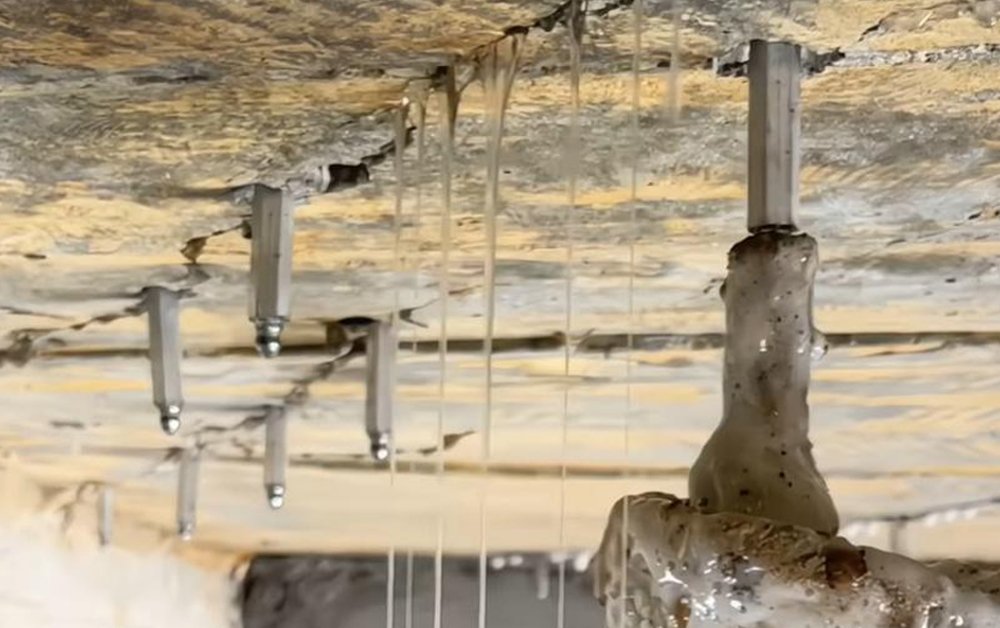
Active water leakage cracks are one of the most challenging problems in construction and infrastructure maintenance. Unlike dormant cracks, you can seal it and move on. Active water leakage cracks are alive, water is actively pushing through. Maybe it’s under pressure, maybe the building is moving, maybe something deeper is wrong.
Whatever the reason, you patch it, and it leaks again. You seal it, and water finds another way. Traditional waterproofing methods don’t work on these, they’re not designed for it. And the costs add up. Repeated repairs. Wasted materials. Angry clients. And underneath it all, the structure keeps getting damaged.
For contractors, engineers, and project managers, this is one of the toughest problems to solve. But it’s not impossible, you need a solution that actually works.
In this guide, we’ll talk about what causes active leaks, the advanced methods that stop them, step-by-step solutions.

What Are Active Water Leakage Cracks?
Definition of Active Cracks
Active cracks are cracks that continue to move or allow water flow due to external forces such as:
- Hydrostatic pressure
- Structural movement
- Temperature changes
These cracks are commonly found in:
- Basements
- Tunnels
- Water tanks
- Underground structures
Difference Between Active and Static Cracks
Understanding the difference is essential for choosing the right repair method:
| Type | Characteristics | Repair Approach |
|---|---|---|
| Active Cracks | Continuously moving or leaking | Flexible, pressure-resistant solutions |
| Static Cracks | Stable, no movement | Rigid repair materials |
Main Causes of Active Water Leakage Cracks
Structural Movement and Settlement
Buildings naturally shift over time due to:
- Soil settlement
- Load redistribution
- Seismic activity
These movements create or widen cracks. You can’t stop a leak from a moving crack with a rigid patch. It’ll just crack again.
Hydrostatic Pressure
In underground structures, water pressure forces moisture through cracks. The higher the pressure, the more difficult it becomes to control leakage.
Poor Construction Practices
Common issues include:
- Inadequate concrete curing
- Improper reinforcement placement
- Poor joint sealing
Material Aging and Degradation
Even good workmanship can’t stop time. Concrete ages. Sealants dry out. Waterproofing membranes lose their stick.
Eventually, something gives. A crack forms. Water gets in. And once that process starts, it usually gets worse over time.
Why Traditional Waterproofing Methods Fail?
Surface Coatings Cannot Resist Water Pressure
Surface coatings work for dampness, for minor moisture, for water that isn’t under pressure. But for active leaks? They don’t stand a chance. They does not stop water coming from inside the structure.
Lack of Penetration into Cracks
Traditional methods fail to fill internal voids, leaving pathways for water.
Inability to Adapt to Movement
Rigid materials crack again when structures move.
Best Solutions for Active Water Leakage Cracks
This section highlights the most effective and widely used solutions in modern construction.
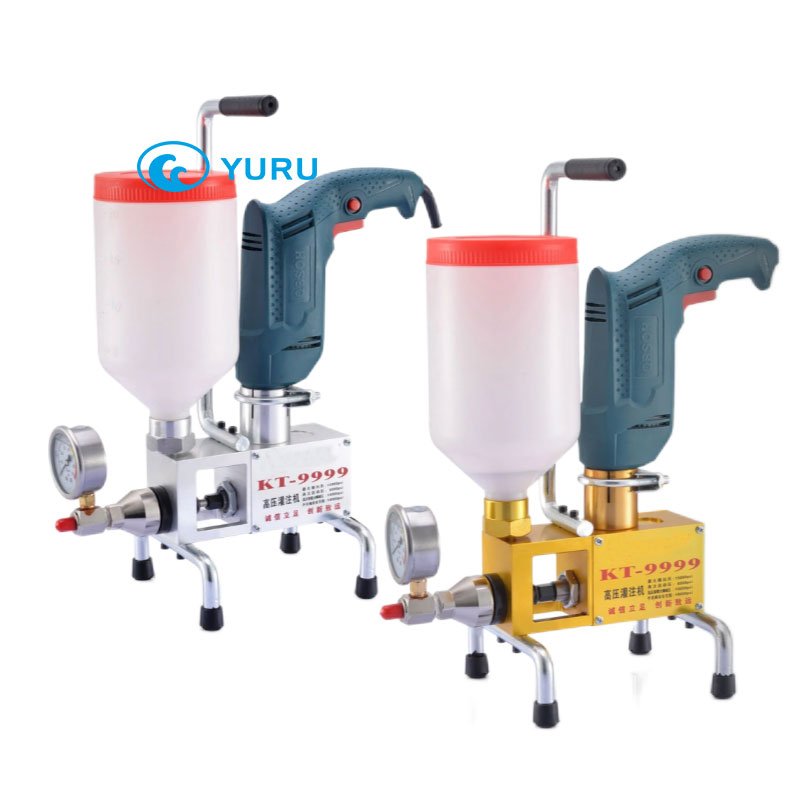
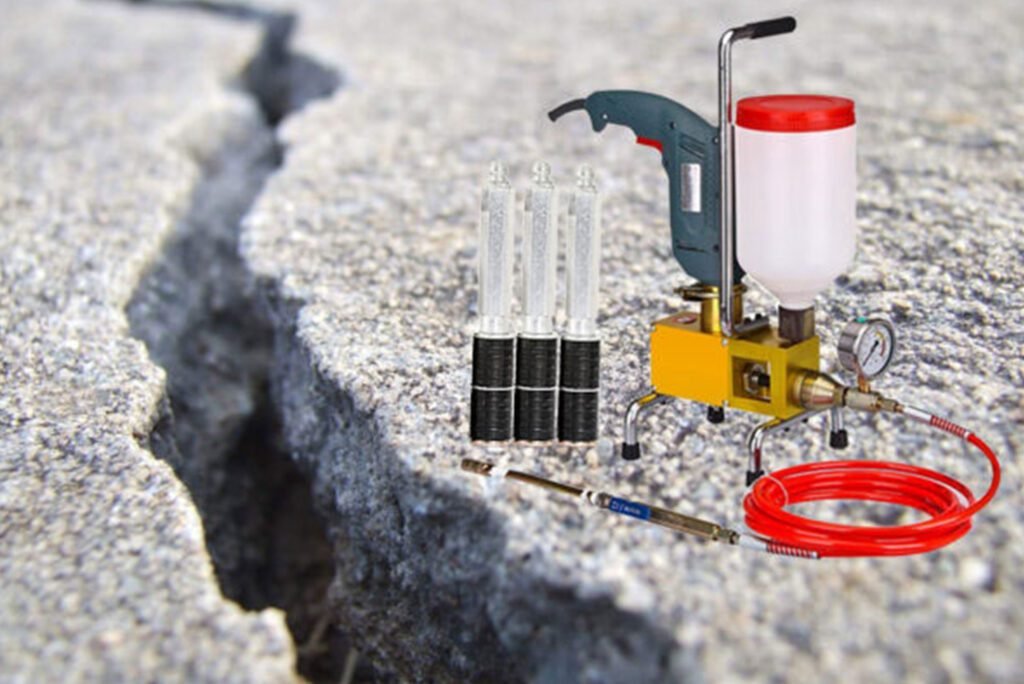
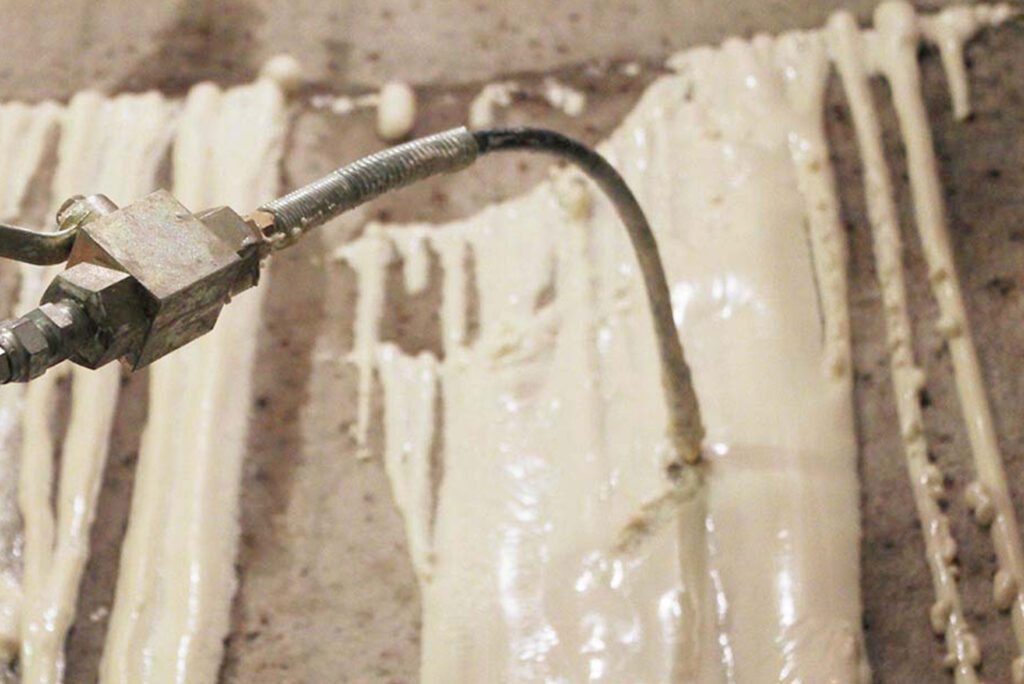
High-Pressure Injection Grouting Technology
How It Works:
High-pressure injection forces specialized materials deep into the crack — all the way to the source of the water. The material fills the void, seals the pathway, and stops the water from the inside out.
Key Benefits:
- Immediate water stoppage
- Deep penetration
- Long-term effectiveness
For active leaks, especially those under pressure, high-pressure injection is widely considered the most reliable solution.
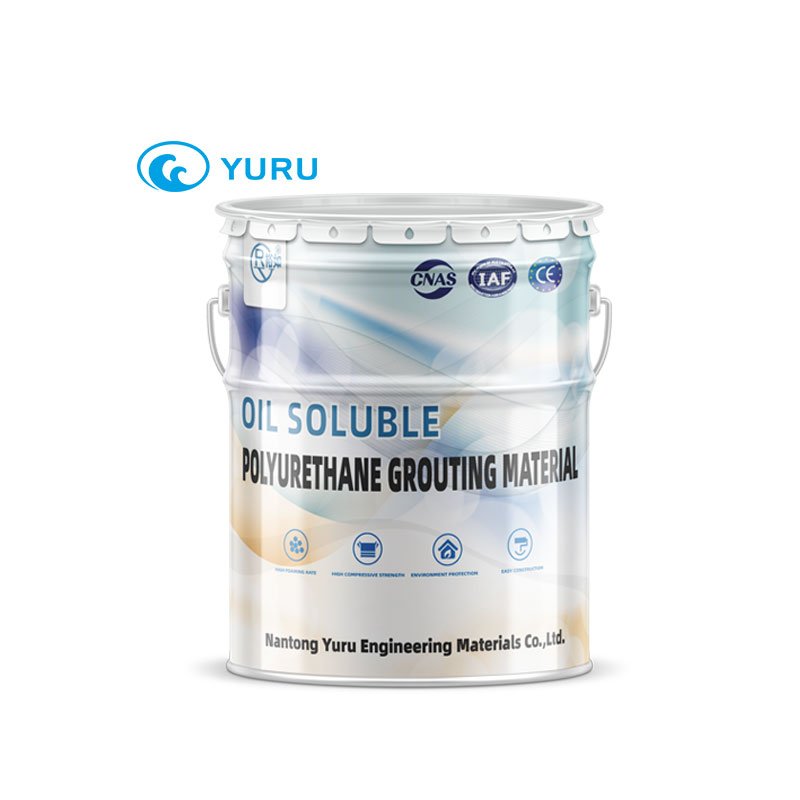
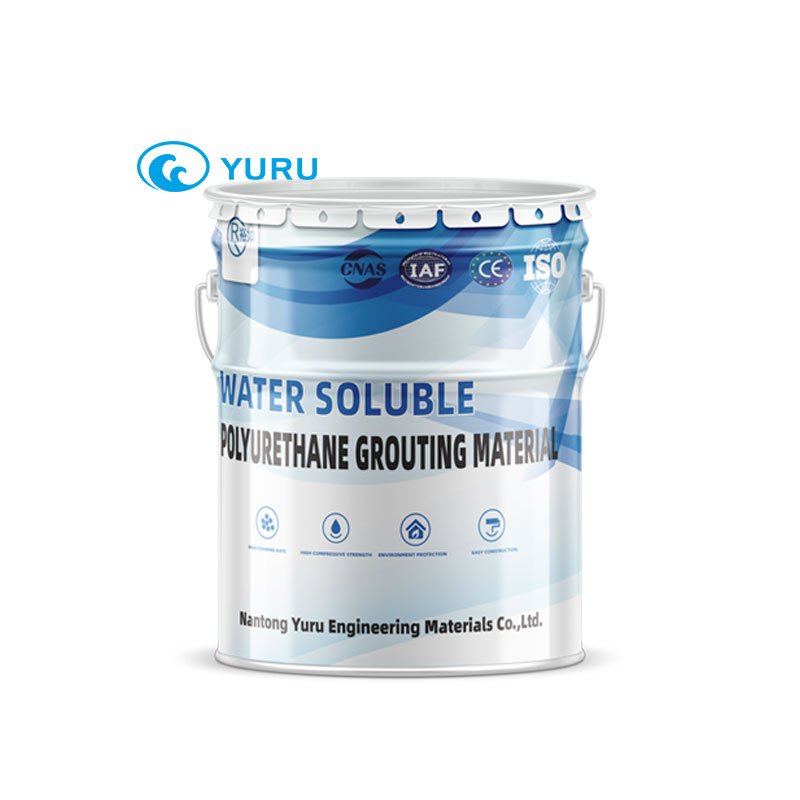
Polyurethane Injection Grouting
Fast Reaction and Expansion:
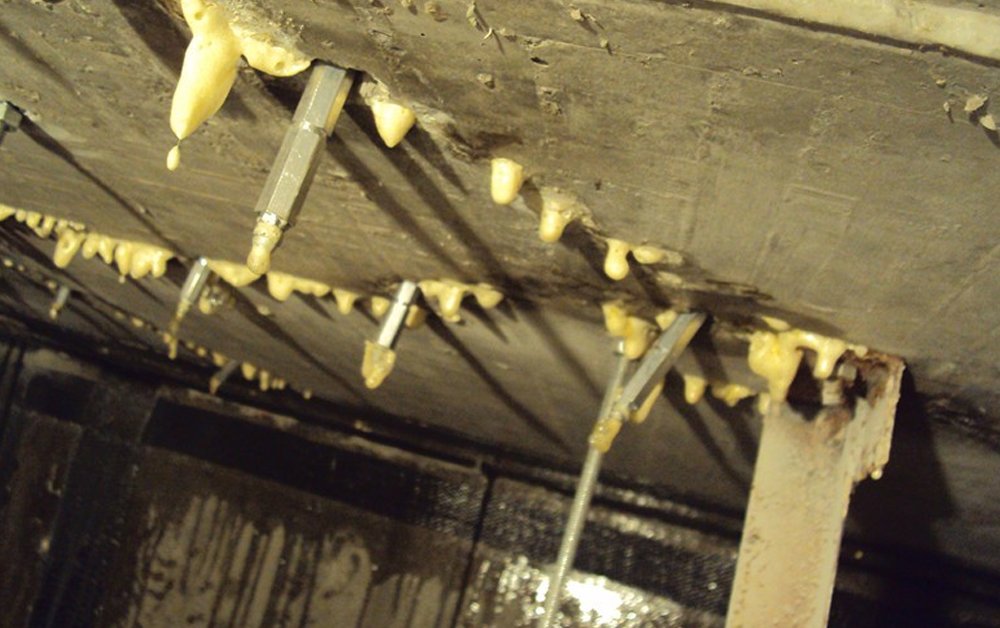
Polyurethane reacts with water to form foam that expands and blocks leakage paths.
Ideal Use Cases:
- Emergency leak stopping
- Underground structures
- Tunnels and basements
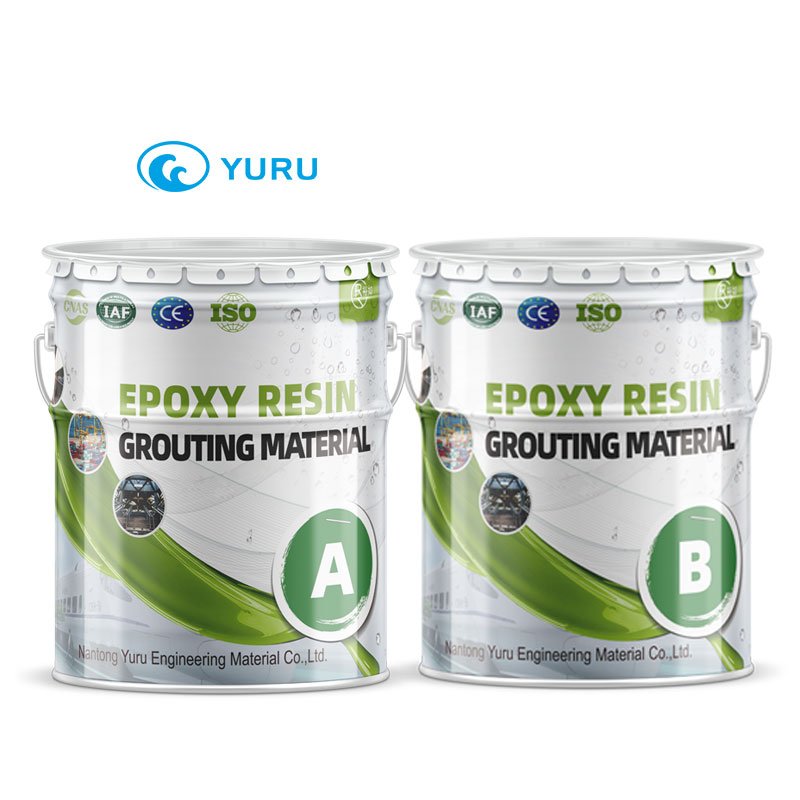
Epoxy Injection for Structural Repair
Strength Restoration:
Epoxy resins bond strongly with concrete, restoring structural integrity.
When to Use:
Best applied after active leakage is controlled.
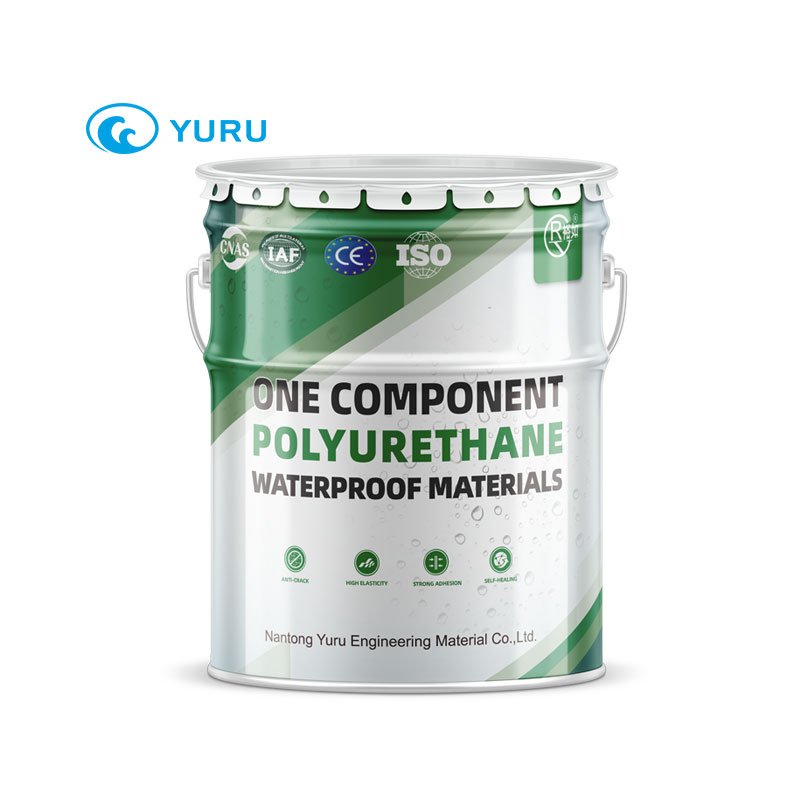
Secondary Flexible Waterproofing Layer
Additional Protection:
After injection, applying a flexible coating enhances long-term durability.
Step-by-Step Process to Repair Active Leakage Cracks
Step 1 – Inspection and Crack Assessment
Identify:
- Crack width and length
- Water flow intensity
- Structural condition
Step 2 – Drilling and Installing Injection Packers
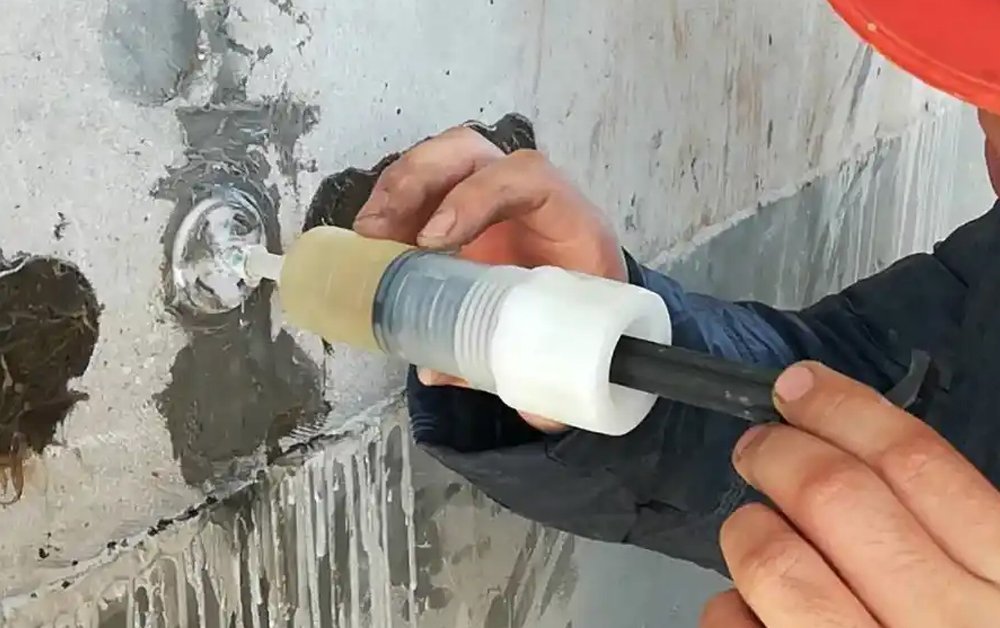
Drill holes along the crack and install injection ports to allow material entry.
Step 3 – High-Pressure Injection
Inject grout material until cracks are fully sealed.
Step 4 – Surface Sealing and Finishing
After injection, seal the surface and apply protective coatings if necessary.
Preventing Future Leakage
Use Flexible Materials
Choose materials that can adapt to structural movement.
Integrated Waterproofing System
- Injection completed to stop active leak.
- Surface waterproofing applied over repair (if applicable).
- Flexible coating used as secondary barrier.
Regular Inspection and Maintenance
- Annual inspection scheduled.
- Early detection helps prevent major failures.
Application Differences Across Engineering Scenarios
Basement Crack Repair
Focus on resisting hydrostatic pressure with polyurethane injection.
Tunnel and Subway Structures
Require a combination of injection and structural reinforcement.
Water Tanks and Reservoirs
Use environmentally safe materials with long-term sealing capability.
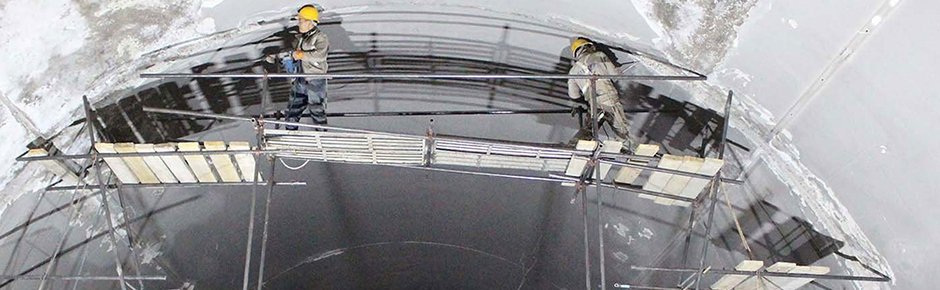
Real Case Study – Tunnel Leakage Repair
Project Background:
A subway tunnel experienced continuous water leakage due to high groundwater pressure.
Challenges:
- Active water flow
- Structural movement
- Difficult access
Solution:
Polyurethane injection combined with flexible waterproof coating.
Results:
- Immediate leak stoppage
- Long-term stability
- Reduced maintenance costs
How to Choose a Reliable Grouting Material Supplier?
Product Performance
Look for materials with:
- Fast reaction time
- Stable expansion
- Long durability
Technical Support
Professional guidance ensures proper application.
Proven Project Experience
Suppliers with real-world experience offer better solutions.

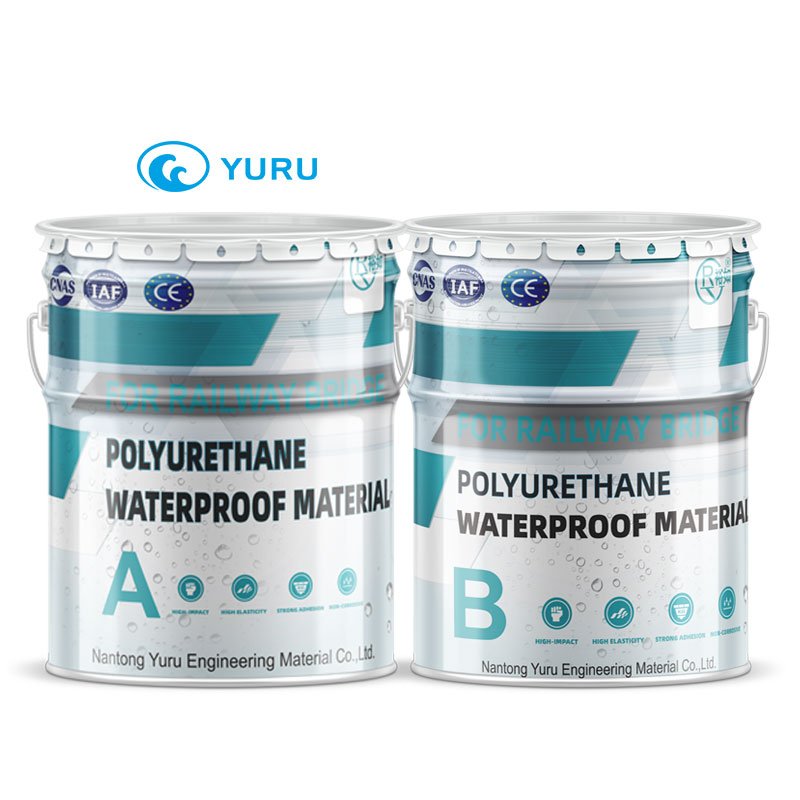
YURU Waterproof – Your Partner for Crack Repair Solutions
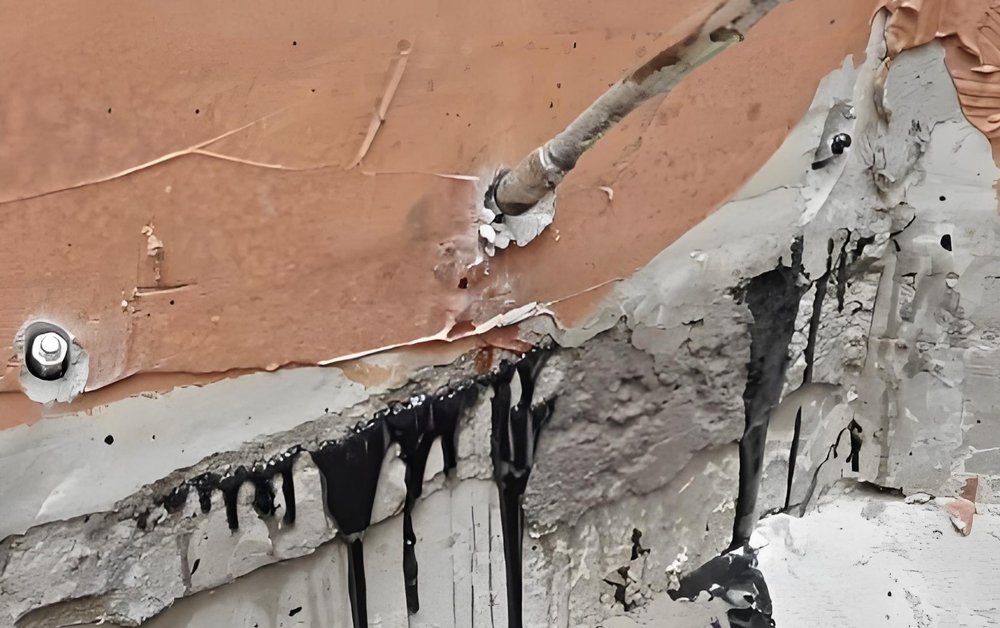
Comprehensive Injection Material Systems
YURU Waterproof provides:
- Polyurethane grouting materials
- Epoxy injection systems
- Supporting waterproof coatings
Designed for Complex Engineering Projects
Our solutions are suitable for:
- Underground structures
- Infrastructure projects
- Industrial facilities
OEM and Technical Support
We support contractors and distributors with customized solutions and expert guidance.
Benefits of Using the Right Solution
Immediate Leak Control:
- Stops water flow quickly.
Long-Term Durability:
- Prevents recurring issues.
Cost Efficiency:
- Reduces repeated repairs and maintenance costs.
FAQs:
1. What is the best method to stop active water leakage?
High-pressure polyurethane injection is the most effective method.
2. Can cracks be repaired permanently?
Yes, with proper materials and techniques.
3. Is injection grouting suitable for all cracks?
It is ideal for active and leaking cracks.
4. How long does the repair last?
Typically 10–20 years depending on conditions.
5. Does YURU Waterproof provide solutions for large projects?
Yes, we offer full large project support and customized systems.
Conclusion:
Active water leakage cracks are a different beast. Surface patches and rigid fixes won’t cut it. You need to get inside the crack, fill the void, and stop the water at its source.
That’s high-pressure injection. It’s the most reliable method out there for active leaks. Use the right materials. Follow the right techniques. And the leak stops.
If you are dealing with active leakage problems, choosing the right solution is critical.
YURU Waterproof provides advanced grouting materials and expert support to help you solve even the most challenging leakage issues.
Contact us today to get product samples, customized solutions and professional guidance.
YURU Product solutions