What is Water Reactive Grout? A Complete Guide
Introduction:
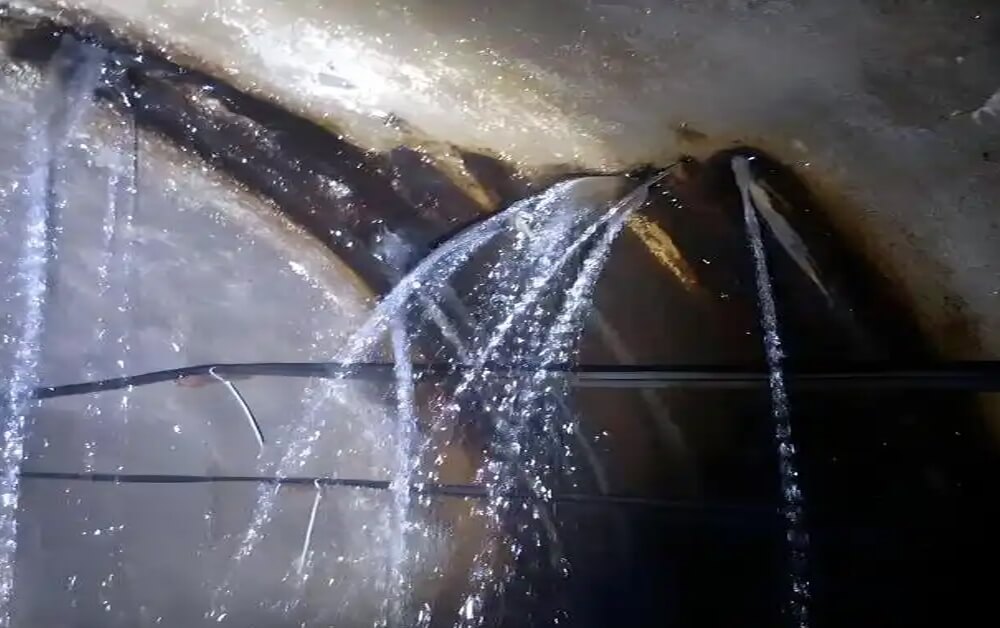
In today’s construction and infrastructure maintenance industry, water leakage is a headache that never seems to go away. Underground structures, tunnels, basements, water tanks — anywhere water is supposed to stay out, it finds a way in. And it erodes. It weakens. It costs money.
This is where water reactive grout plays a critical role. It’s designed to react with water. When it hits the water inside a crack, it expands, and seals the leak from the inside out. This material has become a preferred solution for engineers and contractors worldwide.
In this guide, we’ll walk you through what water reactive grout is, how it works, the different types available, where to use it, and how to choose the right one for your project.
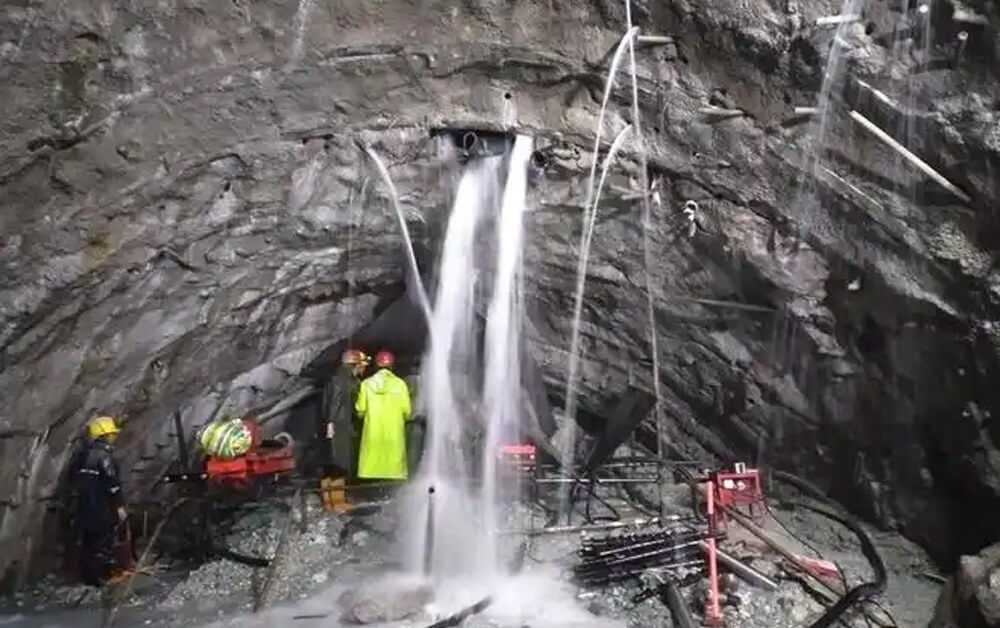
What is Water Reactive Grout?
Definition and Core Function:
Water reactive grout is not like traditional injection materials. It’s designed for one specific job: stopping active water leaks.
When this material comes into contact with water, a chemical reaction happens. And that reaction does three things:
- Expansion or foaming
- Formation of a solid or gel
- Rapid sealing of cracks and voids
Water reactive grout is built for active leakage conditions, making it highly effective in dynamic environments.
How It Differs from Traditional Grouting Materials:
Traditional grouts:
- Require dry conditions
- Do not react with water
- Are less effective in active leaks
Water reactive grout:
- Thrives in wet environments
- Reacts instantly with water
- Stops leaks under pressure
Traditional grouts try to keep water out. Water reactive grout fights water on its own turf — and wins.
How Water Reactive Grout Works?
Chemical Reaction Process
When injected into a crack, the grout encounters water and undergoes a chemical reaction:
- Water triggers polymerization.
- Material expands or foams.
- Crack pathways are filled.
- A waterproof barrier is formed.
Expansion and Sealing Mechanism
The expansion process is critical because it:
- Fills micro-cracks and voids
- Blocks water pathways
- Adapts to irregular structures
This makes it ideal for water leakage crack repair.
Types of Water Reactive Grout
Hydrophilic Polyurethane Grout
This type of grout loves water. That’s what “hydrophilic” means — water-attracting. When it reacts with water, it forms a flexible gel that stays elastic over time.
Key Characteristics:
- Reacts with water to form flexible gel
- Maintains elasticity over time
- Suitable for long-term waterproofing
Best Applications:
- Basement waterproofing
- Tunnel leak repair
- Concrete crack sealing
Hydrophobic Polyurethane Grout
“Hydrophobic” means water-repelling. When it touches water, it reacts fast, foams up, expands, and stops flowing water in its tracks.
Key Characteristics:
- Rapid foaming upon contact with water
- Expands significantly
- Creates rigid or semi-rigid foam
Ideal Use Cases:
- Emergency leak stopping
- High-flow water conditions
Hybrid and Modified Grout Systems
Advantages:
- Combine flexibility and strength
- Customizable for specific projects
These systems are increasingly used in complex infrastructure projects.

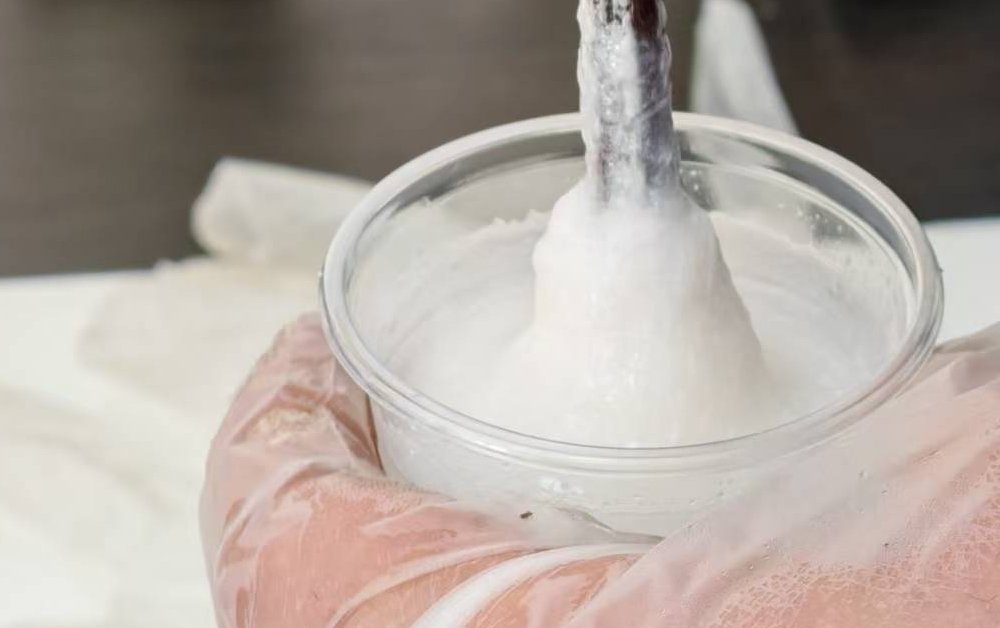
Key Benefits of Using Water Reactive Grout
Immediate Leak Stoppage
Other materials need dry conditions. They need time to cure. Meanwhile, water keeps flowing.
Water reactive grout is different. It reacts instantly when it hits water. You inject it, and the leak stops.
Deep Penetration into Cracks
Water reactive grout has low viscosity, it flows easily, it can travel deep into fine cracks, small voids, and narrow channels that other materials can’t reach.
Adaptability to Structural Movement
Flexible formulations can accommodate movement without losing sealing performance.
Long-Term Durability
Properly applied grout can last for many years, reducing maintenance costs.
Common Applications in Construction and Infrastructure
Basement Waterproofing
| Challenges | Limitations of traditional methods | Advantages of water-reactive grouting |
| Persistent groundwater pressure | Surface coating is pushed away by pressure | Blocking from the inside; pressure actually helps the material penetrate the cracks |
Tunnel and Subway Systems
| Challenges | Limitations of traditional methods | Advantages of water-reactive grouting |
| Continuous water pressure + vibration and displacement | Rigid repairs will crack | Flexible gels adapt to vibration and displacement |
Water Tanks and Reservoirs
| Challenges | Limitations of traditional methods | Advantages of water-reactive grouting |
| Repairs require draining the machine | Draining the machine means downtime losses | Work can be carried out in wet conditions without draining the machine |
Concrete Structures
| Challenges | Limitations of traditional methods | Advantages of water-reactive grouting |
| Cracks cause steel reinforcement to corrode | Surface repairs do not solve the problem of internal water ingress | Go deep into the cracks and cut off the seepage channel |
Step-by-Step Application Process
Inspection and Diagnosis
Identify:
- Crack location
- Water flow rate
- Structural condition
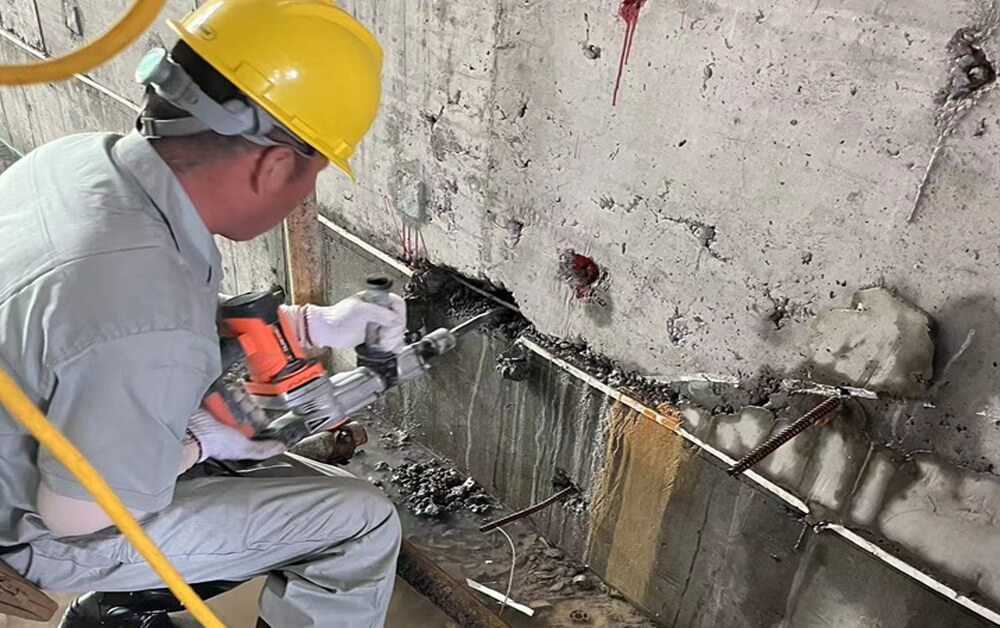
Drilling and Packer Installation
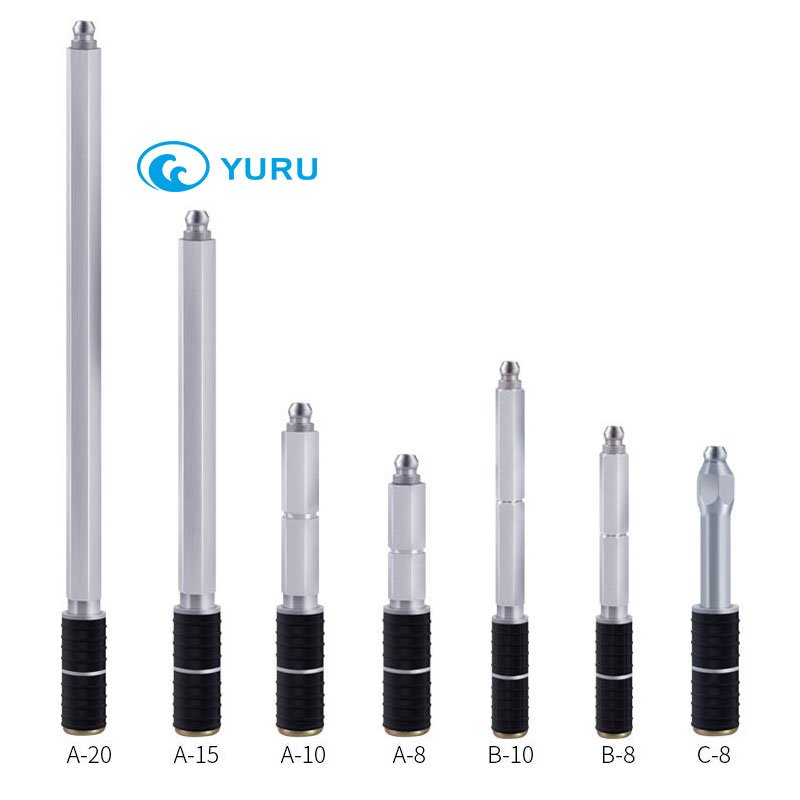
Install injection packers along the crack line.
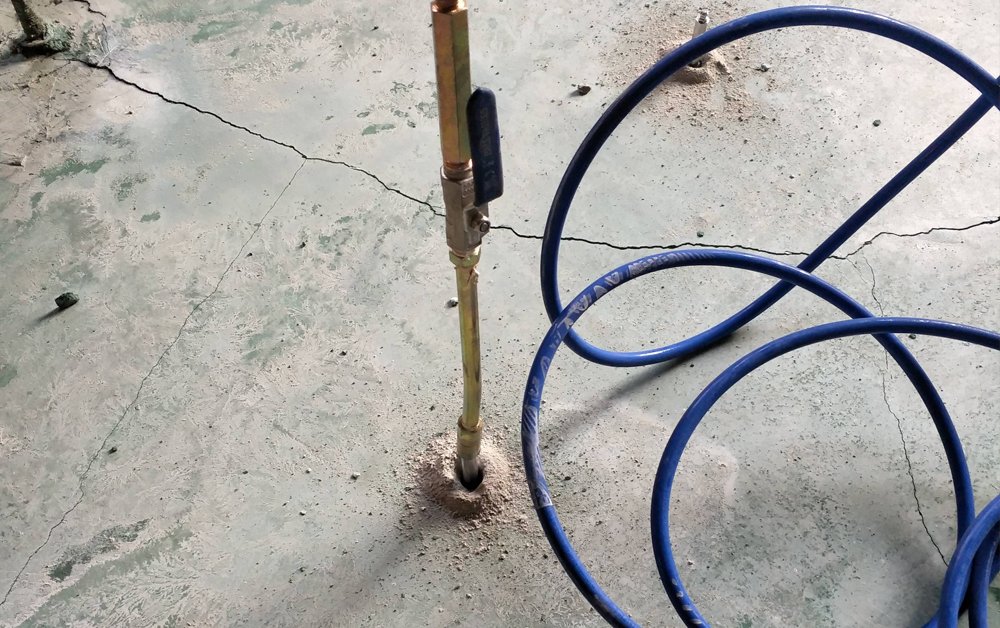
Injection Process
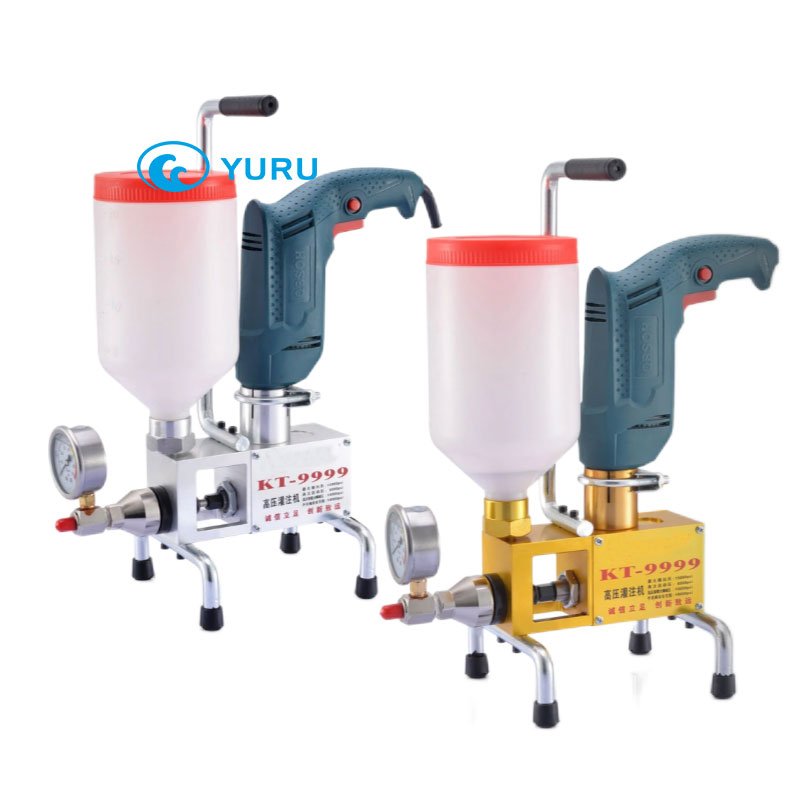
Inject grout under controlled pressure until leakage stops.
Surface Finishing
Seal the surface and apply additional protection if needed.
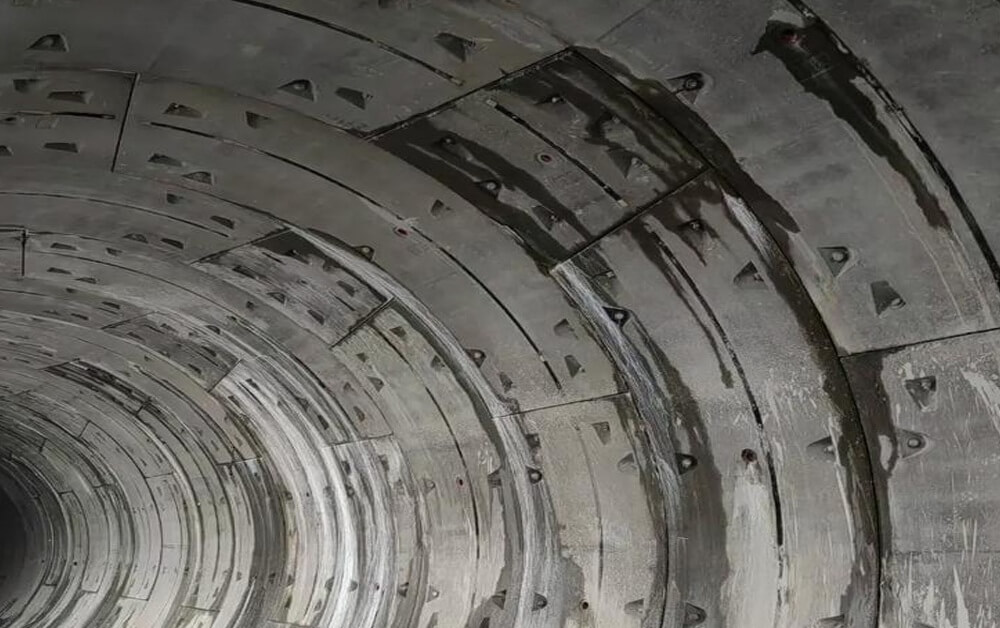
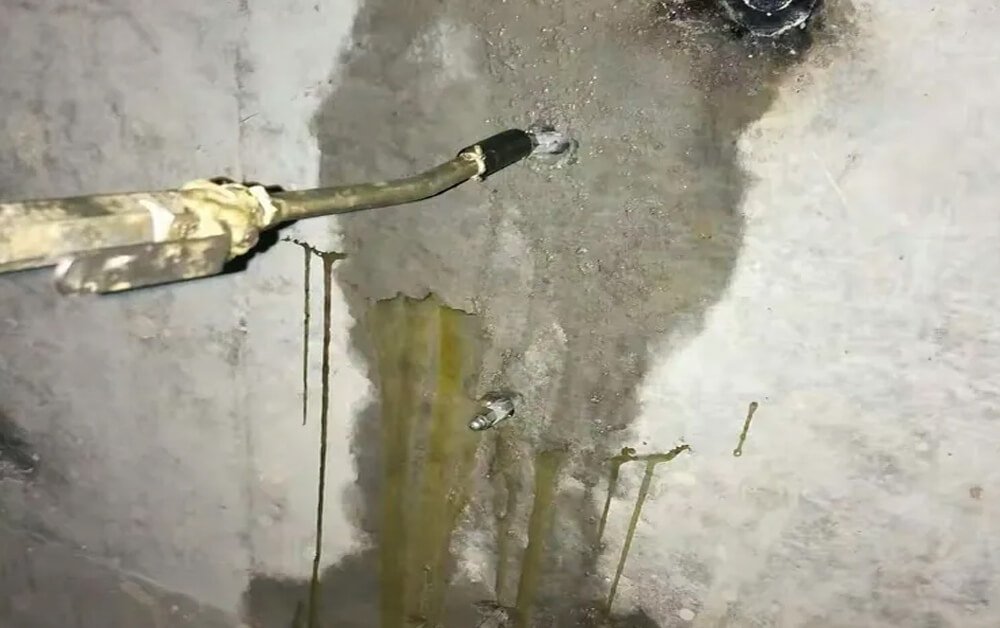
Key Factors When Choosing Water Reactive Grout
Type of Leakage
- Active leaks → Hydrophobic grout
- Damp conditions → Hydrophilic grout
Reaction Time
Fast reaction for emergencies; slower for controlled filling.
Durability Requirements
Choose materials with proven long-term performance.
Compatibility with Substrate
Ensure proper bonding with concrete or other materials.
Common Mistakes to Avoid
1. Using the Wrong Type of Grout
Different leaks need different grouts:
- Hydrophilic for long-term flexibility and moving cracks.
- Hydrophobic for emergency stops and high-flow water.
- Hybrid for complex jobs that need both.
Incorrect selection leads to failure.
2. Poor Injection Technique
Improper pressure or placement reduces effectiveness.
3. Ignoring Structural Issues
Grouting alone may not solve underlying problems.
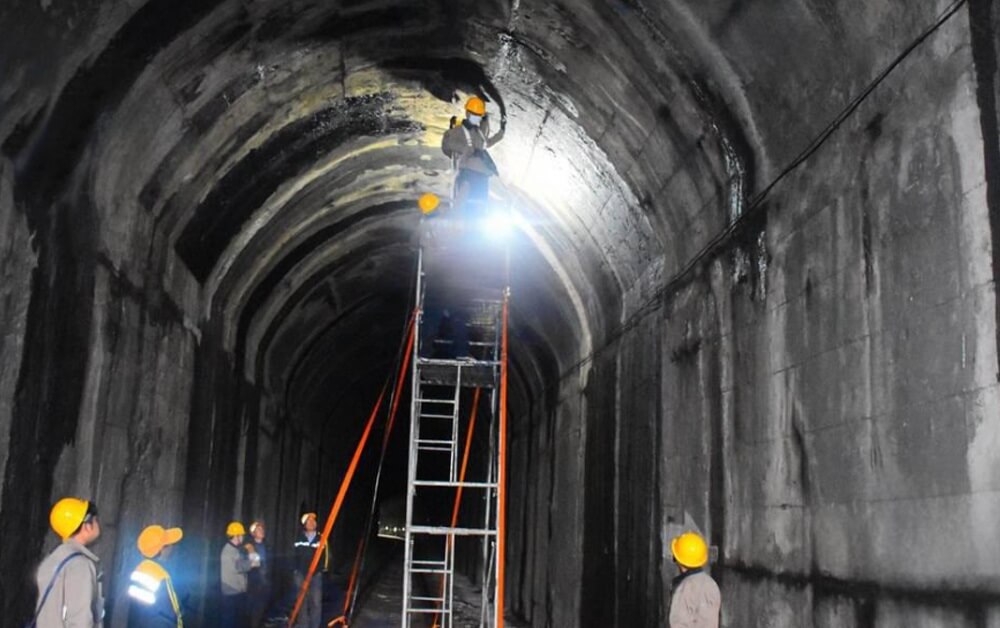
Real-World Case Study – Subway Tunnel Leak Repair
Project Background:
A metro tunnel experienced continuous leakage due to groundwater pressure.
Challenges:
- Active water flow
- Structural movement
- Limited access
Solution:
Hydrophobic polyurethane grout injection.
Results:
- Immediate leak stoppage
- Long-term sealing performance
- Reduced maintenance needs

Water Reactive Grout vs Other Waterproofing Methods
| Method | Effectiveness in Active Leaks | Durability | Application |
|---|---|---|---|
| Surface Coating | Low | Medium | External only |
| Cement Grout | Medium | High | Dry conditions |
| Water Reactive Grout | High | High | Internal sealing |
YURU Waterproof -- Advanced Grouting Solutions
Comprehensive Product Range
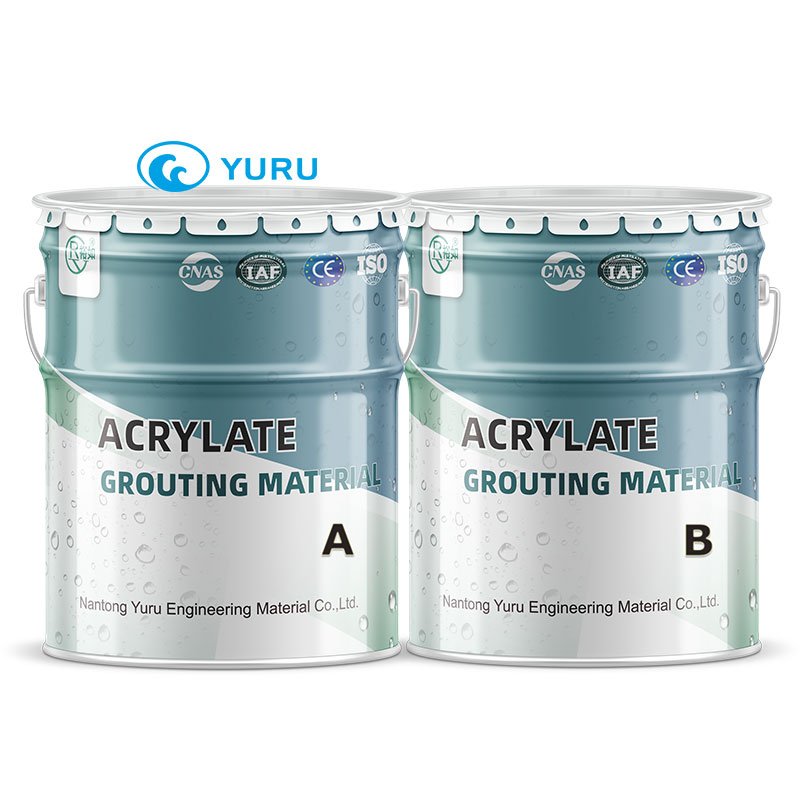
YURU Waterproof offers:
- Hydrophilic polyurethane grout
- Hydrophobic polyurethane grout
- Customized injection systems
Designed for Complex Projects
Suitable for:
- Underground engineering
- Infrastructure repair
- Industrial waterproofing
Technical Support and OEM Services
We provide:
- Application guidance
- Custom formulations
- Bulk supply solutions
FAQs:
1. What is water reactive grout used for?
It is used to seal active water leaks in cracks and joints.
2. How quickly does it work?
Most products react within seconds to minutes.
3. Is it suitable for all types of cracks?
Best for active and leaking cracks.
4. What is the difference between hydrophilic and hydrophobic grout?
Hydrophilic forms gel, hydrophobic forms foam.
5. Does YURU Waterproof provide global supply?
Yes, we support international projects and distributors.
Conclusion:
Here’s what it comes down to. If you’re dealing with active water leaks — water that’s flowing right now, under pressure, and won’t quit, you need a solution that works where other materials fail.
That’s water reactive grout. It reacts with water, expand, and seal cracks from the inside. It’s one of the most effective tools available.
If you are facing leakage issues in your project, choosing the right material is critical.
YURU Waterproof offers advanced water reactive grout solutions designed for demanding environments.
Contact us today to get expert advice, customized solutions, and reliable supply for your projects.
YURU Product solutions