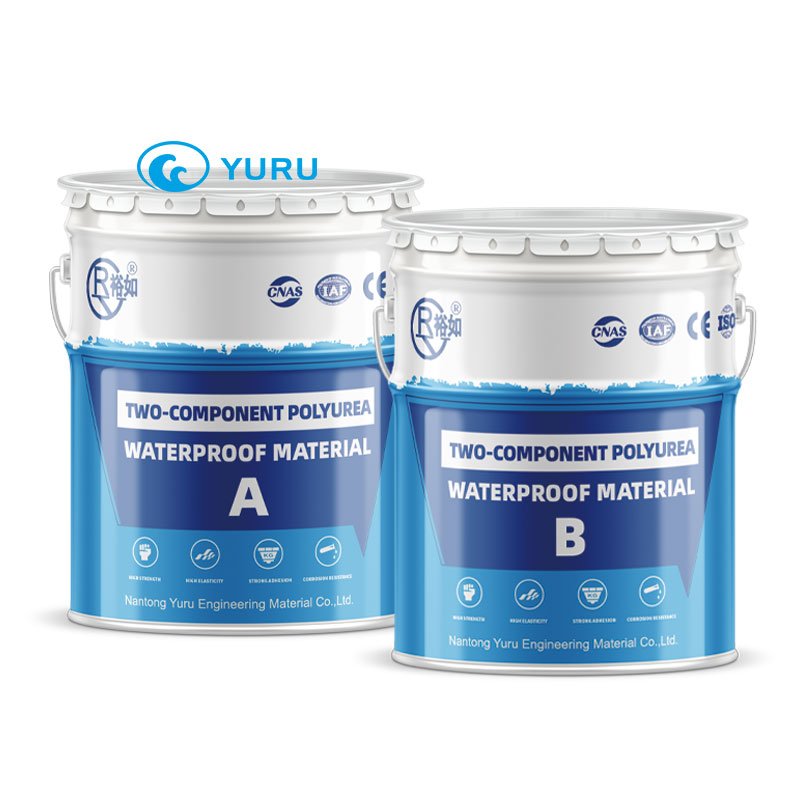
How to Apply Polyurea Coating?
Introduction:
Polyurea has earned a reputation as one of the waterproof protective coatings out there. It’s fast, tough, and flexible. That’s why you see it on roofs, and underground structures.
However, achieving these benefits depends heavily on one critical factor: how to apply polyurea coating correctly.
If you apply it wrong, it will fail. Not because the material is bad, they’re application problems. Wrong surface prep. Bad temperature control. Poor technique.
This guide covers both spray-applied and hand-applied polyurea. We will explore both spray-applied polyurea and hand-applied polyurea systems, helping contractors, engineers, and distributors understand when and how to use each method effectively.
What Is Polyurea Coating and Why It Is Widely Used?
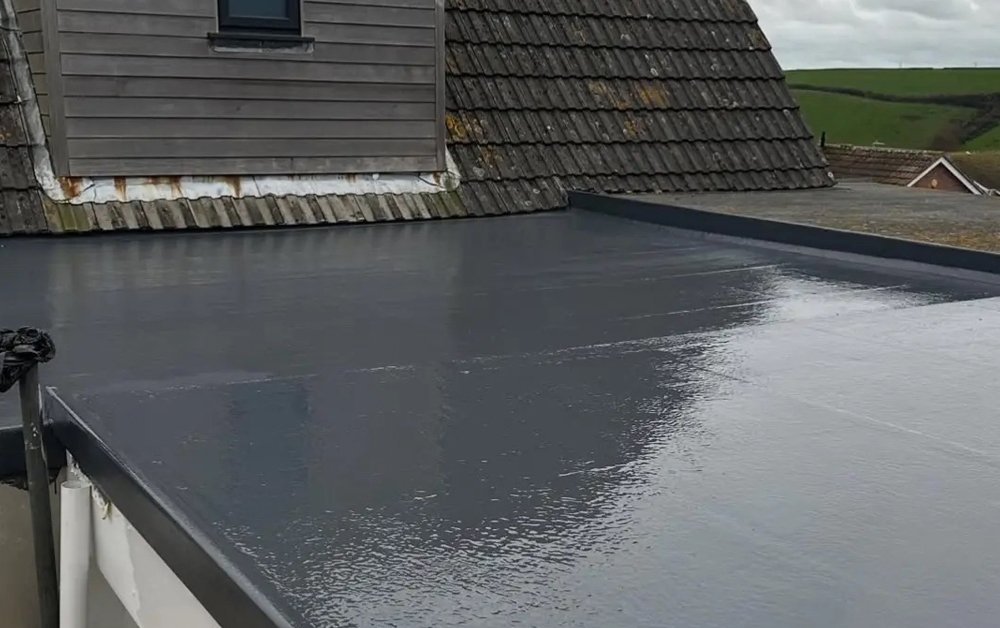
Polyurea coatings are composed of isocyanate and amine components. The material cures, and you end up with a seamless, flexible, incredibly tough membrane.
Key Characteristics:
- Fast curing
- Excellent elasticity — It stretches. When the building moves, polyurea moves with it. No cracking.
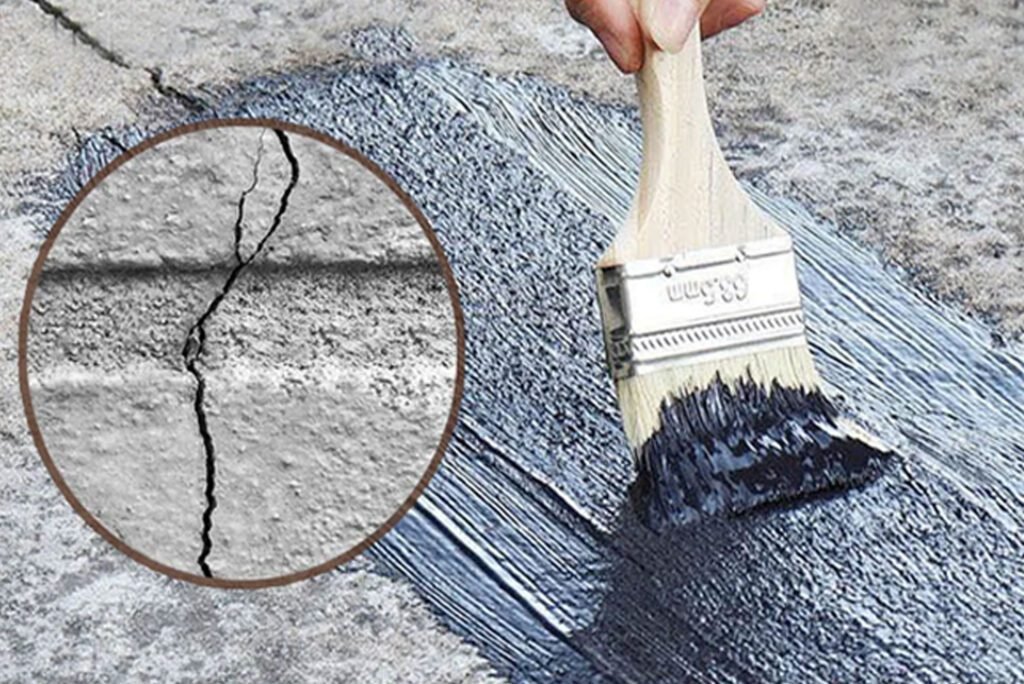
- Crack-bridging ability — Small cracks in the substrate? Polyurea bridges them. Water can’t get through.
- Strong resistance to water, chemicals, and abrasion.
- Seamless and joint-free application.
Typical Applications:
- Roof waterproofing
- Building floors
- Exterior walls
- Basement and underground structures
- Sewage tanks
- Bridges and infrastructure projects
In demanding environments, traditional materials often fail. They crack, peel and take too long to cure.
Polyurea solves those problems. Fast cure. Flexible. Tough. Seamless. That’s why it’s taking over.
Types of Polyurea Application Methods
Before you start any polyurea project, you need to know two main methods. Here’s the difference.
Spray-Applied Polyurea (High-Pressure System)
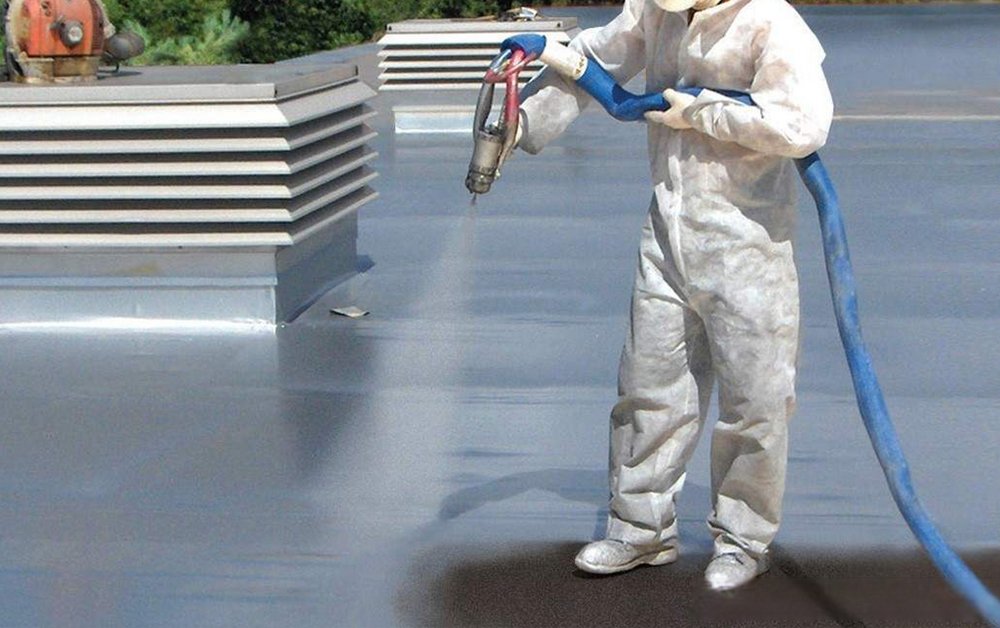
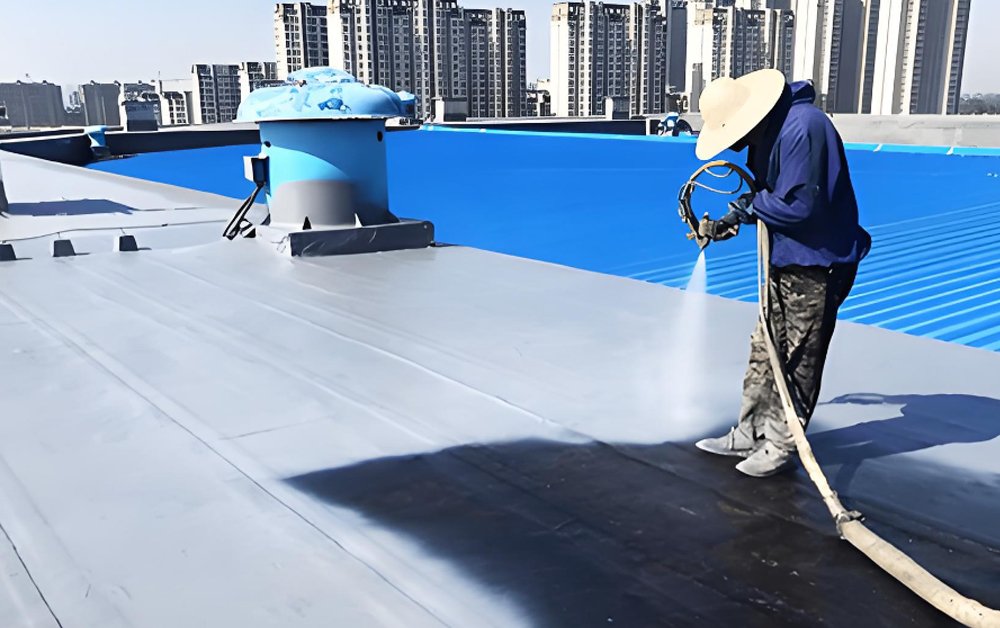
This is the classic polyurea application method. It’s a two-component system that goes on using specialized high-pressure spray equipment. The components mix in the spray gun, react instantly, and cure on the surface.
Features:
- Instant curing
- High thickness in one pass
- Suitable for large-scale projects
Hand-Applied Polyurea (Brush/Roller System)
This system can be single or two-component, applied manually using rollers, brushes, or trowels.
Features:
- Easy to apply
- No heavy equipment required
- Ideal for small areas and repairs
Spray vs Hand-Applied Polyurea: Key Differences
Understanding the differences helps in making the right choice.
| Comparison Items | Spray-Applied | Hand-Applied |
| Application Method | Machine spraying | Hand (roller/brush/scraper) |
| Efficiency | High efficiency, suitable for large areas | Slower, but more flexible |
| Equipment | Professional spraying equipment | Basic tools |
| Cost | High initial investment | Low entry cost |
| Best For | Large projects (flooring, roofing) | Small areas, repairs, details |

Preparation Before Applying Polyurea Coating
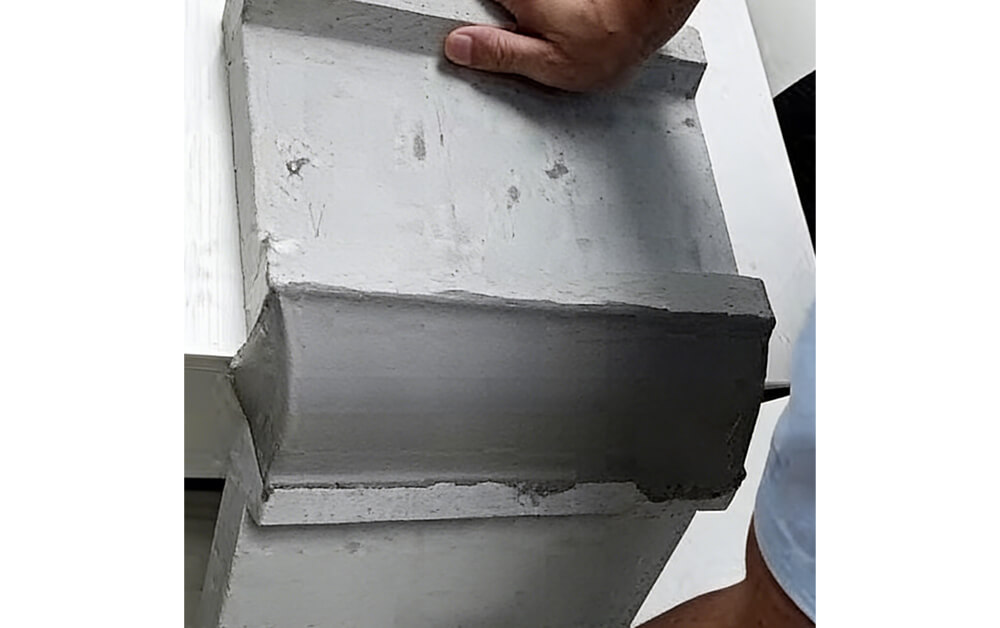
No matter which method you choose, preparation is important.
Surface Inspection
Check for:
- Cracks and defects
- Moisture levels
- Structural integrity
Surface Cleaning
Remove:
- Dust
- Oil
- Loose particles
Rough It Up
Mechanical grinding improves adhesion.
Moisture Control
Keep moisture below recommended levels to avoid bubbling.
How to Apply Spray Polyurea Coating? (Step-by-Step)
1. Surface Preparation
Ensure the surface is:
- Clean — No dust, no oil, no debris.
- Dry — Test moisture levels. If the slab is wet, don’t coat. You’ll get bubbles.
- Structurally sound — Cracks repaired. Loose concrete removed. Holes filled.
2. Primer Application
Primer helps the polyurea stick. Improve bonding between substrate and coating.
3. Equipment Setup
Key parameters:
- Temperature: 60–80°C
- Pressure: 150–250 bar
Calibrate the machine. Test it before you hit the real surface.
4. Spray Application
- Apply in cross-pattern layers
- Maintain consistent distance
- Control thickness (1.5–3 mm)
5. Curing and Inspection
Polyurea cures fast. But don’t pack up yet.
Check for:
- Uniform thickness
- Surface defects
- Adhesion quality
How to Apply Hand-Applied Polyurea Coating? (Step-by-Step)
1. Surface Preparation
Similar to spray application:
- Clean and repair the surface
- Ensure proper roughness
2. Primer Application
Primer seals the surface and helps the polyurea stick. Roll it on evenly. Let it cure according to the manufacturer’s instructions.
3. Material Mixing
For two-component systems:
- Follow exact ratios
- Mix thoroughly to avoid defects
4. First Coat Application
- Use roller or brush
- Apply evenly
- Avoid excessive thickness
5. Second and Additional Coats
- Apply after partial curing
- Ensure total thickness of 1–2 mm
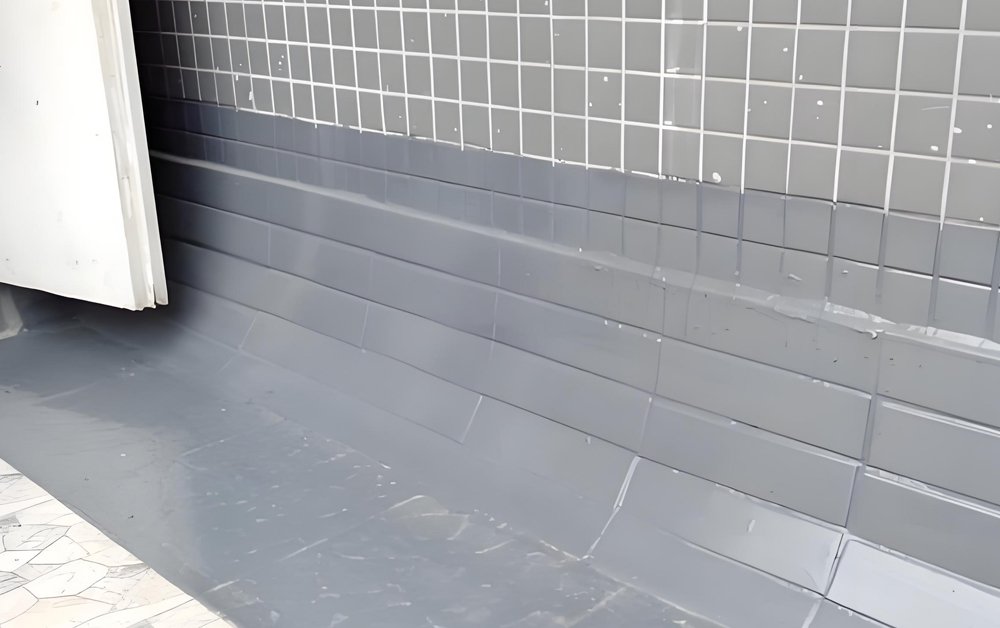
6. Detail Reinforcement
Focus on:
- Corners
- Joints
- Pipe penetrations
Use reinforcing fabrics if necessary.
How to Choose Between Spray and Hand-Applied Polyurea?
Choosing the right method depends on several factors.
Project Size
- Large project → Spray
- Small project → Hand-applied
Available Equipment
- No equipment → Hand-applied
- Have equipment → Spray
Performance Requirements
- High-performance → Spray
- Standard requirements → Hand-applied is fine
Budget Considerations
- Limited budget → Hand-applied
- Larger budget / volume work → Spray
Factors That Affect Polyurea Application Performance
Temperature & Humidity
| Problem | Cause | Prevention |
| Incomplete Curing | Too Low a Temperature | Heat the material or environment; wait for the temperature to rise |
| Reaction Too Fast, No Working Time | Too High a Temperature | Avoid high-temperature periods; adjust equipment parameters |
| Blistering, Whitening | Too High Humidity | Use dehumidifiers; wait for humidity to decrease |
Surface Quality
| Problem | Cause | Prevention |
| Coating Peeling | Dust, oil on the surface | Thorough cleaning, sanding, degreasing |
| Poor Adhesion | Surface too smooth | Sanding or shot blasting to create roughness |
| Blistering | Damp substrate | Test moisture content and apply only after it meets the standard |
Application Technique
| Problem | Cause | Prevention |
| Uneven Thickness | Inconsistent Spraying Distance | Maintain constant distance between spray gun and surface |
| Missing Coat | Incorrect Spraying Pattern | Cross-spraying to ensure coverage |
| Sagging | Excessive Thickness in One Coat | Multiple thin coats, controlling single coat thickness |
Material Quality
| Problem | Cause | Prevention |
| Substandard performance | Inferior raw materials | Select reputable suppliers |
| Large batch variations | Lax production control | Require batch testing reports; Batch testing |
Common Problems and Practical Solutions
Bubbling
- Cause: Moisture
- Solution: Improve surface drying
Delamination
- Cause: Poor primer
- Solution: Use compatible systems
Uneven Thickness
- Cause: Poor technique
- Solution: Improve application consistency

Application Tips for Different Scenarios
Roof Waterproofing
Use spray polyurea for seamless coverage. (For large area)
Basement Waterproofing
Combine spray and hand-applied methods.
Industrial Flooring
Choose high-strength spray systems.
Repair Projects
Use hand-applied polyurea for flexibility.
Why System-Based Polyurea Solutions Are More Effective?
Modern projects require integrated systems.
Components:
- Primer
- Polyurea layer
- Protective topcoat
Benefits:
- Improved durability
- Reduced maintenance
- Better overall performance
YURU Waterproof: Your Reliable Polyurea Coating Supplier
Selecting the right supplier is essential for project success.
YURU Waterproof provides:
- Spray polyurea systems
- Hand-applied polyurea coatings
- Waterproofing and grouting materials
Key Advantages:
- Stable product quality
- Solutions for different environments
- Technical support for contractors
- Scalable supply for large projects
YURU products are widely used in:
- Industrial flooring
- Roofing systems
- Underground engineering
FAQs:
1. What is the difference between spray and hand-applied polyurea?
Spray polyurea uses high-pressure equipment for large areas, while hand-applied polyurea is applied manually for smaller or detailed areas.
2. How long does polyurea coating take to cure?
Spray polyurea cures within seconds, while hand-applied systems may take several hours.
3. Can polyurea be applied on damp surfaces?
It is not recommended, as moisture can cause defects.
4. What thickness is recommended for polyurea coating?
Typically between 1 mm and 2 mm, depending on the application.
5. Do I need professional equipment for polyurea application?
Yes, for spray systems. Hand-applied systems require minimal tools.
Conclusion:
So, how to apply polyurea coating effectively?
Here’s the answer:
- Pick the right method (spray vs hand-applied)
- Prep the surface
- Follow the correct steps
- Using high-quality materials
Looking for reliable polyurea coating solutions for your next project?
Contact YURU Waterproof today for expert support, product recommendations, and customized solutions.
YURU Product solutions