Waterproof Coating Manufacturer vs Trading Company: Which Is Better?
Introduction:
Here’s a question that comes up all the time. You’re sourcing waterproof coatings for a construction project, an infrastructure job, or to distribute to your customers. And you have a choice.
Do you work directly with a manufacturer? Or do you go through a trading company?
At first glance, it might not seem like a big deal. Both can sell you product. Both can ship it to your site. So what’s the difference?
The difference shows up when things get real.
- Product quality consistency
- Project success rate
- Cost efficiency
- Technical support availability
- Long-term business growth
In those situations, the choice between a manufacturer and a trading company isn’t minor, it’s strategic.
This guide will walk you through the real differences, practical scenarios, and a decision, making framework to help you choose wisely.
Why Supplier Type Is Critical in Waterproofing Projects?
In waterproofing, materials are not just commodities—they are performance-critical components.
A minor failure in coating performance can lead to:
- Water leakage
- Structural damage
- Expensive repairs
- Reputational loss
That’s why experienced contractors and distributors don’t just compare prices—they evaluate supply chain reliability and technical capability.
Impact on Project Quality
A reliable supplier ensures:
- Stable formulations
- Consistent batches
- Predictable performance
Without this, even the best application techniques may fail.
Impact on Long-Term Cost
Cheaper upfront pricing often hides:
- Higher failure rates
- Increased maintenance costs
- Delays and rework
In contrast, a dependable supplier reduces lifecycle costs.
What Is a Waterproof Coating Manufacturer?
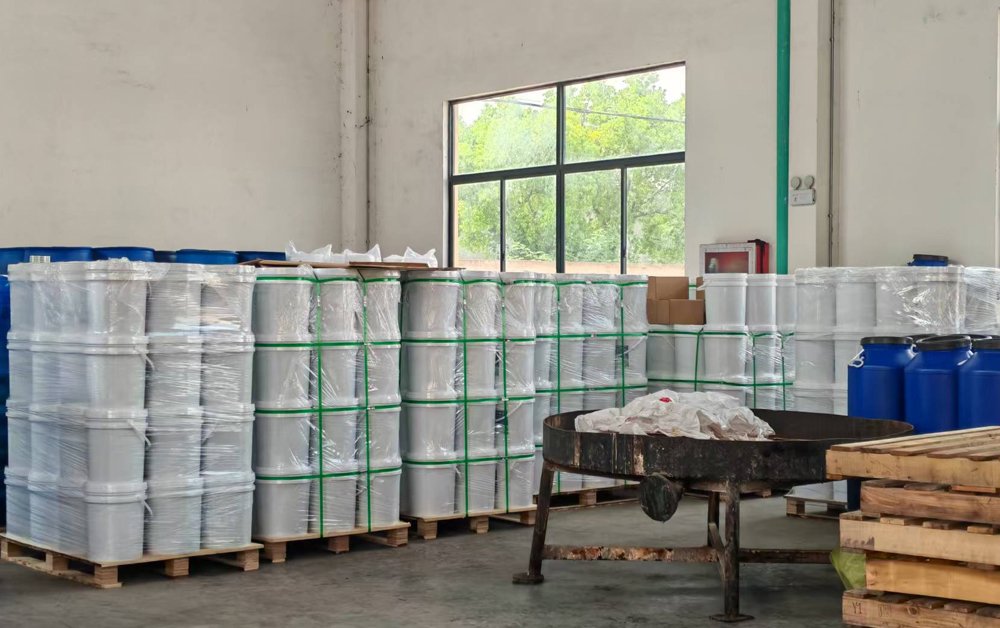
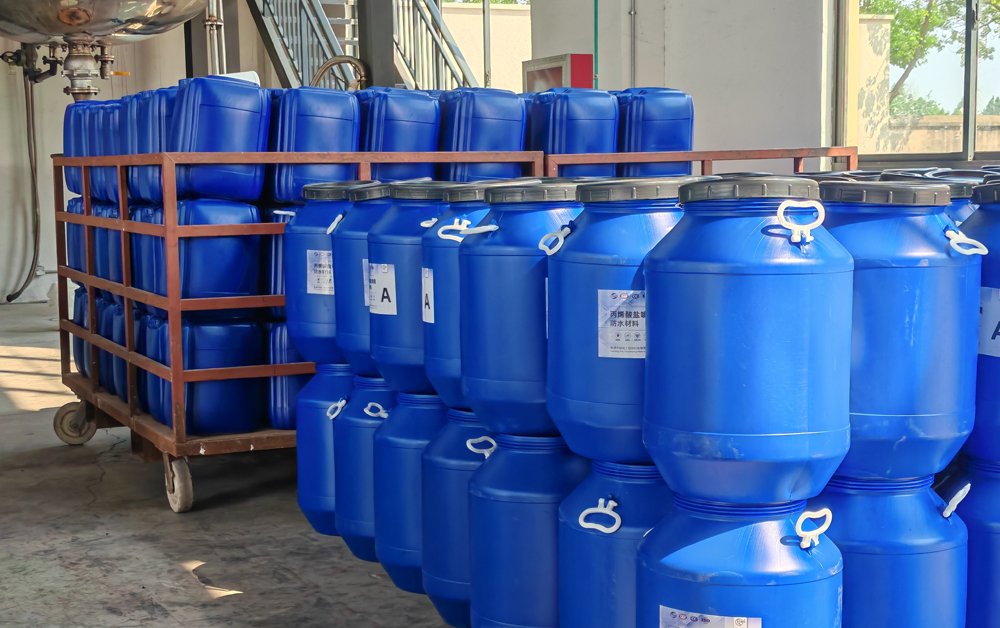
A waterproof coating manufacturer is a company that produces materials in its own facilities and often develops proprietary formulations.
Core Capabilities of Manufacturers
- In-house production lines
- Research and development (R&D)
- Quality control systems
- Product testing laboratories
Key Advantages:
Full Quality Control
Manufacturers control raw materials, formulation, and production processes.
Customization Capability
They can adjust products based on:
- Climate conditions
- Application requirements
- Local standards
Technical Expertise
Manufacturers typically provide:
- Application guidance
- System recommendations
- On-site support (for large projects)
What Is a Waterproof Coating Trading Company?
A trading company acts as an intermediary between manufacturers and buyers.
Core Functions
- Sourcing products from multiple suppliers
- Managing logistics and distribution
- Offering a range of brands
Key Advantages:
Product Variety
Trading companies can offer multiple brands and categories.
Flexibility
They are useful for:
- Small orders
- Mixed product requirements
Convenience
One-stop sourcing for various materials.


Manufacturer vs Trading Company: A Detailed Comparison
Let’s get into the details. Here’s how manufacturers and trading companies compare on the things that actually matter.
Price Comparison
- Manufacturer:
Lower cost due to direct sourcing
- Trading Company:
Higher cost due to markup
Over large volumes, this difference becomes significant.
Quality Control
- Manufacturer:
Direct control over production
- Trading Company:
Depends on third-party suppliers
Risk of inconsistency is higher with trading companies.
Delivery Stability
- Manufacturer:
Stable production schedules
- Trading Company:
Dependent on multiple supply chains
Technical Support
- Manufacturer:
Strong technical knowledge
- Trading Company:
Limited or basic support
Customization Capability
- Manufacturer:
Supports OEM/ODM
- Trading Company:
Usually not available
When Should You Choose a Manufacturer?
Working directly with a manufacturer isn’t always necessary. Sometimes a trading company is fine. But in certain situations, going direct isn’t just better — it’s essential.
Here’s when you should choose a manufacturer.
Large-Scale Projects
Infrastructure and industrial projects require:
- Consistent quality
- Reliable supply
Long-Term Partnerships
Manufacturers are better suited for:
- Ongoing procurement
- Strategic cooperation
Customized Requirements
Projects needing specific performance properties benefit from:
- Tailored formulations
When Is a Trading Company a Better Choice?
There are situations where trading companies are practical.
Small Order Quantities
If your needs are limited, trading companies provide flexibility.
Multiple Product Categories
They allow sourcing of different materials in one place.
Quick Procurement Needs
For urgent requirements, trading companies may offer faster access.
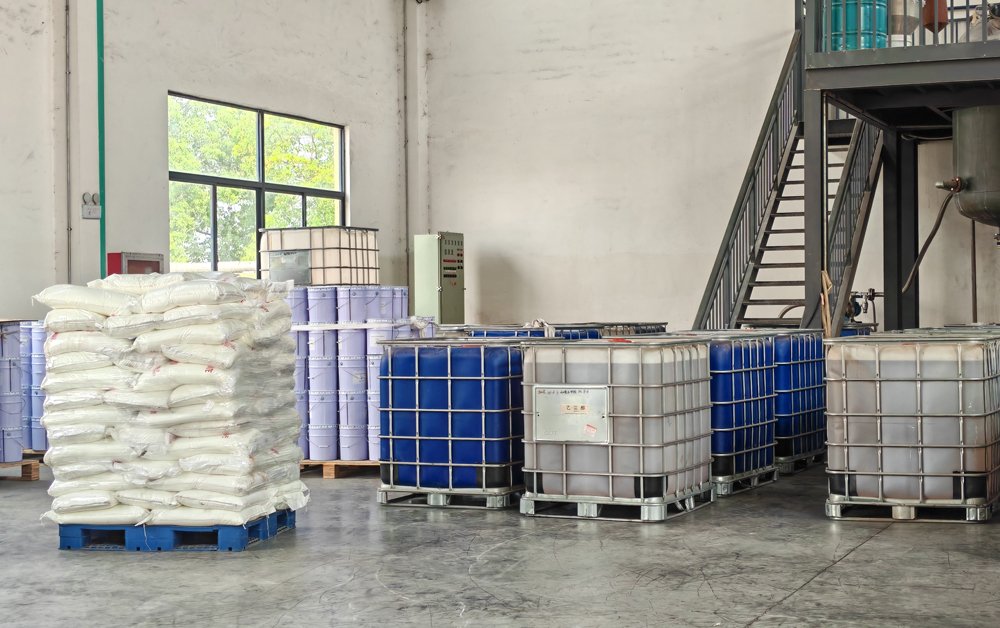
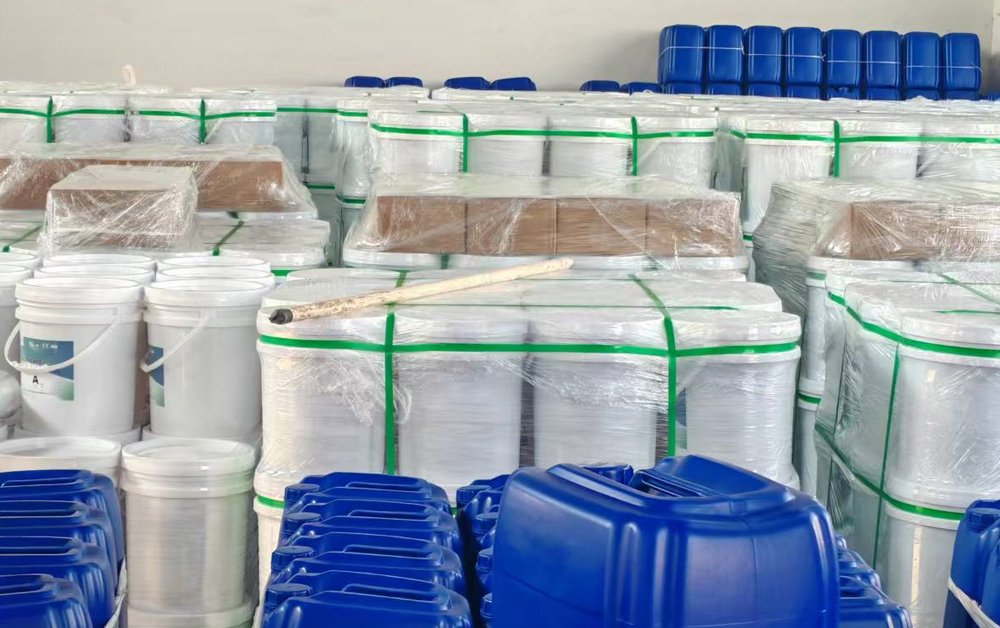
Hidden Risks in Waterproof Coating Procurement
Many buyers overlook key risks when selecting suppliers.
Inconsistent Product Quality
Different batches may vary if sourcing is uncontrolled.
Supply Chain Disruptions
Trading companies depend on third-party manufacturers.
Limited Technical Support
Incorrect application can lead to failure without expert guidance.
After-Sales Issues
Responsibility may be unclear when problems arise.
How to Evaluate a Reliable Supplier?
Choosing the right partner requires careful evaluation.
Check Production Capability
- Factory size
- Equipment
- Production capacity
Review Certifications
- ISO standards
- Industry compliance
Assess Project Experience
Look for:
- Case studies
- Infrastructure project involvement
Evaluate Technical Support
A strong supplier offers:
- Documentation
- On-site guidance
- Problem-solving expertise
Why More Buyers Prefer Working Directly with Manufacturers?
Here’s something we’ve seen in recent years. More contractors, distributors, and project managers are moving away from trading companies and going straight to manufacturers.
It’s not a coincidence. It’s a trend driven by real business advantages.
Here’s why.
Cost Efficiency
Eliminating middlemen reduces expenses.
Better Communication
Direct contact ensures:
- Faster responses
- Clear understanding
Higher Accountability
Manufacturers take full responsibility for product performance.
Stronger Partnerships
Long-term collaboration improves business growth.
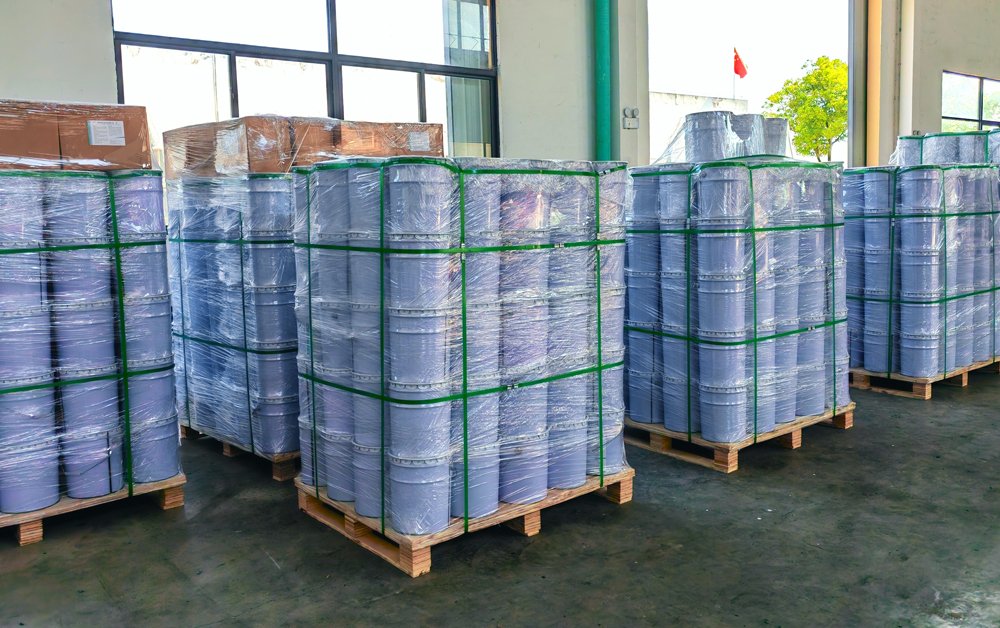
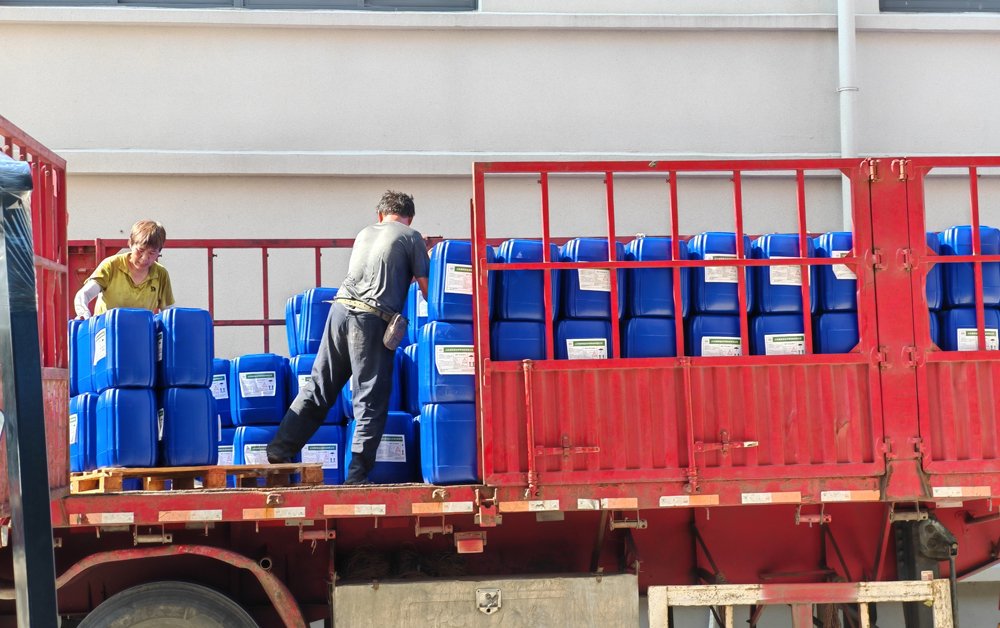
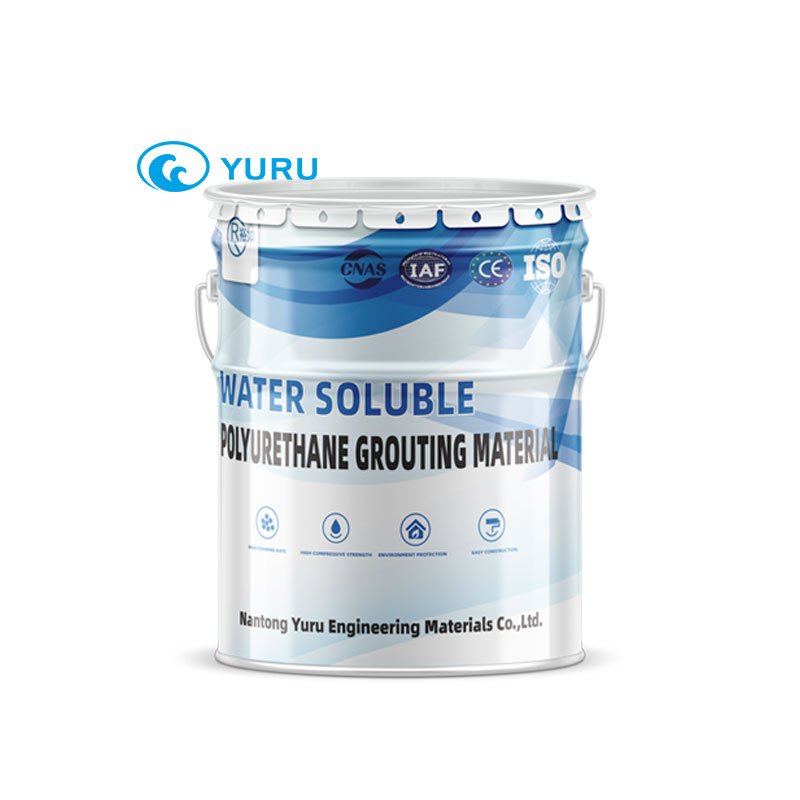
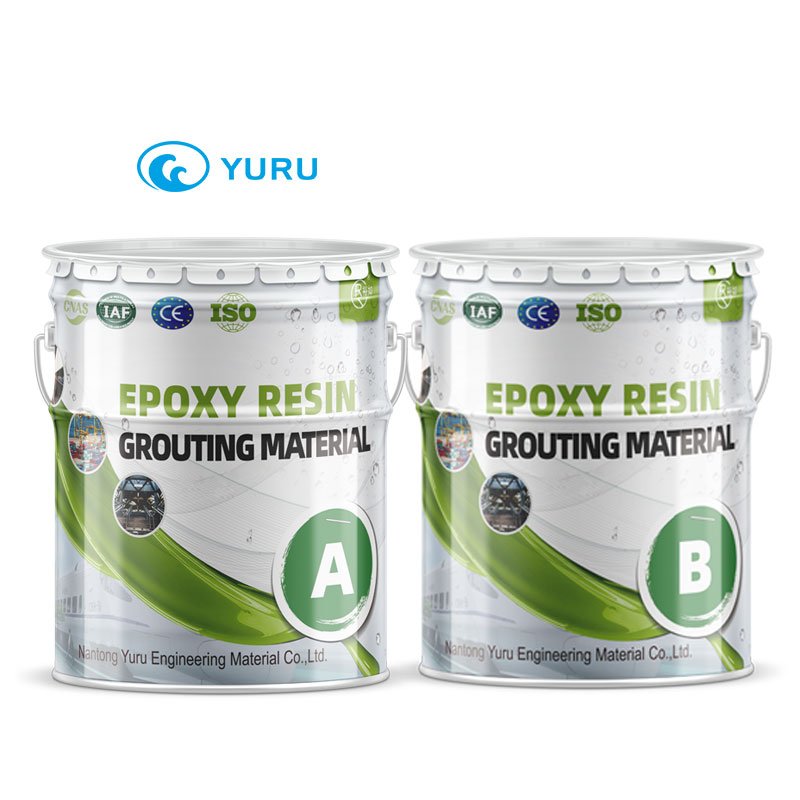
YURU Waterproof: A Trusted Manufacturer for Clients
When you’re choosing a supplier, experience matters.
YURU Waterproof is a professional manufacturer specializing in:
- Waterproof coatings
- Waterproof membranes
- Grouting materials
- Floor coating systems
What Makes YURU Different:
- Advanced production facilities
- Strict quality control systems
- Strong R&D capabilities
- OEM/ODM support
Technical Support for Projects
YURU provides:
- Application guidance
- Customized solutions
- Support for contractors and engineers
Global Experience
YURU serves:
- Distributors
- Contractors
- Municipal projects
- Engineering companies
FAQs:
1. Is it cheaper to buy from a manufacturer?
Yes, manufacturers usually offer better pricing due to direct supply.
2. Are trading companies reliable?
They can be, but quality depends on their suppliers.
3. Can manufacturers provide customized products?
Yes, most manufacturers offer OEM/ODM services.
4. Which is better for large projects?
Manufacturers are generally better due to stability and support.
5. How do I verify a manufacturer?
Check certifications, factory audits, and project references.
Conclusion:
So, which is better?
The answer depends on your needs. But for most professional scenarios: large-scale projects, long-term supply relationships, and high-performance applications —manufacturers are the better choice.
Final Takeaways:
- Choose manufacturers for quality, consistency, and support
- Choose trading companies for flexibility and small orders
- Always evaluate suppliers beyond price
Looking for a reliable waterproof coating supplier? YURU Waterproof – manufacturer, not middleman. It also provides one-stop service.
Contact YURU today to explore partnership opportunities and get tailored product recommendations.
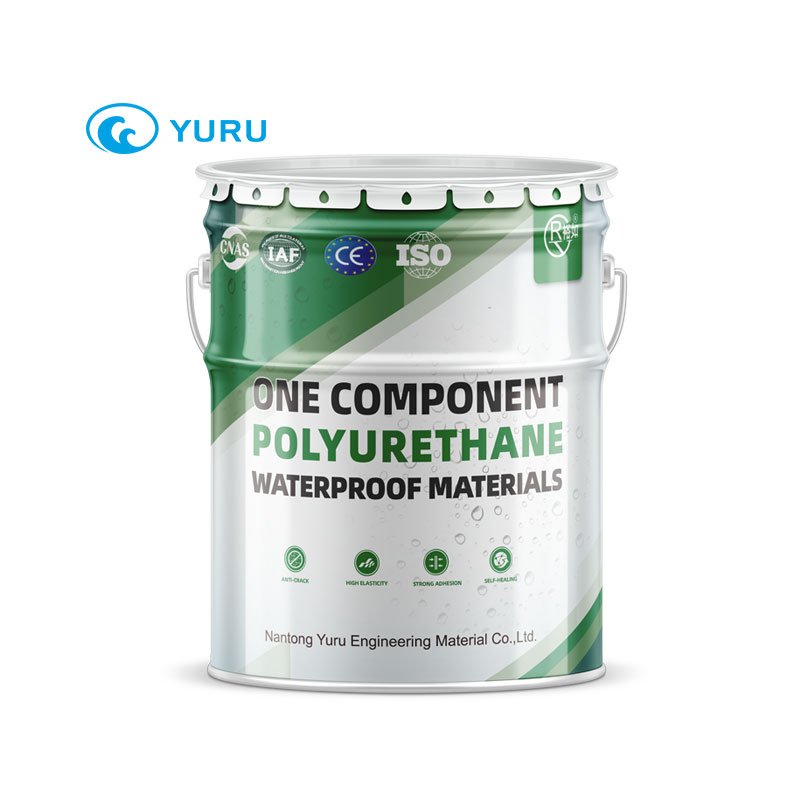
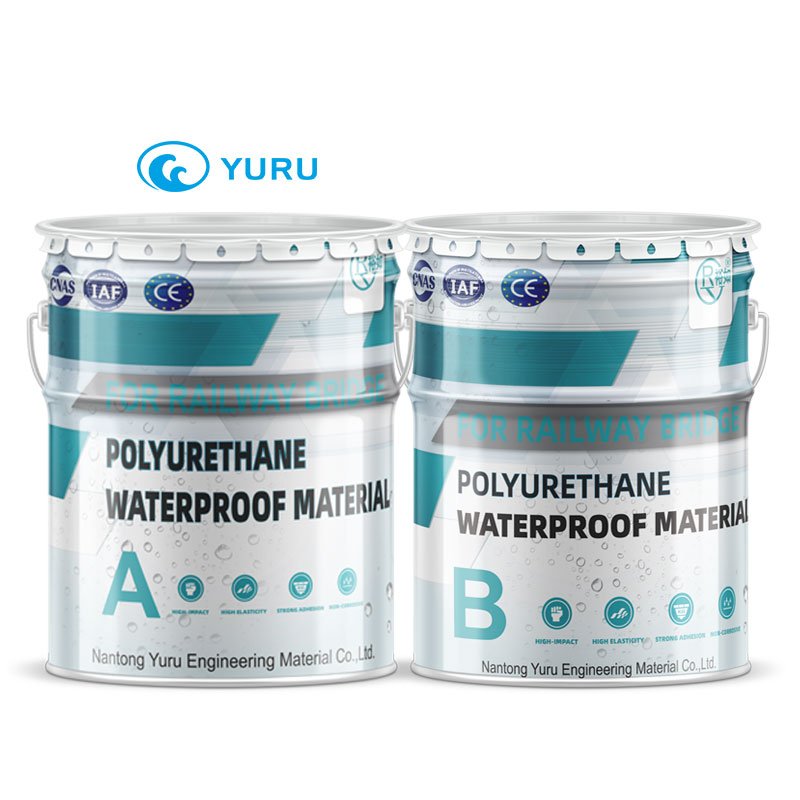
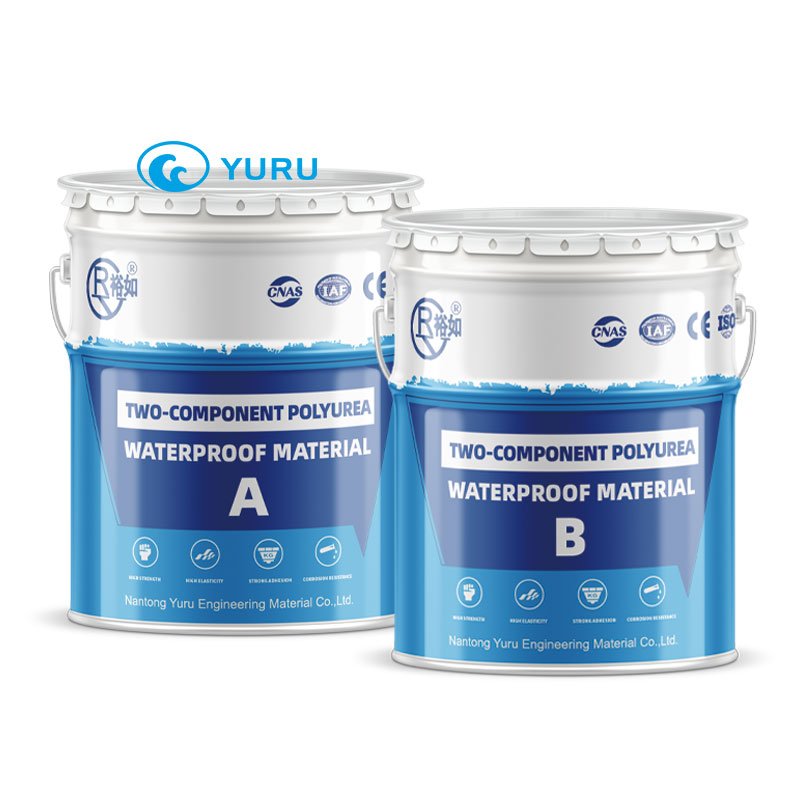
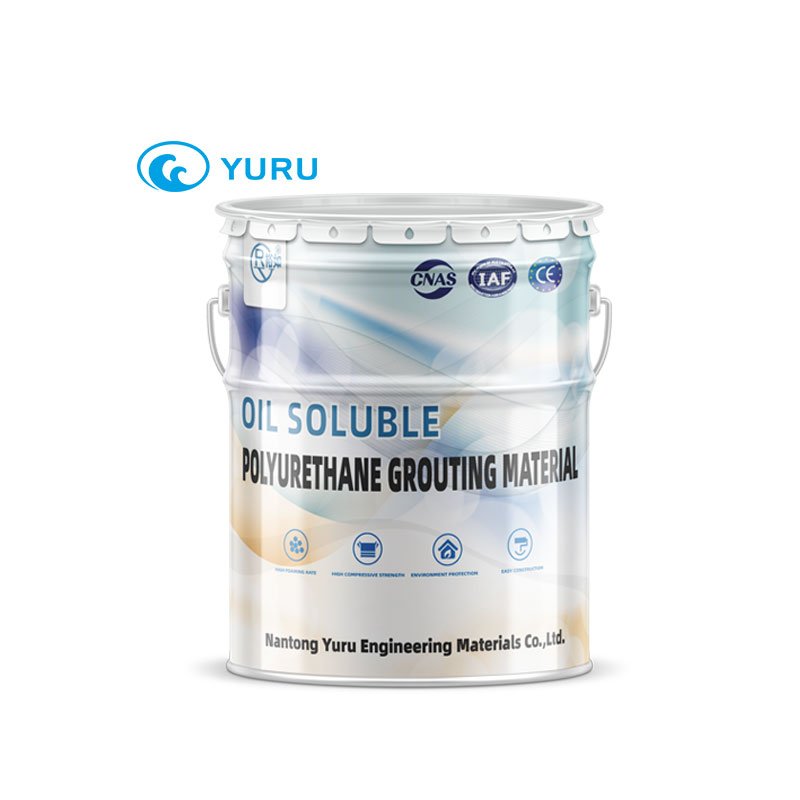
YURU Product solutions