Best Waterproof Coating for Roofs in Hot and UV Exposure Areas
Introduction:
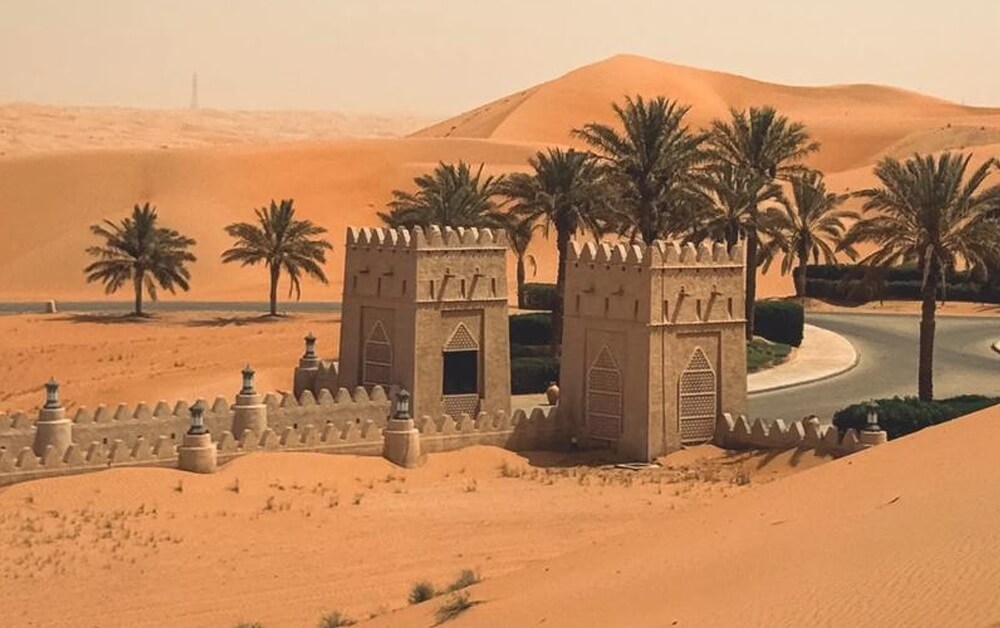
Places like the Middle East, Africa, Southeast Asia, and South America have a different kind of sun. UV radiation breaks down materials that aren’t formulated for it. Heat causes expansion and contraction that cracks rigid coatings.
So when people ask me, “What’s the best waterproof coating for roofs in hot climates?” — I don’t give a one-word answer.
This guide answers that question. In this comprehensive guide, we’ll cover:
- Why UV and heat damage waterproof coatings
- Key performance criteria for extreme climates
- Detailed comparisons of leading coating types
- Why polyurea coatings are becoming the preferred solution
- Practical selection and application strategies
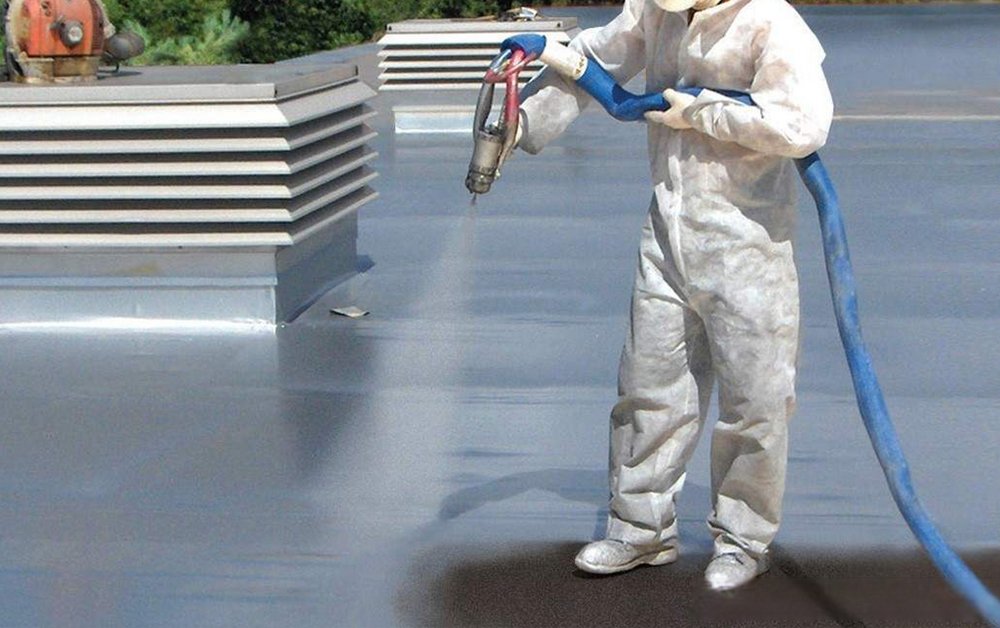
Why Hot and UV Conditions Demand Specialized Waterproof Coatings?
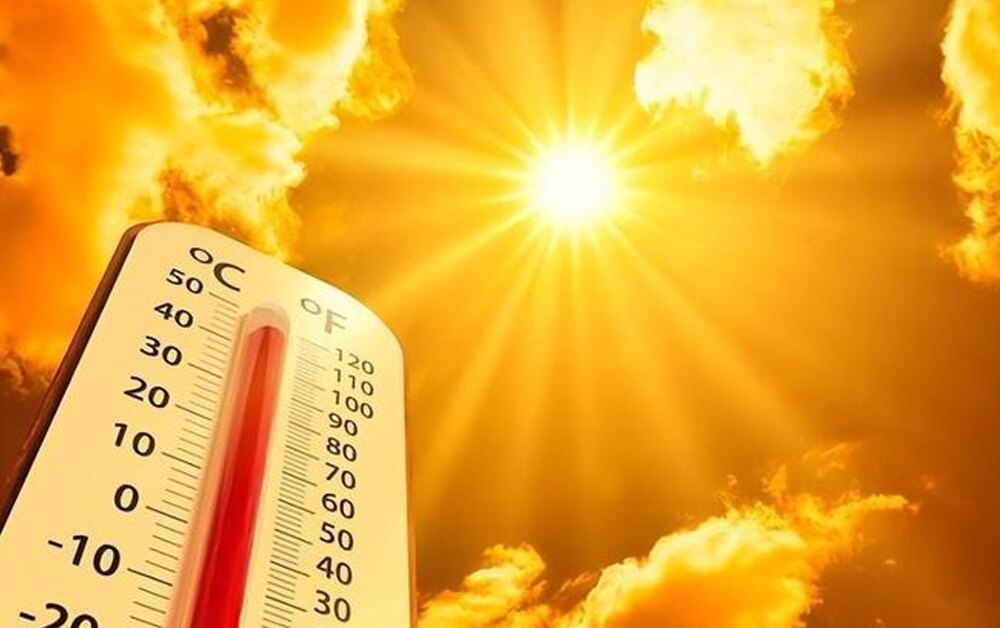
Not all waterproof coatings are built for extreme exposure. In fact, most aren’t. In hot climates, roof surfaces can hit 70°C. Add UV radiation that breaks down materials, and you’ve got an environment that destroys ordinary coatings.
UV Radiation Degradation
Ultraviolet rays cause:
- Polymer chain breakdown
- Surface chalking and
- discoloration
- Loss of elasticity
Over time, this leads to cracking and failure.
Thermal Expansion and Contraction
Daily temperature fluctuations cause:
- Expansion during the day
- Contraction at night
This repeated movement stresses the coating and creates micro-cracks.
Accelerated Aging
High temperatures speed up:
- Chemical reactions
- Material fatigue
As a result, coatings that might last 10–15 years in mild climates may fail in half that time under extreme conditions.
Waterproofing Failure Risks
Once the coating fails:
- Water infiltration begins
- Structural damage follows
- Repair costs increase significantly
Key Performance Criteria for Roof Waterproof Coatings in Harsh Climates
Selecting the coating for hot, sunny climates. You can’t just look at the price tag. You need to look at performance.
UV Resistance
A high-quality coating must:
- Resist UV degradation
- Maintain color and structure
- Prevent surface chalking
Heat Resistance
The coating should:
- Withstand high surface temperatures
- Maintain flexibility under heat
Elasticity and Crack-Bridging
Flexibility is essential to:
- Absorb structural movement
- Prevent cracking
Weather Resistance
Long-term exposure requires:
- Resistance to rain, wind, and dust
- Stability over years of exposure
Reflectivity
Reflective coatings help:
- Reduce roof temperature
- Improve energy efficiency
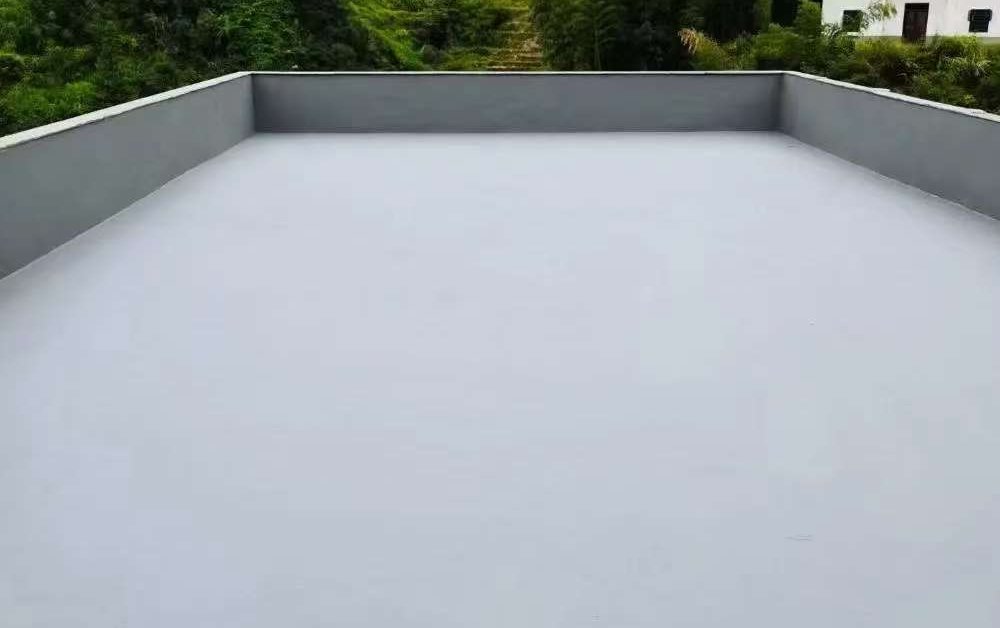
Comparison of Common Roof Waterproof Coatings for Hot and UV Areas
Not all coatings are created equal. Under intense sun and high heat, some perform, some fail. Here’s how the main options stack up.
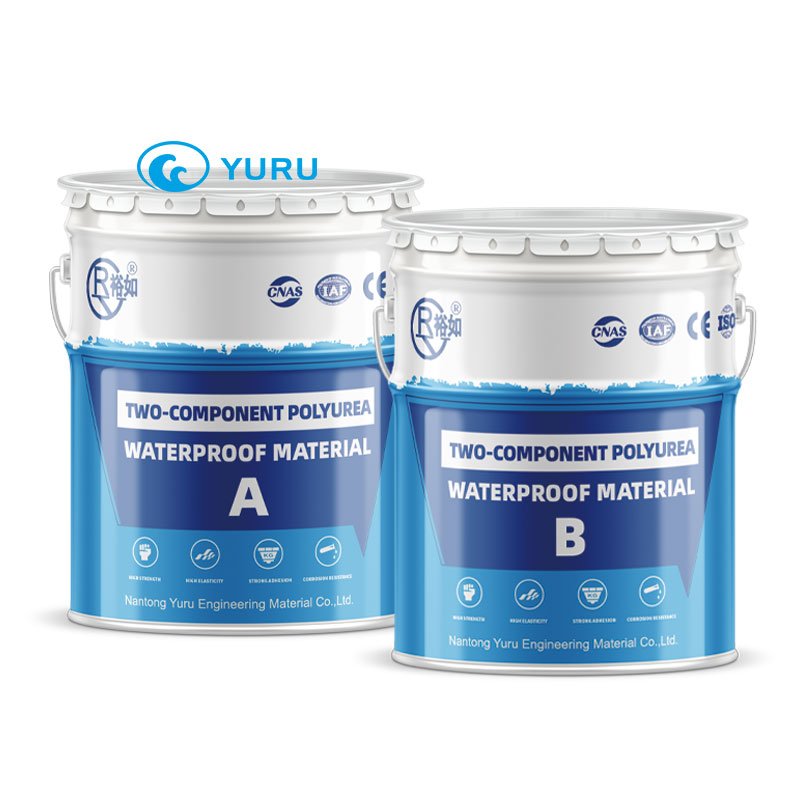
Two-Component Polyurea Waterproof Coating (Top Recommendation)
Performance Advantages:
Polyurea coatings are widely recognized for their superior performance in harsh environments.
- Exceptional UV resistance
- Outstanding weather durability
- Seamless, joint-free application
- High elasticity and strength
- Fast curing
Why Polyurea Performs Best in Hot Climates:
Unlike traditional coatings, polyurea:
- Maintains structural integrity under UV exposure — no breakdown.
- Resists thermal degradation — stays flexible when hot.
- Provides long-term waterproofing without cracking.
Typical Applications:
- Industrial roofs
- Metal roofing systems
- Infrastructure projects
- Commercial buildings
Acrylic Waterproof Coatings
Advantages:
- Good UV resistance
- Easy application
- Cost-effective
Limitations:
- Moderate durability.
- Not suitable for extreme conditions over long periods.
Best Use Cases:
- Residential roofs
- Light-duty commercial projects
Silicone Waterproof Coatings
Advantages:
- Excellent weather resistance
- Good UV stability
- Strong water repellency
Limitations:
- Higher cost
- Limited mechanical strength
Best Use Cases:
- Roofs with frequent ponding water
- Long-term exposure applications
Polyurethane Waterproof Coatings
Advantages:
- High elasticity
- Strong adhesion
Limitations:
- Poor UV resistance without protection
- Requires additional topcoat
Best Use Cases:
- Protected roof systems
- Underground waterproofing
Why Two-Component Polyurea Is the Best Waterproof Coating for Roofs in Hot and UV Exposure Areas?
From an engineering perspective, polyurea stands out as the most reliable solution.
Superior UV Stability
Polyurea resists:
- UV-induced degradation
- Surface aging
Thermal Stability
Even under extreme temperatures, polyurea:
- Retains elasticity
- Prevents cracking
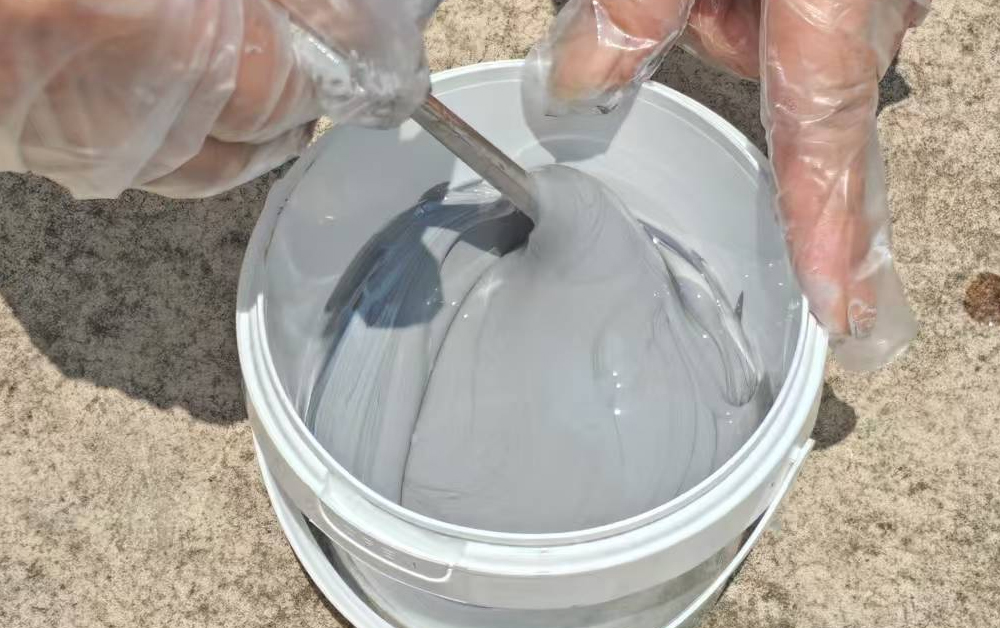
Seamless Waterproofing
Spray application creates:
- Continuous membrane
- No weak points
Fast Application
Rapid curing:
- Reduces downtime
- Improves project efficiency
Choosing the Right Coating for Different Roof Types
Not all roofs are the same. A metal roof has different needs than a concrete roof. An industrial facility is different from a commercial building.
Here’s what works where:
| Roof Type | Recommended Coating | Reason |
| Metal Roofs | Polyurea, Acrylic | Adaptable to thermal expansion and contraction, good adhesion |
| Concrete Roofs | Polyurea, Polyurethane | Strong adhesion, good sealing |
| Industrial Roofs | High-performance Polyurea | Chemically resistant, abrasion resistant, high durability |
| Commercial Buildings | Acrylic, Silicone | Cost-effective, reflective, energy-saving, water resistant |
Application Factors That Influence Performance
Even the best material can fail if applied incorrectly.
Surface Preparation
Ensure:
- Clean surface
- Proper roughness
- No contaminants
Coating Thickness
Uniform thickness is critical for:
- Waterproof integrity
- Durability
Environmental Conditions
Avoid application during:
- Extreme heat
- High humidity
Primer Usage
Primers improve:
- Adhesion
- Long-term performance
Common Roof Waterproofing Problems in Hot Climates and Solutions
Hot climates don’t just make roofs hot. They create specific problems that destroy ordinary coatings. Here’s what to watch for — and how to solve it.
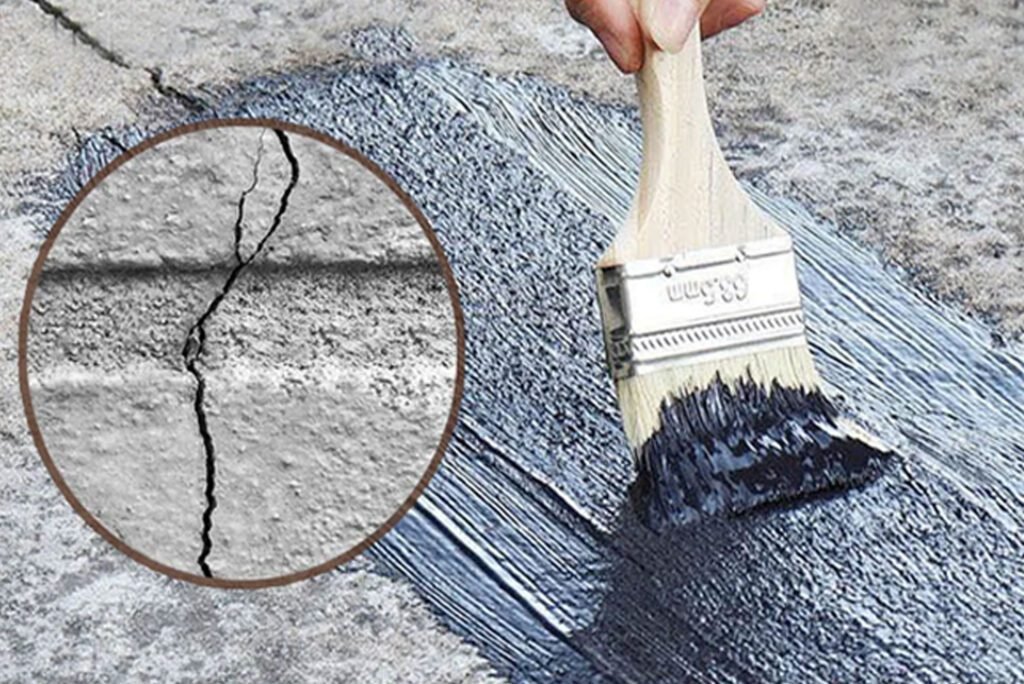
Cracking
- Cause: Thermal stress
- Solution: Use high-elasticity coatings like polyurea
Chalking and Fading
- Cause: UV exposure
- Solution: Choose UV-resistant materials
Water Leakage
- Cause: Coating failure
- Solution: Use seamless systems
Blistering
- Cause: Moisture trapped
- Solution: Proper surface preparation
Modern Trends in Roof Waterproofing Systems
Integrated Systems
Combining:
- Waterproof coating
- Thermal insulation
- Reflective layers
High-Performance Materials
Demand is increasing for:
- Polyurea coatings
- Advanced polymers
Sustainable Solutions
Eco-friendly coatings are gaining popularity.

How to Choose a Reliable Waterproof Coating Supplier?
Key Evaluation Factors
- Manufacturing capability
- Technical support
- Project experience
- Product consistency
YURU Waterproof: Expert in High-Performance Roof Waterproofing
For projects in hot and UV-intensive environments, working with a specialized manufacturer is essential.
YURU Waterproof offers:
- Two-component spray polyurea coatings
- Acrylic waterproof coatings
- Silicone waterproof coatings
- Polyurethane waterproof coatings
- Waterproof membranes
Why Choose YURU:
- Advanced polyurea technology
- Strong UV-resistant formulations
- Proven performance in extreme climates
- Technical support for contractors and engineers
Application Areas:
- Industrial roofing
- Commercial buildings
- Municipal infrastructure
- Overseas projects in hot regions
FAQs:
1. What is the best waterproof coating for hot climates?
Polyurea is considered the best due to its UV resistance and durability.
2. Can polyurethane be used on roofs in hot areas?
Yes, but it requires a protective layer to prevent UV damage.
3. How long does polyurea last on roofs?
It can last over 20 years with proper application.
4. Are acrylic coatings suitable for high UV exposure?
They offer moderate resistance but are less durable than polyurea.
5. What affects roof coating lifespan the most?
UV exposure, temperature, and application quality.
Conclusion:
After comparing all options, the answer is clear:
For extreme environments — intense sun, high heat, daily thermal cycling, two-component polyurea waterproof coating is the best choice.
Final Recommendations:
- Choose polyurea for maximum durability.
- Use acrylic or silicone for moderate conditions.
- Protect polyurethane coatings if used.
The bottom line: Select the right material. Apply it correctly. Your roof waterproofing system will last years longer.
Need a Coating That Can Take the Heat?
YURU Waterproof has advanced polyurea systems built for hot climates.
Contact us today for customized solutions and real technical support.
YURU Product solutions