Polyurethane Grout Supplier Selection Tips for Contractors and Distributors
Introduction:
In today’s construction market, picking the right material isn’t enough anymore. You need reliability. Consistency. Long-term value. And that starts with your supplier.
Polyurethane grout has become a go-to solution for leak sealing, crack injection, and underground waterproofing. It works. But here’s the catch. Even the best polyurethane grout can fail if it comes from an unreliable supplier.
For contractors and distributors, you need a supplier who delivers consistent quality, answers technical questions, keeps product in stock, and actually cares about your success.
This guide explores practical polyurethane grout supplier selection tips based on our engineering experience. This article will help you make informed decisions.

Understanding Polyurethane Grout Before You Buy
Before you start evaluating suppliers, you need to understand the product itself.
Types of Polyurethane Grout
Not all polyurethane grout is the same. It generally falls into two main types.
Hydrophilic Polyurethane:
- Reacts with water and expands
- Forms flexible foam
- Ideal for active water leakage
Hydrophobic Polyurethane:
- Does not rely on water reaction
- Forms dense, rigid structures
- Suitable for structural reinforcement
Key Performance Indicators
When assessing products, focus on:
- Expansion ratio
- Reaction time
- Adhesion strength
- Durability
These factors directly impact injection efficiency and long-term performance.
Common Applications
Polyurethane grout is widely used in:
- Basement waterproofing
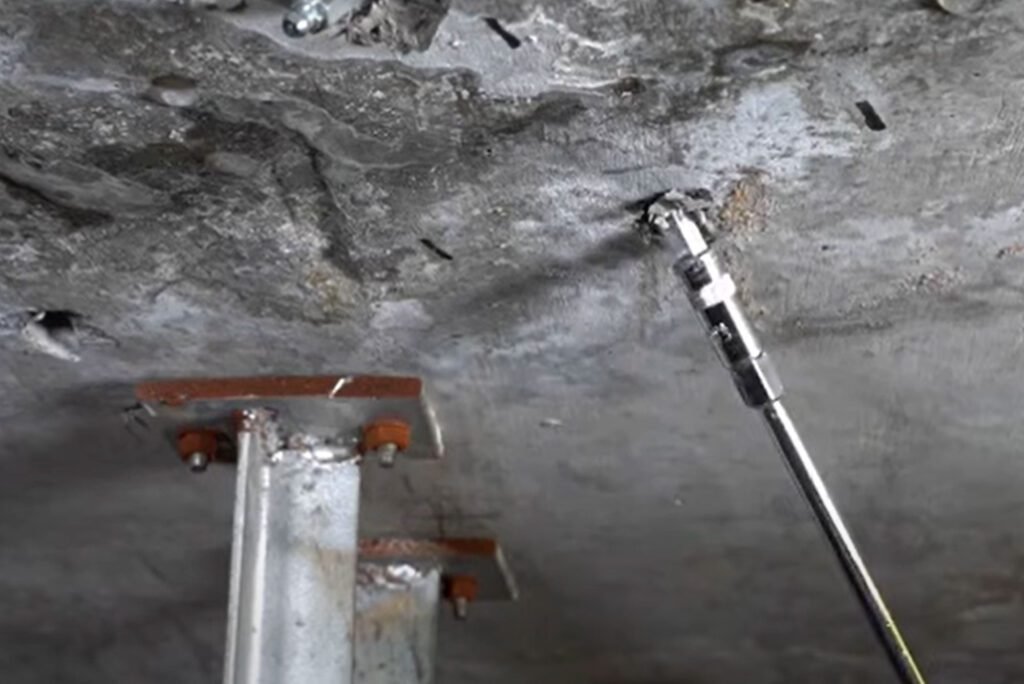
- Tunnel leakage repair
- Underground structures
- Concrete crack sealing
What Contractors and Distributors Care About Most?
Understanding buyer priorities helps define supplier selection criteria.
Product Consistency
Contractors require materials that perform reliably across batches. Inconsistent quality leads to unpredictable results on-site.
Stable Supply Chain
Delays in material delivery can halt entire projects. Therefore, suppliers must ensure timely production and shipping.
Technical Support Availability
Proper application requires guidance. Suppliers that provide technical assistance reduce project risks.
Competitive Pricing
Lowest cost usually means trade-offs – bad quality, no support, late delivery.
Smart buyers want value, not just a low number.


How to Identify a Real Manufacturer vs a Trading Company?
This is one of the most critical decisions in supplier selection.
Factory Ownership and Production Capability
A real manufacturer typically has:
- Dedicated production facilities
- Controlled manufacturing processes
- Stable output capacity
In contrast, trading companies rely on third-party sourcing, which may affect quality consistency.
Equipment and Technology Level
Modern manufacturers invest in:
- Automated production lines / semi-automated production line
- Quality control systems
- Advanced mixing and testing equipment
R&D and Innovation Capability
Strong suppliers continuously improve their formulations. Look for:
- In-house laboratories
- Custom product development
- Technical documentation
Evaluating Product Quality: What Really Matters?
Quality isn’t just about numbers on paper. It’s about real-world performance.
Batch Consistency
Reliable suppliers maintain consistent product performance across different batches.
Field Performance
Check whether the product performs well in:
- High-pressure injection
- Wet environments
- Long-term sealing
Certifications and Testing
Look for:
- Third-party test reports
- Compliance with industry standards


Technical Support: A Key Differentiator in Supplier Selection
Price. Quality. Delivery. Everyone checks those.
But support? Many buyers overlook it. That’s a mistake.
Pre-Sales Support
Professional suppliers provide:
- Material selection advice
- Application recommendations
- Project-specific solutions
On-Site Guidance
During construction, technical support includes:
- Injection parameter adjustment
- Troubleshooting
After-Sales Service
Reliable suppliers offer:
- Performance follow-up
- Continuous optimization
Price vs Value: Avoiding the Low-Cost Trap
Hidden Risks of Low Prices
Low-cost products may result in:
- Poor sealing performance
- Frequent failures
- Increased labor costs
Total Project Cost Perspective
Consider:
- Material cost
- Labor cost
- Maintenance cost
Value-Based Decision Making
Focus on:
- Long-term reliability
- Reduced maintenance
Supply Chain Stability and Delivery Capability
Reliable supply is essential for project continuity.
Production Capacity
Ensure the supplier can handle:
- Large-scale orders
- Urgent demands
Delivery Time
Check:
- Lead time consistency
- Logistics efficiency
International Shipping Experience
For global distributors, suppliers should provide:
- Export documentation
- Logistics support
OEM and ODM Capabilities for Distributors
For distributors, customization is a major advantage.
Private Labeling
Allows distributors to:
- Build their own brand
- Increase market competitiveness
Customized Formulations
Suppliers may offer:
- Adjusted reaction time
- Modified expansion ratios
Packaging Flexibility
Options include:
- Customized labels
- Different packaging sizes
Industry Experience and Project References
Experience reflects reliability.
Project Case Studies
Look for suppliers with experience in:
- Tunnel engineering
- Infrastructure repair
- Municipal projects
Market Reputation
A strong reputation indicates:
- Consistent performance
- Customer satisfaction
Common Mistakes When Choosing a Supplier
Focusing Only on Price
This often leads to compromised quality.
Skipping Product Testing
Always conduct small-scale tests before full application.
Ignoring Technical Support
Lack of support increases risk.
Choosing Unverified Suppliers
This can result in supply instability.

The Value of Long-Term Supplier Partnerships
Building long-term relationships offers multiple advantages.
Stable Pricing
Long-term partners often provide better pricing structures.
Priority Supply
Ensures materials are available when needed.
Improved Communication
Better collaboration leads to better outcomes.
YURU Waterproof: A Reliable Polyurethane Grout Manufacturer
Choosing a trusted manufacturer is key to project success.
YURU Waterproof specializes in:
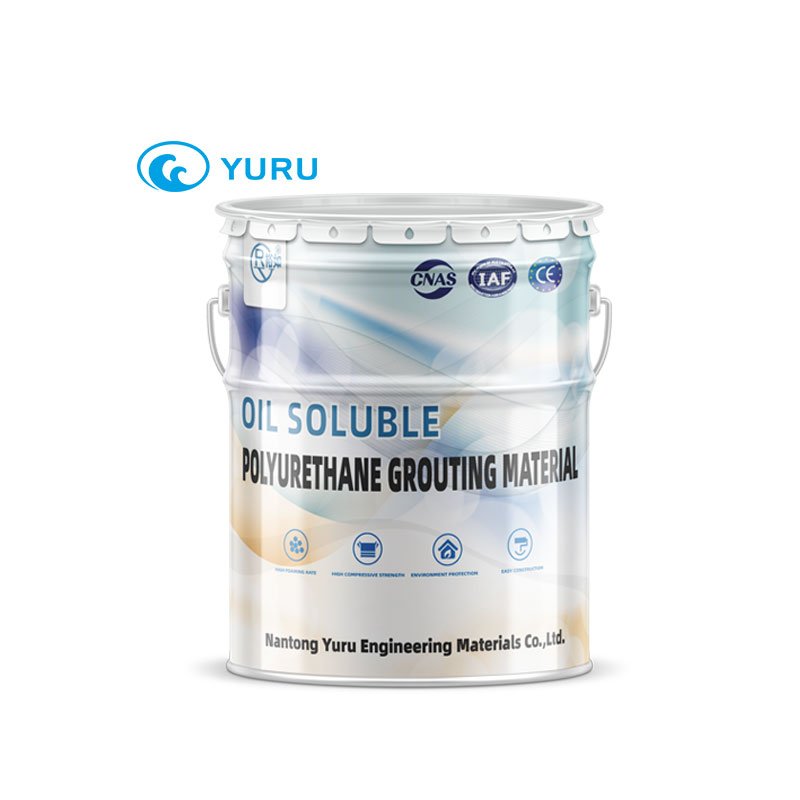
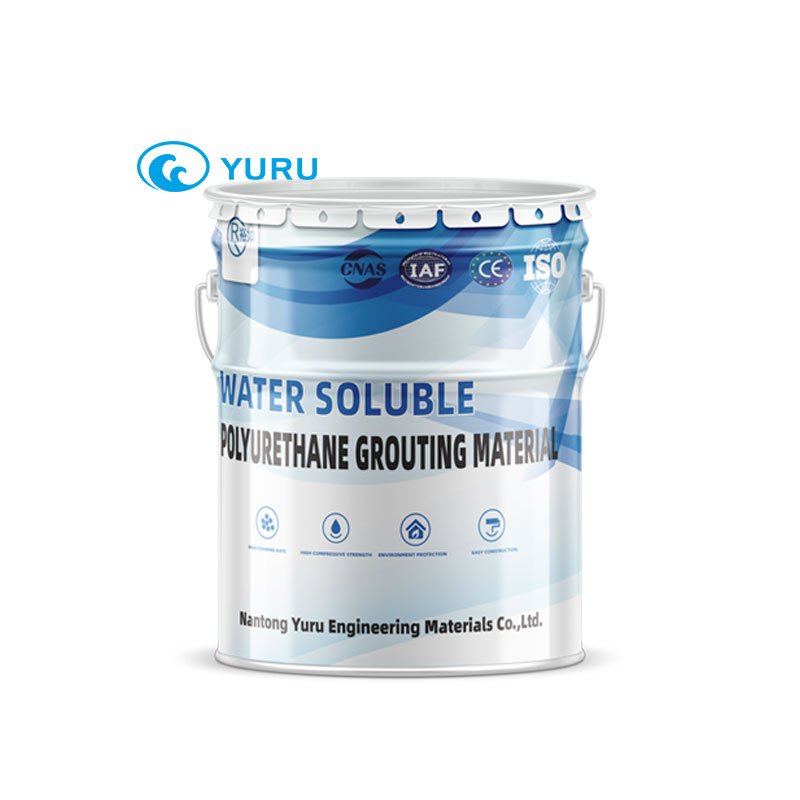
- Polyurethane grout systems
- Waterproof coatings
- Floor coating solutions
Why Choose YURU:
- Advanced manufacturing facilities
- Strict quality control processes
- Strong R&D capabilities
- OEM/ODM customization
Engineering Expertise:
YURU provides:
- Technical support for injection projects
- Customized material solutions
- On-site application guidance
Global Market Experience:
YURU serves:
- Contractors
- Distributors
- Engineering companies
- Municipal projects worldwide
FAQs:
1. What is polyurethane grout used for?
It is used for waterproofing, crack sealing, and structural repair.
2. How do I verify if a supplier is a manufacturer?
Check factory ownership, production capacity, and certifications.
3. What industries use polyurethane grout the most?
Construction, infrastructure repair, and underground engineering.
Conclusion:
Choosing the right polyurethane grout supplier isn’t just about price. It’s about quality, consistency, support, and long-term value.
That’s where YURU Waterproof comes in.
We’re a manufacturer with real production capability. We deliver consistent quality batch after batch. We provide technical support when you need it. And we focus on building long-term partnerships – not just transactions.
Contact YURU today for expert consultation, product samples, and customized solutions.


YURU Product solutions