Best Flexible Waterproof Coating for Flat Roof
Introduction:
Flat roofs are commonly found in various settings such as commercial buildings, industrial plants, and warehouses. They look good. They use space well. But they have one big problem: waterproofing.
The challenges flat roofs face:
- Standing water
- Constant UV exposure
- Daily expansion and contraction
- Structural movement
Over time, these conditions cause cracks, leaks, coating failure, and structural damage. That’s why choosing the best flexible waterproof coating for flat roofs is critical.
Today, building owners and contractors are moving away from traditional rigid waterproof materials. Flexible waterproof coatings are taking their place.
However, not all waterproof coatings perform equally. Some materials fail after only a few years, others provide long-term durability with minimal maintenance.
This guide explains:
- Why flat roofs need flexible waterproof coatings
- The most common flat roof waterproofing problems
- How different roof coatings compare
- Which waterproof system works best in different environments
- How to avoid common roofing failures
- What contractors should look for in high-performance roofing systems
I put this together to help contractors, distributors, and building owners choose the right system.
Why Flat Roofs Are More Vulnerable to Water Leakage?
Flat roofs may look simple. But they’re actually more demanding than sloped roofing systems.
Standing Water
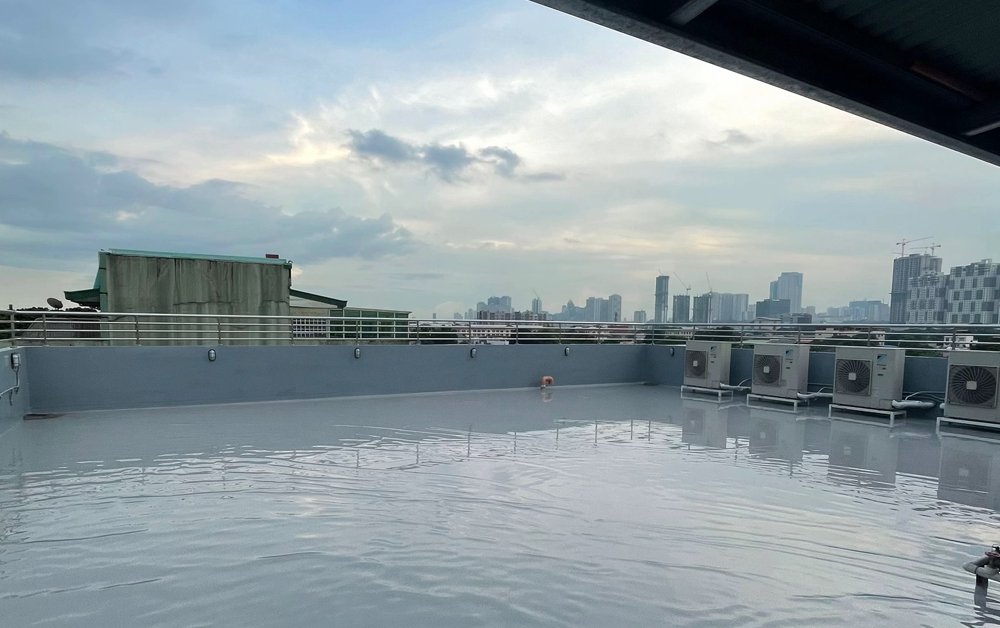
One of the biggest challenges for flat roofs is poor drainage. It’s simple physics. Water runs off a pitched roof. On a flat roof, it sits.
Even small drainage problems can create:
- Ponding water
- Increased moisture exposure
- Accelerated material aging
Coatings degrade faster.
Continuous UV Exposure
Sloped roofs get sun. Flat roofs get blasted with it all day.
UV radiation gradually breaks down many waterproof materials, causing:
- Cracking
- Brittleness
- Surface chalking
- Color fading
Low-quality coatings usually fail much faster in:
- Tropical climates
- Desert regions
- High-temperature industrial zones
Thermal Expansion and Contraction
Flat roof structures constantly expand and contract due to temperature changes.
This movement is especially severe in:
- Steel structure roofs
- Large industrial buildings
- Metal roofing systems
Rigid waterproof materials often crack under repeated movement.
Flexible waterproof coatings are designed to absorb these stresses.
Structural Movement
Buildings naturally shift over time because of:
- Wind loads
- Structural vibration
- Settlement
- Temperature fluctuation
A high-performance roof coating must remain flexible even after years of exposure.
What Is a Flexible Waterproof Coating?
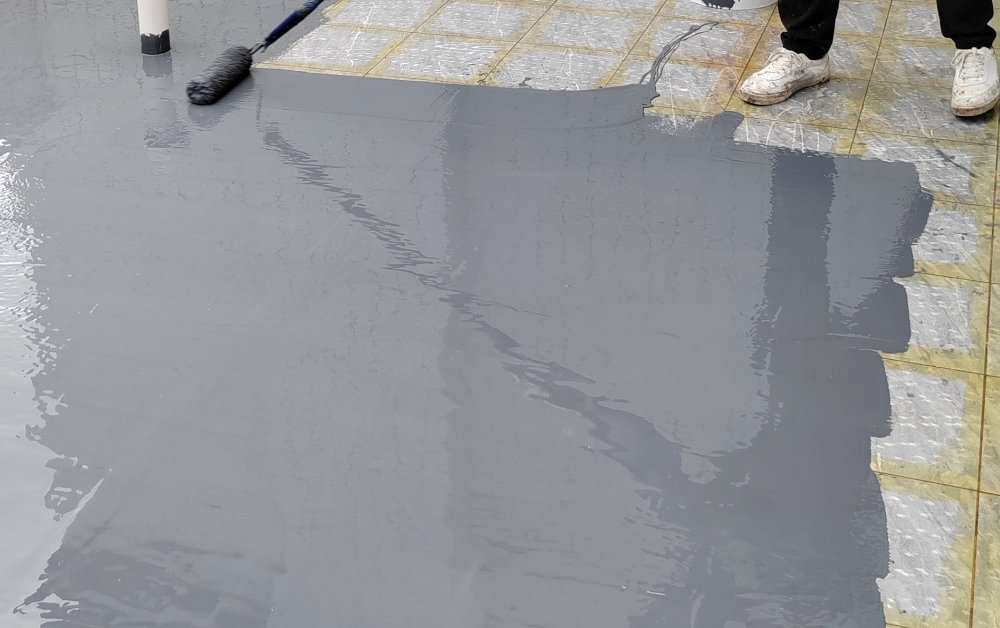
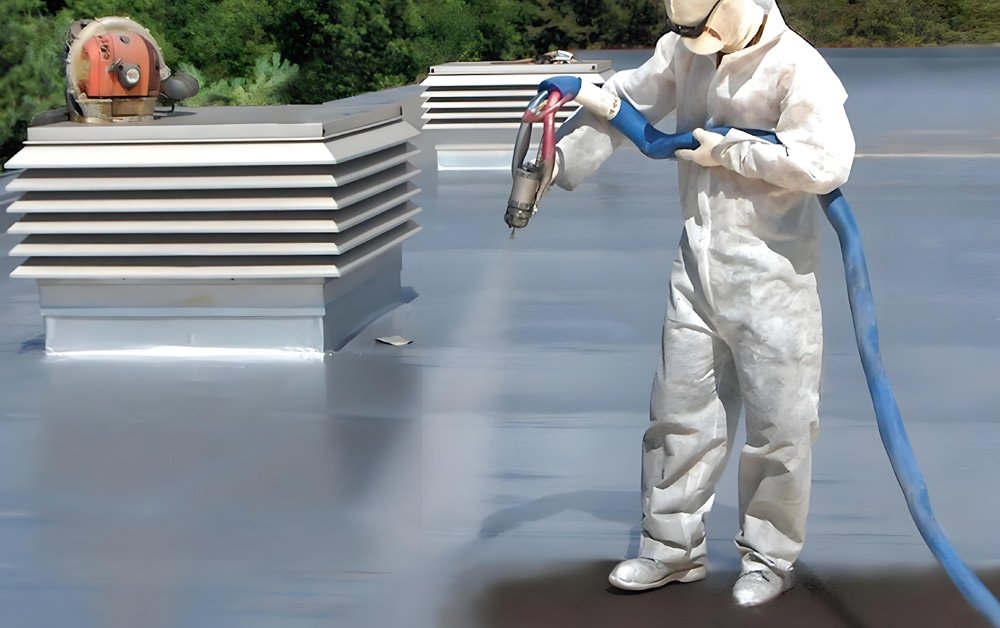
Flexible waterproof coatings are liquid-applied materials. You roll or spray them on. They cure into elastic membranes that stretch and recover without cracking.
That’s the key difference. Rigid materials crack when things move. Flexible materials move with the structure.
Main Characteristics of Flexible Waterproof Coatings:
High-quality flexible coatings typically provide:
- High elongation
- Crack-bridging ability
- Excellent adhesion
- UV resistance
- Weather durability
These properties make them ideal for flat roof applications.
Why Flexibility Matters in Roofing Systems:
Flat roofs are exposed to constant stress.
A rigid waterproof membrane may initially appear strong, but repeated movement eventually causes fractures.
Flexible systems reduce this risk significantly.
Why Flexible Waterproof Systems Are Essential for Flat Roofs?
Modern roofing systems require more than simple waterproofing.
They must also resist:
- Heat
- UV radiation
- Water ponding
- Structural movement
| Challenges | Problems | Advantages of Flexible Systems |
| Expansion/Contraction | Daily thermal expansion and contraction cycle | Absorbs displacement, preventing cracking |
| Ponding Water | Long-term water accumulation | Maintains integrity, preventing softening and bubbling |
| UV Exposure | UV degradation | UV-resistant formula, extending lifespan |
| Structural Movement | Settlement, vibration | Adapts to displacement without losing adhesion |
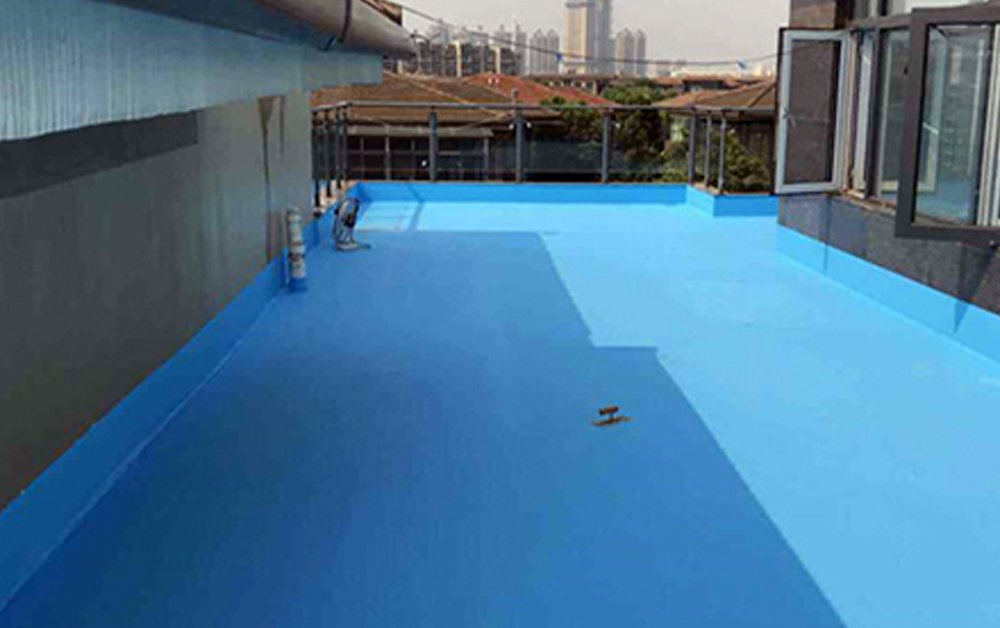
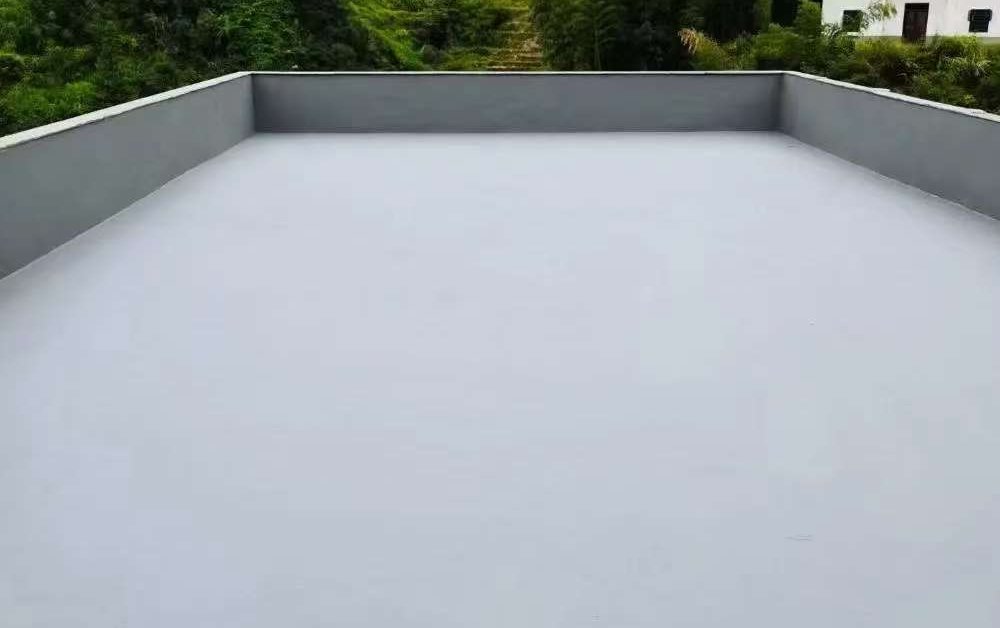
Most Common Flexible Roof Coatings
Polyurea Waterproof Coating
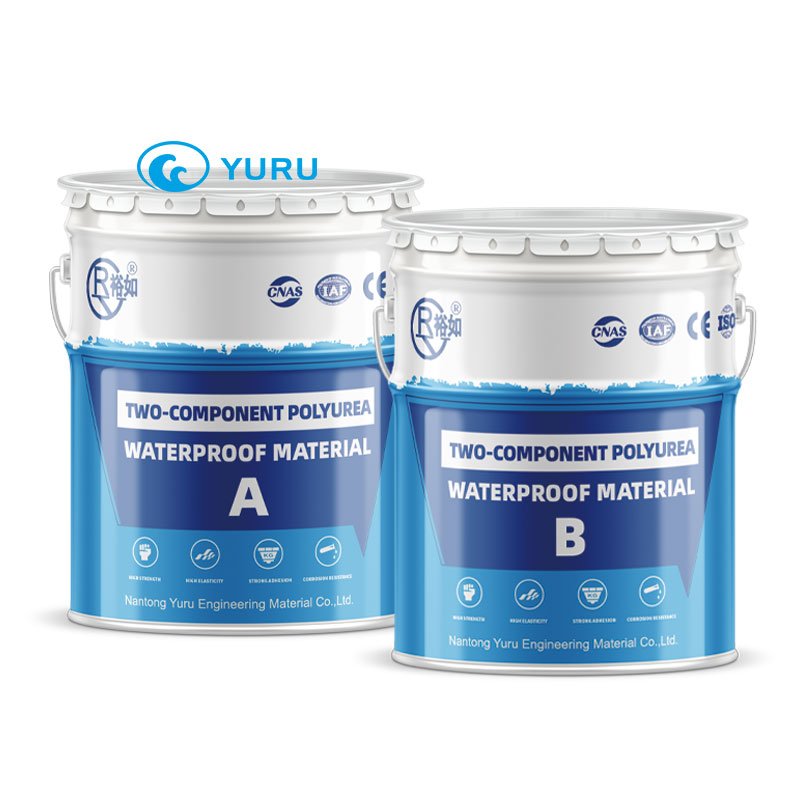
Polyurea waterproofing has become increasingly popular in recent years.
Advantages of Polyurea:
Polyurea offers:
- Exceptional flexibility
- Excellent UV resistance
- Fast curing
- Outstanding weather durability
- Long service life
Best Applications:
Polyurea is ideal for:
- Industrial roofs
- Government infrastructure
- High-temperature regions
- Large commercial roofs
Why Polyurea Performs Well on Flat Roofs:
Its high elasticity allows the membrane to tolerate:
- Structural movement
- Thermal expansion
- Crack formation
At the same time, its UV resistance significantly reduces aging. No chalking. No cracking.
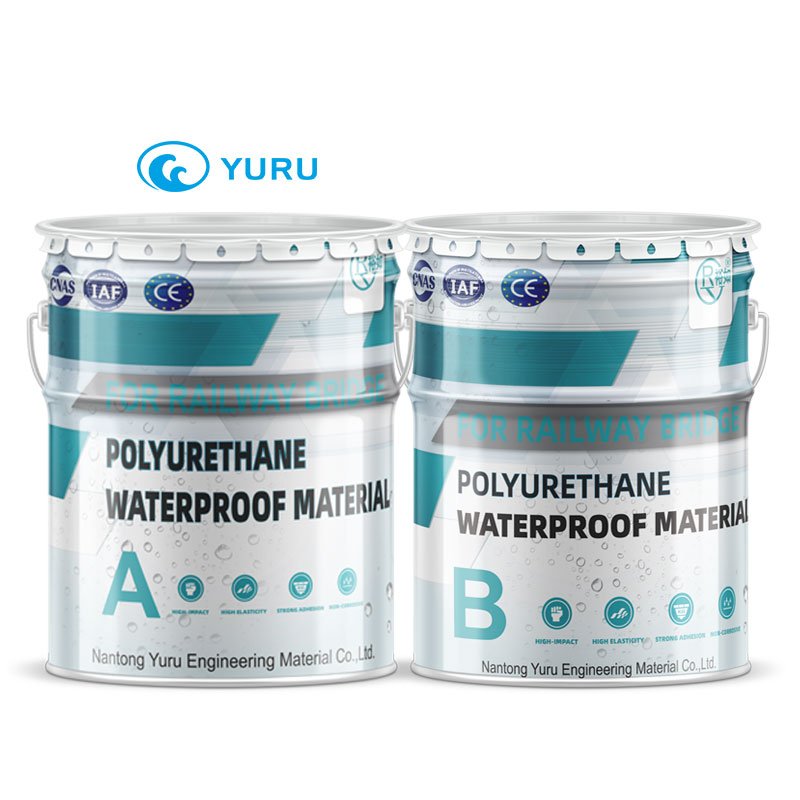
Polyurethane Waterproof Coating
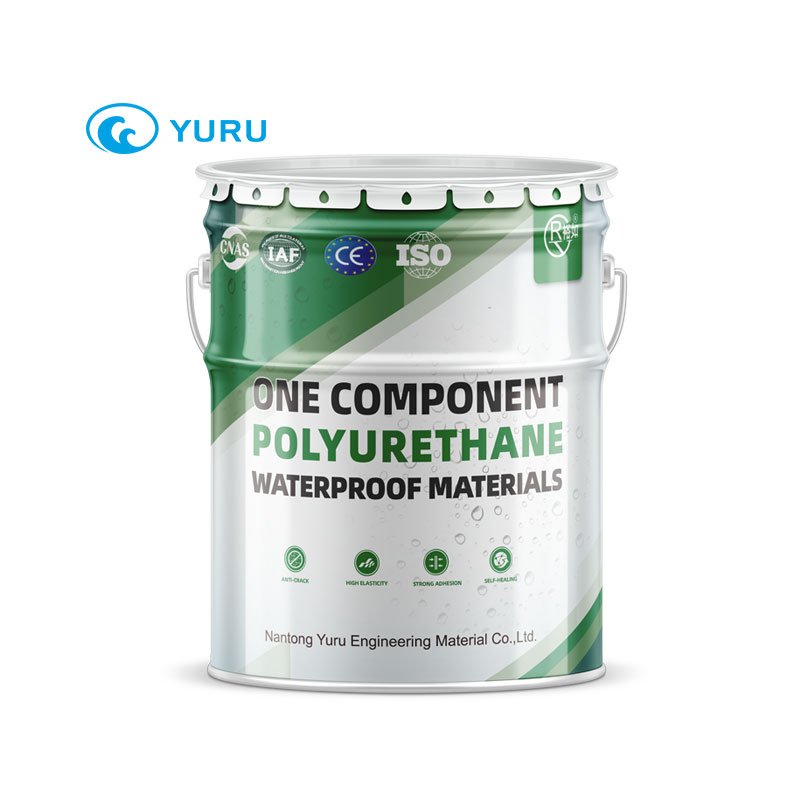
Polyurethane waterproofing coating is reliable and classic.
Advantages:
- Excellent flexibility
- Good adhesion
- Easy application
Limitations:
Long-term UV exposure may reduce performance unless protected with a topcoat.
Best Applications:
- Basements
- Concrete roofs
- Moderate climate regions
Acrylic Waterproof Coating
Acrylic systems are popular in residential and light commercial projects.
Advantages:
- Cost-effective
- Good UV resistance
- Easy roller application
Limitations:
Not ideal for heavy ponding water conditions.
Silicone Waterproof Coating
Silicone coatings are known for water repellency.
Advantages:
- Excellent hydrophobic performance
- Strong weather resistance
Limitations:
Surface contamination may affect recoating performance.
How to Choose the Best Flexible Waterproof Coating for Flat Roofs?
The best system depends on project conditions.
Consider Climate Conditions
Environmental conditions strongly influence coating performance.
Hot and UV-Intensive Regions
Recommended:
- Polyurea waterproof systems
Reason:
- Superior UV stability and heat resistance.
Rainy and Humid Regions
Recommended:
- Silicone coatings
- Polyurethane systems
Reason:
- Better moisture tolerance.
Consider Roof Structure Type
Different substrates behave differently.
Concrete Flat Roofs
Need:
- Strong adhesion
- Crack resistance
Polyurethane systems are often effective.
Metal Roofs
Require:
- High elasticity
- Strong crack-bridging performance
Polyurea and acrylic work especially well.
Consider Expected Service Life
Short-term projects may prioritize lower cost.
Long-term infrastructure projects should prioritize:
- Durability
- UV resistance
- Reduced maintenance
Common Pain Points in Flat Roof Waterproofing
Roof Leakage Returns After Only a Few Years
This often happens because:
- Cheap materials were used
- UV resistance was poor
- Surface preparation was inadequate
Coatings Crack Under High Temperatures
Low-flexibility coatings cannot tolerate expansion movement.
This is common in:
- Steel structure roofs
- Industrial buildings
Bubbling and Delamination
Common causes include:
- Moisture trapped beneath coatings
- Weak adhesion
- Improper primer selection
Repair Costs Continue Increasing
Cheap coating + frequent repairs costs more than a quality system.
This is why lifecycle cost matters more than initial price alone.
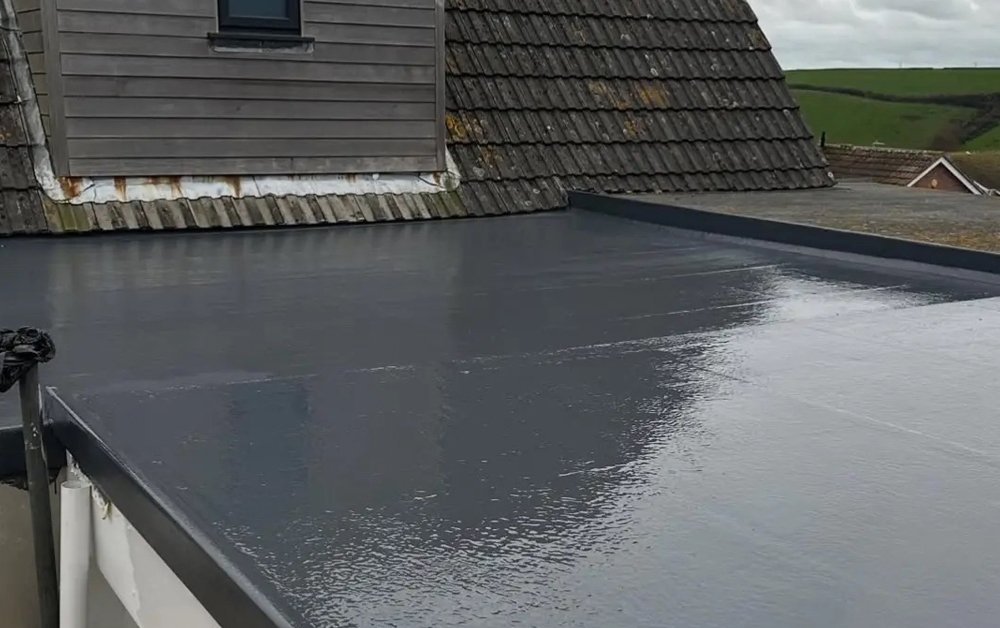
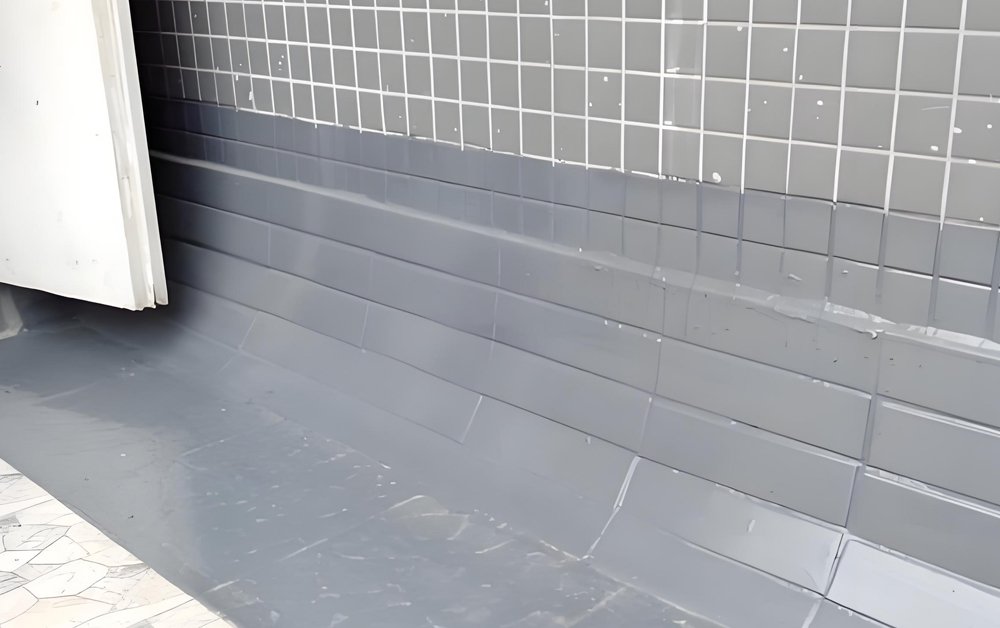
Why Many Flat Roof Waterproofing Projects Fail?
Roof failures are usually caused by multiple combined factors.
Poor Surface Preparation
Common mistakes include:
- Dust contamination
- Moisture retention
- Unrepaired cracks
Without proper preparation, even premium coatings fail.
Incorrect Material Selection
Rigid systems are often mistakenly applied to flexible roof structures.
This leads to:
- Cracking
- Separation
- Leakage
Improper Application Thickness
Thin coatings reduce:
- Waterproof reliability
- Crack resistance
- Service life
Weak Detail Treatment
Critical areas include:
- Pipe penetrations
- Roof joints
- Drainage outlets
- Wall connections
Most leaks begin at these locations.
Proper Application Process for Flexible Roof Waterproof Coatings
Correct installation is essential for long-term performance.
Surface Preparation
The substrate should be:
- Clean
- Dry
- Structurally sound
Cracks and defects should be repaired first.
Primer Application
Primers improve:
- Adhesion
- Surface sealing
- Coating stability
Reinforcement Treatment
Critical areas often require reinforcement fabric.
Main Waterproof Layer Application
Different systems require different methods:
- Spray application for polyurea
- Roller application for polyurethane
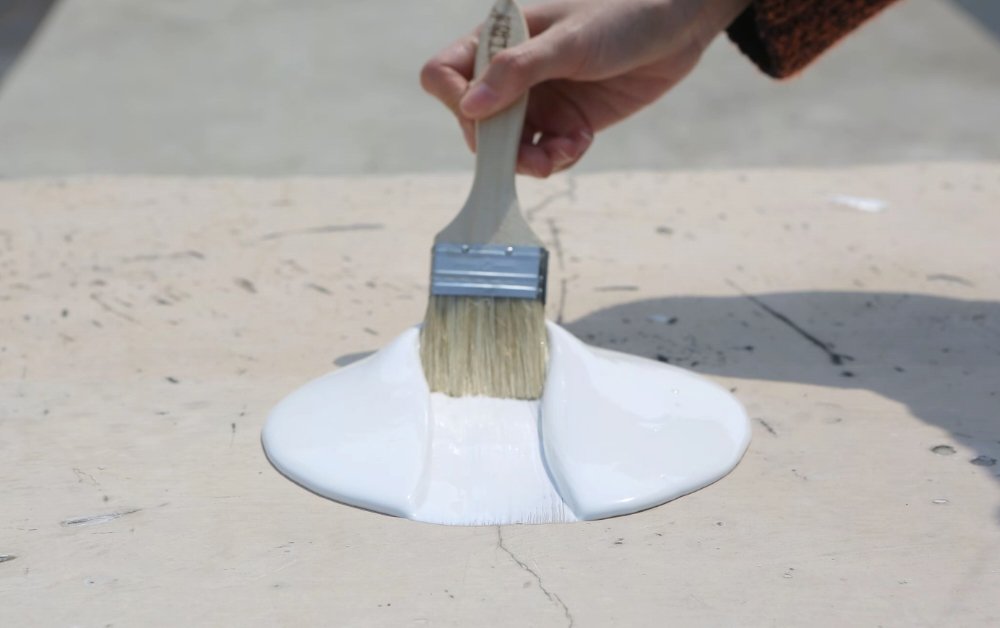
- Brush application for acrylic coatings
Final Inspection and Testing
Professional inspection includes:
- Thickness measurement
- Water ponding tests
- Adhesion testing
Best Waterproof Systems for Different Building Types
Different buildings. Different needs.
Industrial Factories
Recommended:
Two-component polyurea roofing coatings
Reason:
UV resistant. Long-lasting. Handles tough conditions.
Commercial Buildings
Recommended:
Polyurethane coatings
Acrylic coatings
Residential Flat Roofs
Recommended:
Elastic acrylic coatings
Reason:
Good cost-performance balance.
Government Infrastructure Projects
Recommended:
High-performance polyurea systems
Reason:
Long lifespan and reduced maintenance.
Future Trends in Flat Roof Waterproofing
The roofing industry continues evolving toward higher-performance systems.
Demand for Long-Life Roofing Systems Is Increasing
Building owners increasingly prioritize:
- Reduced maintenance
- Longer warranties
- Lower lifecycle cost
YURU Waterproof – Professional Flexible Roof Waterproofing Manufacturer
Selecting a reliable manufacturer is critical for roof system performance.
YURU Waterproof specializes in:
- Polyurea waterproof systems
- Polyurethane roof coatings
- Acrylic waterproof coatings
- Injection grouting materials
- Industrial protective systems
Why Global Customers Choose YURU Waterproof:
Modern Manufacturing Facilities
YURU operates advanced production systems with strict quality management.
Strong UV-Resistant Polyurea Systems
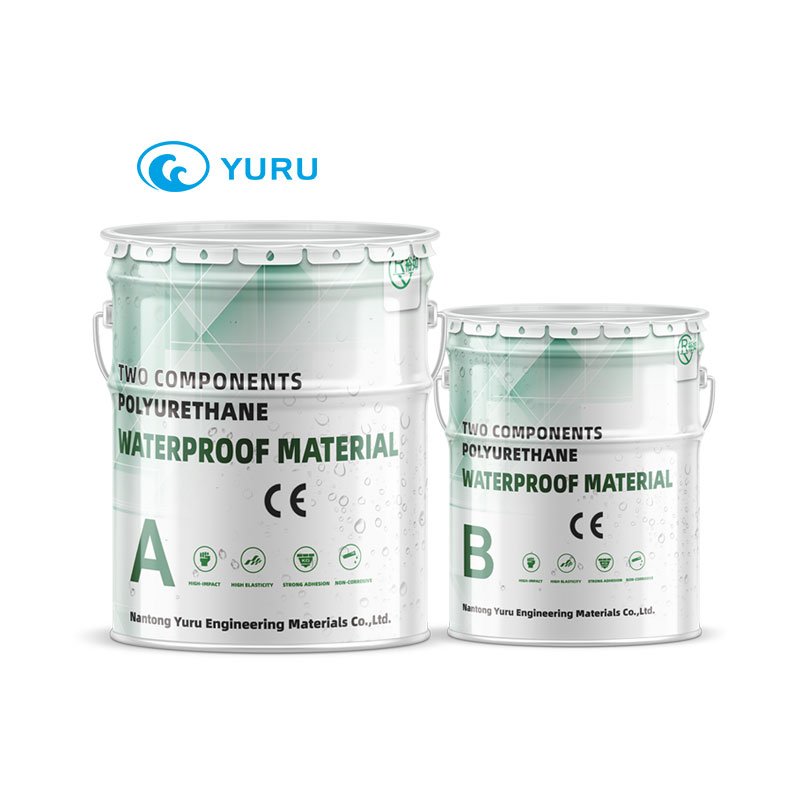
YURU’s two-component spray polyurea coating offers:
- Excellent weather resistance
- Strong flexibility
- Long-term UV durability
Ideal for flat roofs in hot climates.
Professional Technical Support
YURU provides:
- Waterproof system recommendations
- Construction guidance
- Project consultation
International Project Experience
YURU products are widely used in:
- Industrial roofing
- Infrastructure projects
- Commercial buildings
- Government construction projects
How to Build a Long-Lasting Flat Roof Waterproofing System?
Long-term roof performance depends on several combined factors.
Choose the Correct Waterproof System
Material selection should match:
- Climate
- Roof structure
- Expected lifespan
Focus on Construction Quality
Even premium materials fail under poor installation conditions.
Perform Regular Roof Inspections
Routine inspection helps detect:
- Cracks
- Drainage issues
- Early coating damage
before major leakage develops.
FAQs:
1. What is the best flexible waterproof coating for flat roofs?
Polyurea and polyurethane waterproofing are widely recognized for their flexibility and durability.
2. How long does flexible roof waterproof coating last?
High-quality systems may last 10–25 years depending on material type and installation quality.
3. Why does roof waterproof coating crack?
Common causes include UV aging, structural movement, poor flexibility, and improper installation.
4. Can flexible waterproof coatings be applied over old roofs?
In some cases, yes. However, substrate condition and adhesion compatibility must be evaluated first.
Conclusion:
Flat roofs face constant exposure to water, sunlight, structural movement, and environmental stress. Because of this, selecting the best flexible waterproof coating is essential for long-term building protection.
Among today’s roofing technologies:
- Polyurea systems provide outstanding UV resistance and durability
- Polyurethane coatings offer excellent flexibility and adhesion
- Acrylic coatings provide cost-effective waterproofing
- Silicone systems perform well in wet environments
However, no coating can succeed without proper surface preparation, professional installation, and correct system design.
Looking for the best flexible waterproof coating for flat roof projects?
Contact YURU Waterproof today for:
- Free samples
- Product catalogs
- TDS/MSDS documents
- Roofing system recommendations
- OEM/ODM cooperation support
YURU Product solutions