Hydrophilic vs Hydrophobic Injection Grout Comparison Guide
Introduction:
One of the biggest in underground construction. Tunnels, basements, retaining walls, dams, water tanks — wherever water gets in, it causes problems. Water leakage damages concrete, weakens structural durability, increases maintenance costs in underground projects.
Polyurethane injection grout is one of the best solutions for sealing cracks and stopping leaks. But here’s where a lot of people get tripped up.
What’s the difference between hydrophilic and hydrophobic injection grout?
They’re both PU grouts. But how they react, how they expand, how they perform — completely different.
Choosing the wrong material often leads to:
- Repeated leakage
- Injection failure
- Structural voids
- Costly repair cycles
This guide explains the differences, compares technical performance, analyzes real engineering applications, and helps contractors choose the right solution for different project conditions.
Why Many Underground Waterproofing Projects Fail?
Misunderstanding Injection Grout Systems
One of the most common mistakes in waterproofing projects is assuming all polyurethane injection grouts perform the same function.
In reality:
- Hydrophilic polyurethane grout focuses on long-term flexible sealing
- Hydrophobic polyurethane grout focuses on rapid expansion and emergency water stopping
The wrong choice can significantly reduce waterproofing durability.
Underground Structures Face Increasingly Complex Conditions
Modern underground engineering projects often involve:
- High groundwater pressure
- Dynamic structural movement
- Continuous moisture exposure
- Complex crack networks
As a result, waterproofing systems must be selected based on actual engineering conditions rather than product price alone.
Crack Behavior Determines Material Selection
Different cracks behave differently:
| Crack Type | Recommended System |
| Dynamic cracks | Hydrophilic PU |
| High-pressure leakage | Hydrophobic PU |
| Fine seepage cracks | Hydrophilic PU |
| Emergency active leaks | Hydrophobic PU |
Correct crack analysis is the foundation of successful waterproofing.
What Is Hydrophilic Polyurethane Injection Grout?
Working Principle of Hydrophilic Injection Grout
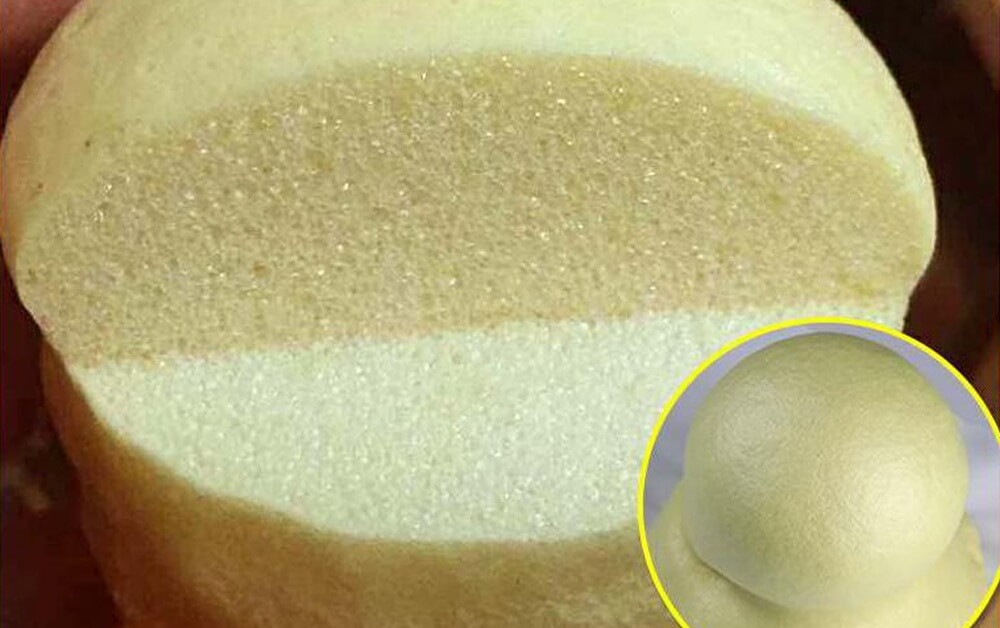
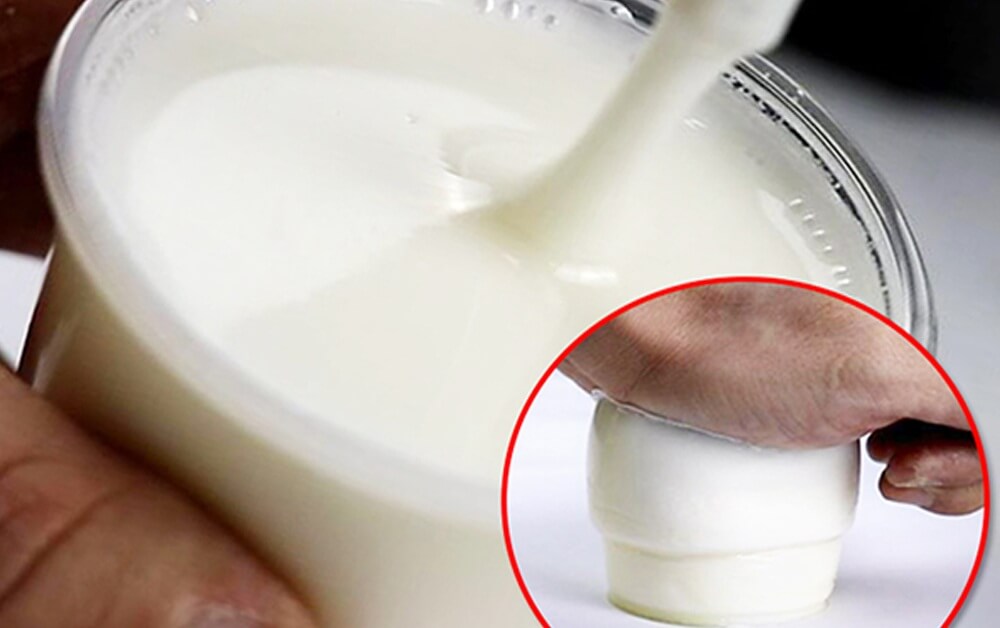
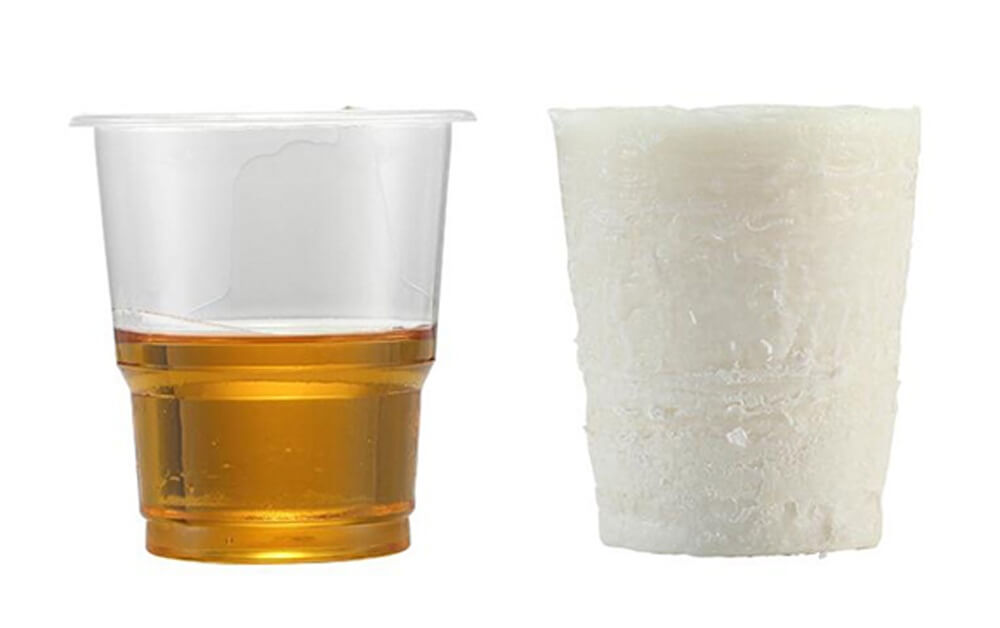
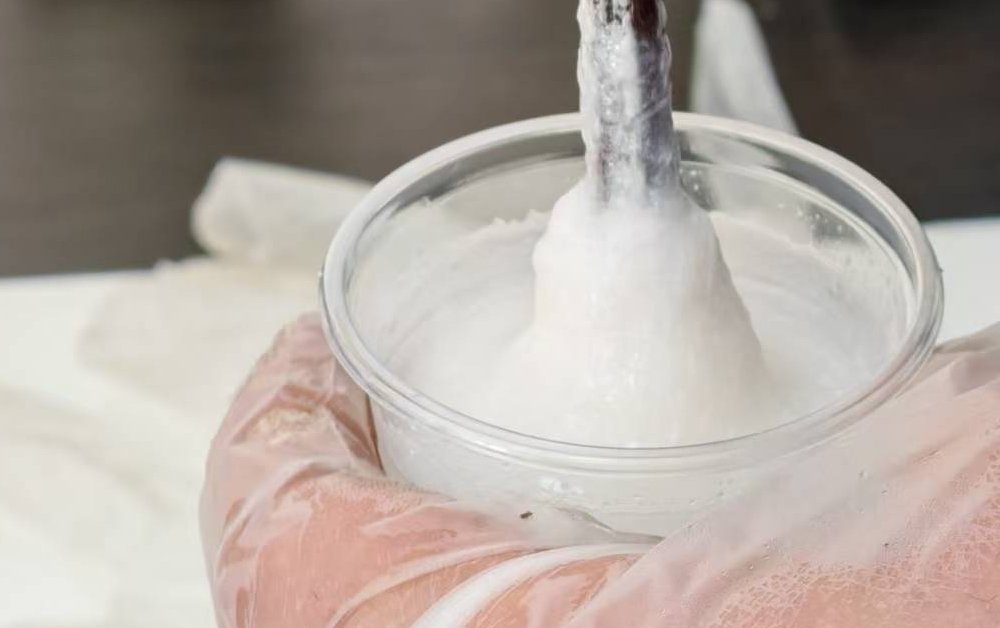
Hydrophilic polyurethane grout is a water-reactive chemical grouting material that forms a flexible elastic gel after contact with water. The material reacts rapidly with water and cures into a milky white elastic colloid capable of sealing cracks effectively.
Unlike rigid foam systems, hydrophilic grout absorbs water and creates a soft sealing structure.
Key Characteristics of Hydrophilic Polyurethane
Low Viscosity and Excellent Penetration
The product has low viscosity, allowing it to penetrate deep into fine cracks and micro-voids.
This makes it ideal for:
- Hairline cracks
- Complex crack networks
- Damp concrete structures
Flexible Elastic Gel Formation
After reaction with water, the material forms a highly elastic gel with:
- Good flexibility
- Crack movement adaptability
- Long-term waterproofing capability
This is especially important in structures with continuous thermal or structural movement.
Water Expansion Performance
According to the technical data sheet:
- Water expansion rate: 45%
- Water absorption multiple: 15 times
This allows the material to maintain sealing performance even in wet environments.
Common Applications of Hydrophilic Injection Grout
Hydrophilic polyurethane systems are widely used in:
- Basements
- Underground garages
- Subway tunnels
- Water tanks
- Dams
- Construction joints
- Dynamic cracks
What Is Hydrophobic Polyurethane Injection Grout?
Working Principle of Hydrophobic Injection Grout
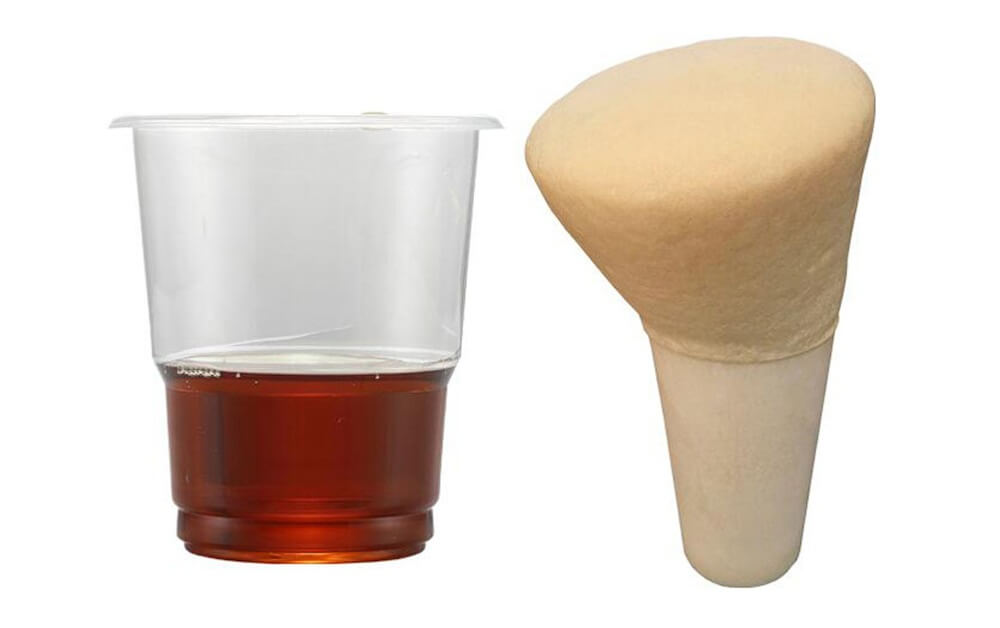
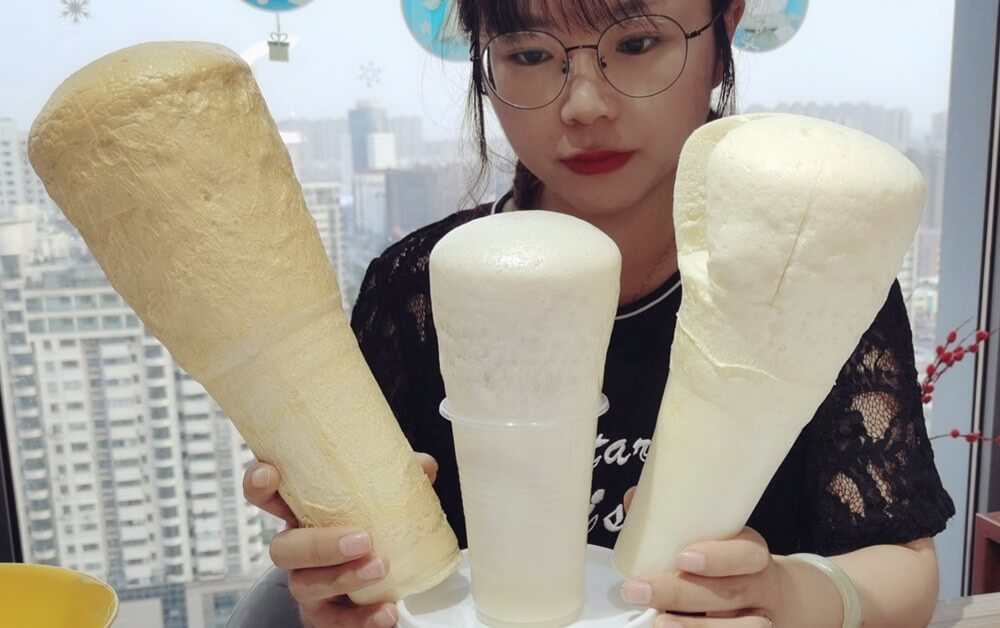
Hydrophobic polyurethane grout reacts with water to generate rapid foam expansion. The material forms a water-insoluble foaming body after contact with water, allowing fast waterproof plugging and reinforcement effects.
Its primary function is rapid leak stopping.
Key Characteristics of Hydrophobic Polyurethane
Rapid Expansion and High Foaming Ratio
The technical data sheet shows:
- Foaming rate: 2200%
This extremely high expansion capability allows the grout to quickly fill voids and block active water flow.
Strong Water Pressure Resistance
Hydrophobic grout generates significant expansion pressure, which helps push the material deeper into cracks for stronger sealing.
This makes it suitable for:
- High-pressure leakage
- Tunnel water gushing
- Emergency waterproof repair
Chemical Resistance
Hydrophobic systems offer excellent resistance to:
- Acid
- Alkali
- Organic solvents
making them suitable for industrial environments.
Common Applications of Hydrophobic Injection Grout
Hydrophobic systems are widely used in:
- Subway tunnels
- Hydropower projects
- Underground structures
- Mine waterproofing
- Emergency crack sealing
Hydrophilic vs Hydrophobic Injection Grout – Core Performance Comparison
Reaction Mechanism Comparison
Hydrophilic Polyurethane
- Forms flexible elastic gel
- Absorbs water
- Long-term flexible sealing
Hydrophobic Polyurethane
- Produces rapid foam expansion
- Forms closed-cell structure
- Fast emergency leak stopping
Waterproofing Logic Comparison
Hydrophilic Systems
Best for:
- Long-term waterproof sealing
- Moist environments
- Dynamic cracks
Hydrophobic Systems
Best for:
- Immediate water stopping
- High-flow leakage
- Emergency repair
Flexibility and Crack Adaptation
- Hydrophilic grout provides superior flexibility and elongation, making it ideal for moving structures.
- Hydrophobic foam structures are stronger but relatively more rigid.
Expansion Performance Comparison
Hydrophobic polyurethane offers significantly higher expansion capability.
According to the product data:
- Hydrophobic grout foaming rate: 2200%
This allows rapid filling of large voids and active leaks.
Long-Term Durability Comparison
Hydrophilic Systems
More suitable for:
- Long-term wet environments
- Flexible sealing applications
Hydrophobic Systems
More suitable for:
- Initial water stopping
- Temporary emergency sealing
- High-pressure environments
How to Choose the Right Injection Grout for Different Engineering Projects?
Basement Crack Waterproofing
Basements often involve:
- Long-term moisture
- Slow seepage
- Structural movement
hydrophilic polyurethane grout is usually the best choice.
Tunnel and Subway Waterproofing
Tunnel projects often face:
- High-pressure groundwater
- Sudden water gushing
- Large crack voids
Hydrophobic polyurethane is commonly used for rapid water stopping.
Water Tanks and Hydraulic Structures
Challenges:
- Long-term waterproof durability
- Flexible sealing performance
- Water stability
Hydrophilic systems are often more suitable.
Emergency Waterproof Repair
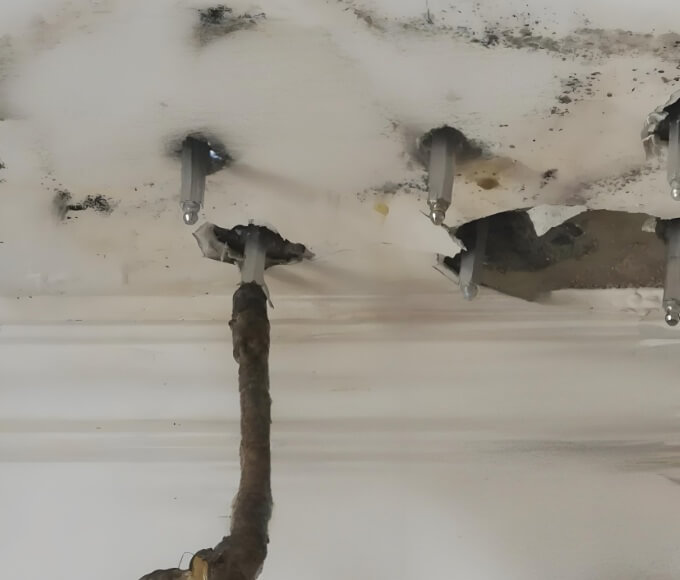
Hydrophobic polyurethane is preferred when:
- Immediate leak stopping is necessary
- Construction delays must be minimized
Why Large Engineering Projects Use Both Systems Together?
Two-Step Injection Waterproofing Strategy
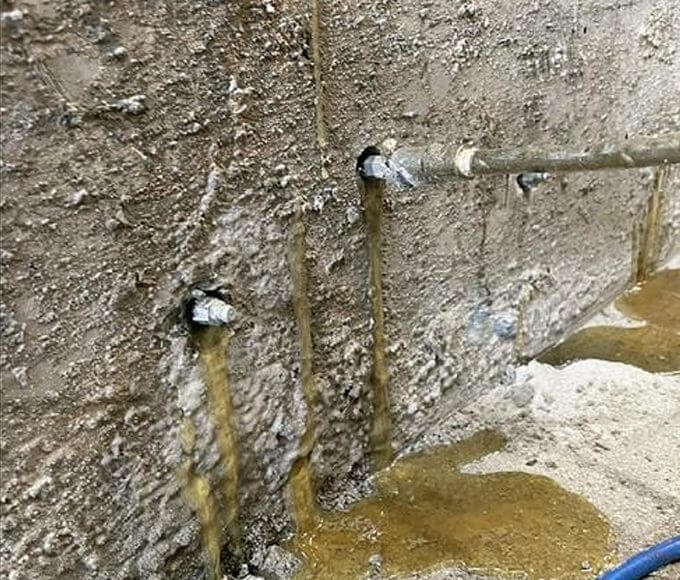
Many professional projects use a combined injection system.
Step 1 – Hydrophobic Polyurethane
Used to:
- Stop active water flow
- Reduce water pressure
Step 2 – Hydrophilic Polyurethane
Used for:
- Deep flexible sealing
- Long-term waterproofing stability
This combined approach is widely used in:
- Tunnel engineering
- Subway systems
- Municipal underground structures
System-Based Waterproofing Is the Industry Trend
Modern waterproofing no longer relies on a single material.
Successful projects require:
- Proper material selection
- Crack analysis
- Pressure control
- Professional application methods
Common Mistakes in Polyurethane Injection Projects
Using Hydrophobic Grout in Dynamic Cracks
Hydrophobic foam may crack again under continuous movement due to its relatively rigid structure.
Using Hydrophilic Grout for High-Pressure Water Gushing
Hydrophilic systems may not react fast enough to stop severe active leakage.
Poor Injection Hole Layout
According to both product guidelines, drilling spacing is typically:
- 200–500 mm between injection holes
Incorrect spacing often causes incomplete sealing.
Future Trends in Polyurethane Injection Waterproofing
Eco-Friendly Low-VOC Systems
Global construction markets increasingly prioritize environmentally friendly materials.
Smart Flexible Injection Materials
Future systems will better adapt to:
- Dynamic movement
- Variable water pressure
- Long-term durability requirements
Integrated Waterproofing Systems
The market is shifting toward complete systems including:
- Injection grout
- Waterproof coatings
- Technical support
- Construction guidance

YURU Waterproof Polyurethane Injection Solutions
Complete Hydrophilic and Hydrophobic Product Systems
YURU Waterproof provides:
- Hydrophilic polyurethane grouting material
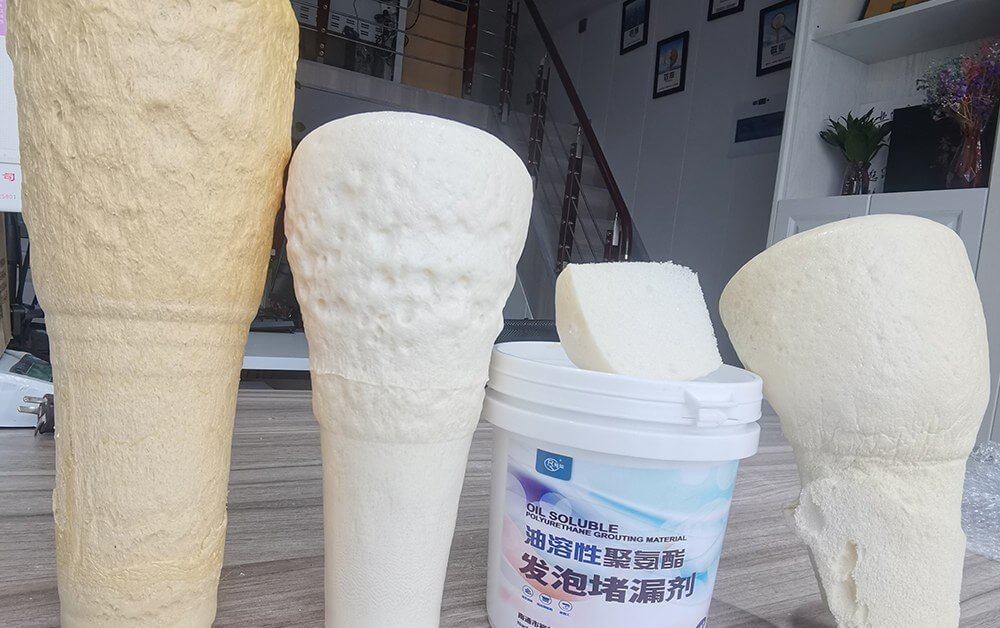
- Hydrophobic polyurethane foaming grout
- Dual-component injection systems
for different engineering requirements.
Designed for Complex Underground Engineering
Our systems are widely used in:
- Subway tunnels
- Underground garages
- Water tanks
- Municipal infrastructure
- Hydropower projects
Professional Technical Support
We support contractors and distributors with:
- OEM customization
- Injection training
- Waterproof engineering solutions
- Stable global supply capability
FAQs:
1. What is the difference between hydrophilic and hydrophobic grout?
- Hydrophilic grout: Forms flexible gel
- Hydrophobic grout: Forms expanding foam
2. Which grout is better for active water leakage?
Hydrophobic polyurethane for high-pressure active leakage.
3. Can both systems be used together?
Yes. Many large projects use hydrophobic first, hydrophilic second.
4. Is polyurethane injection suitable for tunnels?
Yes. Both types are widely used.
5. What is the typical hole spacing during injection?
Generally 200–500 mm depending on crack conditions.
Conclusion:
Hydrophilic and hydrophobic polyurethane injection grouts are not competitors. Instead, they solve different engineering problems.
Successful waterproofing projects depend on:
- Proper crack analysis
- Correct material selection
- Professional injection methods
- System-based waterproofing strategies
Choosing the right grout system significantly improves waterproofing durability and reduces long-term repair costs.
Contact YURU Waterproof today for free samples and professional technical solutions.
YURU Product solutions