Silicone Roof Coating vs Acrylic Roof Coating Comparison
Which Roof Waterproofing System Is Better?
Roof waterproofing has become essential. Industrial factories, commercial buildings, warehouses, shopping centers, homes — they all need protection from water, UV, thermal movement, and years of weather exposure.
Two of the most popular liquid-applied roofing systems today are silicone coatings and acrylic coatings. Both are common in roof restoration. Both offer seamless waterproofing, reflective cooling benefits, and relatively fast installation.
But they perform differently depending on:
- Climate conditions
- Roof type
- Drainage quality
- UV exposure
- Ponding water
- Budget
- Maintenance expectations
Choosing the wrong coating, and you’ll see early aging, leaks, coating failure, and costs that keep climbing.
This guide will explain the differences between silicone roof coating vs acrylic roof coating, compare their technical performance, analyze practical engineering applications.
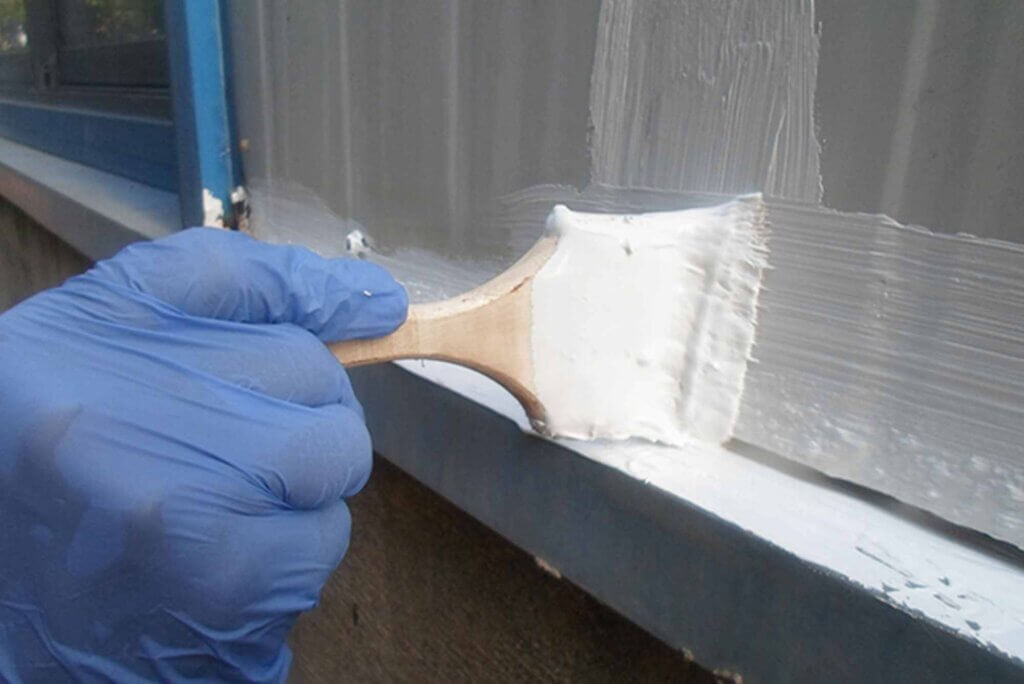
Why Roof Coating Systems Are Becoming Increasingly Important?
The Global Roof Restoration Market Is Growing Rapidly
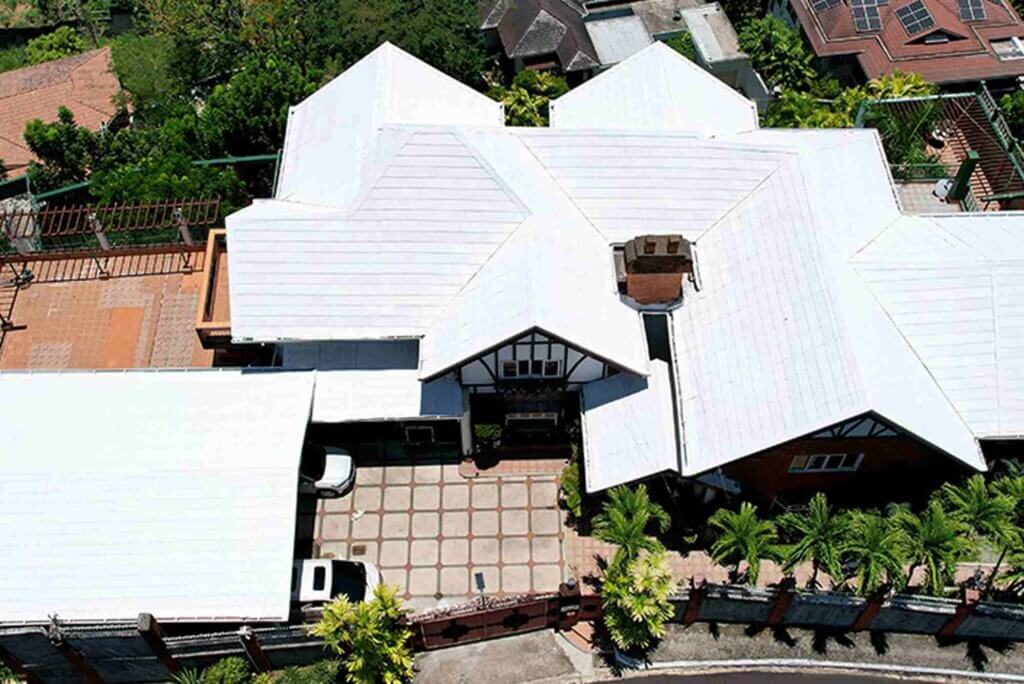
As buildings age worldwide, more property owners are choosing roof restoration instead of full roof replacement.
Roof coating systems are widely used because they can:
- Extend roof lifespan
- Reduce leakage risks
- Improve thermal insulation
- Lower cooling energy consumption
- Reduce maintenance costs
This trend is especially strong in:
- Middle East countries
- Southeast Asia
- Industrial zones
- Commercial roof renovation projects
Liquid Coatings Offer Seamless Waterproofing
Traditional sheet membranes have seams. Seams leak. Liquid-applied coatings don’t have seams. They create seamless waterproof layers that eliminate many joint-related leakage risks.
This makes them highly suitable for:
- Metal roofs
- Concrete roofs
- Existing membrane restoration
- Complex roof structures
Climate Change Increases Roofing Demands
Modern roofs face increasingly harsh environmental conditions such as:
- Extreme UV
- Heavy rain
- High humidity
- Thermal cycling
- Ponding water
Coating selection is more critical than ever.
What Is Silicone Roof Coating?
Technology Overview:
Silicone roof coating is a high-performance waterproofing system made from silicone polymers — siloxane chemistry.
It is designed to provide:
- Long-term waterproof protection
- Superior UV resistance
- High flexibility
- Excellent ponding water resistance
You’ll see it on commercial and industrial roofs that take a beating from the weather.
Key Characteristics of Silicone Roof Coating:
Exceptional UV Resistance
Unlike many other coatings, silicone maintains:
- Elasticity
- Waterproofing performance
- Surface stability
even after years of direct sunlight exposure.
This makes silicone particularly suitable for:
- UAE roofs
- Saudi Arabia industrial roofs
- Desert climate buildings
Outstanding Ponding Water Resistance
Silicone coatings perform extremely well under standing water. This is one of the most important differences between silicone and acrylic systems.
Many commercial roofs have drainage problems that create ponding water areas. Silicone stays stable even under long-term water exposure.
High Flexibility and Crack Bridging
Silicone coatings can adapt to roof movement caused by:
- Thermal expansion
- Structural vibration
- Weather changes
This flexibility helps reduce cracking risks over time.
Common Applications of Silicone Roof Coating
Silicone systems are widely used in:
- Industrial factory roofs
- Metal roofing systems
- Flat commercial roofs
- High-temperature environments
- Roof restoration projects
What Is Acrylic Roof Coating?
Acrylic Roof Coating Technology Overview:
Acrylic roof coating is water-based and elastomeric – it stretches. It’s widely used for reflective waterproofing and energy-saving roof restoration.
Its main advantages include:
- Solar reflectivity
- Easy application
- Environmental friendliness
- Cost-effectiveness
Key Characteristics of Acrylic Roof Coating:
Excellent Reflective Cooling Performance
Acrylic roof coatings are known for reflecting sunlight.
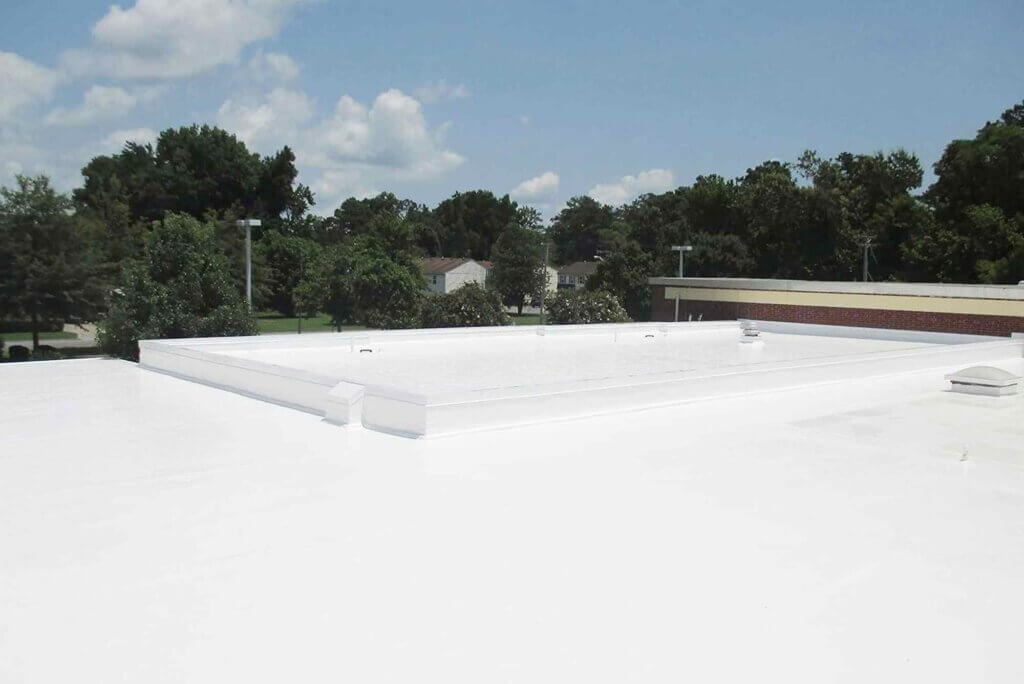
White acrylic coatings can significantly reduce roof surface temperatures, helping lower building cooling costs.
This makes them popular for:
- Warehouses
- Commercial buildings
- Energy-saving projects
Environmentally Friendly Water-Based System
Acrylic coatings generally contain:
- Lower VOC levels
- Less odor
- Easier cleanup
compared with many solvent-based roofing materials.
Easy Application and Maintenance
Acrylic coatings are contractor-friendly because they are:
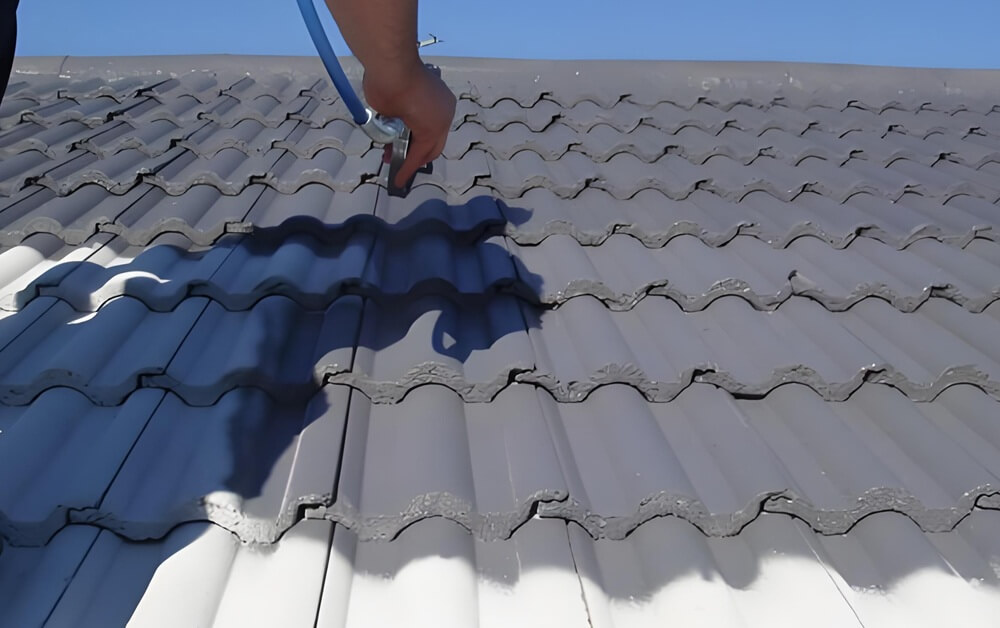
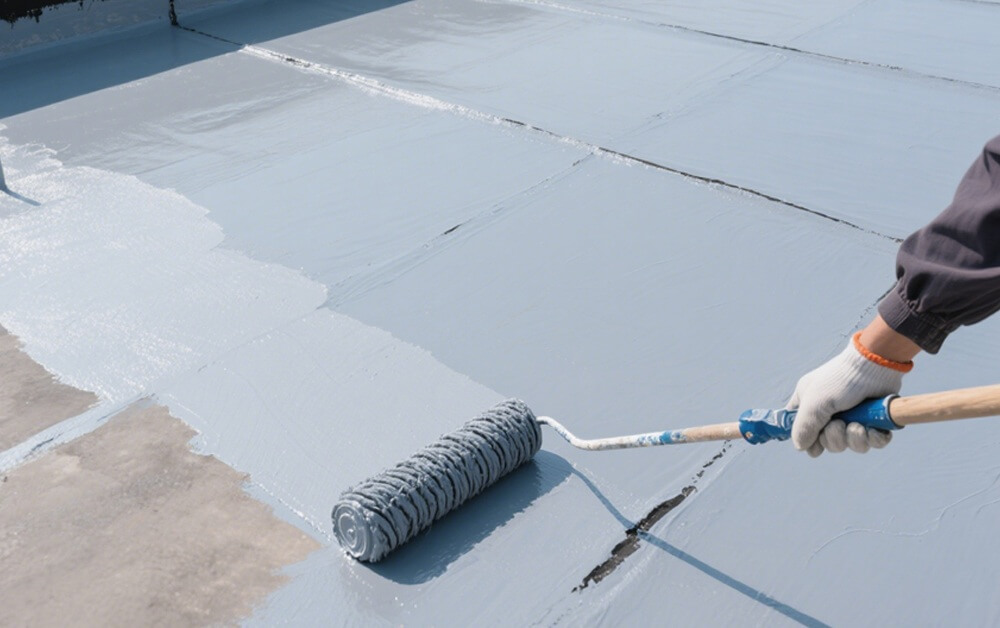
- Easy to spray or roll
- Fast to clean
- Simple to repair
This reduces labor difficulty during large-scale projects.
Common Applications of Acrylic Roof Coating
Acrylic roof coatings are commonly used for:
- Concrete roofs
- Residential roof restoration
- Commercial reflective roofing
- Budget-sensitive metal roofs
- Budget-sensitive projects
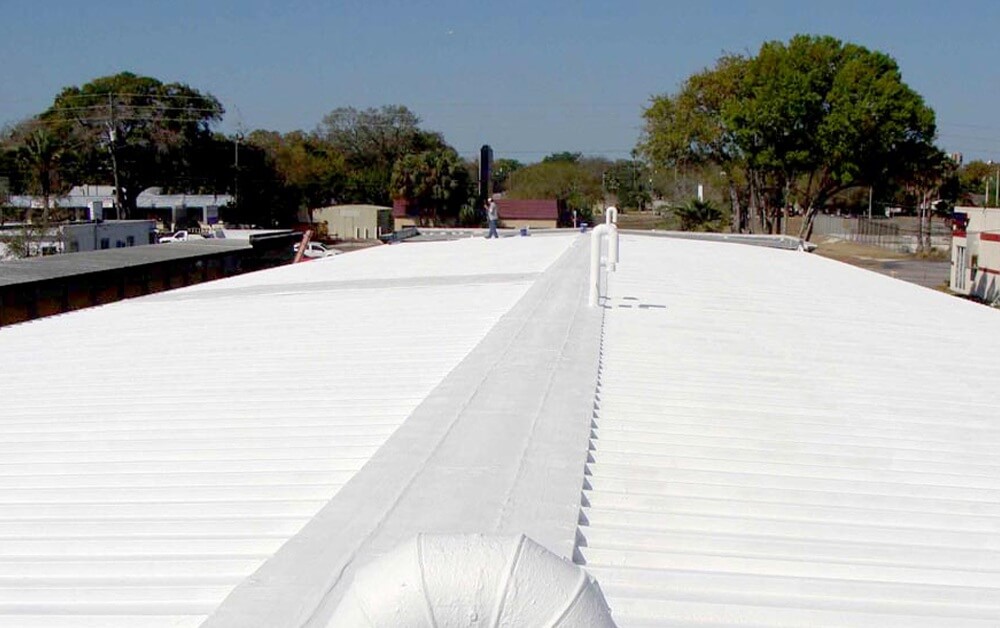
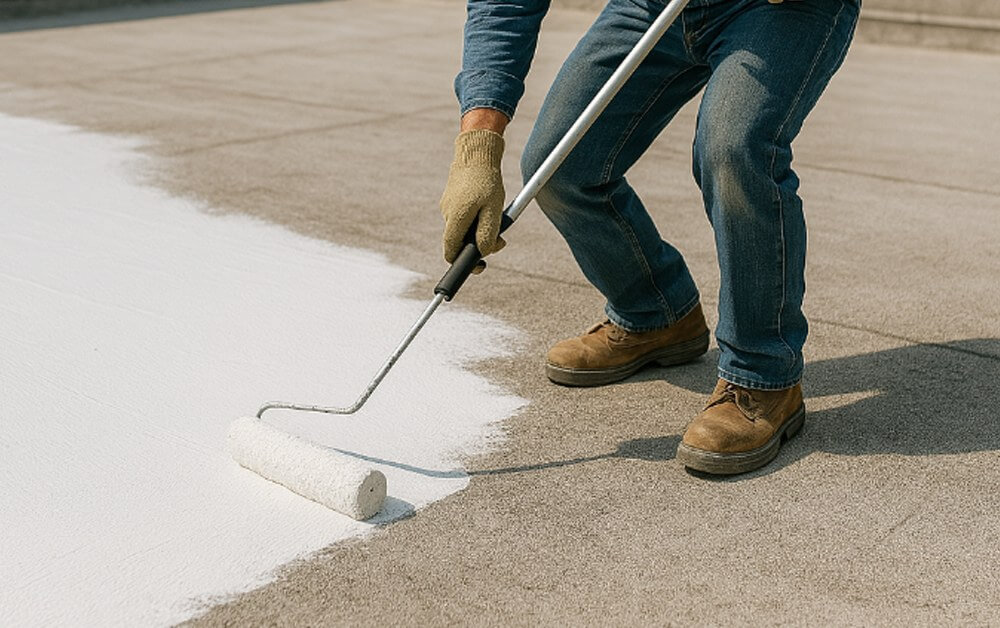
Silicone Roof Coating vs Acrylic Roof Coating – Core Performance Comparison
| Performance Factor | Silicone Roof Coating | Acrylic Roof Coating |
| UV Resistance | Outstanding – maintains performance under extreme sun | Good – but long-term durability lower than silicone |
| Ponding Water | Excellent – recommended for flat roofs, poor drainage, high rainfall | Sensitive – blistering, adhesion loss, premature aging |
| Application | Requires careful prep, environmental control, experience | Easier – water-based, simpler cleanup, lower skill barrier |
| Environmental | Durable but may have higher solvents | Lower VOCs, better compatibility, lower odor |
| Lifespan | 15–20+ years (harsh climates) | 8–15 years (depends on conditions) |
Which Roof Coating Is Better for Different Roofing Scenarios?
Industrial Metal Roofs
Metal roofs experience:
- Thermal movement
- UV exposure
- Expansion and contraction
Silicone is usually the better choice here. It’s flexible and weather-resistant. Acrylic works, but silicone handles the movement better.
Commercial Concrete Roofs
For buildings with good drainage and moderate climates, acrylic roof coatings may provide excellent cost-performance balance.
Roofs with Ponding Water
If the roof frequently experiences standing water:
Silicone roof coating is usually the safer long-term solution.
Reflective Cool Roof Systems
If energy efficiency and solar reflectivity are top priorities:
Acrylic reflective roof coatings remain highly popular.
Middle East High-Temperature Roof Projects
In regions such as:
- UAE
- Saudi Arabia
- Qatar
silicone roof systems usually outperform acrylic systems because of superior UV durability and heat resistance.
Why Many Roof Waterproofing Projects Fail?
Material Selection Alone Is Not Enough
Roof failures often occur because contractors focus only on coating type while ignoring:
- Roof drainage
- Surface preparation
- Joint reinforcement
- Coating thickness
Poor Surface Preparation
The substrate has to be properly cleaned and prepared.
Contaminants such as:
- Dust
- Oil
- Rust
- Loose particles
greatly reduce adhesion.
Ignoring Roof Movement
Different roofs behave differently under temperature changes.
Improper coating selection may lead to:
- Cracking
- Delamination
- Water infiltration
Lack of Protective Maintenance
Even high-quality roof systems need periodic inspection and maintenance. Small defects — a tiny crack, a lifted edge, a blister — become major problems if ignored.
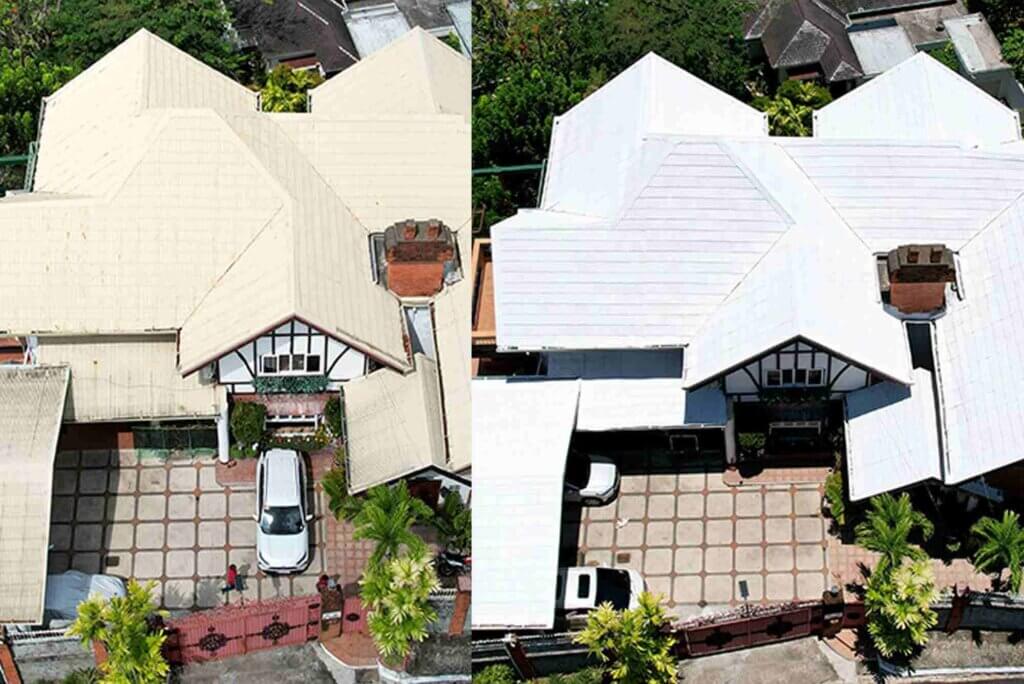
Future Trends in Roof Coating Systems
Energy-Efficient Cool Roofing
The roofing industry increasingly focuses on:
- Solar reflectivity
- Energy savings
- Heat reduction
especially in commercial buildings.
Hybrid Roof Coating Systems
Future roofing technologies may combine:
- Silicone durability
- Acrylic reflectivity
- Polyurethane flexibility
into multi-functional systems.
Sustainable Waterproofing Materials
Low-VOC and environmentally friendly roofing systems will continue growing in global demand.
YURU Waterproof Roof Coating Solutions
Complete Roof Waterproofing Product Systems
YURU Waterproof provides:
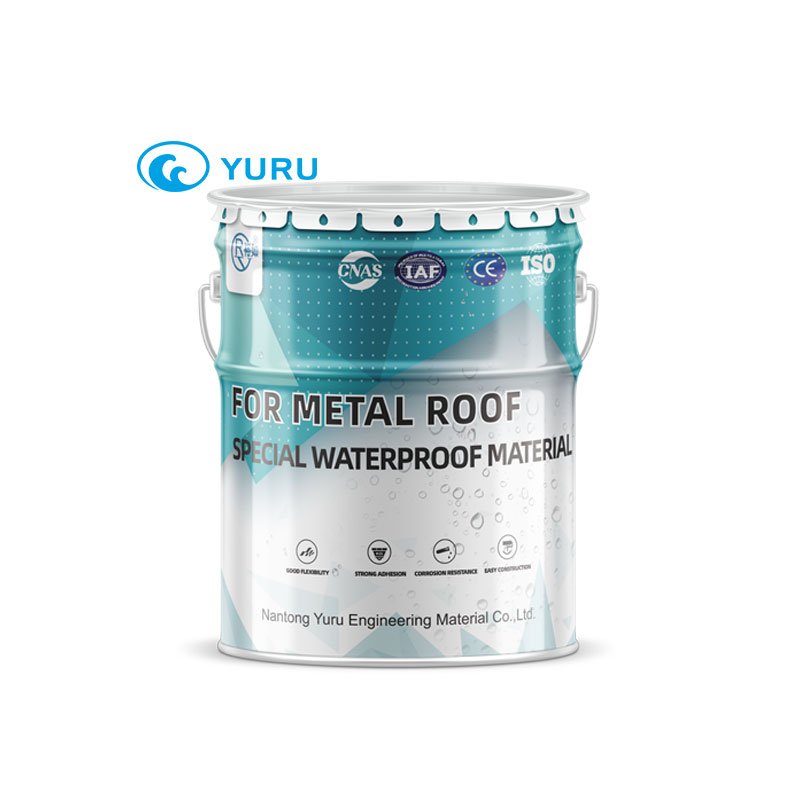
- Silicone Roof Coating
- Acrylic Roof Coating
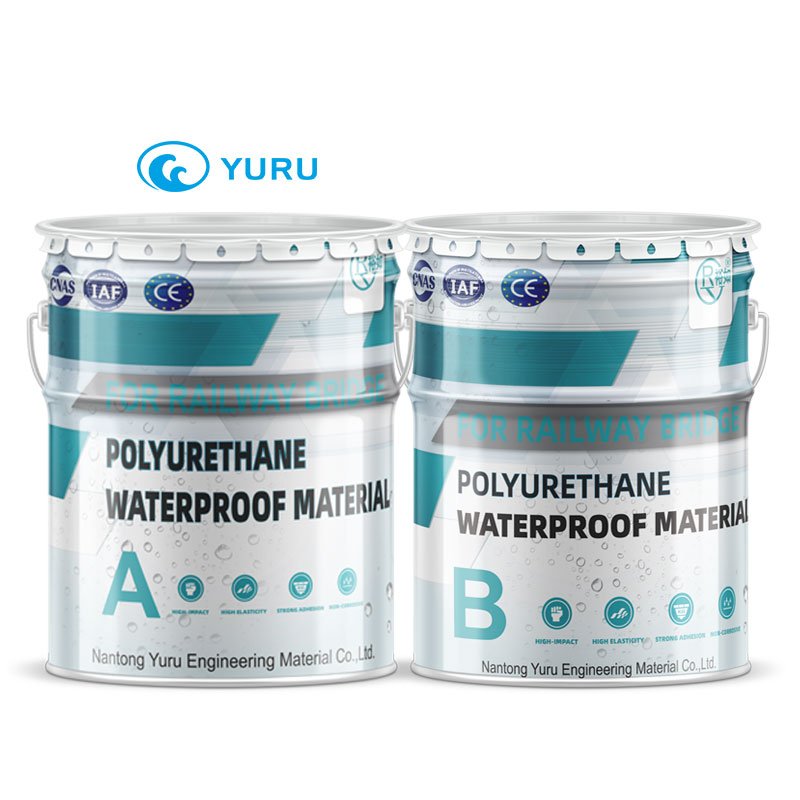
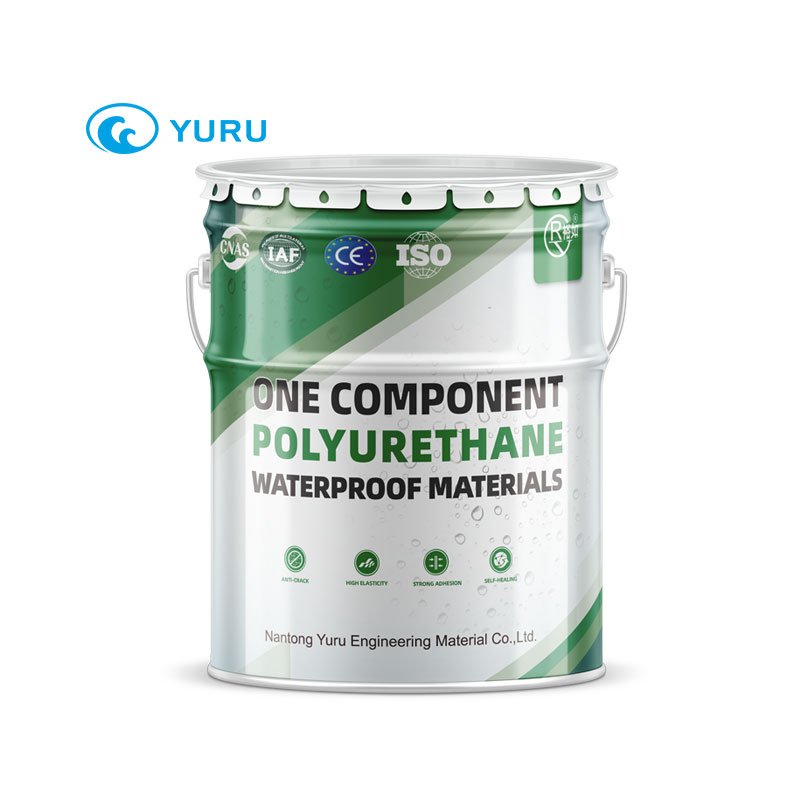
- Polyurethane Roof
- Waterproofing Systems
- Roof Repair Materials
for various roof environments.
Designed for Harsh Climate Conditions
Our roofing systems are widely used in:
- Middle East industrial projects
- Southeast Asian humid climates
- Commercial building restoration
- Metal roof waterproofing
Professional Technical Support
We support contractors and distributors with:
- OEM/ODM services
- Roof system design
- Technical training
- International project support
FAQs:
1. What is the difference between silicone and acrylic roof coating?
- Silicone: better ponding water resistance, UV durability
- Acrylic: better reflectivity, lower cost
2. Which roof coating lasts longer?
Silicone. It generally has a longer lifespan than acrylic.
3. Is acrylic roof coating environmentally friendly?
Yes. Most acrylic coatings are water-based and low-VOC.
4. Does YURU Waterproof provide both silicone and acrylic systems?
Yes. YURU Waterproof offers complete roof waterproofing coating solutions for industrial and commercial projects.
Conclusion:
There is no single “best” roof coating for all situations.
Choosing between silicone roof coating and acrylic roof coating depends on:
- Climate conditions
- Roof structure
- Drainage quality
- Waterproofing requirements
- Energy-saving goals
- Budget considerations
Silicone coatings: Better long-term durability, excellent ponding water resistance.
Acrylic coatings: Excellent reflectivity, cost efficiency.
The most successful roofing projects focus on complete waterproofing systems rather than coating material alone.
Contact YURU Waterproof to obtain roof waterproofing solutions and samples.
YURU Product solutions