How to Prevent Bubbling in Polyurethane Waterproof Coating?
Introduction:
Polyurethane waterproof coatings are a widely used liquid-applied waterproofing material for a lot of projects — commercial roofs, underground structures, industrial facilities, residential buildings. Contractors like them for flexibility, seamless application, and crack-bridging.
But there’s one issue that keeps frustrating contractors worldwide: bubbling or blistering.
Few things ruin a waterproofing job faster than seeing a newly finished membrane develop bubbles, blisters, or hollow spots right after installation.
Sometimes it’s just cosmetic. In more serious situations, it becomes the starting point of membrane failure, water infiltration, coating delamination, and expensive repairs.
A lot of contractors assume bubbling means poor material quality. But in reality, most bubbling comes from bad site conditions, poor technique, or planning mistakes.
Understanding why polyurethane bubbles, and how to stop it — makes a huge difference in performance and lifespan.
This guide covers the causes, common mistakes, prevention tips, repair methods, and practical solutions.
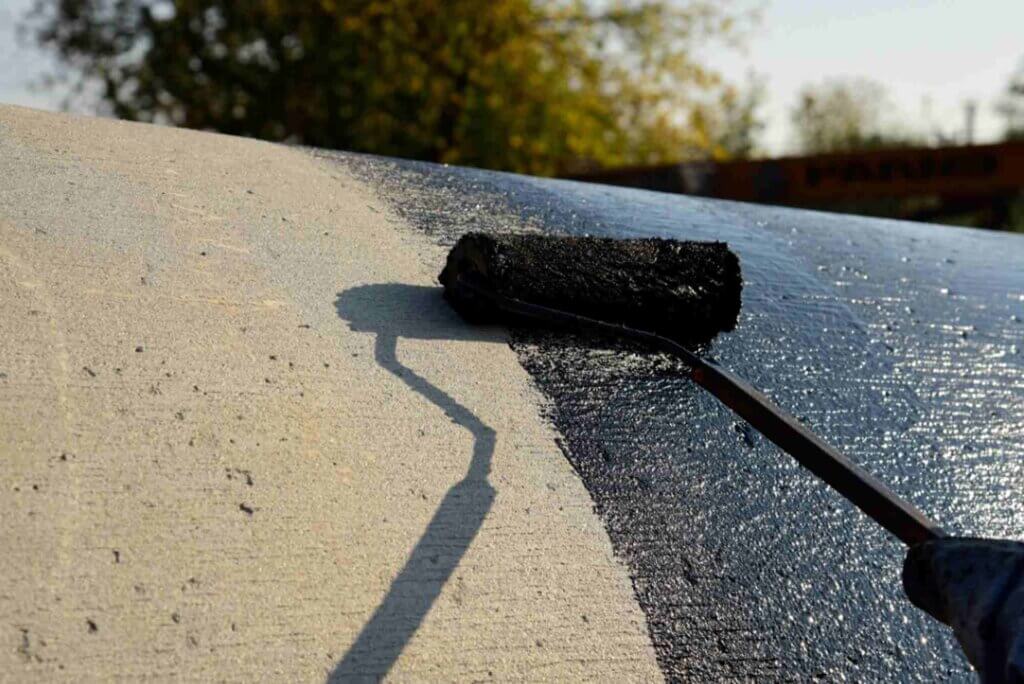
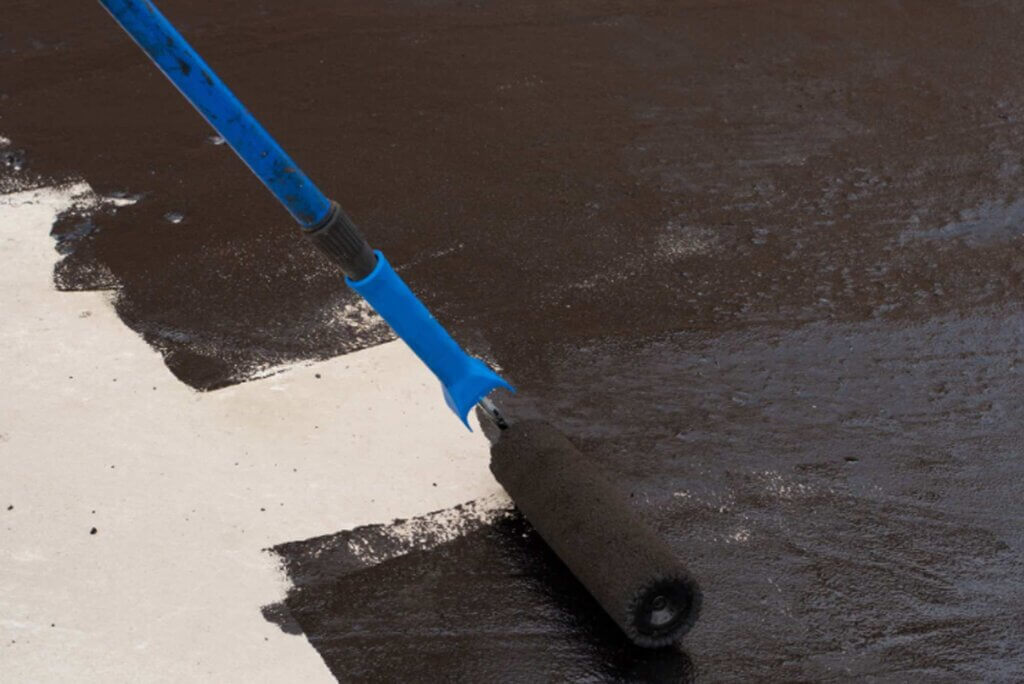
Why Bubbling Is One of the Most Common Problems in Polyurethane Waterproofing?
The Growing Use of Polyurethane Waterproofing Systems
Polyurethane waterproof coatings offer several advantages over traditional membranes:
- Seamless waterproofing
- High elasticity
- Excellent adhesion
- Complex detail compatibility
- Easy maintenance
- Long-term crack resistance
As projects get tougher, polyurethane keeps growing in popularity worldwide.
Why Bubbling Receives So Much Attention?
Unlike minor surface defects, bubbles often indicate deeper issues within the waterproofing system.
Contractors worry because bubbling may lead to:
- Reduced adhesion
- Water migration beneath the membrane
- Accelerated aging
- Membrane rupture
- Future leakage
Therefore, understanding bubbling is essential for quality waterproofing management.
What Is Bubbling in Polyurethane Waterproof Coating?
Definition of Bubbling
Bubbling is when you get raised spots, blisters, or air pockets under the coating.
These defects may vary in size:
- Small pin-sized bubbles
- Medium blisters
- Large hollow areas
The size and severity depend on what’s causing the problem.
Difference Between Bubbling and Delamination
Although often confused, bubbling and delamination are different issues.
Bubbling
Typically caused by:
- Moisture vapor
- Trapped air
- Chemical reactions
Delamination
Usually caused by:
- Poor adhesion
- Contaminated substrates
- Incompatible materials
Bubbling may eventually develop into delamination if not corrected.
The Science Behind Polyurethane Coating Bubbling
Moisture Vapor Pressure (most common cause)
- Water in concrete/screed evaporates with heat
- Vapor pressure builds
- Polyurethane membrane is impermeable
- Trapped vapor pushes upward → bubbles form
Thermal Expansion of Trapped Air
- Concrete pores trap air
- Heat (especially direct sun) makes air expand
- Expanding air creates pressure under coating
- Pressure exceeds adhesion → blistering
Moisture Reaction (single-component PU)
- Single-component PU cures via moisture reaction
- Excess substrate moisture causes unwanted side reaction
- Water + isocyanates = carbon dioxide gas
- Gas trapped inside membrane → internal bubbling
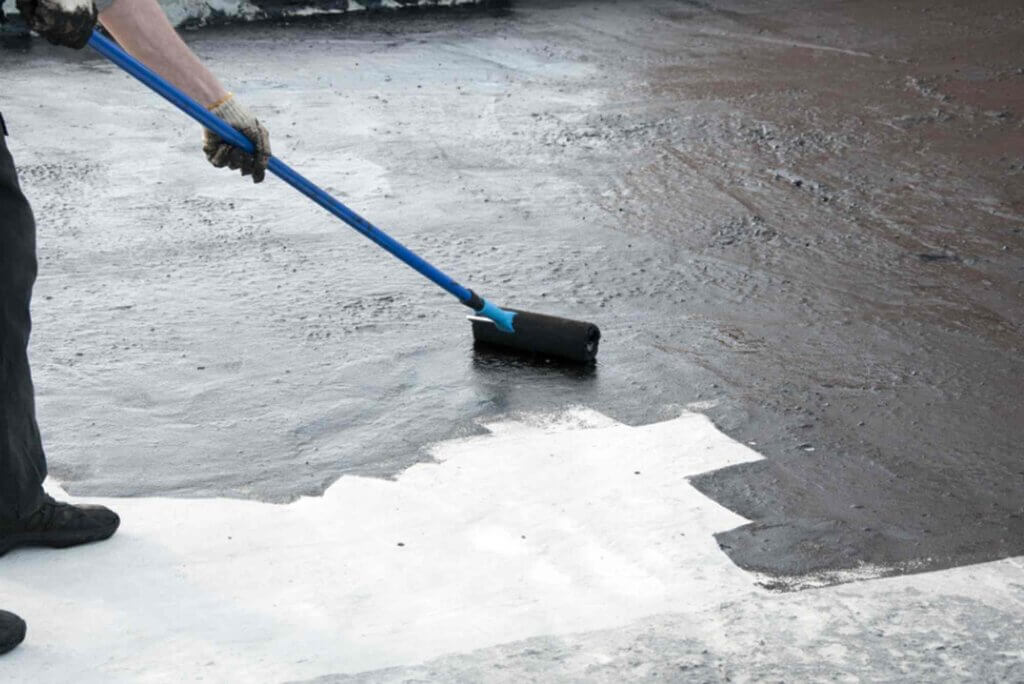
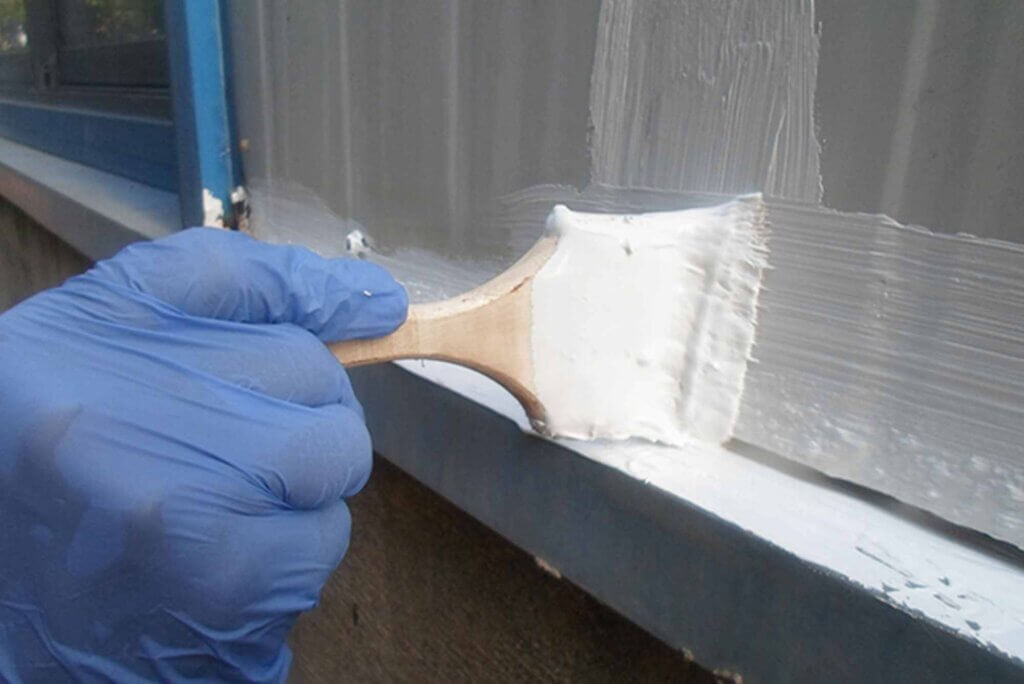
Common Causes of Bubbling in Polyurethane Waterproof Coating
High Substrate Moisture Content
This remains the leading cause of bubbling worldwide.
Common situations include:
- Rain-soaked roofs
- Newly poured concrete
- Damp screeds
- Underground structures
- High-humidity environments
Many contractors underestimate residual moisture.
The coating may appear dry externally while significant moisture remains below the surface.
Application Under Extreme Heat
High temperatures accelerate vapor generation.
This issue is especially common in:
- UAE
- Saudi Arabia
- Qatar
- Southeast Asia
Roof surface temperatures can exceed 70°C during summer.
Rapid heating dramatically increases pressure beneath the membrane.
Porous Concrete Substrates
Some substrates contain unusually high porosity.
Examples include:
- Lightweight concrete
- Poor-quality screeds
- Honeycombed concrete
- Aging substrates
Higher porosity means greater potential for trapped air and moisture.
Inadequate Primer Application
Primers perform several critical functions:
- Surface sealing
- Adhesion enhancement
- Pore filling
When primers are skipped or improperly applied, bubbling risks increase significantly.
Bubbling Risks in Different Waterproofing Applications
Roof Waterproofing
Roof projects face the highest bubbling risk.
Key Factors:
- Solar radiation
- Thermal cycling
- Rainwater exposure
- Large surface areas
These conditions create ideal environments for vapor pressure development.
Basement Waterproofing
Basements present different challenges.
Common Causes:
- Groundwater pressure
- Negative-side moisture
- Capillary moisture movement
You can install the membrane perfectly, and moisture still finds a way from below.
Bathroom Waterproofing
Bathrooms often experience bubbling because:
- Substrates are not fully dry
- Pipe penetrations are improperly sealed
- Waterproofing is rushed before tiling
Industrial Roof Waterproofing
Industrial roofs often involve:
- Large continuous surfaces
- Significant thermal movement
- High daytime temperatures
These factors increase the potential for membrane blistering.
How to Prevent Bubbling Before Application?
Successful waterproofing begins long before coating installation.
Verify Substrate Moisture Content
Moisture testing should be mandatory.
Professional contractors use:
- Moisture meters
- Relative humidity testing
- Calcium chloride tests
Moisture levels should meet manufacturer recommendations before application.
Choose the Right Weather Conditions
Weather conditions strongly influence coating performance.
Avoid application during:
- Rain
- High humidity
- Extreme heat
- Rapid temperature changes
Early morning or late afternoon often provides more stable conditions.
Repair Surface Defects
Before coating application:
- Fill cracks
- Repair voids
- Remove weak concrete
A stable substrate reduces trapped air pockets.
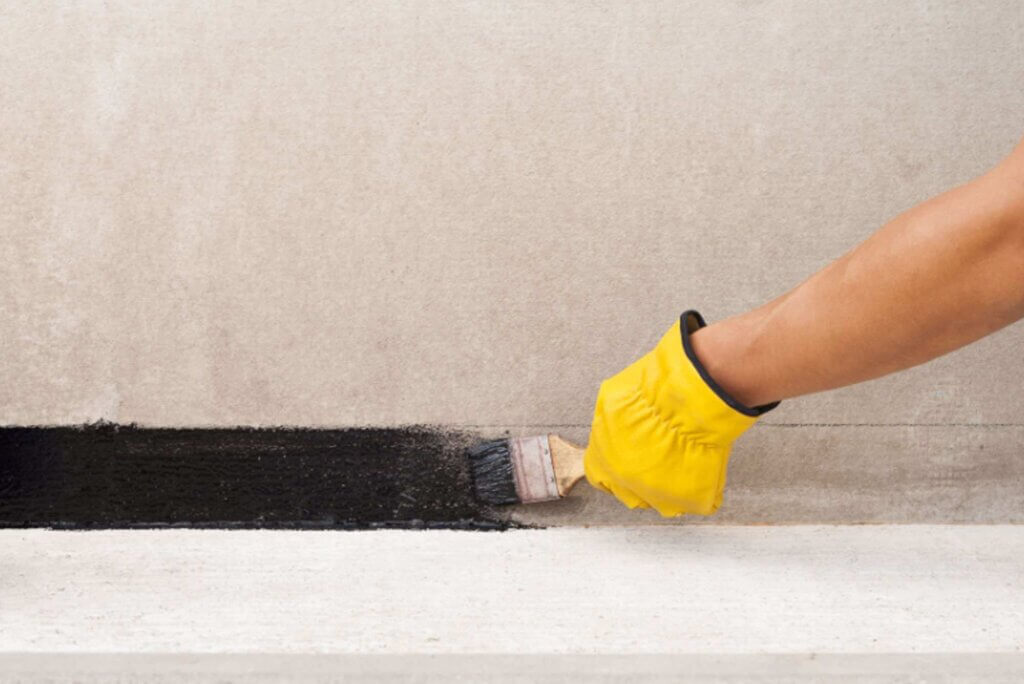
Use High-Quality Primers
Primers help seal pores and improve adhesion.
Selecting the correct primer for:
- Concrete
- Metal
- Existing coatings
is essential for long-term performance.
Application Best Practices to Prevent Bubbling
Control Coating Thickness
Excessively thick applications can trap solvents and gases.
Multiple thin coats generally perform better than one thick layer.
Follow Recommended Recoat Intervals
Applying subsequent coats too early or too late can create problems.
Contractors should strictly follow manufacturer specifications.
Mix Materials Correctly
Improper mixing can introduce air into the coating.
Air entrapment increases bubbling risks.
Use low-speed mixing techniques whenever possible.
Reinforce Critical Details
Areas requiring special attention include:
- Drains
- Pipe penetrations
- Expansion joints
- Corners
- Parapet connections
These locations frequently become failure points.
How to Repair Existing Bubbles in Polyurethane Waterproof Coatings?
Key principle: Identify the root cause before attempting repairs. Cutting open bubbles and applying additional coating treats symptoms, not underlying problems.
Small Bubble Repair Procedure (Localized)
| Step | Action |
| 1 | Inspect bubble (size, membrane condition, adhesion, moisture presence) |
| 2 | Cut and remove defective area (extend beyond visible damage) |
| 3 | Investigate substrate (moisture, dust, contamination, weak concrete) |
| 4 | Reapply primer and coating (overlap existing membrane per manufacturer recommendations) |
Large-Area Bubbling Repair (Systemic Issues)
Big bubbling means a bigger problem.
Common causes: High substrate moisture, improper application timing, widespread primer failure, material incompatibility.
Solution: Complete removal, moisture mitigation, substrate rehabilitation, full waterproofing system replacement.
Note: More costly initially, but prevents recurring failures.
Lessons Learned from the Field
Underground Parking Structure
An underground parking structure experienced localized bubbling around expansion joints.
Root Cause:
Inspection revealed:
- Poor detail treatment
- Air entrapment near joint transitions
- Inadequate reinforcement
Solution:
Additional reinforcement fabric and improved detailing procedures resolved the issue.
Key Lesson:
Many bubbling problems originate at details rather than open field areas.
How to Achieve a 20+ Year Service Life with Polyurethane Waterproof Coating?
Project owners always ask: “How long should polyurethane waterproofing last?”
The answer comes down to system design and maintenance.
Start with Proper Substrate Preparation
Experienced pros have a saying: “The membrane is only as good as the substrate beneath it.”
Surface preparation influences:
- Adhesion
- Durability
- Waterproof integrity
More than any other single factor.
Select Appropriate Membrane Thickness
Different projects require different coating thicknesses.
Typical Recommendations:
| Application | Typical Thickness |
| Roof Waterproofing | 1.5–2.0 mm |
| Balcony Waterproofing | 1.5–2.0 mm |
| Basement Waterproofing | 2.0–3.0 mm |
| Industrial Roofs | 2.0–3.0 mm |
Insufficient thickness reduces durability and waterproofing performance.
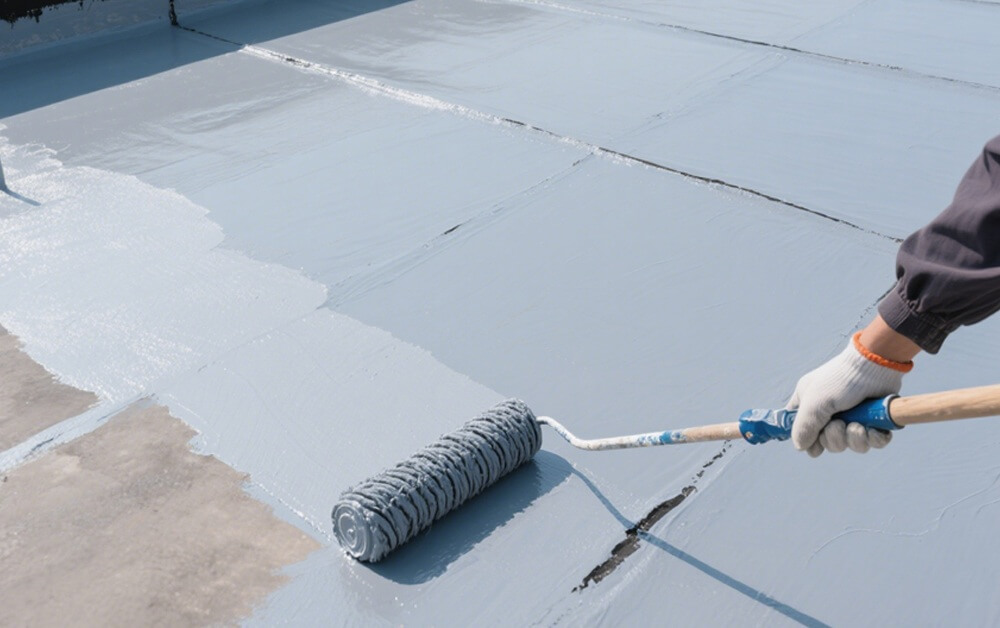
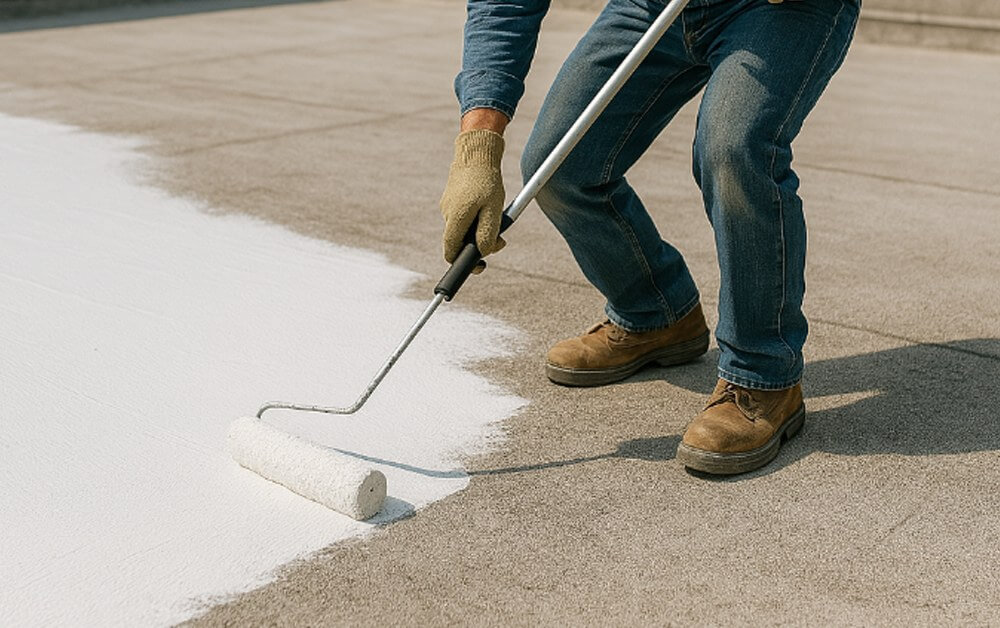
The Importance of Protective Layers
One of the most overlooked factors in polyurethane waterproofing is protection.
Polyurethane membranes are highly effective waterproofing materials. However, long-term exposure to:
- UV radiation
- Mechanical wear
- Foot traffic
- Construction activities
can gradually accelerate aging.
Recommended Protection Methods:
Tile Protection Systems
Common for:
- Bathrooms
- Balconies
- Wet areas
Tiles help shield the membrane from physical damage.
Cement Mortar Protection Layers
Frequently used in:
- Roof systems
- Podium decks
- Commercial waterproofing projects
Floor Coating Protection Systems
Industrial facilities often use:
- Epoxy flooring
- Polyurethane flooring
- Protective overlays
to enhance durability.
Why Protection Extends Lifespan:
When polyurethane membranes are properly protected, service life can often exceed:
20 years or more
This is especially important in:
- Middle Eastern climates
- High UV environments
- Industrial facilities
Protection transforms a waterproof membrane into a long-term asset protection system.
Why Proper Waterproofing System Design Matters More Than Material Alone?
Many procurement decisions focus exclusively on product specifications.
However, experienced engineers understand that waterproofing success depends on the entire system.
A successful system includes:
- Proper substrate preparation
- Suitable primer
- Correct membrane thickness
- Reinforcement details
- Protection layer
- Maintenance strategy
The coating itself represents only one component.
Emerging Trends in Polyurethane Waterproofing Technology
Low-VOC Formulations
- Driver: Environmental regulations.
- Direction: Safer materials, lower emissions, sustainable construction.
- Response: Manufacturers developing environmentally responsible systems.
Enhanced UV Resistance
New formulas handle extreme weather much better. That’s a big deal in the UAE, Saudi Arabia, Australia, and the Southern US.
Hybrid Waterproofing Systems
- Approach: Combining polyurethane waterproofing, polyurea technology, and protective coatings.
- Goal: Achieve optimal performance.
YURU Waterproof Polyurethane Waterproofing Solutions
At YURU Waterproof, we’ve worked closely with contractors, distributors, and project owners across multiple international markets. We don’t just supply materials. We help clients achieve long-term waterproofing success.
Complete Polyurethane Product Portfolio
YURU offers:
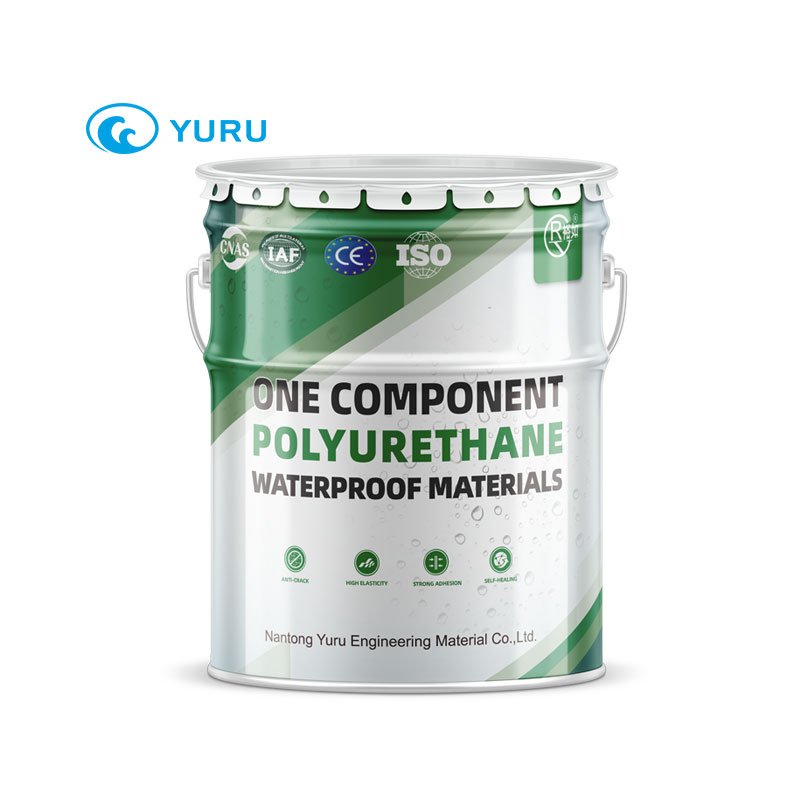
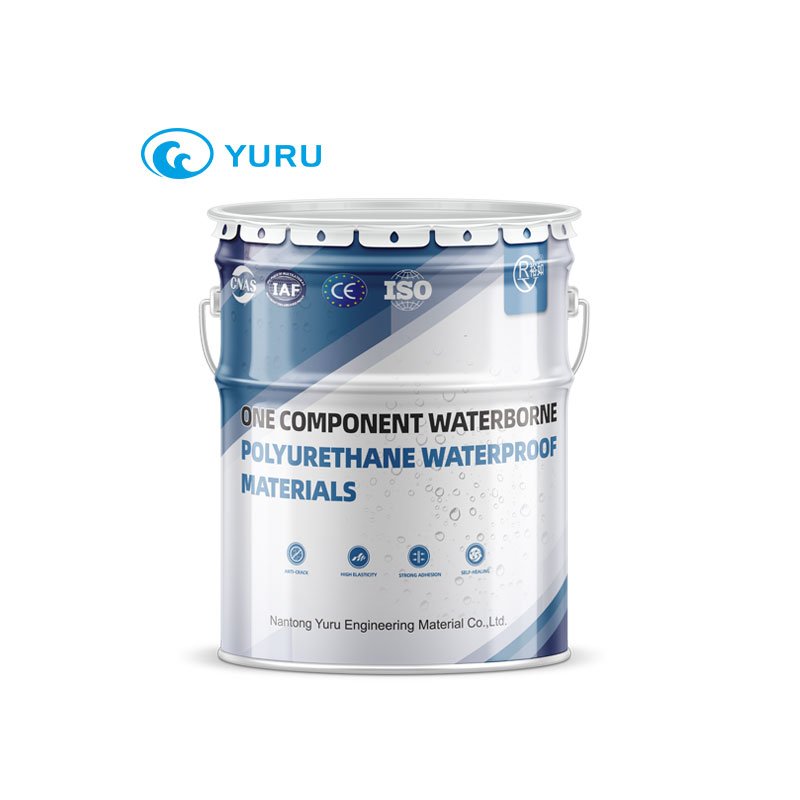
- Single Component Polyurethane Waterproof Coating
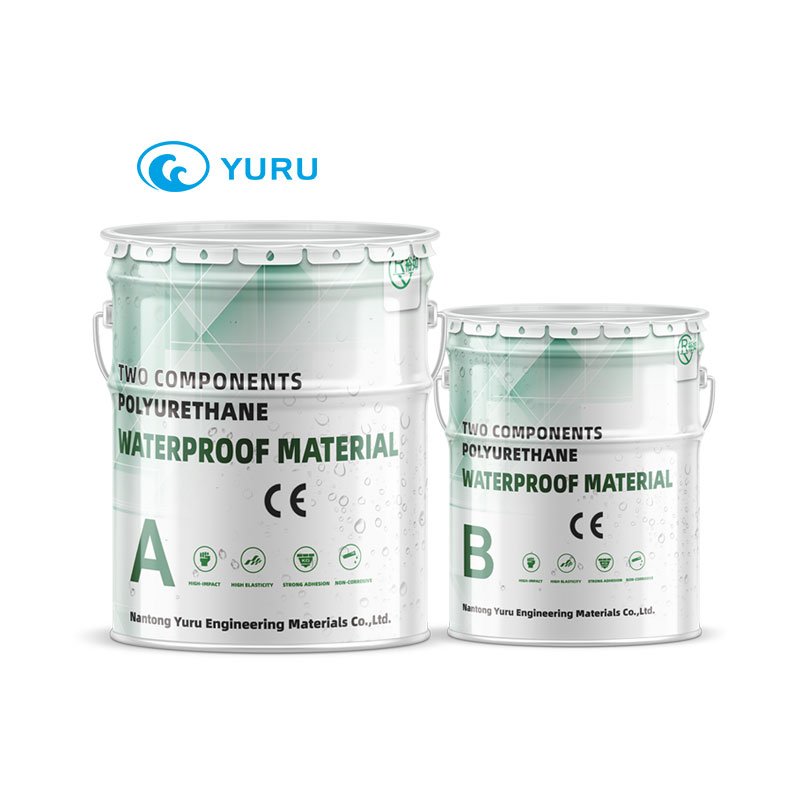
- Two Component Polyurethane Waterproof Coating
- Roof Waterproofing Systems
- Underground Waterproofing Systems
- Protective Topcoat Solutions
These systems are designed for diverse project requirements.
Suitable for Challenging Environments
Our waterproofing systems are widely used in:
- Commercial roofs
- Industrial buildings
- Underground structures
- Municipal projects
- High-temperature regions
including many Middle Eastern markets.
Technical Support for Contractors
YURU Waterproof supports partners through:
- Product recommendations
- Technical documentation
- Application guidance
- OEM services
- Waterproofing system design
Our goal is to reduce project risk and improve long-term performance.
FAQs:
1. Why does polyurethane waterproof coating bubble?
In my experience, the main causes are moisture in the substrate, trapped air, too much heat, and bad application technique.
2. Is bubbling always caused by poor material quality?
No. Most bubbling problems relate to substrate conditions and installation practices — not material defects.
3. Can bubbles cause waterproofing failure?
Yes. Severe bubbling can lead to delamination, membrane rupture, and leakage.
4. Does YURU Waterproof provide OEM waterproofing solutions?
Yes. YURU Waterproof offers OEM, private-label, and customized waterproofing solutions for global distributors and contractors.
Conclusion:
Bubbling in polyurethane waterproof coating is common, but it’s also preventable.
Material quality matters. But most bubbling issues come from moisture, substrate conditions, environmental factors, and application practices.
Successful waterproofing projects use a complete system:
- Proper substrate preparation
- Moisture control
- Primer selection
- Correct application procedures
- Protection layer design
- Long-term maintenance
Get these right, and polyurethane waterproofing systems can provide durable, reliable protection for decades.
Need a Reliable Polyurethane Waterproof Coating Supplier?
YURU Waterproof is ready to help.
Contact our technical team today to receive:
- Product Catalog
- Technical Data Sheets
- Free Samples
- OEM Solutions
- Waterproofing Consultation
and discover how professional waterproofing systems can reduce bubbling risks and extend project service life.
YURU Product solutions