Two Component Polyurethane Waterproofing Buying Guide
How to Choose the Right System for Your Project?
Waterproofing failures are still one of the biggest headaches in construction. Leaking basements, cracked parking decks, failing roof slabs, water in transportation structures — bad waterproofing leads to costly repairs, shutdowns, and long-term damage.
That’s why engineers, contractors, developers, and project owners are prioritizing high-performance waterproofing systems during design and procurement.
One of the most trusted liquid-applied technologies is two component polyurethane waterproof coating. It’s flexible, sticks well, gives you seamless waterproofing, and bridges cracks beautifully. It works on everything from houses to big infrastructure projects.
But not all two component polyurethane coatings are the same.
A system for a residential basement may not work for a high-speed railway bridge. Price-based selection introduces project risks.
This guide covers how it works, how to check quality, how to pick the right system for different jobs, and why product grade matters more than finding the cheapest supplier.
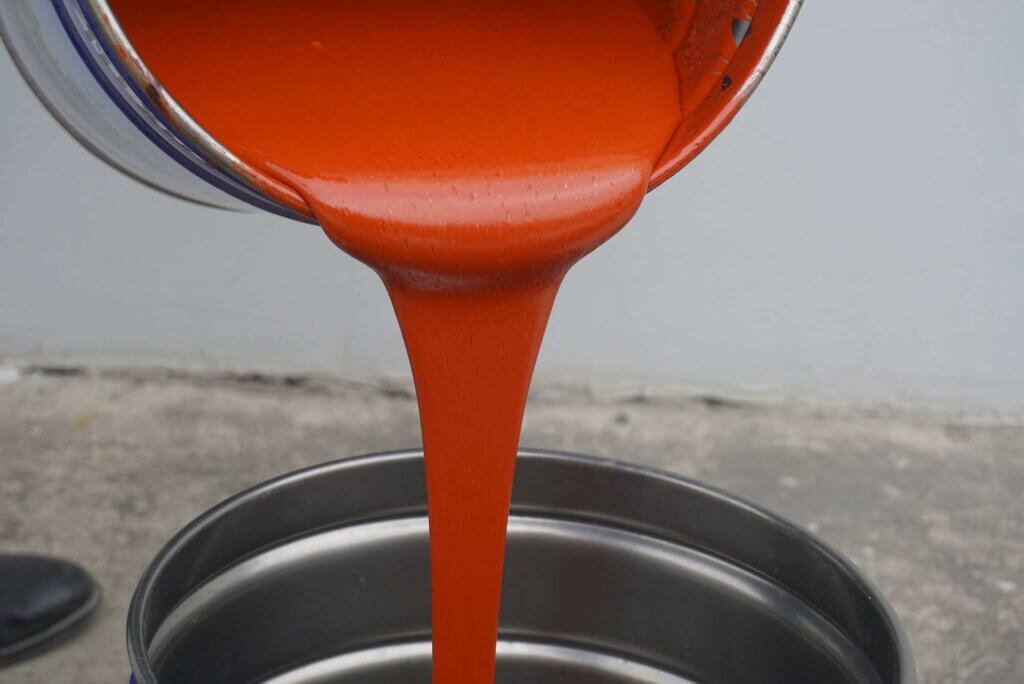
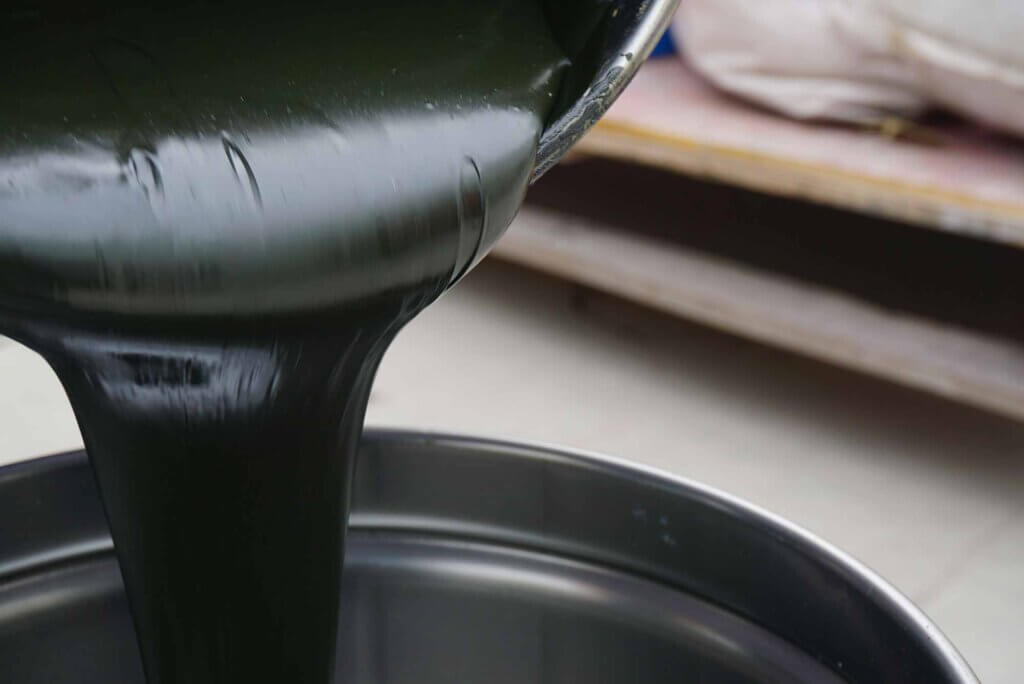
Why Two Component Polyurethane Waterproofing Remains a Preferred Choice for Professional Waterproofing Projects?
Shift from Traditional Waterproofing Methods
For years, waterproofing meant sheet membranes and bituminous materials. They still work for some jobs, modern construction increasingly demands waterproofing solutions that can adapt to:
- Complex geometries
- Irregular structures
- Penetrations and pipe details
- Expansion joints
- Curved surfaces
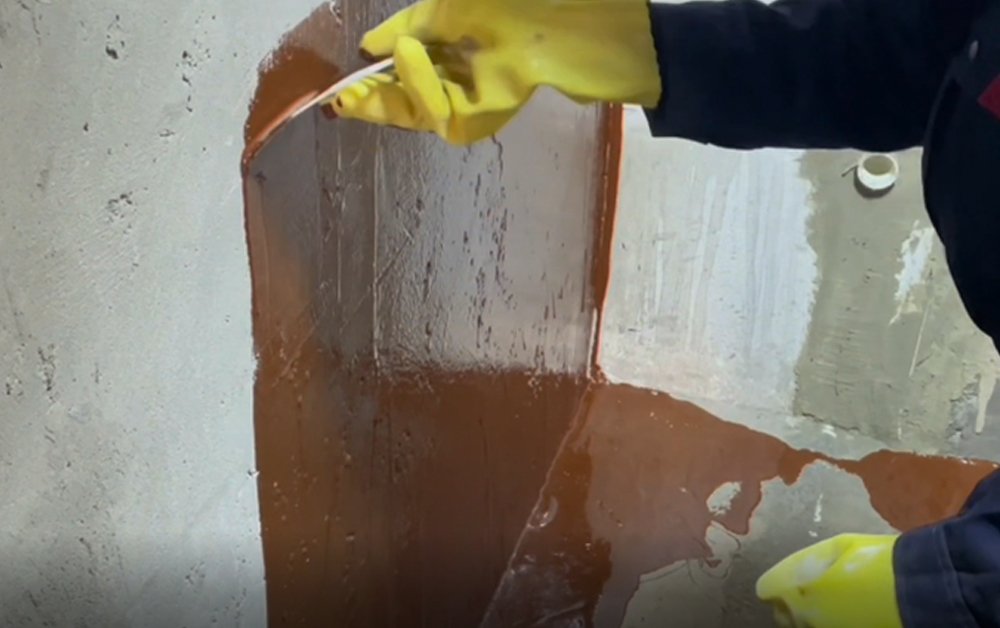
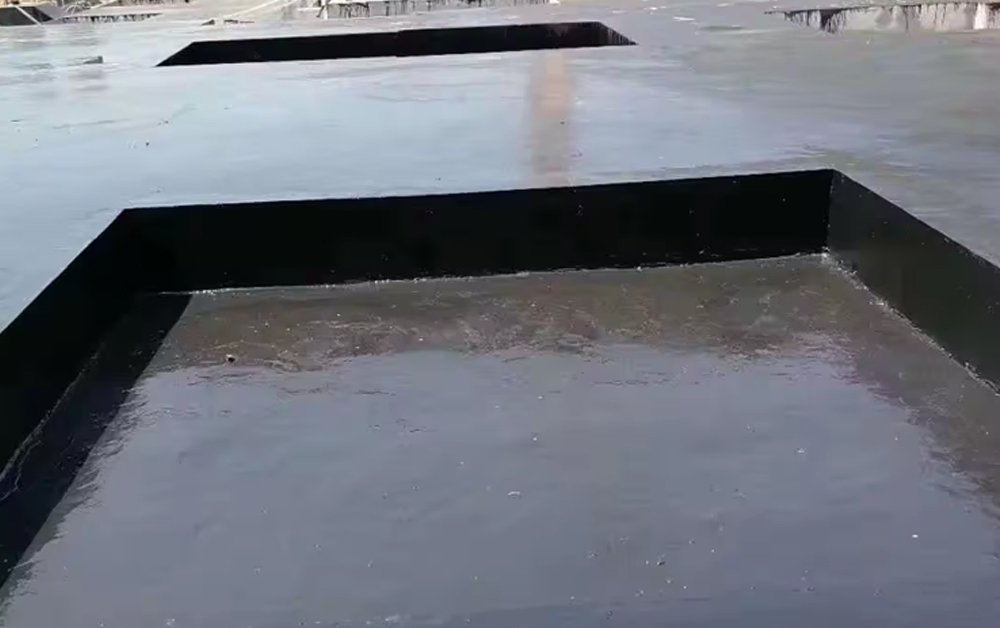
Liquid-applied polyurethane waterproofing solves those problems. It cures into one seamless membrane, no seams, no weak spots.
That’s why polyurethane is growing so fast worldwide.
Why Contractors Prefer Polyurethane Waterproofing?
Contractors choose polyurethane for several reasons:
- Seamless Waterproofing
Monolithic barrier, no joints.
- Excellent Crack Bridging
The cured membrane can accommodate substrate movement and minor cracking.
- Strong Adhesion
Bonds to concrete, mortar, and many materials.
- Long-Term Durability
Properly installed systems last for years.
These benefits make polyurethane a practical choice for demanding projects.
Why Focus on Lifecycle Cost?
A common mistake during procurement is evaluating waterproofing materials only based on initial cost.
Experienced owners know you need to look at lifecycle performance. A cheap product that fails after a few years often costs way more in repairs.
In contrast, a properly selected waterproofing system may reduce:
- Maintenance costs
- Repair frequency
- Structural damage risks
- Operational interruptions
This is why professional projects choose performance over short-term savings.
What Is Two Component Polyurethane Waterproofing?
Basic Composition
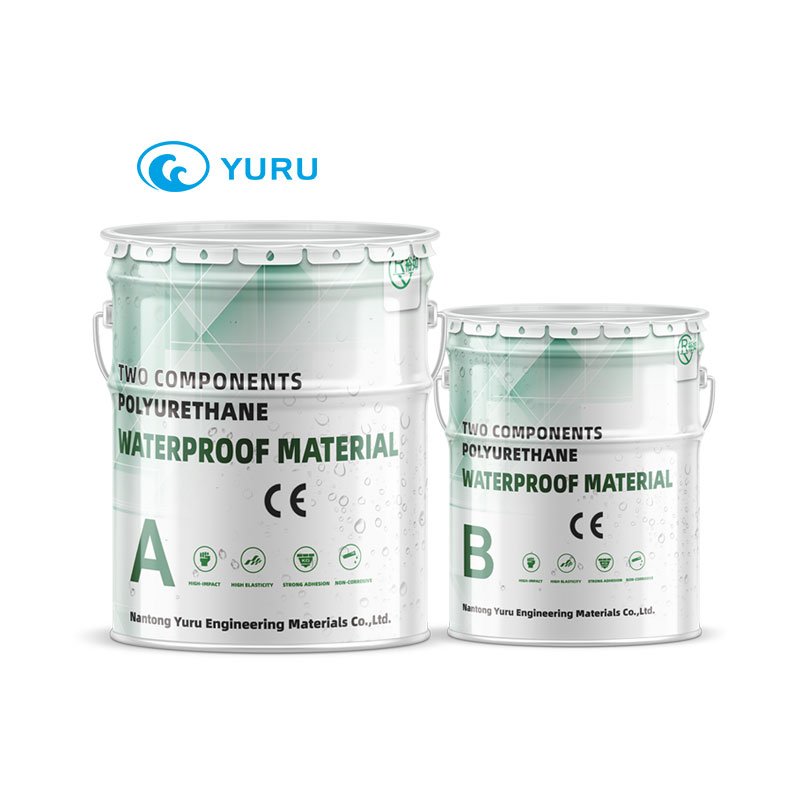
Two component polyurethane waterproofing typically consists of:
Component A
Polyol resin component
and
Component B
Isocyanate curing agent
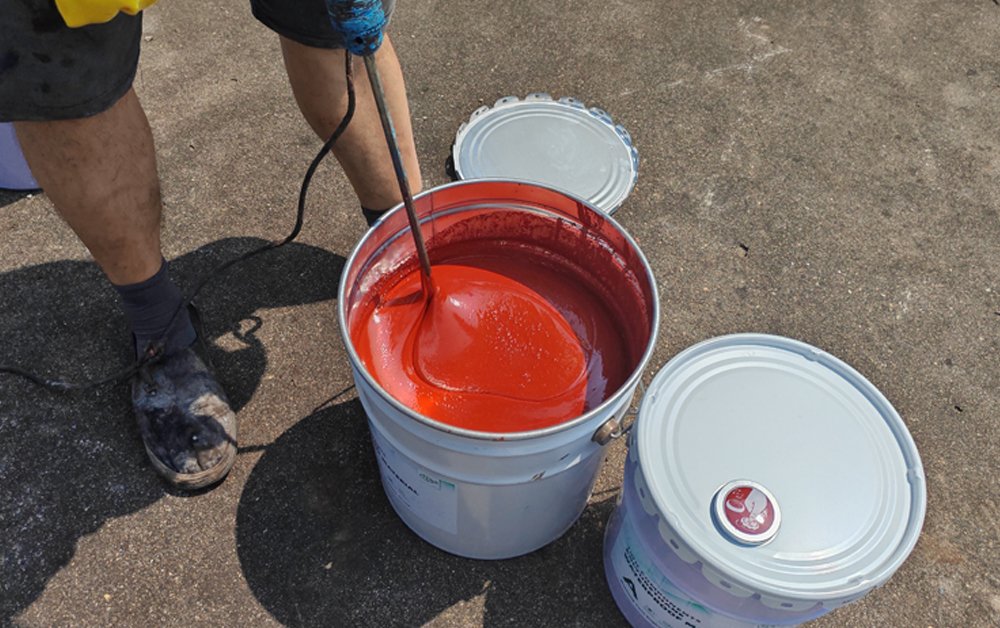
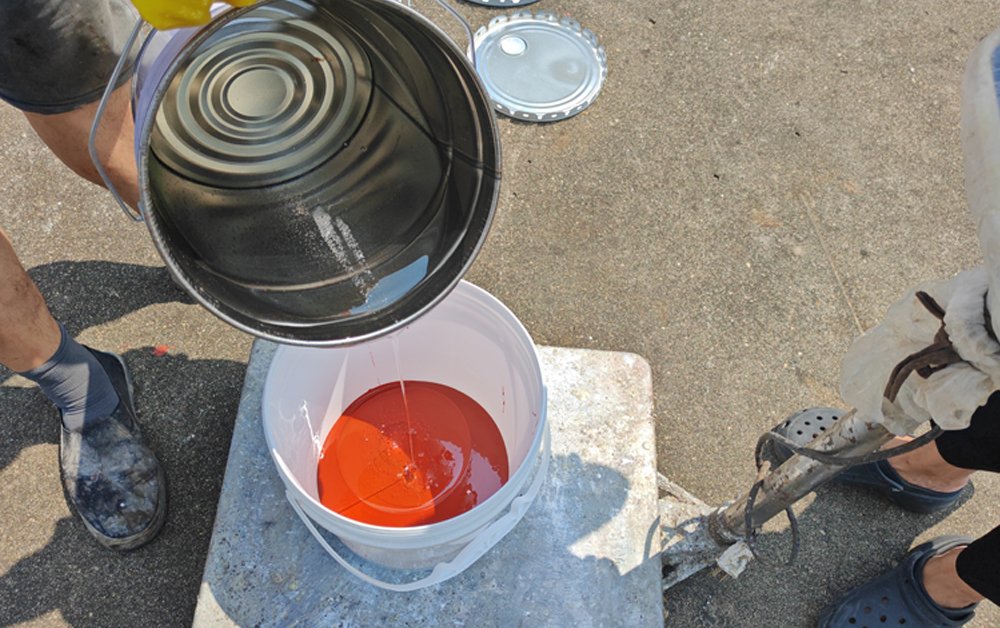
Before application, the two components are mixed according to a specified ratio.
Once combined, a chemical reaction occurs that produces a highly elastic waterproof membrane.
This cured membrane forms the foundation of the waterproofing system.
How the Chemical Reaction Creates Waterproof Protection?
Unlike single-component systems (rely on atmospheric moisture), two component polyurethane waterproof coating cures through controlled chemical reaction between resin and hardener.
This provides several advantages:
- More consistent curing
- Better mechanical properties
- Improved performance stability
- Greater suitability for large-scale projects
The result is a dense, flexible membrane that stops water penetration while moving with the structure.
Why Two Component Systems Are Preferred for Large Projects?
Large engineering projects often require materials capable of performing under challenging conditions.
Examples include:
- Heavy traffic loads
- Structural vibration
- Thermal expansion
- Long service-life requirements
Two component polyurethane waterproof coatings are often selected because they offer superior performance consistency compared with many alternative waterproofing technologies.
Understanding the Different Grades of Two Component Polyurethane Waterproofing
One of the most important procurement decisions involves selecting the correct product grade.
Many project failures occur because a waterproofing material designed for conventional construction is used in a high-demand infrastructure environment.
To avoid this mistake, buyers must understand the differences between standard-grade and high-strength polyurethane waterproof coatings.
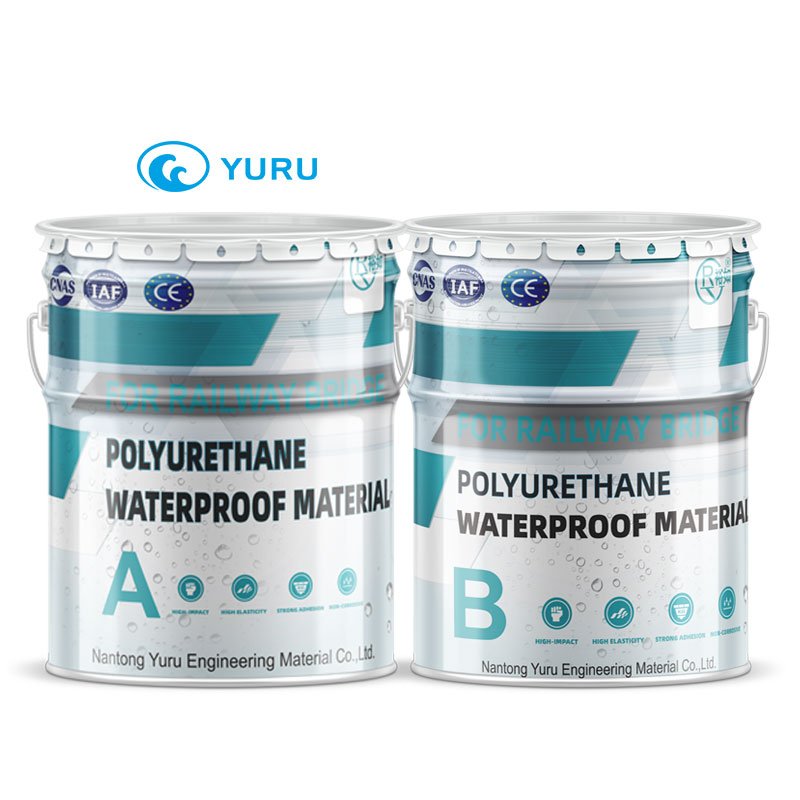
WTPC-1 Standard Grade Polyurethane Waterproofing
WTPC-1 is designed for conventional building waterproofing projects.
It combines high elasticity with reliable waterproofing performance and is suitable for many common applications.
Typical Applications:
- Basements
- Roofs
- Bathrooms
- Balconies
- Water tanks
- Swimming pools
Key Characteristics:
- Approximately 98% solid content
- High flexibility
- Excellent adhesion
- Strong crack-bridging capability
- Cost-effective waterproofing solution
The big feature is high elongation – the membrane stretches with the structure and handles cracking. For standard buildings, that’s solid protection.
WTPC-2 High Strength Polyurethane Waterproofing
WTPC-2 is engineered for demanding infrastructure applications where higher mechanical performance is required.
Compared with standard-grade systems, it provides enhanced strength and durability.
Typical Applications:
- High-speed railway projects
- Bridge waterproofing
- Elevated highways
- Municipal infrastructure
- Dams
- Reservoirs
- Transportation structures
Key Characteristics:
- Higher tensile strength
- Higher tear resistance
- Improved structural adaptability
- Enhanced durability under demanding conditions
These properties make WTPC-2 suitable for projects where waterproofing systems must withstand greater stress and longer service-life expectations.
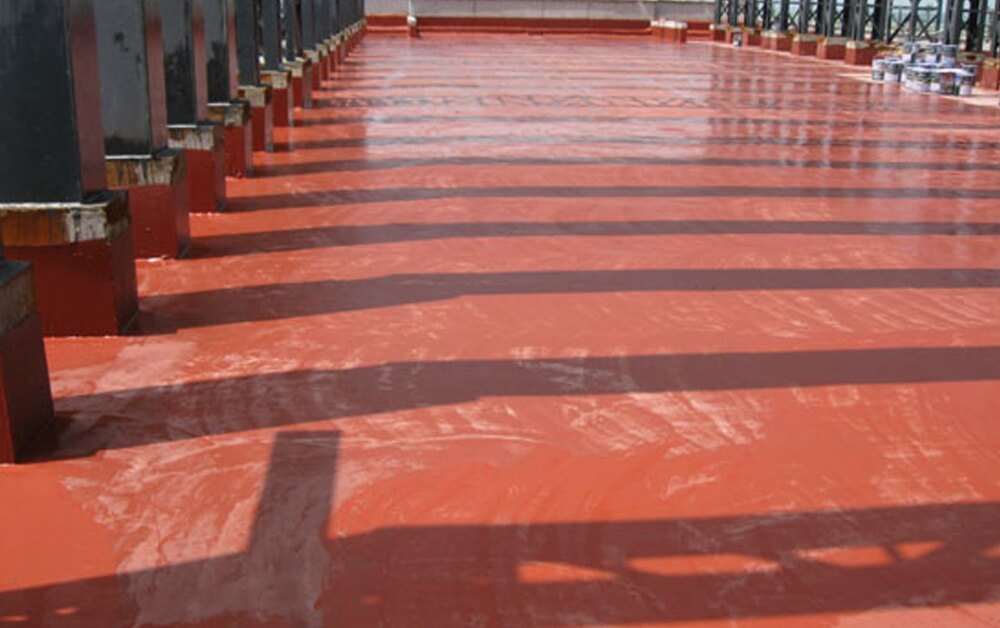
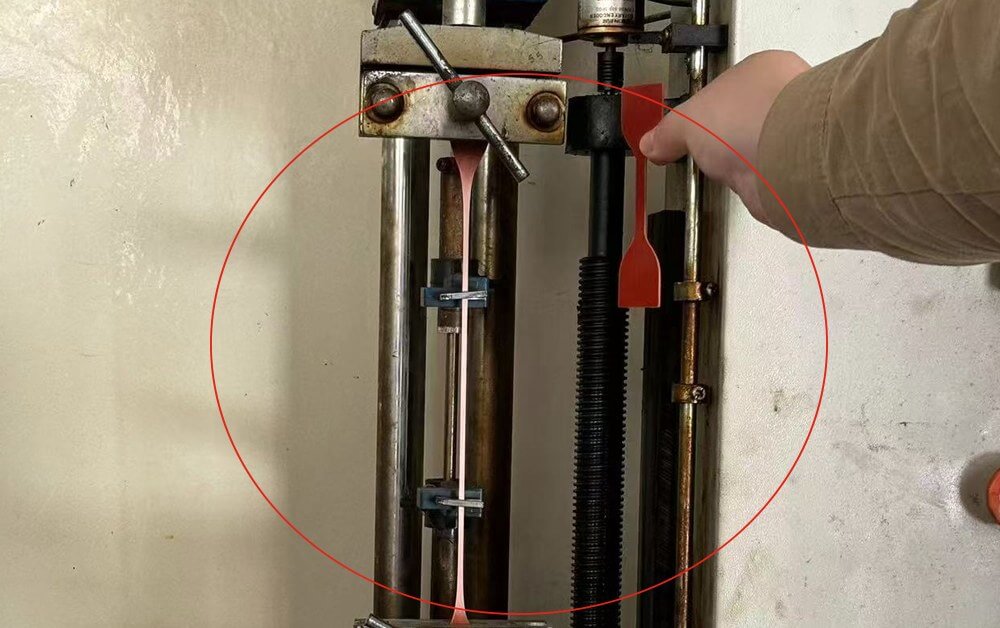
WTPC-1 vs WTPC-2: Which System Should You Choose?
Choosing between WTPC-1 and WTPC-2 should be based on project requirements.
| Choose WTPC-1 When | Choose WTPC-2 When |
| Residential construction | Infrastructure construction |
| Commercial buildings | Transportation structures |
| Standard roof waterproofing | Bridge decks |
| Basement waterproofing | Railway systems |
| Bathrooms and balconies | Municipal engineering |
Why WTPC-1: Flexibility and waterproofing performance matter more than extreme strength — best balance of performance and budget.
Why WTPC-2: Projects experience dynamic loading, structural movement, long design life requirements — designed for higher performance demands.
Risk of wrong grade: Using standard-grade on high-strength jobs increases maintenance, repairs, and project risk. Correct grade from the start is most economical.
The Most Important Technical Indicators Buyers Should Understand
Many buyers receive technical data sheets but do not fully understand which performance indicators matter most.
The following properties should receive particular attention.
Solid Content
Solid content determines how much of the applied material remains after curing.
Higher solid content generally means:
- Better film build
- Reduced shrinkage
- More efficient material usage
This is why high-solid polyurethane systems are preferred in many professional applications.
Tensile Strength
Tensile strength measures the membrane’s ability to resist pulling forces.
Higher tensile strength often indicates:
- Better durability
- Improved mechanical performance
- Enhanced resistance to stress
This property becomes increasingly important in infrastructure projects.
Elongation at Break
Elongation indicates how much the membrane can stretch before failure.
A high elongation value allows the waterproof membrane to accommodate:
- Structural movement
- Thermal expansion
- Concrete shrinkage
- Crack development
Without losing waterproof integrity.
Tear Resistance
Tear resistance is particularly important in demanding environments.
Higher tear resistance helps the membrane resist:
- Mechanical damage
- Localized stress
- Construction-related impact
This is one reason why high-strength systems are frequently specified for infrastructure projects.
Adhesion Strength
Adhesion determines how effectively the membrane bonds to the substrate.
Even the strongest waterproof membrane will fail if adhesion is inadequate.
Proper substrate preparation remains essential for achieving maximum adhesion performance.
Can Two Component Polyurethane Waterproofing Be Used as an Exposed System?
Many buyers assume that all polyurethane waterproof coatings can remain permanently exposed. This assumption is incorrect.
For most professional-grade two component polyurethane waterproofing systems, including WTPC-1 and WTPC-2, the waterproof membrane is designed as a non-exposed waterproofing system.
This distinction is extremely important.
The waterproof membrane is intended to provide waterproof protection, but it should not be regarded as the final exposed surface in long-term service conditions.
Why Protection Layers Are Essential for Two Component Polyurethane Waterproofing Systems?
One of the most overlooked aspects of waterproofing design is the role of the protection layer.
Many waterproofing failures are not caused by poor material quality. Instead, they occur because the waterproof membrane is exposed to conditions it was never designed to withstand.
For professional-grade two component polyurethane waterproofing systems, the waterproof membrane serves as the waterproof barrier — not the final exposed surface.
Understanding that is critical if you want long-term performance.
Why Two Component Polyurethane Waterproofing Is Generally Classified as a Non-Exposed System?
Although polyurethane membranes provide excellent waterproofing performance, prolonged exposure to environmental and mechanical stresses may accelerate aging.
Common threats include:
- Construction traffic
- Mechanical impact
- UV exposure
- Thermal cycling
- Abrasion
- Future maintenance activities
For this reason, most engineering specifications require the membrane to be protected after installation.
The protection layer serves as a shield that preserves waterproofing integrity over the long term.
Common Protection Layer Solutions
The most appropriate protection method depends on project type and service conditions.
Cement Mortar Protection Layer
Frequently used for:
- Roof waterproofing
- Podium decks
- Underground structures
Advantages:
- Cost-effective
- Easy to install
- Good mechanical protection
Concrete Protection Layer
Often specified for:
- Infrastructure projects
- Transportation structures
- Municipal engineering
Provides excellent resistance against heavy loads.
Ceramic Tile Finish
Common in:
- Bathrooms
- Balconies
- Wet rooms
Provides both protection and decorative value.
Protective Floor Systems
Used in:
- Parking decks
- Industrial buildings
- Utility rooms
Additional floor systems can further improve service life.
How Protection Layers Extend Waterproofing Life?
Many project owners ask:
“How long can polyurethane waterproofing last?”
The answer depends heavily on protection design.
When properly protected, a high-quality two component polyurethane waterproofing system can often achieve:
- 15 years
- 20 years
- Or even longer
depending on project conditions and maintenance practices.
The protection layer reduces stress on the membrane and significantly slows the aging process.
How to Select the Right Two Component Polyurethane Waterproofing for Different Projects?
Choosing the correct waterproofing grade is not about selecting the strongest product available.
It is about matching performance characteristics to project requirements.
Commercial Roof Waterproofing
Commercial roofs typically experience:
- Rainwater exposure
- Thermal movement
- UV-related temperature changes
For many commercial buildings:
Recommended System
WTPC-1 Standard Grade
Reasons:
- Excellent flexibility
- High elongation
- Cost-effective performance
When combined with a proper protection layer, it delivers reliable long-term waterproofing.
Basement Waterproofing
Basements present unique waterproofing challenges.
Common concerns include:
- Groundwater pressure
- Structural cracking
- Moisture migration
Recommended System
WTPC-1 Standard Grade
The system’s elasticity helps accommodate minor substrate movement while maintaining waterproof integrity.
Water Tanks and Pools
Water-retaining structures require:
- Continuous waterproofing
- Strong adhesion
- Reliable membrane continuity
WTPC-1 is frequently selected for these applications because of its flexibility and waterproofing performance.
Bridge Waterproofing
Bridge structures are exposed to:
- Dynamic loading
- Vibration
- Temperature fluctuations
- Structural movement
Recommended System
WTPC-2 High Strength Grade
Its enhanced mechanical properties make it more suitable for infrastructure applications.
High-Speed Railway Projects
Rail infrastructure demands exceptional durability.
Waterproofing systems must withstand:
- Repeated vibration
- Long service life expectations
- Environmental stress
Recommended System
WTPC-2
This is one of the reasons high-strength polyurethane systems are increasingly specified in transportation infrastructure projects.
Municipal Engineering Projects
Municipal projects often involve:
- Long design life requirements
- Public safety considerations
- Significant maintenance costs
Selecting a high-strength waterproofing system can help reduce future repair risks.
WTPC-2 is often the preferred choice.
Common Purchasing Mistakes When Buying Two Component Polyurethane Waterproofing
| Mistake | Why It’s a Problem |
| Focusing only on price | Lower price often means lower solids, reduced performance, inferior raw materials – cheapest product is rarely most economical over lifecycle |
| Ignoring project classification | Standard-grade on infrastructure = risk; high-performance on residential = unnecessary cost. Match product to application. |
| Overlooking technical support | Success depends on system design and installation – supplier with support creates more value than one with only low prices |
| Neglecting protection layer design | Specs focus on material but forget protection – this reduces service life. Protection is part of the system, not optional. |
| Choosing suppliers without proven experience | Experience matters – suppliers with project references provide better recommendations and more reliable solutions |
Common Purchasing Mistakes When Buying Two Component Polyurethane Waterproofing
Yes. Different regions need different performance. Contractors, distributors, and private-label brands are asking for customized solutions more and more.
Why Customization Matters?
Environmental conditions vary significantly around the world.
For example:
Middle East
Requires:
- High temperature resistance
- Excellent aging performance
Southeast Asia
Requires:
- High humidity resistance
- Tropical climate adaptability
Europe
May require compliance with specific environmental standards.
Customized formulations help address these market-specific requirements.
What Can Be Customized?
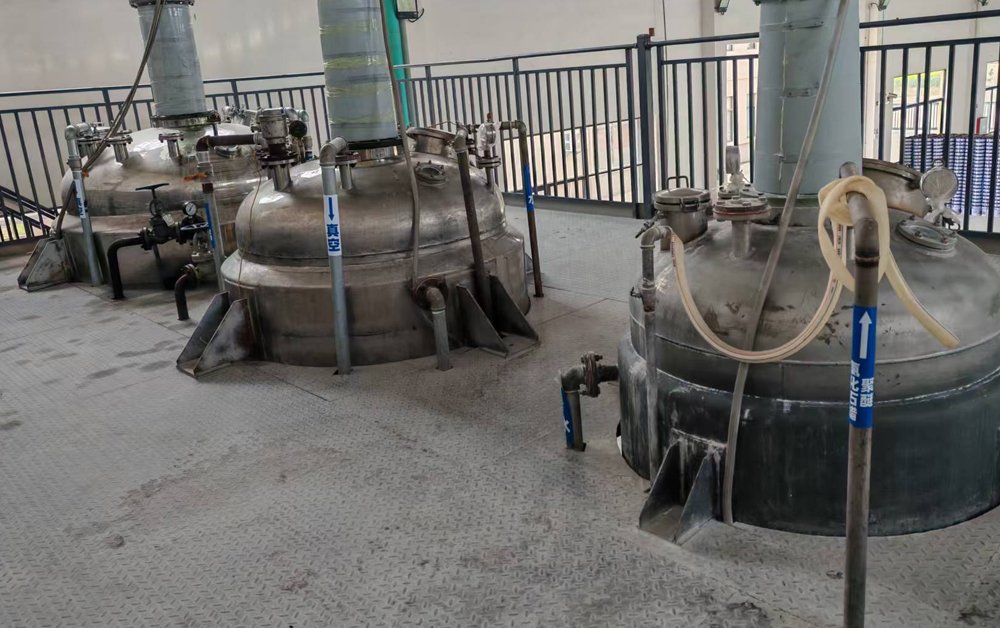
Professional manufacturers can often provide:
Formula Adjustments
To optimize performance characteristics.
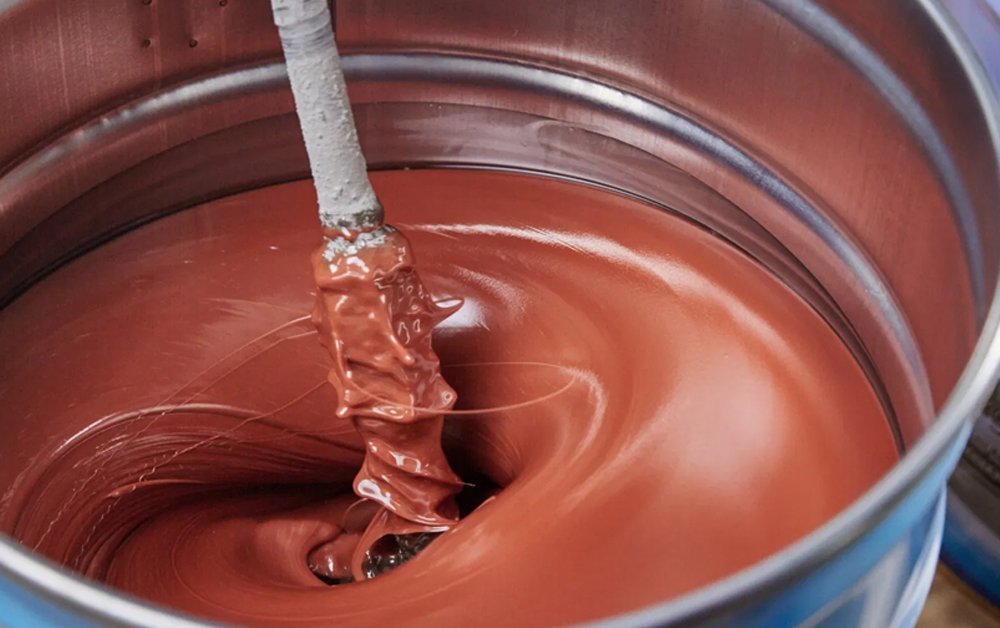
Viscosity Modification
For different application methods.
Curing Speed Adjustments
To suit varying climates and construction schedules.
Packaging Customization
Including:
- Different package sizes
- Customized branding
- Regional labeling requirements
OEM and Private Label Services
Increasingly popular among distributors and building material brands.
Why Contractors and Distributors Choose YURU Waterproof?
The right supplier matters as much as the right material.
At YURU Waterproof, our goal is not simply to sell products but to help customers achieve successful waterproofing projects.
Two Product Lines for Different Market Needs
YURU provides:
WTPC-1
Standard-grade polyurethane waterproofing for conventional building applications.
Suitable for:
- Roofs
- Basements
- Bathrooms
- Balconies
- Water tanks
WTPC-2
High-strength polyurethane waterproofing designed for demanding infrastructure projects.
Suitable for:
- Bridges
- High-speed railways
- Municipal engineering
- Transportation structures
This dual-product strategy allows customers to select the most appropriate solution for their projects.
OEM and Private Label Manufacturing
YURU supports:
- OEM production
- Private label branding
- Packaging customization
- Formula optimization
This flexibility helps distributors build their own brands while benefiting from reliable manufacturing support.
Technical Support Beyond Product Supply
Successful waterproofing requires more than materials.
YURU supports partners through:
- System recommendations
- Technical documentation
- Application guidance
- Waterproofing consultation
This helps reduce project risk and improve long-term performance.
Future Trends in Two Component Polyurethane Waterproofing
The waterproofing industry is changing. Here’s what’s coming.
More Infrastructure Work
Governments are spending big on transportation, rail, bridges, and water projects. That means more demand for high-performance waterproofing.
Owners Want Longer Life
Project owners don’t just look at upfront cost anymore. They want long-term value. They expect waterproofing to last for decades.
Customization Is Growing
Projects are getting more specialized. So demand for customized waterproofing is rising. Manufacturers who can tweak formulas for specific jobs will have a real advantage.
FAQs:
1. What is the difference between one component and two component polyurethane waterproofing?
One component cures using moisture in the air. Two component cures through a chemical reaction between resin and hardener. The two component system usually gives you more consistent results.
2. Is two component polyurethane waterproofing suitable for roofs?
Yes, absolutely. It’s common on commercial and residential roofs. Just make sure you add a protection layer.
3. Why is elongation so important?
High elongation means the membrane can stretch with movement and cracking without losing its seal.
4. Does YURU provide OEM waterproofing products?
Yes. YURU offers OEM, private label, and customized solutions for partners worldwide.
Conclusion:
Choosing the right two component polyurethane waterproofing coating is not about comparing prices. Good waterproofing comes down to three things: the right product grade, a complete system design, and proper protection.
WTPC-1 is great for regular buildings — roofs, basements, bathrooms, balconies, water tanks. WTPC-2 is for tough infrastructure — bridges, high-speed railways, municipal work, transportation structures.
Both need protection layers. They’re non-exposed systems.
Know what you need, understand your project conditions, and think about long-term costs. That’s how you get better results.
Looking for a reliable Two Component Polyurethane Waterproofing Manufacturer?
YURU Waterproof provides:
- WTPC-1 Standard Grade Polyurethane Waterproofing
- WTPC-2 High Strength Polyurethane Waterproofing
- OEM & Private Label Services
- Technical Support
- Project-Based Waterproofing Solutions
Contact YURU Waterproof today to receive product catalogs, technical data sheets, samples, and customized waterproofing recommendations for your next project.
YURU Product solutions