Silicone Waterproof Coating Manufacturer: How to Choose the Right Silicone Roof Coating Supplier?
Introduction:
Roof waterproofing has come a long way in the last decade. Building owners don’t want systems that need constant maintenance or replacement every few years. They want long-term solutions that handle extreme weather, cut maintenance costs, and extend roof life.
Commercial buildings in the US, industrial facilities in Southeast Asia, high-temperature roofing projects across the Middle East — silicone roof coatings are increasingly specified by architects, consultants, and contractors.
But here’s the problem many buyers run into.
Two silicone waterproof coatings may look similar on paper, yet their prices can differ dramatically. Some suppliers push premium 100% silicone coatings. Others offer cheaper silicone-modified alternatives.
Key questions addressed in this guide:
- 100% silicone vs silicone-modified – what’s the difference?
- Is higher price always better?
- How to evaluate product quality?
- What should distributors look for in a manufacturer?
This guide answers those questions and gives practical advice.
Why Silicone Waterproof Coatings Are Becoming the Preferred Choice for Modern Roof Waterproofing?
The Challenges Facing Traditional Waterproofing Materials
Many conventional waterproofing materials work fine for the first few years. But over time, they often encounter challenges such as:
- UV degradation
- Thermal cracking
- Surface chalking
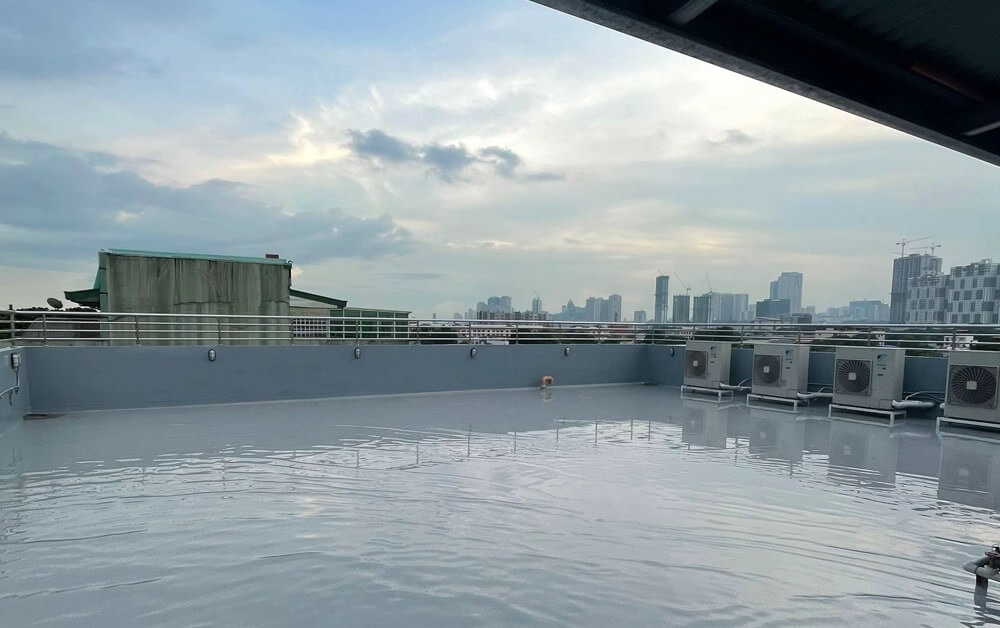
- Ponding water damage
- Reduced elasticity
These issues become more severe in regions with:
- High temperatures
- Strong UV radiation
- Large temperature fluctuations
- Frequent rainfall
So building owners are looking for systems that can keep performing for much longer.
Why Silicone Technology Is Growing Worldwide?
Silicone waterproof coatings offer a unique combination of characteristics that are difficult for many other coating technologies to achieve simultaneously.
These advantages include:
Outstanding UV Resistance
Silicone polymers possess excellent resistance to ultraviolet radiation.
While other coatings break down in sunlight, silicone keeps performing for years.
Superior Weather Resistance
Silicone coatings can withstand:
- High temperatures
- Heavy rain
- Humidity
- Thermal cycling
without substantial degradation.
Excellent Flexibility
Building structures constantly move due to:
- Temperature changes
- Wind loads
- Settlement
- Structural vibration
Flexible waterproof membranes help accommodate building movement while maintaining waterproof integrity.
Long-Term Waterproofing Performance
Properly selected and installed systems provide lasting protection with reduced maintenance.
High-Growth Markets for Silicone Waterproof Coatings
Demand is exploding where roofs face extreme weather.
Examples include:
Middle East
Countries such as:
- UAE
- Saudi Arabia
- Qatar
- Oman
Intense UV and extreme rooftop heat.
United States
Growing interest in:
- Cool roof systems
- Energy-efficient roofing
- Sustainable building solutions
continues driving silicone roof coating adoption.
Australia
High solar exposure creates strong demand for UV-resistant waterproofing technologies.
What Is Silicone Waterproof Coating?
Understanding Silicone Waterproofing Technology
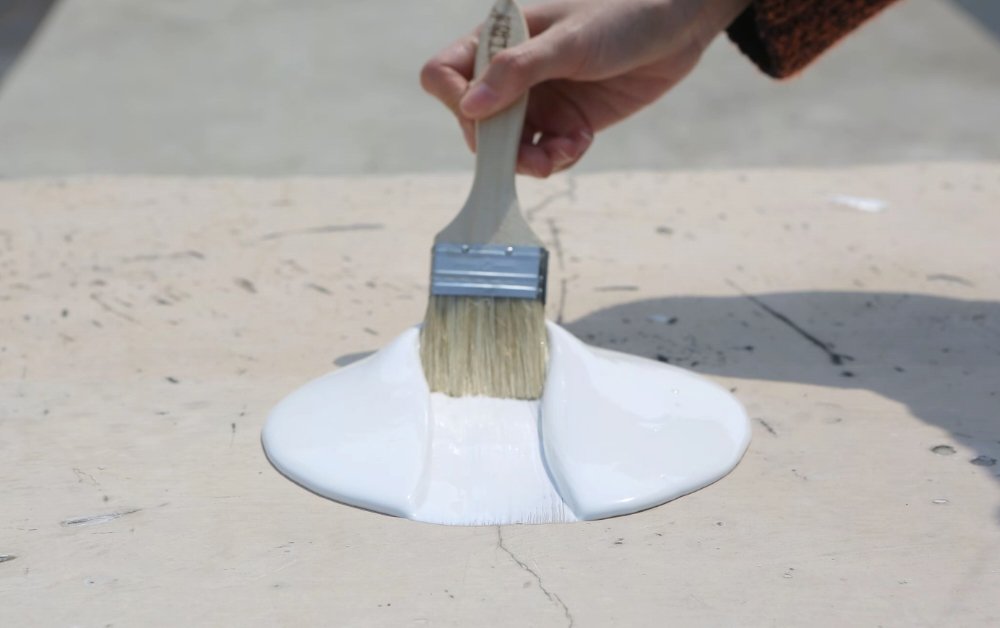
Silicone waterproof coatings are liquid-applied waterproofing materials formulated with silicone-based polymers.
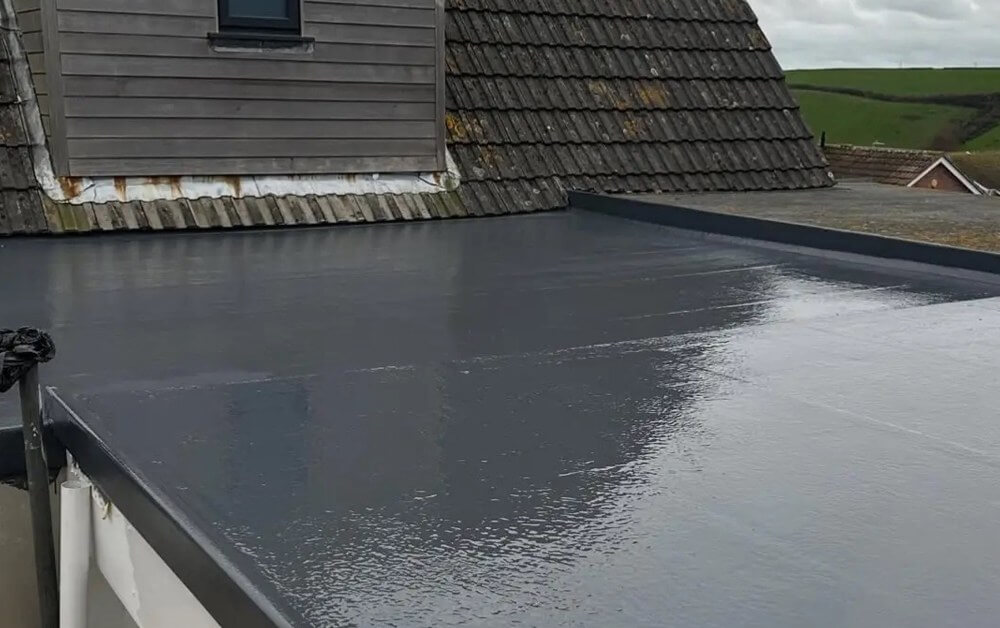
After application and curing, forms a seamless waterproof membrane across the roof surface.
This membrane provides protection against:
- Rainwater infiltration
- UV degradation
- Weathering
- Thermal stress
Unlike sheet membranes, silicone coatings eliminate many potential leakage points associated with overlaps and seams.
How Silicone Waterproof Coatings Work?
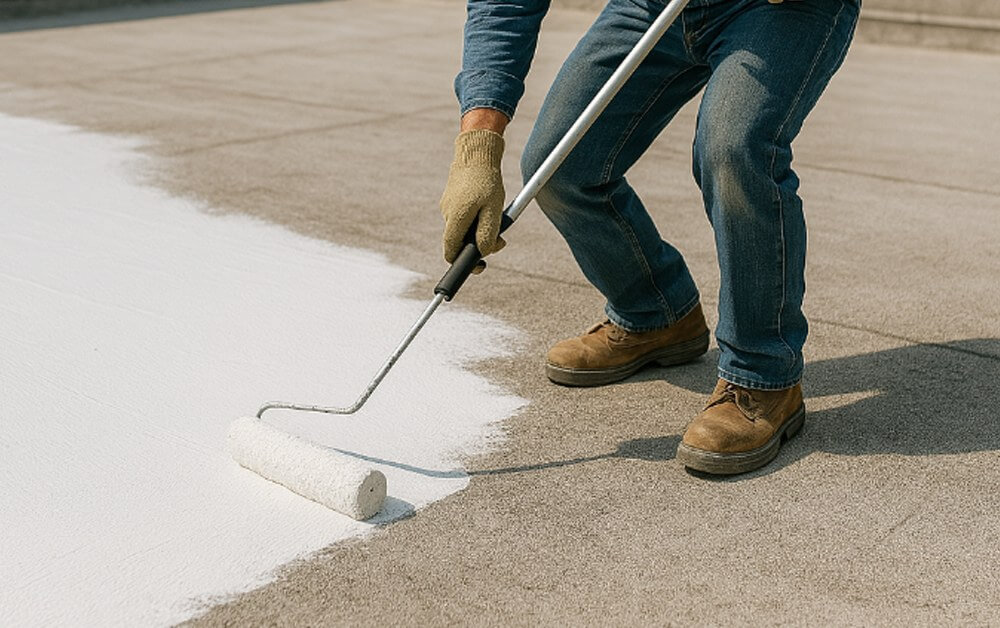
The coating is applied directly to the substrate.
As curing occurs, a continuous elastic membrane develops.
This membrane:
- Blocks water penetration
- Accommodates substrate movement
- Protects roofing materials
The seamless nature of the system makes it particularly attractive for complex roof geometries.
Common Applications
Silicone waterproof coatings are frequently used for:
Commercial Roofs
- Shopping centers
- Office buildings
- Warehouses
Industrial Facilities
- Factories
- Manufacturing plants
- Logistics centers
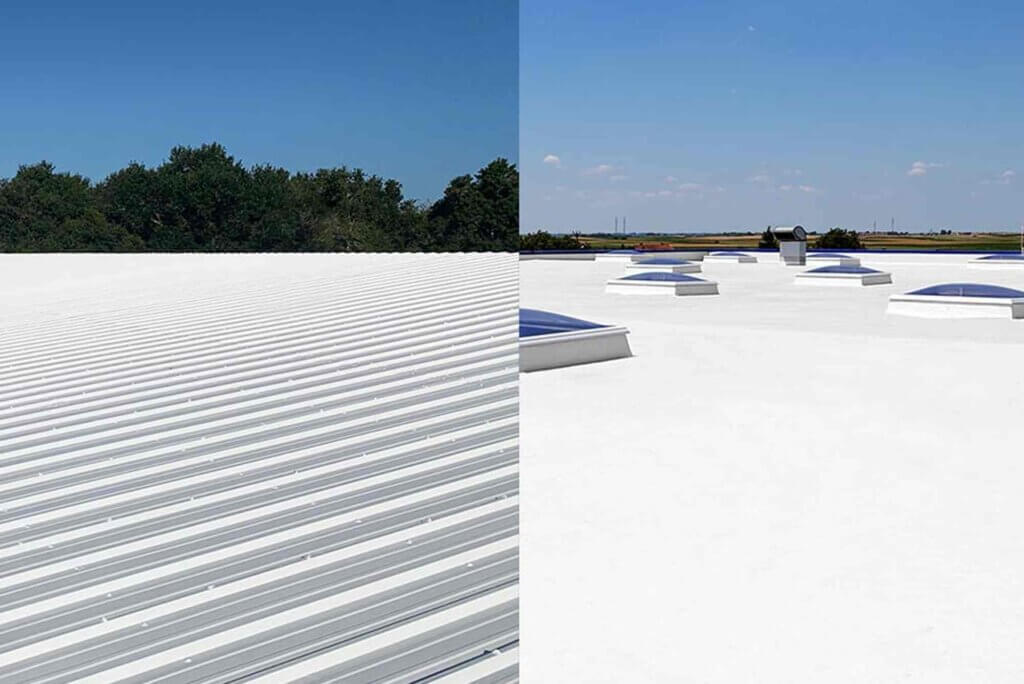
Metal Roof Restoration
A rapidly growing market segment worldwide.
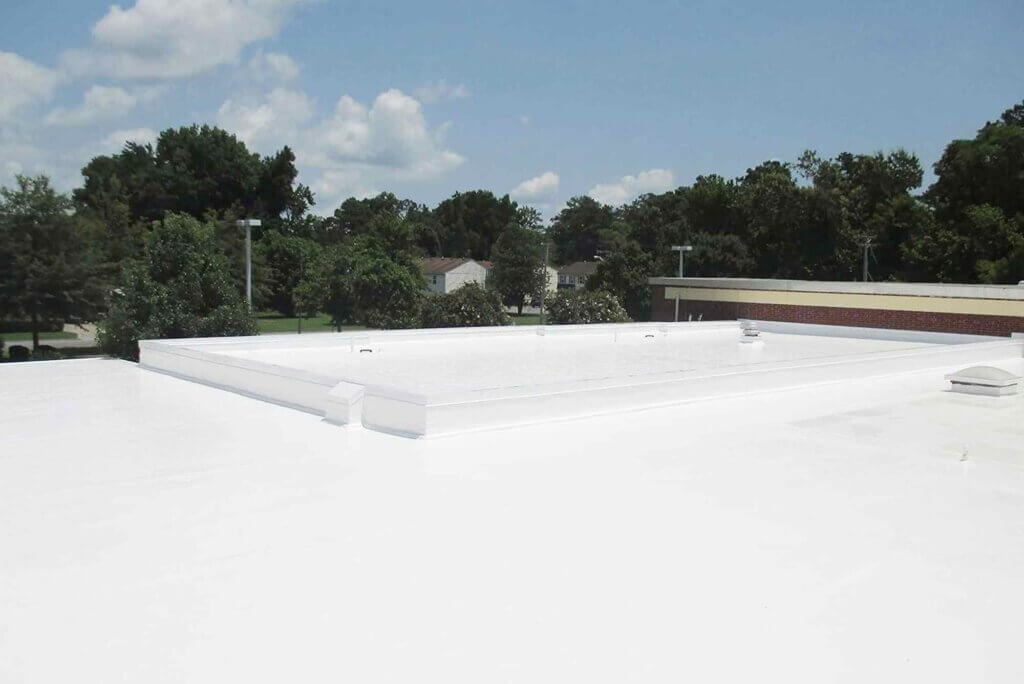
Concrete Roof Waterproofing
Especially in regions with high rainfall or strong UV exposure.
Not All Silicone Waterproof Coatings Are the Same
This is perhaps the most important concept buyers need to understand.
Many procurement decisions are based on the assumption that all silicone roof coatings provide similar performance.
In reality, significant differences exist.
Why Do Silicone Waterproof Coating Prices Vary So Much?
Buyers frequently encounter large price differences between suppliers.
One quotation may appear surprisingly low, while another may be significantly higher.
The primary reason often involves:
Silicone Content
The actual silicone content within the formulation directly influences:
- Material cost
- Weather resistance
- Durability
- Long-term performance
What Is 100% Silicone Waterproof Coating?
True 100% silicone uses silicone resin as the main ingredient.
These products are generally considered premium-grade roof coating systems. Typical advantages include:
Exceptional UV Stability
Long-term resistance to sunlight exposure.
Superior Ponding Water Resistance
One of the strongest advantages of 100% silicone systems.
Long Service Life
Designed for demanding roofing environments.
Excellent Reflectivity
Suitable for energy-saving roofing systems.
What Is Silicone Modified Waterproof Coating?
Many products marketed as silicone coatings actually contain only partial silicone content.
These systems may include:
- Acrylic Silicone
- Silicone Modified Acrylic
- Hybrid Roof Coatings
- Silicone-Enhanced Coatings
They can still be good. But they usually don’t last as long as 100% silicone in harsh weather.
Why Manufacturers Produce Silicone Modified Systems?
The answer is straightforward:
Cost Optimization
Silicone resin is considerably more expensive than many conventional coating raw materials.
By blending silicone with other technologies, manufacturers can:
- Reduce cost
- Expand market reach
- Serve budget-sensitive projects
This creates a wider range of options for buyers.
100% Silicone Roof Coating vs Silicone Modified Roof Coating
Composition Comparison
100% Silicone
- High silicone resin content.
- Premium waterproofing performance.
Silicone Modified
- Combination of silicone and other resin technologies.
- More economical solution.
UV Resistance Comparison
One of the most significant differences.
100% silicone systems typically demonstrate superior long-term UV resistance.
That’s critical in places like:
- UAE
- Saudi Arabia
- Australia
- Southern USA
where UV exposure is intense.
Ponding Water Resistance Comparison
Ponding water is one of the toughest conditions for roofs. Many coatings break down when water sits on them. 100% silicone coatings are known for strong ponding water resistance — which makes them great for low-slope commercial roofs.
Service Life Comparison
While actual lifespan depends on installation quality and environmental conditions, the general trend is clear.
Silicone Modified Systems
Typically selected for:
- Budget-conscious projects
- Moderate service-life expectations
100% Silicone Systems
Frequently selected when:
- Long-term ownership is planned
- Maintenance reduction is important
- Harsh environmental conditions exist
Cost Versus Lifecycle Value
A common mistake is evaluating products only by purchase price.
Professional buyers increasingly focus on:
Lifecycle Cost
rather than
Initial Cost
A premium product may require a higher initial investment while delivering lower long-term maintenance expenses.
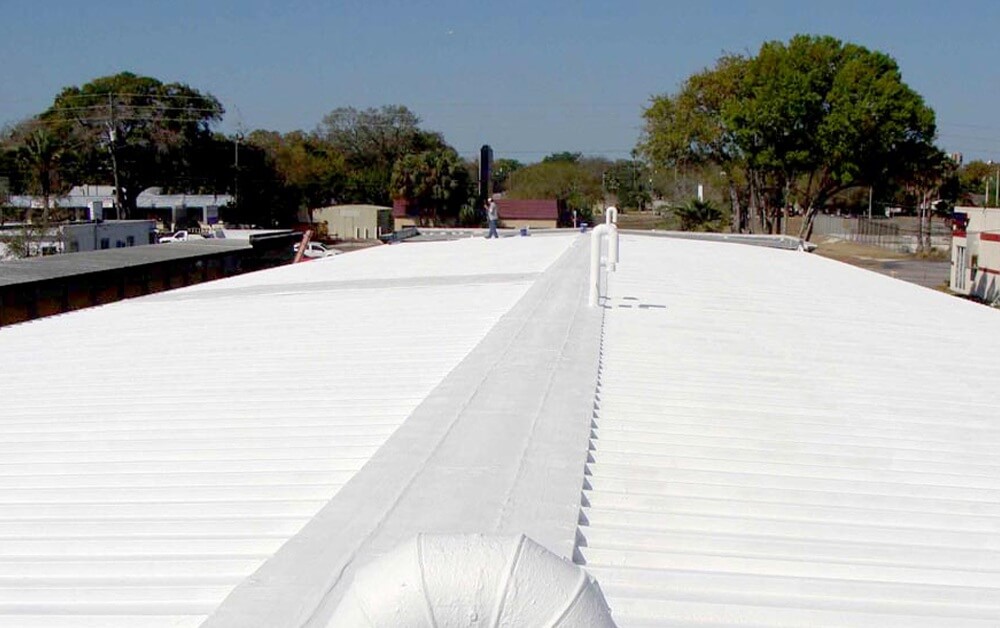
How to Evaluate Silicone Waterproof Coating Quality Like a Professional Buyer?
Determining whether a product genuinely delivers the performance claimed by marketing materials. Requires understanding key performance indicators.
Silicone Content
The first question every buyer should ask is:
“What is the actual silicone content?”
This factor often explains both price differences and performance differences.
Products with higher silicone content generally offer stronger weather resistance and longer service life.
Solid Content
High solid content contributes to:
- Better film build
- Reduced shrinkage
- Improved waterproofing efficiency
Professional-grade silicone waterproof coatings often feature high solid content formulations.
In premium systems, solid content may exceed 90%.
Tensile Strength
This tells you how well the coating resists stress. For roofing applications, strong tensile performance means better durability and crack resistance.
Premium silicone coatings can hit tensile strengths above 1.8 MPa.
Elongation at Break
Flexibility remains essential for waterproofing success.
High-quality silicone coatings can often achieve elongation values above 280%.
This helps the membrane accommodate:
- Thermal movement
- Minor substrate cracking
- Building settlement
while maintaining waterproof performance.
Solar Reflectivity
Reflective roofing systems continue gaining popularity.
High solar reflectivity can help:
- Reduce roof temperatures
- Improve energy efficiency
- Enhance building sustainability
This is particularly valuable in hot climates.
VOC Compliance and Environmental Performance
Sustainability standards are getting tougher worldwide. Environmental compliance isn’t optional anymore.
Architects, consultants, and owners aren’t just asking about waterproofing performance – they want to know about environmental impact too.
This trend is especially evident in:
- LEED-certified buildings
- Green commercial developments
- Government infrastructure projects
- Sustainable industrial facilities
Why VOC Levels Matter?
VOC stands for Volatile Organic Compounds.
High VOC coatings can contribute to:
- Indoor air pollution
- Environmental concerns
- Regulatory compliance issues
Many premium silicone waterproof coatings are formulated with low VOC content.
For example, coatings under 50 g/L are considered much greener than traditional solvent-heavy systems.
Benefits of Low-VOC Silicone Waterproof Coatings
Improved Environmental Compliance
Suitable for projects with sustainability requirements.
Better Worker Safety
Reduced solvent exposure during application.
Market Acceptance
Increasingly preferred in developed construction markets.
For distributors and contractors, offering environmentally compliant products can also create a competitive advantage.
Crack Bridging Performance and Why It Matters?
A waterproof membrane that cannot accommodate substrate movement may eventually fail even if the coating itself remains intact.
What Causes Roof Cracks?
Common causes include:
- Thermal expansion
- Concrete shrinkage
- Structural movement
- Settlement
- Vibration
These conditions are common in both commercial and industrial buildings.
How Silicone Waterproof Coatings Handle Cracks?
High-performance silicone membranes combine:
- Elasticity
- Tensile strength
- Adhesion
to accommodate substrate movement.
Premium systems may bridge cracks up to several millimeters in width while maintaining waterproof integrity.
This capability becomes particularly important in aging roof structures and roof restoration projects.
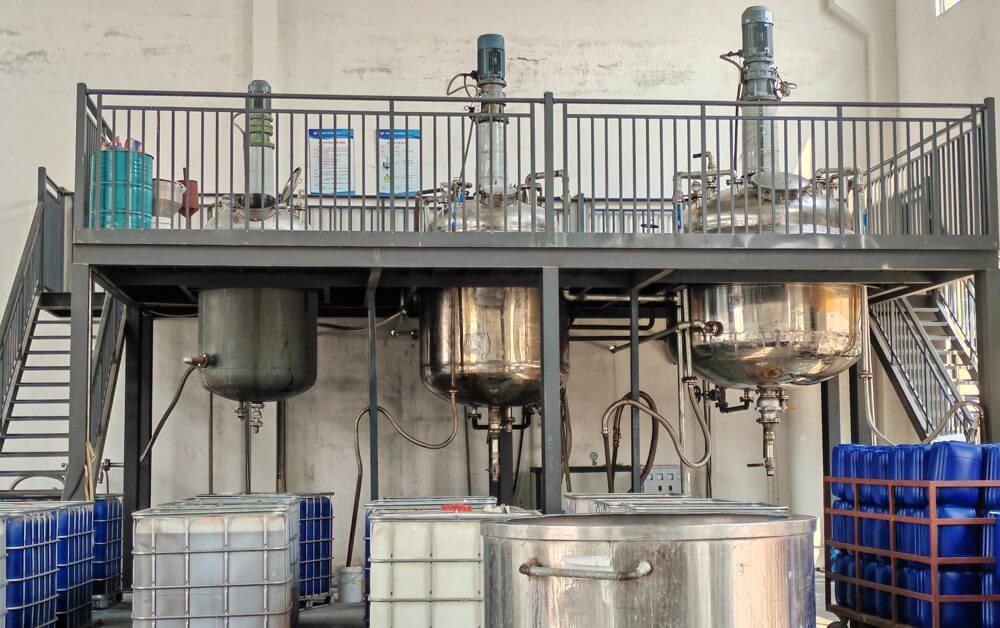
When Is 100% Silicone Waterproof Coating Worth the Investment?
This is one of the most common questions procurement teams ask. After all, 100% silicone systems often cost significantly more than silicone-modified alternatives. The answer depends on project objectives.
Commercial Roofs with Long-Term Ownership
If you plan to hold a property for many years, minimizing maintenance costs becomes a top priority. Premium waterproofing usually gives you better long-term value.
Recommended:
- 100% Silicone Waterproof Coating
because long-term maintenance savings may outweigh the higher initial investment.
Metal Roof Restoration Projects
Metal roofs frequently experience:
- UV exposure
- Thermal cycling
- Fastener movement
- Weather-related deterioration
100% silicone systems are often selected because of their superior weather resistance and flexibility.
Middle East Roofing Projects
Few places are tougher on roofs than the Gulf.
Roof temperatures can exceed:
- 60°C to 80°C
during peak summer periods.
Combined with intense UV exposure, these conditions create severe stress for waterproofing materials.
In such environments:
- 100% Silicone Roof Coating
is often the preferred solution.
Industrial Facilities
Factories and warehouses often require a balance between:
- Performance
- Budget
- Maintenance expectations
Both silicone-modified and 100% silicone systems may be suitable depending on project requirements.
Budget-Sensitive Projects
Not every project requires premium-grade waterproofing.
For projects with:
- Limited budgets
- Moderate service-life expectations
- Less aggressive environmental exposure
Silicone-modified systems may provide a practical solution.
The key is matching the product to the project.
How to Choose a Reliable Silicone Waterproof Coating Manufacturer?
Selecting the right manufacturer is often more important than selecting a specific product.
Even the best formulation can create problems if manufacturing quality is inconsistent.
Evaluate Research and Development Capabilities
A manufacturer’s R&D capabilities often determine its ability to:
- Improve formulations
- Solve project-specific challenges
- Develop customized products
Manufacturers investing in product development are generally better positioned to support long-term customer success.
Assess Production Capacity
Large projects require reliable supply chains.
Important questions include:
- Can the manufacturer support large orders?
- Can production remain consistent?
- Is long-term cooperation possible?
Stable production capacity is particularly important for distributors and contractors.
Review Certifications and Quality Systems
Professional buyers often request:
- ISO certifications
- Quality control procedures
- Product testing reports
These documents provide additional confidence in manufacturing consistency.
Examine International Project Experience
Experience matters.
Manufacturers serving multiple international markets typically possess a deeper understanding of:
- Climate requirements
- Regulatory expectations
- Performance demands
This often translates into better technical support.
Technical Support Capabilities
The most valuable suppliers do more than deliver materials.
They also provide:
- Product recommendations
- Application guidance
- Technical documentation
- Project consultation
Strong technical support can significantly reduce project risk.
OEM and Private Label Silicone Waterproof Coating Solutions
The global waterproofing market continues shifting toward brand ownership.
Many distributors now prefer private-label products rather than selling generic materials.
Why OEM Services Are Growing?
OEM manufacturing allows distributors to:
- Build brand recognition
- Increase profit margins
- Differentiate from competitors
without investing in production facilities.
What Can Be Customized?
Professional silicone waterproof coating manufacturers may offer:
Packaging Customization
Different container sizes and packaging formats.
Label Design
Private branding options.
Formula Adjustment
Adaptation for different climates and applications.
Silicone Content Customization
Particularly important for distributors targeting specific market segments.
Regional Formula Optimization
Different markets often require different performance characteristics.
Examples include:
Middle East
- Enhanced heat resistance.
Southeast Asia
- Improved humidity tolerance.
Europe
- Environmental compliance requirements.
Customization can help optimize performance for local conditions.
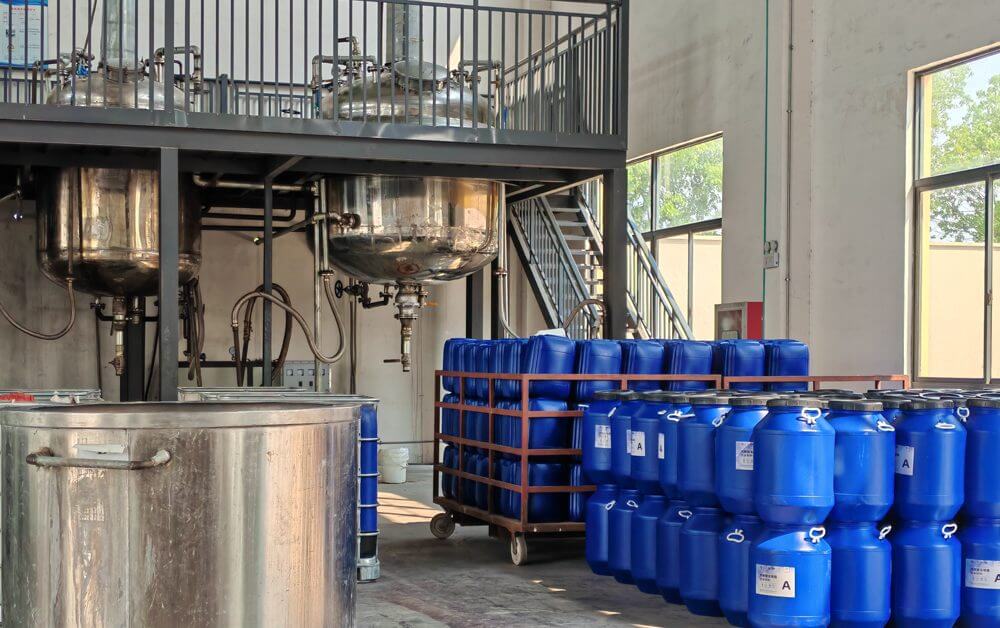
Why Global Contractors Choose YURU Silicone Waterproof Coatings?
In today’s market, contractors are looking for more than products.
They are looking for reliable partners.
Standard Silicone Waterproof Coating Solutions
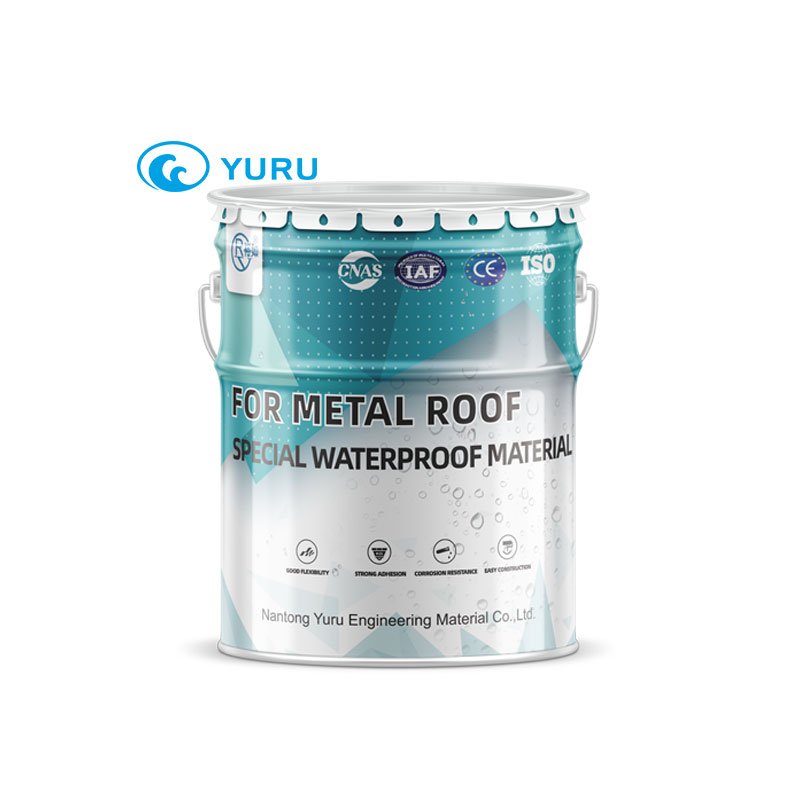
YURU Waterproof offers silicone waterproof coating systems designed for projects requiring a balance between performance and budget.
These systems are suitable for:
- Roof waterproofing
- Commercial buildings
- Industrial facilities
- General waterproofing projects
Premium 100% Silicone Waterproof Coating Solutions
For projects demanding maximum durability, YURU also provides premium silicone systems designed for:
- Long-term UV resistance
- Superior ponding water resistance
- High-temperature environments
- Commercial roof restoration
OEM and Private Label Manufacturing
YURU supports:
- OEM production
- Private label programs
- Packaging customization
- Branding services
- Formula customization
This flexibility helps distributors build stronger market positions.
Technical Support Beyond Product Supply
YURU works closely with:
- Contractors
- Distributors
- Project owners
- Engineering companies
to provide technical recommendations and waterproofing solutions tailored to project requirements.
FAQs:
1. What is the difference between 100% silicone roof coating and silicone-modified roof coating?
100% silicone coating has much more silicone resin. It gives you better UV resistance, ponding water resistance, and longer life.
2. Is 100% silicone roof coating worth the higher price?
For projects that need long life and less maintenance, yes. The higher upfront cost may be justified by lower long-term expenses.
3. How long does silicone waterproof coating last?
Varies by climate, installation, maintenance. Premium silicone is chosen for long-term performance.
4. Does YURU offer OEM silicone waterproof coating services?
Yes. YURU Waterproof provides OEM, private-label, packaging customization, and formula customization services.
5. How do I choose the right silicone waterproof coating manufacturer?
Evaluate factors including:
- Product quality
- ilicone content
- Manufacturing capability
- Technical support
- Project experience
- OEM capabilities
rather than focusing solely on price.
Conclusion:
Choosing the right Silicone Waterproof Coating Manufacturer involves far more than comparing quotations.
You need to know the difference between 100% silicone and silicone-modified. You need to check the real performance indicators. And you need to pick based on your project — not on marketing hype.
For tough roofs — intense UV, standing water, extreme heat, 100% silicone waterproof coating is usually worth the extra cost. Silicone-modified waterproof coating is still a good choice when budget is the main concern.
Good waterproofing comes down to the right product, the right system, and the right partner.
Looking for a reliable Silicone Waterproof Coating Manufacturer?
YURU Waterproof offers:
- Standard Silicone Waterproof Coatings
- Premium 100% Silicone Roof Coatings
- OEM & Private Label Services
- Technical Support
- Customized Waterproofing Solutions
Contact YURU today to request product catalogs, technical data sheets, samples, and project-specific recommendations.
YURU Product solutions