Best Polyurea Injection Grout for Waterproof Crack Repair
Introduction:
Water leaking through cracks is everywhere in construction. Basement walls, tunnels, subways, water tanks, bridges — uncontrolled water infiltration weakens structures, costs money, and shortens life.
For years, contractors used polyurethane foam grouts and epoxy injection. While both technologies remain valuable. But now engineers want more durable, flexible materials that can handle water exposure and structural movement over the long term.
This demand has led to growing interest in Polyurea Injection Grout.
Compared with traditional polyurethane foaming grouts, polyurea-based injection materials often provide better flexibility, stronger hydrolysis resistance, longer-lasting waterproofing, and better durability in underground conditions.
Not every crack needs the same solution. You need to know when to use polyurea grout, how it’s different from polyurethane and epoxy, and how to pick the right product.
This guide explains differences between systems, and about selecting the best polyurea injection grout for waterproof crack repair.
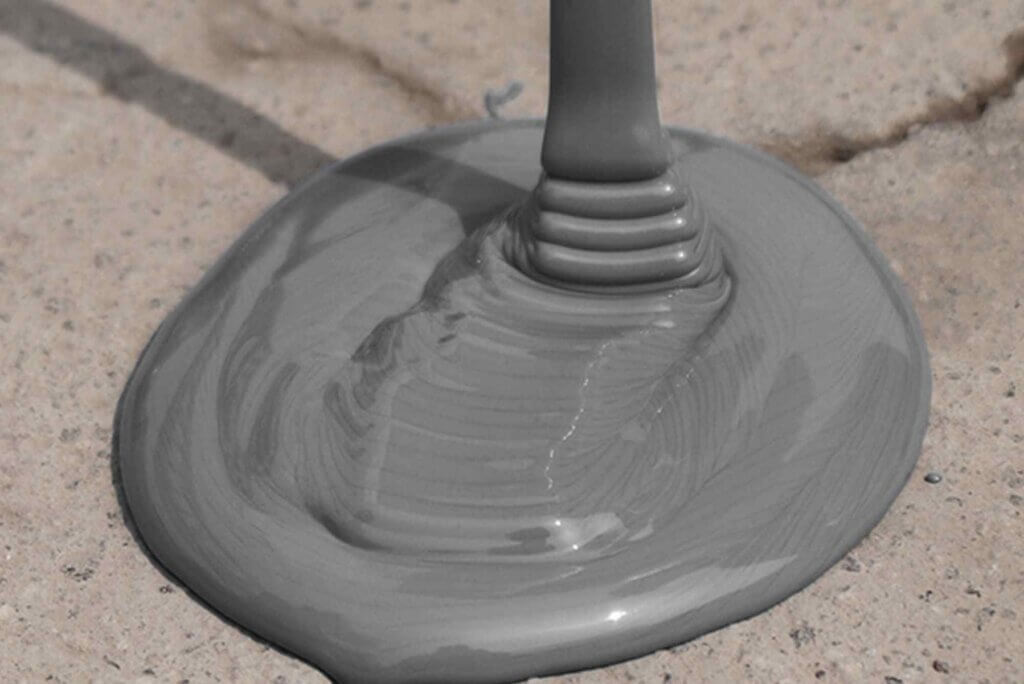
Why Waterproof Crack Repair Has Become a Major Challenge in Modern Construction?
Concrete Cracks Are Inevitable
Despite its strength, concrete naturally develops cracks due to:
- Shrinkage
- Thermal movement
- Structural loading
- Settlement
- Vibration
- Environmental stress
— cracks happen. Not every crack leaks, but continuous water pathways create serious problems.
Why Surface Waterproofing Alone Often Fails?
A lot of people think you can just coat the surface and stop the leak. Not really. Many leaking structures already have coatings and membranes. The problem is:
- Water travels inside the crack — not just on the surface
- Surface coatings may temporarily hide leaks but water pathways remain active
- Hydrostatic pressure continues forcing water through
Result: Many repair attempts fail quickly.
Why Injection Grouting Became the Preferred Solution?
Injection grouting addresses the root cause of leakage.
Instead of covering the crack externally, the material is injected directly into the crack network.
This allows the grout to:
- Fill voids
- Seal water pathways
- Create an internal waterproof barrier
- Restore waterproof integrity
For this reason, injection grouting has become one of the most effective waterproof crack repair methods available.
What Is Polyurea Injection Grout?
Definition:
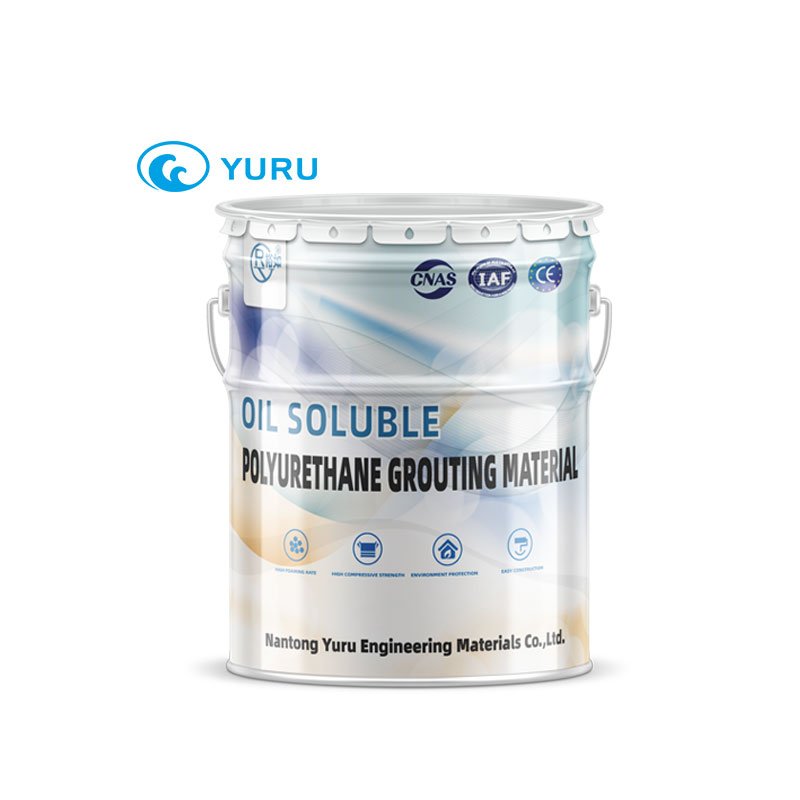
Polyurea Injection Grout is a waterproof crack repair material injected into leaking cracks, joints, voids, and concrete defects. After injection, it reacts and cures into a flexible waterproof sealing body capable of resisting water infiltration while accommodating future crack movement.
Unlike rigid repair materials, polyurea grouts maintain flexibility after curing — a primary reason for their increased use in long-term waterproofing projects.
How Polyurea Injection Grout Works:
The repair process typically follows several steps:
Step 1
Identify the leakage path.
Step 2
Install injection ports.
Step 3
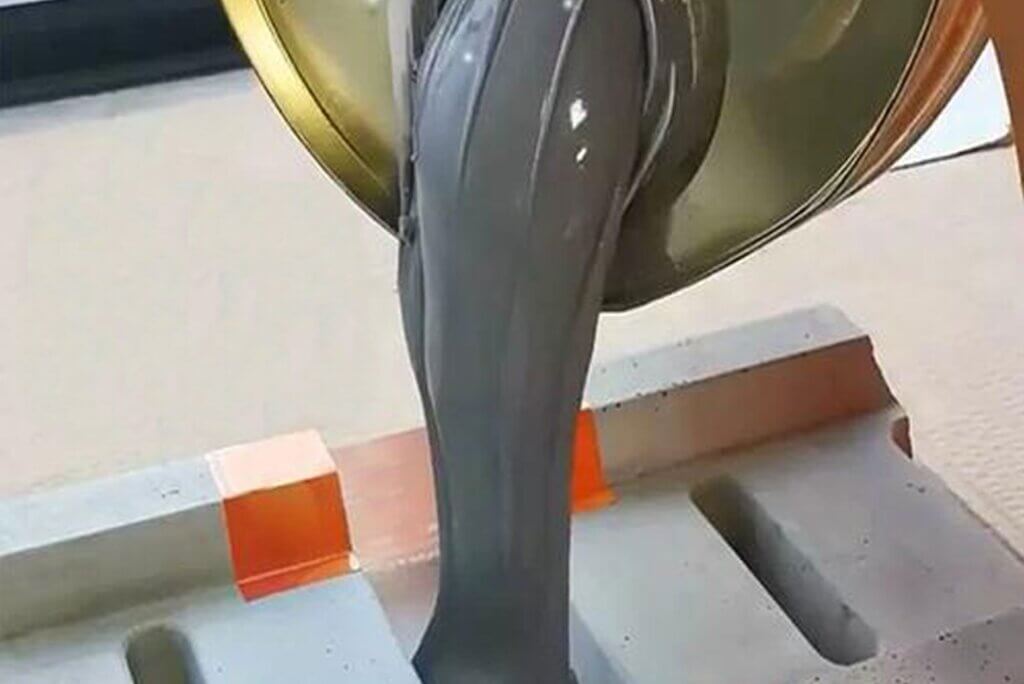
Inject the grout under controlled pressure.
Step 4
Allow the material to penetrate the crack network.
Step 5
Cure and form a waterproof elastic barrier.
Once cured, the material blocks water migration while maintaining flexibility.
Why Polyurea Technology Is Gaining Attention?
Infrastructure owners increasingly require repair solutions that provide:
- Long service life
- Reduced maintenance
- High durability
- Resistance to groundwater exposure
Polyurea chemistry helps address these requirements more effectively than many traditional repair materials.
Why Polyurea Injection Grout Is Different from Traditional PU Injection Grout?
Many contractors know polyurethane injection. The two technologies look similar, but they’re not the same.
Understanding Traditional PU Injection Grout
Traditional PU grouts are commonly used for:
- Active water leakage
- Emergency leak stopping
- Void filling
Many formulations react with water to create expanding foam structures.
These systems can stop water quickly and remain extremely popular in the waterproofing industry.
The Strength of PU Foaming Technology
Polyurethane foam grouts provide some advantages:
Rapid Water Stoppage
Ideal for active leaks.
Excellent Penetration
Low viscosity enables deep crack penetration.
Fast Reaction
Effective for emergency repairs.
PU grouts remain one of the most commonly used waterproof injection materials worldwide.
Where Polyurea Injection Grout Offers Advantages
Polyurea systems are often selected when long-term durability becomes the primary objective.
Compared with many traditional foaming grouts, polyurea materials may offer:
Better Elastic Recovery
Allows the repair material to adapt to crack movement.
Stronger Hydrolysis Resistance
Particularly important in wet underground environments.
Improved Long-Term Stability
Helps maintain waterproof performance over extended periods.
Enhanced Durability
Suitable for demanding infrastructure applications.
Why Crack Movement Matters?
Many leaking cracks are not static.
They continue to move because of:
- Temperature changes
- Traffic loads
- Structural settlement
- Vibration
Rigid repair materials often struggle in these conditions.
Flexible polyurea materials are designed to accommodate movement while maintaining waterproof integrity.
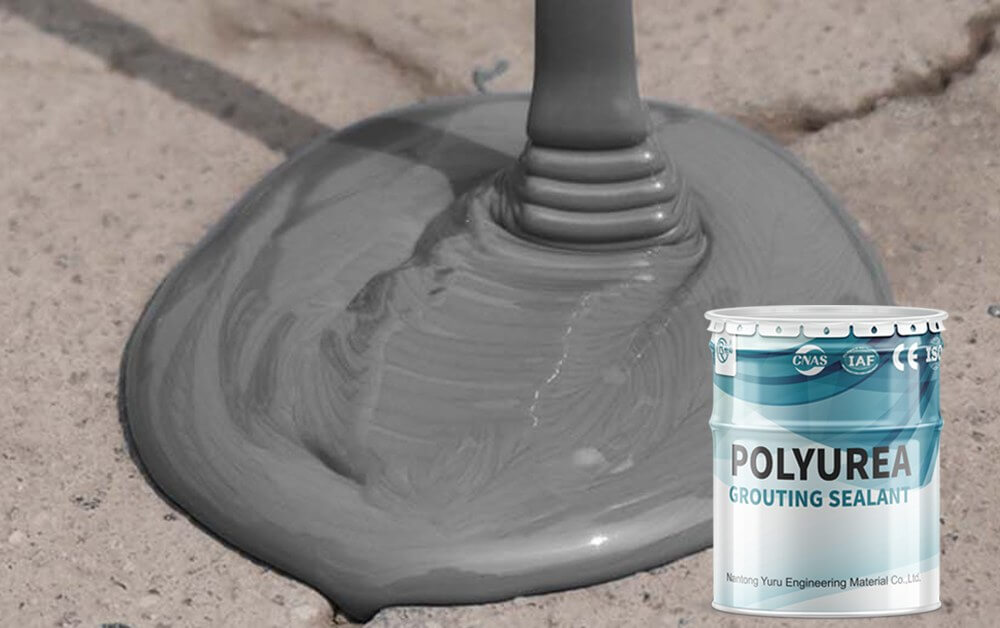
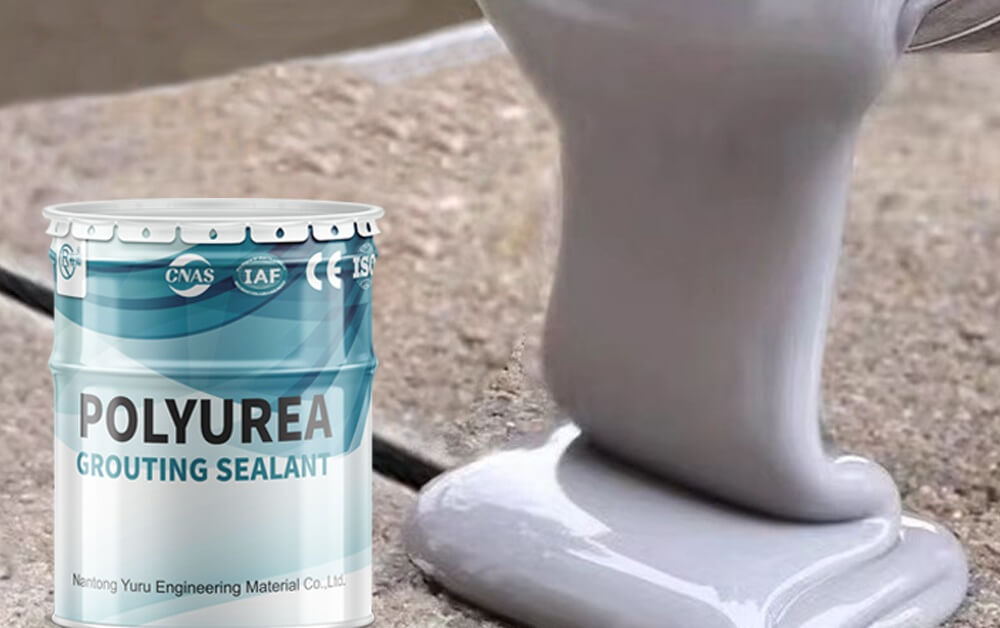
Polyurea Injection Grout vs Epoxy Injection Resin
Another common question is: Which one should I choose? Polyurea Injection Grout or Epoxy Injection Resin?
Answer depends entirely on project objectives.
Different Purposes
Although both systems are injected into cracks, they are designed for different goals.
Polyurea Injection Grout
Primary purpose:
- Waterproof sealing.
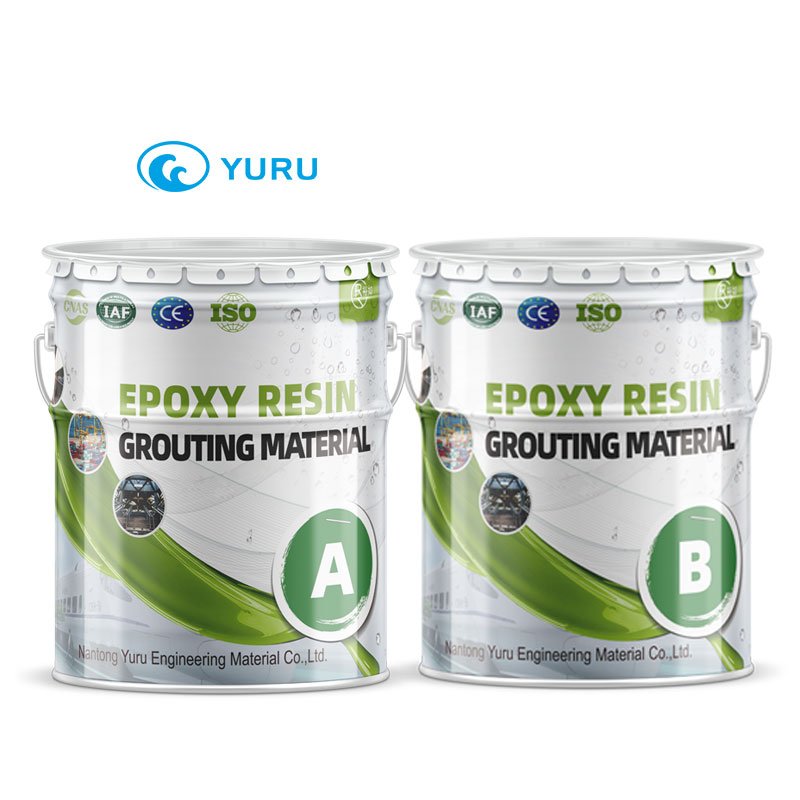
Epoxy Injection Resin
Primary purpose:
- Structural strengthening.
This distinction is extremely important.
When Polyurea Is the Better Choice?
Polyurea is generally preferred when:
- Water leakage is present.
- Crack movement is expected.
- Long-term flexibility is required.
- Waterproofing performance is the priority.
Examples include:
- Tunnels
- Basements
- Water tanks
- Underground structures
When Epoxy Injection Is the Better Choice?
Epoxy systems are often selected when:
- Structural restoration is required.
- Cracks are dormant.
- Load transfer must be restored.
Common examples include:
- Structural beams
- Concrete columns
- Load-bearing elements
Can Polyurea Replace Epoxy?
Not completely.
Polyurea and epoxy solve different problems.
In some projects, both grouting materials may be used together.
For example:
- Epoxy restores structural integrity.
- Polyurea provides waterproof sealing.
The combination can deliver comprehensive repair performance.
Key Performance Indicators of High-Quality Polyurea Injection Grout
| Indicator | Why It Matters |
| Viscosity | Affects penetration – low viscosity enters hairline cracks, micro-fractures, fine leakage paths. |
| Elasticity | Accommodates crack movement – maintains waterproof performance even when structures move after repair. |
| Adhesion | Keeps grout bonded to concrete, masonry, stone, structural substrates long-term. |
| Waterproofing | Primary purpose – resists water migration and groundwater pressure. |
| Hydrolysis resistance | Critical for underground structures – poor resistance leads to gradual deterioration. Polyurea chosen for superior long-term moisture resistance. |
| Durability under dynamic conditions | Withstands vibration, thermal cycling, repeated loading without losing effectiveness. |
How Polyurea Injection Grout Handles Active Water Leaks?
Contractors worry about this: can polyurea handle active water infiltration? It depends on how bad the leak is and how you design the system.
For moderate to severe leakage conditions, polyurea grouts can be highly effective when properly selected and installed.
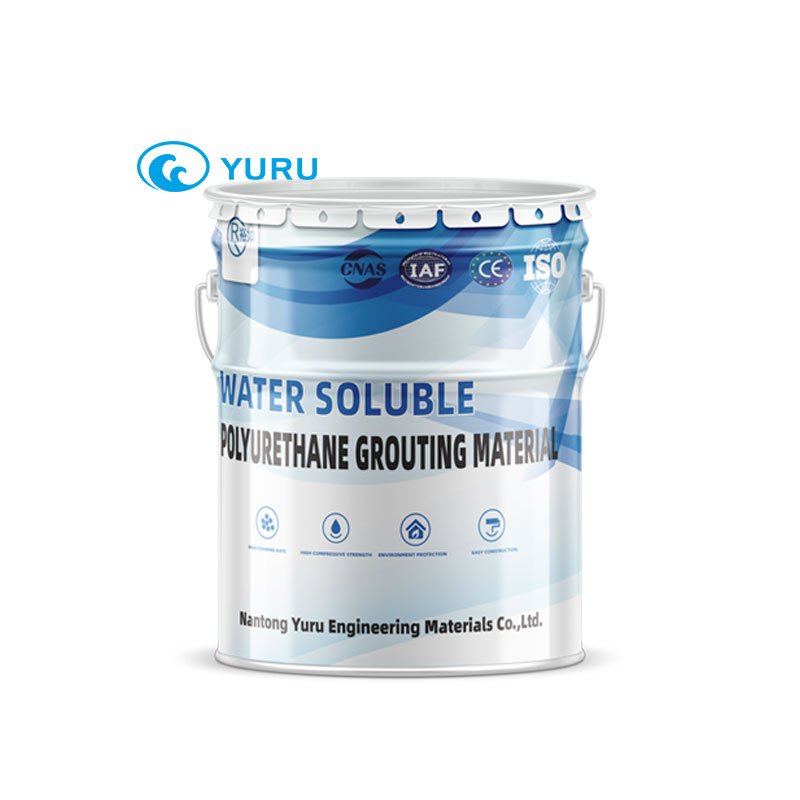
However, in situations involving extremely aggressive active water flow, many contractors may initially use water-reactive polyurethane grouts to rapidly stop water and then follow with polyurea systems for long-term sealing.
This two-step method is getting more popular in infrastructure repair because it gives you immediate results and long-lasting durability.
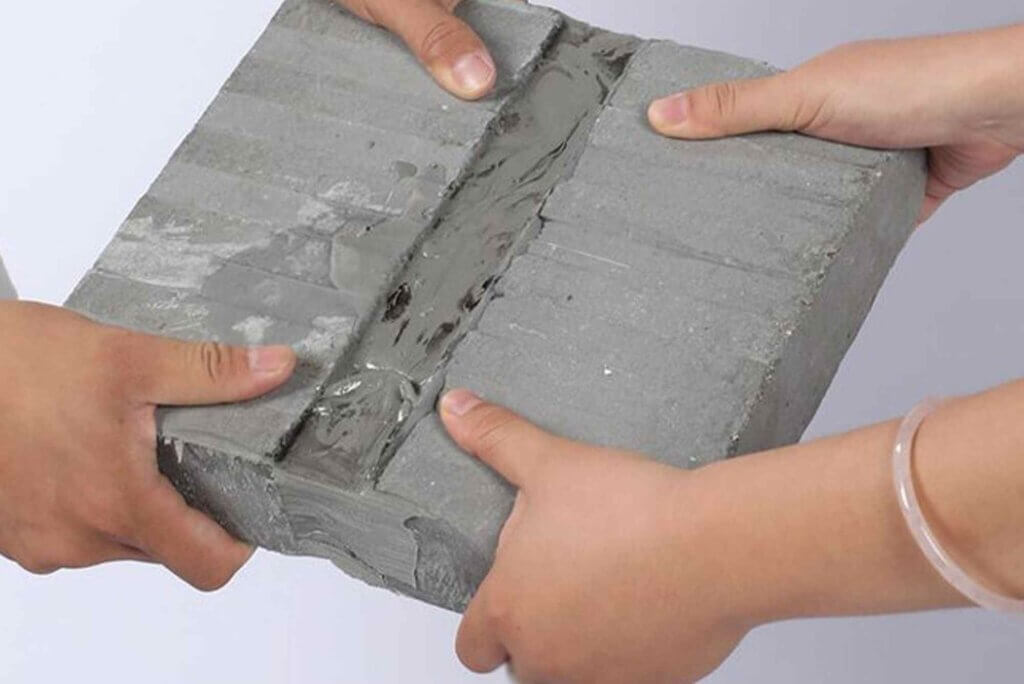
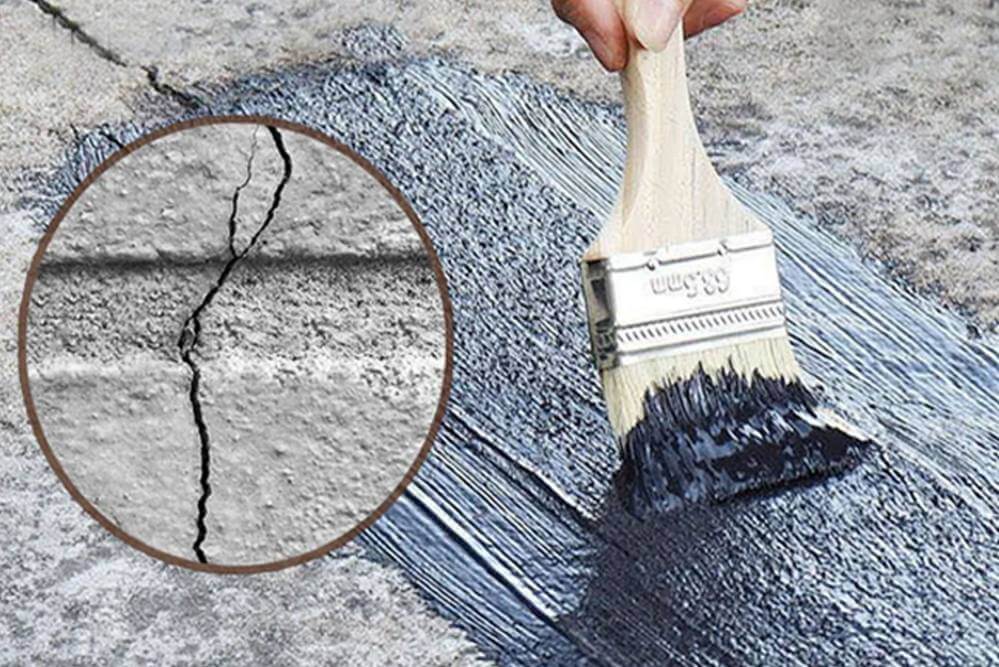
Best Applications for Polyurea Injection Grout
Polyurea injection grout is versatile. Unlike some materials limited to specific environments, polyurea works across many underground and water-related structures. The key is combining waterproofing with long-term flexibility.
Basement Crack Repair
Basements remain one of the most common sources of waterproofing complaints.
Water leakage frequently occurs through:
- Wall cracks
- Floor slab joints
- Construction joints
- Cold joints
- Pipe penetrations
Many basement structures experience ongoing movement caused by:
- Soil pressure
- Temperature fluctuations
- Settlement
In these situations, flexible repair materials often outperform rigid systems.
Polyurea injection grout helps create a flexible waterproof barrier capable of adapting to future crack movement.
Tunnel Waterproofing Repair
Tunnel leakage presents unique challenges.
Unlike building structures, tunnels are continuously exposed to:
- Groundwater pressure
- Structural vibration
- Environmental changes
Water infiltration can affect:
- Structural durability
- Electrical systems
- Operational safety
For this reason, tunnel operators increasingly seek repair materials capable of providing long-term waterproof protection.
Polyurea injection systems are frequently selected because of their flexibility and moisture resistance.
Metro Tunnel Leakage Repair
Modern subway systems represent some of the most demanding waterproofing environments.
Common leakage locations include:
Segment Joints
Water enters through gasket failures or joint movement.
Concrete Cracks
Movement and vibration can gradually enlarge cracks.
Construction Joints
Potential pathways for groundwater migration.
Because metro systems experience constant vibration from train operations, repair materials must tolerate repeated movement.
Polyurea injection grout is often considered an effective option because it maintains elasticity after curing.
Water Tank Crack Sealing
Water-retaining structures require reliable waterproof repairs.
Examples include:
- Drinking water tanks
- Fire water reservoirs
- Industrial water tanks
- Wastewater treatment facilities
Unlike many building structures, water tanks may remain in continuous contact with water.
This makes long-term moisture resistance particularly important.
Polyurea grout systems are often selected because of their strong resistance to long-term water exposure.
Bridge Expansion Joint Leakage Repair
Bridges experience constant movement caused by:
- Traffic loading
- Wind forces
- Thermal expansion
- Structural vibration
These conditions create challenges for rigid repair materials.
Flexible injection grouts capable of accommodating movement often provide superior long-term waterproofing performance.
Polyurea systems are increasingly specified in bridge waterproofing rehabilitation projects.
Underground Utility Structures
Many cities are investing heavily in underground infrastructure.
Examples include:
- Utility tunnels
- Cable corridors
- Underground pipe galleries
- Transportation infrastructure
Water leakage can disrupt operations and increase maintenance costs.
Injection grouting remains one of the most efficient repair methods available.
How to Choose the Best Polyurea Injection Grout for Your Project?
Selecting the right grout involves more than comparing product prices.
Successful waterproof crack repair begins with proper diagnosis.
Step 1 – Identify the Crack Type
Not all cracks behave the same way.
Generally, cracks can be categorized as:
Active Cracks
Continue to move over time.
Dormant Cracks
Remain relatively stable.
Active cracks typically require flexible repair systems.
This is one of the reasons polyurea grouts are frequently recommended.
Step 2 – Evaluate Water Pressure
Water pressure significantly affects repair design.
Questions to consider include:
- Is water dripping?
- Is water flowing?
- Is hydrostatic pressure present?
The higher the water pressure, the more important material selection becomes.
Step 3 – Consider Long-Term Service Life
Some repairs are intended as temporary solutions.
Others are expected to last decades.
For long-term waterproofing projects, durability should receive greater attention than initial material cost.
Step 4 – Analyze Environmental Conditions
Environmental exposure influences material performance.
Examples include:
Groundwater
May contain dissolved minerals.
Seawater
Contains salts that can accelerate degradation.
Industrial Water
May contain aggressive chemicals.
Selecting a material capable of tolerating site conditions is essential.
Step 5 – Evaluate Technical Support
A high-quality product alone cannot guarantee success.
Project outcomes often depend on:
- Diagnosis
- Material selection
- Injection procedures
- Quality control
Working with suppliers that provide technical guidance can significantly improve repair effectiveness.
Common Mistakes in Waterproof Crack Injection Projects
Many injection failures are caused by application mistakes rather than product quality.
Understanding common errors can help avoid unnecessary repairs.
Using Epoxy for Active Water Leaks
Epoxy performs well in structural repair applications.
However, it is generally not designed to accommodate ongoing crack movement or active water infiltration.
Using epoxy in highly dynamic waterproofing situations often leads to disappointing results.
Choosing High-Expansion Foam for Permanent Repairs
Water-reactive foaming grouts can stop leaks rapidly.
However, some highly expanded foam systems may not provide the long-term durability required for permanent repairs.
Contractors should distinguish between:
Emergency Leak Stoppage
and
Long-Term Waterproof Repair
These objectives often require different materials.
Ignoring Crack Movement
One of the most common mistakes.
If movement is expected, flexible systems should generally be prioritized.
Failure to account for movement often results in recurring leakage.
Ignoring Water Pressure Conditions
The same material may perform differently under different pressure conditions.
Proper evaluation of groundwater pressure is critical.
Selecting Materials Solely on Price
The lowest-cost product may not provide the lowest lifecycle cost.
Repeated repairs often become more expensive than selecting the right material from the beginning.
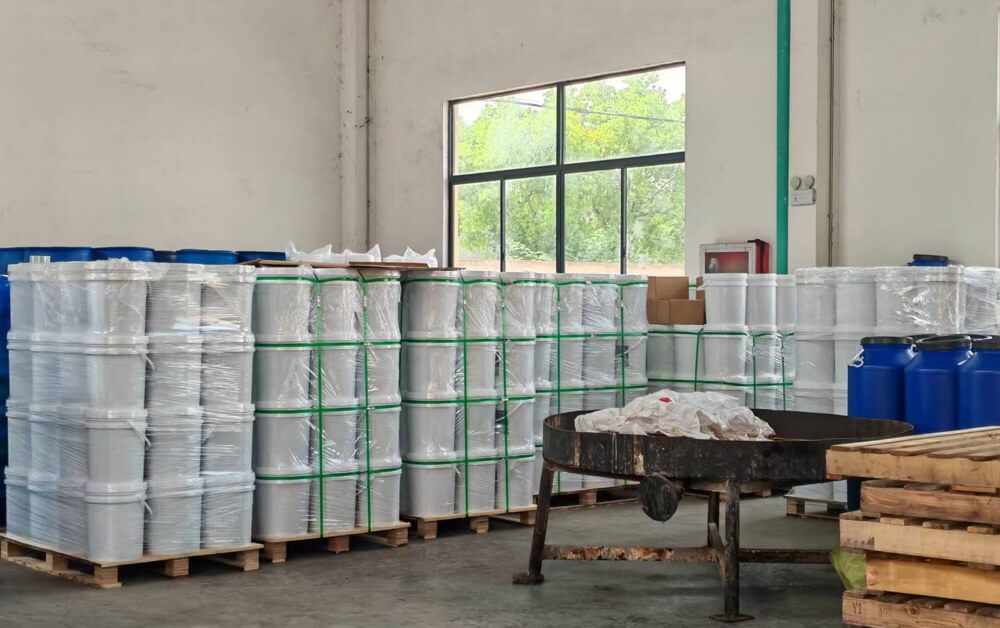
Polyurea Injection Grout Application Process
Although procedures vary among projects, most injection repairs follow a similar workflow.
Crack Investigation
The first step involves identifying:
- Crack location
- Leakage source
- Crack depth
- Water pressure conditions
Accurate diagnosis is essential.
Surface Preparation
Remove loose materials, contamination, debris.
Injection Port Installation
Injection ports provide access to the crack network.
Proper spacing improves grout distribution.
Controlled Grout Injection
Injection pressure should be carefully managed.
Excessive pressure may:
- Damage substrates
- Create additional pathways
- Reduce repair effectiveness
Verification and Inspection
After curing, the repaired area should be inspected for:
- Leakage elimination
- Grout distribution
- Repair completeness
Quality control remains an important part of successful waterproofing repair.
Why Contractors Choose YURU Polyurea Injection Grout?
Contractors increasingly demand more than just waterproofing materials.
They seek reliable repair solutions supported by technical expertise.
Designed for Long-Term Waterproof Crack Repair
YURU Polyurea Injection Grout is developed to provide durable waterproof sealing performance for demanding repair applications.
Excellent Flexibility and Elastic Recovery
Structural movement remains one of the biggest causes of repair failure.
Flexible polyurea systems help accommodate movement while maintaining waterproof integrity.
Suitable for Underground Waterproofing Projects
Applications include:
- Basements
- Tunnels
- Metro systems
- Water tanks
These environments require long-term moisture resistance.
OEM and Private Label Solutions
YURU supports:
- OEM manufacturing
- Private-label branding
- Packaging customization
- Market-specific product solutions
This flexibility helps distributors build stronger brands.
Technical Support and Project Consultation
Beyond supplying materials, YURU Waterproof assists customers with:
- Product selection
- Application recommendations
- Waterproofing consultation
- Project-specific solutions
Future Trends in Crack Injection Waterproofing
The waterproofing repair market keeps changing. Here’s what’s driving future demand.
Transition from Temporary Repairs to Long-Term Solutions
Owners want repairs that last, not temporary patches. Lifecycle performance is the focus.
Infrastructure Rehab Is Growing
Old transportation systems – built decades ago – need serious waterproofing upgrades.
Increased Demand for Flexible Waterproofing Materials
Movement-tolerant repair systems are more important as structures age.
Preventive Maintenance Is Getting Attention
Early crack treatment significantly reduces future repair costs.
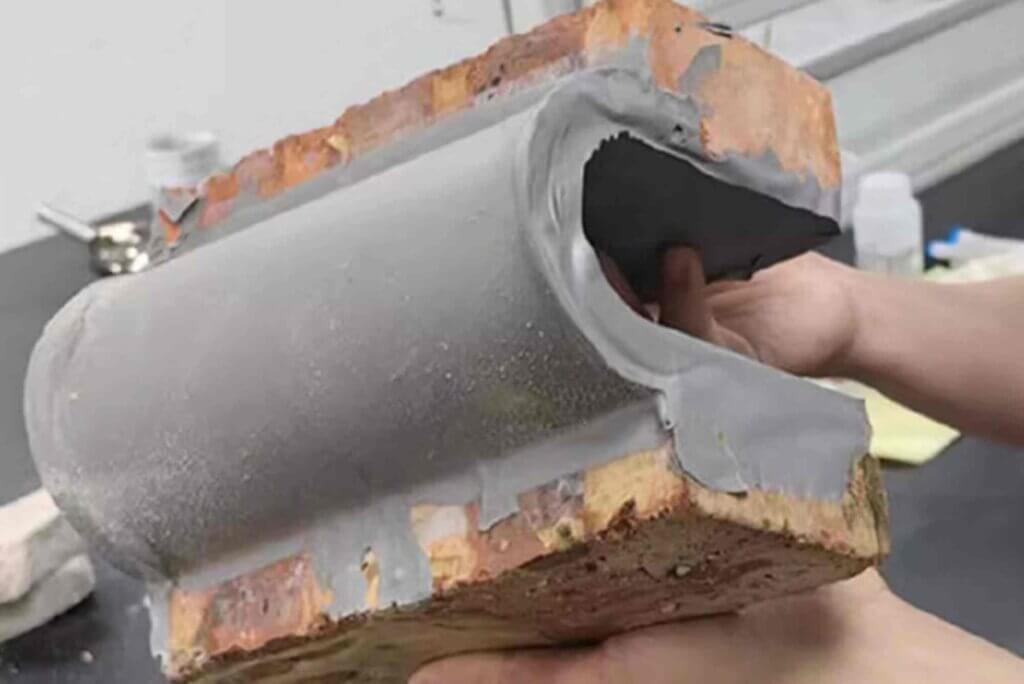
FAQs:
1. What is Polyurea Injection Grout?
Polyurea Injection Grout is a flexible waterproof crack repair material injected into cracks and voids to create a long-term waterproof seal.
2. Is Polyurea Better Than PU Injection Grout?
Both systems have advantages. Polyurea is often selected for projects requiring enhanced durability, flexibility.
3. Can Polyurea Replace Epoxy Injection Resin?
Not entirely. Polyurea is generally used for waterproof sealing, while epoxy is primarily used for structural repair.
4. Can Polyurea Handle Crack Movement?
Yes. Flexibility is one of its primary advantages, making it suitable for active cracks that continue moving.
5. How Do I Choose the Right Injection Grout Supplier?
Evaluate:
- Technical support
- Product quality
- Project experience
- Waterproofing expertise
- Manufacturing capability
rather than price alone.
Conclusion:
Waterproof crack repair requires more than simply filling a crack. Success depends on understanding crack behavior, water pressure conditions, environmental exposure, and long-term performance requirements.
Polyurea Injection Grout is getting popular because it gives you waterproof sealing, flexibility, hydrolysis resistance, and durability all in one. Compared to older materials, polyurea works better when long-term performance matters.
Basements, tunnels, metro systems, water tanks, underground infrastructure — the right material and application strategy can make repairs last longer and save money on maintenance.
Looking for a reliable Polyurea Injection Grout supplier?
YURU provides:
- Polyurea Injection Grout Solutions
- Waterproof Crack Repair Materials
- Tunnel Waterproofing Repair Systems
- OEM & Private Label Services
- Technical Support & Consultation
Contact YURU Waterproof today to request samples, technical data sheets, and customized waterproofing repair recommendations.
YURU Product solutions