Epoxy Color Sand Floor Coating Price Guide for Bulk Buyers
Introduction:
Buying epoxy color sand floor coating in bulk is not the same as buying ordinary floor paint.
For distributors, flooring contractors, project procurement teams, and construction material wholesalers, the lowest unit price is not always the best deal. Cheap coatings often have poor coverage, weak abrasion resistance, unstable color, high odor, difficult application, or high rework rates — making final project cost much higher than expected.
That is why bulk buyers should evaluate epoxy color sand floor coating price from a total-value perspective.
The real question is not only: “How much is it per kilogram?”
A better question is:
“How much does this flooring system cost per square meter after primer, consumption, labor risk, color consistency, packaging, logistics, and service life are considered?”
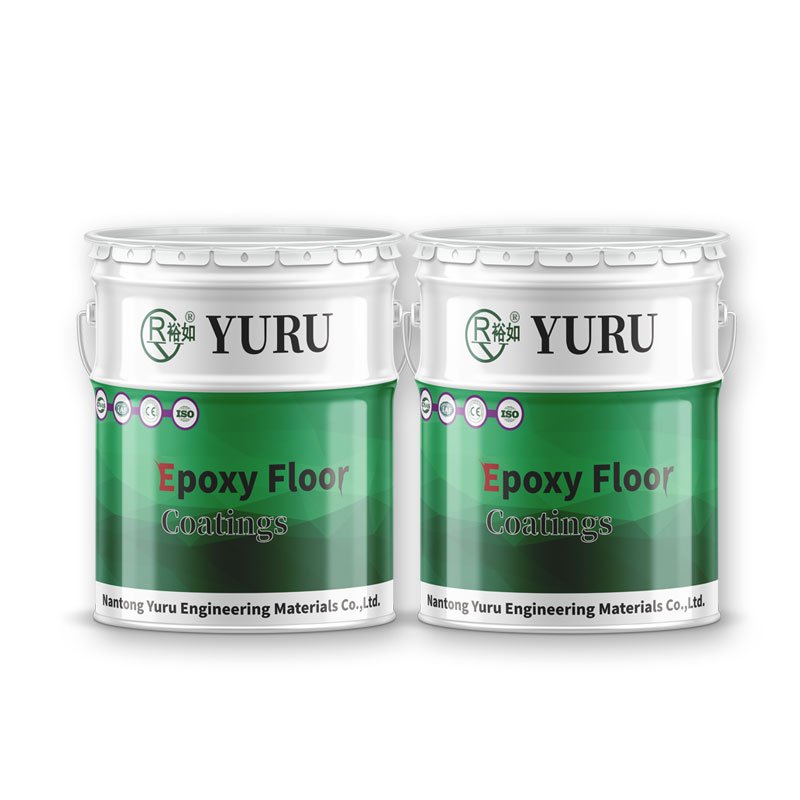
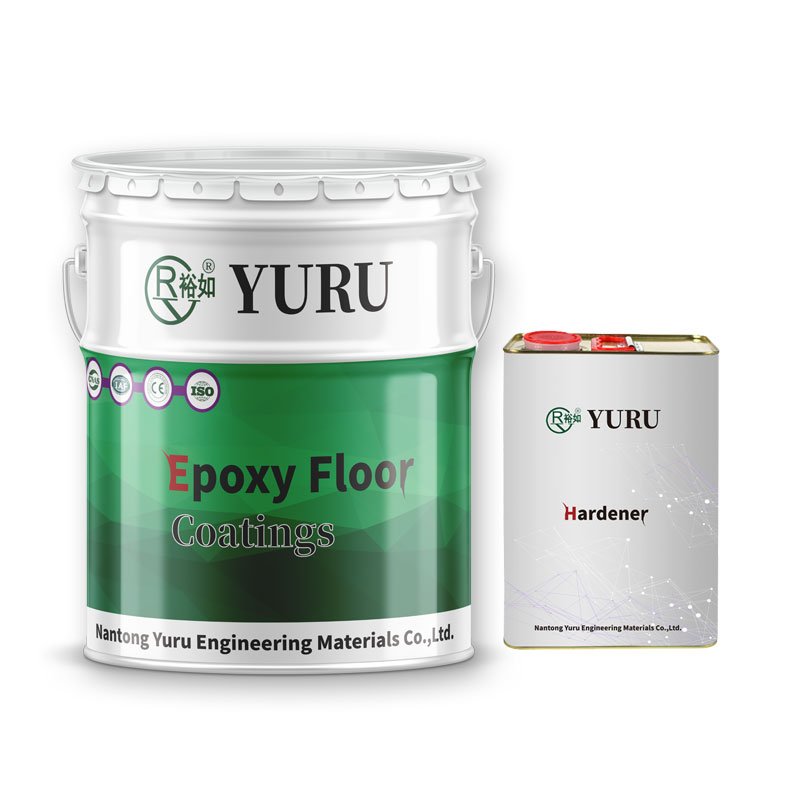
YURU Epoxy Colored Sand Self-leveling Floor Paint is a solvent-free, high-performance flooring material made with epoxy resin, colored sand, and curing agent. It is designed to form a seamless, high-strength, decorative surface for places requiring cleanliness, wear resistance, and aesthetics.
One important point for bulk buyers is that YURU’s colored quartz sand is already pre-mixed in the coating system. Contractors do not need to add quartz sand separately on site. This helps reduce labor complexity, color inconsistency, and jobsite mixing errors.
This guide explains what affects epoxy color sand floor coating prices, how bulk buyers should compare quotations, why cost per square meter matters more than price per kilogram, and how to avoid low-price traps when sourcing from a manufacturer.


Why Epoxy Color Sand Floor Coating Prices Vary So Much?
Many buyers are surprised when different manufacturers offer very different prices for what appears to be the same product.
However, epoxy color sand flooring is not a single standard commodity. Two products may both be called “epoxy colored sand floor coating,” but they may differ greatly in resin quality, colored sand content, solid content, performance level, curing system, odor, application method, packaging, and batch consistency.
Different Formulas Create Different Price Levels
The biggest reason prices vary is formula difference.
A high-performance epoxy color sand floor coating usually depends on several key formulation factors:
- Epoxy resin quality
- Curing agent quality
- Colored quartz sand quality
- Sand particle control
- Resin-to-filler balance
- Solvent-free or solvent-based formulation
- Self-leveling performance
- Hardness and wear resistance
- Anti-slip texture
- Chemical resistance
- Color stability
A lower-cost product may reduce price by using lower-grade resin, cheaper fillers, weaker curing systems, or inconsistent colored sand. This may reduce the purchase price, but it can also reduce final floor performance.
For bulk buyers, the formula matters because every shipment may be used in many projects. If the product fails in one project, the buyer does not only lose material cost. They may also lose customer trust.
Colored Sand Content and Pre-Mixing Method Affect Cost
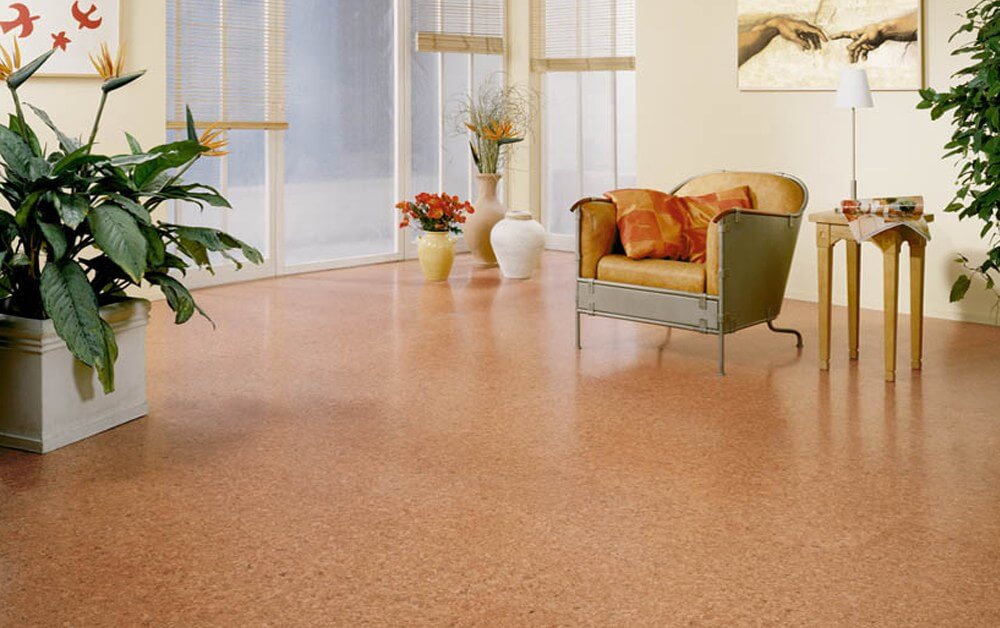
Colored sand is not just decoration. It affects texture, color, slip resistance, and the final appearance of the floor.
Traditional colored sand flooring systems may require contractors to broadcast sand manually or mix colored sand separately on site. This can increase labor and make the final surface more dependent on worker skill.
YURU’s epoxy colored sand self-leveling floor paint uses epoxy resin, colored sand, and curing agent as core ingredients, and the colored sand is already part of the material system. This makes the product different from systems that require separate quartz sand addition on the jobsite.
For bulk buyers, this matters because pre-mixed colored sand can reduce hidden costs:
- Less jobsite mixing work
- Lower chance of sand ratio error
- Better color distribution
- More stable texture
- Easier contractor training
- Lower rework risk
- More consistent results across large areas
Therefore, a pre-mixed colored quartz sand system should not be compared only with ordinary epoxy topcoat pricing.
Performance Requirements Change the Price
A coating for a light-duty storage room and a coating for a high-speed rail station should not be priced the same way.
High-traffic and heavy-use areas require stronger performance, such as:
- Abrasion resistance
- Compression resistance
- Impact resistance
- Anti-slip performance
- Chemical resistance
- Easy cleaning
- Long-term color stability
- Dense seamless surface
YURU’s product data lists abrasion resistance test result of 123 mm² against an index of ≤250 mm², flexural strength of 21.5 MPa, and compressive strength of 38.6 MPa. These data points help buyers understand that the coating is positioned for demanding flooring applications, not only for simple decoration.
A product with stronger performance usually costs more to produce. But in high-traffic projects, better performance can reduce maintenance, complaints, and early replacement.
Bulk Buyers Should Compare Cost per Square Meter, Not Only Price per Kilogram
Many buyers ask manufacturers for the price per kilogram. That is normal, but it is only the first step.
For a real flooring project, the most important number is usually cost per square meter.
Why Price per Kilogram Can Be Misleading?
A low price per kilogram may not mean a low project cost.
Several factors affect the real cost:
- Coating thickness
- Material consumption per square meter
- Primer requirement
- Base surface condition
- Loss rate
- Coverage rate
- Self-leveling behavior
- Whether colored sand is pre-mixed
- Whether extra sand must be purchased
- Whether rework risk is high
- Whether the system needs multiple coats
For example, Product A may cost less per kilogram but require more material and extra colored sand. Product B may cost more per kilogram but offer better coverage, simpler application, and lower rework risk.
In that case, Product B may be more cost-effective.
How to Estimate Material Cost per Square Meter?
Bulk buyers can use a simple cost formula:
Estimated material cost per square meter = Main coating cost + primer cost + loss cost + accessory material cost
A more practical version is:
Cost per m² = coating unit price × consumption per m² + primer cost + expected waste + packaging/logistics allocation
For large projects, buyers should also consider:
- Labor time
- Surface preparation cost
- Drying and curing schedule
- Rework risk
- Cleaning cost during service life
- Warranty risk
- Customer complaint risk
This is why the cheapest material may not produce the cheapest floor.
Why Lower Material Price May Increase Total Project Cost?
A low-price epoxy color sand floor coating may create hidden costs if it has:
- Poor self-leveling
- Weak abrasion resistance
- Low hardness
- Uneven color
- Strong odor
- Inconsistent batch quality
- Poor adhesion
- Weak curing
- More surface defects
- Higher rejection rate by project owners
If the contractor needs to repair or recoat part of the floor, the cost of labor, delay, and reputation damage can exceed the savings from low material price.
For bulk buyers, stable quality is often more valuable than a small price difference.
Main Factors That Affect Epoxy Color Sand Floor Coating Price
To compare quotes fairly, you need to know what drives the cost.
Raw Epoxy Resin Quality
Epoxy resin is a big cost factor.
Higher-quality resin usually provides:
- Better adhesion
- Stronger surface hardness
- Improved wear resistance
- Better curing stability
- Higher chemical resistance
- Longer service life
- Better compatibility with fillers and colored sand
Lower-grade resin may reduce price, but it may also create problems such as surface softness, delayed curing, odor, poor bonding, and shorter durability.
For industrial and commercial projects, resin quality should never be ignored.
Colored Quartz Sand Quality and Particle Control
Colored quartz sand affects both performance and appearance.
It influences:
- Surface texture
- Anti-slip feel
- Color depth
- Decorative effect
- Batch consistency
- Wear behavior
- Visual uniformity
Bulk buyers should ask suppliers:
- Is the colored sand pre-mixed?
- Is the particle size stable?
- Are custom colors available?
- Can the supplier provide color samples?
- Can the sample match bulk production?
- Is the color stable across batches?
For large commercial projects, color inconsistency is a serious risk. A small color difference may be acceptable in a warehouse, but not in a hotel lobby, showroom, or shopping mall.
Solvent-Free Formula
Solvent-free epoxy flooring systems often cost more than solvent-based alternatives, but they are more suitable for modern indoor projects.
YURU’s product document states that the epoxy colored sand self-leveling floor paint uses a solvent-free formula and has no harmful gas release, meeting environmental protection requirements.
This matters for:
- Hospitals
- Schools
- Office buildings
- Laboratories
- Food factories
- Pharmaceutical factories
- Shopping malls
- Hotel lobbies
- Indoor commercial renovation
For bulk buyers, a solvent-free formula may support higher-value projects and better customer positioning.
Mechanical Performance Level
Performance data has a direct relationship with price.
Buyers should compare:
- Abrasion resistance
- Hardness
- Flexural strength
- Compressive strength
- Impact resistance
- Anti-slip performance
- Chemical resistance
YURU’s product document lists 8H hardness, heavy-pressure and impact resistance, and the ability to withstand forklift and mechanical rolling. The technical table also reports abrasion resistance of 123 mm², flexural strength of 21.5 MPa, and compressive strength of 38.6 MPa.
These indicators help buyers judge whether the coating is suitable for high-traffic or heavy-duty applications.
Packaging Size and Order Quantity
Bulk order price is also affected by packaging and quantity.
Common pricing factors include:
- Minimum order quantity
- Bucket size
- Carton or pallet requirement
- Private label packaging
- Export packaging
- Container loading efficiency
- Long-term purchasing plan
- Mixed color order quantity
- Repeat order stability
A larger order can usually reduce unit cost, but only when packaging, production planning, and shipping are efficient.
OEM, Private Label, and Color Customization
Many bulk buyers are not only buying material. They are building their own local product line.
OEM and private label requirements may affect price because they involve:
- Custom labels
- Custom packaging
- Brand design
- Multi-language labels
- Color sample production
- Special formula adjustment
- Market-specific documentation
- Small batch customization
These services add value, but they also add cost. Buyers should clarify these requirements early during quotation.
Export Shipping and Documentation Cost
International buyers should not look only at factory price.
The final landed cost may include:
- FOB or CIF price
- Ocean freight
- Port charges
- Pallet cost
- Export documentation
- Import duty
- Local taxes
- Insurance
- Customs clearance
- Inland transportation
- Exchange rate changes
For bulk epoxy floor coating orders, shipping weight can be significant. A professional supplier should help buyers estimate shipment planning and packaging options.
Price Comparison: Standard Epoxy Flooring vs Epoxy Color Sand Flooring
Standard epoxy flooring and epoxy color sand flooring serve different market needs. Comparing them only by unit price is not fair.
Standard Epoxy Floor Paint Price Logic
Standard epoxy floor paint is usually selected for:
- Basic dustproofing
- General surface protection
- Simple color coating
- Light to medium traffic
- Budget-sensitive projects
Its price is often lower because the formulation and appearance requirements are simpler.
However, standard epoxy floor paint may not provide the same decorative depth, texture, anti-slip performance, or high-end appearance as colored sand systems.
Epoxy Color Sand Floor Coating Price Logic
Epoxy color sand floor coating usually costs more because it includes:
- Colored quartz sand system
- Decorative texture
- Better anti-slip feel
- Stronger visual effect
- Higher surface richness
- Better suitability for high-traffic spaces
- More complex formulation control
YURU’s system also uses pre-mixed colored sand, which helps improve application consistency and reduce site mixing complexity.
When Higher Price Is Worth It
A higher price may be justified when the project requires:
- High foot traffic resistance
- Rolling load resistance
- Better anti-slip performance
- Decorative appearance
- Long-term cleanability
- Reduced maintenance
- Color customization
- Premium commercial image
- Lower rework risk
For shopping malls, hospitals, high-speed rail stations, hotel lobbies, showrooms, food factories, and pharmaceutical facilities, the flooring system affects both operation and brand image.
In these spaces, choosing only the lowest price can be expensive in the long run.
How Pre-Mixed Colored Sand Reduces Hidden Costs?
Pre-mixed colored sand is not only a product feature. It is a cost-control advantage.
Lower Labor Complexity
Traditional colored sand systems may require workers to measure, broadcast, or mix sand on site. This increases jobsite complexity.
YURU’s pre-mixed system reduces the need for:
- Separate sand weighing
- On-site sand broadcasting
- Manual control of sand distribution
- Extra sand recovery
- Additional texture adjustment
- More complicated worker training
Simpler application can reduce labor risk, especially for contractors working on large projects or teams with different skill levels.
Better Color Consistency Across Large Areas
Color consistency is one of the biggest concerns in decorative flooring.
Large areas can expose even small differences in color or texture. If one section looks different from another, project owners may reject the floor or request correction.
Pre-mixed colored sand can help improve:
- Batch consistency
- Texture uniformity
- Sample-to-project matching
- Visual stability
- Customer acceptance
This is especially important for showrooms, hotels, malls, offices, and public buildings.
Reduced Rework Risk
Rework is one of the most expensive hidden costs in flooring projects.
It can involve:
- Grinding
- Cleaning
- Recoating
- Extra labor
- Project delays
- Material waste
- Customer complaints
- Lost profit
Pre-mixed colored sand helps reduce rework risk by lowering the chance of uneven sand distribution, inconsistent texture, and poor color blending.
For bulk buyers, lower rework risk means stronger long-term profitability.
How Bulk Buyers Should Request a Professional Quotation?
A professional quotation needs more than “Please send price.”
The more information buyers provide, the more accurate the supplier’s quotation will be.
Project Area and Expected Thickness
Buyers should provide:
- Total project area
- Area per section
- Expected coating thickness
- Floor traffic level
- New construction or renovation
- Indoor or outdoor location
- Expected service life
- Special performance requirements
Thickness is especially important because it affects material consumption and cost per square meter.
Application Scenario
The supplier needs to know where the coating will be used.
Common scenarios include:
- Factory
- Warehouse
- Shopping mall
- Hospital
- School
- Food factory
- Pharmaceutical plant
- Laboratory
- Hotel lobby
- Exhibition hall
- High-speed rail station
Different spaces require different performance priorities. A warehouse may focus more on wear resistance and forklift traffic, the hotel lobby may focus more on appearance and color consistency. A food factory may focus more on cleanability and chemical resistance.
Color and Design Requirements
Bulk buyers should clarify:
- Standard color or custom color
- Colored sand texture preference
- Pattern design requirement
- Sample requirement
- Color matching requirement
- Batch consistency requirement
- Project approval process
Color customization can affect price, production time, and minimum order quantity.
Packaging and Branding Requirements
For OEM or wholesale orders, packaging matters.
Buyers should provide:
- Required bucket size
- Label language
- Private label design
- Carton or pallet requirement
- Barcode requirement
- Market compliance needs
- OEM brand name
- Sample packaging request
These details affect quotation, production time, and shipping planning.
Destination Port and Trade Terms
International buyers should provide:
- Destination country
- Destination port
- Trade terms such as FOB or CIF
- Estimated order quantity
- Container plan
- Required documents
- Import restrictions if known
- Delivery deadline
This helps the supplier quote more accurately and avoid later misunderstanding.
Common Pricing Mistakes Bulk Buyers Should Avoid
Bulk buyers can save money by avoiding common purchasing mistakes.
Mistake 1: Choosing the Lowest Price Without Checking Formula
A very low price may mean:
- Lower resin content
- Lower-grade curing agent
- Poor colored sand quality
- Lower solid content
- Stronger odor
- Weak abrasion resistance
- Unstable curing
- Poor batch consistency
The cheapest coating may become the most expensive if it fails early.
Mistake 2: Ignoring Coverage Rate and Material Consumption
One kilogram of material does not always cover the same area.
Coverage depends on:
- Thickness
- Flow behavior
- Surface roughness
- Substrate absorption
- Loss rate
- Application method
- Whether primer is used
- Whether extra sand is needed
Bulk buyers should compare estimated cost per square meter, not only price per kilogram.
Mistake 3: Not Asking for Samples Before Bulk Order
Samples help buyers check:
- Color
- Texture
- Surface hardness
- Flow leveling
- Curing behavior
- Anti-slip feel
- Odor
- Final appearance
For custom colors or decorative projects, sample approval is essential before bulk production.
Mistake 4: Ignoring Technical Documents
A professional supplier should provide technical documents.
Buyers should request:
- TDS
- SDS
- Mixing ratio
- Drying time
- Construction instructions
- Storage conditions
- Substrate requirements
- Performance data
- Shelf life
YURU’s product document includes product overview, features, application scope, technical parameters, construction technology, precautions, and construction steps.
Mistake 5: Underestimating Shipping and Storage Cost
Epoxy floor coating is heavy and must be stored properly.
Buyers should consider:
- Freight cost
- Port handling cost
- Pallet cost
- Warehouse temperature
- Shelf life
- Packaging strength
- Container loading plan
- Delivery time
- Local distribution cost
YURU’s product document states that the coating should be stored sealed in a cool place at 5–35°C, with a shelf life of 12 months.
Storage planning matters for distributors who hold inventory.
How to Evaluate an Epoxy Color Sand Floor Coating Manufacturer?
A supplier should be evaluated by more than price.
Check Product Stability and Batch Consistency
Batch consistency is critical for colored sand flooring.
Buyers should check whether the manufacturer can provide:
- Stable color production
- Repeatable texture
- Consistent curing behavior
- Reliable packaging
- Sample-to-bulk matching
- Quality control records
This is especially important for large-area commercial flooring projects.
Check Technical Support Capability
A reliable manufacturer should help buyers understand:
- Base surface preparation
- Moisture control
- Primer use
- Mixing ratio
- Pot life
- Construction temperature
- Humidity limits
- Drying time
- Curing protection
- Common troubleshooting
YURU’s product document notes several important application requirements: substrate moisture content should be ≤4%, base strength should be at least C25, primer dosage is 0.1–0.3 kg/m², construction temperature should be 5–35°C, and humidity should be below 85%.
These details help contractors reduce jobsite failure.
Check Customization Ability
Bulk buyers may need:
- Custom colors
- OEM packaging
- Private labels
- Different bucket sizes
- Market-specific labels
- Color sample boards
- Project-specific recommendations
A manufacturer with customization ability can help buyers serve different customer segments.
Check Export Experience
For international buyers, export experience is important.
A supplier should understand:
- Export packing
- Container loading
- Document preparation
- Lead time control
- Communication efficiency
- International payment terms
- Sample shipment
- After-sales support
A good export supplier helps buyers reduce procurement uncertainty.
Why Bulk Buyers Choose YURU Epoxy Color Sand Floor Coating?
YURU Waterproof supports flooring buyers with a pre-mixed colored quartz sand system, technical performance data, solvent-free formulation, customization support, and international supply capability.
Pre-Mixed Colored Quartz Sand System
YURU Epoxy Colored Sand Self-leveling Floor Paint is made with epoxy resin, colored sand, and curing agent — colored sand is pre-mixed. So contractors do not need to add it separately on site.
This helps bulk buyers reduce:
- Site mixing errors
- Color inconsistency
- Labor complexity
- Training difficulty
- Rework risk
- Application uncertainty
Performance Data for Professional Buyers
YURU provides useful product data for evaluation:
- 8H hardness
- Abrasion resistance result of 123 mm²
- Flexural strength of 21.5 MPa
- Compressive strength of 38.6 MPa
- Mixing ratio of 7:1
- Activation period of 30–40 minutes
- Surface drying time of 6 hours
- Through drying time of 24–36 hours
These data points help buyers make informed decisions before placing bulk orders.
Solvent-Free Formula for Indoor Commercial and Industrial Projects
The solvent-free formulation supports modern indoor projects that require lower odor and better environmental positioning.
YURU’s product is suitable for:
- Workshops
- Warehouses
- Pharmaceutical factories
- Laboratories
- Shopping malls
- Exhibition halls
- Hotel lobbies
- Office buildings
- Hospitals
- Schools
- High-speed rail stations
- Food factories
These application areas are listed in the product document.
OEM, Color Customization, and International Supply
YURU can support bulk customers with:
- OEM cooperation
- Private label service
- Packaging customization
- Color customization
- Sample support
- Technical data sheets
- Construction advice
- International bulk supply
For distributors and project contractors, this helps build a stronger local product offering.
FAQs:
1. Is pre-mixed colored quartz sand flooring more cost-effective?
For many bulk projects, yes — reduces site mixing errors, improves color consistency, simplifies application, and lowers rework risk.
2. What information should bulk buyers provide before asking for a quotation?
Project area, expected thickness, application scenario, traffic level, color requirements, order quantity, packaging needs, destination port, trade terms, and OEM/private label requirements.
3. Why should buyers compare cost per square meter instead of price per kilogram?
Because the real project cost depends on material consumption, coverage rate, coating thickness, primer cost, loss rate, labor complexity, and rework risk. A lower price per kilogram may still lead to a higher cost per square meter.
4. Can YURU provide custom colors and OEM packaging?
Yes. YURU can support color customization, OEM production, private label packaging, samples, technical data sheets, and international bulk order cooperation.
5. How can buyers avoid low-quality epoxy color sand coating?
Buyers should request samples, TDS, SDS, performance data, construction instructions, color samples, and batch consistency information. They should also check whether the colored sand is pre-mixed and whether the supplier has export experience.
Conclusion:
For bulk buyers, epoxy color sand floor coating price should be evaluated carefully.
The lowest price per kilogram may not deliver the lowest project cost. Real value depends on formula quality, colored sand consistency, coverage, performance data, application stability, packaging, shipping, and after-sales support.
YURU Epoxy Colored Sand Self-leveling Floor Paint offers several practical advantages for bulk buyers:
- Pre-mixed colored quartz sand system
- Solvent-free formula
- 8H hardness
- Strong abrasion resistance
- Good flexural and compressive strength
- Seamless and decorative finish
- Anti-slip colored sand texture
- Custom color and OEM support
- Technical data and construction guidance
- International supply capability
For distributors, contractors, and wholesale buyers, the right supplier can reduce purchasing risk, improve customer satisfaction, and support long-term market growth.
Instead of asking only for the lowest price, professional buyers should ask for the best total value.
If you are a flooring material distributor, construction material wholesaler, project contractor, or international buyer looking for epoxy color sand floor coating, YURU Waterproof can provide professional bulk supply support.
Contact YURU Waterproof today to request:
- Bulk quotation for epoxy color sand floor coating
- Free samples
- Colored sand options
- Technical data sheets
- OEM and private label solutions
- Packaging customization
- International logistics support
- Project material consumption estimate
Choose YURU Waterproof to get a professional epoxy color sand floor coating quotation for your next bulk flooring project.
YURU Product solutions