Pre-Mixed vs Separate Colored Sand Epoxy Floor Coating
Introduction:
Choosing between pre-mixed and separate colored sand epoxy floor coating is not only a technical decision. It affects how easily the product can be applied, how stable the color looks across a large floor, how much control the contractor has on site, and how suitable the system is for wholesale, private-label, or project-based sales.
For distributors, flooring contractors, sourcing specialists, and private-label flooring brands, the question is not simply “Which one is better?” A better question is: “Which system fits my market, my installers, and the type of flooring projects I want to serve?”
Both systems can deliver a durable and attractive colored sand epoxy floor. The difference lies in where the control happens. With a pre-mixed system, more control is handled by the manufacturer before the product arrives at the jobsite. With a separate colored sand system, more control is left to the installer during application.
That difference may sound small, but on a real flooring project, it can change labor time, color consistency, training requirements, product positioning, and even customer complaints.
What Is Colored Sand Epoxy Floor Coating?
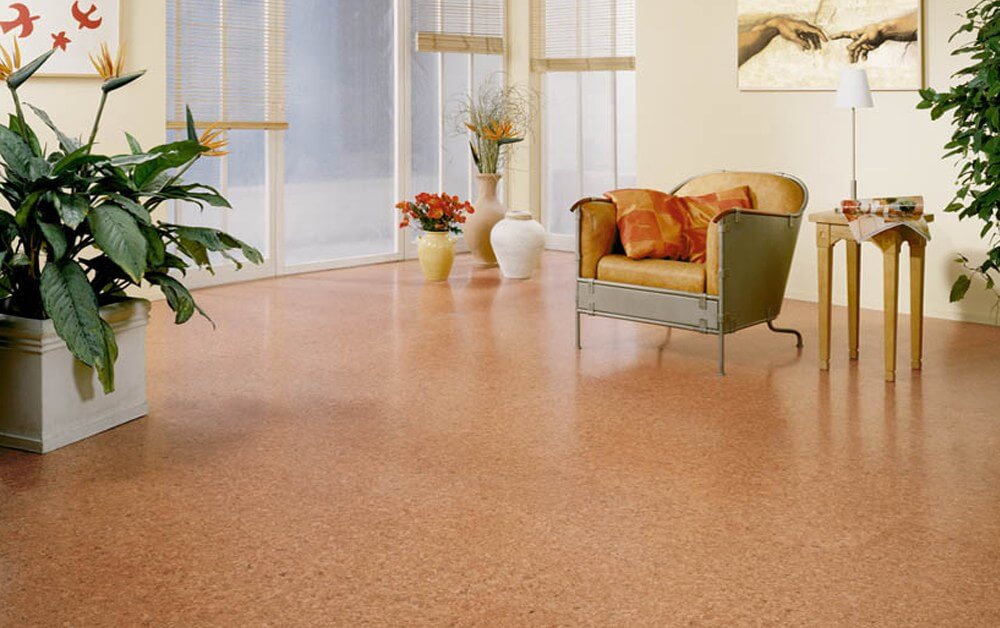
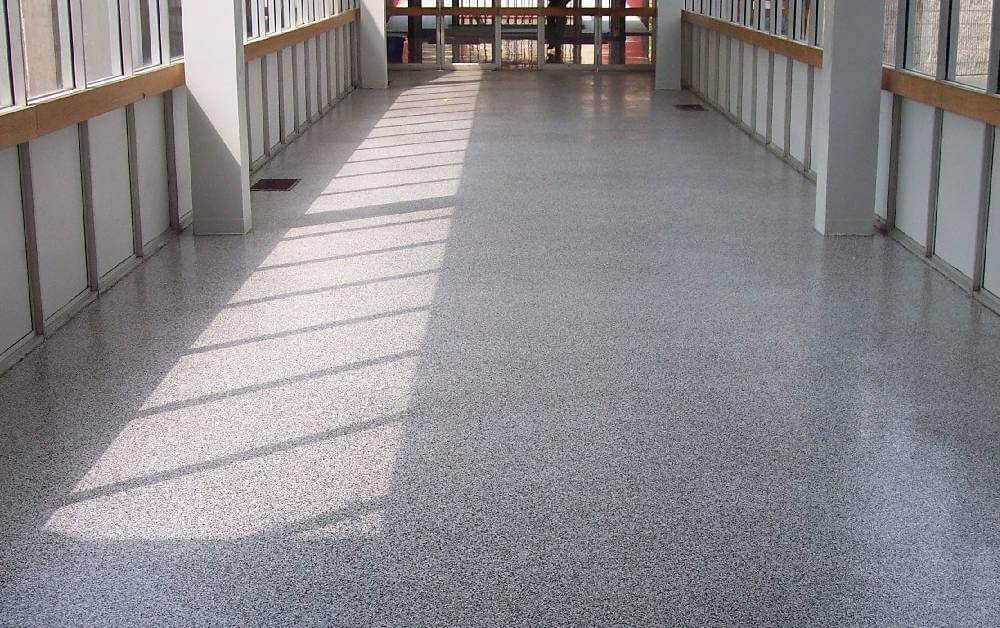
Colored sand epoxy floor coating is a decorative resin flooring system made from epoxy resin and colored sand particles. It’s used when plain epoxy is too basic, but you still need durability, easy cleaning, and wear resistance.
You can see this type of flooring in commercial buildings, hotels, shopping malls, offices, showrooms, public corridors, premium garages, parking areas, and selected light industrial floors. It gives the floor more texture and visual depth than a standard epoxy coating.
However, colored sand epoxy flooring is not just regular epoxy paint with sand added into it. The finished result depends on resin quality, colored sand grading, mixing method, solid content, application thickness, surface finishing, topcoat protection, and the skill level of the installer.
This is why the supply form matters. A pre-mixed colored sand epoxy product and a separate colored sand epoxy system may look similar in a brochure, but they behave differently in production, storage, sales, and installation.
What Is Pre-Mixed Colored Sand Epoxy Floor Coating?
Pre-mixed colored sand epoxy floor coating means the colored sand is already blended into the epoxy material before the product is packed. In most cases, the contractor only needs to follow the manufacturer’s mixing ratio for the resin and curing agent, then apply the material according to the recommended method.
This system is designed for easier handling. It reduces the number of steps on site and helps avoid mistakes caused by incorrect colored sand mixing.
For wholesale distributors, this type of product is often easier to explain and easier to sell. For contractors, it can reduce training time and make the application process more consistent from one job to another.
How Pre-Mixed Systems Work:
In a pre-mixed system, the manufacturer controls the blend between resin and colored sand. The goal is to keep the sand evenly distributed and make the product ready for a more standardized application.
On site, the installer does not need to measure and mix separate colored sand. The focus is mainly on surface preparation, correct mixing of components, application thickness, and finishing.
This can be useful in markets where installers may not have long experience with decorative epoxy flooring systems.
Main Advantages of Pre-Mixed Colored Sand Epoxy:
The biggest advantage is simplicity. Fewer jobsite steps usually mean fewer opportunities for mistakes.
A pre-mixed system can also help with repeat sales. If a distributor wants to build a clear product line, a ready-to-use colored sand epoxy system is easier to present than a more technical multi-component system.
Common advantages include:
- Easier application process
- Less on-site sand mixing
- Better standardization for repeat projects
- Lower training requirements for installers
- More convenient private-label packaging
- Easier promotion through dealer and contractor channels
For contractors handling regular commercial floors, garages, or standard decorative projects, this can be a practical choice.
Potential Limits of Pre-Mixed Systems:
Pre-mixed systems are convenient, but they also place more responsibility on the manufacturer. The factory must control sand dispersion, viscosity, storage stability, color consistency, and batch control.
If the formula is not stable, colored sand may settle in the bucket. If mixing quality is poor, the floor may show uneven texture or color variation.
Pre-mixed products may also offer less flexibility than separate colored sand systems. For highly customized decorative projects, installers may want more control over color blend, sand ratio, surface texture, or final appearance.
In short, pre-mixed colored sand epoxy coating is a strong option when convenience and standardization matter. But it must come from a manufacturer with reliable blending and quality control.
What Is Separate Colored Sand Epoxy Floor Coating?
A separate colored sand epoxy floor coating system means colored sand is packed separately from the epoxy resin system. During installation, sand may be mixed into the resin, broadcast onto the surface, or applied as part of a layered flooring system.
This gives the contractor flexibility — they can adjust sand amount, texture, color effect, and sometimes thickness based on the project design.
Separate colored sand systems are often used by experienced flooring contractors, decorative flooring teams, and project-based installers who need more control on site.
How Separate Colored Sand Systems Work:
In a separate system, the resin and colored sand are supplied as different parts of the flooring package. The installer follows the project method to mix, broadcast, or layer the sand.
This approach can create a more customized look. Different sand colors, particle sizes, and application techniques can produce different surface effects.
It is a good option for commercial interiors, hotels, showrooms, and high-end garage floors where the owner wants a specific design rather than a standard finish.
Main Advantages of Separate Colored Sand Systems:
The main advantage is flexibility.
Contractors can control the visual result more directly. If the project requires a custom color blend, special texture, or a more premium decorative finish, a separate colored sand system may offer more room for adjustment.
Typical advantages include:
- More design flexibility
- Wider color and texture options
- Better fit for custom projects
- Suitable for skilled flooring contractors
- More control over surface appearance
- Useful for premium commercial and decorative floors
For professional installers, this system can become a strong selling point because it allows them to offer a more tailored flooring solution.
Potential Limits of Separate Colored Sand Systems:
The same flexibility can also create risk.
If the installer does not control mixing, broadcasting, timing, and thickness properly, the floor may show uneven color, patchy texture, or inconsistent surface finish. Large-area projects can make these problems more visible.
Separate colored sand systems also require clearer application instructions. The manufacturer should provide guidance on mixing ratio, working time, surface preparation, tools, broadcasting method, topcoat selection, and curing conditions.
This system is usually better for installers who already understand resin flooring work and can manage jobsite details carefully.
Pre-Mixed vs Separate Colored Sand Epoxy Floor Coating: Key Differences
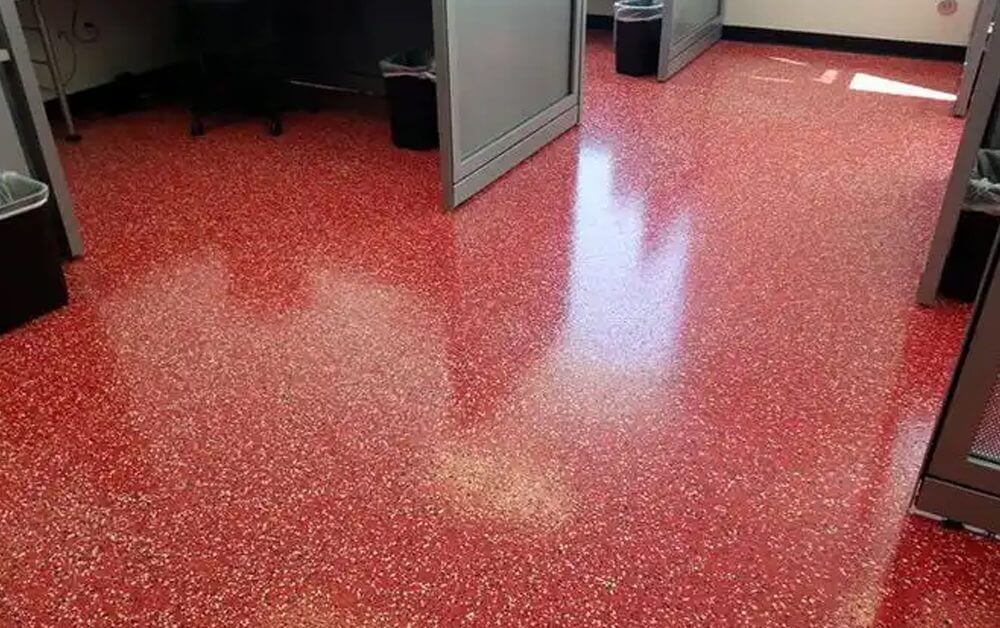
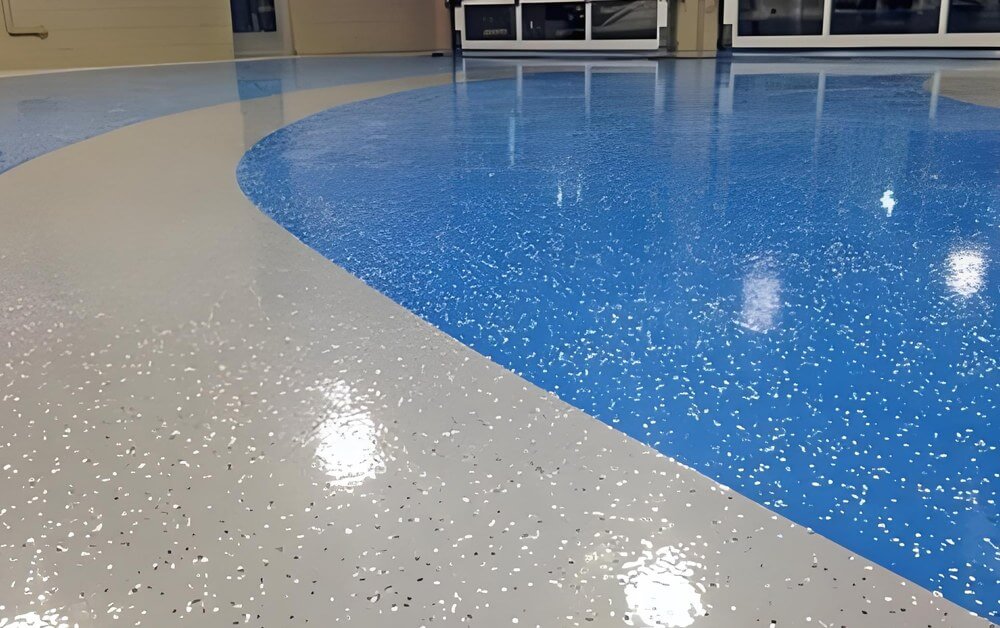
The two systems are not competing in a simple “good vs bad” way. They serve different business models and project needs.
| Comparison Point | Pre-Mixed Colored Sand Epoxy | Separate Colored Sand Epoxy |
| Packaging method | Colored sand is already blended into the material | Colored sand is packed separately |
| Jobsite steps | Fewer steps | More site control required |
| Application difficulty | Easier for standard projects | Better for skilled installers |
| Color control | More factory-controlled | More jobsite-controlled |
| Decorative flexibility | Moderate | Higher |
| Sales positioning | Easier for wholesale and standard product lines | Better for custom flooring projects |
| Common users | Distributors, regular contractors, private-label brands | Experienced contractors, premium project teams |
| Main risk | Sand settling or poor factory dispersion | Mixing error, uneven broadcast, color variation |
| Manufacturer requirement | Strong blending and storage stability | Strong system design and application guidance |
The practical decision depends on who will install the floor, what result the project expects, and how the product will be sold.
Which System Is Easier for Contractors to Apply?
For most standard projects, pre-mixed colored sand epoxy floor coating is easier to apply. It removes one important variable from the jobsite: separate sand mixing.
That matters when the installation team is working under time pressure, when the project area is large, or when the installer does not specialize in decorative epoxy systems.
Separate colored sand systems are not necessarily difficult, but they require a more disciplined team. The installer must manage timing, sand distribution, surface thickness, and finishing more carefully.
Application Speed
Pre-mixed systems usually save time because the colored sand is already included. The contractor can focus on preparation, mixing the resin components, and applying the material.
Separate systems may take longer because they include additional handling, mixing, or broadcasting steps. On a high-end project, this extra time may be acceptable. On a price-sensitive commercial project, it may reduce profit.
Skill Requirement
Pre-mixed systems are more forgiving for general flooring teams. Separate colored sand systems require stronger site control and more hands-on experience.
A sourcing manager or contractor should be honest about the installation team’s skill level. Choosing a highly flexible system sounds attractive, but it can backfire if the team is not trained to use it.
Jobsite Risk Control
Most visible defects in colored sand epoxy flooring come from control problems. Uneven thickness, poor mixing, inconsistent sand distribution, or wrong timing can all affect the final floor.
Pre-mixed systems shift more risk to the manufacturer. Separate systems shift more risk to the installer. This is the simplest way to understand the difference.
Which System Offers Better Color Consistency?
Color consistency is one of the biggest concerns in colored sand epoxy flooring. A small sample board may look perfect, but a large commercial floor will reveal every inconsistency.
A well-made pre-mixed system can offer better standardization because color and sand distribution are controlled at the factory. This helps distributors and private-label brands maintain more predictable product quality.
Separate colored sand systems can also produce excellent results, but consistency depends more heavily on the installer. If sand is not mixed or broadcast evenly, the floor may show visible differences.
Factory-Controlled Color Matching
Pre-mixed systems rely on the manufacturer’s ability to control color, sand grading, resin viscosity, and batch consistency.
This is why manufacturer selection is critical. A poor pre-mixed product may settle in storage or appear uneven during application. A good one can help contractors achieve repeatable results with less effort.
Jobsite-Controlled Decorative Effect
Separate colored sand systems give the installer more creative control. This can be an advantage for premium projects, but it also requires experience.
The contractor must control color blend, spread rate, application thickness, and finishing technique. If the jobsite team is skilled, the result can be impressive. If not, the defects may be difficult to hide.
Sample Approval Before Bulk Orders
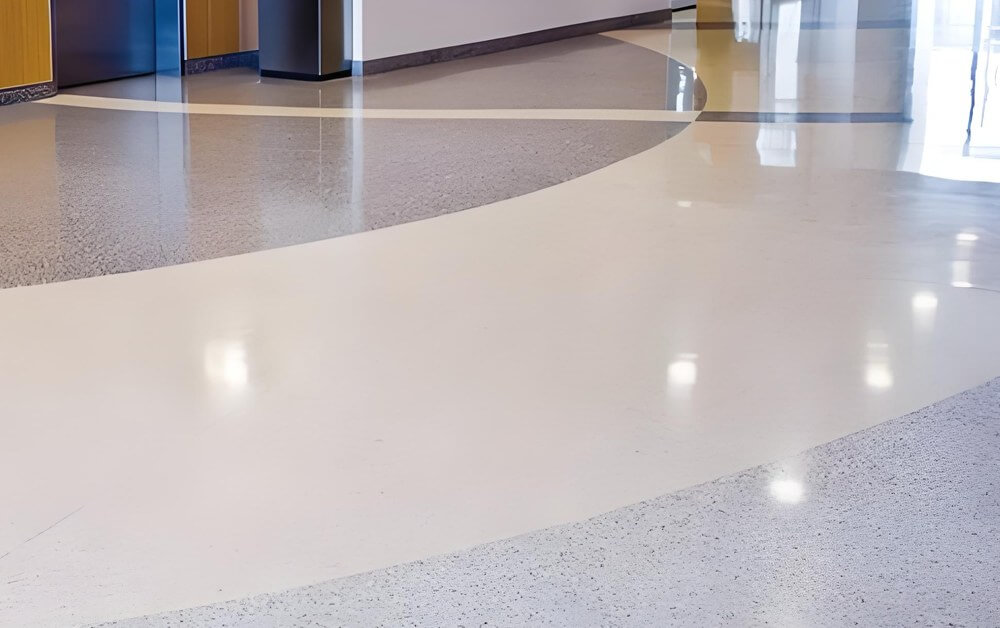
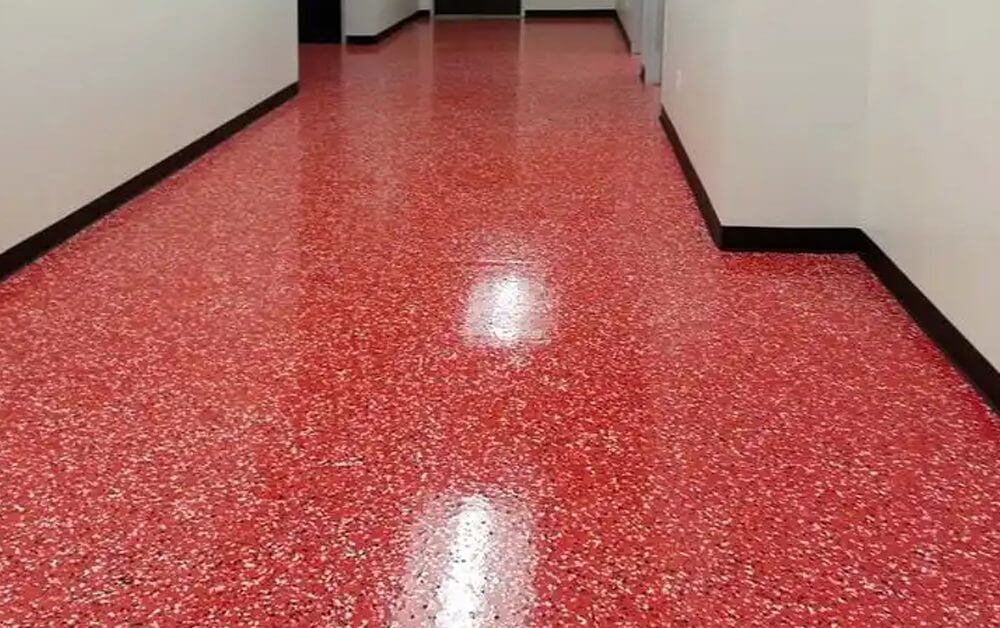
For either system, sample approval is important — don’t rely on photos. Lighting, screen settings, camera exposure, and surface gloss can all change how a floor looks.
Before a large order, ask for physical sample, color card, or trial application. For commercial spaces, high-end garages, and public buildings, a small mock-up area is often worth the time.
Which One Is Better for Wholesale and Private Label Sales?
For wholesale distributors, pre-mixed colored sand epoxy is easier to build into a product line — simpler to explain, easier for contractors to use, better for standardized packaging.
Private-label flooring brands may also prefer pre-mixed products when they want a clean, repeatable system with clear instructions.
Separate colored sand epoxy systems are usually better for professional contractor channels, design-led projects, and customized flooring work.
For Wholesale Distributors
Distributors usually need products that are easy to sell and not too difficult for local contractors to apply. A product that creates frequent installation questions can increase after-sales workload.
Pre-mixed colored sand epoxy is often a better fit for this channel because it lowers the technical barrier.
For Private-Label Flooring Brands
Private-label brands should consider packaging, product naming, label instructions, color series, and positioning. Pre-mixed systems can support a more standardized product line, while separate systems can help build a more premium or project-based range.
Some brands may choose both: a pre-mixed line for regular sales and a separate colored sand system for custom project work.
For Project-Based Contractors
Contractors should choose based on the type of project they serve. For regular commercial floors, pre-mixed systems can improve efficiency. For hotels, showrooms, and design-focused interiors, separate systems may offer more decorative freedom.
How to Compare Total Cost Instead of Only Unit Price?
A common mistake is comparing only the price per kilogram. That does not show the real project cost.
A pre-mixed system may appear more expensive at first, but it may save time and reduce jobsite errors. A separate system may look flexible and cost-effective, but it can require more labor, more skill, and tighter site management.
Material Cost vs Application Cost
Material cost is only one part of the total cost. Labor time, training, tools, waste, coverage rate, and rework risk also matter.
For contractors, an easier product can protect profit. For distributors, a product with fewer installation complaints can protect reputation.
Coverage Rate and Solid Content
Solid content and actual coverage rate are important when comparing systems. A product with better film build may cover the floor more efficiently, while a lower solid content product may require more material to reach the expected result.
Do not compare bucket weight alone. Ask the manufacturer about recommended thickness, coverage per square meter, and application method.
Complaint and Rework Risk
The most expensive flooring product is often the one that fails after installation. Color mismatch, uneven texture, poor curing, weak adhesion, or visible defects can lead to rework and customer disputes.
A stable system with clear guidance may cost more than the cheapest quote, but it can reduce hidden costs.
How to Choose Between Pre-Mixed and Separate Colored Sand Epoxy Systems?
Choose a pre-mixed colored sand epoxy floor coating if your priority is convenience, standardization, faster training, and easier product sales.
It is usually a good choice when:
- You sell through wholesale channels
- Your customers prefer easy application
- The market is new to colored sand epoxy flooring
- You need private-label packaging
- The project requires consistent repeat results
- Installation teams have mixed levels of experience
Choose a separate colored sand epoxy system if your priority is design flexibility, texture control, and custom decorative effects.
It is usually a good choice when:
- The project requires a premium finish
- The contractor is experienced
- The customer wants custom colors or texture
- The project is a hotel, showroom, office, or high-end garage
- The installer can manage more detailed site work
| Your Need | Better Option |
| Faster application | Pre-mixed system |
| Wholesale distribution | Pre-mixed system |
| New market promotion | Pre-mixed system |
| Private-label standard product line | Pre-mixed system |
| Custom decorative effect | Separate colored sand system |
| Skilled contractor installation | Separate colored sand system |
| Premium commercial project | Separate system or project-specific testing |
How to Evaluate a Manufacturer for Both Systems?
A strong manufacturer should not simply say one system is better. They should help you choose based on your sales model, project type, installer skill, and performance expectation.
Production and Mixing Control
For pre-mixed systems, factory control is critical. The manufacturer should manage sand dispersion, resin viscosity, storage stability, color consistency, and batch records.
Ask about samples, production info, storage and shelf life guidance.
Technical Guidance for Contractors
For separate colored sand systems, technical guidance becomes even more important. The manufacturer should provide clear instructions for mixing, broadcasting, application thickness, curing time, topcoat selection, and surface preparation.
A supplier that cannot explain the application process may not be the right partner for project-based flooring work.
OEM/ODM and Packaging Support
For distributors and private-label brands, packaging and documentation matter. A manufacturer should support custom labels, bucket sizes, color series, product names, TDS, MSDS, and application sheets.
Long-term partners also need stable formulation, repeatable color, and reliable lead times.
Why Choose YURU Waterproof for Colored Sand Epoxy Floor Coating?
YURU Waterproof is a professional manufacturer of waterproof coatings, grouting materials, and floor coating systems. For colored sand epoxy floor coating projects, YURU Waterproof can help distributors, flooring contractors, sourcing teams, private-label brands, and project procurement teams compare pre-mixed and separate colored sand systems.
YURU Waterproof can support product samples, color discussion, packaging customization, label customization, OEM/ODM cooperation, technical documents, and project application communication.
Whether your market needs an easy-to-promote pre-mixed colored sand epoxy coating or a more flexible separate colored sand system for decorative flooring projects, YURU Waterproof can help review the application scenario and recommend a practical direction.
Typical applications include commercial spaces, parking garages, premium garage floors, offices, public buildings, and selected industrial flooring areas.
Final Checklist Before Choosing a Colored Sand Epoxy Floor System
Before choosing a system, review these questions:
- Do your customers need easy application or custom decorative effects?
- Are the installers experienced with colored sand epoxy flooring?
- Is color consistency more important than design flexibility?
- Will the product be sold through wholesale channels?
- Do you need private-label packaging?
- Is a pre-mixed system better for your local market?
- Is a separate colored sand system better for premium projects?
- Have you checked sample boards or trial application results?
- Do you understand the product’s solid content and coverage rate?
- Is the recommended thickness clear?
- Can the manufacturer provide TDS and MSDS?
- Does the supplier support OEM/ODM?
- Can the supplier keep color, packaging, and batch quality stable over time?
FAQs:
1. What is the difference between pre-mixed and separate colored sand epoxy floor coating?
Pre-mixed already contains colored sand in the material — easier application, more standardized. Separate colored sand epoxy systems supply the sand separately — more flexibility but requires better site control.
2. Which system is easier for contractors to apply?
Pre-mixed systems are usually easier because they reduce on-site sand mixing. Separate systems are better for experienced contractors who can control mixing, broadcasting, texture, and surface finish.
3. Does solid content affect colored sand epoxy flooring cost?
Yes. Solid content affects film build, coverage rate, shrinkage, and the amount of effective material left on the floor after curing. It should be considered when comparing total project cost, not just product price.
4. Does YURU Waterproof provide both pre-mixed and separate colored sand epoxy solutions?
Yes. YURU Waterproof can help customers compare pre-mixed and separate colored sand epoxy floor coating solutions based on project type, sales channel, packaging needs, and installation method.
Conclusion: Choose the System That Fits Your Market and Installation Ability
Pre-mixed colored sand epoxy floor coating and separate colored sand epoxy floor coating both have real value. The right choice depends on your market, your installation team, your project requirements, and your product positioning.
Pre-mixed systems are usually better for standardization, easier selling, faster application, and private-label product lines. Separate colored sand systems are better for custom effects, premium projects, and experienced flooring contractors who want more control over the finished surface.
A good decision starts with the jobsite and the sales channel, not just the product catalog.
If you are comparing pre-mixed vs separate colored sand epoxy floor coating, YURU Waterproof can help you review your market needs, installation method, packaging plan, and project requirements.
Contact YURU Waterproof to request samples, compare product systems, discuss OEM/ODM options, customize colors and labels, and get practical guidance for wholesale or project-based colored sand epoxy flooring solutions.
YURU Product solutions