Polyurea Concrete Repair Solutions for Cracked and Damaged Concrete Structures
Introduction:
When contractors search for polyurea concrete repair solutions, they are usually not looking for one coating product only. They may be dealing with leaking cracks, damaged joints, spalled concrete, weak repair areas, or concrete surfaces that need waterproofing after repair.
The right question is not simply, “Can polyurea repair concrete?”
A better question is: Where does polyurea fit in the repair system?
In real concrete repair work, one material rarely solves every problem. A leaking crack may need injection grout. A dry structural crack may need epoxy injection resin. A damaged concrete surface may need a repair layer before any waterproofing. A repaired surface may later need a waterproofing layer or polyurea protection.
That is why polyurea concrete repair should be understood as a system, not a single product.
A practical repair sequence often looks like this:
Injection grout seals the leakage path. Repair layer restores the damaged surface. Waterproofing layer protects the repaired concrete structure.
Polyurea has a role to play — but only when it’s used in the right spot.
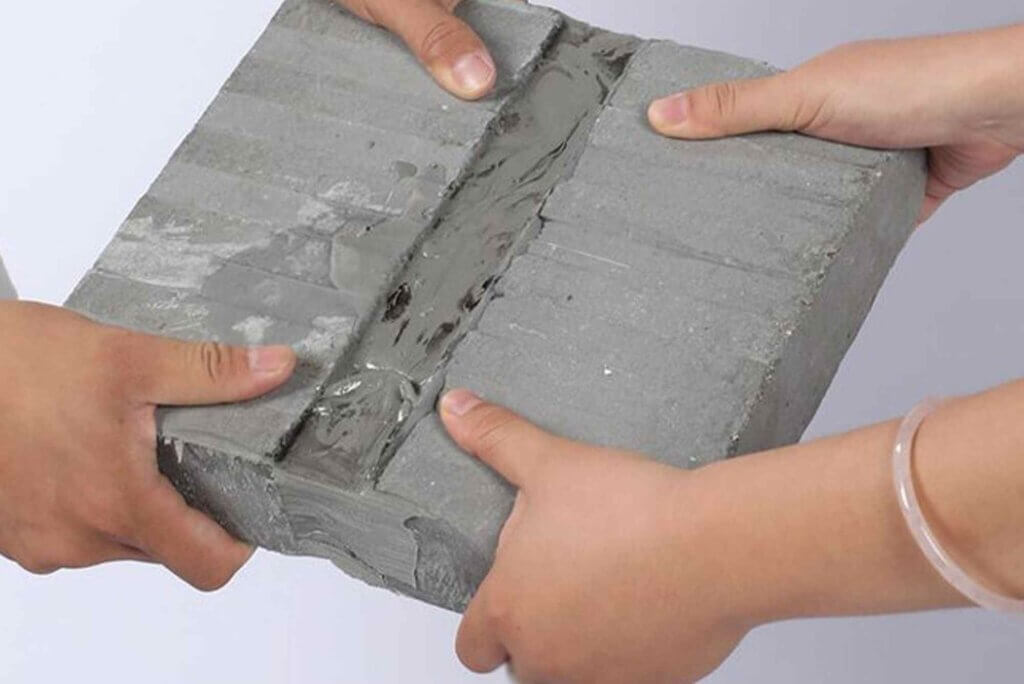
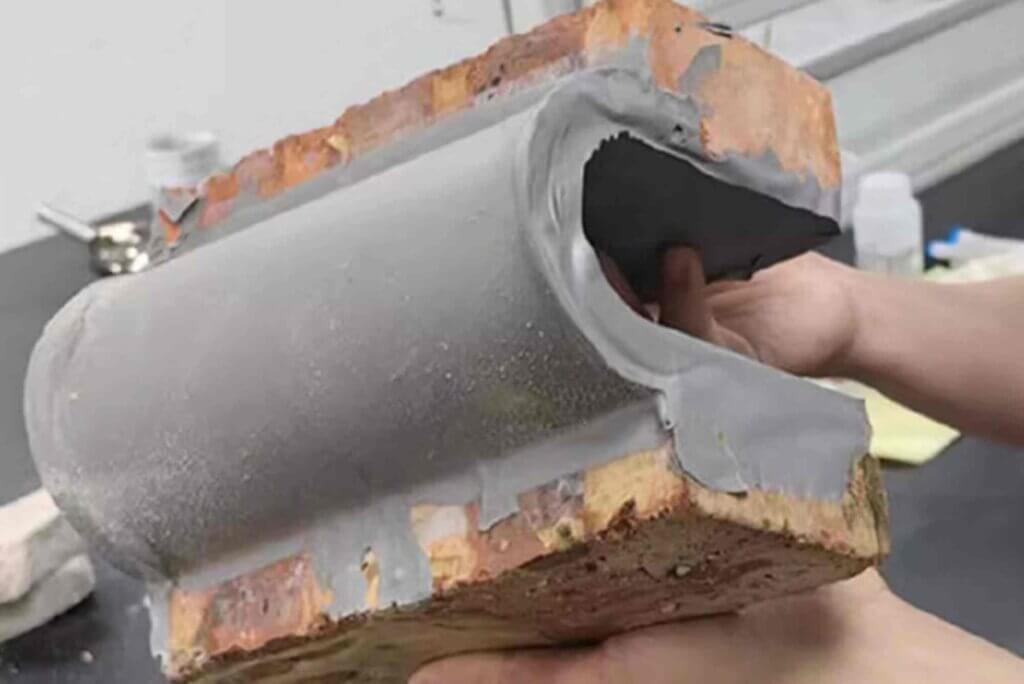
What Does Polyurea Concrete Repair Really Mean?
Polyurea concrete repair can actually involve a range of different materials, depending on what you’re dealing with:
- Polyurea grouting material for leaking joints or re-leakage areas
- Polyurea waterproof coating for surface protection after repair
- Spray polyurea coating for larger protective surfaces
- Manual-applied polyurea coating for small or equipment-limited areas
- Supporting materials such as polyurethane grout, epoxy injection resin, acrylate grout, repair mortar, primer, and waterproofing layers
Why does this matter? Because a cracked surface and a damaged surface are two different problems:
- A crack might need injection, sealing, or bonding.
- A damaged surface might need cleaning, mortar, reinforcement, or restoration before you waterproof.
Polyurea has a real place in concrete repair — it’s great for elastic sealing, waterproofing, and surface protection. But it’s not a magic bullet that replaces injection grout, structural epoxy, or repair mortar.
Diagnose the Concrete Problem Before Choosing Polyurea
Before selecting any polyurea repair solution, the concrete problem must be diagnosed. Foreign contractors and project buyers usually think in this order:
- What is damaged?
- Is water present?
- Is the crack moving?
- Is the structure weak?
- Does the surface need repair before waterproofing?
- Where should polyurea be used?
Leaking Concrete Cracks
If a concrete crack is leaking, the first priority is to handle the internal water path. A coating over the surface will not solve the problem if water continues moving through the crack.
For active water leakage, polyurethane grout is often the first option to consider. It can enter the crack and react with water to form a sealing body. For damp but not actively flowing cracks, the material may depend on crack width, water pressure, and the repair goal.
If the problem is a structural joint with re-leakage or slight movement, a polyurea grouting material may be evaluated for elastic waterproof sealing.
After injection, a surface repair layer is often needed to close holes, restore the crack surface, and prepare the area for a waterproofing layer.
Dry Structural Cracks
Dry structural cracks have a different repair logic. If the purpose is bonding and strength recovery, epoxy injection resin is often more suitable than a flexible waterproofing material.
Polyurea should not be used as a simple substitute for structural bonding. If the crack is related to structural safety, an engineer should evaluate the condition before repair.
After the structural crack is treated, waterproofing or surface protection may be added if the structure is exposed to moisture or chemicals.
Moving Joints and Re-Leakage Areas
Deformation joints, expansion joints, settlement joints, and some construction joints may move slightly. Rigid repair materials may crack again when the joint moves.
In these areas, flexible sealing and waterproof performance become more important. Polyurea grouting material can be evaluated for joint re-leakage and elastic sealing. If active water is present, polyurethane grout may be used first to stop or reduce the leakage.
After that, a repair layer and waterproofing layer may be added depending on the site condition.
Spalled or Damaged Concrete
Spalled concrete, honeycombs, exposed reinforcement, hollow areas, and loose surfaces should not be covered directly with polyurea coating.
The weak concrete must be removed first. If reinforcement is exposed, corrosion should be handled before repair. Then a repair mortar or structural repair material can be used to restore the base.
Only after the base is stable should the project move to primer, waterproofing layer, or polyurea protection.
Wet Concrete Structures
Water tanks, pools, underground structures, damp walls, and wastewater structures require careful sequencing. Cracks and leakage paths should be treated first. Then the surface should be repaired. Finally, a continuous waterproofing layer can be applied.
Polyurea may be used as a waterproofing or protection layer in suitable conditions, but the system must match the service environment, substrate moisture, immersion requirements, and application conditions.
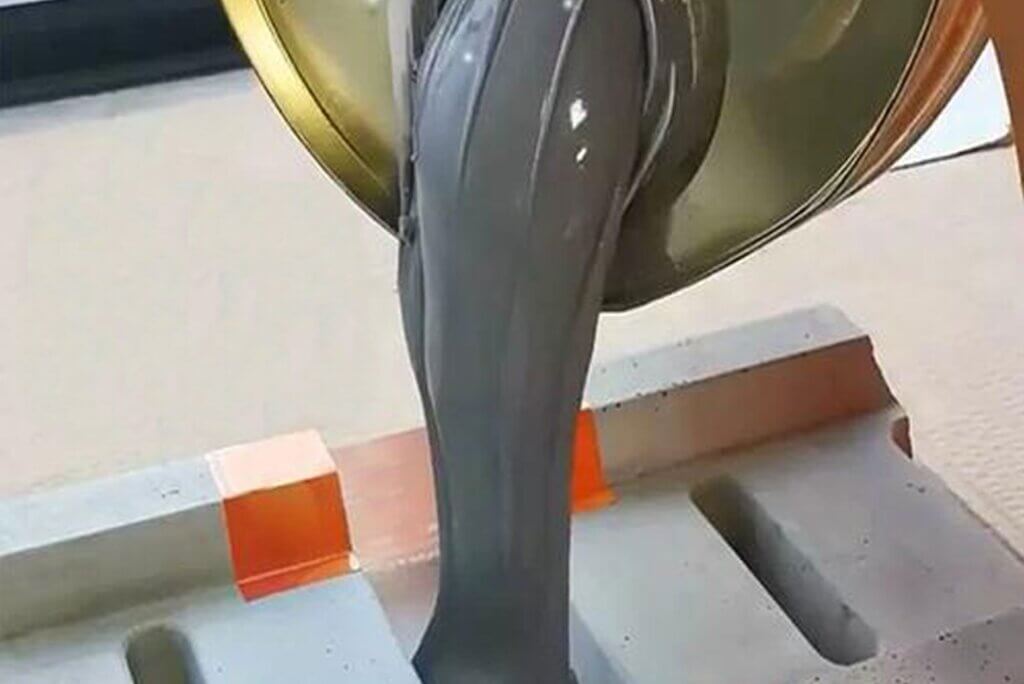

Where Polyurea Fits in Concrete Repair Systems
Polyurea can be useful in concrete repair, but it should be placed correctly in the system.
Polyurea Grouting Material for Leaking Joints and Re-Leakage
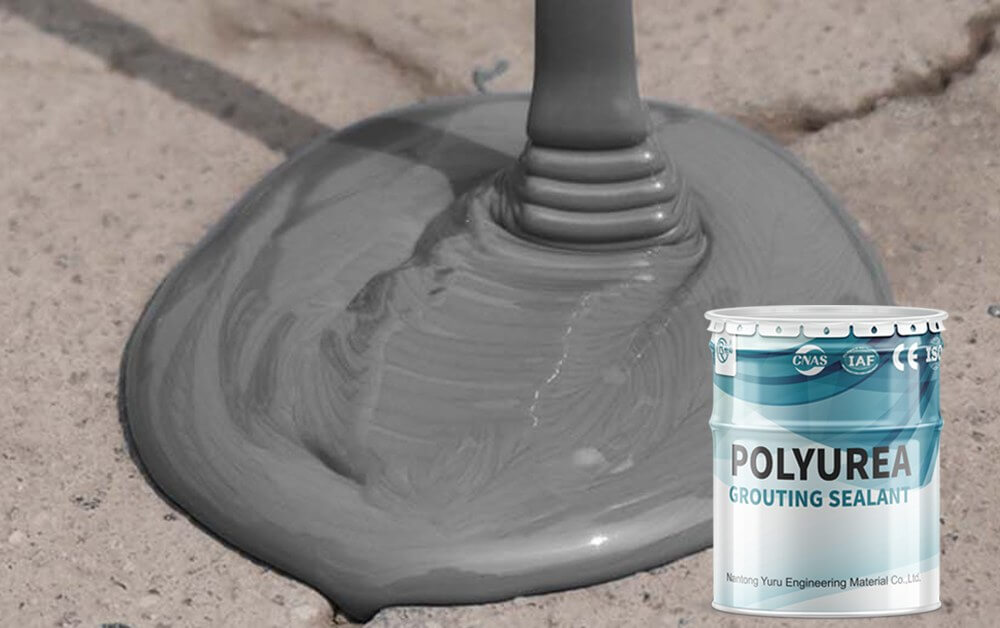
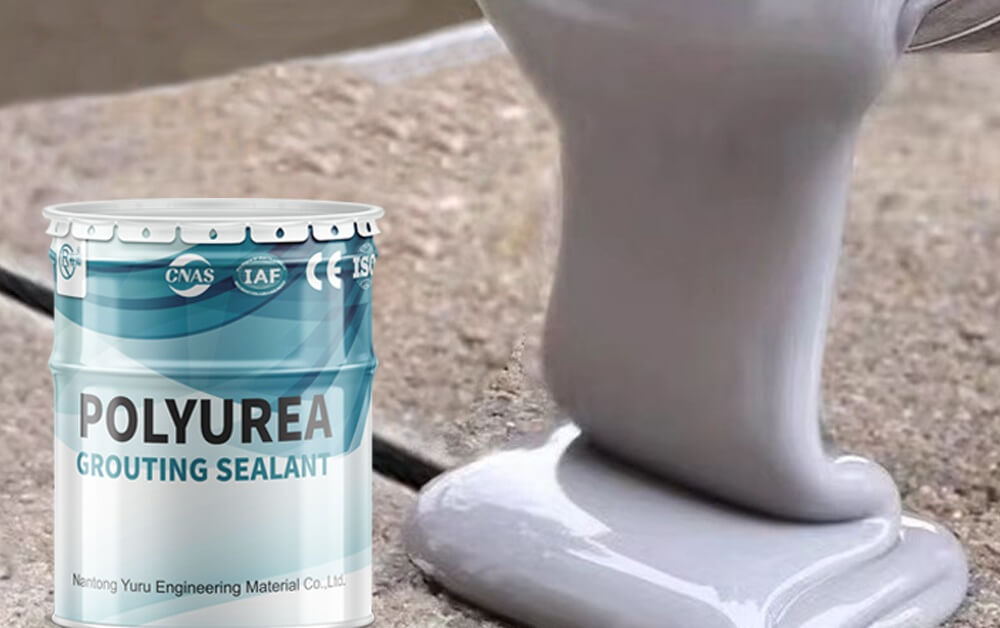
The polyurea grouting material is not the same as a surface coating. It is used for leakage paths, joints, and structural crack sealing.
For example, YURU PG-1 Polyurea Grouting Material is used for leakage and re-leakage of structural cracks such as deformation joints, expansion joints, joints, and settlement joints. Its role is closer to grouting and sealing than coating.
The key performance points are:
- Flexibility
- Bonding
- Waterproof sealing
- Elastic recovery
- Suitability for structural joint re-leakage
Its correct role is elastic sealing for suitable structural cracks and joints.
Repair Layer for Damaged Concrete After Grouting
After grouting, the concrete surface often needs a repair layer.
This layer closes drill holes, fixes the visible crack, fills defects, smooths things out, and restores the base before you waterproof. It’s especially important if the concrete has honeycombs, loose material, small voids, or previous repairs that didn’t hold.
A repair layer isn’t just about looks. It gets the concrete ready for the next step. Without a stable repair layer, your waterproofing can bond poorly, blister, crack, or peel off later.
Waterproofing Layer as Final Concrete Protection
A waterproofing layer provides continuous protection after the crack and base have been repaired. It should not be used as a shortcut to cover active cracks or weak concrete.
In a proper system, the waterproofing layer comes after internal leakage paths and surface defects have been treated.
If it’s exposed to the elements, you might need UV resistance. For underground or wet structures, you’ve got to consider water pressure, substrate moisture, and long-term performance.
Polyurea Coating as Surface Protection After Repair
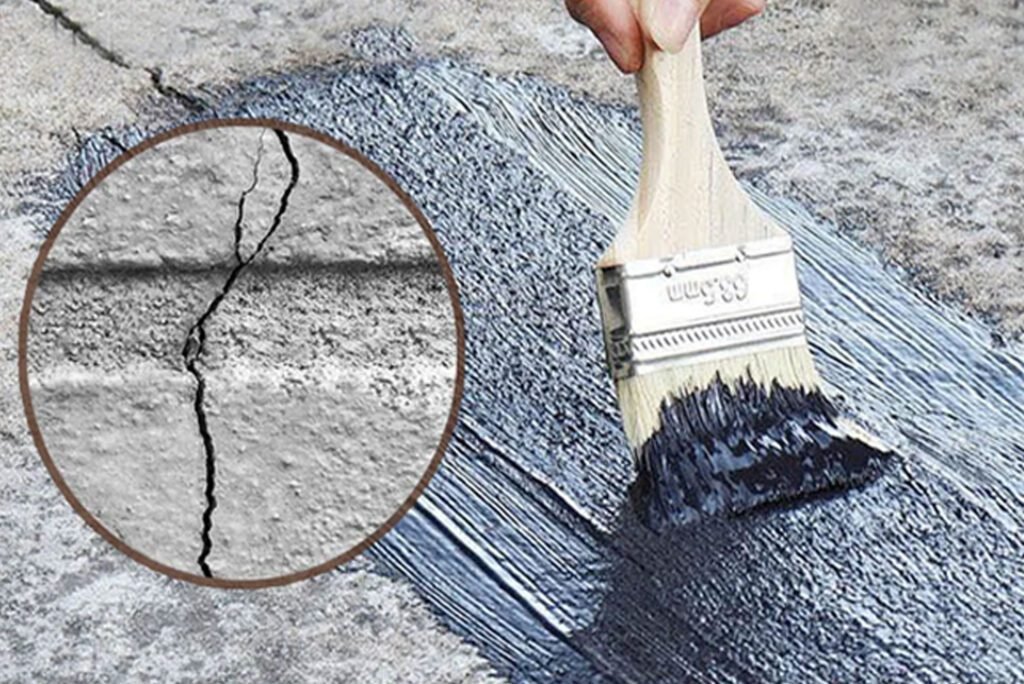
Polyurea coating can be useful after concrete repair. It can provide waterproofing, surface protection, abrasion resistance, and a seamless protective membrane for suitable concrete surfaces.
However, it cannot replace internal crack injection. It also cannot be applied directly over loose, spalled, or hollow concrete.
Before polyurea coating is used, cracks, water paths, weak surfaces, and damaged concrete areas should be repaired. Primer selection and substrate preparation are also important.
Spray polyurea may be suitable for larger surfaces, while manual-applied polyurea can be considered for smaller areas or projects without spray equipment. Still, both require a stable base.
Manual-Applied Polyurea or Spray Polyurea: Application Method, Not the Whole Repair
Manual-applied polyurea may be useful for small areas, local repair, or equipment-limited projects. Spray polyurea may be more suitable for larger areas where fast surface protection and professional equipment are available.
Neither method should be used to hide active cracks or cover damaged concrete without repair.
Polyurea vs Other Concrete Repair Materials
Choosing the right material becomes easier when each product role is clear.
Polyurea Grouting Material vs Polyurethane Grout
Polyurethane grout is commonly used for active water leakage and fast water stopping. It is often selected when water is flowing through cracks or joints.
Polyurea grouting material is different. It is more relevant for structural joint re-leakage, elastic sealing, and waterproof repair where flexibility and long-term sealing are important.
In some projects, both may be used. PU grout may stop active water first. Polyurea grouting material may later support elastic joint sealing, depending on the condition.
Polyurea Grouting Material vs Epoxy Injection Resin
Epoxy injection resin is usually selected for dry structural cracks where bonding and strength recovery are the main goals.
Polyurea grout is better when you need flexible waterproof sealing — not structural bonding.
If the project needs strength restoration, epoxy injection or structural repair should be considered. If the project needs elastic sealing for a joint with slight movement, polyurea grouting material may be more relevant.
Polyurea Grouting Material vs Acrylate Grout
Acrylate grout is for fine seepage, low-viscosity penetration, and curtain grouting. It works well when the leak path is thin or hard to get to.
Polyurea grout is more about joints, re-leakage spots, and elastic waterproof sealing.
The choice depends on crack width, water path complexity, injection method, and waterproofing target.
Polyurea Protection vs Cementitious Repair Mortar
Cementitious repair mortar restores damaged concrete. It repairs spalled surfaces, fills cavities, and rebuilds the base.
Polyurea protection is used for waterproofing, sealing, or surface protection after the base is stable.
These two roles should not be confused. A coating cannot replace repair mortar when concrete is loose, hollow, spalled, or structurally damaged.
Recommended Repair Logic for Different Concrete Problems
A practical repair plan should start with the problem, not the product.
Leaking Concrete Cracks
First thing — is water actively flowing?
If the crack has active leakage, polyurethane grout is usually the first material to consider. If the crack is damp but not actively leaking, material selection depends on crack width, moisture, movement, and the final waterproofing goal.
For joint re-leakage or slight movement, polyurea grouting material can be evaluated. After injection, a repair layer should close and restore the surface. If the structure needs long-term waterproof protection, a waterproofing layer can follow.
Dry Structural Cracks
For dry structural cracks, the main target is bonding and strength recovery. Epoxy injection resin may be more suitable.
Polyurea can still be used later as surface protection, but it should not be treated as the primary structural repair material.
Damaged or Spalled Concrete
When concrete is spalled or damaged, the weak layer should be removed first. If reinforcement is exposed, corrosion should be treated. Then a repair mortar or structural repair material should restore the base.
After the base becomes stable, primer and waterproofing protection can be applied. If polyurea coating is used, it should be applied over a sound, repaired substrate.
Water Tanks, Pools and Wet Concrete Structures
For water tanks, pools, and wet structures, cracks and joints should be treated first. Injection grout may be needed where leakage paths exist. Then the surface repair layer can restore the concrete surface.
After that, a continuous waterproofing layer can protect the repaired structure. Polyurea may be used in suitable projects, but immersion conditions, substrate moisture, and safety requirements must be reviewed.
Common Mistakes in Polyurea Concrete Repair
Here’s something we see a lot: repairs fail not because the material was bad, but because it was used in the wrong place.
Using Coating to Hide Active Cracks
A coating will hide a crack so you can’t see it anymore. But it won’t stop the water that’s moving through the concrete. If that internal leak path is still open, water will find its way back and damage the coating from behind.
Active cracks should be injected before surface waterproofing.
Skipping the Repair Layer After Grouting
After grouting, some contractors move directly to waterproofing. This can leave injection holes, uneven crack surfaces, and local defects untreated.
A repair layer restores the surface and gives the waterproofing layer a better base. This step is often what turns a temporary repair into a more complete system.
Applying Polyurea Over Weak or Spalled Concrete
Polyurea needs a stable substrate. If the concrete is loose, dusty, spalled, or hollow, the coating may detach even if the material quality is good.
Surface preparation and damaged concrete repair are not optional.
Using Polyurea When Structural Bonding Is Required
If a crack needs structural bonding, epoxy injection resin or another structural repair method may be needed.
Polyurea is more suitable for flexible sealing, waterproofing, and surface protection. It should not be used as a shortcut for structural strength repair.
Confusing Grouting Material with Coating
Polyurea grouting material and polyurea coating have different functions. A grouting material targets cracks, joints, and leakage paths. A coating protects the surface.
They can be used together, but they cannot replace each other.
Case Example: Mozambique Concrete Structure Repair with Injection, Repair Layer and Waterproofing Layer
Project Background:
YURU Waterproof supported a customer in Mozambique on a concrete structure repair project. The structure had cracking, leakage, and local surface damage. The customer did not only want a surface waterproofing product. They needed a repair logic that could address leakage, damaged substrate, and final waterproofing protection.
The site problems included:
- Leakage around concrete cracks
- Local damaged or weak surface areas
- Need for surface restoration before waterproofing
- Risk of re-leakage if the internal water path remained untreated
- Risk of poor waterproofing adhesion if the damaged base was not repaired
YURU Problem Review:
After discussing the project, YURU advised the customer not to move directly to surface waterproofing.
The reason was simple: waterproofing should protect a repaired structure. It should not be used to hide untreated leakage paths or weak concrete.
YURU reviewed the repair in three steps:
- Seal the leak path.
- Fix the damaged surface.
- Protect the repaired concrete.
This approach saved them from a common mistake: putting waterproofing over cracks and weak areas before the base was ready.
Recommended Repair System:
YURU recommended a staged repair system.
Step 1: Injection Grouting First
The first step was to use a suitable injection grout to treat cracks or leakage channels. For cracks with moisture or active leakage, polyurethane grout could be selected based on water flow and site condition. For joint re-leakage or slight movement, polyurea grouting material could be evaluated.
The purpose of this step was to treat the internal water path, not the surface appearance.
Step 2: Repair Layer After Grouting
After grouting, the customer applied a repair layer over the crack surface and damaged areas.
This layer helped close injection points, repair the crack surface, restore local defects, improve flatness, and create a better substrate for the waterproofing layer.
Step 3: Waterproofing Layer as Final Protection
After the repair layer was completed and the substrate met the project requirements, the customer applied a waterproofing layer for final protection.
This layer helped create continuous waterproofing over the repaired concrete structure.
The system can be summarized as:
Injection grout → repair layer → waterproofing layer
Result and Takeaway:
The Mozambique project shows why concrete repair should be planned as a system. The injection grout addressed the leakage path. The repair layer restored the damaged surface. The waterproofing layer provided final protection.
This is also the correct way to understand polyurea concrete repair solutions. Polyurea may be used for elastic joint sealing or surface waterproofing protection, but only as part of the repair system.
The lesson is clear: do not start with the coating. Start with the defect.

What to Confirm Before Choosing Polyurea Concrete Repair Solutions?
Before selecting materials, confirm the following:
- Is the concrete cracked, leaking, spalled, hollow, or structurally damaged?
- Is there active water leakage?
- Is the crack dry and structural?
- Is there a deformation joint, expansion joint, construction joint, or settlement joint?
- Is the substrate loose or damaged?
- Is repair mortar needed before waterproofing?
- Is injection grout needed first?
- Is a repair layer needed after grouting?
- Is a waterproofing layer required?
- Will polyurea be used for grouting, coating, or surface protection?
- Is UV resistance required?
- Is the area exposed, underground, or immersed?
- Is spray equipment available?
- Is manual application required?
- Are TDS, MSDS, and application instructions available?
- Is sample testing needed?
- Is OEM/ODM or private-label packaging required?
These questions help avoid wrong product selection and improve repair reliability.
Why Choose YURU Waterproof for Polyurea Concrete Repair Solutions?
YURU Waterproof is a professional manufacturer of waterproof coatings, injection grouting materials, and flooring coating systems. For cracked and damaged concrete structures, YURU does not recommend one product for every problem. Instead, YURU helps customers build material combinations based on leakage condition, substrate damage, exposure environment, and repair target.
YURU can supply:
- Polyurethane grout for active leakage and crack sealing
- PG-1 Polyurea Grouting Material for structural joint leakage and re-leakage
- Microcrystalline polyurea grout for high-demand underground waterproof sealing
- Epoxy injection resin for dry structural crack bonding
- Acrylate grout for fine seepage and curtain grouting
- Polyurea waterproof coating for surface protection after repair
- Spray polyurea waterproof coating for large-area protective surfaces
- Manual-applied polyurea coating for small-area or equipment-limited projects
- Cementitious and polymer waterproofing materials for system support
YURU also supports sample testing, TDS, MSDS, application guidance, project communication, OEM/ODM, packaging customization, wholesale supply, and private-label cooperation.
For contractors, distributors, importers, and project buyers, the value is not only the material. It is the ability to match the material to the repair condition.
FAQs:
1. Can polyurea repair cracked concrete?
Yes. Polyurea can support some cracked concrete repair systems, but it is not suitable for every crack. Active water cracks may need polyurethane grout. Dry structural cracks may need epoxy injection resin. Structural joint re-leakage may use polyurea grouting material. Surface protection after repair may use polyurea coating.
2. Why is a repair layer needed after injection grouting?
A repair layer closes injection holes, repairs the crack surface, improves flatness, restores local defects, and creates a better base for the waterproofing layer. It helps connect injection work with final surface protection.
3. What is the best repair system for leaking concrete cracks?
For active leakage, polyurethane grout is often used first. For joint re-leakage or slight movement, polyurea grouting material may be evaluated. After injection, a repair layer may be applied, followed by a waterproofing layer if required.
4. Does YURU Waterproof provide complete polyurea concrete repair solutions?
Yes. YURU Waterproof provides polyurethane grout, PG-1 Polyurea Grouting Material, microcrystalline polyurea grout, epoxy injection resin, acrylate grout, polyurea waterproof coating, spray polyurea coating, manual-applied polyurea coating, and supporting waterproofing materials. YURU also supports sample testing, technical documents, OEM/ODM, and bulk supply.
Conclusion:
Polyurea concrete repair solutions should not be understood as “cover all damaged concrete with polyurea.”
A reliable repair starts with diagnosis.
If there is active leakage, use a suitable injection grout first, if the crack is dry and structural, consider epoxy injection resin. If a joint has re-leakage or slight movement, evaluate polyurea grouting material, if the concrete is spalled or weak, restore it with a repair layer. After the base is repaired, apply a waterproofing layer or polyurea protection when needed.
The best repair logic is:
diagnosis → injection or structural repair → repair layer → waterproofing layer → polyurea protection when needed
Polyurea is valuable when it is used in the right part of the system.
If you are looking for polyurea concrete repair solutions for cracked and damaged concrete structures, YURU Waterproof can help you choose the right material combination based on your project condition.
Contact YURU Waterproof to discuss Mozambique project reference, injection grout, repair layer, waterproofing layer, PG-1 Polyurea Grouting Material, polyurethane grout for active leakage, epoxy injection resin for dry structural cracks, acrylate grout for fine seepage, polyurea waterproof coating, sample testing, OEM/ODM supply, and project-based material selection.
YURU Product solutions