How to Epoxy a Garage Floor? A Complete Step-by-Step Guide for Durable Garage Flooring
Introduction: Why More Projects Choose Epoxy Garage Flooring?
A garage floor does more than support vehicles.
It faces daily challenges such as:
- Tire movement;
- Oil stains;
- Dirt accumulation;
- Moisture exposure;
- Mechanical impact.
Concrete floors, while functional for basic applications, tend to develop performance issues over time.
Common issues include:
- Dust on the surface;
- Oil marks that are difficult to remove;
- Surface wear;
- Cracks and uneven areas;
- Poor appearance.
That’s why more people are choosing epoxy garage flooring.
A well-installed epoxy floor protects the concrete. It improves durability, makes cleaning easier, and gives the garage a more professional appearance.
Successful installation, however, extends beyond coating application.
The final result depends on:
- Concrete preparation;
- Material selection;
- Correct installation;
- Proper curing.
This guide covers how to epoxy a garage floor, what you’ll need, the key stepst, and how to avoid common installation problems.

What Is Garage Floor Epoxy?
Understanding Garage Floor Epoxy Systems
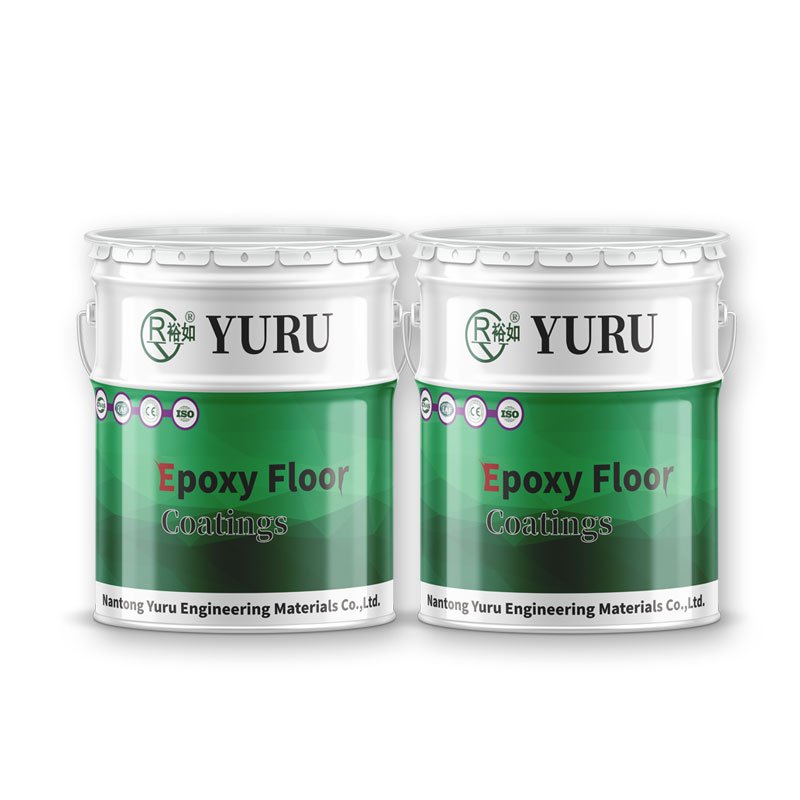
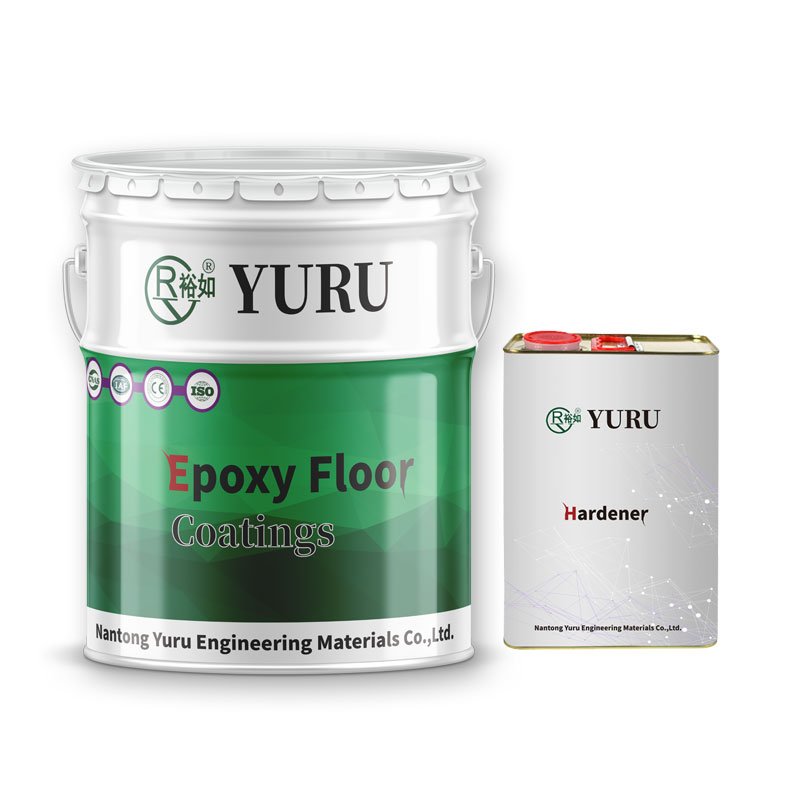
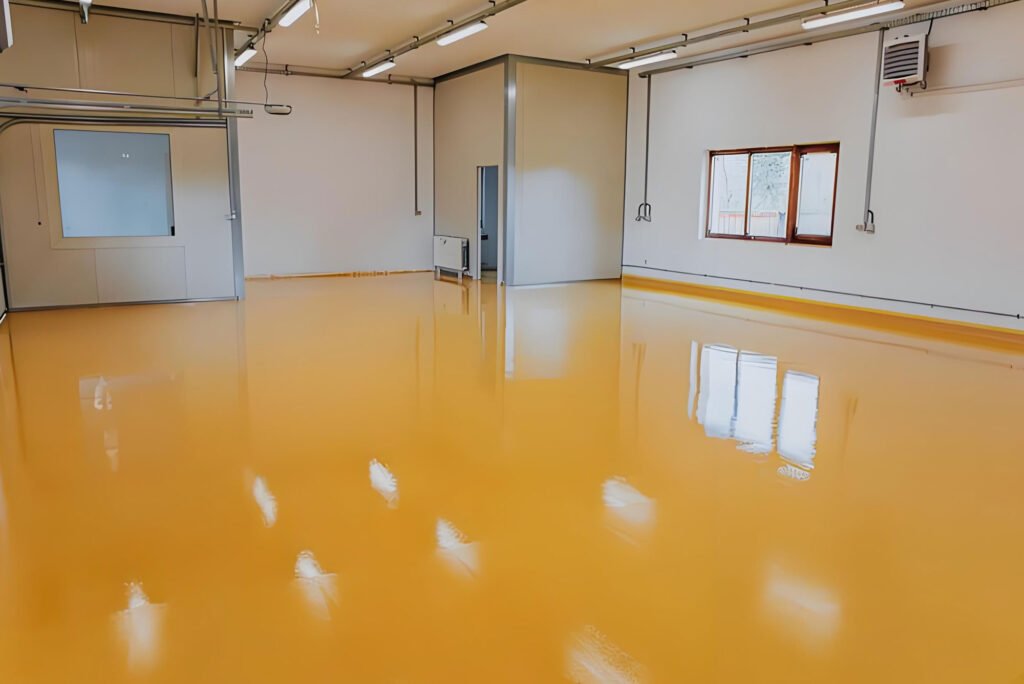
Garage floor epoxy is a resin-based flooring formulation intended for concrete substrates.
The system usually contains:
- Epoxy resin;
- Curing agent;
- Optional additives or aggregates.
Mix them together, and a chemical reaction starts.
The material gradually forms a hard protective surface.
Unlike untreated concrete, epoxy forms a sealed layer that provides protection against daily wear.
A complete garage epoxy system comprises:
Concrete Garage Floor → Prep Surface → Crack Repair (as required) → Primer Layer → Epoxy Application → Curing → Finished Garage Floor
Each step influences final performance.
Skipping one step can reduce the service life of the flooring system.
Main Benefits of Epoxy Garage Flooring
Many people ask:
Is epoxy good for a garage floor?
For most garage applications, yes — epoxy beats bare concrete in several ways.
Better Protection for Concrete Floors
While concrete offers structural strength, it is susceptible to daily wear.
A garage floor experiences:
- Vehicle weight;
- Tire friction;
- Oil contamination;
- Cleaning chemicals;
- Temperature changes.
Over time, these take a toll.
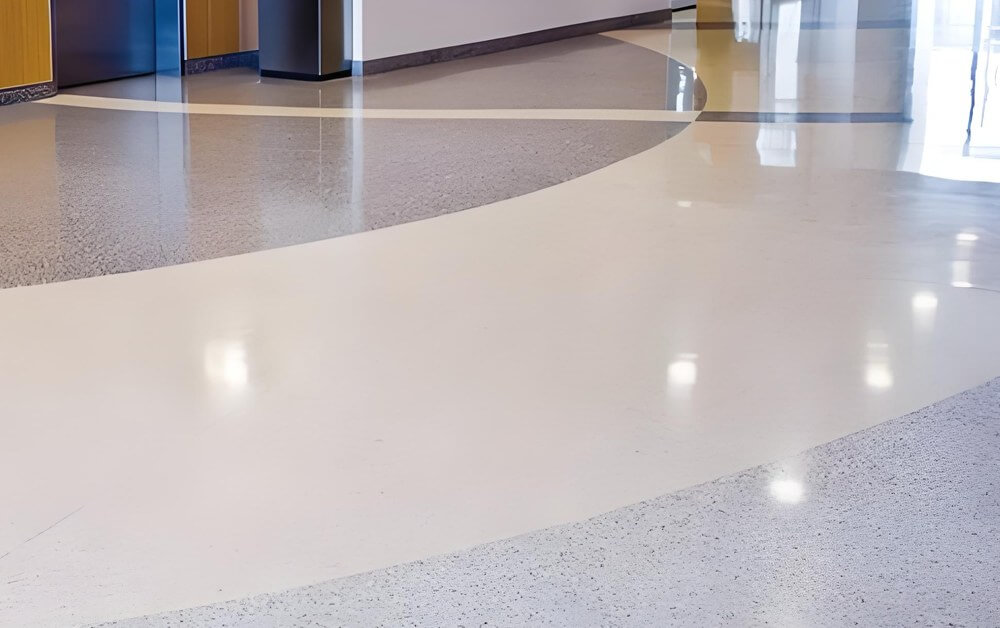
Epoxy floor coating creates a protective layer that helps reduce surface wear. Preserving the underlying concrete.
Easier Cleaning and Maintenance
A garage floor often collects:
- Dust;
- Mud;
- Oil;
- Grease;
- Water stains.
Bare concrete absorbs many contaminants.
This makes cleaning difficult.
Epoxy creates a smoother and more sealed surface.
The result:
- Faster cleaning;
- Less dirt absorption;
- Better daily maintenance.
For garages used as workshops or storage areas, this advantage becomes especially important.
Improved Garage Appearance
Many garages are no longer used only for parking.
They may also become:
- Home workshops;
- Storage spaces;
- Hobby areas;
- Small working spaces.
Deteriorated concrete floors detract from overall space quality.
Epoxy flooring enhances appearance through:
- Smooth finishes;
- Color options;
- Decorative effects.
For premium garage spaces, decorative epoxy flooring provides a cleaner and more attractive solution.
Better Long-Term Value
The cost of a garage floor should not only be measured by the initial installation price.
A good flooring system can reduce future maintenance needs.
Important benefits include:
- Fewer surface repairs;
- Easier cleaning;
- Better protection of concrete;
- Longer usable life.
A correctly selected epoxy flooring system provides long-term value.
Required Materials for Garage Floor Epoxy Installation
Before starting the project, prepare the correct materials.
A professional epoxy garage floor system usually includes several components.
Epoxy Resin and Curing Agent
The main flooring material contains two parts:
Component A: Epoxy Resin
and
Component B: Curing Agent
The two components must be mixed according to the manufacturer’s instructions.
Correct mixing affects:
- Curing performance;
- Surface hardness;
- Final appearance.
Concrete Primer
A primer layer improves bonding between:
- Concrete substrate;
- Epoxy coating.
The primer helps the epoxy system achieve better adhesion.
It also helps create a more stable flooring structure.
Crack Repair Materials
Concrete cracks should be checked before epoxy application.
Small cracks may require repair before coating.
Common repair materials include:
- Epoxy repair products;
- Flexible crack fillers;
- Concrete repair compounds.
The correct repair method depends on:
- Crack size;
- Crack movement;
- Moisture condition.
Installation Tools
Common tools include:
| Tool | Purpose |
| Floor grinder | Remove weak surface layers |
| Vacuum system | Remove dust |
| Mixing bucket | Prepare epoxy material |
| Roller | Apply coating |
| Squeegee | Spread material evenly |
| Safety equipment | Protect workers |
How to Prepare a Garage Floor Before Epoxy Application?
Step 1: Inspect the Concrete Surface
Surface preparation is the most critical phase of epoxy installation.
Many epoxy failures result from application over unsuitable concrete.
Before installation, check:
- Surface strength;
- Existing cracks;
- Moisture condition;
- Oil contamination;
- Previous coatings.
Check for Moisture Problems
Moisture compromises epoxy adhesion.
Substrate suitability should be confirmed prior to application.
Common moisture sources include:
- Ground moisture;
- Poor drainage;
- Recent concrete installation;
- Water leakage.
A dry and stable substrate creates better conditions for epoxy application.
Remove Oil and Contamination
Garage floors often contain:
- Engine oil;
- Grease;
- Dirt;
- Chemical residues.
These contaminants inhibit epoxy bonding.
Clean everything before grinding.
Step 2: Prepare the Concrete Surface
A strong epoxy garage floor starts with proper surface preparation.
The basic process includes:
Remove Dirt and Oil → Mechanical Grinding → Dust Removal → Surface Inspection → Ready for Epoxy Application
Why Grinding Is Important
Grinding removes weak surface materials.
It also creates a better profile for epoxy bonding.
A smooth but untreated concrete surface may not provide enough adhesion.
Proper preparation allows epoxy to connect with the concrete structure.
Step 3: Repair Concrete Cracks and Defects
Fix cracks before applying epoxy.
Common garage floor defects include:
- Hairline cracks;
- Small surface damage;
- Uneven areas.
The repair method depends on the actual condition.
Small Surface Cracks
Small cracks may affect the final appearance.
Repairing them helps create:
- A smoother surface;
- Better finished appearance;
- More uniform coating.
Larger Concrete Damage
Larger defects may require additional repair work.
The installer should evaluate:
- Crack width;
- Crack depth;
- Structural condition.
The goal is to create a stable surface before applying epoxy.
Step 4: Apply Primer Layer
A primer improves the connection between concrete and epoxy.
It helps:
- Increase adhesion;
- Reduce surface absorption;
- Create a more stable base.
The primer layer prepares the surface for the final epoxy system.
Primer Application Tips
During application:
- Apply evenly;
- Avoid excessive thickness;
- Follow product instructions;
- Allow proper curing time.
The primer should create a strong foundation for the next layer.
Step 5: Epoxy Mixing and Application
After surface preparation and primer application, the next step is applying the epoxy material.
This stage directly affects:
- Surface appearance;
- Adhesion strength;
- Final durability;
- Overall floor performance.
A high-quality epoxy material can still fail if workers do not follow the correct mixing and application process.
Mix Two-Component Epoxy Materials Properly
Most professional epoxy flooring systems use two components:
- Component A: Epoxy resin;
- Component B: Curing agent.
The installer must mix both components according to the manufacturer’s instructions.
The basic process:
Check Mixing Ratio → Combine Component A and Component B → Mechanical Mixing → Wait for Proper Reaction → Apply Within Working Time
Incorrect mixing may cause:
- Soft surface;
- Uneven curing;
- Poor hardness;
- Reduced service life.
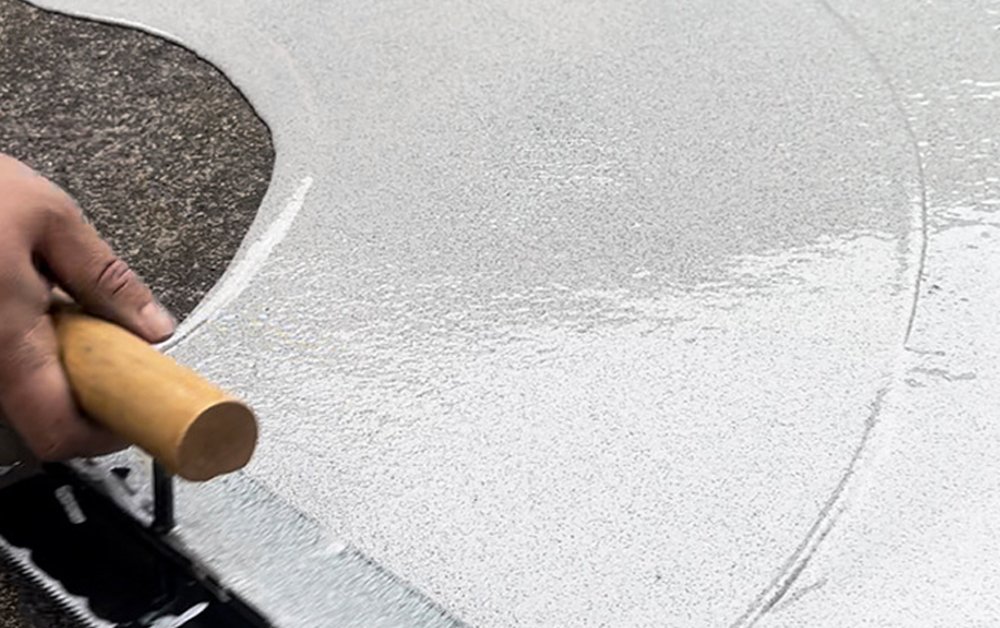
Apply Epoxy Evenly Across the Garage Floor
After mixing, workers should apply the epoxy material evenly.
Common application tools include:
- Rollers;
- Squeegees;
- Brushes for edges and details.
The installer should control:
- Coating thickness;
- Material distribution;
- Working speed.
An uneven application may create:
- Different surface textures;
- Color differences;
- Weak areas.
Control Working Time During Application
Epoxy materials have a limited working time after mixing.
Workers should prepare the material based on:
- Floor size;
- Temperature;
- Application speed.
Large areas require good planning.
Applying material after the working time can affect the final floor quality.
Choosing Decorative Options for Garage Floors
A garage floor does not need to look basic.
Modern epoxy systems provide different appearance options.
Standard Epoxy Floor Coating
Standard epoxy floor coating provides:
- Clean appearance;
- Smooth surface;
- Functional protection.
It is suitable for:
- Workshops;
- Storage garages;
- Industrial garages.
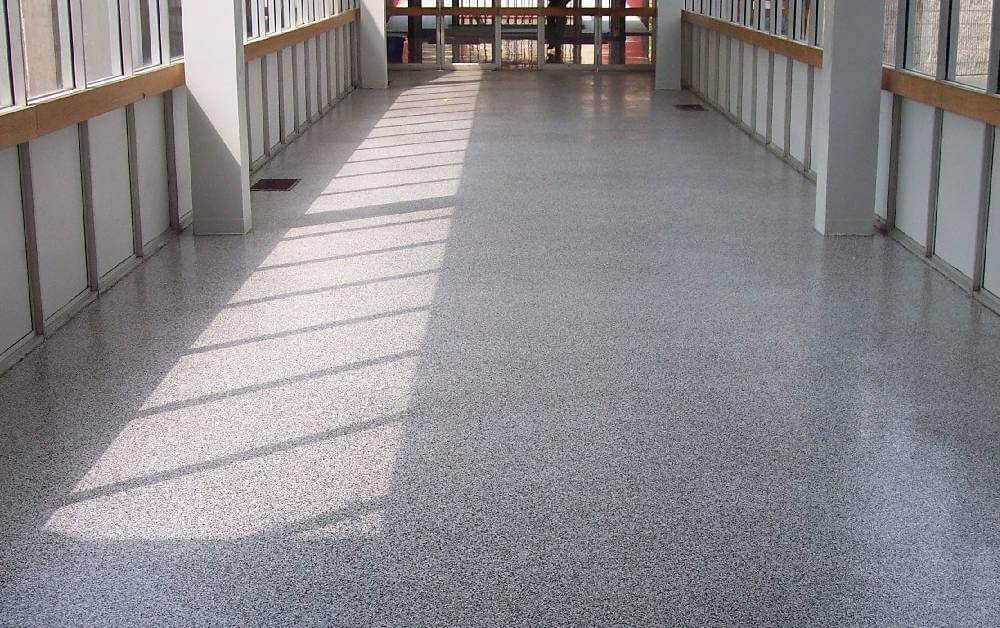
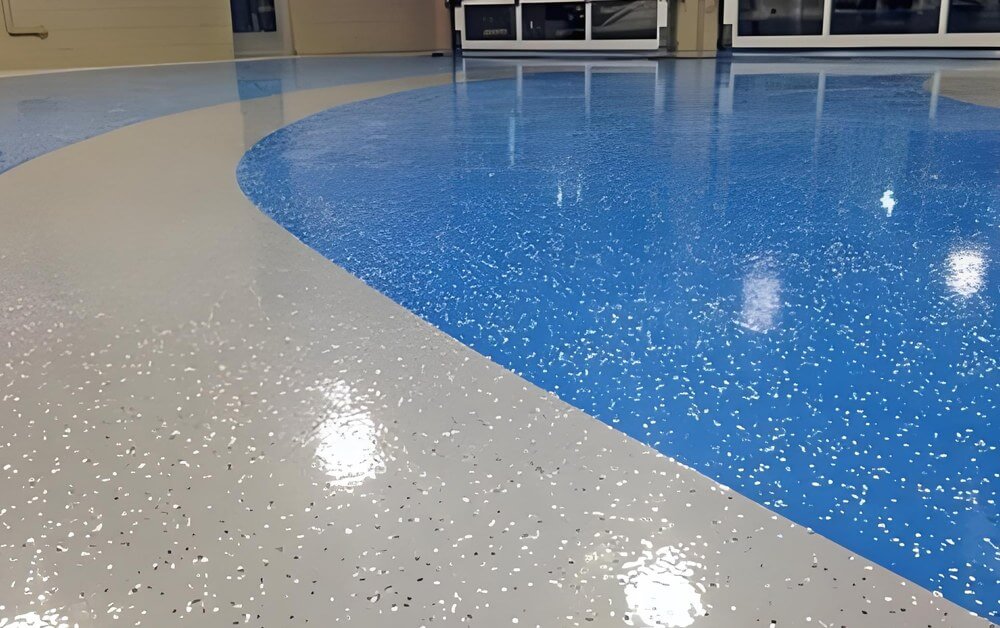
Epoxy Flake Flooring
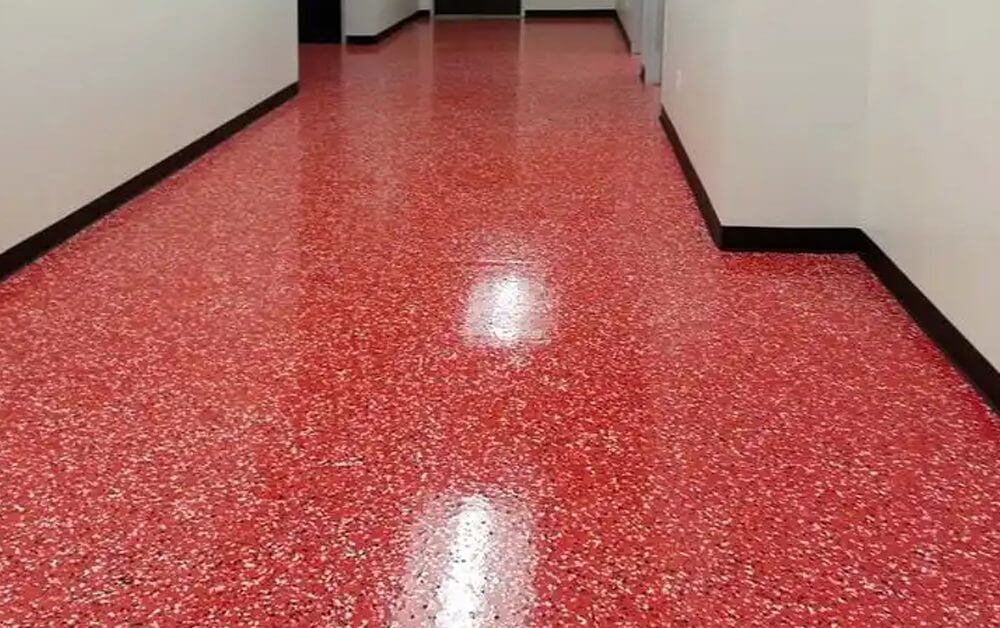
Some garage floors use decorative flakes.
This system adds:
- Texture;
- Visual depth;
- Slip resistance.
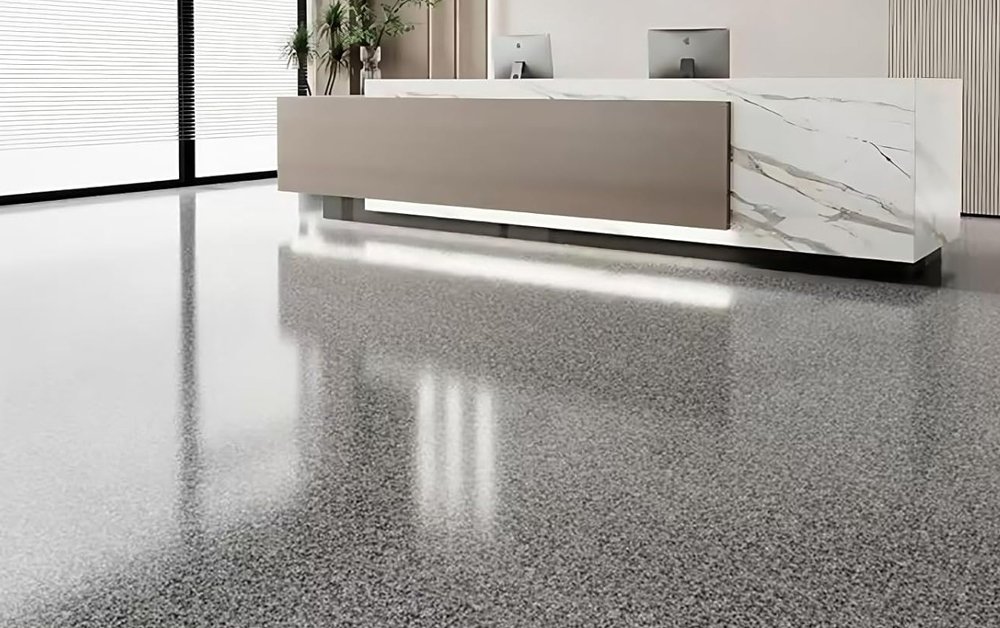
Epoxy Colored Sand Flooring
For premium garage projects, epoxy colored sand flooring provides a more decorative solution.
The system combines:
- Epoxy resin;
- Colored sand;
- Curing agent.
The colored sand is already mixed inside the material.
It does not require a separate sand broadcasting layer.
This creates:
- Seamless surface;
- Decorative appearance;
- Strong visual effect.
Step 6: Curing Time and Final Inspection
How Long Does Garage Floor Epoxy Take to Cure?
Curing time depends on several factors:
- Product type;
- Temperature;
- Humidity;
- Coating thickness;
- Site conditions.
The installer should always follow the manufacturer’s technical instructions.
A floor may appear dry on the surface before it reaches full performance.
Understanding Different Curing Stages
A typical epoxy curing process includes:
| Stage | Condition |
| Surface Dry | The surface feels dry |
| Light Foot Traffic | People can walk carefully |
| Full Use | Vehicles and heavy loads are allowed |
The exact time depends on the epoxy system.
Final Inspection Before Using the Garage Floor
Before opening the garage for daily use, inspect:
- Surface appearance;
- Color consistency;
- Adhesion;
- Smoothness;
- Possible defects.
Common issues to check:
- Bubbles;
- Pinholes;
- Uneven areas;
- Contamination marks.
A final inspection helps identify problems before the floor enters service.
Which Epoxy Flooring System Is Best for a Garage?
There is no single epoxy system that fits every garage.
The best choice depends on how the space will be used.
Home Garage for Daily Parking
Requirements:
- Easy cleaning;
- Good appearance;
- Basic durability.
Recommended:
Standard epoxy floor coating.
Benefits:
- Protects concrete;
- Reduces dust;
- Improves appearance.
Garage Workshop
A workshop requires stronger performance.
Important factors:
- Tool movement;
- Oil exposure;
- Mechanical impact.
Recommended:
Industrial epoxy flooring systems.
Premium Garage or Showroom Space
Some garages are designed as display or lifestyle spaces.
These projects focus on:
- Appearance;
- Design;
- Surface quality.
Recommended:
Epoxy colored sand flooring or decorative epoxy flooring.
Garage Flooring Selection Table
| Garage Type | Recommended System | Main Focus |
|---|---|---|
| Home garage | Epoxy floor coating | Protection and cleaning |
| Workshop garage | Heavy-duty epoxy | Durability |
| Premium garage | Epoxy colored sand flooring | Appearance and performance |
| Commercial garage | Industrial epoxy system | Traffic resistance |

Epoxy Floor Coating vs Epoxy Colored Sand Flooring
Many customers compare:
epoxy floor coating vs epoxy colored sand flooring
Both systems provide concrete protection.
However, they serve different purposes.
Epoxy Floor Coating
Advantages:
- Simple installation;
- Smooth finish;
- Cost-effective protection.
Best for:
- Functional garage areas;
- Workshops;
- Storage spaces.
Epoxy Colored Sand Flooring
Advantages:
- Decorative appearance;
- Textured surface;
- Higher design flexibility.
Best for:
- Premium garages;
- Commercial display areas;
- Projects requiring better visual impact.
Epoxy Flooring Comparison Table
| Feature | Epoxy Floor Coating | Epoxy Colored Sand Flooring |
|---|---|---|
| Protection | Excellent | Excellent |
| Decorative Effect | Basic | Higher |
| Surface Texture | Smooth | Textured |
| Design Flexibility | Medium | High |
| Application Focus | Functional | Functional + Decorative |
Common Problems After Epoxy Garage Floor Installation
Properly installed epoxy floors provide extended service life.
However, several issues may occur when installation conditions are not controlled.
Epoxy Peeling
Cause:
- Poor concrete preparation;
- Oil contamination;
- Moisture problems.
Solution:
Improve:
- Surface preparation;
- Moisture inspection;
- Primer application.
Bubbles and Pinholes
Cause:
Air or moisture becomes trapped inside the coating.
Possible reasons:
- Poor substrate condition;
- Incorrect application;
- Temperature changes.
Solution:
Control:
- Surface condition;
- Application environment;
- Material handling.
Uneven Color or Surface Finish
Cause:
- Poor mixing;
- Uneven application;
- Different curing conditions.
Solution:
Follow:
- Correct mixing ratio;
- Proper application method;
- Manufacturer guidance.
Cracks Appearing Through Epoxy
Epoxy protects the surface, but it does not repair structural movement.
If the concrete substrate has active cracks, the cracks should be evaluated before coating.
A stable substrate creates better long-term flooring performance.

Why Choose YURU Epoxy Flooring Materials?
Choosing the right material supplier is important for consistent project results.
YURU Waterproof provides epoxy flooring solutions for commercial and industrial applications.
The company focuses on:
- Stable material quality;
- Practical flooring solutions;
- Technical support.
YURU Epoxy Floor Coating Solutions
YURU epoxy floor coating systems are designed for projects requiring:
- Concrete protection;
- Easy maintenance;
- Industrial performance.
Applications include:
- Warehouses;
- Workshops;
- Industrial facilities.
YURU Epoxy Colored Sand Flooring Solutions
YURU epoxy colored sand self-leveling floor paint uses:
- Epoxy resin;
- Colored sand;
- Curing agent.
The colored sand is already integrated into the formula.
The system creates:
- Seamless flooring surface;
- Decorative appearance;
- Strong visual effect.
Applications include:
- Commercial buildings;
- Showrooms;
- Premium garage projects.
Customized Epoxy Flooring Support
YURU supports different project requirements through:
- Custom colors;
- Packaging options;
- OEM services;
- Technical communication.
This allows customers to develop flooring solutions suitable for different markets and applications.
Factory Manufacturing Capability
YURU Waterproof was founded in 2003.
The company specializes in:
- Waterproof materials;
- Grouting materials;
- Flooring systems.
With manufacturing capability and quality control processes, YURU supports customers with reliable flooring products and technical assistance.
FAQs About Garage Floor Epoxy:
The time depends on:
- Floor condition;
- Preparation work;
- Epoxy system;
- Curing conditions.
Surface preparation often requires the most attention.
Yes.
Epoxy is a popular garage flooring solution because it provides:
- Concrete protection;
- Easy cleaning;
- Better appearance;
- Long-term durability.
Yes.
Old concrete floors can receive epoxy after proper preparation.
The installer should repair cracks, remove contamination, and check the surface condition first.
Common causes include:
- Poor surface preparation;
- Moisture;
- Incorrect installation.
Proper preparation is the key to preventing peeling problems.
Yes.
YURU provides epoxy floor coating and epoxy colored sand flooring solutions for different applications.
The company also supports customization and technical communication.
Conclusion:
A successful epoxy garage floor depends on more than applying a coating.
The most important factors include:
- Correct surface preparation;
- Proper material selection;
- Accurate mixing;
- Controlled application;
- Suitable curing time.
Epoxy floor coating provides reliable protection for many garage applications.
Epoxy colored sand flooring provides an additional decorative solution for projects that require stronger visual performance.
The best flooring system depends on:
- Garage usage;
- Traffic level;
- Design requirements;
- Maintenance expectations.
YURU provides epoxy flooring solutions for garages, commercial spaces, and industrial projects.
Contact YURU to discuss your epoxy flooring requirements and find the right system for your project.

YURU Product solutions