Is PU Grouting Effective? Understanding Polyurethane Injection Grouting for Waterproof Repair
Introduction: Is PU Grouting Really Effective for Water Leakage Repair?
Water leaks are a common headache in concrete:
- Basements
- Underground parking
- Tunnels
- Utility structures
- Foundations
When water comes through cracks or joints, you need a fix that stops the leak without tearing out concrete.
This is where PU grouting becomes an important waterproof repair solution.
But many engineers and material buyers still ask:
Is PU grouting effective?
The answer depends on the leakage condition and material selection.
PU grouting can provide effective waterproof sealing when the problem comes from:
- Concrete cracks;
- Construction joints;
- Water leakage channels;
- Small gaps inside concrete structures.
However, PU grouting is not a universal solution for every concrete problem.
The final result depends on:
- Correct grout selection;
- Proper injection method;
- Site conditions;
- Quality of the material.
This article covers how PU grouting works, applications, how it compares with other injection materials, and how to select the right waterproof injection grout for different projects.

What Is PU Grouting?
Understanding Polyurethane Grouting
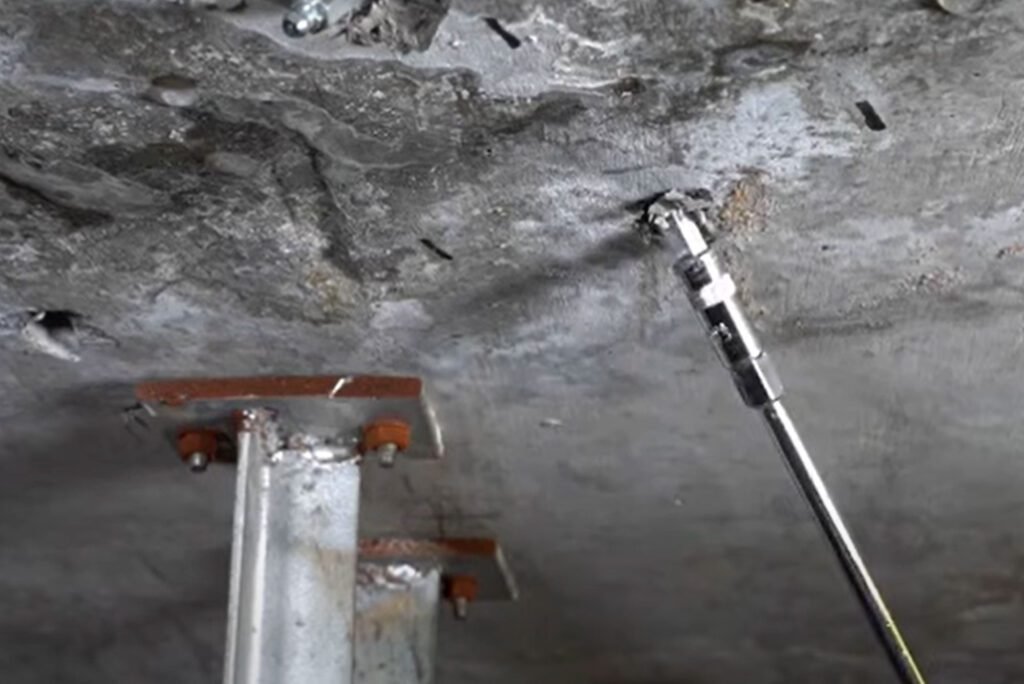
PU grouting, also called polyurethane grouting, is an injection method that uses polyurethane resin to seal cracks and leak paths inside concrete.
Unlike surface coatings, PU grout works from the inside.
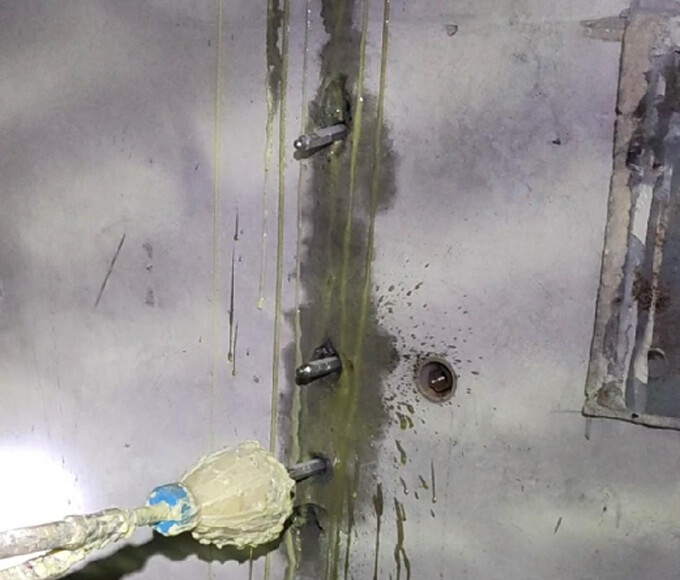
The material is injected through drilled holes and moves into:
- Cracks;
- Voids;
- Joints;
- Internal water channels.
Once injected, the grout reacts and forms a seal inside the damaged area.
That’s why PU grouting works for projects where water has already gotten into the concrete.
What Materials Are Used in PU Grouting?
A typical system includes:
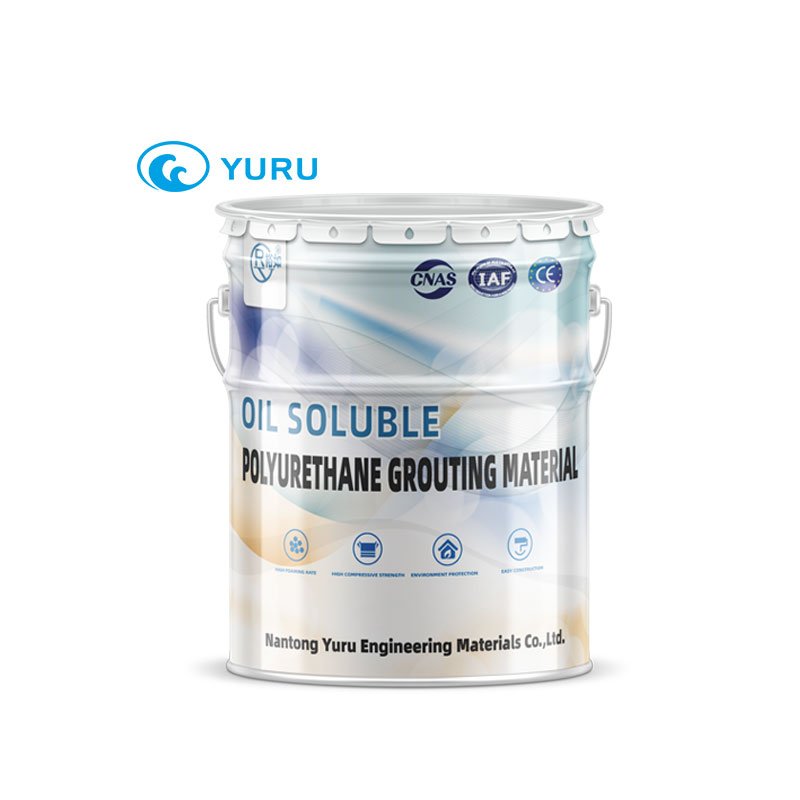
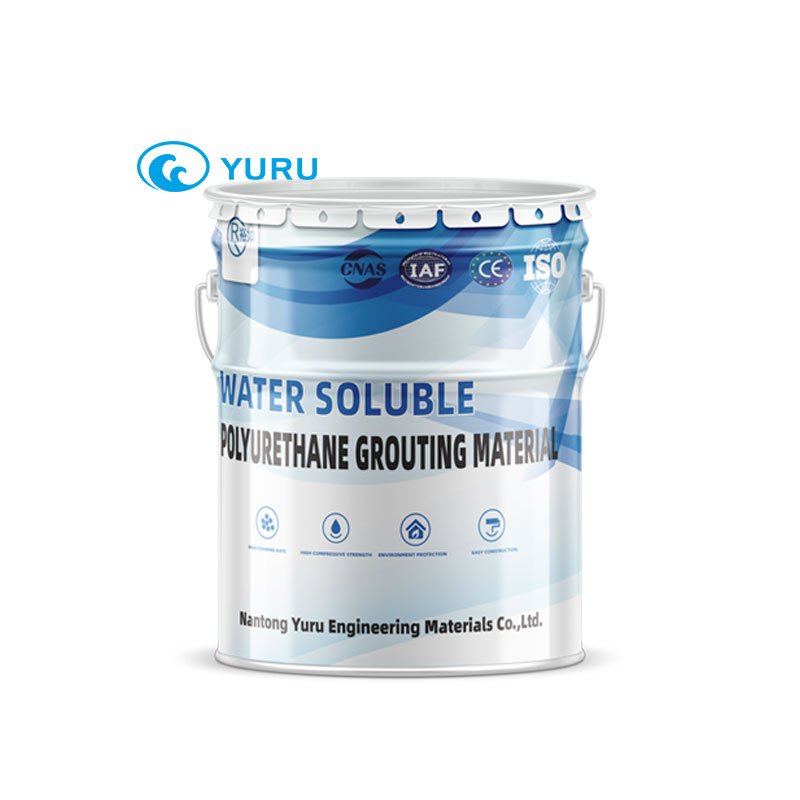
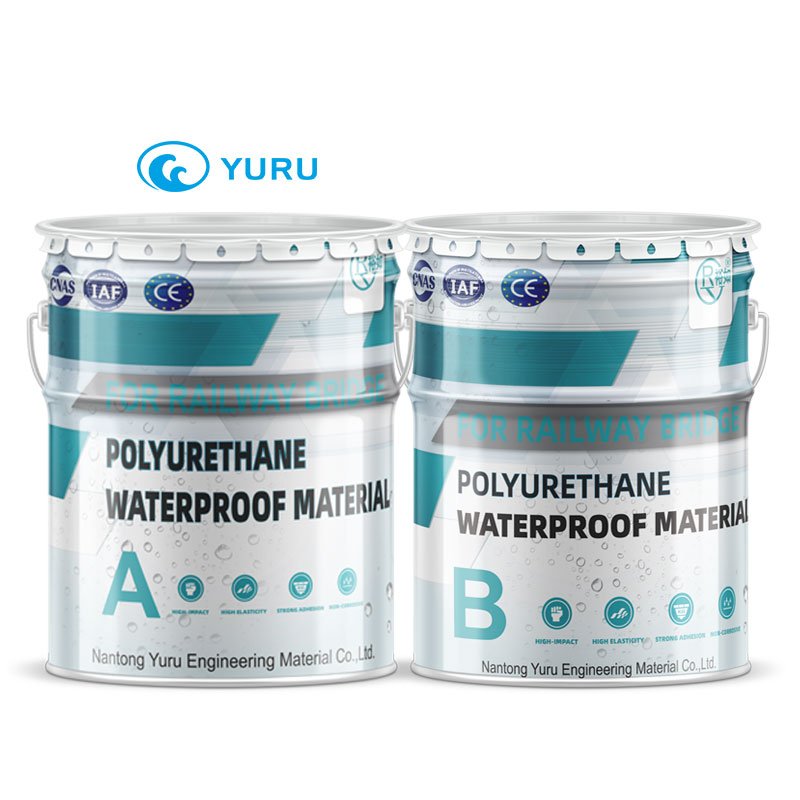
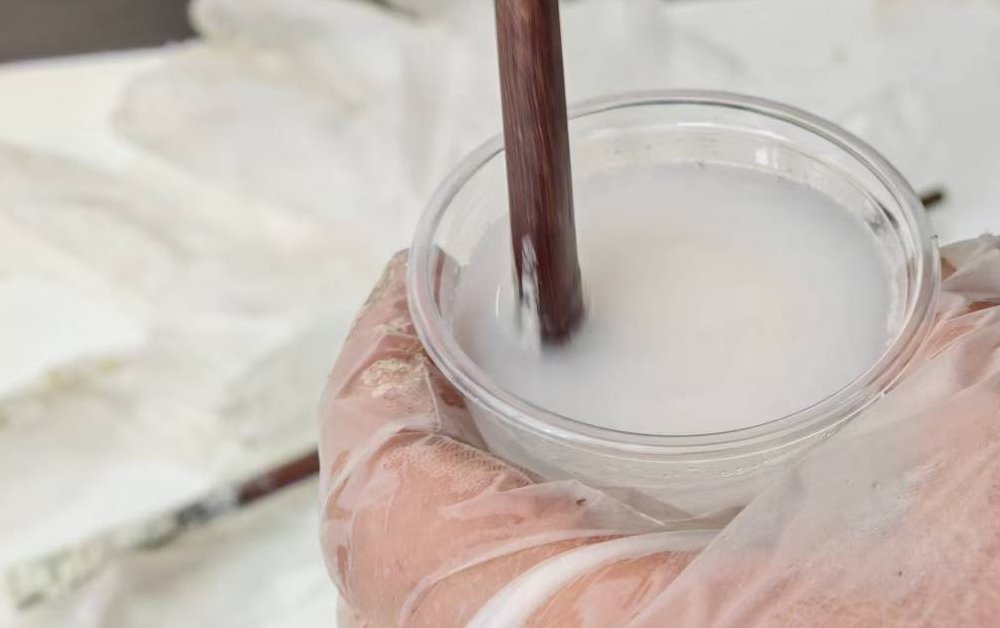
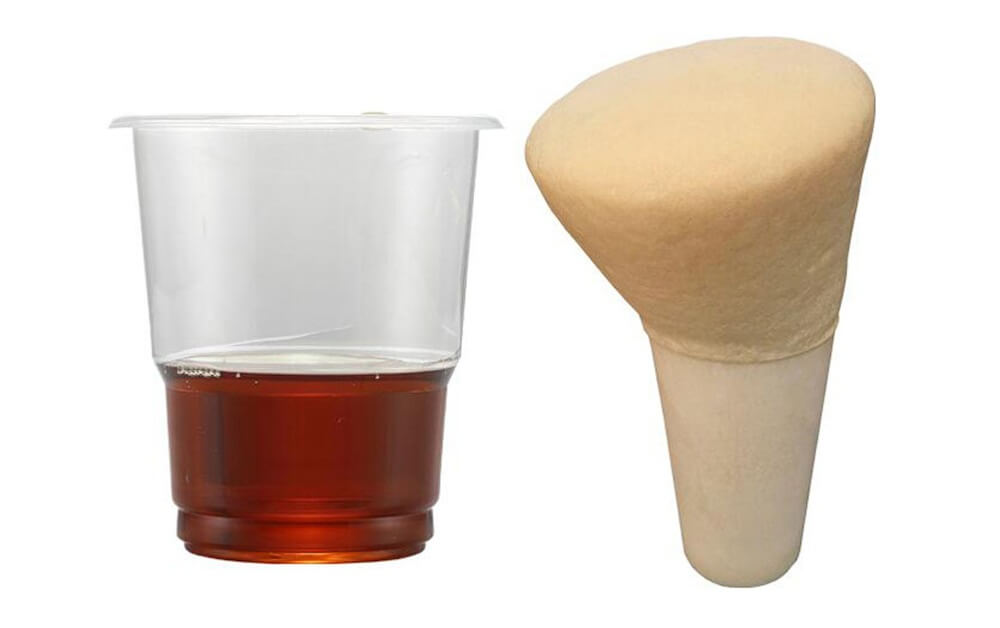
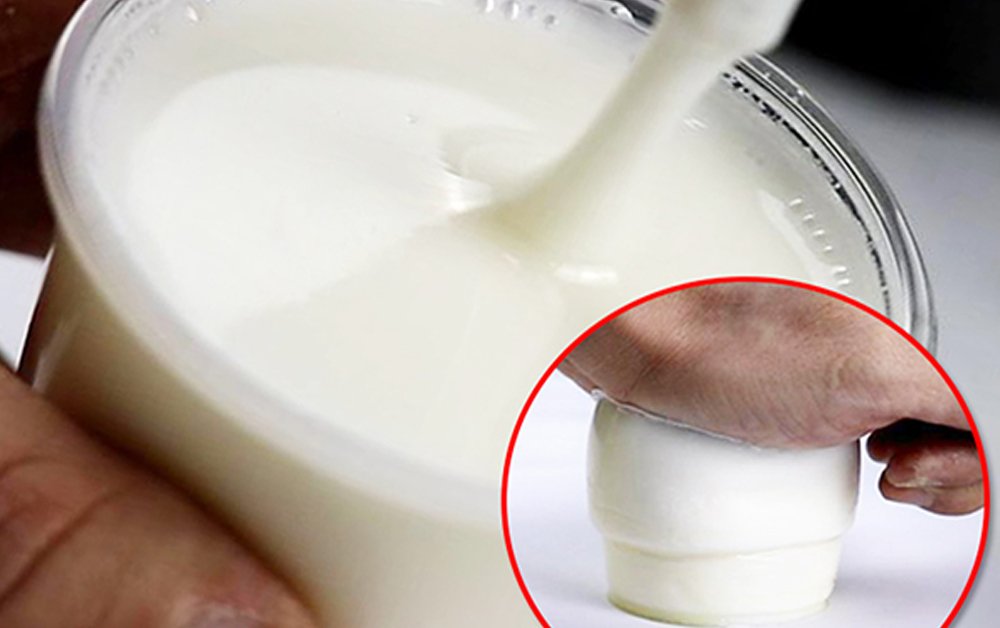
Polyurethane Injection Grout – the main material.
Common types:
- Hydrophobic polyurethane grout
- Hydrophilic polyurethane grout
- Foam grouting
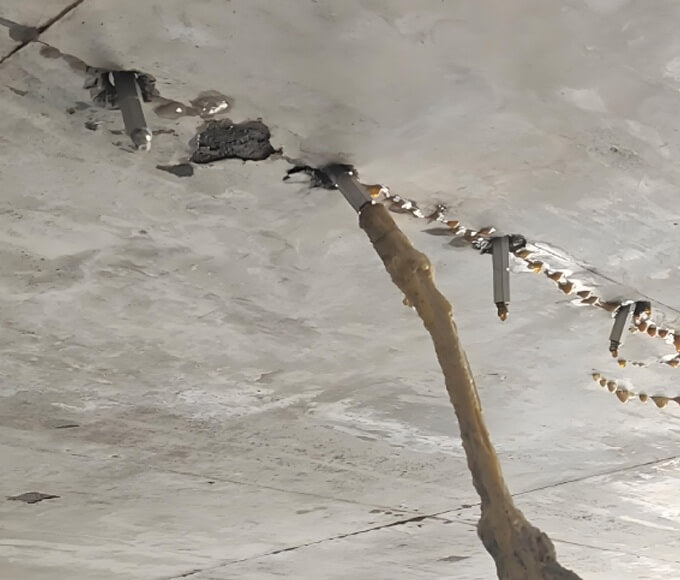
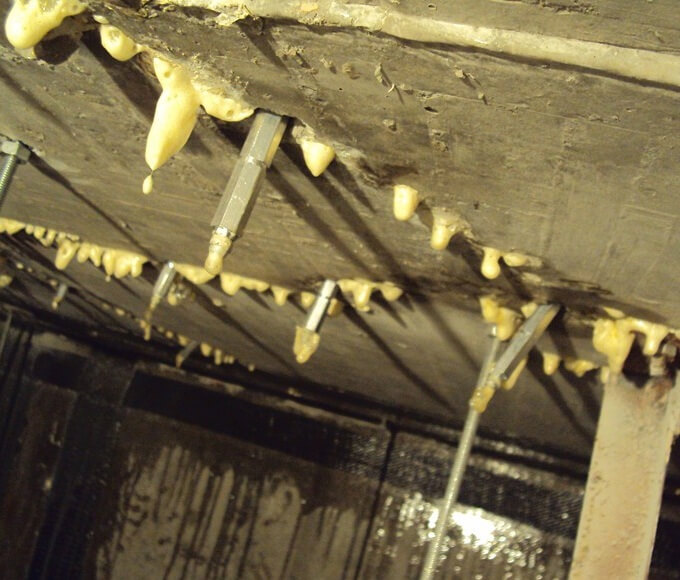
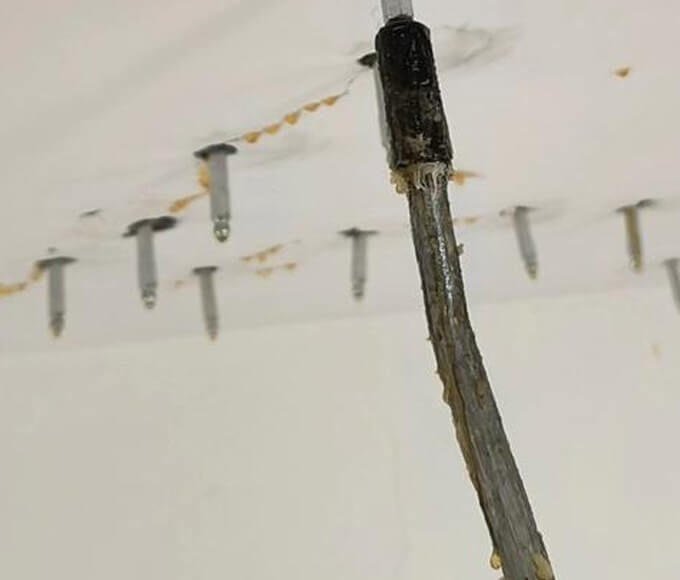
Injection Packers
Packers connect the injection equipment with the concrete structure.
They help control:
- Injection pressure
- Material flow
- Injection position
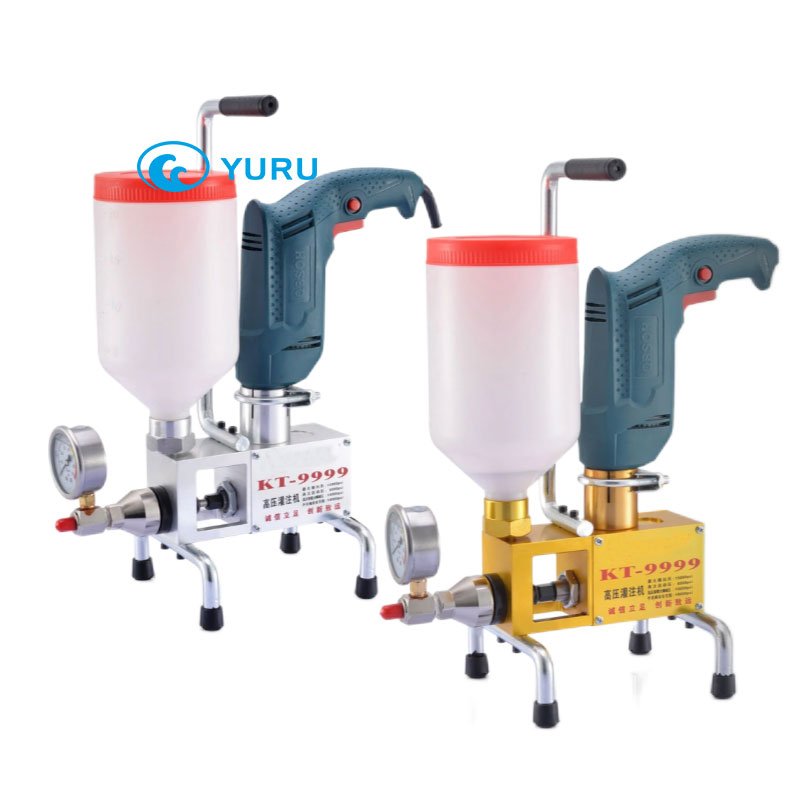
Injection Equipment
The equipment pushes the grout into cracks and leakage paths.
The injection method depends on:
- Crack condition;
- Water pressure;
- Project requirements.
How Does PU Grouting Work?
The basic working process is:
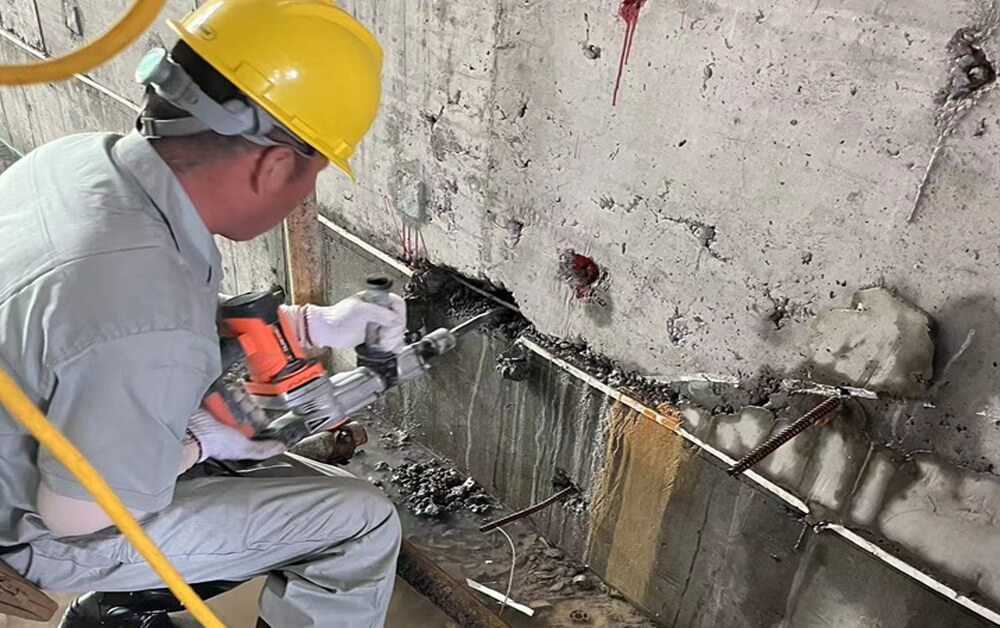
Concrete Crack or Leakage Point → Drill Injection Holes → Install Packers → Inject Polyurethane Grout → Material Penetrates Leakage Path → Grout Expands or Fills Void → Water Leakage Control
The purpose is not only to cover the visible leak.
The goal is to reach the internal path where water moves.
Why Surface Waterproofing Is Not Always Enough?
Many waterproofing challenges arise following structure completion.
Examples:
- Basement walls develop cracks;
- Tunnel linings experience seepage;
- Underground structures face groundwater pressure.
In these situations, applying a new surface coating may not solve the internal leakage source.
The problem may exist inside:
- Concrete cracks;
- Joints;
- Hidden voids.
Injection waterproofing provides another approach by treating the leakage path from inside the structure.
Common Causes of Concrete Water Leakage
Concrete is strong, but it is not completely waterproof.
Water can enter through:
- Shrinkage cracks;
- Construction joints;
- Expansion joints;
- Honeycomb areas;
- Poor concrete connections.
Underground structures face additional pressure from surrounding groundwater.
This pressure can force water through weak areas.
Why Engineers Use Injection Grouting for Existing Structures?
For new structures, waterproofing systems can be designed during construction.
However, existing structures require repair solutions.
Injection grouting provides advantages because it can:
- Repair internal leakage paths;
- Reduce the need for demolition;
- Target specific problem areas;
- Support maintenance projects.
This makes it widely used in repair and rehabilitation work.
Is PU Grouting Effective for Water Leakage Repair?
When PU Grouting Provides Effective Results
PU grouting is effective when materials are selected in accordance with site-specific conditions.
It is commonly used for:
- Active water leakage
- Concrete crack sealing
- Underground waterproof repair
- Joint leakage control
PU Grouting for Active Water Leakage
Active leakage means water is currently entering the structure.
Examples:
- Water dripping from cracks;
- Continuous seepage;
- Underground water pressure problems.
In these situations, polyurethane grout can react inside the leakage area and help block water movement.
This makes PU grout different from many surface repair materials.
PU Grouting for Concrete Crack Injection
Concrete crack injection is one of the most common PU grouting applications.
It is suitable for cracks where the main goal is:
- Stop water penetration;
- Seal internal channels;
- Improve waterproof performance.
The correct grout type depends on:
- Crack width;
- Crack movement;
- Water condition.
PU Grouting for Underground Structures
Underground structures often face difficult waterproofing conditions.
Applications include:
- Basement leakage repair;
- Underground parking structures;
- Metro tunnels;
- Utility tunnels;
- Concrete foundations.
For these projects, waterproof injection grout must provide reliable sealing performance under challenging conditions.
Where Is Polyurethane Grout Used?
PU grouting is widely used across different construction and infrastructure applications.
Basement Leakage Repair
Basements are a common use case.
Typical problems:
- Wall cracks;
- Floor leakage;
- Pipe penetration leakage;
- Construction joint leakage.
PU grout helps repair leakage without removing large sections of concrete.
Underground Parking Waterproof Repair
Underground parking areas often experience:
- Groundwater pressure;
- Concrete cracks;
- Joint leakage.
A suitable injection waterproofing system helps protect the structure and maintain usability.
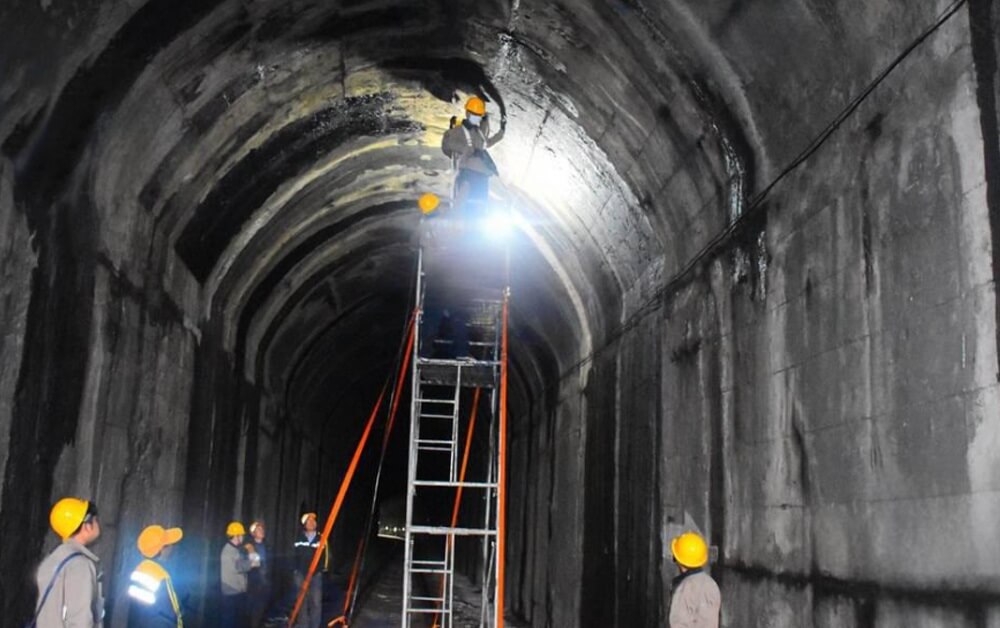
Tunnel Leakage Repair
Tunnels require long-term waterproof protection.
Common leakage points include:
- Tunnel lining cracks;
- Segment joints;
- Construction joints.
PU grouting is commonly selected because it can target specific leakage paths.
Foundation and Concrete Structure Repair
Concrete Foundations and structural concrete can develop leaks over time.
Injection grouting helps:
- Seal cracks;
- Reduce water penetration;
- Protect concrete structures.
Different Types of Polyurethane Grout
Not all PU grouts are the same. Choice depends on project.
Hydrophobic Polyurethane Grout
Hydrophobic PU grout is formulated for waterproof sealing.
Typical applications include:
- Active water leakage;
- Concrete cracks;
- Underground waterproof repair.
The material reacts with water and forms a sealing structure.
Hydrophilic Polyurethane Grout
Hydrophilic PU grout has different water interaction characteristics.
It is often selected for:
- Fine cracks;
- Concrete joints;
- Areas requiring flexible sealing.
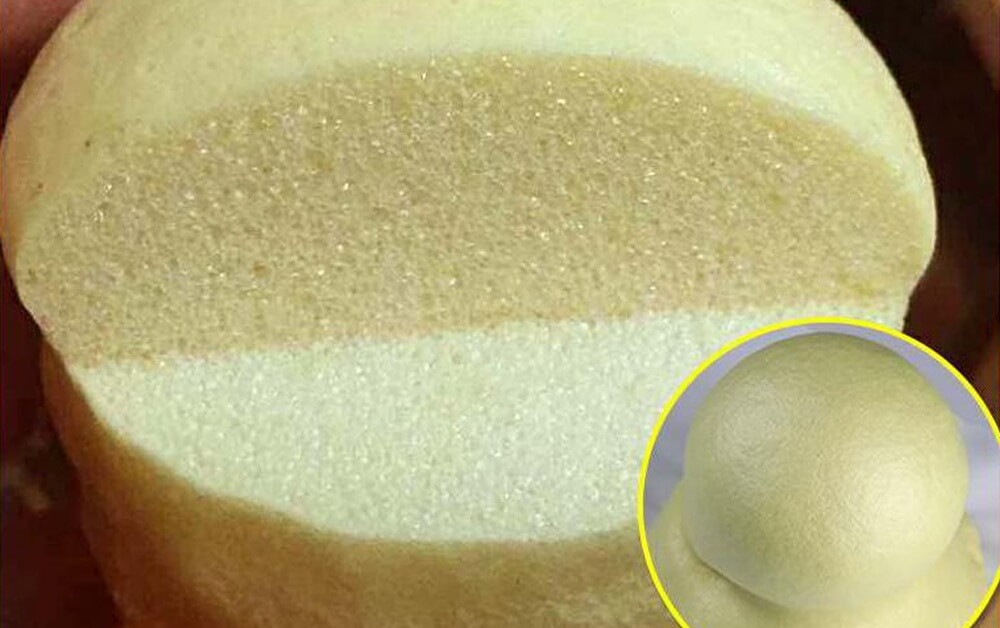
Foaming Polyurethane Grout
Foaming PU grout expands after injection.
It can be used for:
- Filling gaps;
- Sealing leakage paths;
- Repairing void areas.
The expansion behavior depends on the product formulation and site conditions.
PU Grouting vs Epoxy Injection vs Acrylate Grout
Injection material selection represents a critical decision in waterproof repair.
Many project teams compare:
- PU grout
- Epoxy injection grout
- Acrylate grout
Although all three materials are injection grouting marterials, but they solve different problems.
The correct choice depends on:
- Leakage condition;
- Crack type;
- Structural requirements;
- Project environment.
PU Grout for Waterproof Sealing
PU grout mainly focuses on waterproof repair.
It is commonly used for:
- Active water leakage;
- Concrete cracks;
- Underground structures;
- Construction joints.
Main advantages:
- Good flexibility;
- Effective water sealing;
- Suitable for dynamic cracks.
PU grout works well when the main goal is stopping water movement.
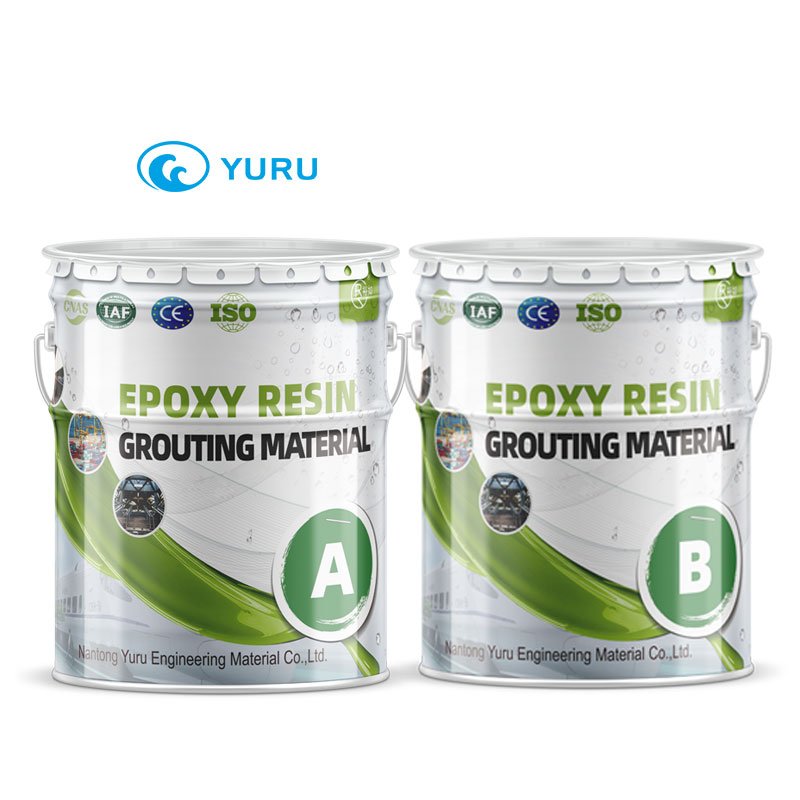
Epoxy Injection Grout for Structural Crack Repair
Epoxy injection is specified for structural repair.
It is commonly selected when engineers need:
- Crack bonding;
- Structural strengthening;
- Concrete restoration.
Epoxy provides superior bonding performance compared with PU grout.
It is typically specified for cracks where structural strength recovery is the primary requirement.
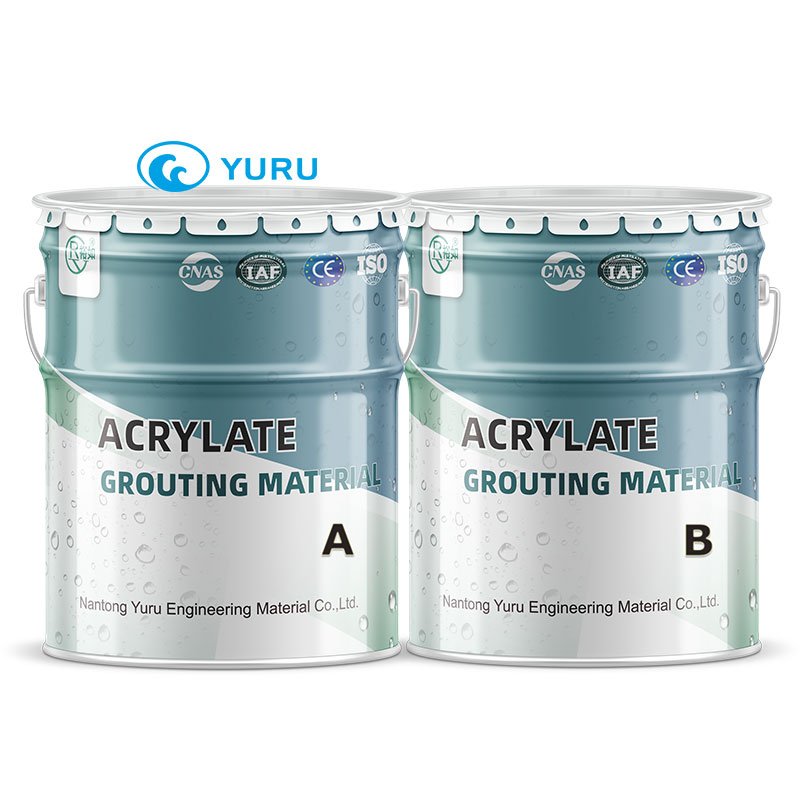
Acrylate Grout for Fine Crack Penetration
Acrylate grout is for deeper penetration.
Used for:
- Fine cracks;
- Soil and rock injection;
- Curtain grouting;
- Complex underground waterproofing.
Its low viscosity facilitates penetration into smaller voids.
Material Selection Comparison Table
| Material | Main Purpose | Suitable Applications |
| PU Grout | Waterproof sealing | Leakage repair, cracks, underground structures |
| Epoxy Injection | Structural bonding | Concrete strengthening, structural cracks |
| Acrylate Grout | Deep penetration | Fine cracks, curtain grouting |
Factors Affecting PU Grouting Effectiveness
Many people ask:
“Is PU grouting effective?”
The answer depends on several important factors.
The material itself is important, but the complete repair system determines the final result.
Correct Material Selection
Different leakage conditions require different polyurethane grout types.
For example:
- Active water leakage may require a hydrophobic polyurethane grout.
- Fine cracks may require a material with better penetration ability.
Selecting the wrong material may reduce repair performance.
Crack Condition and Leakage Type
Before injection, engineers should evaluate:
- Crack width;
- Crack depth;
- Water pressure;
- Leakage speed.
A small dry crack and an active leaking crack require different repair approaches.
Injection Method and Equipment Control
The injection process affects how the grout spreads inside the structure.
Important factors include:
- Injection pressure;
- Packers installation;
- Injection sequence;
- Material reaction time.
Proper control helps the grout reach the target leakage path.
Concrete Condition Before Repair
The surrounding concrete condition also affects performance.
Important checks include:
- Surface condition;
- Crack stability;
- Structural movement;
- Existing damage.
A good repair starts with correct problem analysis.
How to Select the Right Waterproof Injection Grout?
A Practical Material Selection Guide
Selecting waterproof injection grout requires understanding the project requirement.
The following table provides a simple selection direction.
| Project Problem | Recommended Material Direction |
| Active water leakage | PU grout |
| Concrete waterproof repair | PU grout |
| Structural crack strengthening | Epoxy injection |
| Fine crack penetration | Acrylate grout |
| Underground waterproofing | PU / Acrylate system |
Select Based on Leakage Condition
First, identify the water problem.
Questions to consider:
- Is water actively flowing?
- Is the crack dry or wet?
- Does the structure move?
- Is the repair for waterproofing or strengthening?
These answers determine the suitable grout.
Select Based on Project Location
Different structures have different challenges.
Basement Projects
Common issues:
- Wall cracks;
- Floor leakage;
- Joint seepage.
Recommended:
PU waterproof injection grout.
Underground Parking
Common issues:
- Concrete cracks;
- Groundwater pressure;
- Construction joints.
Recommended:
PU grout and related injection solutions.
Tunnel Projects
Common issues:
- Lining leakage;
- Segment joints;
- Underground water pressure.
Recommended:
Professional injection waterproofing systems based on project conditions.
Middle East Customer Case Study: Long-Term Cooperation with YURU PU Grouting Materials
Customer Background
A customer from the Middle East works with waterproofing projects and local material supply.
The customer needed reliable polyurethane grouting materials for different waterproof repair applications.
The cooperation started with YURU polyurethane grout products.
Product Selection
Based on the application requirements, the customer purchased:
- Hydrophobic polyurethane foam grout.
The material was used for waterproof repair applications where sealing water leakage paths was required.
Application Result and Continued Cooperation
After using YURU PU grouting materials, the customer achieved positive application results.
The customer recognized:
- Stable product performance;
- Reliable material quality;
- Professional technical communication.
After the successful cooperation, the customer continued purchasing additional products from YURU.
The product range expanded to include:
- Epoxy resin injection materials;
- Waterproof coatings;
- Other grouting materials.
From Single Product Purchase to Complete Waterproofing Supply
This cooperation developed from one polyurethane grout product into a wider waterproofing material partnership.
YURU continues to support customers with:
- Injection grouting materials;
- Waterproof coatings;
- Customized product solutions.
Why Choose YURU for PU Grouting Materials?
YURU Waterproof focuses on manufacturing waterproofing materials, grouting materials, and flooring systems for construction and infrastructure applications.
The company provides material solutions for:
- Concrete crack repair;
- Underground waterproofing;
- Leakage control;
- Injection grouting projects.
Complete Polyurethane Grouting Product Range
YURU provides different polyurethane grouting materials, including:
- Hydrophobic polyurethane grout;
- Hydrophilic polyurethane grout;
- Foaming polyurethane grout.
Different products are designed for different waterproof repair requirements.
Supporting Injection Grouting Products
Besides grouting materials, YURU also supplies related products and support.
Solutions include:
- Injection packers;
- Grouting equipment;
- Technical guidance.
This helps customers build a complete injection waterproofing system.
OEM and Customized Supply
YURU supports customers with customized solutions.
Customization options include:
- Packaging;
- Labels;
- Product specifications;
- Private branding.
This allows customers to develop products suitable for their own markets.
Factory Manufacturing and Quality Control
YURU controls:
- Raw material selection;
- Production process;
- Quality inspection.
The company focuses on providing stable and reliable waterproofing materials for global customers.
Frequently Asked Questions About PU Grouting:
Yes.
PU grouting can effectively control water leakage when the correct material and injection method are selected.
It is widely used for:
- Concrete cracks;
- Underground structures;
- Waterproof repair projects.
PU grouting is mainly used for:
- Water leakage repair;
- Concrete crack injection;
- Joint sealing;
- Underground waterproofing.
They solve different problems.
PU grout focuses on:
- Waterproof sealing;
- Flexible crack repair.
Epoxy injection focuses on:
- Structural bonding;
- Crack strengthening.
Consider:
- Product quality;
- Manufacturing capability;
- Technical support;
- Customization ability;
- Export experience.
Conclusion: Is PU Grouting Effective?
So, is PU grouting effective?
Yes, PU grouting is an effective waterproof repair method when engineers select the correct material and apply the correct injection process.
It is especially suitable for:
- Active water leakage;
- Concrete crack injection;
- Underground waterproof repair;
- Construction joint sealing.
However, successful waterproof repair depends on more than the grout itself.
The project team should consider:
- Leakage condition;
- Material selection;
- Injection method;
- Structure condition.
YURU provides polyurethane grout, injection waterproofing materials, and customized solutions for different construction applications.
Contact YURU to discuss your polyurethane grouting requirements and find a suitable waterproof repair solution.
YURU Product solutions