Polyurea Grout Supplier Guide for Waterproof Injection Projects
Introduction:
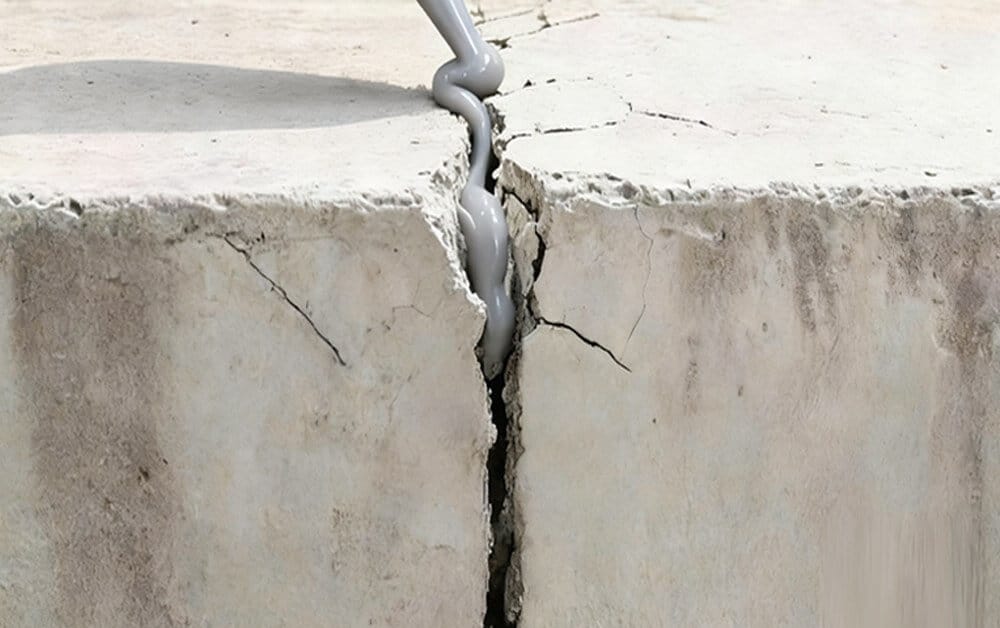
Polyurea grout is used when concrete cracks, joints, or leakage areas need a flexible sealing material with stable cured performance. Contractors and material distributors often compare it with polyurethane grout, epoxy injection grout, acrylate grout, and cement-based repair materials before choosing the right injection material.
This supplier guide explains what to check before buying polyurea grout, how to compare it with other grouting materials, and when customers should request TDS, samples, or technical review before bulk orders.
YURU Waterproof supplies polyurea grouting materials for concrete crack sealing, joint waterproofing, and project material selection. Customers can request product information, sample testing support, and bulk order communication before purchasing.
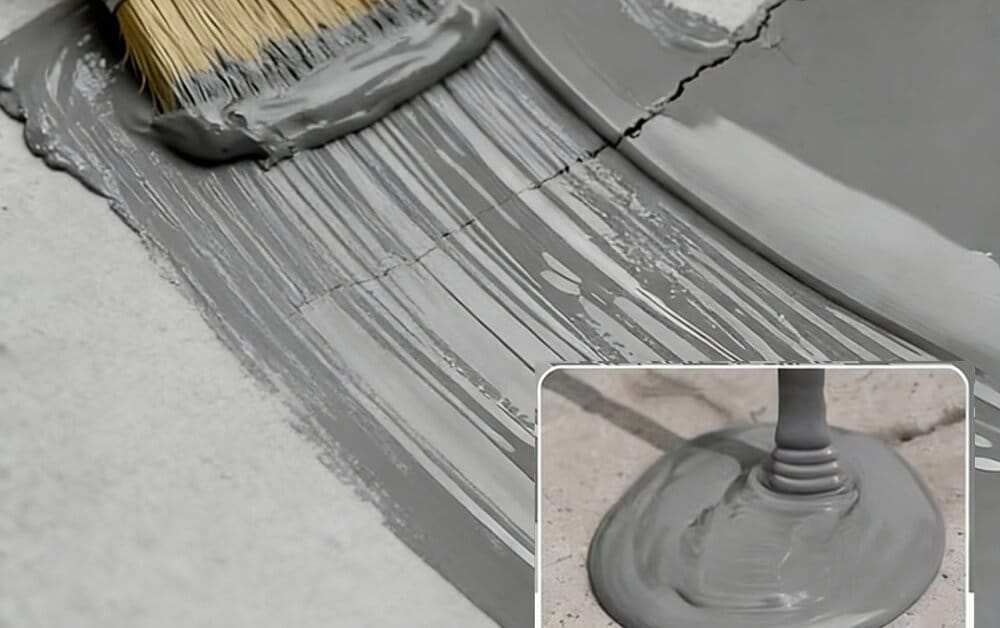
Flexible Polyurea Grout: What Does It Mean?
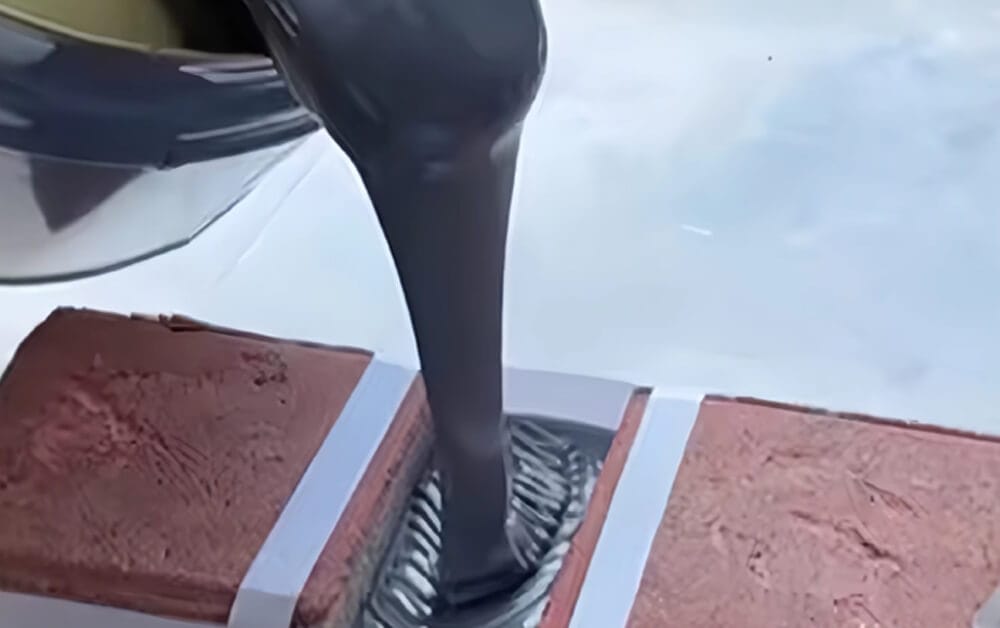
Many customers search for flexible polyurea grout because cracks and joints may continue to move after repair.
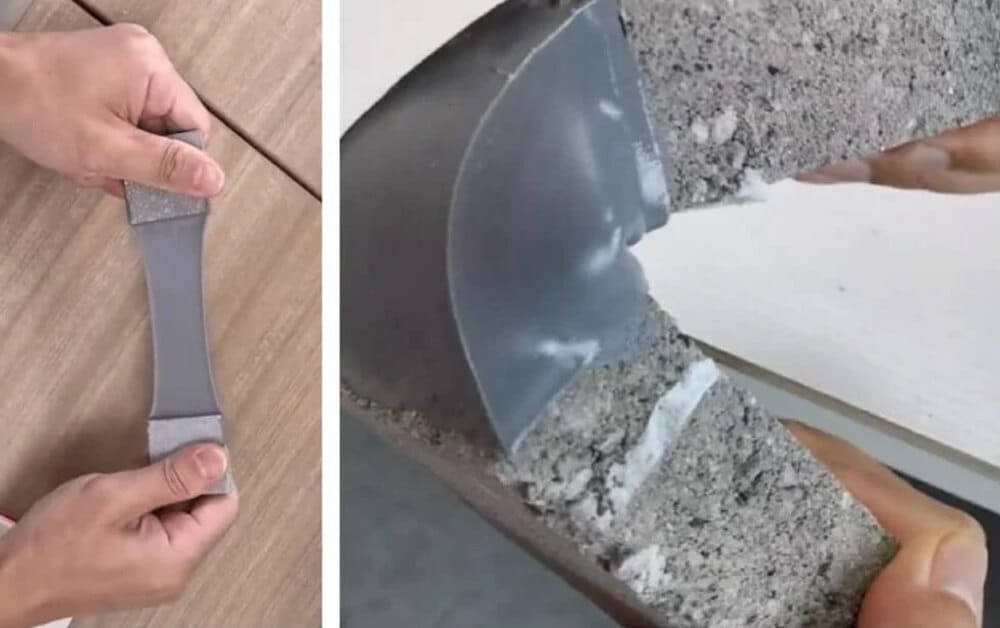
In this case, the cured grout should keep a certain level of elasticity instead of becoming a hard and brittle filling material. Flexible cured performance can help the material stay in place when small movement occurs around cracks or joints.
Flexible polyurea grout may be considered for:
- Concrete cracks with movement risk
- Construction joints
- Expansion or deformation areas
- Waterproof sealing points
- Concrete areas where slight movement may continue
Flexibility should be checked through the actual product data. Customers should review the TDS and, when possible, test a sample before using the material in a larger project.
Polyurea grout is also different from rigid cement grout. Cement grout is mineral-based. Polyurea grout is polymer-based. The correct choice depends on project conditions, not only the product name.
When Should Customers Choose Polyurea Grout?
Polyurea grout may be considered when the project needs a polymer-based sealing material with flexible cured behavior.
It can be evaluated for concrete cracks, joints, deformation areas, and waterproof repair points where movement or long-term sealing performance matters.
| Project Condition | What to Check | Material Direction |
| Concrete crack with movement risk | Crack width, movement, water exposure | Evaluate flexible polyurea grout |
| Construction or expansion joint | Joint movement and sealing requirement | Evaluate flexible polymer grout |
| Active flowing water | Water flow, pressure, reaction speed | Evaluate PU grout first |
| Fine crack penetration | Viscosity and penetration distance | Evaluate acrylate or suitable low-viscosity grout |
| Structural crack bonding | Bonding and reinforcement requirement | Evaluate epoxy injection grout |
This comparison helps customers avoid using one grout material for every injection project.
Polyurea grout is not the answer to every leakage problem. In some projects, polyurethane grout, acrylate grout, epoxy injection grout, or another material may fit better.
Polyurea Grout vs Polyurethane Grout: How Should Customers Compare Them?
Polyurea grout and polyurethane grout are both used in waterproof injection projects, but they are not the same material.
The right choice depends on water flow, crack condition, movement, reaction behavior, penetration need, and cured material performance.
| Item | Polyurea Grout | Polyurethane Grout |
| Main use | Flexible crack or joint sealing, depending on the product | Active leakage sealing, crack filling, or water stopping, depending on the product |
| Reaction behavior | Check the actual product TDS | Often reacts with water and may foam, depending on formulation |
| Application focus | Sealing and flexible cured performance | Water stopping, expansion, and crack filling |
| Selection basis | Crack type, joint movement, water exposure, material data | Water flow, reaction time, expansion, viscosity, penetration distance |
For active water leakage, polyurethane grout may be the first material to evaluate. For flexible crack or joint sealing, polyurea grout may be considered when its TDS and sample results match the project requirement.
Customers should avoid choosing only by material name. A site with flowing water and a site with a moving joint may need different grouting materials.
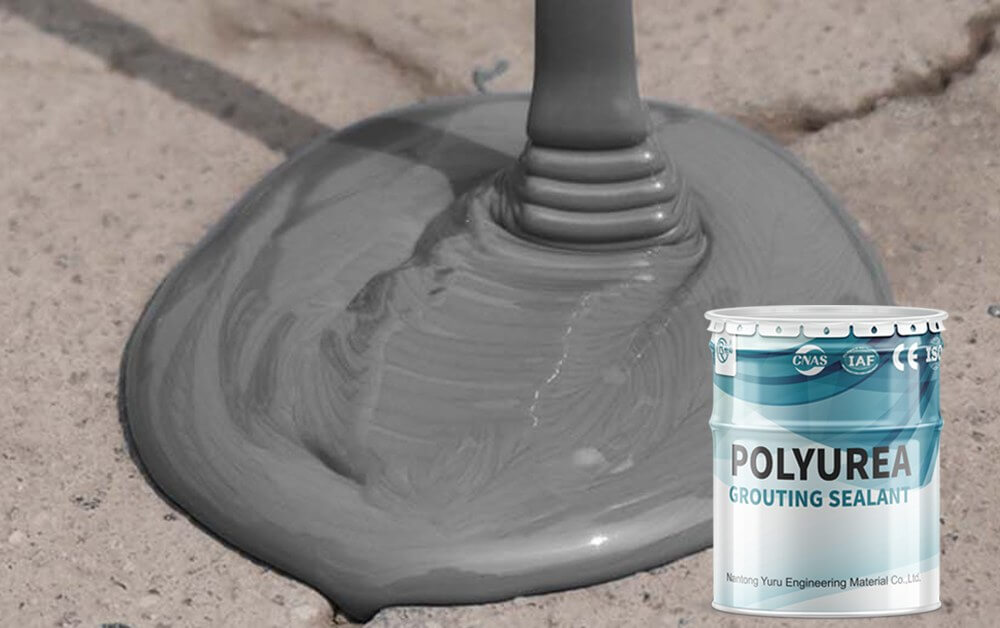
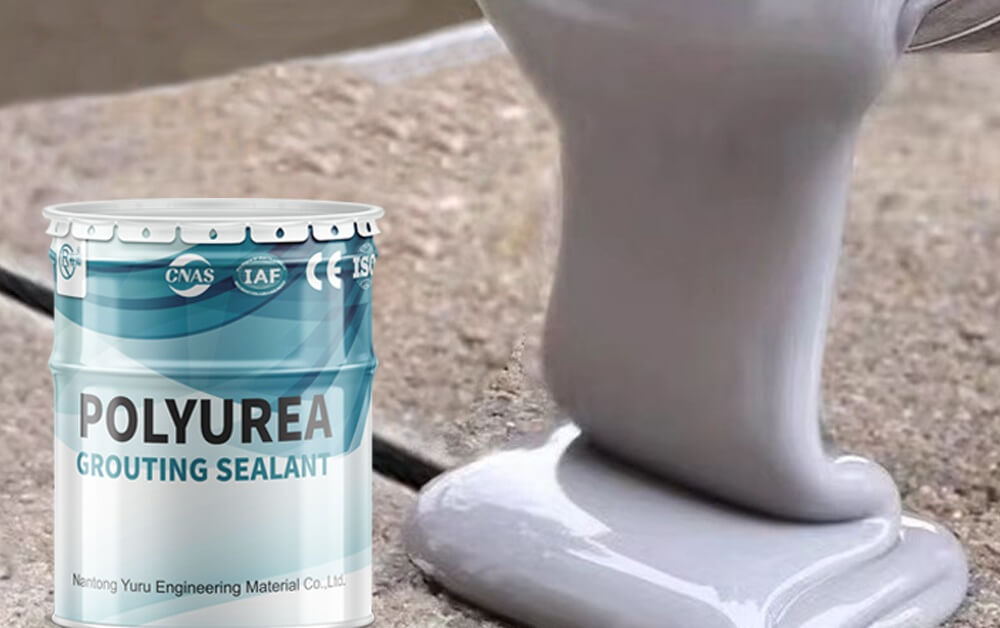
Polyurea Grout vs Acrylate Grout and Epoxy Injection Grout
Polyurea grout is also often compared with acrylate grout and epoxy injection grout.
Each material has a different selection logic.
Polyurea Grout vs Acrylate Grout
Acrylate grout is often considered when the project needs low viscosity, fine pathway penetration, or controllable gel behavior.
Polyurea grout may be considered when the cured material needs flexible sealing behavior.
If the crack path is very fine and long penetration is needed, acrylate may be a better material to evaluate first.
Polyurea Grout vs Epoxy Injection Grout
Epoxy injection grout is often used when the main goal is structural bonding or reinforcement.
Polyurea grout is more related to waterproof sealing and flexible cured performance, depending on the product.
If the crack is stable and the project needs bonding strength, epoxy injection material may be more suitable. If movement and waterproof sealing matter more, polyurea grout may be reviewed.
Is Polyurea Grout the Same as Cement Grout?
No. Polyurea grout and cement grout are different material technologies.
Cement grout is mineral-based. It is often used where mineral filling, void filling, or cementitious repair is required.
Polyurea grout is polymer-based. It is selected for specific waterproof sealing or flexible cured material requirements.
Some customers search for terms such as polyurea grout cement or polyurea grouting cement. In most cases, they are trying to compare polymer grout with cement-based grout.
The correct choice depends on:
- Crack condition
- Water exposure
- Movement
- Substrate condition
- Repair goal
- Product TDS
If the project requirement is unclear, customers should request product data and project review before choosing a material.
What Should Customers Check Before Choosing a Polyurea Grout Supplier?
Choosing a polyurea grout supplier should start with product verification, not only price comparison.
A useful supplier should help customers confirm whether the material fits the crack type, movement condition, water exposure, and application goal.
1. Product Data and TDS Support
Customers should request the TDS before ordering.
The TDS helps confirm product type, application range, cured behavior, storage condition, and basic performance direction.
A supplier who cannot provide product data may create risk for larger orders.
2. Sample Availability Before Bulk Orders
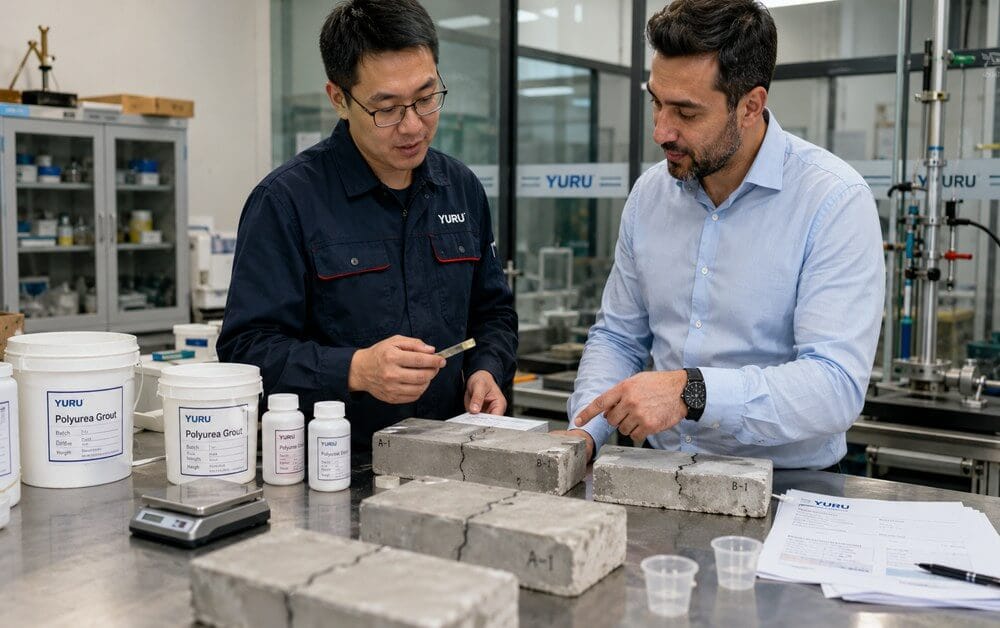
Sample testing allows customers to check product appearance, workability, curing behavior, and suitability under their own conditions.
This step is useful for new markets, new distributors, private label projects, and unfamiliar substrates.
A sample should connect to the final product specification. Customers should confirm whether the bulk order will follow the approved sample.
3. Batch and Production Consistency
A good sample alone does not prove stable production.
Customers can ask whether the supplier supports batch information, packaging confirmation, and pre-shipment inspection communication.
This is useful when the customer plans repeat orders or local distribution.
4. Material Selection Support
A supplier should not recommend polyurea grout for every leakage condition.
Some projects may require polyurethane grout, acrylate grout, epoxy injection grout, or another grouting material.
The supplier should help customers compare the project goal with the material behavior.
5. OEM and Packaging Support
For distributors and private label customers, packaging and label details should be confirmed before bulk production.
Customers may need to confirm:
- Product name
- Packaging size
- Label design
- Market language
- Color or product marking
- Sample approval
- Bulk order specification
YURU Waterproof can support packaging, labeling, sample review, and OEM communication based on customer requirements.
How to Verify Polyurea Grout Before a Project or Bulk Order?
Before using polyurea grout in a larger waterproof injection project, customers should verify the material first.
The goal is to confirm whether the product fits the crack condition, movement requirement, water exposure, and application method.
A practical verification path is:
Project condition review
↓
Product TDS review
↓
Sample request
↓
Small trial application
↓
Technical confirmation
↓
Bulk order approval
This process helps customers reduce the risk of choosing the wrong injection material before larger purchases.
For projects with uncertain cracks, old concrete, changing water conditions, or private label requirements, sample evaluation becomes more useful.

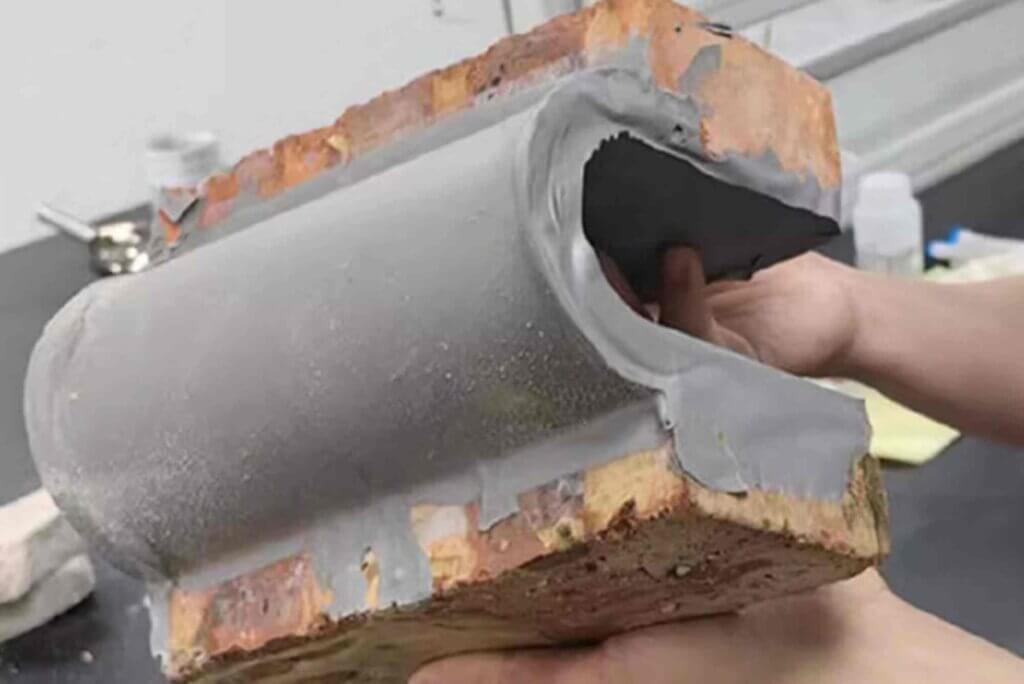
Czech Customer Sample Testing Case: Selecting YURU Polyurea Grout
A customer from the Czech market needed a grouting material for waterproof repair use. After communication, the customer chose to evaluate YURU polyurea grout.
The first step was sample testing. The customer reviewed the product behavior before placing a larger order. After the sample test result met the customer’s requirement, the customer placed a repeat order.
This case shows why sample evaluation matters before bulk purchasing.
The goal is not to approve a material only by description. Customers need to check whether the product behavior, project requirement, and supplier support match before moving forward.
How YURU Waterproof Supports Polyurea Grout Selection and Bulk Orders?
YURU Waterproof supplies polyurea grouting materials and other injection grouting products for waterproof material customers.
The goal is to help customers choose the right material before bulk purchasing.
Polyurea Grout Product Information
Customers can request product information, TDS, application guidance, and sample support for YURU polyurea grout before placing larger orders.
This helps customers review the material based on real requirements.
Injection Grouting Material Comparison
YURU Waterproof also supplies polyurethane grout, acrylate grout, epoxy injection grout, polyurea grout, and microcrystalline polyurea grouting materials.
This product range helps customers compare different material directions based on:
- Water condition
- Crack type
- Movement
- Penetration need
- Cured performance
- Project requirement
Sample Testing Before Bulk Orders
For new customers, new markets, or private label projects, YURU can provide samples for evaluation.
Customers can test product behavior and confirm technical requirements before bulk purchase.
OEM and Private Label Support
YURU Waterproof can support packaging, labeling, product specification discussion, and OEM cooperation based on customer requirements.
For distributors, this helps connect sample approval with market sales and bulk order planning.
Waterproof Injection Grouting Process
A professional waterproof injection project usually follows several steps.
Step 1: Site Condition Evaluation
Before injection, engineers inspect:
- Leakage points
- Crack locations
- Water conditions
- Concrete structure
This step helps determine the correct injection method.
Step 2: Material Selection
After evaluating the site condition, the contractor selects a suitable grout material.
The selection considers:
- Waterproof requirement
- Crack movement
- Injection purpose
- Long-term performance
Step 3: Drilling and Packer Installation
Workers install injection packers along the leakage path.
The packers create controlled injection points.
Correct spacing and positioning improve injection efficiency.
Step 4: Grout Injection
The grout enters cracks, joints, or internal voids through injection equipment.
The operator controls:
- Injection pressure
- Material flow
- Injection sequence
Step 5: Performance Inspection
After injection, the repair area requires inspection.
The inspection checks:
- Leakage reduction
- Surface condition
- Repair effectiveness
A complete injection process improves the chance of long-term waterproof performance.
Why Choose YURU as Your Polyurea Grout Supplier?
Professional Waterproofing Material Manufacturer
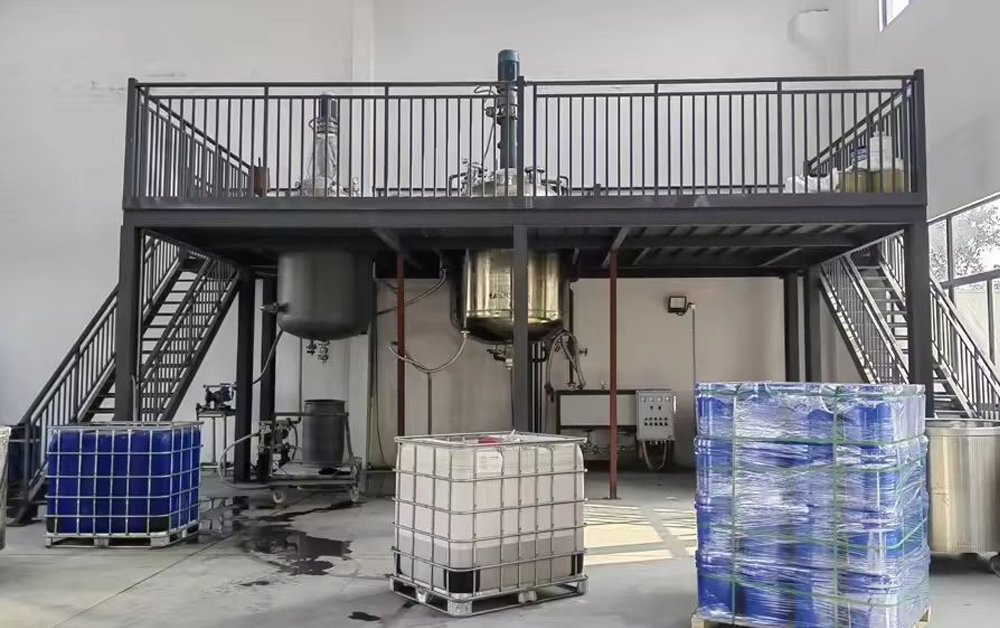
YURU Waterproof specializes in waterproofing materials, injection grouting materials, and flooring systems.
The company focuses on supplying materials for international construction and waterproofing applications.
Complete Injection Grouting Product System
Customers can select from multiple injection solutions.
This allows contractors to build a complete repair strategy instead of depending on one material only.
Technical Communication and Project Support
YURU works with customers during product selection.
The support includes:
- Application discussion
- Sample evaluation
- Product recommendation
Long-Term Cooperation With Overseas Customers
Many waterproofing projects require continuous material supply.
YURU values long-term cooperation through:
- Stable product quality
- Reliable communication
- Continuous technical support
FAQs:
What is polyurea grout used for?
Polyurea grout is used for concrete crack sealing, joint waterproofing, and waterproof injection applications where flexible cured performance may be required. The final use should be confirmed by product TDS and project conditions.
Is flexible polyurea grout suitable for concrete cracks?
Flexible polyurea grout may be considered for concrete cracks or joints where slight movement is expected. Customers should check crack condition, water exposure, cured material behavior, and TDS before bulk orders.
Is polyurea grout the same as polyurethane grout?
No. Polyurea grout and polyurethane grout are different material systems. Polyurethane grout is often evaluated for active leakage, water reaction, and expansion. Polyurea grout is evaluated for flexible sealing and cured material performance, depending on the product.
Can YURU Waterproof provide polyurea grout samples before bulk orders?
Yes. YURU Waterproof can provide samples and product information for customer evaluation before larger orders. Customers can share project conditions, target application, and packaging needs before requesting samples.
Conclusion:
Polyurea grout is a polymer-based grouting material used for waterproof sealing and flexible cured performance in suitable concrete crack and joint applications.
It is not the same as polyurethane grout, cement grout, acrylate grout, or epoxy injection grout.
The correct material depends on crack condition, water exposure, movement, penetration need, and project goal.
Before placing a bulk order, customers should review the product TDS, request samples, compare material options, and confirm whether polyurea grout fits the project.
YURU Waterproof supplies polyurea grouting materials and related injection grouting products for waterproof material customers. Our team can support product selection, sample testing, TDS review, OEM packaging, and bulk order communication.
Need polyurea grout for concrete crack or joint waterproofing?
Share your crack condition, water exposure, application requirement, target market, and packaging needs with YURU Waterproof. Our team can help review whether polyurea grout is suitable and provide TDS, samples, and product information for evaluation before bulk orders.
YURU Product solutions