
How to Choose the Best Waterproof Coating?
- 10/10/2024
- yuruwaterproof.com
Choosing the best waterproof coating for your project can be a daunting task, but it’s essential for ensuring long-lasting protection against water damage. Whether you’re looking to protect your home, office, or outdoor structures, selecting the right coating is crucial to prevent costly repairs in the future. In this guide, we’ll walk you through the key factors to consider when choosing the best waterproof coating, including material options, application methods. We’ll also provide tips on how to properly maintain your coating for long-term performance. Let’s get started on making your space waterproof and secure.
Factors to Consider Before Choosing the Best Waterproof Coating
Choosing the best waterproof coating requires careful consideration of several key factors to ensure the long-term durability and effectiveness of the solution. Here are the essential aspects you need to evaluate before making your decision:
1. Environmental Factors
The environment in which the waterproof coating will be applied plays a crucial role in determining which type of coating is most suitable. Consider the following conditions:
- Humidity: High humidity environments, such as bathrooms or basements, require coatings that offer superior moisture resistance.
- Temperature Variations: Areas subject to extreme temperature changes, such as outdoor spaces or rooftops, need coatings that can withstand thermal expansion and contraction.
- Exposure to Weather: For exterior applications, coatings should be durable enough to resist UV degradation, rain, and wind.
2. Coating Material
Different waterproof coating materials have varying levels of protection, durability, and suitability for different applications. Some common materials include:
| Material Type | Best For | Key Benefits | Average Lifespan |
| Polyurethane | Roofs, terraces, concrete floors | Excellent flexibility and crack resistance | 10-35 years |
| Acrylic | Roofs, foundations, basements | Fast-drying, breathable, and UV-resistant | 15-30 years |
| Silicone | Rooftops, rv, wet areas, foundations | Outstanding water repellency, weatherproof, UV-resistant | 10-30 years |
| Cementitious | Concrete surfaces, basements, drink pool | Easy to apply, strong adhesion, moisture-blocking | 10+ years |
| Transparent waterproof glue | Walls, bathroom, balcony | Easy to construct, high transparency, good waterproofness | 10+ years |
3. Budget and Cost
Your budget will significantly influence your choice of waterproof coating. It’s important to balance cost with performance to get the best value. Keep in mind that higher-quality coatings often come with a higher price tag, but they offer better longevity and protection. Here’s a breakdown of expected costs for various materials:
| Material Type | Cost per Square Meter | Considerations |
| Polyurethane | $4 – $12 | Ideal for long-term, high-performance applications |
| Acrylic | $3 – $8 | Suitable for general applications, such as exposed buildings, etc. |
| Silicone | $4 – $15 | Suitable for waterproofing applications in high performance, high temperature, extreme weather conditions |
| Cementitious | $2 – $8 | Best for concrete and masonry surfaces |
| Transparent waterproof glue | $3 – $8 | Suitable for small area waterproofing applications that require aesthetic effects |
4. Ease of Application
The complexity of applying the waterproof coating will depend on the type of material you choose. Some coatings require professional installation, while others are simple apply. Here’s a general guide to application difficulty:
- Apply-Friendly: Acrylic, Silicone, Cementitious coatings and Transparent Waterproof Glue are easier for non-professional users to apply.
- Professional Installation Needed: Polyurethane and Epoxy Resin coatings often require specialized knowledge and equipment for proper application.
By taking these factors into account—environment, material, cost, and ease of application—you can make an informed decision about the best waterproof coating for your needs.
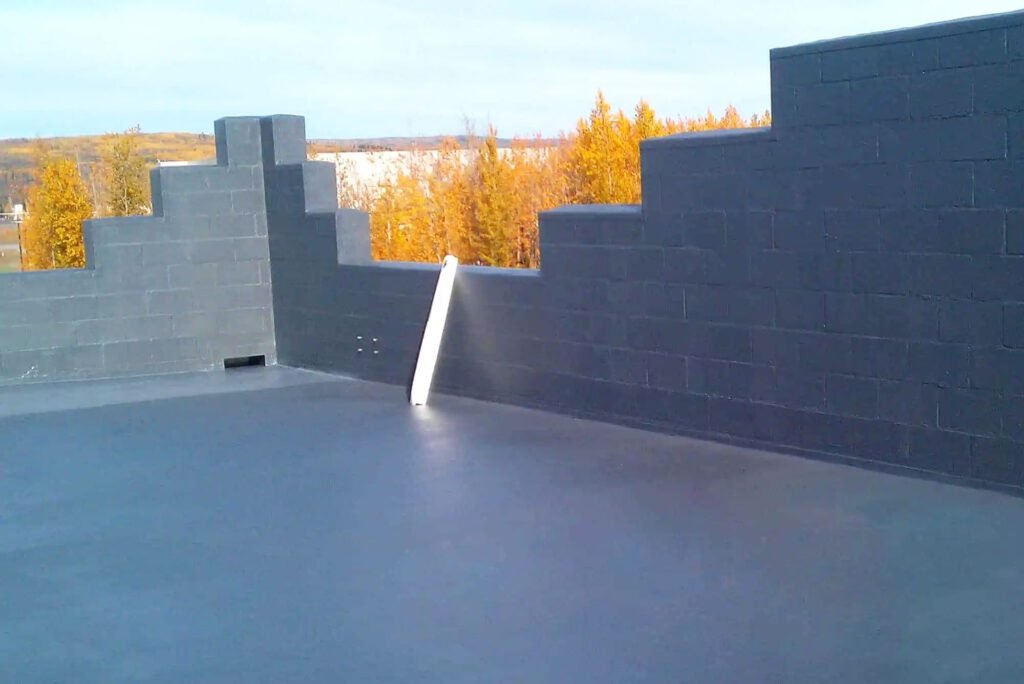
How to Assess the Quality of a Waterproof Coating?
When selecting a waterproof coating, quality is one of the most critical factors to consider. A high-quality coating will ensure long-term protection and reliability. Here are key factors to help you evaluate the quality of a waterproof coating:
1. Durability
The durability of a waterproof coating is one of the most important indicators of its quality. High-quality coatings tend to have a longer lifespan and provide better protection against wear and tear. Durable coatings can withstand extreme weather conditions, physical stress, and age without degrading.
| Durability Factor | Impact |
| Extreme Weather Resistance | Can handle rain, snow, and extreme temperatures |
| Wear Resistance | Protects against abrasions and physical damage |
| Long Lifespan | Coatings that last longer reduce the need for reapplication and maintenance |
2. Waterproof Performance
The primary function of any waterproof coating is its ability to block water. High-quality waterproof coatings should create a seamless barrier that effectively prevents water penetration. Look for coatings that feature:
- High Adhesion: Ensures the coating bonds well with surfaces, preventing peeling or bubbling.
- Seamless Coverage: A smooth, uniform coat that prevents leaks at edges or joints.
- Waterproofing Technology: Advanced coatings often use nanotechnology or polymers for better water resistance.
3. UV Resistance
UV rays from the sun can degrade certain types of waterproof coatings over time, causing them to crack, discolor, or lose their effectiveness. A good waterproof coating should have strong UV resistance to maintain its performance under prolonged exposure to sunlight. Look for coatings that include:
- UV Stabilizers: These help prevent degradation caused by the sun’s rays.
- Long-Term Protection: High-quality coatings will maintain their color and performance even after years of exposure.
4. Environmental Friendliness
When choosing a waterproof coating, consider its environmental impact. Opting for non-toxic and eco-friendly coatings not only benefits the environment but also protects the health of people living or working in the treated space. Key environmental qualities to look for include:
- Low or Zero VOCs (Volatile Organic Compounds): Waterproof Coatings with low or no VOCs are safer for indoor air quality.
- Sustainable Materials: Waterproof Coatings made from natural or recyclable materials reduce environmental impact.
- Non-Toxic Formulations: Ensure the waterproof coating is free from harmful chemicals that could affect human health or wildlife.
By considering these factors—durability, waterproof performance, UV resistance, and environmental impact—you can confidently assess the quality of a waterproof coating and choose the best option for your needs.
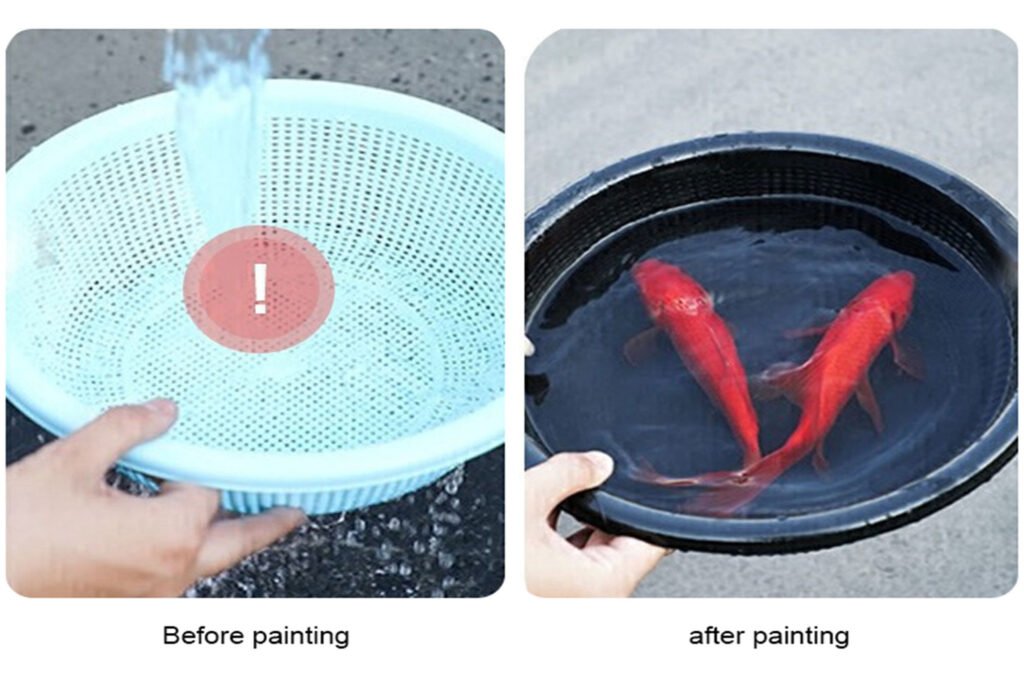
How to Properly Apply Waterproof Coating?
Even with the best waterproof coating, improper application can significantly affect its performance and longevity. To ensure the coating works effectively, it’s essential to follow the proper application process. Here are the key steps for applying waterproof coating correctly:
1. Surface Preparation
Before applying any waterproof coating, it’s crucial to properly prepare the surface. Proper surface preparation ensures better adhesion and longevity of the coating. The following steps should be followed:
- Clean the Surface: Remove dirt, dust, oils, or other contaminants that may affect the adhesion of the coating.
- Repair Cracks and Damages: Fill any cracks, holes, or imperfections in the surface. These must be patched up to prevent water from seeping through.
- Ensure Dryness: The surface should be dry and free from moisture before application to prevent adhesion issues.
2. Choose the Right Tools
The tools you use for applying the waterproof coating can impact the finish and efficiency of the application. Different tools may be required based on the type of waterproof coating and the surface being treated:
- Brushes: Ideal for smaller areas and detailed work, such as edges and corners.
- Rollers: Great for large, flat surfaces like floors or walls.
- Spray Equipment: Best for even, thin coats and large areas. It provides a uniform finish but requires proper safety precautions.
3. Apply in Layers
It’s essential to apply the waterproof coating in multiple layers for maximum protection. Here’s how:
- First Layer: Apply a thin, even coat, making sure to cover all areas without overloading.
- Subsequent Layers: Allow each layer to dry completely before applying the next one. This ensures the coating forms a strong, durable barrier.
- Recommended Number of Layers: Typically, 2-3 layers are sufficient, but the number may vary depending on the material and product being used.
| Coating Type | Number of Layers | Drying Time Between Layers |
| Polyurethane | 2-3 layers | 4-6 hours |
| Acrylic | 2-3 layers | 3-4 hours |
| Silicone | 2-3 layers | 3-5 hours |
| Cementitious | 3 layers | 4-6 hours |
| Polymer | 3 layers | 3-4 hours |
| Transparent waterproof glue | 2-3 layers | 1-2 hours |
4. Pay Attention to Drying Time
Each layer of coating needs to be fully dry before applying the next one or using the surface. Skipping this step can lead to improper bonding or potential peeling later. Here’s what to remember:
- Dry Completely: Allow each layer to dry completely as recommended by the manufacturer before applying additional layers.
- Avoid Early Exposure: Do not expose the waterproof coated surface to water or stress until it has fully cured, as premature exposure can damage the coating.
By following these steps, you can ensure that the waterproof coating is applied properly, providing maximum protection and durability. Proper application not only improves the effectiveness of the coating but also extends its lifespan.
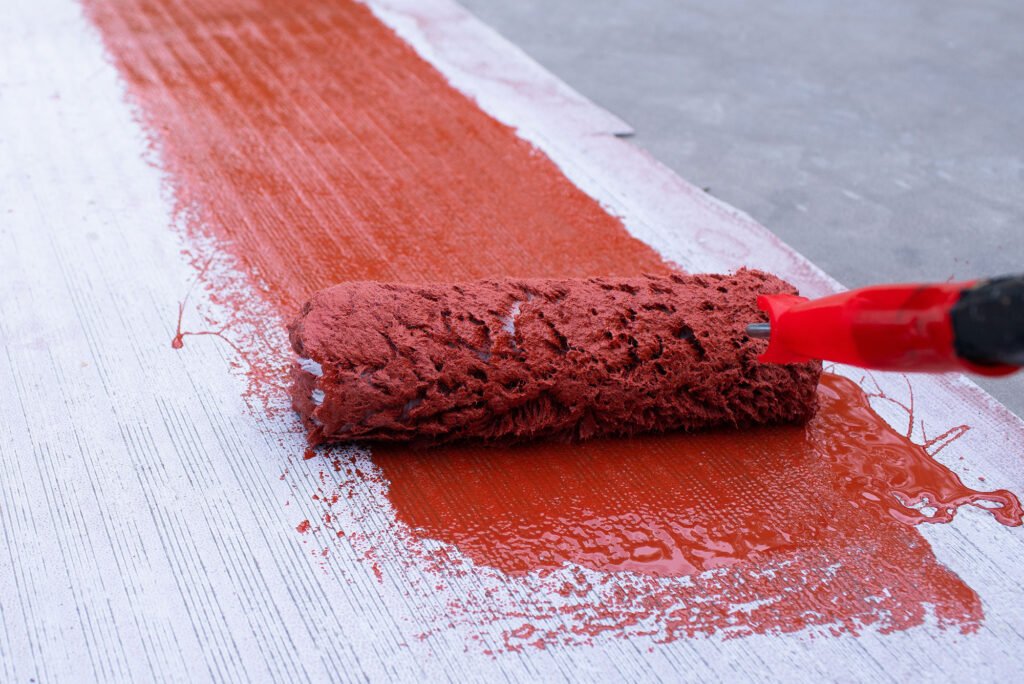
Maintenance and Care for Waterproof Coatings
To extend the lifespan and effectiveness of a waterproof coating, regular maintenance and care are essential. Proper upkeep helps preserve the coating’s integrity, ensuring continued protection against moisture and environmental factors. Here are some key maintenance recommendations:
1. Regular Inspections
Conduct regular inspections to identify any signs of wear or damage early. Regular checks help ensure the coating remains intact and functioning effectively.
Look for Cracks: Inspect for cracks, peeling, or blistering that might allow water to penetrate.
Repair Promptly: Address any issues immediately to prevent further damage.
2. Clean the Surface
Keeping the surface of the waterproof coating clean is crucial for maintaining its functionality. Dirt and debris buildup can impact the coating’s ability to repel water effectively.
Remove Dirt and Debris: Regularly clean the surface with mild soap and water, avoiding harsh chemicals that could degrade the coating.
Use Soft Cleaning Tools: Use soft brushes or cloths to prevent scratching the coating.
3. Avoid Excessive Friction or Impact
Excessive friction or rough handling can damage the waterproof coating, especially on high-traffic areas.
Prevent Scratches: Avoid dragging heavy or sharp objects across the coated surface to minimize scratches or abrasions.
Minimize Impact: If the coating is on floors or high-use areas, consider adding protective mats or coverings in those spots.
4. Protect Against Environmental Factors
In some cases, additional protection from UV rays or extreme weather can help prolong the coating’s effectiveness.
Weather Protection: For outdoor surfaces, ensure proper drainage to prevent water pooling, which can deteriorate the coating over time.
By following these maintenance practices, you can help ensure that your waterproof coating remains effective and extends its useful life. Regular upkeep will help maintain the waterproof barrier and keep surfaces protected from potential water damage.
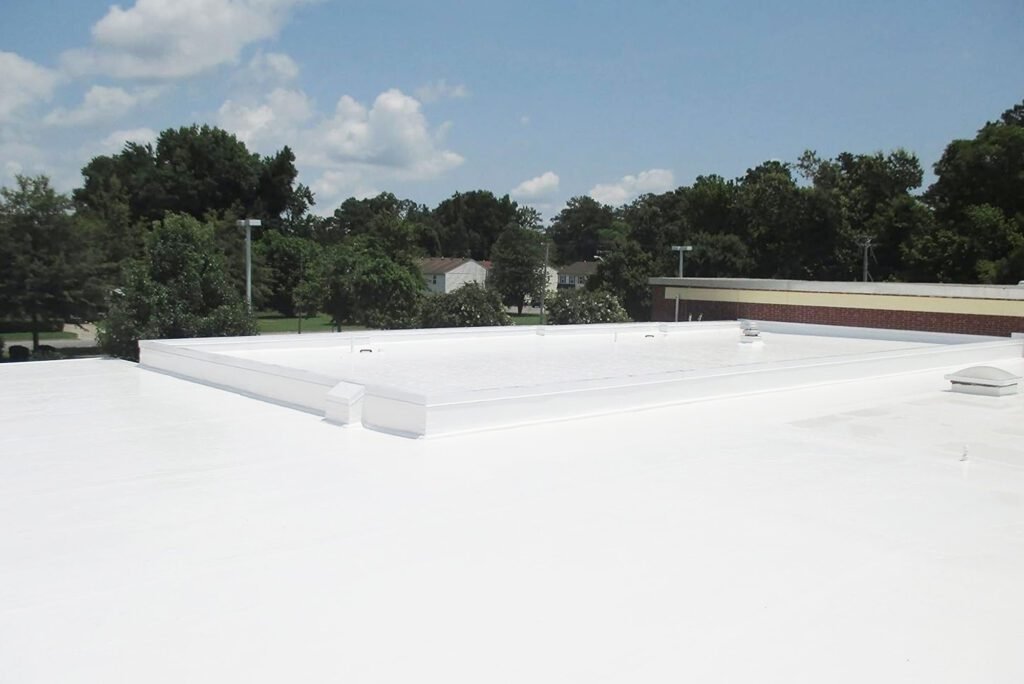
Application Scope of Waterproof Coatings
Different types of waterproof coatings are designed to suit various environments and applications. Choosing the right coating based on the specific area and conditions will ensure maximum effectiveness. Here are some common application areas for waterproof coatings:
1. Residential Roofs and Exterior Walls
Waterproof coatings for roofs and exterior walls provide a protective barrier against water infiltration, which helps to prevent leaks and structural damage.
Recommended Coatings: Durable, weather-resistant options such as polyurethane, acrylic or silicone.
Ideal for: Protecting against rain, snow, and UV exposure in residential settings
2. Basement Waterproofing
Basements are typically damp and prone to moisture issues, which can lead to mold growth and structural concerns. Waterproof coatings with high permeability are ideal for this environment, allowing walls to “breathe” while preventing water seepage.
2. Basement Waterproofing
Basements are typically damp and prone to moisture issues, which can lead to mold growth and structural concerns. Waterproof coatings with high permeability are ideal for this environment, allowing walls to “breathe” while preventing water seepage.
Recommended Coatings: Cementitious, water-based polyurethane or epoxy coatings that offer high moisture resistance.
Ideal for: Foundation walls, floors, and areas below ground level with potential water exposure.
3. Bathrooms and Kitchens
Bathrooms and kitchens are exposed to water and steam daily, so they require waterproof coatings that are resistant to moisture and easy to clean.
Recommended Coatings: Transparent waterproof glue, acrylic or epoxy waterproof coatings that provide excellent water resistance and are easy to maintain.
Ideal for: Shower walls, floors, and backsplashes in both residential and commercial settings.
4. Industrial and Commercial Applications
For industrial spaces, warehouses, and commercial facilities, waterproof coatings must withstand heavy foot traffic, equipment, and harsh environmental conditions. These waterproof coatings should be robust and highly durable.
Recommended Coatings: Oil-based polyurethane, metal roof acrylic and epoxy coatings are suitable due to their durability and chemical resistance.
Ideal for: Factory floors, storage areas, and areas exposed to chemicals or heavy machinery.
| Application Area | Recommended Coating Types | Key Benefits |
| Residential Roofs & Walls | Polyurethane, Acrylic, Silicone | Weather resistance, UV protection |
| Basement | Cementitious, Water-based Polyurethane, Epoxy | High moisture resistance, durability |
| Bathrooms & Kitchens | Transparent waterproof glue, Acrylic, Epoxy | Water and moisture resistance |
| Industrial/Commercial | Polyurethane, Acrylic, Epoxy | High durability, chemical resistance |
By selecting the appropriate waterproof coating for each application area, you can ensure optimal protection, durability, and performance tailored to specific environmental demands.



Environmental and Health Impacts of Waterproof Coatings
As more consumers prioritize environmental responsibility and health, choosing an eco-friendly waterproof coating has become increasingly important. Here are key factors to consider regarding the environmental and health impacts of waterproof coatings:
1. Non-Toxic Materials
Selecting a waterproof coating made from non-toxic materials helps ensure it is safe for indoor environments and minimizes air pollution. Non-toxic coatings do not release harmful chemicals, making them suitable for residential and commercial settings where occupants’ health is a priority.
Benefits: Reduces the risk of indoor air pollution and promotes a healthier living or working environment.
Ideal for: Homes, schools, and healthcare facilities.
2. Low VOC Emissions
Low-VOC (Volatile Organic Compounds) coatings release fewer harmful chemicals into the air, contributing to improved indoor air quality. VOCs are known to cause respiratory issues and other health concerns; therefore, choosing low-VOC products is crucial for both health and sustainability.
Benefits: Enhances air quality and reduces the risk of long-term health effects related to chemical exposure.
Ideal for: Enclosed spaces and areas with limited ventilation.
3. Sustainability
Sustainable waterproof coatings are manufactured with minimal environmental impact, using eco-friendly processes and renewable or recyclable materials. Opting for sustainable products supports environmental conservation and minimizes the overall ecological footprint.
Benefits: Helps reduce environmental degradation and resource depletion.
Ideal for: Green building projects, eco-conscious homeowners, and businesses prioritizing sustainability.
4. Compliance with Environmental Standards
Waterproof coatings that comply with environmental standards and certifications provide an added assurance of product quality and eco-friendliness. These certifications indicate that the product meets stringent environmental and health criteria.
Benefits: Provides confidence in the coating’s safety and eco-friendliness.
Ideal for: Projects requiring certified eco-friendly materials, such as public buildings or green-certified constructions.
| Eco-Friendly Factor | Key Benefits | Best For |
| Non-Toxic Materials | Reduces indoor air pollution, safe for occupants | Homes, schools, healthcare facilities |
| Low VOC Emissions | Improves air quality, lowers health risks | Enclosed or poorly ventilated spaces |
| Sustainability | Minimizes environmental impact, uses green materials | Green buildings, eco-conscious projects |
| Environmental Standards | Assurance of quality and eco-friendliness | Certified projects, green construction |
By choosing waterproof coatings with low environmental and health impacts, you contribute to a healthier indoor environment and a more sustainable world. These eco-friendly coatings support well-being and align with growing environmental standards in construction and renovation projects.
Conclusion: Making the Right Choice for Long-Lasting Waterproof Protection
In selecting the best waterproof coating, understanding the factors that influence its effectiveness, quality, and suitability for specific environments is essential. By carefully evaluating the material type, application needs, and environmental impact, you can make an informed choice that provides lasting protection for your home or commercial space. Remember, a high-quality waterproof coating not only prevents costly repairs but also enhances the durability and safety of your structures.
With regular maintenance and by choosing eco-friendly, health-conscious options, you’ll ensure that your waterproofing solution remains effective and sustainable. Follow these guidelines, and you’ll be well on your way to enjoying a secure, water-resistant environment for years to come.