How Does Acrylate Grout Gel Time Affect Penetration and Seepage Control?
Introduction
Acrylate grout can get into a fine concrete joint and still miss the area that needs sealing. Sometimes it’s not about initial viscosity. The grout starts thickening while moving through the joint and stops before reaching the leak.
The opposite can happen when the material stays fluid too long. In a connected crack with groundwater flowing, some grout may move past the intended treatment zone before it gels.
Gel time affects both situations. Contractors need enough time for the grout to reach the target — but also enough to stay there and seal. The right balance depends on the injection path, water movement, material temperature and equipment used.
What Does Acrylate Grout Gel Time Actually Measure?
Gelation time describes how long an acrylate grout takes to reach a defined gel state under specified test conditions. It does not necessarily tell contractors how long the material will remain sufficiently fluid to move through a narrow joint.
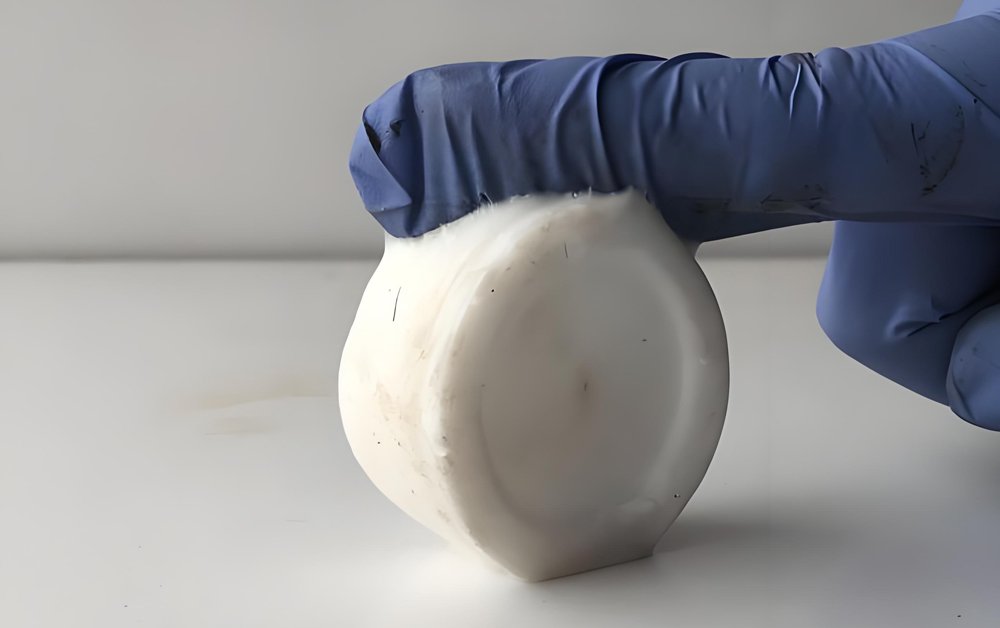
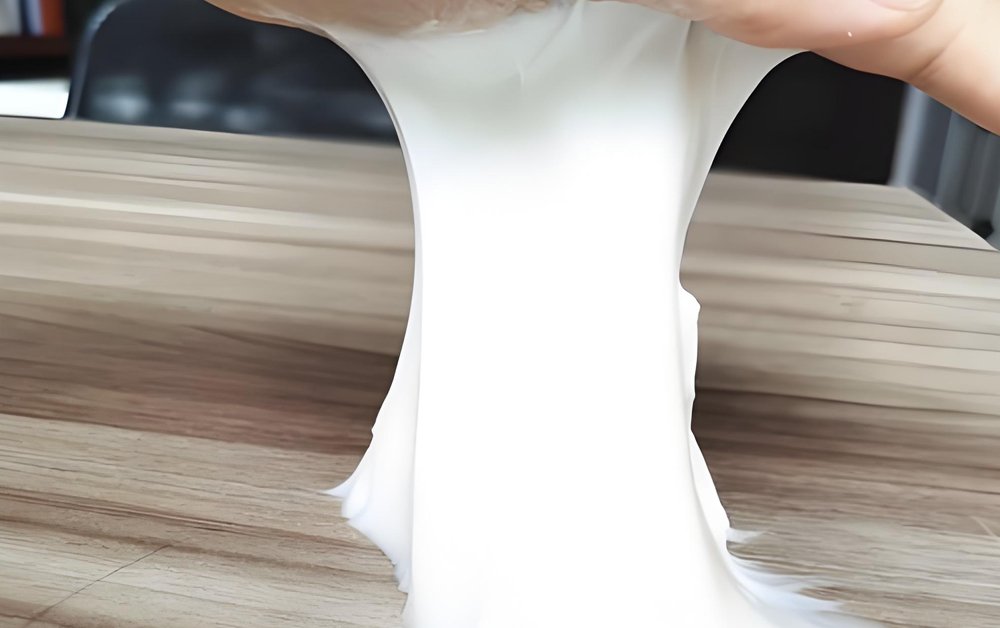
YURU’s AG acrylate grouts use two components that react after mixing to form a flexible gel. Once formed, the gel can expand when exposed to water. The chemical reaction that produces the gel and its subsequent water-responsive expansion are separate processes.
The difference between thickening and final reaction time becomes clearer when we look at actual test data. According to the Sika Injection-304 technical data, at a material temperature of 20°C and the product’s standard hardener concentration, viscosity begins to increase at around 28 seconds, while the reported reaction time is approximately 40 seconds. At 10°C, those figures change to about 50 and 80 seconds.
This means the grout’s flowability can start changing well before the reported reaction time. For a narrow or difficult-to-reach leakage path, the grout’s changing flowability can be just as important as the reported gel time. The material may still be reacting, but it may no longer flow as easily through the openings that need sealing.
Why Is the Actual Injection Window Different from Reported Gel Time?
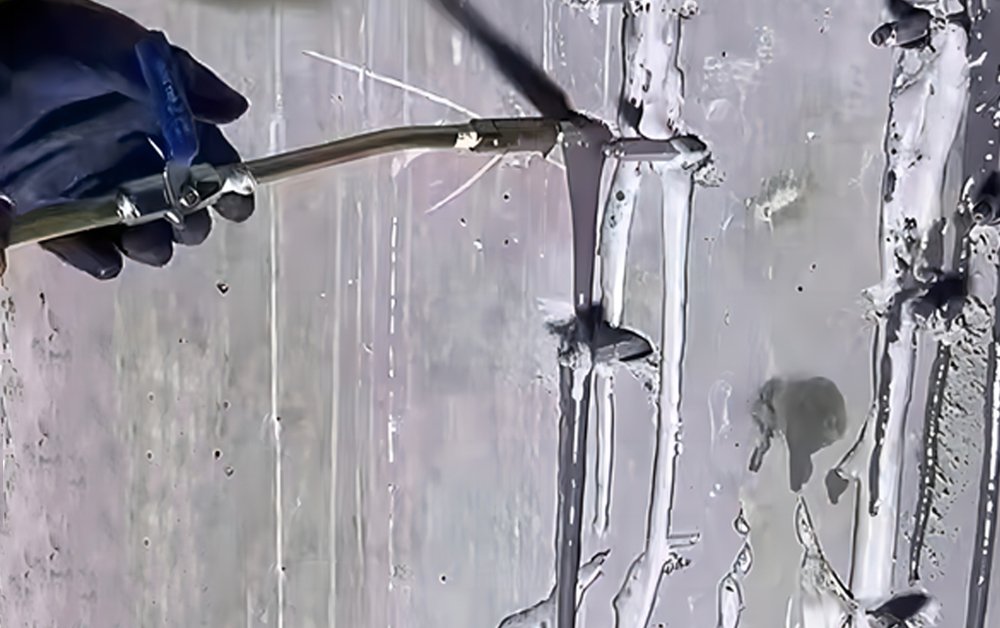
With a two-component injection system, the reaction becomes relevant once the reactive components are mixed. Depending on the equipment, the mixed grout may still need to pass through a delivery section and an injection port before entering the concrete.
The material then has to move through the joint toward the intended sealing area. If significant thickening occurs along the way, further penetration becomes difficult.
A mixing head close to the injection point leaves less mixed-material travel than a longer delivery path. Equipment layout matters — especially with a short reaction time.
The distance inside the structure matters too. A grout may enter the first opening without reaching more distant parts of the same joint before it begins to gel.
Two formulations with similar initial viscosity can behave differently after mixing. Even if both start as low-viscosity liquids, they may not remain equally mobile throughout their reactions.
Contractors should check the mixing arrangement, material behavior and required injection route before relying on a reported gel time to plan the work.
What Happens When Acrylate Grout Gels Too Early?
Premature gelation can leave part of a leakage path untreated.
In a concrete joint with several connected openings, grout may first travel through the passage offering the least resistance. If it gels before reaching the remaining passages, water may continue moving through sections that received little or no material.
The injection might look successful at first. Grout entering a joint or coming out another port confirms some material moved through — but doesn’t prove the whole sealing area was treated.
Early gelation can also interrupt the injection process. If the grout thickens inside the mixing head or a delivery section carrying mixed material, flow may become restricted or blocked.
The KÖSTER Injection Gel S4 technical data sheet warns that excessive acceleration can clog the mixing head. It also notes that gel times that are too short may prevent sufficient distribution during curtain injection.
Increasing injection pressure cannot restore the original flowability of material that has already gelled. If grout is setting before it reaches the required area, the reaction behavior, equipment and injection path need to be checked before the treatment continues.
What Happens When Acrylate Grout Remains Fluid for Too Long?
A longer gel time can help when grout needs to spread through a large or complicated treatment area. In a reasonably confined zone, the additional flow time may allow the material to reach openings farther from the injection point.
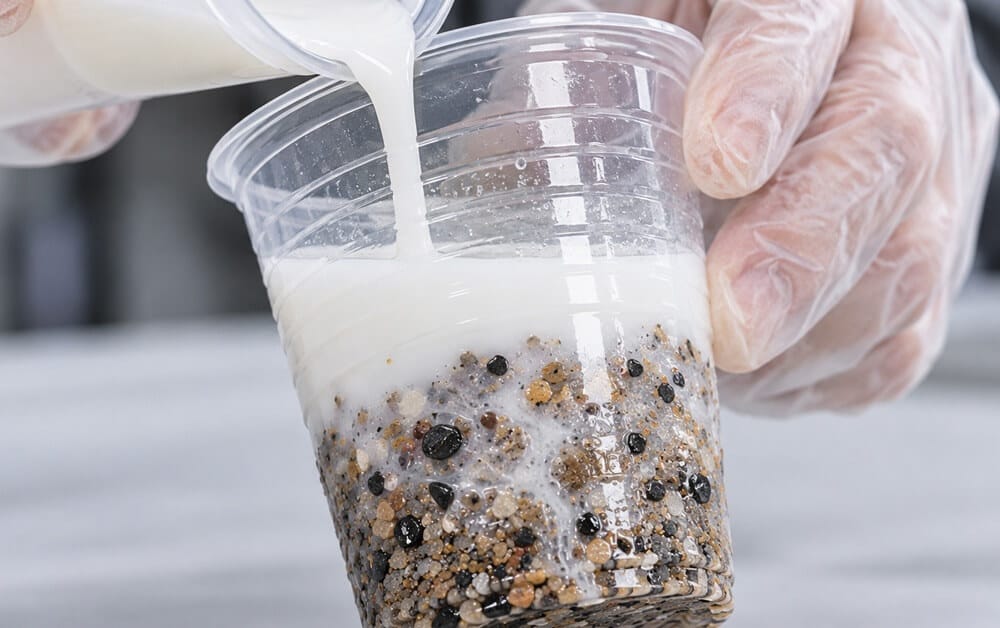
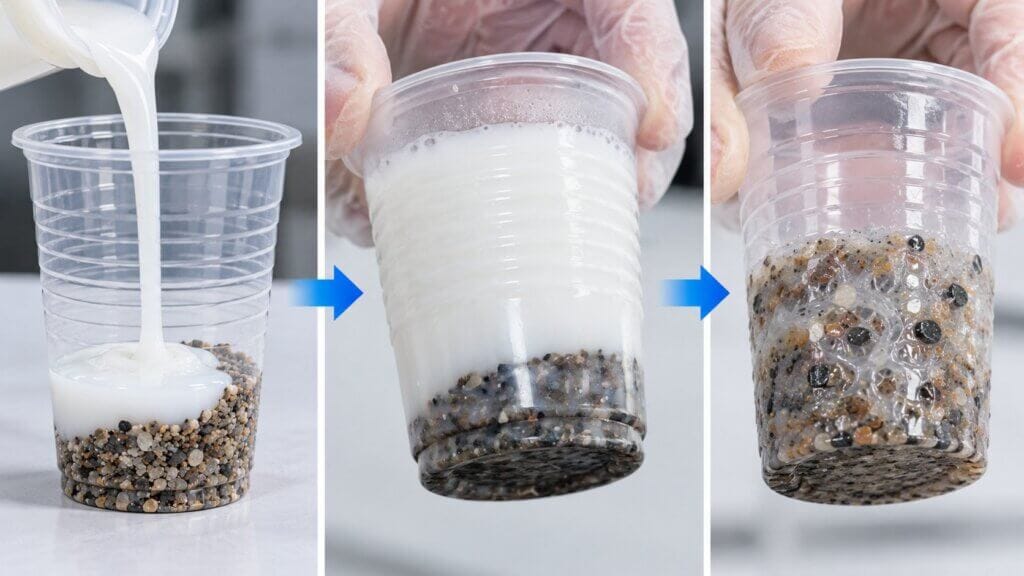
The risk changes when those openings connect to other drainage paths or moving groundwater. Uncured grout may migrate beyond the intended sealing zone prior to gel formation. Even where substantial quantities have been injected, a portion of material may be lost from the target treatment area.
For an injection zone that can retain the grout, additional flow time may be useful. Where water can carry uncured material away, the selected reaction time must also account for that movement.
Which Site Conditions Matter Most When Selecting Gel Time?
Injection Distance and Leakage-Path Geometry
A leaking joint may branch or connect to openings not visible at the concrete surface. Grout must remain mobile sufficiently long to reach the intended sealing zone, including connected pathways requiring treatment.
For longer or uncertain injection paths, the reaction window becomes an important part of material selection. Crack width, flow resistance and other penetration factors are covered in our guide to injection grout viscosity and penetration.
Water Movement and Grout Retention
A damp joint with limited seepage presents a different injection challenge than one with continuous groundwater flow.
Where water movement is limited, grout may remain within the treatment zone during gel formation. Under moving-water conditions, uncured material may migrate through connected openings and exit the intended sealing zone.
Water velocity, pressure, available flow paths, and washout resistance influence this behavior. Short gel time alone does not establish product suitability for a given flowing-water condition.
Some specialized acrylate systems are designed for demanding water-ingress applications. YURU’s current standard acrylate formulations, however, are intended primarily for seepage control and flexible sealing. They are not recommended as the first-stage treatment for sudden, severe water inrush.
Where heavy flowing water must be controlled immediately, contractors may need to evaluate a suitable water-stopping system before considering further sealing.
Material Temperature, Mixing and Injection Equipment
The temperature of the material can change how quickly an acrylate grout reacts.
Sika Injection-304 reports different reaction times at different material temperatures. KÖSTER also identifies material temperature as an important factor affecting the reaction time of its injection gel.
Gel time measured under laboratory conditions may therefore differ from field behavior, particularly when materials are stored or injected at different temperatures.
Mixing conditions also need attention. YURU’s AG Type I and Type II formulations are specified for two-component injection with an A mixing ratio of 1:1 by volume.
The selected equipment must be suitable for the product, and the components should be prepared according to the manufacturer’s technical instructions.
Changing the A ratio without manufacturer approval is not a reliable way to adjust gel time. It may also affect gel formation and other material properties.
If the required reaction time differs from the available standard formulation, the material and injection method should be reviewed together before making adjustments.
How Can Contractors Check Whether Gel Time Fits the Injection Job?
Unexpected injection behavior provides diagnostic indications regarding whether grout reaction time aligns with the work performed.
| What Happens During Injection? | What It May Indicate | What to Check |
| Mixed grout thickens before reaching the injection area | The reaction window may be too short for the equipment arrangement | Mixing location, delivery path, material temperature and formulation |
| Grout enters the joint but does not reach the intended treatment area | Premature thickening or restricted flow may be involved | Reaction behavior, connected leakage paths and injection conditions |
| Grout continues moving beyond the intended sealing zone | The material may remain fluid too long for the available containment | Connected openings, groundwater movement and material retention |
| Gelation behavior differs from the expected time | Field conditions may differ from the reported test conditions | Material temperature, mixing procedure and product specifications |
| Leakage remains after injection | The treated area may be incomplete, or another leakage path may remain | Injection coverage, remaining seepage and project acceptance requirements |
Trial injection under suitable project conditions enables observation of grout behavior following mixing and movement through the treatment area.
Pressure changes, grout consumption and material appearing at connected ports may indicate how the injection is progressing. They need to be assessed alongside the actual leakage conditions.
After injection, the repaired area should be checked for remaining seepage using the inspection method required by the project. If leakage continues, the cause may involve incomplete coverage, material migration or a repair problem unrelated to gel time.
What Do YURU's Three Reported Gel Times Tell Buyers?
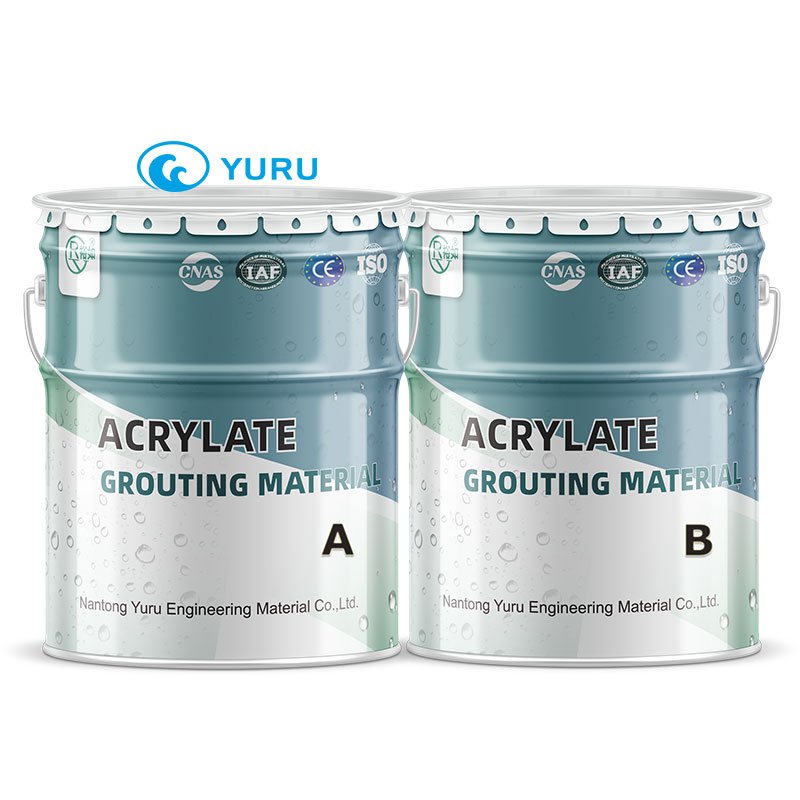
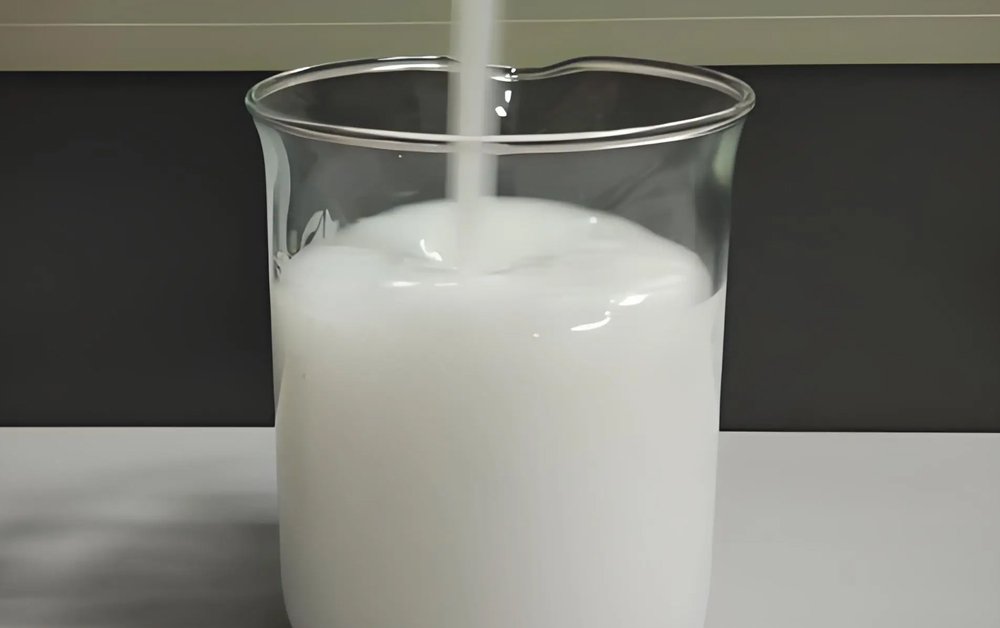
YURU offers three acrylate grouting material formulations with different reported gelation times.
| YURU Acrylate Formulation | Reported Gelation Time | Reported Viscosity |
| Existing YURU Formulation | 20 s | 8 mPa·s |
| AG Type I | 26 s | 8 mPa·s |
| AG Type II | 15 s | 8 mPa·s |
All three formulations have a reported viscosity of 8 mPa·s, while their gelation times differ. AG Type I also has a separate presetting-time result of 11 seconds.
These figures help buyers compare the reported reaction characteristics, but they do not establish how far each grout will travel inside a particular crack or joint.
For example, a 26-second gel time does not automatically mean deeper penetration than a 15-second gel time. The material must still pass through the injection equipment and reach the treatment area under the actual site conditions.
The selected formulation also needs to provide the required sealing performance after gel formation.
YURU supports customized acrylate grout formulations for projects with specific injection requirements. Customers can share their leakage conditions, working temperature, injection equipment and construction method with our team.
Depending on the project, we can discuss adjustments to gelation time, viscosity and other working characteristics. Customized formulations are subject to technical feasibility and performance verification.
Full specifications are available on our YURU Acrylate Grouting Material page.
Frequently Asked Questions
Does a 15-second gel time mean there are 15 seconds available for injection?
No. A 15-second gel time is a reported test result — not a guaranteed window of unchanged flowability. The material may start thickening before its final gel state. Actual behavior depends on formulation, temperature, mixing, and equipment.
Should acrylate grout gel time be checked at the actual material temperature?
Yes. Reaction time can change with material temperature. Where the material will be used under conditions different from those reported in the product specifications, its gelation behavior should be checked according to the manufacturer’s instructions.
Can YURU customize acrylate grout gel time for a specific injection system?
Yes. YURU can discuss formulation adjustments based on the required gel time, equipment and working conditions. Any proposed change must be evaluated to confirm that the resulting grout meets the project’s performance requirements.
Need Help Selecting Acrylate Grout Gel Time?
For tunnel waterproofing, underground seepage treatment or concrete joint injection, YURU Waterproof can help you review the available acrylate grout formulations.
Share your project conditions and injection requirements with our team. We can discuss suitable standard formulations, technical specifications and available customization options.
YURU Product solutions