Best Floor Coating for Factory
Introduction:
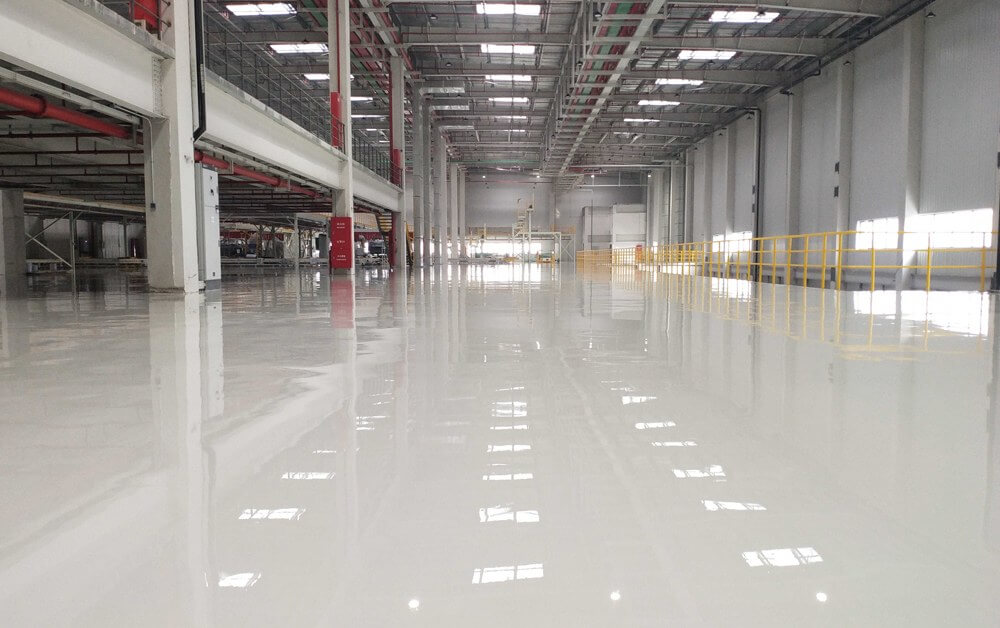
Choosing the best floor coating for factory environments is more than just a finishing decision–it directly impacts productivity, safety, maintenance costs, and long-term operational efficiency. Industrial floors are constantly exposed to heavy machinery, chemical spills, abrasion, and thermal stress. Without the right coating system, even the strongest concrete base can deteriorate quickly.
In this comprehensive guide, we will walk through coating types and selection criteria, installation best practices and supplier evaluation.
Why Choosing the Best Floor Coating for Factory Matters?
Industrial Floors Face Extreme Conditions:
Let’s be real–factory floors are nothing like the ones in your house or office. They deal with:
- Forklifts and other vehicles running over them all day
- Heavy equipment pushing down on them
- Spills from chemicals like acids, oils, and solvents
- Constant scraping, dropping, and smashing
- Hot and cold temperature swings
If you don’t protect the concrete properly, it will crack, turn dusty, and fall apart over time.
Why Cheap Coatings End Up Costing You More:
Sure, the cheaper stuff looks like a good deal upfront. But down the road, you’ll likely run into:
- Frequent repairs and shutting down operations.
- More slip hazards and trip risks.
- Contamination problems if you’re in a clean-sensitive industry.
- A much bigger maintenance bill in the long run.
The best floor coating for a factory isn’t just about the price tag. What really matters is how durable it is, how safe it makes the workspace, and whether it helps avoid costly downtime.
Common Types of Factory Floor Coatings
Understanding the available coating systems is the first step in selecting the right solution.
Epoxy Floor Coating
Key Features of Epoxy:
Epoxy coatings are among the most widely used industrial flooring solutions. They provide:
- Strong adhesion to concrete
- High compressive strength
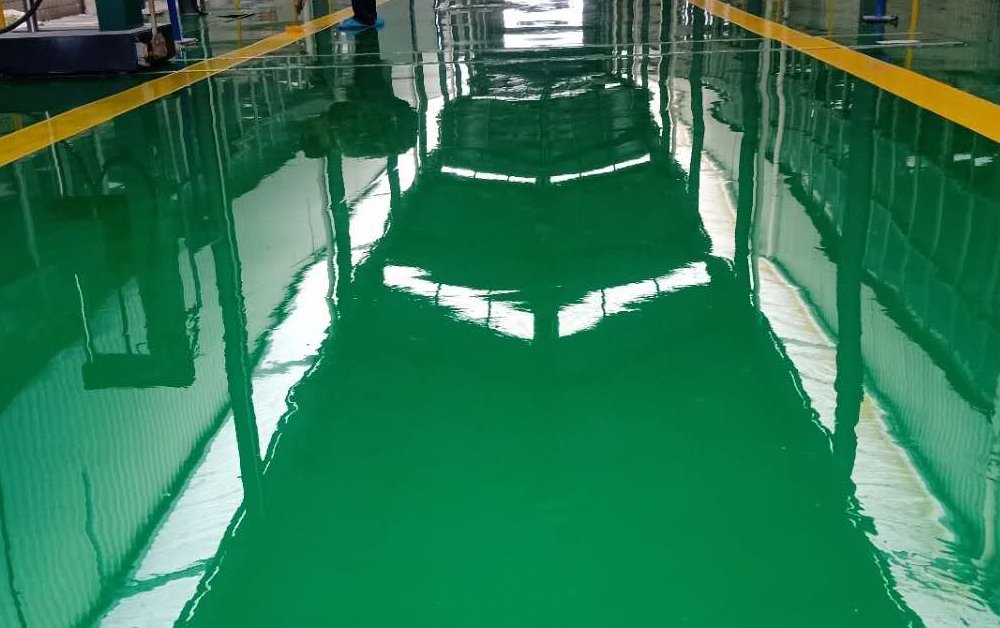
- Smooth and seamless finish
- Resistance to mild chemicals
Ideal Applications:
- Warehouses
- Electronics manufacturing
- Food processing areas (with food-grade epoxy)
Polyurethane (PU) Floor Coating
Key Advantages:
Polyurethane coatings offer superior flexibility and durability:
- Excellent impact resistance
- High elasticity (reduces cracking)
- Better performance under thermal stress
Best Use Cases:
- Heavy industrial factories
- Areas with temperature variation
- Semi-exposed environments
Polyurea Floor Coating
High-Performance Characteristics:
Polyurea is a premium solution known for:
- Fast curing time
- Exceptional chemical resistance
- Superior waterproofing properties
- High abrasion resistance
Suitable Industries:
- Chemical plants
- Oil & gas facilities
- Heavy-duty industrial zones
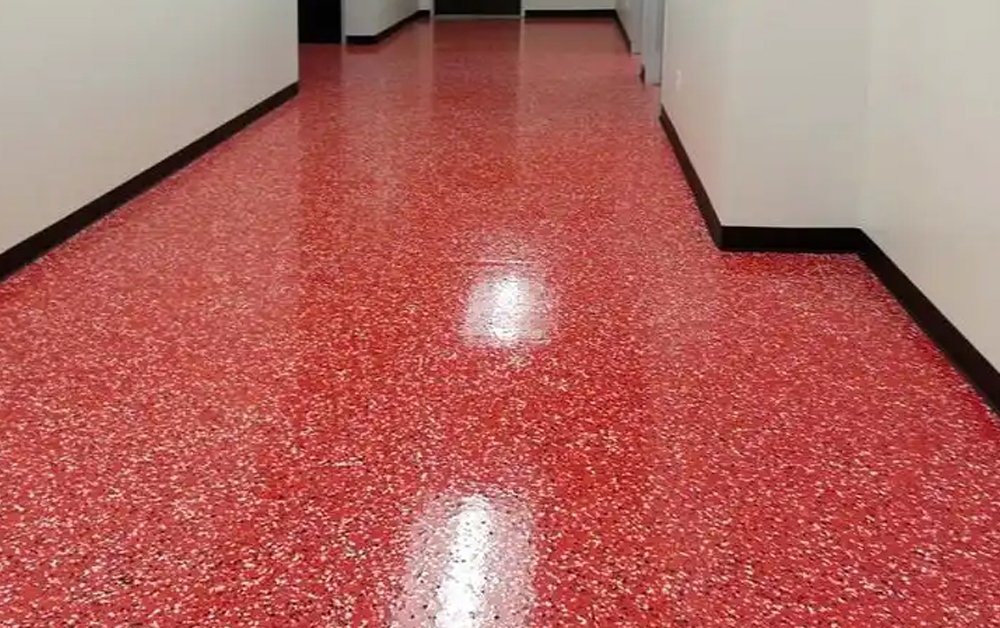
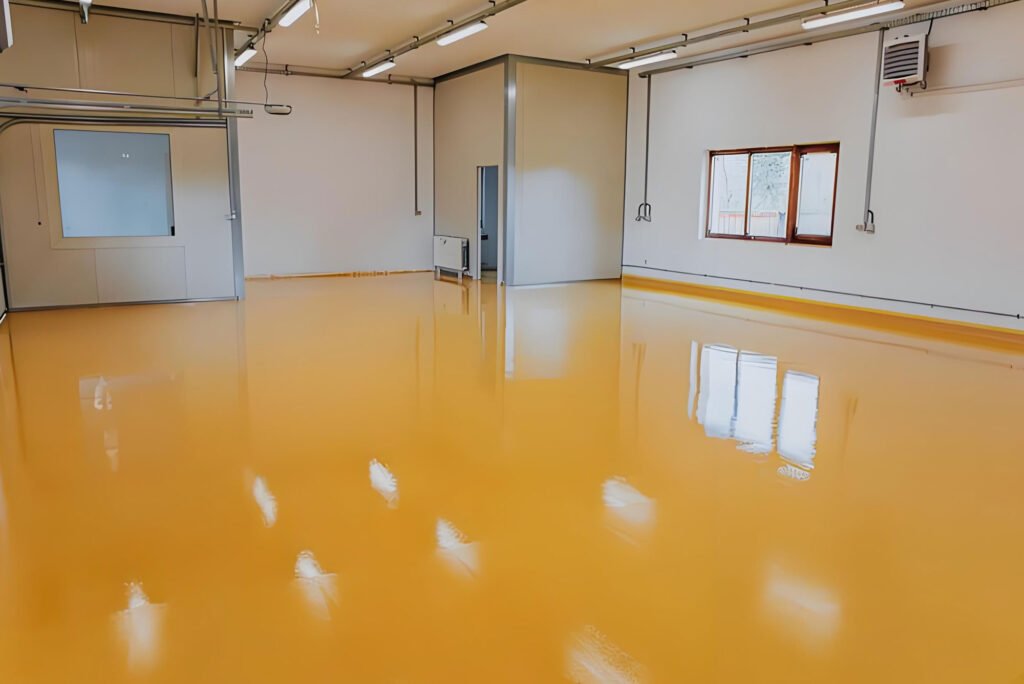
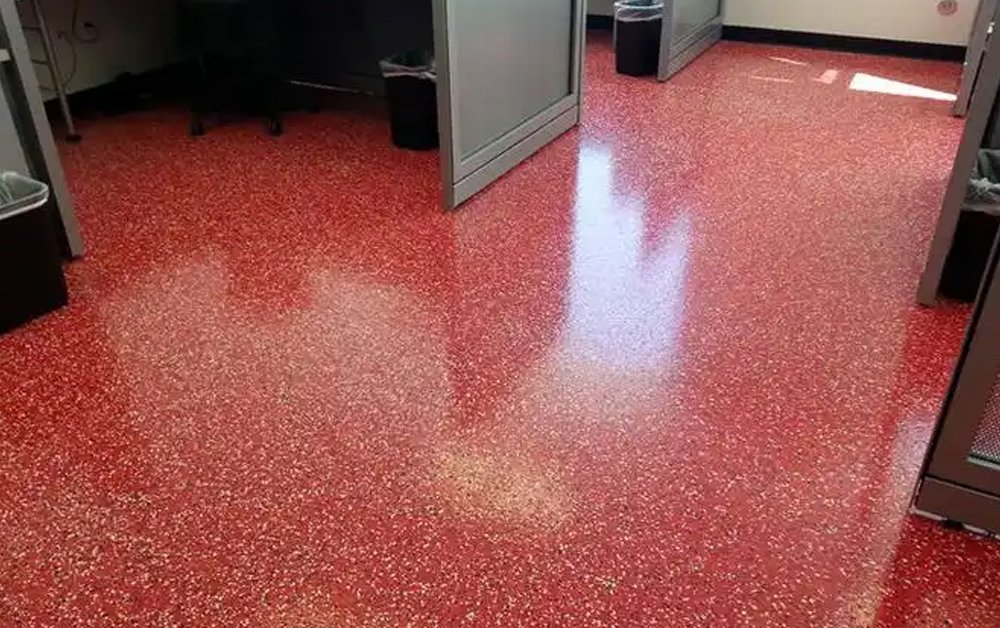
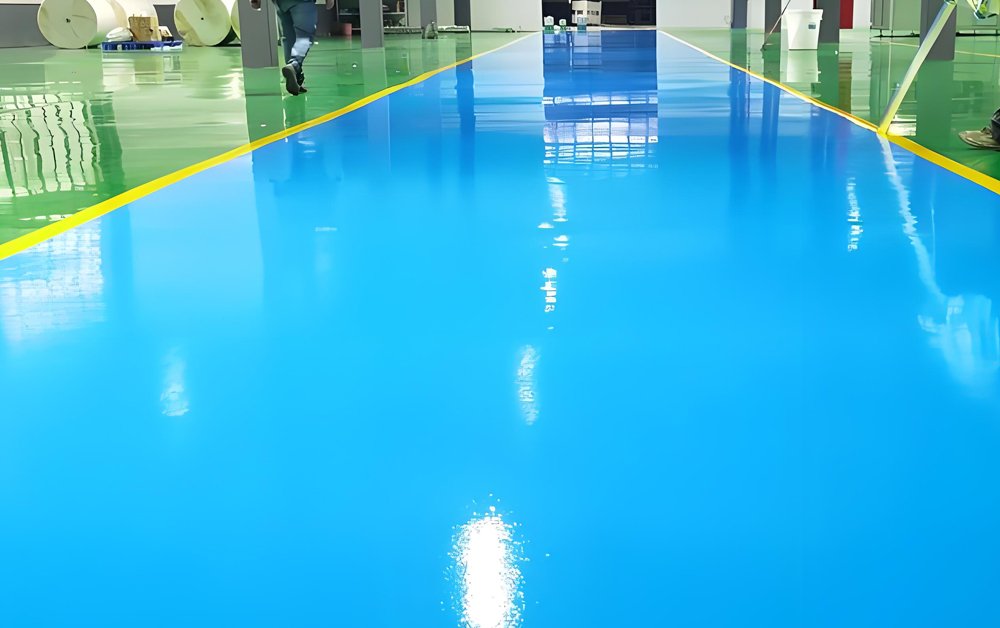
In fact, epoxy flooring is the most widely chosen and recommended option. Epoxy flooring coatings include solid color epoxy flooring and colored sand epoxy floor paint.
How to Choose the Best Floor Coating for Factory Projects?
Evaluate the Working Environment
Different industries require different solutions:
| Industry Type | Key Requirement | Recommended Coating |
|---|---|---|
| Food Factory | Hygiene & safety | Epoxy / PU |
| Chemical Plant | Corrosion resistance | Epoxy /Polyurea |
| Warehouse | Abrasion resistance | Epoxy |
| Heavy Industry | Impact resistance | Epoxy /PU |
Load-Bearing and Traffic Analysis
Factories with frequent forklift movement need coatings with:
- High compressive strength
- Excellent abrasion resistance
- Strong adhesion
Chemical Resistance Requirements
If your facility uses oils, acids, or solvents, pick a coating that fights chemical corrosion. No exceptions.
Safety and Anti-Slip Performance
Industrial floors need to be safe. Look for:
- Anti-slip aggregates
- Textured finishes
- Clear pathway markings
Step-by-Step Factory Floor Coating Application Process
Surface Inspection and Preparation
Before you even think about applying coating, you need to inspect the floor. This step makes or breaks the whole job. Here’s what you’re looking for:
- How much moisture is coming up through the concrete?
- Any cracks or holes that need patching?
- Whether the concrete is solid and structurally sound?
Mechanical Grinding and Cleaning
- Grinding removes weak layers and helps coating stick.
- Remove all dust and contaminants — no shortcuts.
Primer Application
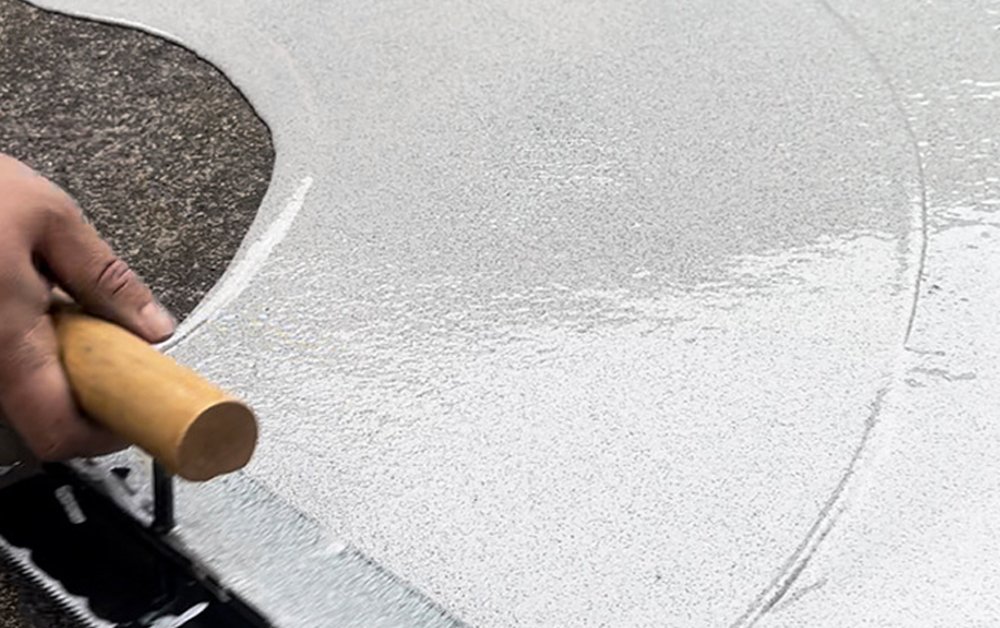
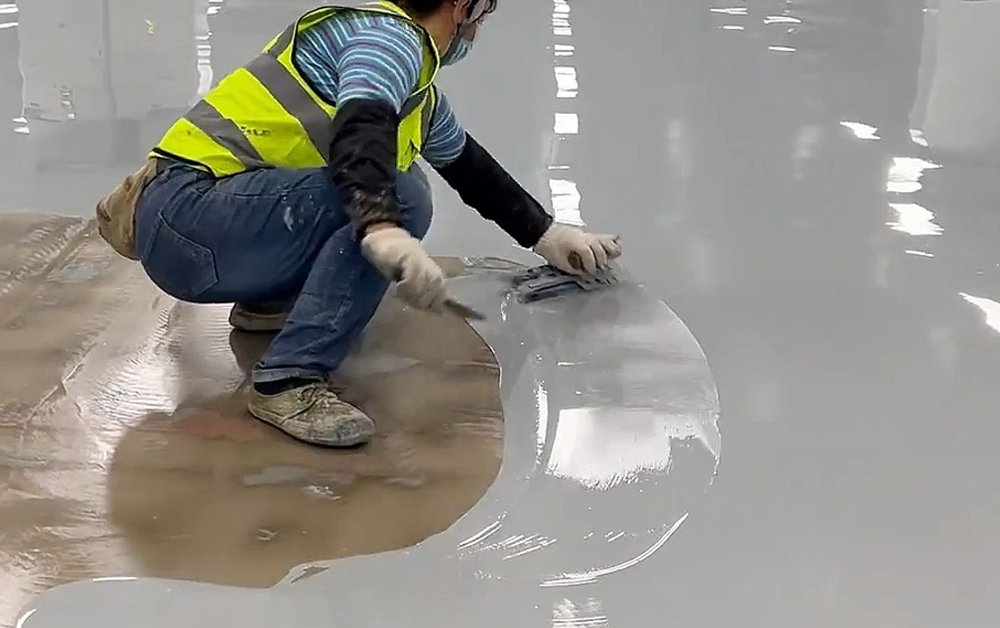
The primer enhances bonding between the substrate and coating system. It also seals the surface.
Intermediate Layer Application
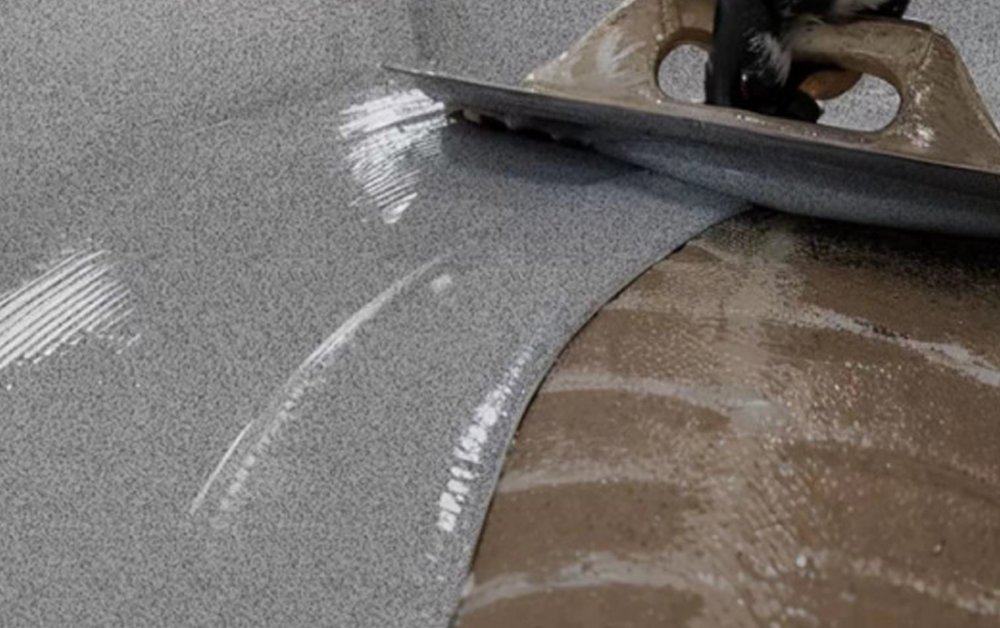
This layer builds thickness and strength. It may include fillers or reinforcement materials.
Topcoat Application
The final layer determines:
- Surface finish
- Chemical resistance
- Aesthetic appearance
Proper curing time must be respected to achieve optimal performance.
Common Factory Floor Problems and Solutions
Peeling or Delamination
Why it happens: Either you didn’t prep the surface right, or moisture is coming up through the concrete.
How to fix it: Do the prep work properly the first time, and get moisture under control before you coat.
Surface Cracking
Cause: The floor expands and contracts with temperature changes, or the coating itself is too stiff.
Solution: Use a flexible coating – polyurethane is a good choice because it moves with the concrete. Or choose injection grouts to reapir cracks.
Excessive Wear
Why it happens: Too much forklift and vehicle traffic for the coating you picked, or you just bought something cheap.
How to fix it: Go with a high-performance coating that’s designed to take abuse and resist abrasion.
How to Make Your Factory Floor Last?
Routine Cleaning
Stops chemical buildup and surface damage.
Periodic Inspection
Inspect floors every 6–12 months to detect early signs of damage.
Timely Repairs
See a tiny crack or a little chip? Don’t put it off. Fix it now, or you’ll be paying for a huge repair job down the road.
How to Choose a Reliable Floor Coating Supplier?
Product Range and Technical Expertise
- Supplier should offer multiple coating systems.
- They should recommend solutions based on project needs.
Engineering Support
- Technical guidance – yes
- Installation training – yes
- After-sales service – yes
All three are essential.
Certifications and Quality Assurance
- Look for internationally recognized certifications.
- That’s how you know the product is reliable, not just advertised.
YURU Waterproof – Your Trusted Factory Floor Coating Partner
Comprehensive Industrial Flooring Solutions
YURU Waterproof provides a full range of:
- Epoxy coatings
- Polyurethane systems
- High-performance industrial coatings
Engineered for Harsh Environments
Our products are designed to handle:
- Heavy loads
- Chemical exposure
- Extreme operational conditions
Flexible OEM and Bulk Supply Services
YURU supports distributors and contractors with:
- OEM branding
- Customized formulations
- Competitive bulk pricing
Professional Technical Support
From product selection to application guidance, YURU ensures every project achieves optimal results.
Benefits of Investing in the Best Floor Coating for Factory
Increased Durability
Extends floor life by years – not months.
Improved Workplace Safety
Anti-slip surfaces reduce accidents and help with compliance.
Lower Maintenance Costs
Fewer repairs, less downtime, lower long-term spend
Enhanced Operational Efficiency
Smooth, dust-free floors improve workflow and equipment performance.
FAQs:
1. What is the best floor coating for factory environments?
Epoxy and polyurethane coatings are the most commonly used, depending on the specific industrial requirements.
2. How long does factory floor coating last?
With proper installation and maintenance, it can last 10–20 years.
3. Can coatings handle heavy machinery?
Yes, high-performance coatings are designed for heavy industrial loads.
4. Is maintenance required?
Minimal maintenance is needed, but regular inspections are recommended.
5. Does YURU Waterproof provide customized solutions?
Yes, YURU offers tailored solutions for different industrial needs.
Conclusion:
Choosing the right floor coating isn’t just another purchase order—it’s a strategic decision. It affects how safe your people are, how long your floor lasts, and how much you spend on it down the road. Get it right, you can ensure a high-performance flooring system that supports your business for years to come.
Contact YURU Waterproof today for expert consultation, tailored solutions, and competitive pricing.

YURU Product solutions