Best Grout for Water Leaks: A Complete Guide
Introduction:
Water leakage is one of the most common and costly problems in construction and infrastructure projects. Whether it appears in basements, tunnels, foundations, or concrete structures, untreated leakage can lead to structural damage, corrosion, and long-term maintenance issues.
Many contractors and buyers ask the same question:
What is the best grout for water leaks?
Different types of leaks require different materials, and using the wrong grout often leads to repeated failures.
In this guide, we will introduce types of water leakage problems, common grout materials and their differences, and how to choose the best grout for your specific project.
Understanding Different Types of Water Leaks
Before selecting a grout, it is important to identify the type of leakage. This step is often overlooked, but it directly affects the success of the repair.
Structural Crack Leakage
Water enters through visible cracks in concrete structures.
These cracks may be:
- Static (stable)
- Dynamic (expanding or moving)
Dynamic cracks require flexible materials, while static cracks can be repaired with rigid systems.
Construction Joint Leakage
Leakage often occurs at weak points such as:
- Cold joints
- Expansion joints
- Construction seams
These areas require materials that can adapt to movement and maintain sealing over time.
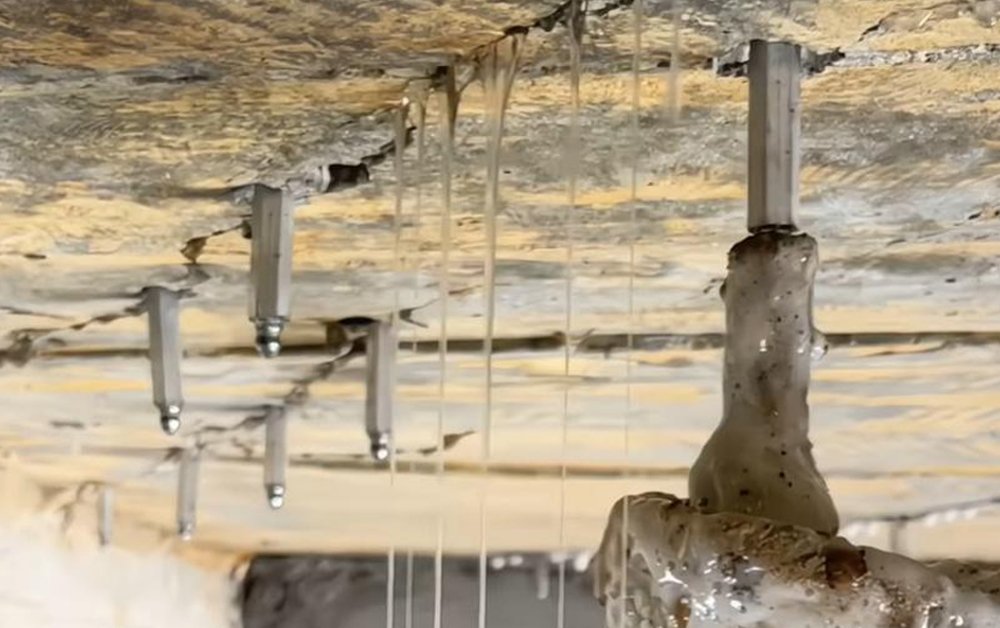
High-Pressure Water Leakage
This type is common in:
- Underground structures
- Tunnels
- Deep basements
Water is continuously forced through cracks under pressure, making sealing more challenging.
Micro-Crack Seepage
Very fine cracks allow slow water penetration.
These cracks are difficult to detect and require materials with excellent penetration ability.
Common Types of Grout for Water Leaks
There is no universal grout that works for all situations. Each material has its own strengths and limitations.
Cementitious Grout
Cement-based grout is one of the oldest and most widely used materials.
Key Features:
- Low cost
- Easy to use
- Suitable for large-scale filling
Limitations:
- Poor flexibility
- Limited waterproofing ability
- Prone to cracking over time
Best Use Cases:
- Soil stabilization
- Void filling
- Non-critical structural support
Polyurethane Grout (PU Grout)
Polyurethane grout is widely used for fast leak sealing.
Key Features:
- Reacts with water and expands
- Rapid sealing of active leaks
- Good adaptability
Limitations:
- May degrade over long periods
- Not ideal for permanent structural repair
Best Use Cases:
- Emergency leak stopping
- Basement leakage
- Tunnel water ingress
Epoxy Resin Grout
Epoxy grout is designed for structural repair rather than flexible sealing.
Key Features:
- High strength and rigidity
- Excellent bonding to concrete
- Restores structural integrity
Limitations:
- No flexibility
- Not suitable for active or moving cracks
- Sensitive to moisture during application
Best Use Cases:
- Structural crack repair
- Load-bearing concrete restoration
Acrylate Grout
Acrylate grout is known for its extremely low viscosity.
Key Features:
- Water-like consistency
- Excellent penetration into micro-cracks
- Forms flexible gel structure
Limitations:
- Lower mechanical strength
- Requires precise handling
Best Use Cases:
- Micro-crack sealing
- Curtain grouting systems
- Waterproofing barriers
Polyurea Grout
Polyurea grout is a high-performance material for modern waterproofing systems.
Key Features:
- Fast reaction
- High elasticity
- Strong durability
- Excellent waterproof performance
Limitations:
- Higher cost compared to PU
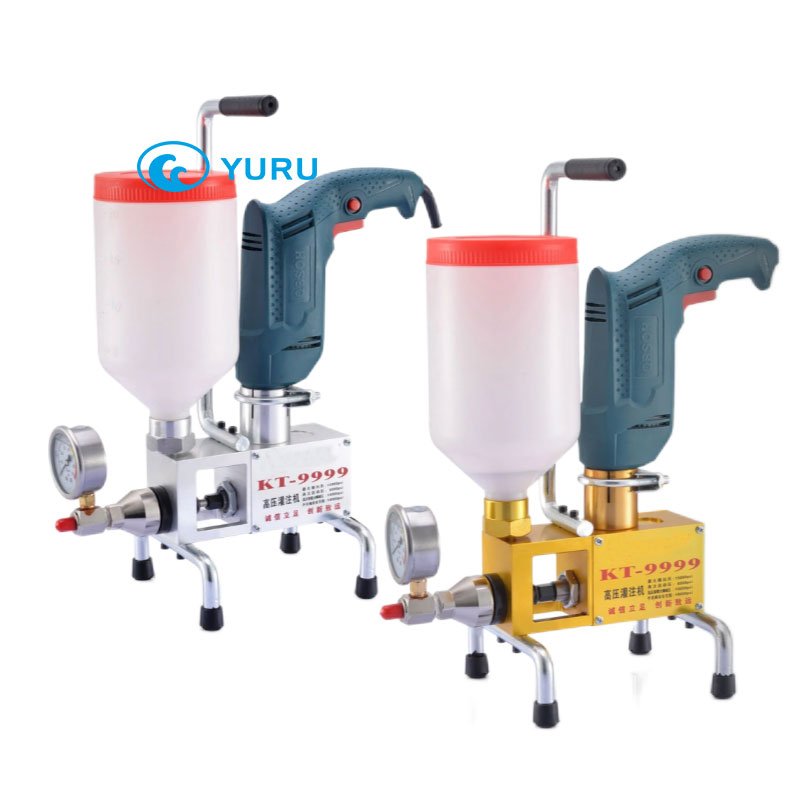
- Requires proper equipment
Best Use Cases:
- Long-term waterproofing
- Dynamic crack sealing
- Infrastructure projects
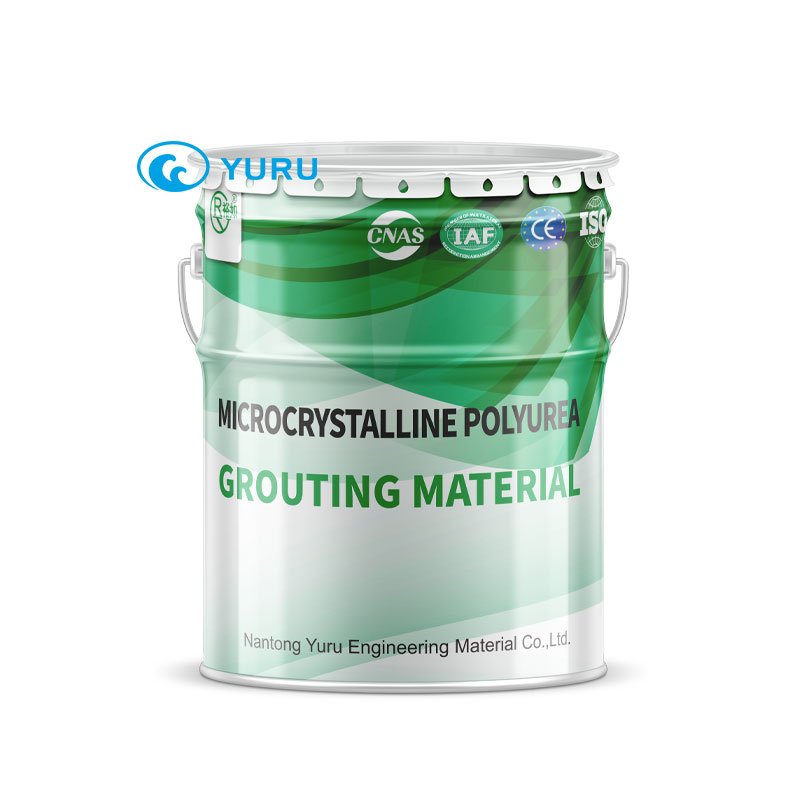
Microcrystalline Polyurea Grout
This is an advanced version of polyurea designed for high-end applications.
Key Features:
- Lower viscosity than standard polyurea
- Superior penetration ability
- Combines flexibility and strength
- Outstanding long-term stability
Limitations:
- Higher material cost
- Requires skilled application
Best Use Cases:
- Micro-crack waterproofing
- High-standard underground projects
- Tunnels, subways, and municipal engineering
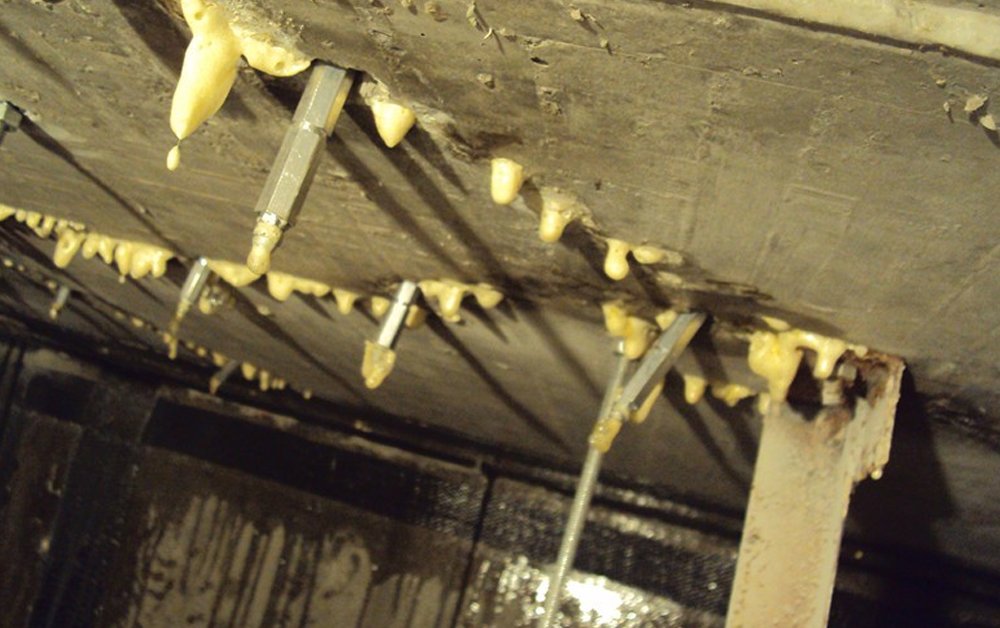

Which Grout Is Best for Water Leaks?
The “best” grout depends entirely on the application.
For Active Water Leaks
Recommended: Polyurethane grout
Reason:
- Expands quickly
- Stops flowing water immediately
For Long-Term Waterproofing
Recommended: Polyurea grout
Reason:
- Maintains elasticity
- Provides durable sealing
For Micro-Crack Seepage
Recommended: Acrylate grout or Microcrystalline polyurea
Reason:
- Excellent penetration
- Suitable for fine structures
For Structural Repair
Recommended: Epoxy grout
Reason:
- High strength
- Restores load-bearing capacity
How to Choose the Right Grout for Your Project?
Consider Water Pressure
High-pressure leakage requires fast-reacting and strong sealing materials.
Evaluate Crack Type
- Static cracks → Epoxy or cement
- Dynamic cracks → Polyurea or PU
Assess Environmental Conditions
- Wet environments → PU or polyurea
- Dry structural repair → Epoxy
Balance Cost and Performance
Not every project requires the highest-end solution. Choose based on actual needs.
Application Solutions for Different Projects
Basement Waterproofing
- PU grout for quick sealing
- Acrylate for fine crack penetration
Tunnel Leakage Repair
- Polyurea or microcrystalline polyurea
- Designed for high-pressure environments
Roof Leakage
PU grout combined with coating systems.
Foundation Leakage
- PU foam for void filling
- Polyurea for long-term protection


Common Mistakes in Grouting for Water Leaks
Choosing the Wrong Material
Using rigid grout in dynamic cracks leads to failure.
Incorrect Injection Pressure
Too much or too little pressure reduces effectiveness.
Poor Application Technique
Improper drilling or sealing leads to incomplete results.
How to Choose a Reliable Grout Supplier?
Key Criteria:
- Product consistency
- Technical support
- Customization capability
- Delivery reliability
YURU Waterproof Grouting Solutions
YURU Waterproof is a professional manufacturer specializing in advanced grouting materials for global markets.
Product Range:
- Polyurethane grout
- Polyurea grout
- Microcrystalline polyurea
- Acrylate grout
- Epoxy grouts
Advantages:
- Stable product quality
- Engineering-focused formulations
- OEM and customization support
- Fast delivery
YURU provides practical solutions tailored to real construction challenges.
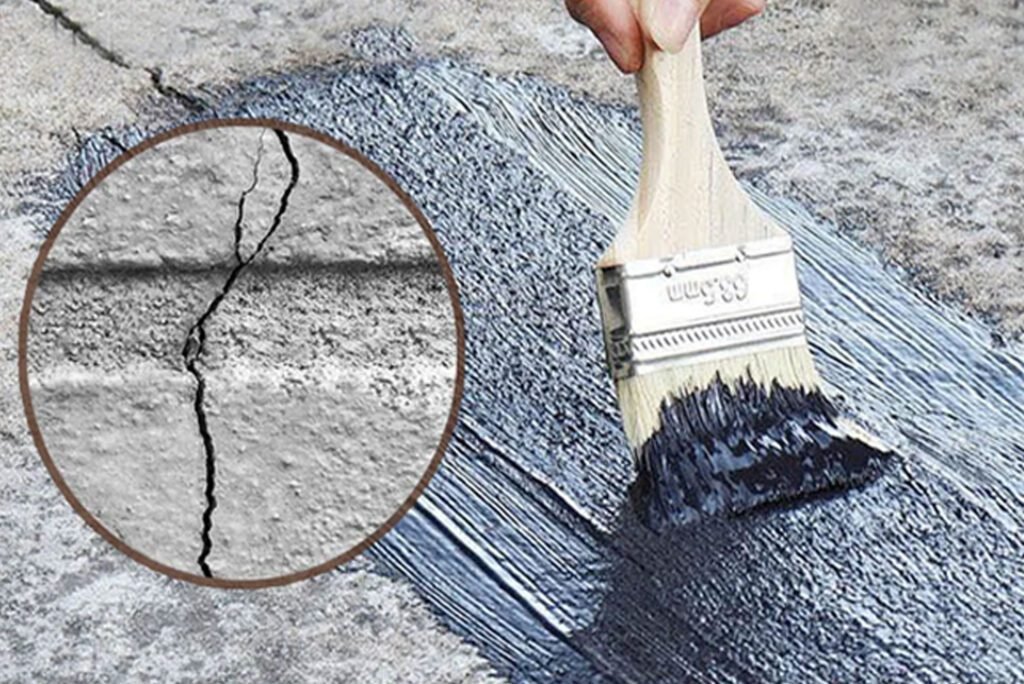

FAQs:
1. What is the best grout for stopping water leaks?
Polyurethane grout is best for immediate leak stopping, while polyurea is better for long-term solutions.
2. Can epoxy grout stop water leaks?
It can seal cracks, but it is not suitable for active water leakage.
3. Which grout works best for micro cracks?
Acrylate grout or microcrystalline polyurea is recommended.
4. What is the most durable grout for waterproofing?
Polyurea grout offers the best long-term durability.
5. Can one grout solve all leakage problems?
No, different situations require different materials.
Conclusion: What Is the Best Grout for Water Leaks?
There is no single answer. The best grout depends on:
- Type of leakage
- Structural condition
- Environmental factors
- Project budget
- Emergency leaks → PU
- Micro cracks → Acrylate
- Long-term durability → Polyurea
- High-end projects → Microcrystalline polyurea
Choosing the right material ensures long-lasting results and reduces maintenance costs.
Contact YURU Waterproof today to get samples, technical support and custom solutions for your project.
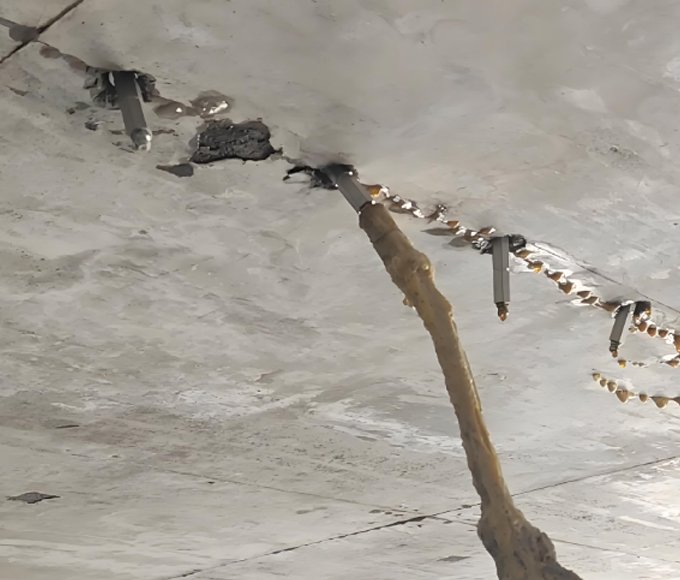
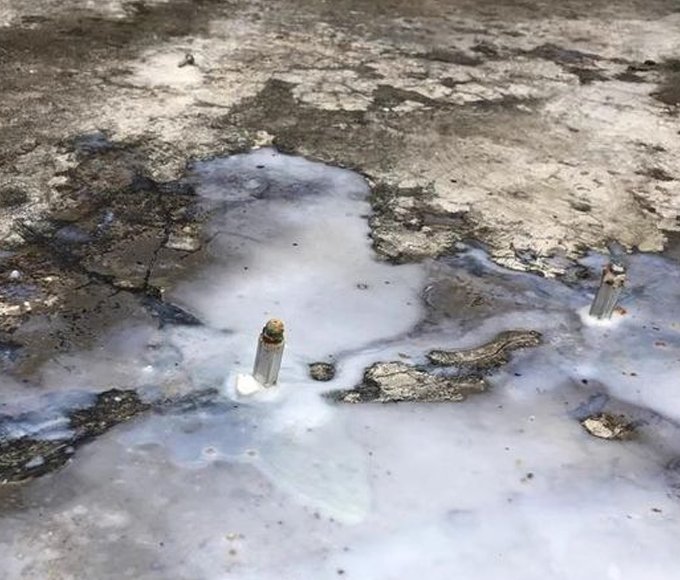
YURU Product solutions