Best Injection Grout for Continuous Water Seepage Problems
Complete Waterproofing Guide for Underground Structures
Continuous water seepage is a nightmare. Not the dramatic gushing leak that you see right away. The slow, persistent kind that develops silently inside concrete structures. It doesn’t announce itself. It just keeps going — gradually weakening durability and causing long-term damage.
This type of water infiltration is common in:
- Underground basements
- Subway tunnels
- Retaining walls
- Water tanks
- Dams
- Underground parking structures
- Municipal infrastructure projects
Many contractors initially attempt surface repair methods such as cement patching or waterproof coatings. However, when water pathways remain active deep inside concrete cracks and voids, surface treatment alone rarely provides a permanent solution.
As underground engineering gets more complex, injection grouting has become the preferred technology for solving continuous seepage problems. But here’s the catch. Choosing the best injection grout requires a clear understanding of crack conditions, water pressure, structural movement, and material performance.
This guide covers the best injection grout systems for continuous seepage, compares materials, points out common mistakes, and explains how to get long-term leak prevention.
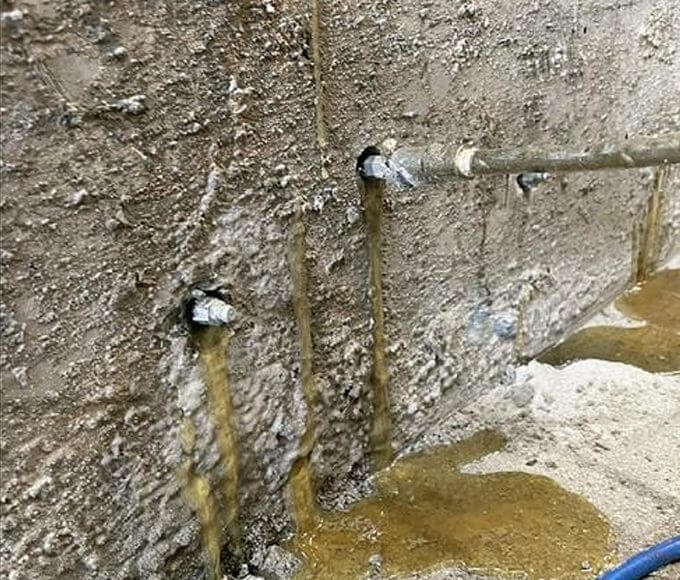
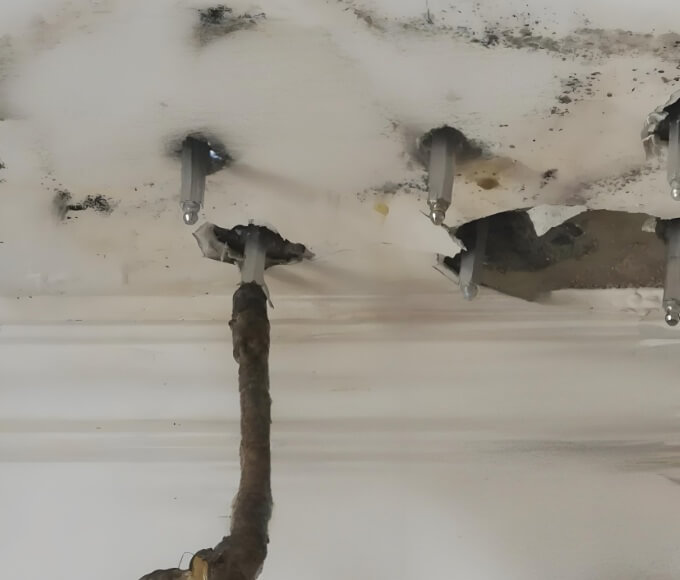
Why Continuous Water Seepage Is Difficult to Repair?
Continuous Seepage Is Different from Sudden Leakage
Not all leaks are dramatic. Many waterproofing failures involve slow, persistent water penetration rather than sudden gushing.
Typical examples include:
- Damp basement walls
- Tunnel seepage stains
- Construction joint leakage
- Hairline crack infiltration
- Groundwater penetration through concrete pores
Because the water is still moving through micro-channels deep inside the concrete. Surface fixes don’t reach that.
Water Always Finds the Weakest Path
Concrete is not completely waterproof by itself.
Over time, water can travel through:
- Shrinkage cracks
- Honeycomb voids
- Cold joints
- Pipe penetrations
- Construction defects
As groundwater pressure persists, seepage paths gradually expand.
Surface Repair Methods Often Fail
Traditional repair methods such as:
- Cement patching
- Surface sealants
- Waterproof coatings
may temporarily reduce leakage. However, they often fail because they do not block the internal water pathway.
Injection grouting works differently because it seals leakage from inside the structure.
What Makes a Good Injection Grout for Continuous Water Seepage?
Long-Term Waterproofing Stability
Continuous seepage means the grout must resist:
- Long-term moisture exposure
- Hydrostatic pressure
- Crack movement
- Structural vibration
Rigid materials often fail under these conditions.
Excellent Crack Penetration Capability
Many seepage pathways are extremely small.
Therefore, effective injection grout should have:
- Low viscosity
- High penetration ability
- Deep crack diffusion capability
This allows the material to reach hidden water channels.
Flexibility and Elasticity
Underground structures continuously move due to:
- Thermal expansion
- Soil settlement
- Traffic vibration
- Structural loading
Flexible grout systems perform better in long-term applications.
Chemical and Water Resistance
Injection grout must maintain stability in:
- Wet environments
- Chemical exposure
- Underground conditions
Poor chemical resistance leads to early failure.
Best Injection Grout Types for Continuous Water Seepage Problems
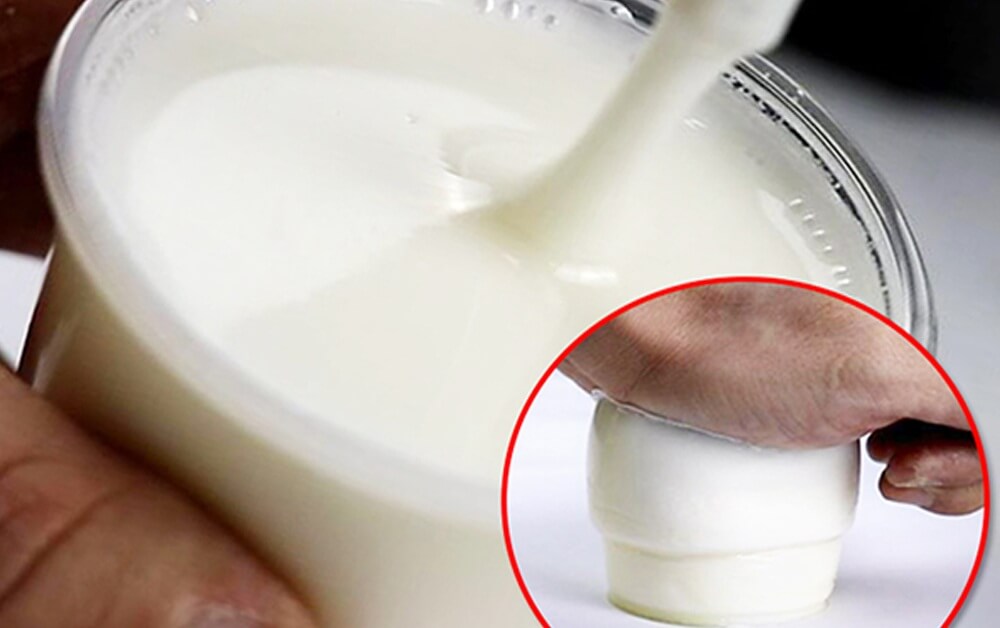
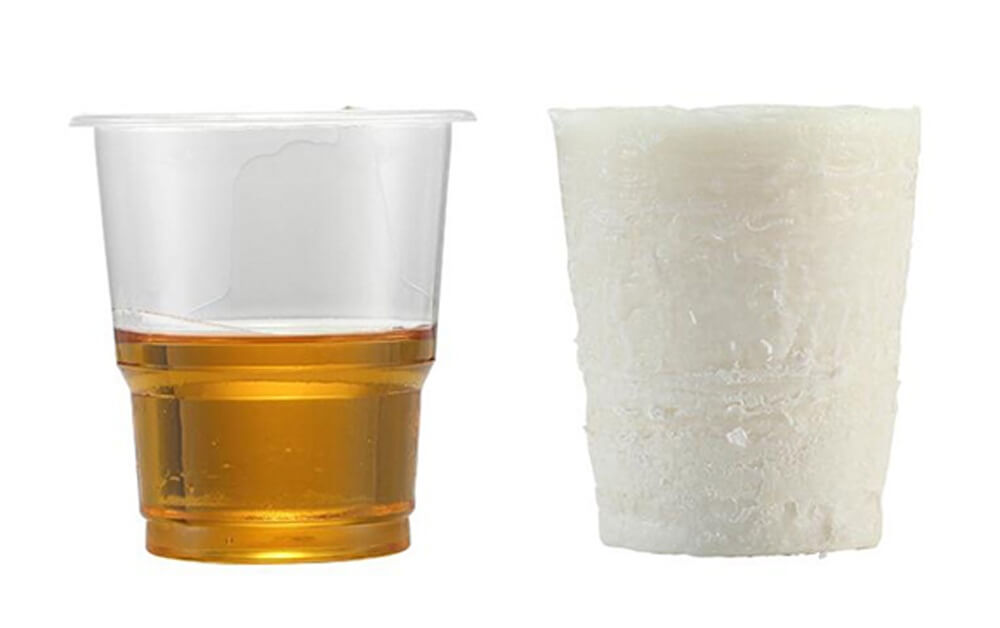
Hydrophilic Polyurethane Injection Grout
Why it’s widely used: Water absorption, flexible gel formation, long-term crack sealing. Stays elastic after curing — unlike rigid foams.
Its working mechanism is based on:
- Water absorption
- Flexible gel formation
- Long-term crack sealing
Key Advantages of Hydrophilic Polyurethane Grout
Flexible Waterproof Sealing
Hydrophilic grout adapts to structural movement and dynamic cracks.
This is essential for:
- Underground structures
- Expansion joints
- Long-term wet environments
Excellent Penetration into Fine Cracks
Its low viscosity allows it to enter:
- Hairline cracks
- Micro-pores
- Deep seepage pathways
This improves waterproofing effectiveness significantly.
Long-Term Moisture Stability
Hydrophilic systems continue to perform even under continuous moisture exposure.
Best Applications for Hydrophilic PU
Hydrophilic polyurethane is ideal for:
- Basement seepage
- Tunnel leakage
- Water-retaining structures
- Construction joints
- Slow groundwater infiltration
Hydrophobic Polyurethane Injection Grout
How Hydrophobic PU Works:
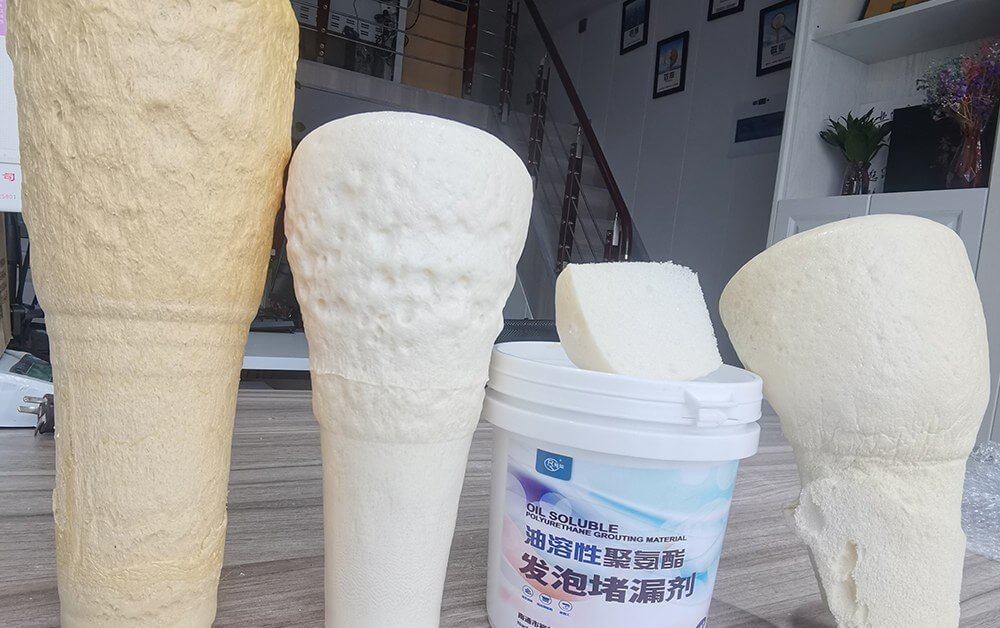
Hydrophobic polyurethane reacts with water to create rapid foam expansion.
Its primary function is:
- Fast leak stopping
- Void filling
- Water pressure reduction
Key Advantages of Hydrophobic PU:
Extremely Fast Reaction Speed
Hydrophobic systems react quickly when exposed to water.
This makes them suitable for:
- Emergency leakage repair
- Active water gushing
- High-pressure seepage
High Expansion Ratio
Foaming expansion allows the material to:
- Fill large voids
- Block water channels rapidly
- Reduce groundwater flow
Strong Water Pressure Resistance
Hydrophobic foam systems can withstand severe hydrostatic pressure.
Limitations of Hydrophobic PU for Continuous Seepage
Although highly effective for emergency stopping, hydrophobic systems are usually less suitable for long-term dynamic crack sealing because foam structures are relatively rigid.
Acrylate Injection Grout for Continuous Seepage
Why Acrylate Grout Is Used in Fine Crack Waterproofing?
Acrylic grout offers:
- Ultra-low viscosity
- Excellent penetration capability
- High flexibility
It is especially effective for:
- Micro-cracks
- Large seepage zones
- Curtain grouting systems
Typical Applications:
Acrylic systems are commonly used in:
- Subway tunnels
- Large underground infrastructure
- Retaining walls
- Water control projects
Why Epoxy Injection Resin Is Usually Not the Best Choice?
Epoxy Is Primarily for Structural Repair
Epoxy resin is designed to:
- Restore concrete strength
- Bond structural cracks
- Reinforce load-bearing areas
Why Epoxy Often Fails in Wet Environments?
For continuous seepage problems, epoxy has limitations:
- Poor flexibility
- Difficulty curing in wet cracks
- Inability to adapt to crack movement
Therefore, epoxy is usually not recommended for active seepage control.
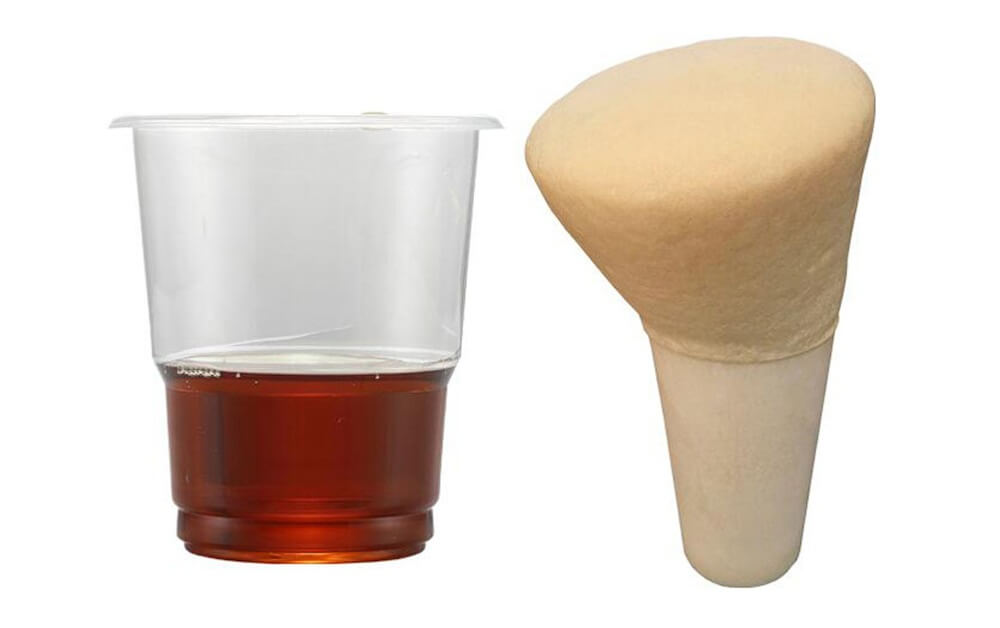
Hydrophilic vs Hydrophobic Grout – Which Is Better for Continuous Seepage?
PU Hydrophilic Systems for Long-Term Sealing
Hydrophilic polyurethane is generally preferred for:
- Slow seepage
- Dynamic cracks
- Long-term moisture exposure
because it maintains elasticity and flexible sealing performance.
Hydrophobic Systems for Emergency Water Stopping
Hydrophobic polyurethane is better for:
- Active water flow
- High-pressure leakage
- Emergency repair situations
because of its rapid expansion capability.
Why Many Large Projects Use Both Systems Together?
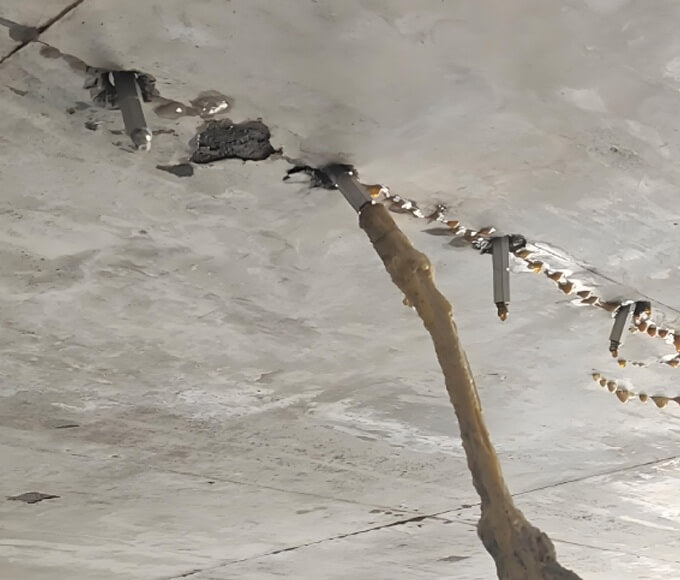
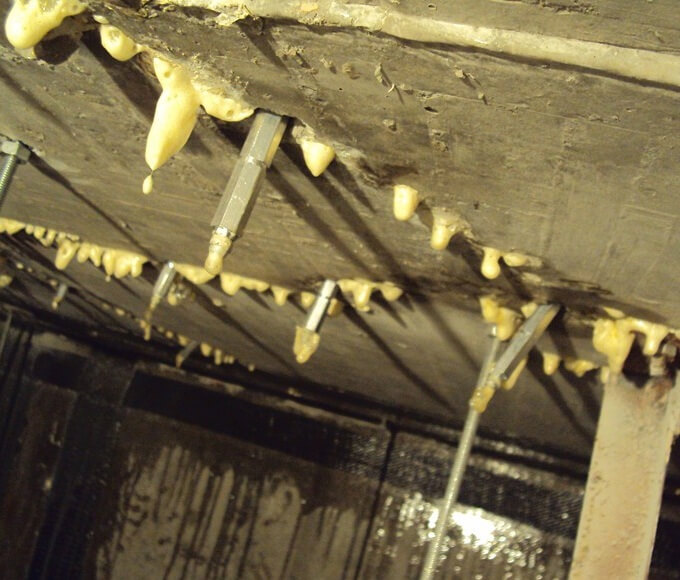
Professional underground waterproofing projects often combine both materials.
Step 1 – Hydrophobic Injection
Used to:
- Stop active leakage
- Reduce water pressure
Step 2 – Hydrophilic Injection
Used for:
- Long-term flexible sealing
- Deep waterproof reinforcement
This dual-system approach is now common in:
- Subway engineering
- Tunnel waterproofing
- Municipal infrastructure repair
Common Mistakes in Continuous Seepage Injection Projects
Using Rigid Materials in Dynamic Cracks
Rigid repair materials often crack again when the structure moves.
Failing to Analyze Internal Water Pathways
Surface leakage is often only a symptom.
Without identifying internal seepage channels, waterproofing cannot succeed long term.
Incorrect Injection Pressure
Pressure that is too low prevents grout penetration.
Pressure that is too high may:
- Damage concrete
- Cause uncontrolled grout loss
- Create secondary cracks
Ignoring Secondary Injection Requirements
Large projects often require:
- Initial leak stopping
- Secondary reinforcement injection
- Follow-up inspection
for complete waterproofing reliability.
Best Injection Grout Solutions for Different Engineering Scenarios
Basement Waterproofing
Recommended system:
- Hydrophilic polyurethane grout
because basements usually involve slow continuous seepage.
Tunnel and Subway Leakage
Recommended system:
- Hydrophobic grout for emergency stopping
- Hydrophilic grout for long-term sealing
Water Tanks and Dams
Recommended system:
- Flexible hydrophilic injection systems
for permanent waterproofing durability.
Industrial and Municipal Structures
Industrial projects often require:
- Chemical resistance
- Long-term flexibility
- High waterproof durability
Future Trends in Injection Waterproofing Technology
High-Elasticity Smart Materials
Future injection systems will better adapt to:
- Dynamic structures
- Variable water pressure
- Structural movement
Eco-Friendly Low-VOC Systems
Environmental regulations are driving demand for:
- Safer waterproofing materials
- Low-odor formulations
- Sustainable chemical systems
System-Based Waterproofing Solutions
The future of waterproofing is shifting toward:
- Material systems
- Technical support
- Engineering design integration
rather than single-product solutions.
YURU Waterproof Injection Grout Solutions
Complete Polyurethane Injection Product System
YURU Waterproof provides:
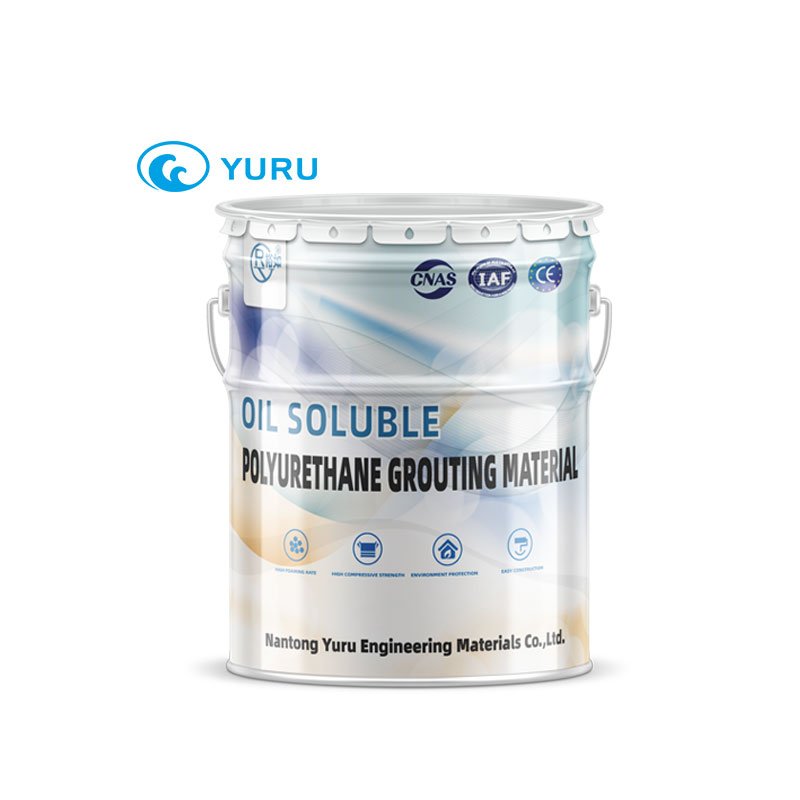
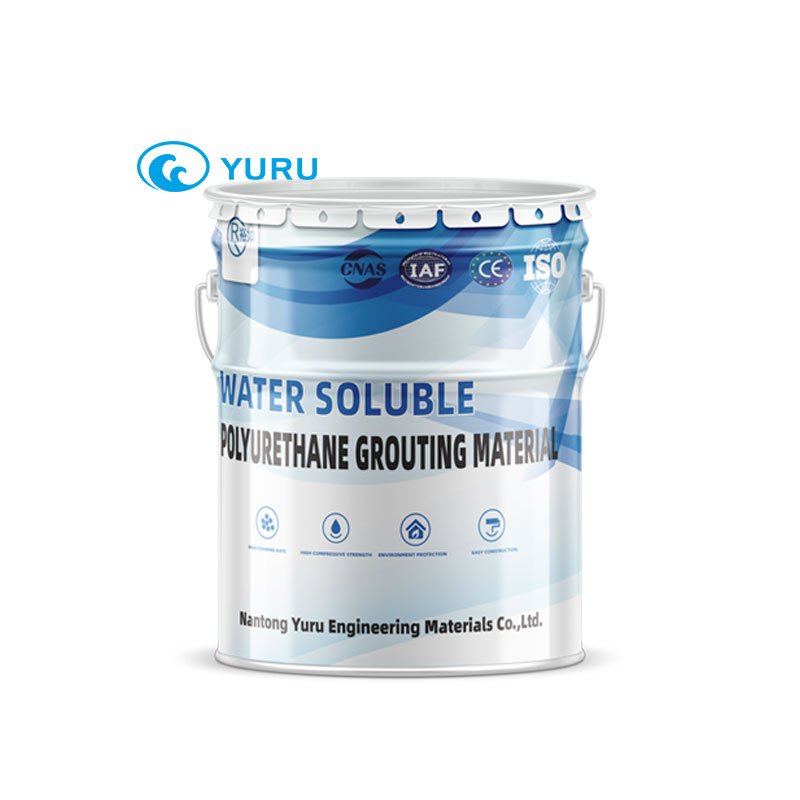
- Hydrophilic polyurethane grout
- Hydrophobic polyurethane foam grout
- Dual-component injection systems
- Tunnel waterproofing solutions
Designed for Complex Underground Environments
Our systems are widely used in:
- Subway tunnels
- Underground garages
- Water-retaining structures
- Municipal infrastructure
- Industrial waterproofing projects
Professional Technical Support
We support global contractors and distributors with:
- OEM/ODM customization
- Waterproofing technical guidance
- Injection application training
- Stable global supply capability
FAQs:
1. What is the best injection grout for continuous water seepage?
Hydrophilic polyurethane grout is commonly considered the best solution for long-term seepage sealing.
2. What is the difference between hydrophilic and hydrophobic grout?
Hydrophilic grout forms flexible gel, while hydrophobic grout forms expanding foam.
3. Can hydrophobic grout stop active leakage?
Yes. Hydrophobic polyurethane is excellent for emergency water stopping.
4. What structures commonly require injection waterproofing?
Basements, tunnels, water tanks, dams, and municipal infrastructure.
Conclusion:
Continuous seepage problems cannot be solved by surface treatment alone.
Successful waterproofing requires:
- Proper seepage analysis
- Correct injection material selection
- Professional application methods
- Long-term flexible sealing systems
Hydrophilic and hydrophobic polyurethane grouts each play important roles depending on the project condition.
The key is selecting the right system for the right waterproofing challenge.
Contact YURU Waterproof today for free samples and professional technical solutions.
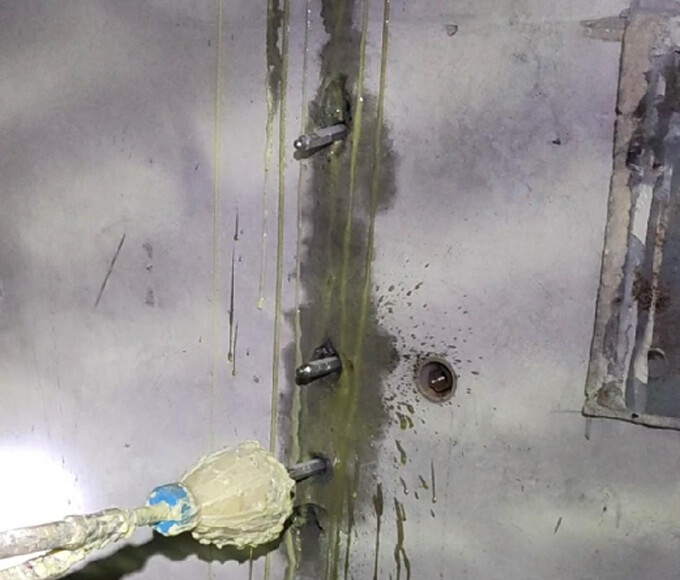
YURU Product solutions