Best Waterproof Coating for Exterior Walls: Acrylic, PU or Silicone?
Introduction:
Exterior walls take a beating — rain, heat, UV, dust, and daily temperature swings. When the coating fails, water can enter through cracks, old paint, window edges, joints, and weak wall details. That is why many contractors search for waterproof exterior wall coatings before a wall renovation project.
The challenge is not finding a waterproof coating. The challenge is choosing the right one.
Acrylic, PU, and silicone coatings are all viable for exterior wall applications. But they handle different problems. Selection of the best waterproof paint for exterior walls depends on wall cracks, surface condition, rainfall exposure, UV intensity, color specifications, and the substrate’s moisture vapor transmission characteristics.
Climate also makes wall protection more important. Research links warming with stronger rainfall intensity in many regions, and the IPCC reports that heavy precipitation events become more frequent and wetter as temperatures rise. For exterior walls, this means better rain protection, crack control, and durability are non-negotiable.
This guide compares acrylic waterproof coating, PU coating, and silicone coating for exterior wall waterproofing. It also explains how YURU Waterproof helps contractors and distributors choose practical exterior wall coating systems.
Why Exterior Walls Need Waterproof Coatings?
Exterior walls do more than shape a building’s appearance. They protect the structure from rain, moisture, sunlight, and air pollution. When the wall absorbs too much water, the surface may peel, crack, stain, or grow mold.
Rainwater can enter through small wall cracks, porous plaster, old paint, window frames, pipe penetrations, and construction joints. In many projects, the wall surface looks normal during dry weather. Then water marks appear after heavy rain.
A good exterior wall waterproof coating should reduce rainwater absorption. It should also bond well to the surface and resist outdoor exposure. In many wall systems, the coating should also allow some moisture vapor to escape.
The goal: exclude rain from the exterior while avoiding moisture entrapment within the wall assembly.
Common Exterior Wall Problems Before Choosing a Coating
Before selecting acrylic, PU, or silicone, contractors should inspect the wall. A coating cannot fix every problem by itself.
Hairline Cracks and Shrinkage Cracks
Small cracks allow rainwater to enter the wall. Acrylic waterproof coating can handle some light wall renovation projects with fine cracks. However, wider or moving cracks need repair before coating.
Do not cover active cracks with paint and hope they disappear. The crack may return after the next temperature change or rainstorm.
Water Absorption on Concrete, Stucco, or Masonry Walls
Concrete, stucco, cement mortar, and masonry substrates can absorb water when unprotected. Prolonged moisture exposure may cause peeling, efflorescence, staining, and reduced adhesion.
An exterior wall waterproof coating can reduce water absorption. But the wall must be clean, solid, and dry enough for coating.
Old Paint Peeling and Powdering
Old paint often fails before the new coating does. If the old surface powders or peels, the new coating cannot bond well.
Contractors should remove loose paint, clean dust, and repair weak areas. In certain cases, primer application may be required before the waterproof coating.
Window Frames, Joints, and Pipe Penetrations
Many exterior wall leaks happen around details, not large flat wall areas. Window frames, wall joints, pipe holes, air conditioner openings, and facade connections need close inspection.
A wall coating cannot replace proper sealing at these weak points. Contractors should repair and seal details before coating the full wall.
Trapped Moisture and Poor Breathability
Some wall failures result from moisture entrapment within the wall assembly. Where coatings excessively restrict vapor transmission on damp substrates, blistering or peeling may subsequently occur.
For exterior walls, contractors should check whether the wall is dry and stable. They should also review the product data sheet for breathability or vapor permeability guidance.
Acrylic Waterproof Coating for Exterior Walls
Acrylic coating is among the most frequently specified systems for exterior wall waterproofing and renovation. It often works well when the wall needs water protection, color coverage, and easy application.
When Acrylic Coating Works Well
An acrylic waterproof coating can suit many standard exterior wall projects. Contractors often use it on concrete walls, stucco, cement mortar, masonry walls, and old wall renovation areas.
It’s a solid choice when the wall has minor wear, light cracks, and normal rain exposure. It also works when you need color options — white, gray, or custom facade colors.
Main Benefits of Acrylic Waterproof Coating
Acrylic coating offers several practical advantages:
| Benefit | Why It Matters for Exterior Walls |
| Easy application | Contractors can brush, roll, or spray it in many wall projects. |
| Good color options | It fits wall renovation and facade design needs. |
| Balanced cost | It often suits large wall areas and repeat projects. |
| Good surface coverage | It helps refresh old walls while adding water protection. |
| Practical maintenance | It works well for many standard building exterior walls. |
Acrylic coating is often the first option for normal exterior wall renovation. It gives contractors a good balance between waterproofing, color, and cost.
Limitations of Acrylic Coating
Acrylic coating is not the answer for every wall. It has limits.
Large cracks, active cracks, and severe wall movement need repair first. A high-pressure water leak or a deep structural crack also needs a different repair method.
In strong UV or heavy rain areas, check the product grade, coating thickness, and prep steps. Don’t pick acrylic just because it’s easy to apply.
PU Waterproof Coating for Exterior Walls
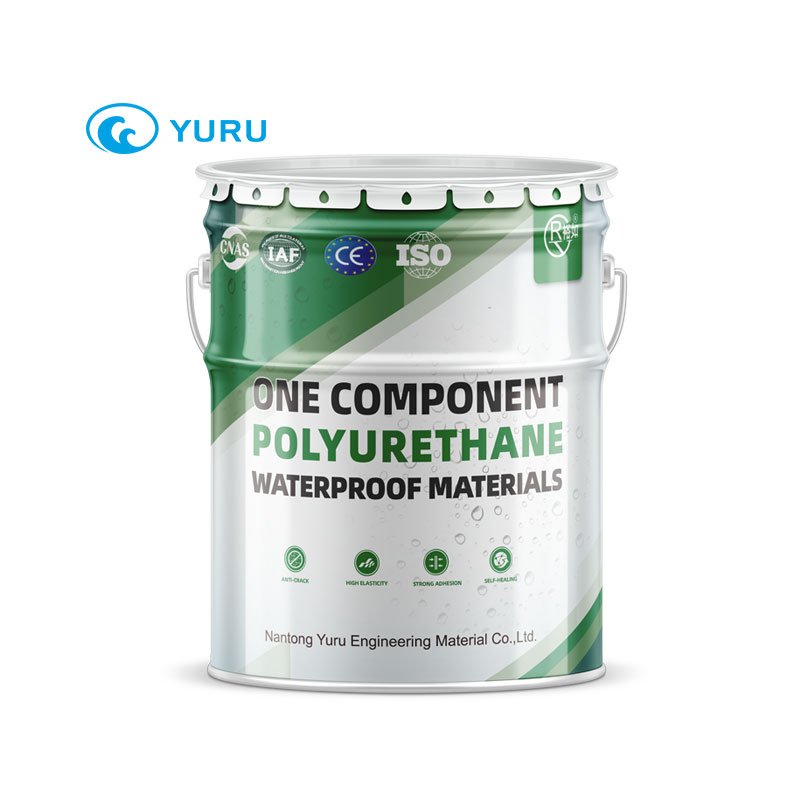
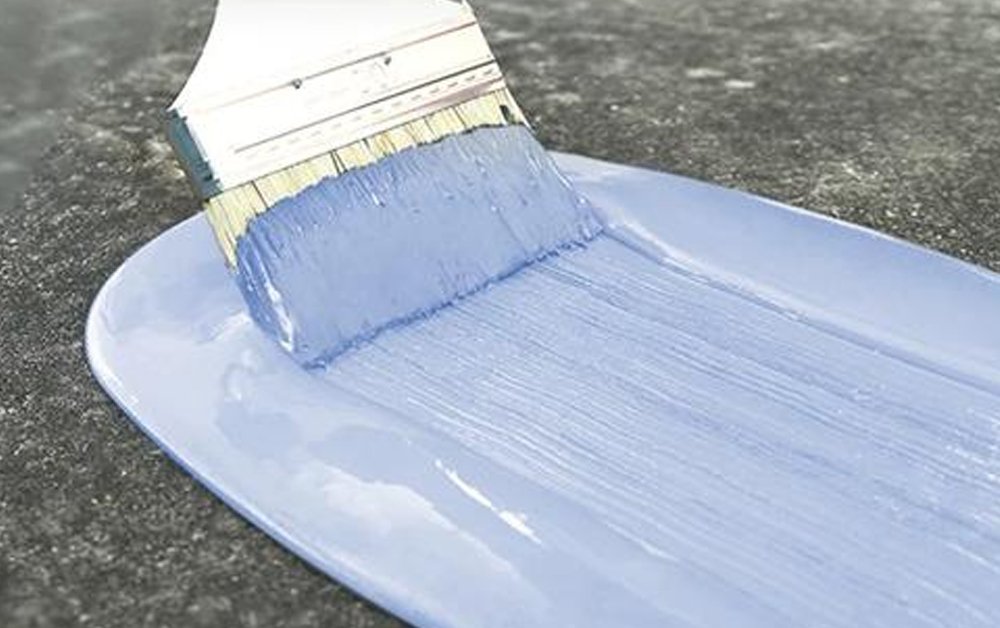
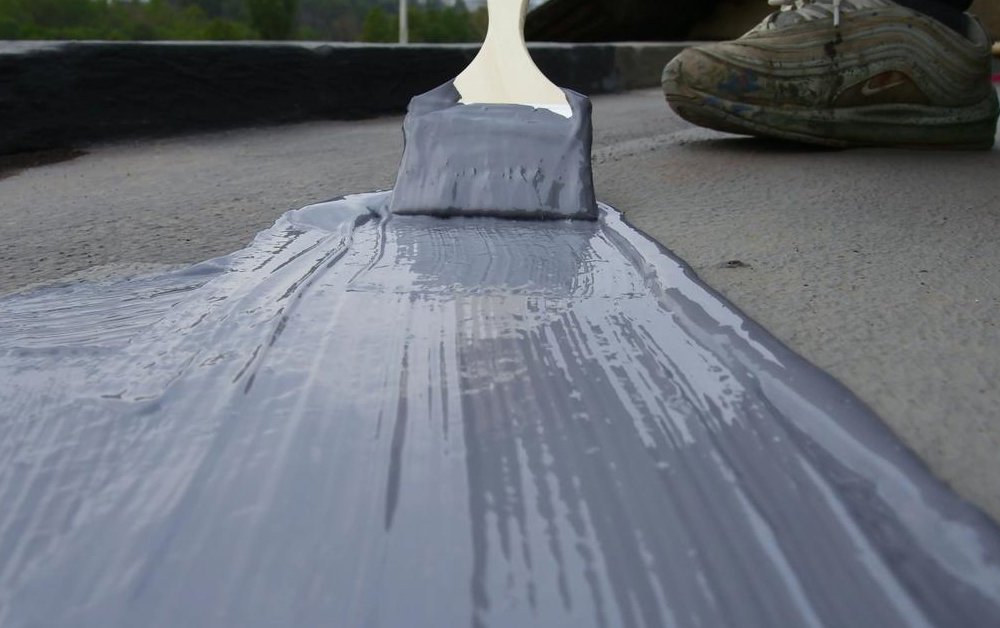
PU coating provides enhanced flexibility compared to many standard wall coatings, making it particularly suitable where fine cracks, slight substrate movement, or elastic waterproofing requirements exist.
When PU Coating Is a Better Choice
PU coating may fit exterior walls that need better crack-bridging ability. Contractors may consider it for concrete walls, detail areas, or projects where the surface moves slightly.
Relative to acrylic systems, PU coating forms a more elastic waterproof membrane, offering improved accommodation of small cracks and thermal stress.
Main Benefits of PU Exterior Wall Coating
PU coating can offer:
- Good flexibility
- Strong waterproof film formation
- Better crack adaptation than many standard coatings
- Good bonding on prepared surfaces
- Useful performance for more demanding wall areas
PU can serve as a higher-performance option when the wall needs more than basic color renovation.
Limitations of PU Coating on Exterior Walls
PU coating also needs careful selection. Not every PU coating works well under long-term UV exposure. Some projects may need a compatible topcoat or a weather-resistant coating system.
PU coating also costs more than many standard acrylic coatings. It also needs stricter surface preparation and thickness control.
Contractors should not use PU coating to cover large structural cracks without repair. They should first fix cracks, joints, and weak details.
Silicone Waterproof Coating for Exterior Walls
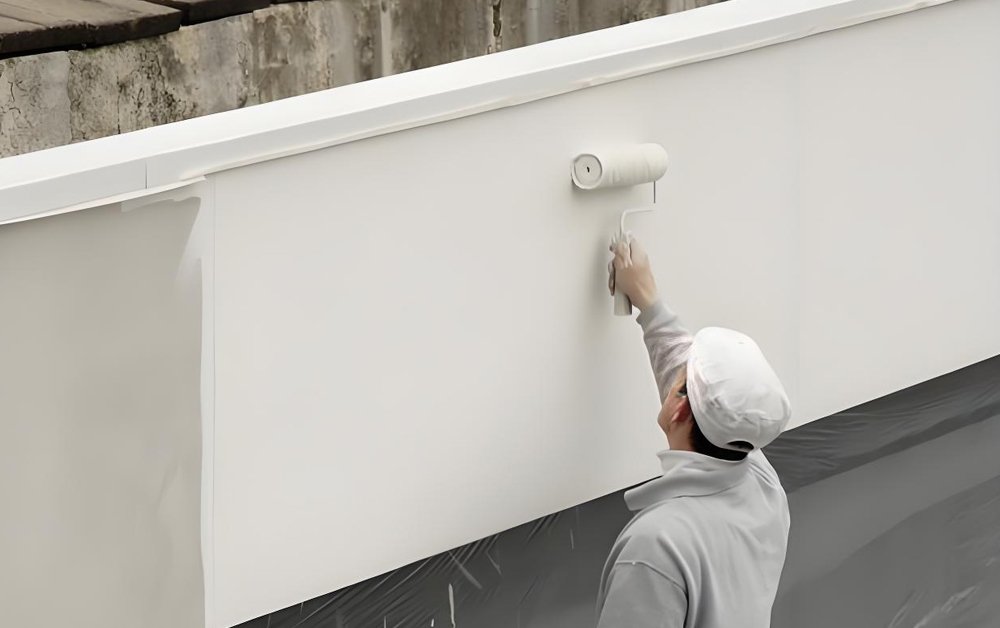
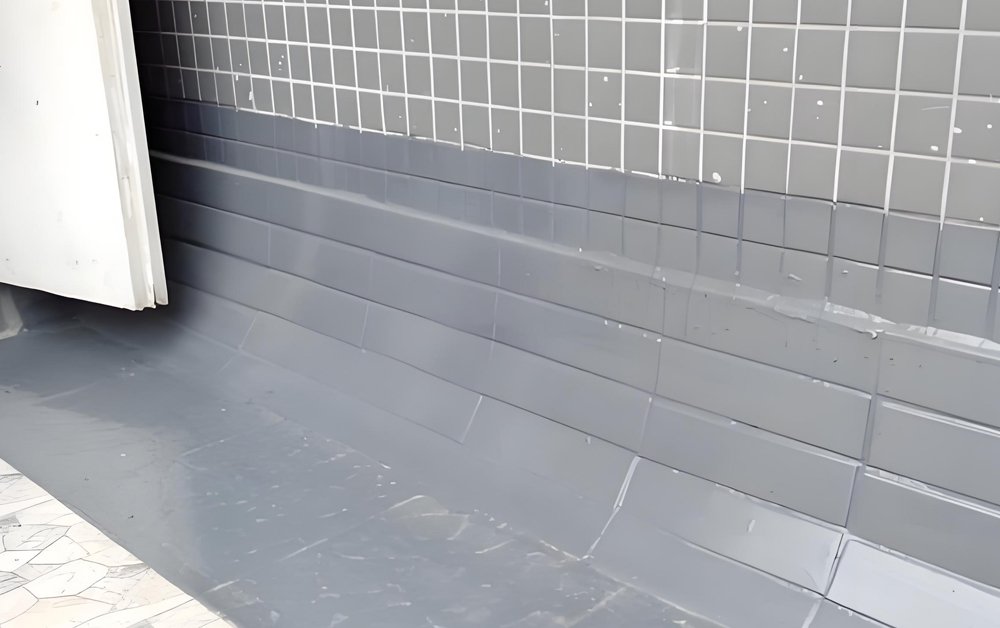
Silicone coating is for projects that need strong water repellency and weather resistance. It works well in areas with high UV, heavy rain, or long outdoor exposure.
When Silicone Coating Is Useful
Silicone coating fits exterior walls that face sun, heat, and frequent rain. It provides strong hydrophobic performance — water just doesn’t stick to the surface as much.
Contractors use it on weather-exposed walls, high-UV areas, or buildings that need better water-shedding.
Main Benefits of Silicone Coating
Silicone coating can provide:
- Good water repellency
- Strong UV resistance
- Good weather stability
- Useful protection in hot and rainy areas
- Better resistance to outdoor aging in selected systems
For exterior walls requiring long-term weather protection, silicone represents a strong option.
Limitations of Silicone Coating
Silicone coatings may cost more than standard acrylic wall coatings. Color options and recoat compatibility may also need confirmation.
Contractors should not use silicone as a shortcut around poor surface preparation. The wall still needs cleaning, crack repair, and detail sealing.
Silicone also does not replace structural repair. If cracks move or leak from inside the wall, the repair plan must address the crack first.
Acrylic vs PU vs Silicone: Which Is Best for Exterior Walls?
There’s no single best coating for every wall. It all depends on the wall condition and what you’re trying to achieve.
Material Comparison Table
| Factor | Acrylic Coating | PU Coating | Silicone Coating |
| Best Use | Standard wall waterproofing and renovation | Walls needing more flexibility | Walls needing stronger weather resistance |
| Crack Adaptation | Good for light surface cracks | Better for fine cracks and slight movement | Depends on system |
| UV Resistance | Depends on formula | Needs confirmation | Often strong |
| Water Repellency | Good | Good | Strong |
| Breathability | Depends on product | Depends on product | Depends on product |
| Cost Level | Usually more economical | Medium to higher | Usually higher |
| Color Options | Often flexible | Depends on product | Needs confirmation |
| Main Risk | Not enough for larger cracks | Needs correct system for UV | Recoat and cost need review |
| Good Fit | Large wall renovation | More demanding wall waterproofing | High-UV or high-rain exposure |
Simple Selection Logic
- Use acrylic waterproof coating when the wall needs standard waterproofing, color renewal, and practical application.
- Use PU coating when the wall has fine cracks, slight movement, or needs better elastic waterproofing.
- Use silicone coating when the wall faces strong UV, high rain exposure, or needs stronger water repellency.
Where walls exhibit wide cracks, repair should precede coating application, where leaks originate from windows, joints, or pipe penetrations, these details should be sealed prior to coating. Where trapped moisture is present, breathability and substrate dryness should be verified before application of any exterior wall waterproof coating.
How to Choose the Best Waterproof Paint for Exterior Walls?
Many people search for the best waterproof paint for exterior walls. In real projects, “paint” should mean more than a decorative layer. The coating must match the wall.
Step 1 — Check the Wall Condition
Start with a wall inspection. Check cracks, old paint, powdering, stains, damp marks, mold, efflorescence, and loose plaster.
Also inspect windows, joints, pipe openings, parapet areas, and wall edges. These details often cause water entry.
Step 2 — Confirm Climate Exposure
Different climates need different coating priorities.
| Climate or Site Condition | Main Concern | Coating Selection Focus |
| Tropical rainy areas | Heavy rain and humidity | Water resistance, mold resistance, detail sealing |
| High-UV areas | Sunlight and chalking | UV stability and weather resistance |
| Coastal areas | Salt, humidity, wind-driven rain | Adhesion, water repellency, durable finish |
| Cold areas | Freeze-thaw and cracks | Flexibility and crack repair |
| Urban buildings | Dust and pollution | Cleanable surface and color stability |
Climate does not choose the coating for you. It tells you what to check.
Step 3 — Choose the Right Coating Type
After inspection, choose the coating type.
Acrylic works well for many standard exterior wall renovation projects. PU fits walls that need stronger elasticity. Silicone fits high-weather exposure walls where water repellency and UV stability matter.
When the project is unclear, ask for sample testing. A small test can prevent a large mistake.
Step 4 — Prepare the Surface Correctly
A coating cannot bond to dust or loose paint. Contractors should clean the surface, remove weak material, repair cracks, and seal details.
If the wall is powdery, use a suitable primer. If cracks are active, repair them before coating.
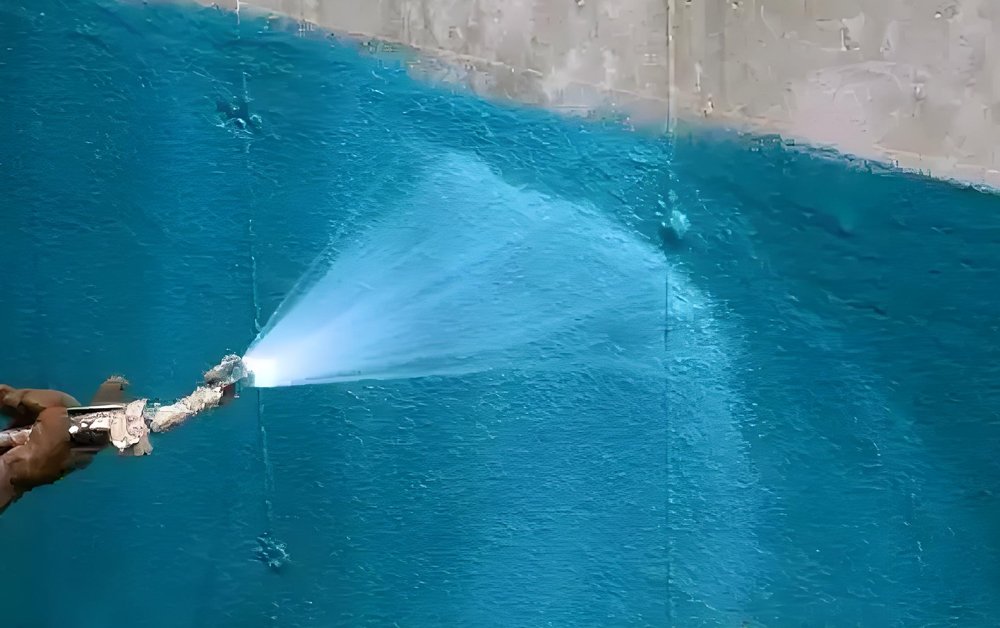
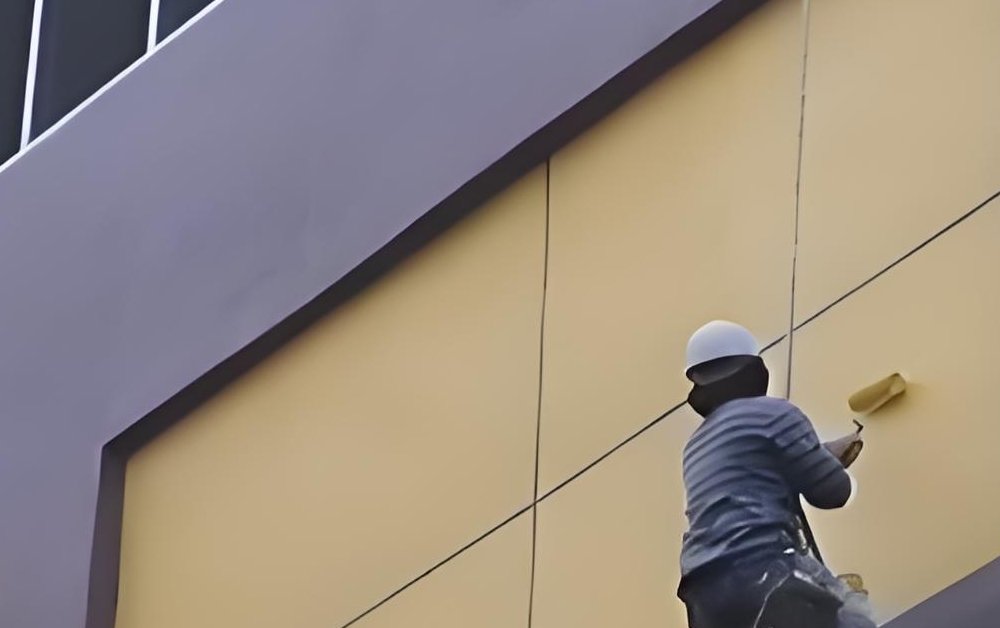
Step 5 — Apply the Coating to the Correct Thickness
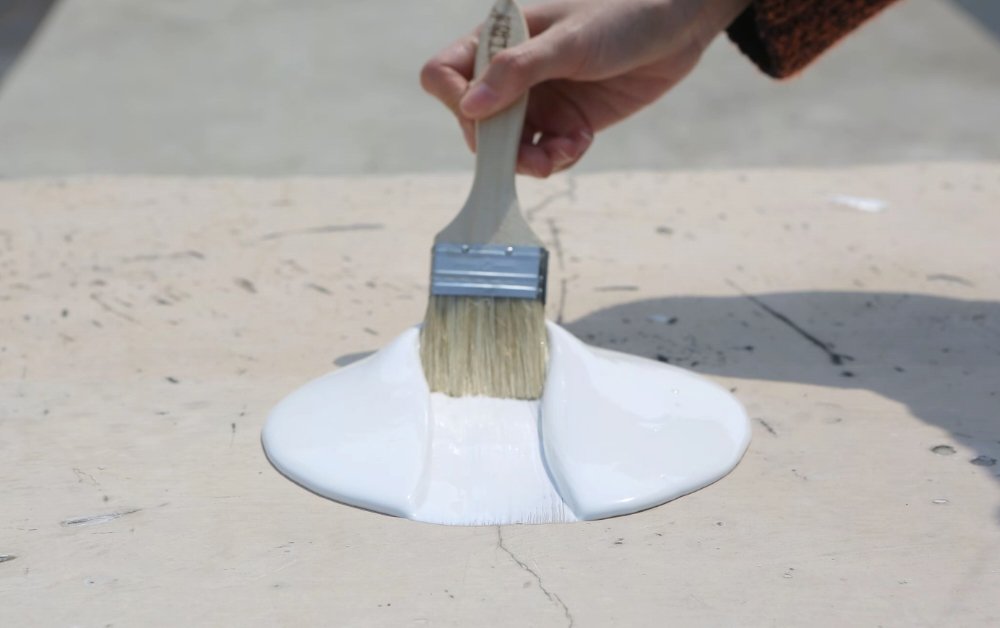
Waterproof coatings need correct thickness. Thin application can lead to weak protection.
Contractors should follow the TDS for coverage, coating layers, drying time, and weather limits. After application, they should check coverage and detail areas.
Common Mistakes in Exterior Wall Waterproofing
Exterior wall waterproofing failures frequently result from omission of fundamental preparatory steps.
Covering Cracks Without Repair
Don’t hide cracks with coating alone. Hairline cracks might be okay with the right system, but wide or moving cracks need repair first.
If the crack moves, the coating will crack again.
Ignoring Vapor Permeability
Exterior walls often need some drying ability. Moisture entrapment within the wall assembly may result in blistering or peeling of the coating system.
Product data sheets should be reviewed prior to application of low-permeability coatings on damp substrates.
Applying Coating Over Powdery Surfaces
Powdery walls cause adhesion failure. The coating may look good at first, then peel later.
Clean the wall and use a primer when needed.
Using One Coating for Every Climate
Acrylic, PU, and silicone don’t perform the same everywhere. Rain, UV, heat, cold, and salt all affect performance.
A good supplier asks about the project before recommending anything.
Case Example: European Contractor Choosing Acrylic and Silicone Waterproof Coatings for Exterior Wall Renovation
YURU Waterproof once supported a European contractor who needed exterior wall waterproof coating for a wall renovation project. The contractor wanted waterproof protection and a clean facade appearance.
After reviewing the project needs, the contractor chose YURU acrylic waterproof coating in white and light gray. The contractor also chose YURU silicone waterproof coating in white.
Project Situation
The project involved exterior wall renovation. The contractor needed a coating system that could protect the wall from rain and moisture while keeping a clean building appearance.
The color requirement also mattered. White and light gray helped the contractor match different facade areas and design needs.
YURU Problem Review
YURU did not recommend one “best waterproof paint for exterior walls” for the whole project. Instead, YURU reviewed several practical points:
- Wall surface condition
- Old coating condition
- Rain exposure
- Color needs
- Weather resistance
- Site application method
- Areas that may need stronger water repellency
This review helped the contractor choose a material combination instead of one single coating.
Acrylic Waterproof Coating for Wall Renovation
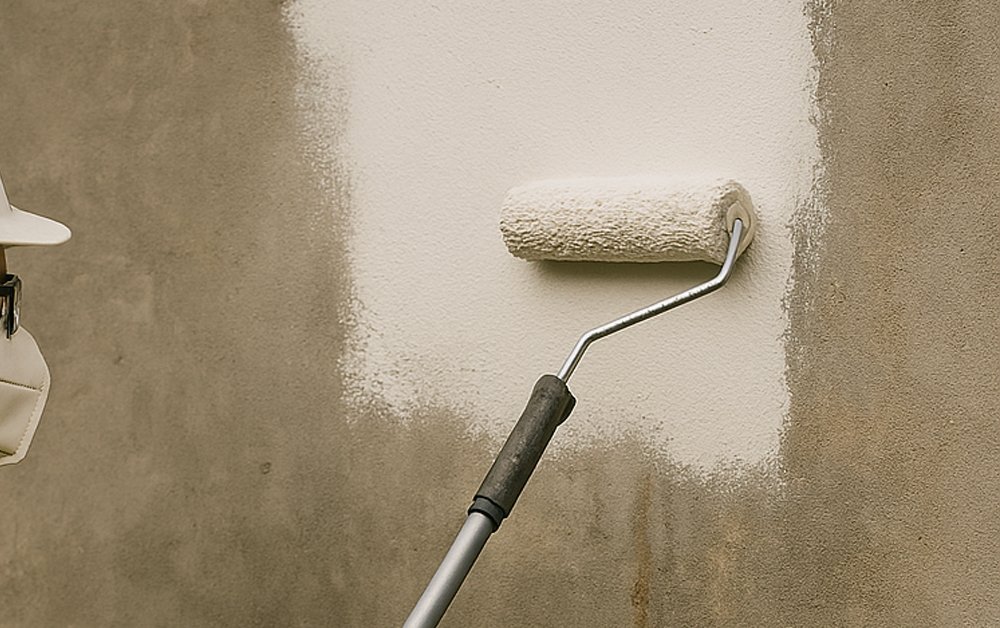
The contractor selected YURU acrylic waterproof coating in white and light gray.
This product direction suited large exterior wall areas that needed waterproof protection, color coverage, and practical site application. Acrylic coating also gave the contractor more color flexibility for facade renovation.
Silicone Waterproof Coating for Weather-Exposed Wall Areas
The contractor also selected YURU silicone waterproof coating in white.
Silicone coating made sense for wall areas that needed stronger hydrophobic performance and better weather exposure resistance. The white color also helped keep the facade clean and bright.
Why the Contractor Did Not Choose Only One Coating?
This case shows a useful point. Exterior wall waterproofing does not always need one product for every area.
Acrylic waterproof coating can work well for standard wall renovation and color coverage. Silicone waterproof coating can serve areas that need stronger water repellency and weather resistance.
For contractors, this material combination can match real project needs better than a single “best” coating.
Application Notes for Exterior Wall Projects
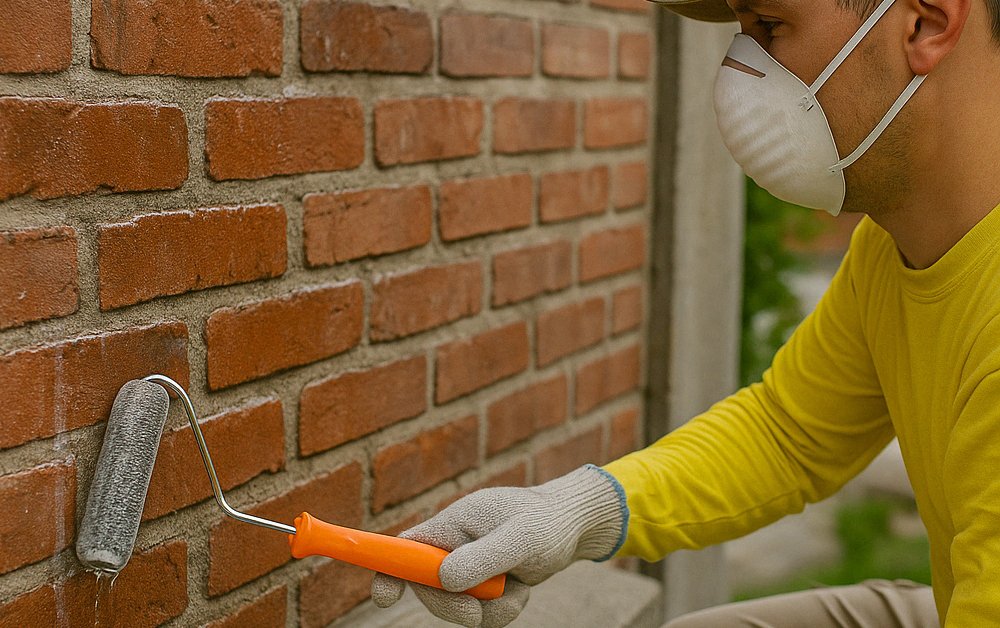
YURU reminded the contractor to prepare the wall before coating. The surface should be clean, stable, and free from loose old paint.
Cracks, window edges, joints, and pipe penetrations need repair or sealing before full-wall application. Contractors should also follow the TDS for coverage, coating layers, and drying time.
Takeaway for Contractors
The best waterproof coating for exterior walls is not always one product. It depends on the wall condition, rain exposure, color requirement, and service environment.
This European project used acrylic waterproof coating and silicone waterproof coating for different project needs. That approach gives contractors more control over performance and appearance.
Why Choose YURU Waterproof for Exterior Wall Waterproof Coatings?
YURU Waterproof supplies exterior wall waterproof coating options for contractors, distributors, and project teams who need practical material choices.
Exterior Wall Waterproofing Product Options
YURU can supply:
- Acrylic waterproof coating
- PU waterproof coating
- Silicone waterproof coating
- Liquid rubber waterproof coating
- Exterior wall waterproof coating
- Roof and wall waterproofing materials
- OEM/ODM waterproof coatings
- Private-label packaging
These product options help customers choose coatings for different wall conditions and market needs.
Project-Based Material Selection
YURU does not recommend materials only by the phrase “best waterproof paint.” Selection considers wall substrate, crack characteristics, rain and UV exposure, vapor permeability, existing coating condition, application method, and color requirements.
This helps customers choose acrylic, PU, or silicone coating with a clearer purpose.
Supply and OEM/ODM Support
YURU supports TDS, MSDS, sample testing, color customization, packaging customization, label customization, OEM/ODM, private-label supply, wholesale cooperation, and application guidance.
This support helps customers build exterior wall waterproofing product lines for their markets.
Manufacturing and Export Experience
YURU Waterproof was established in 2003 as a source manufacturer in China, operating a 16,000 m² facility with 6 production lines and annual capacity exceeding 20,000 tons.
YURU supplies waterproof coatings, grouting materials, and floor coatings to customers in more than 70 countries and regions. The product range serves roofs, walls, basements, tunnels, utility corridors, concrete structures, and infrastructure projects.
FAQs:
1. What is the best waterproof coating for exterior walls?
No single coating is universally optimal for all exterior wall applications. Acrylic coating is suitable for standard wall renovation. PU coating is appropriate where enhanced flexibility is required. Silicone coating is indicated for high-UV, high-rain, and prolonged-exposure wall areas.
2. Is acrylic waterproof coating good for exterior walls?
Yes. Acrylic waterproof coating works well for many renovation projects. It gives practical waterproofing, easy application, and color choices. But large or moving cracks need repair first.
3. Should exterior wall waterproof coating be breathable?
Many exterior walls require some drying capability. Moisture entrapment within the wall assembly may result in blistering or peeling. Product data sheets and wall condition should be reviewed prior to application.
4. Does YURU supply waterproof exterior wall coatings?
Yes. YURU Waterproof supplies acrylic waterproof coating, PU waterproof coating, silicone waterproof coating, liquid rubber waterproof coating, and exterior wall waterproof coating options. Support services include sample testing, TDS, MSDS, color customization, OEM/ODM, and wholesale supply.
Conclusion: Which Waterproof Coating Is Best for Exterior Walls?
The best coating is the one that fits your wall condition, climate, and repair goals.
- Acrylic → standard renovation, color coverage, practical waterproofing
- PU → more flexibility and crack adaptation
- Silicone → strong UV, heavy rain, or long outdoor exposure
Before buying any exterior wall waterproof coating, inspect the wall. Check cracks, old paint, window frames, joints, moisture, and surface strength. Then choose the material.
YURU Waterproof can assist in comparing acrylic, PU, and silicone waterproof exterior wall coatings and selecting the appropriate system for your project.
Contact YURU Waterproof to discuss waterproof exterior wall coatings, acrylic waterproof coating, PU waterproof coating, silicone waterproof coating, exterior wall waterproof coating selection, sample testing, TDS, MSDS, color customization, OEM/ODM supply, private-label packaging, and wholesale cooperation.
YURU Product solutions