Best Waterproof Coating for Metal Roof
Introduction:
You see metal roofs everywhere these days — industrial buildings, warehouses, commercial facilities. There’s a good reason why. They’re strong, they’re cost-effective, and they get the job done.
But here’s what people sometimes forget: metal roofs aren’t maintenance-free. They can leak, they can rust. They can deteriorate over time if left unprotected. And when that happens, will develop leaks, corrosion.
Choosing the best waterproof coating for metal roof applications is essential for extending service life.
In this guide, we will walk through the types of coatings available, how to choose the one that fits your situation, how to apply it so it sticks, and supplier evaluation.
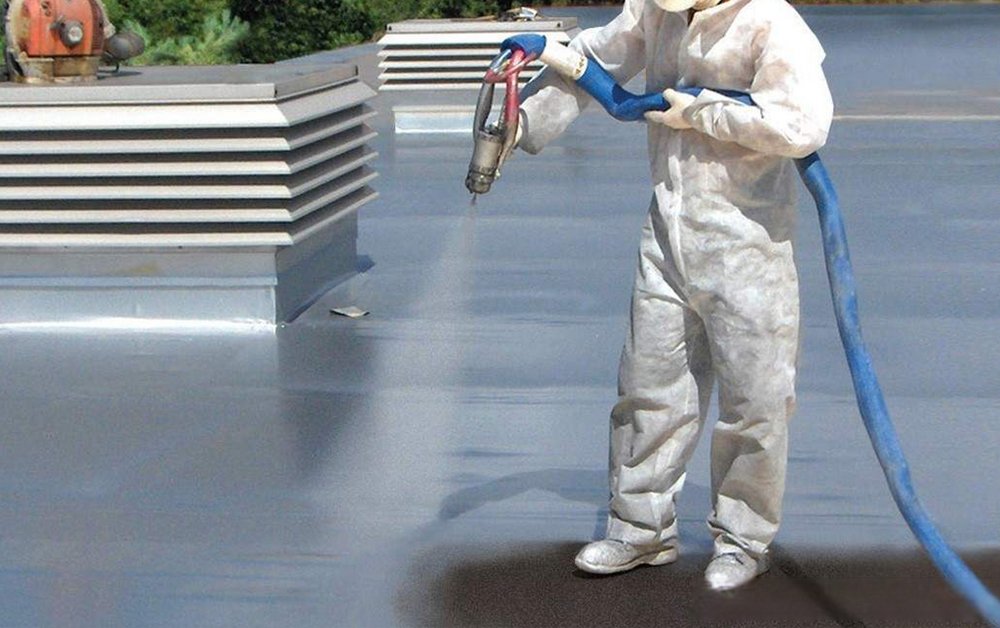
Why Metal Roofs Require Specialized Waterproof Coatings?
Common Leakage Problems in Metal Roof Systems
Metal roofs are put together with panels, fasteners, and sealants. And every single one of those connections is a spot where water can eventually get in. Here’s what happens over time:
- Screws loosen or rust out.
- Sealants dry up, crack, and fail.
- Metal panels expand in the heat and contract at night, working everything loose.
- Water finds its way through seams that used to be tight.
Unlike concrete roofs, a metal roof has dozens—sometimes hundreds—of connection points. More pieces mean more places for water to sneak through. That’s a lot of places for water to sneak in if you don’t seal them right.
Thermal Expansion and Structural Movement
The sun hits that metal roof and the whole thing expands. Then night comes, it cools down, and the metal contracts. That cycle happens every single day. Over time, that constant movement stresses out every joint and every coating. Things crack, things loosen, things fail.
That’s why you need a coating that moves with the metal — not one that sits there stiff and cracks under pressure.
Environmental Exposure and Corrosion
Metal roofs are often exposed to:
- UV radiation
- Rain and humidity
- Industrial pollutants
- Coastal salt air
Without protection: Corrosion weakens the structure and shortens roof life.
Main Types of Waterproof Coatings for Metal Roofs
Selecting the right coating depends on environmental conditions, budget, and performance expectations.
Acrylic Waterproof Coating
Features and Benefits:
Acrylic coatings are water-based and easy to apply. They offer:
- Strong UV resistance
- Reflective properties that reduce heat
- Environmentally friendly formulation
Suitable Applications:
- Residential roofs
- Light industrial roofs
- Anywhere with hot climates and strong sunlight
However, acrylic coatings may require periodic reapplication in harsh conditions.
Polyurethane Waterproof Coating
Key Advantages:
Polyurethane coatings have certain good performance:
- High elasticity
- Excellent adhesion to metal surfaces
- Strong resistance to mechanical stress
Best Use Cases:
- Complex roof structures
- Areas with frequent temperature changes
These coatings provide a balanced combination of durability and flexibility.
Silicone Waterproof Coating
Performance Characteristics:
Silicone coatings stand out due to:
- Outstanding UV resistance
- Superior water repellency
- Long-term weather stability
Ideal Applications:
- Roofs exposed to extreme sunlight – think desert climates or buildings with no shade.
- Areas with heavy rainfall or high humidity – places where water doesn’t dry up quickly.
Silicone coatings are often considered among the best waterproof coating for metal roof in harsh climates.
Polyurea Waterproof Coating
High-Performance Features:
Polyurea coatings provide:
- Fast curing
- Exceptional durability
- High resistance to chemicals and abrasion
Industrial Applications:
- Factories
- Oil & gas facilities
- Heavy-duty industrial roofs
For heavy-duty industrial projects where fast turnaround and long-term performance are both critical, Polyurea is one of the best options out there.
Sealant Systems for Joints and Fasteners
Why Sealants Matter:
Even the best coating cannot perform effectively without proper sealing of:
- Screws
- Overlaps
- Penetrations
Application Strategy:
Sealants are used as a complementary system to reinforce vulnerable areas before applying the main coating.
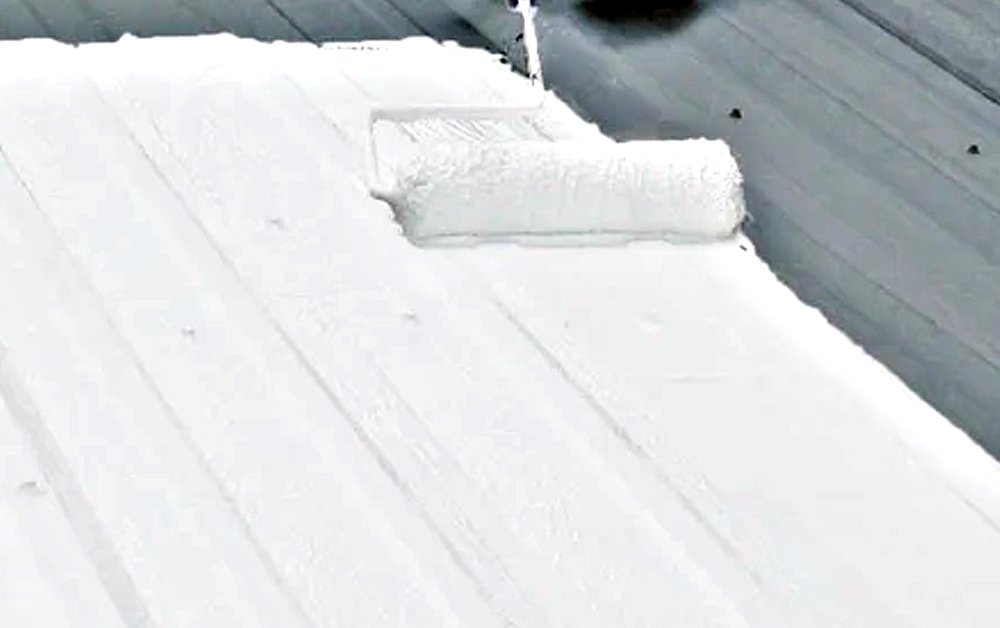
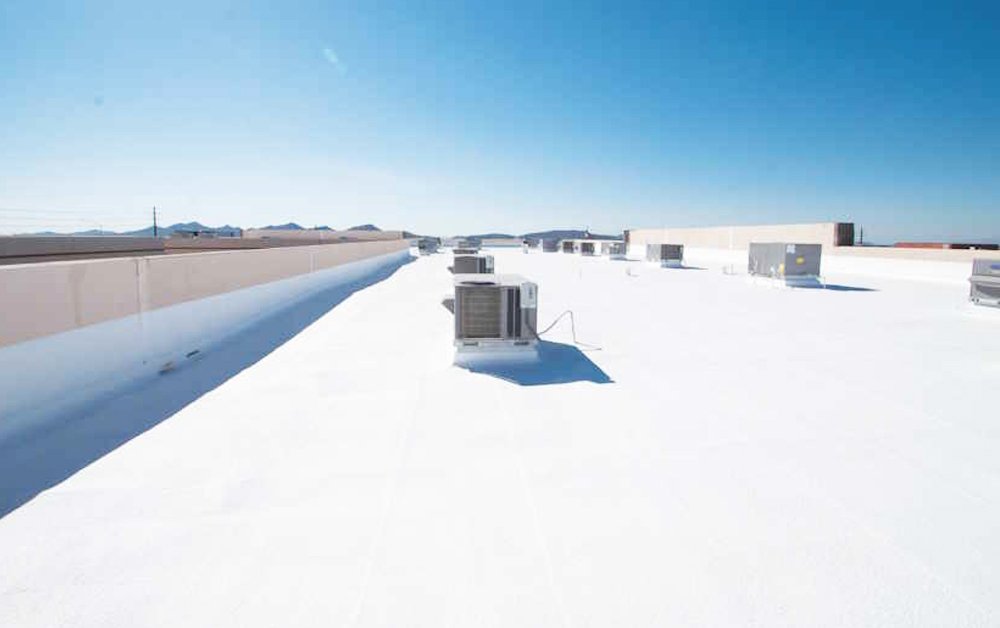
How to Choose the Best Waterproof Coating for Metal Roof?
Evaluate Climate Conditions
Hot climates?
- You need UV protection. Acrylic and silicone are your friends here. They don’t break down in the sun.
Humid environments?
- Water resistance is key. And if the roof traps moisture, look for something breathable so you don’t get blistering.
Industrial zones?
- Chemical resistance matters. Make sure your coating can handle whatever’s floating around in the air or landing on the roof.
Check the Roof Condition
New roofs and old roofs require different approaches:
- New roofs → standard coating systems
- Old roofs → coatings with strong adhesion and crack-bridging ability
Consider Durability and Lifecycle Cost
- Lower upfront cost ≠ lower total cost
- Higher upfront coatings (silicone, polyurea) often = longer life + less maintenance
- Look at lifecycle cost, not just the invoice
Evaluate Application Requirements
Be honest about your crew’s capabilities.
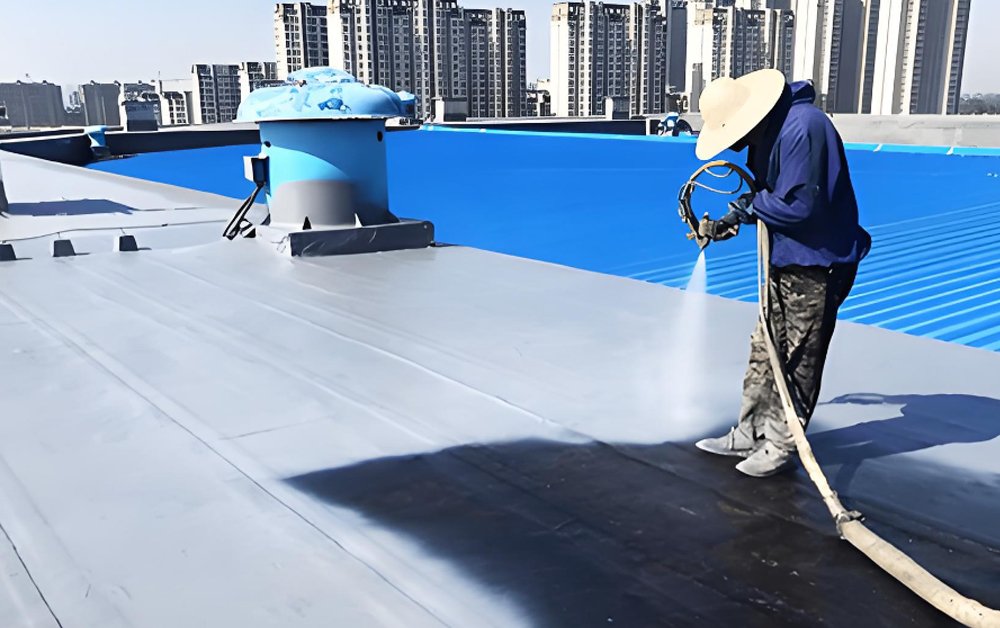
- Professional crew with spray equipment – Polyurea is on the table.
- General crew with basic tools – Stick with acrylic, silicone, or polyurethane that you can roll or spray with standard gear.
Step-by-Step Application Process for Metal Roof Waterproofing
Surface Preparation
- Remove rust, dirt, and oil – every bit of it.
- Clean the surface thoroughly – pressure wash, scrub, whatever it takes.
- Repair damaged areas – holes, cracks, loose panels all need attention first.
Rust Treatment and Repair
For older roofs:
- Apply anti-corrosion treatment
- Replace severely damaged sections
Joint and Fastener Sealing
Apply sealant to:
- Screws
- Seams
- Roof penetrations
This step ensures no weak points remain.
Primer Application
- Primer applied evenly
- Primer fully dried before coating
Coating Application
- First coat applied at proper thickness
- First coat dried before second coat
- Multiple thin coats (not one thick coat)
- Uniform thickness across entire roof
- Manufacturer guidelines followed
Final Inspection and Testing
After curing:
- Inspect for gaps or defects
- Conduct water testing if necessary
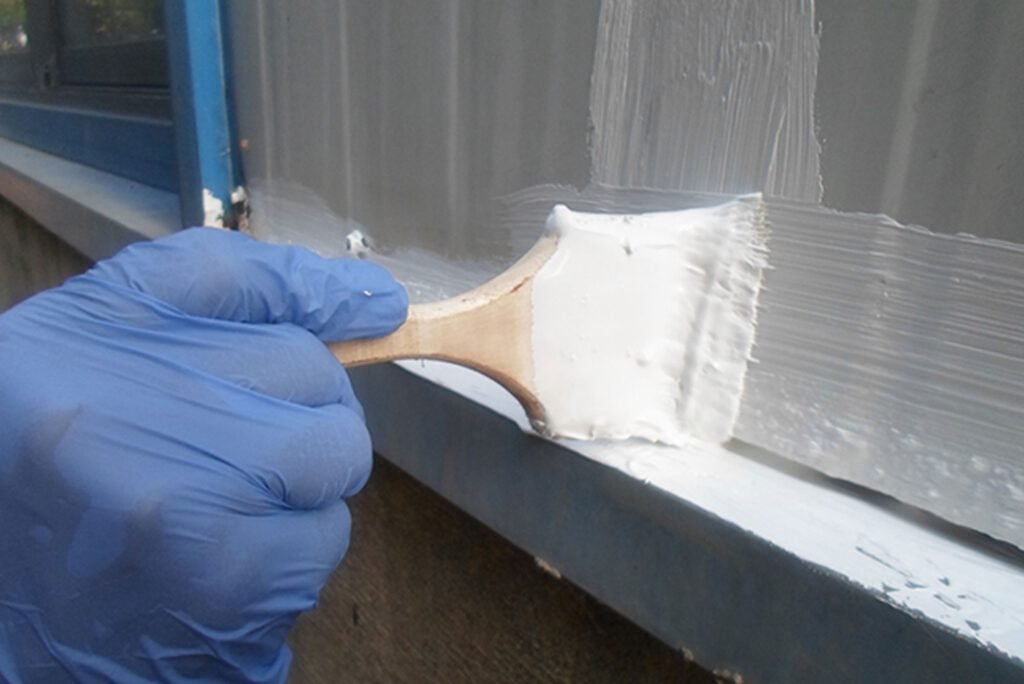
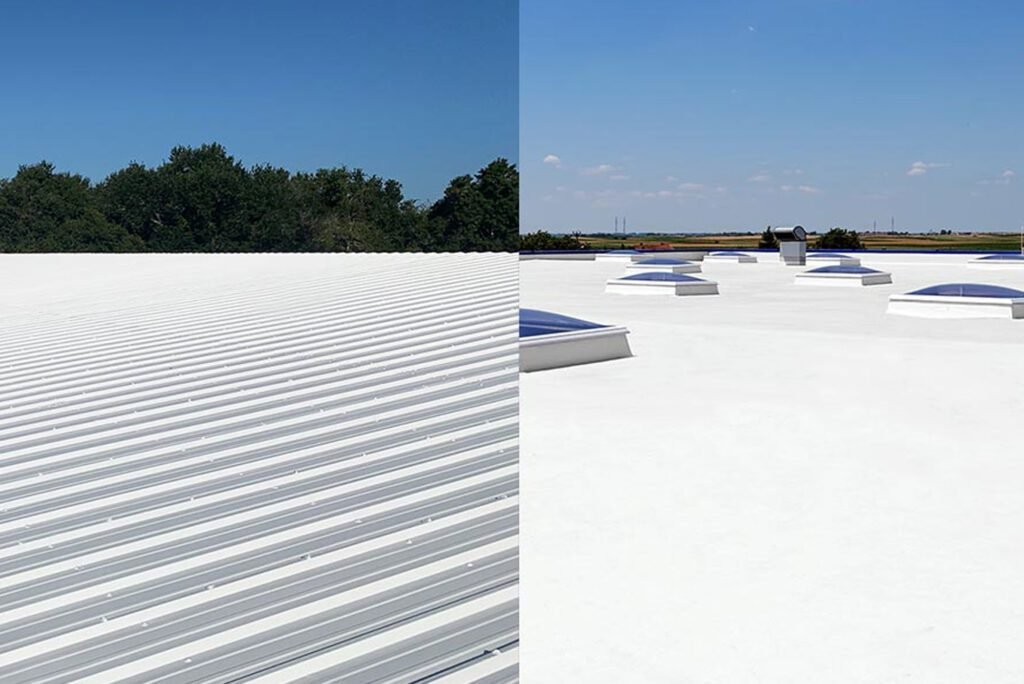
Common Problems & Practical Solutions
Coating Peeling or Delamination
- What causes it: Poor surface preparation.
- How to fix it: Clean thoroughly + use primer.
Cracking in Coating
- Cause: Low flexibility or thermal stress.
- Solution: Use elastic coatings like polyurethane.
Recurring Leaks
- Cause: Weak sealing at joints.
- Solution: Reinforce all vulnerable areas before coating.
Maintenance Tips to Extend Metal Roof Lifespan
Regular Inspections
Check your roof at least once a year. And any time you have extreme weather — a big storm, high winds, heavy snow — go up and take a look afterward.
Cleaning and Debris Removal
Clear leaves, dirt, branches. Unclog drains and gutters.
Timely Repairs
Address minor issues immediately to prevent major failures.
How to Choose a Reliable Waterproof Coating Supplier?
Product Quality and Range
A good supplier should offer multiple coating options tailored to different environments.
Technical Support
Professional guidance ensures correct application and optimal results.
Proven Experience
Look for suppliers with successful project cases in similar conditions.
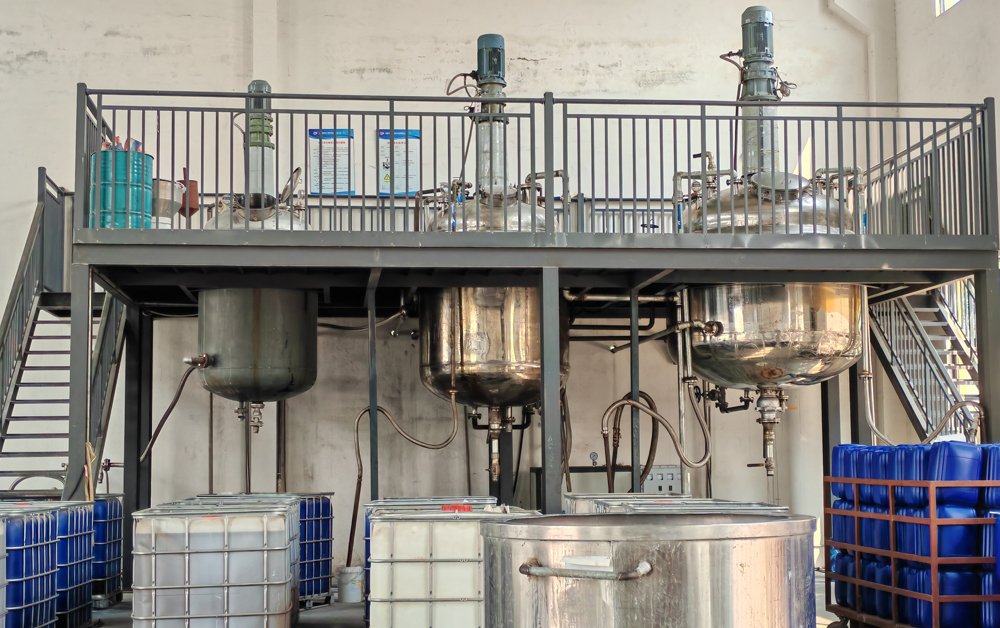
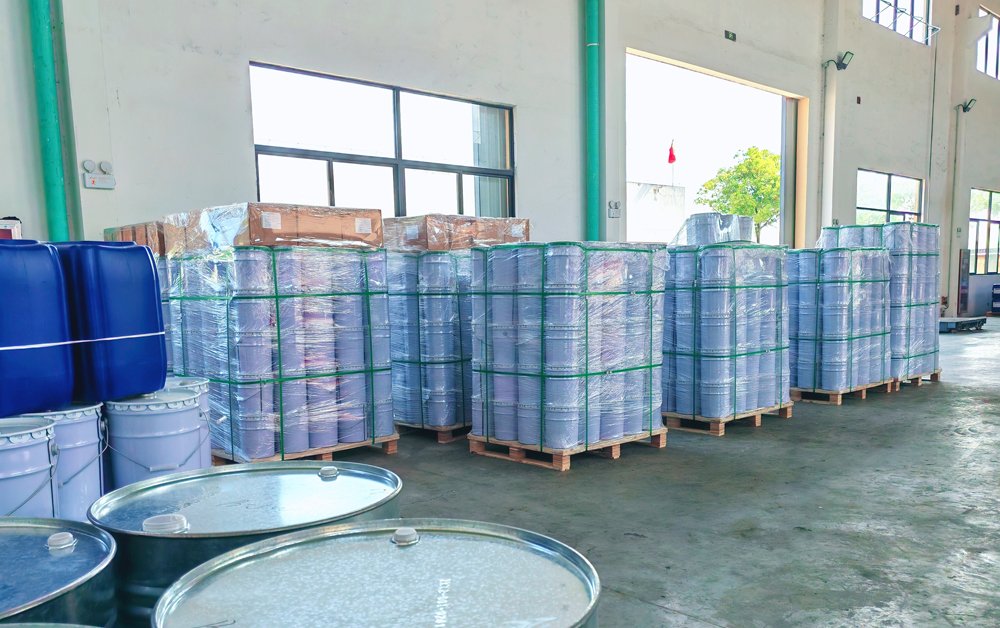
YURU Waterproof – A Trusted Solution Provider
Comprehensive Product Portfolio
YURU Waterproof offers a wide range of coatings, including:
- Acrylic coatings
- Polyurethane systems
- Silicone waterproof coatings
- Industrial-grade solutions
Designed for Harsh Conditions
YURU products are formulated to withstand:
- Extreme temperatures
- UV exposure
- Industrial environments
Flexible OEM and Custom Services
We support contractors and distributors with:
- Custom formulations
- Private labeling
- Bulk supply solutions
Professional Technical Support
From product selection to application guidance, YURU ensures project success.
FAQs:
1. What is the best waterproof coating for metal roof?
Silicone, acrylic, polyurethane coatings. Due to their durability and flexibility.
2. How long does a coating last?
Typically 10–20 years, depending on material and maintenance.
3. Can coatings be applied over rusted roofs?
Yes, but proper rust treatment is required first.
4. How thick should the coating be?
It depends on the system, but multiple layers are usually recommended.
5. Does YURU Waterproof offer bulk supply?
Yes, YURU specializes in supply and OEM services.
6. Are these coatings environmentally friendly?
Water-based coatings like acrylic are eco-friendly options.
Conclusion:
Choosing the best waterproof coating for metal roof is a decision worth getting right. It impacts durability, cost efficiency, and the long-term performance of your building.
So here’s what I tell people: learn your material options, follow the steps, and find a supplier who knows their stuff. That’s it. That’s the formula.
If you are looking for a reliable waterproof coating solution, YURU Waterproof is ready to support your project. Contact YURU Waterproof today to get samples, expert advice, customized solutions.
YURU Product solutions