Chemical Grouting Material OEM Manufacturing Guide
Introduction:
Chemical grouting materials are no longer products that distributors keep only for occasional emergency leak repair. In many markets, underground repair, basement waterproofing, tunnel maintenance, utility corridor repair, water-retaining structures, mining projects, and concrete crack injection are becoming regular service areas for contractors and construction material suppliers.
For importers, local waterproofing brands, engineering material distributors, and private-label product owners, this creates a clear business opportunity. However, it also creates a harder purchasing question: should you simply buy a standard polyurethane grout from a supplier, or should you build your own chemical grouting material product line through OEM manufacturing?
The answer depends on your market, your customers, your project applications, and your long-term brand plan.
Chemical grouting material OEM manufacturing is not only private labeling. A reliable OEM partnership should include product line planning, formula direction, packaging design, technical documents, sample testing, batch consistency, export support, and long-term product upgrading.
This guide explains how to plan OEM chemical grouting materials, including polyurethane grout, acrylate injection grout, epoxy injection resin, polyurea injection grout, and microcrystalline polyurea grout. It also explains how to evaluate a manufacturer before you place a bulk order.
What Is Chemical Grouting Material OEM Manufacturing?
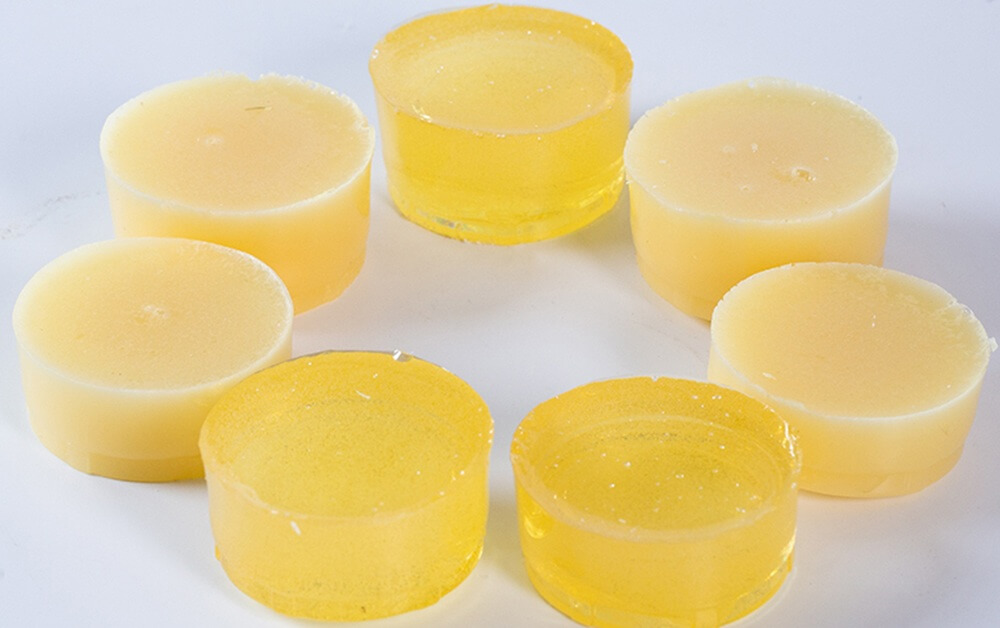
Chemical grouting material OEM manufacturing means a professional manufacturer produces grouting materials under your brand name, packaging style, label design, and market positioning.
For a simple product, OEM may only involve your logo, product name, and bucket label. For a serious long-term product line, OEM can go much deeper. It may include formula direction, reaction time adjustment, viscosity selection, gel time control, strength requirements, water pressure resistance, local language instructions, TDS and MSDS support, sample testing, and project-based application positioning.
Common OEM chemical grouting materials include:
- Polyurethane grout
- Acrylate injection grout
- Epoxy injection resin
- Polyurea injection grout
- Microcrystalline polyurea grout
- Customized injection grout for special projects
The goal is not just to receive a drum with your label. The goal is to build a sellable, reliable, repeatable product line that can support real underground repair projects in your local market.
Why OEM Chemical Grouting Materials Are Becoming More Important?
Construction chemicals and grouting materials are growing with infrastructure repair, urban development, underground waterproofing, and building maintenance. The global grouting material market is projected to grow from USD 7.5 billion to USD 10.5 billion by 2033, and construction chemicals were valued at USD 67.6 billion in 2024, growing at 3.8% CAGR through 2030.
For OEM customers, the market signal is practical. More basements leak, more tunnels need maintenance, more old concrete structures need crack injection. More contractors need dependable materials available locally. This means a local brand that can offer a clear chemical grouting product line has more room to grow than a seller who only imports generic products.
Underground Repair and Waterproofing Demand Is Expanding
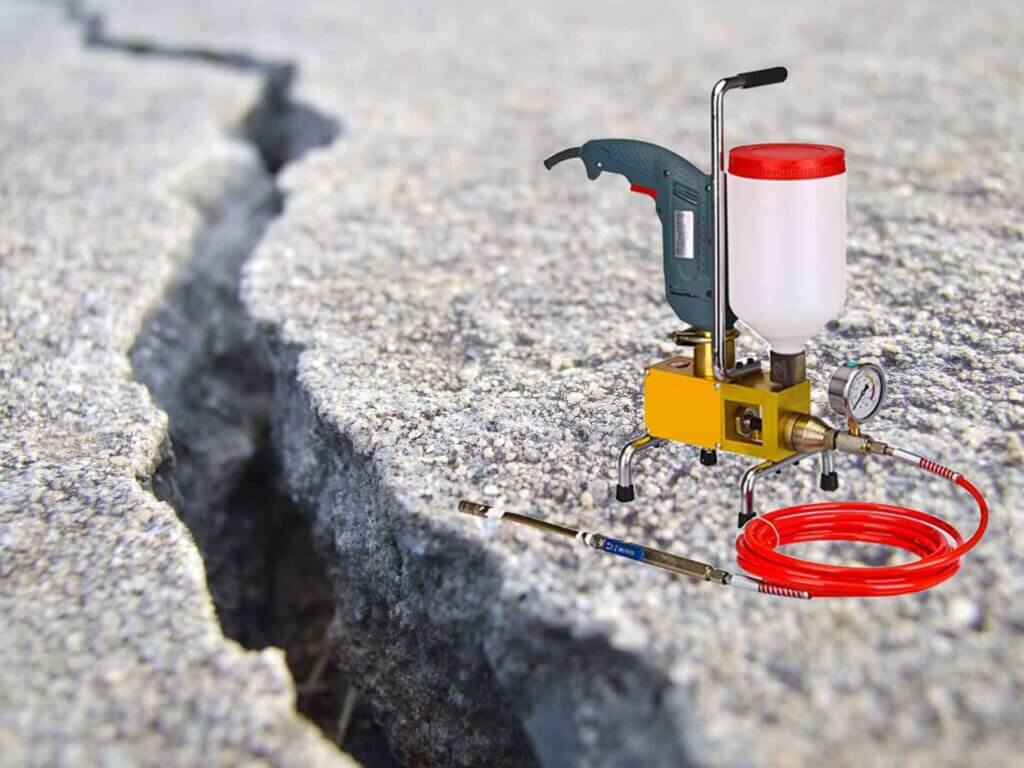
Chemical grouting materials are used because water rarely follows a simple path — leaks come from cracks, joints, pipe penetrations, rock fissures, voids behind linings, fine seepage channels.
The product must match the job. A fast polyurethane grout may be useful for active water leakage. Acrylate grout may be more suitable for fine seepage and curtain grouting. Epoxy injection resin may be needed for structural crack bonding. Polyurea or microcrystalline polyurea grout may be positioned for more specialized, higher-performance applications.
This is why OEM buyers should think in systems, not single products.
OEM Helps Local Brands Build a Sellable Product Line
A local distributor may start with one product. But over time, project customers often ask for different solutions. One contractor may need active leak sealing. Another may need fine seepage control. A third may need concrete crack bonding.
OEM manufacturing allows a local brand to build a product line with clear names, packaging, technical documents, and product positioning. That makes the brand easier to sell and easier for contractors to understand.
Main Chemical Grouting Materials for OEM Production
A good OEM manufacturer should help customers understand how different grouting materials fit different market positions.
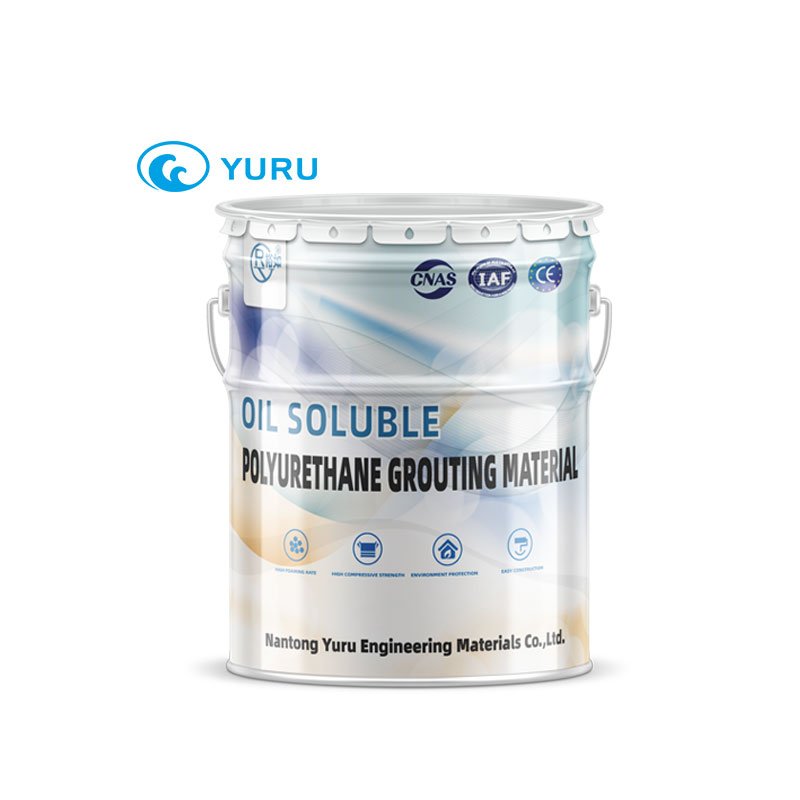
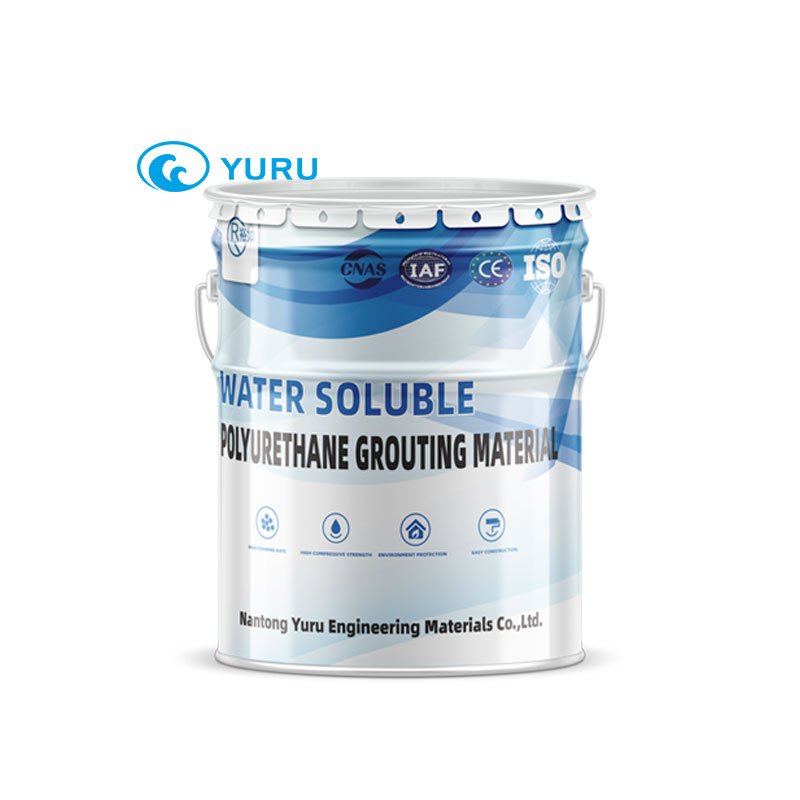
Polyurethane Grout OEM
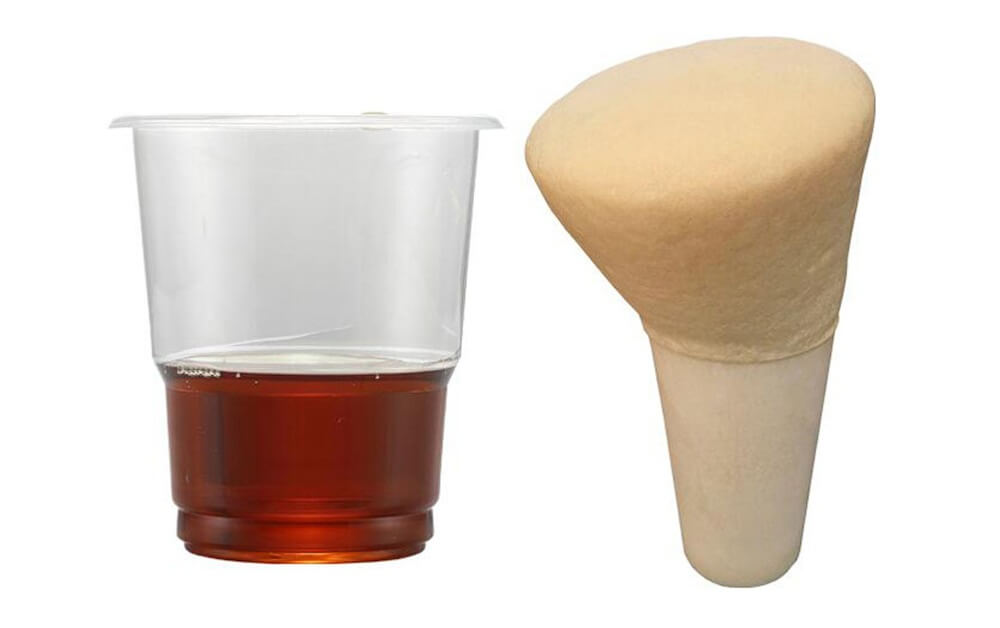
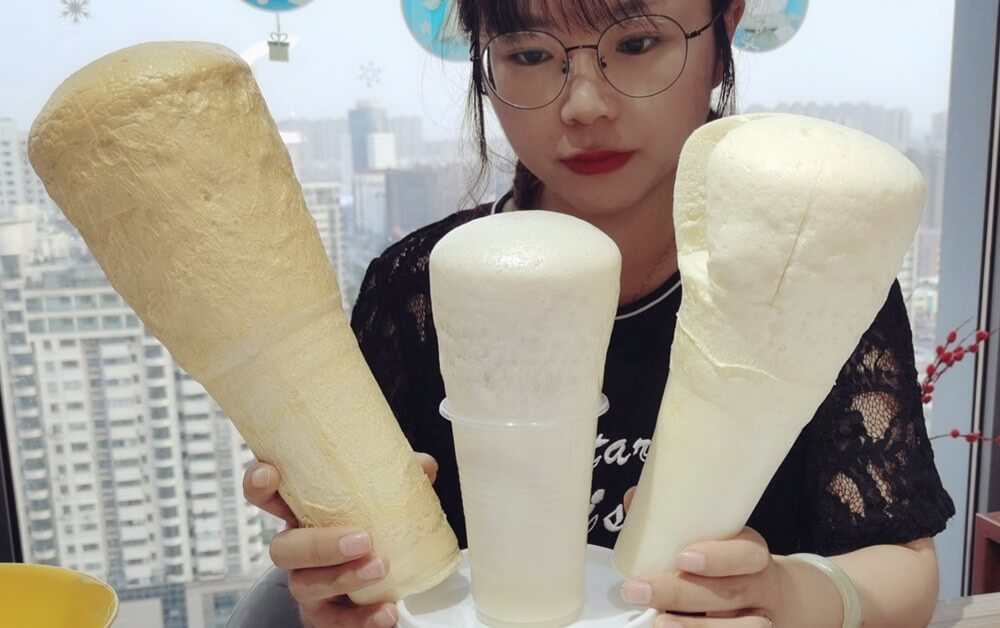
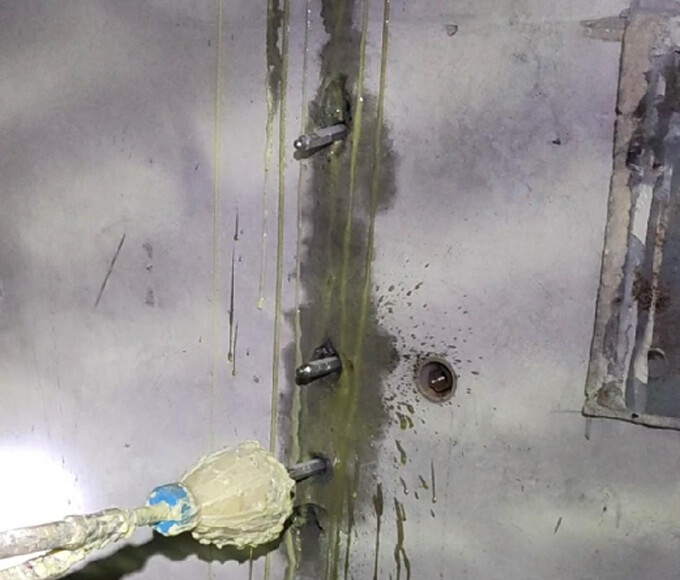
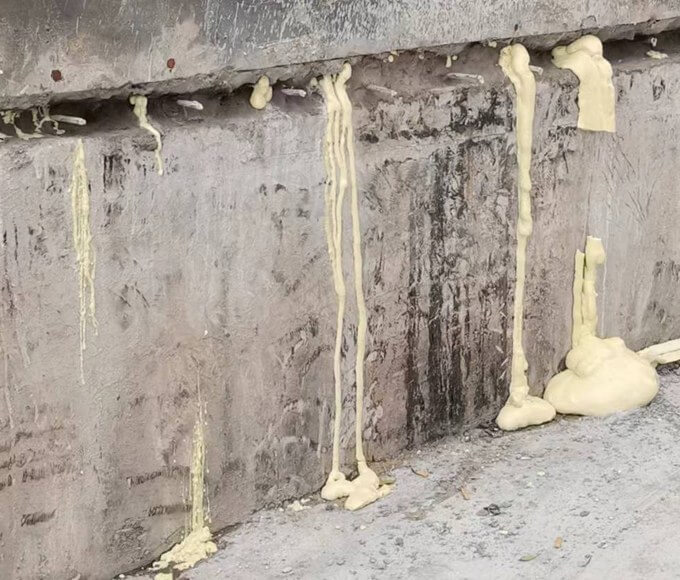
Polyurethane grout is usually the first product many customers consider for OEM manufacturing. It has broad application in basement leakage repair, tunnel water sealing, construction joint leakage, segment joint repair, underground passages, water tanks, dams, and wet concrete cracks.
In an OEM product line, polyurethane grout can be positioned in several ways:
- Hydrophobic polyurethane grout for active water leakage
- Hydrophilic polyurethane grout for damp cracks and moisture-reactive sealing
- Fast-reactive PU grout for urgent water stopping
- High-pressure water leakage PU grout for demanding underground projects
- Customized PU grout for specific local project needs
OEM customers may customize bucket size, label design, product name, application direction, reaction time, viscosity, expansion ratio, and water pressure resistance. However, technical changes should always be tested before bulk production.
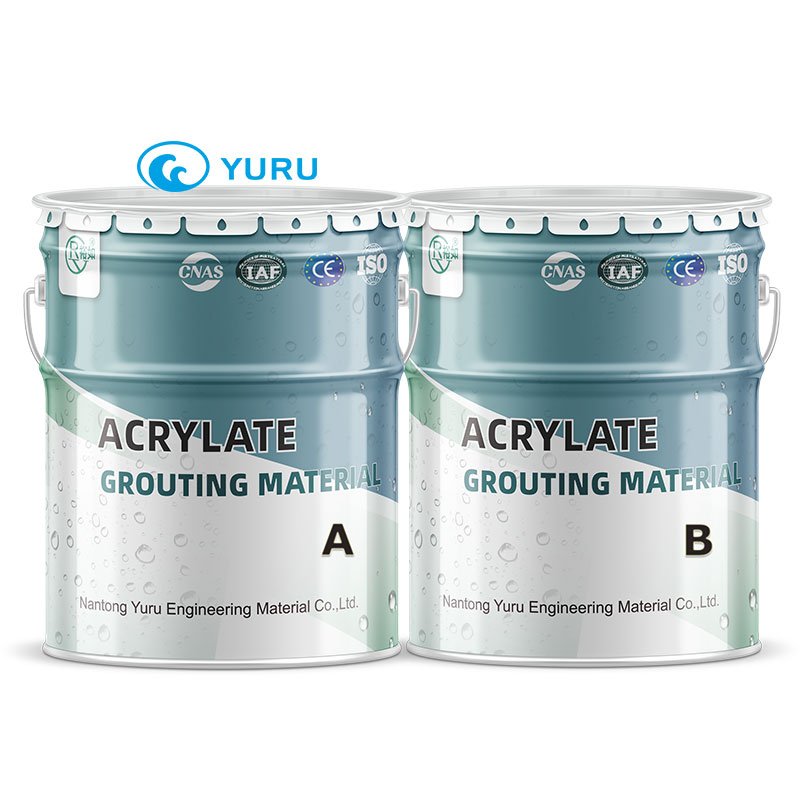
Acrylate Injection Grout OEM
Acrylate injection grout is more specialized than general PU grout. It is often used for fine seepage, low-permeability paths, back-of-structure seepage control, curtain grouting, tunnel seepage control, and underground waterproofing barriers.
For local brands, acrylate injection grout can upgrade a product line from basic leak repair to professional underground water control – suitable for customers serving tunnel projects, metro repair, utility corridor projects, water-retaining structures, and large underground engineering work.
When developing acrylate grout for OEM, discuss gel time, viscosity, mixing ratio, storage stability, safety handling, equipment compatibility, and application guidance. This material should be positioned carefully because it requires more technical site control than a basic leak repair product.
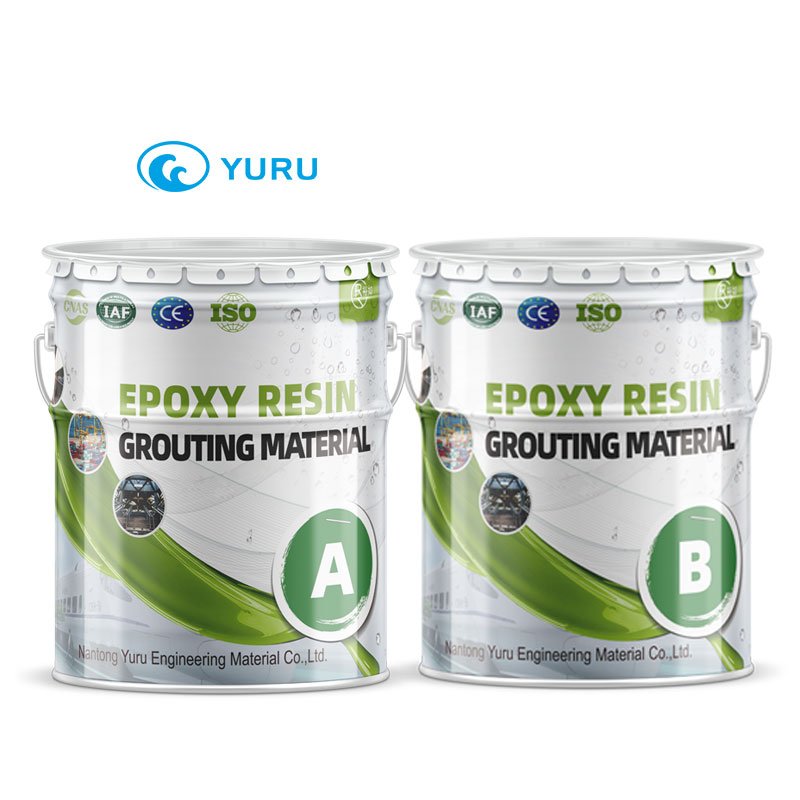
Epoxy Injection Resin OEM
Epoxy injection resin is mainly used for concrete structural crack repair. It is not a fast water-stopping material for active leakage. Its value is bonding strength, crack filling, and structural integrity restoration.
OEM epoxy injection resin can be used for concrete beams, slabs, bridges, tunnel linings, underground structures, industrial buildings, and structural cracks where the crack condition is dry or controlled.
For OEM cooperation, important parameters include pot life, bonding strength, compressive strength, tensile strength, mixing ratio, curing time, packaging format, and application instructions.
A good label should not confuse epoxy injection resin with PU water-stop grout. Clear product positioning protects both the brand and the contractor.
Polyurea Injection Grout OEM
Polyurea injection grout can be positioned as a higher-performance grouting material for selected engineering applications. It may be considered when a project requires fast reaction, toughness, durability, or special waterproofing performance.
It should not be promoted as a universal product for every leakage problem. Its application boundary must be clear.
For OEM development, the buyer should confirm reaction speed, curing performance, strength, flexibility, equipment requirements, construction window, and suitable project types. This product is better for brands that want to build a more advanced chemical grouting line.
Microcrystalline Polyurea Grout OEM
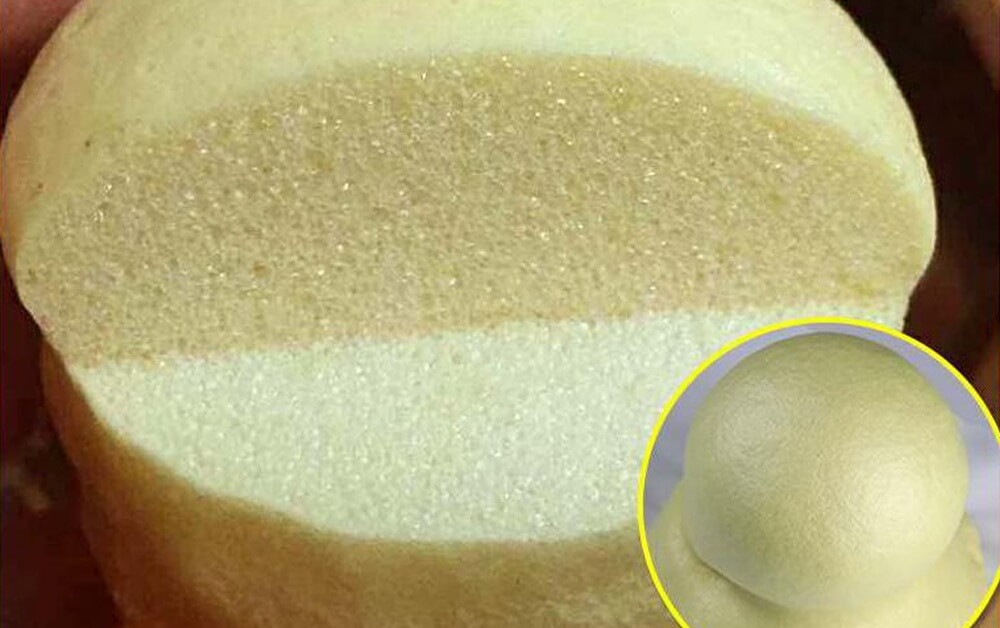
Microcrystalline polyurea grout can be positioned as a distinctive or specialized product for high-requirement underground waterproofing, crack treatment, or selected leakage repair projects.
For importers and distributors, it can help create a product line that looks different from common PU grout or ordinary epoxy systems. However, the product should be introduced with proper testing, clear application instructions, and realistic project positioning.
OEM buyers should confirm performance data, target scenarios, technical documents, shelf life, packaging, and local market acceptance before bulk promotion.
What Can Be Customized in OEM Chemical Grouting Materials?
OEM customization should support both product performance and market sales.
Branding and Packaging Customization
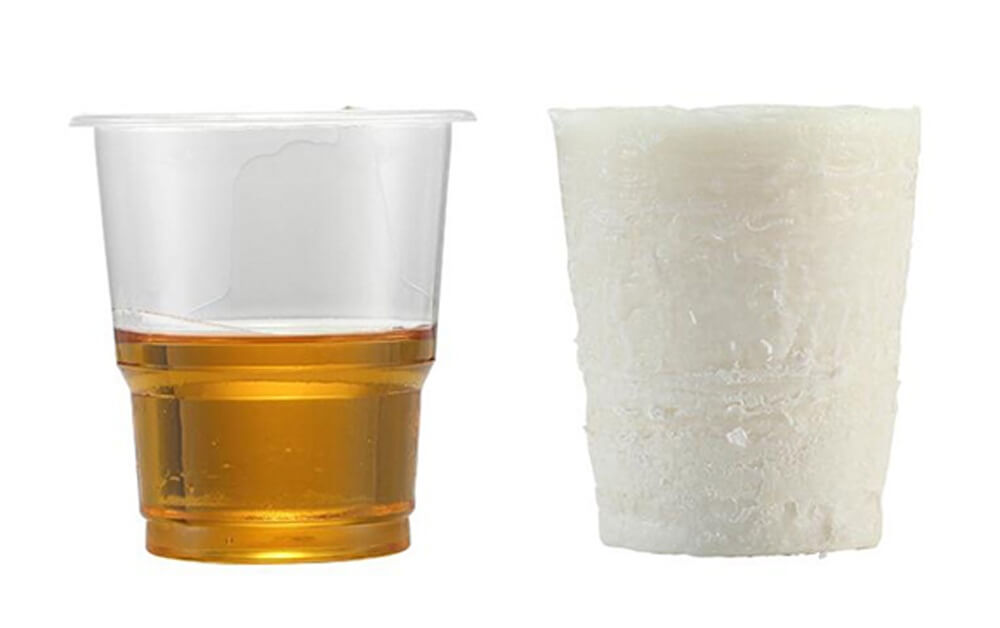
Branding customization may include product name, brand label, logo, bucket design, bucket size, color system, carton mark, product series name, local language instruction, and application category.
For a local brand, packaging is not only decoration. It tells contractors whether the product looks professional and whether the supplier understands engineering applications.
A clean label, clear product name, and complete technical information can help a product sell better than a generic drum with limited information.
Formula Direction and Technical Parameters
Depending on the product type and project target, some technical directions may be discussed:
- Reaction time
- Gel time
- Viscosity
- Expansion ratio
- Pot life
- Bonding strength
- Tensile strength
- Compressive strength
- Flexibility
- Water pressure resistance
- Wet-condition curing behavior
- Storage stability
Not every parameter can be changed freely. For example, adjusting reaction time may affect penetration. Increasing expansion may affect cured body density. Changing viscosity may affect application range. Formula customization should be based on the application, testing, and production verification.
Product Documents and Local Market Support
OEM customers need more than material. They need sales-ready and project-ready documents.
Useful documents include TDS, MSDS, COA, application guide, label information, safety handling instructions, export documents, and local language versions if needed.
For contractors and project owners, professional documents help build trust. For importers and distributors, they make the product easier to promote and easier to use in project communication.
Reverse Development Based on Customer Samples
Some customers already have a material sample from their local market. They may want a similar product, an improved version, or a more stable private-label alternative.
A capable manufacturer can review the sample, understand the target application, compare basic performance, and develop a production direction. This process is not simple copying. It requires testing, raw material matching, performance adjustment, safety review, and production feasibility.
Reverse development can be useful for customers who want to replace an existing supplier or build a differentiated product line.
OEM Manufacturing Process: From Sample to Bulk Order
A professional OEM process reduces risk before large production.
Step 1: Define Application and Market Positioning
The first step is not choosing a label color. It is defining the product’s job.
Is the product for basement leakage repair? Tunnel and metro injection? Mine water sealing? Dam and water tank seepage control? Concrete structural crack repair? Retail private-label sales? Project supply?
A clear application helps the manufacturer recommend the right material direction.
Step 2: Select Product Type and Technical Direction
After application is clear, buyer and manufacturer select the right product type — polyurethane grout, acrylate injection grout, epoxy injection resin, polyurea injection grout, or microcrystalline polyurea grout.
At this stage, the technical direction should also be discussed. For example, a tunnel leakage product may need faster reaction and stronger water pressure resistance. A structural crack resin may need better bonding strength and workable pot life.
Step 3: Sample Testing and Feedback
Sample testing should happen before bulk production.
For PU grout, check reaction time, foaming behavior, viscosity, curing performance, and water-stop behavior. For acrylate grout, check gel time and penetration behavior. And for epoxy resin, check mixing, pot life, bonding, and curing.
Feedback from local contractors is also valuable because they understand local equipment and construction habits.
Step 4: Packaging and Label Design
After the formula direction is accepted, packaging work can begin.
This includes bucket type, capacity, label design, product name, logo placement, product series, instructions, TDS/MSDS format, carton marks, and export labels.
Good packaging should make the product easy to recognize, easy to sell, and easy to use.
Step 5: Trial Order and Batch Confirmation
A trial order helps confirm batch quality, packaging appearance, transport stability, local feedback, and sales response.
This step is useful before a full container order, especially when the product is new to the buyer’s market.
Step 6: Bulk Production and Long-Term Supply
After trial confirmation, OEM project moves into bulk production — confirm production schedule, quality control, lead time, container loading, export documents, reorder cycle, and future product upgrades.
OEM manufacturing should be seen as a long-term supply chain, not a one-time purchase.
How to Evaluate a Chemical Grouting Material OEM Manufacturer?
Choosing the right manufacturer decides whether your OEM product line can grow.
Real Manufacturing and R&D Capability
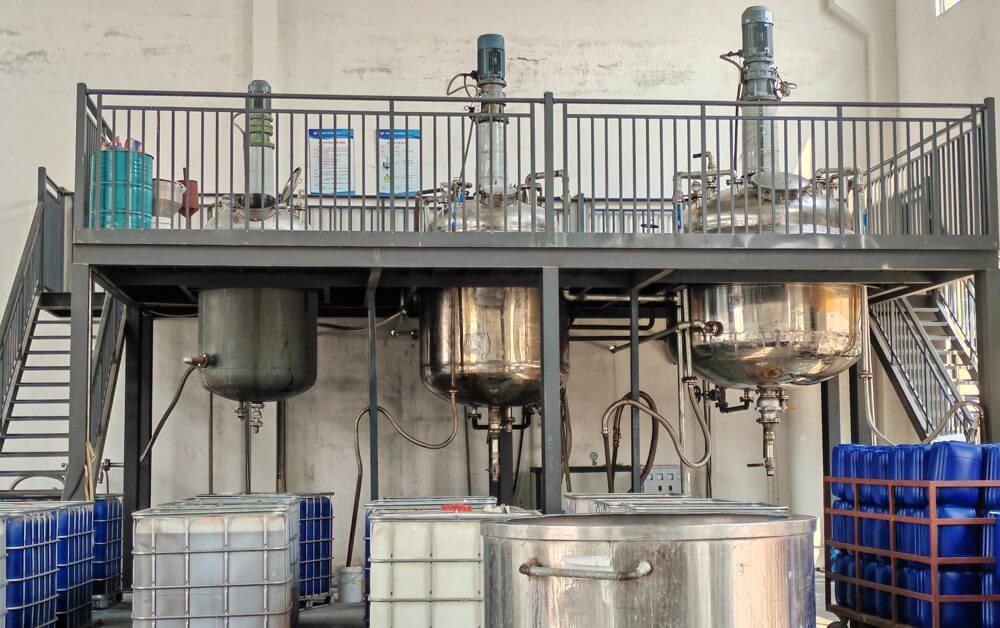
A reliable OEM manufacturer should have real production capability, formulation experience, sample testing ability, quality inspection, batch records, and new product development support — if a supplier can only change labels but cannot discuss formula direction, project application, or batch control, it may not be suitable for long-term OEM cooperation.
Complete Product Range
A strong OEM partner should ideally cover multiple chemical grouting materials, such as polyurethane grout, acrylate injection grout, epoxy injection resin, polyurea injection grout, and microcrystalline polyurea grout.
This helps customers build a complete product line instead of relying on one material for every application.
Batch Consistency and Quality Control
Chemical grouting materials are sensitive to batch consistency. Small changes in reaction time, viscosity, gel time, strength, or curing behavior can change jobsite performance.
Before choosing a manufacturer, ask how it controls raw materials, production records, sample retention, inspection, and batch release.
OEM/ODM Packaging and Private Label Support
A good OEM manufacturer should support label design, bucket design, logo placement, local language labels, product series planning, TDS/MSDS layout, carton marks, and export packaging.
For local brands, packaging support can be as important as the material itself.
Technical Communication for Project-Based Demand
Chemical grouting materials are used in difficult sites. A manufacturer should be able to discuss active water leakage, high water pressure, fine seepage, structural cracks, mine water sealing, tunnel injection, and utility corridor repair.
Good technical communication helps customers avoid selling the wrong product for the wrong application.
Export Experience and Long-Term Supply Capacity
OEM cooperation also depends on export documents, lead time, container loading, payment terms, production capacity, and repeat supply.
A manufacturer that supports long-term reorders helps customers protect their local market reputation.
Common Mistakes in Chemical Grouting Material OEM Cooperation
Many OEM problems can be avoided with better planning.
Only Changing the Label Without Product Positioning
A label alone does not make a product line. Each product needs a clear application, target customer, technical direction, and sales message.
Choosing a Factory Only by Low Price
Low price may look attractive at first, but poor batch stability, weak documents, limited packaging support, and slow communication can cost more later.
Selling One Product for All Grouting Applications
One polyurethane grout cannot handle every problem. Fine seepage, active water leakage, structural cracks, high-pressure water, and specialized underground repair need different materials.
Ignoring Local Climate, Storage, and Construction Habits
Hot climate, high humidity, long shipping time, local equipment, and contractor habits can all affect product performance. OEM development should consider local use conditions.
No Sample Testing Before Bulk Production
Sample testing is essential. It allows the buyer to confirm performance, packaging, documents, and contractor feedback before large orders.
No Technical Documents for Local Sales
Without TDS, MSDS, application guidance, and product positioning documents, a private-label product may look incomplete to professional contractors.
How OEM Chemical Grouting Materials Help Local Brands Grow?
OEM manufacturing can help a company move from simple material reselling to brand building.
From Generic Supply to Private Label Brand
A private-label product gives a distributor more control over market image, customer loyalty, and product positioning. Instead of selling a generic drum, the distributor sells a recognizable brand.
From Single Product to System Product Line
By combining polyurethane grout, acrylate injection grout, epoxy injection resin, polyurea injection grout, and microcrystalline polyurea grout, a local brand can serve more project types.
This system approach makes the brand more useful to contractors.
From One-Time Order to Long-Term Reorder Business
Stable quality, clear packaging, useful documents, and technical support create repeat orders. For OEM customers, long-term reorder business is more valuable than one low-price shipment.
Why Choose YURU Waterproof for Chemical Grouting Material OEM Manufacturing?
YURU Waterproof is a professional manufacturer of waterproof coatings, injection grouting materials, and floor coating systems. For chemical grouting material OEM manufacturing, YURU Waterproof can provide polyurethane grout, acrylate injection grout, epoxy injection resin, polyurea injection grout, microcrystalline polyurea grout, and customized injection grout solutions.
YURU Waterproof supports OEM/ODM, private label packaging, bucket design, label customization, product series planning, sample testing, technical documents, and long-term supply.
For project-based requirements, YURU Waterproof can communicate around reaction time, viscosity, gel time, expansion ratio, strength, water pressure resistance, bonding performance, wet-condition curing, and equipment compatibility.
YURU Waterproof can also support development direction based on customer-provided material samples when customers want to improve an existing product, replace a previous supplier, or build a local private-label product line.
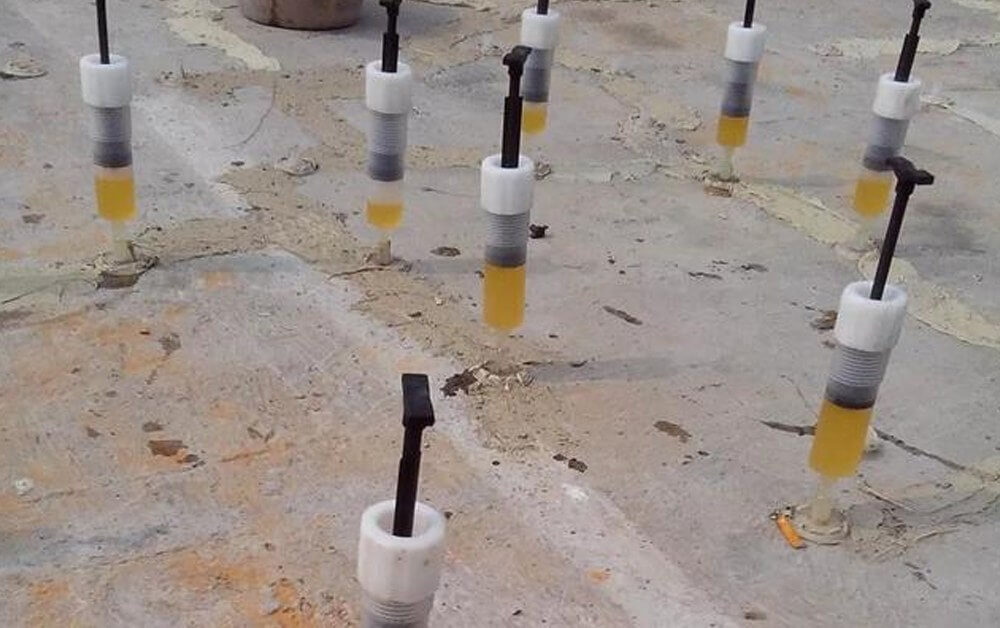
Applications include basement leakage repair, tunnel water sealing, mine water blocking, dam and water tank seepage control, utility corridor repair, underground passage leakage, concrete crack injection, and construction joint sealing.
For distributors with local sales channels and project customers, YURU Waterproof can provide private label packaging, bucket design, sample testing, technical documents, and project-based formula communication to help build a professional chemical grouting material product line.
Final Checklist Before Choosing an OEM Chemical Grouting Material Manufacturer
Before starting OEM cooperation, review these questions:
- Do you want one product or a full chemical grouting material product line?
- Market focus – basement, tunnels, mines, dams, utility corridors, structural repair?
- Do you need polyurethane grout?
- Do you need acrylate injection grout?
- Do you need epoxy injection resin?
- Do you need polyurea injection grout?
- Do you need microcrystalline polyurea grout?
- Do you need private label packaging?
- Do you need bucket design?
- Do you need local language labels?
- Do you need TDS, MSDS, COA, and application instructions?
- Have reaction time, viscosity, gel time, expansion ratio, strength, and shelf life been confirmed?
- Do you need reverse development based on your sample?
- Have samples been tested?
- Is batch consistency confirmed?
- Are MOQ, lead time, container loading, and export documents clear?
- Manufacturer has R&D and long-term supply capacity?
- Can product line be upgraded later?
FAQs:
1. What is chemical grouting material OEM manufacturing?
A professional manufacturer produces grouting materials under your brand, label, packaging, and product positioning — may include polyurethane grout, acrylate injection grout, epoxy injection resin, polyurea injection grout, and microcrystalline polyurea grout.
2. Is polyurethane grout enough for an OEM product line?
Polyurethane grout is an important core product, but it may not be enough for a full product line. Acrylate injection grout, epoxy injection resin, polyurea injection grout, and microcrystalline polyurea grout can help cover more project applications.
3. Can a manufacturer develop grouting material based on my sample?
Yes, if the manufacturer has research, testing, and formulation capability. The customer usually needs to provide a sample, target application, and performance expectations before development begins.
4. Does YURU Waterproof provide chemical grouting material OEM manufacturing?
Yes. YURU Waterproof provides OEM/ODM manufacturing for polyurethane grout, acrylate injection grout, epoxy injection resin, polyurea injection grout, microcrystalline polyurea grout, and customized injection grout, with sample testing, bucket design, label customization, technical documents, and long-term supply support.
Conclusion:
Chemical grouting material OEM manufacturing is not only about putting your label on a drum. The real value is building a product line that can sell in your market, solve real project problems, support contractor trust, and create repeat orders.
Polyurethane grout, acrylate injection grout, epoxy injection resin, polyurea injection grout, and microcrystalline polyurea grout each have different application roles. A reliable OEM plan should match materials with market demand, project conditions, packaging strategy, technical documents, and long-term supply needs.
The best OEM manufacturer is not only the one with the lowest price. It is the one that helps your brand build a stronger, clearer, and more dependable grouting material product line.
If you are looking for a chemical grouting material OEM manufacturer, YURU Waterproof can help you plan and produce polyurethane grout, acrylate injection grout, epoxy injection resin, polyurea injection grout, microcrystalline polyurea grout, and customized injection grout products.
Contact YURU Waterproof to discuss private label packaging, bucket design, sample testing, TDS/MSDS support, project-based formula development, reverse development based on customer samples, and long-term OEM/ODM cooperation.
YURU Product solutions