Common Problems in Polyurethane Roof Waterproofing Applications
Introduction:
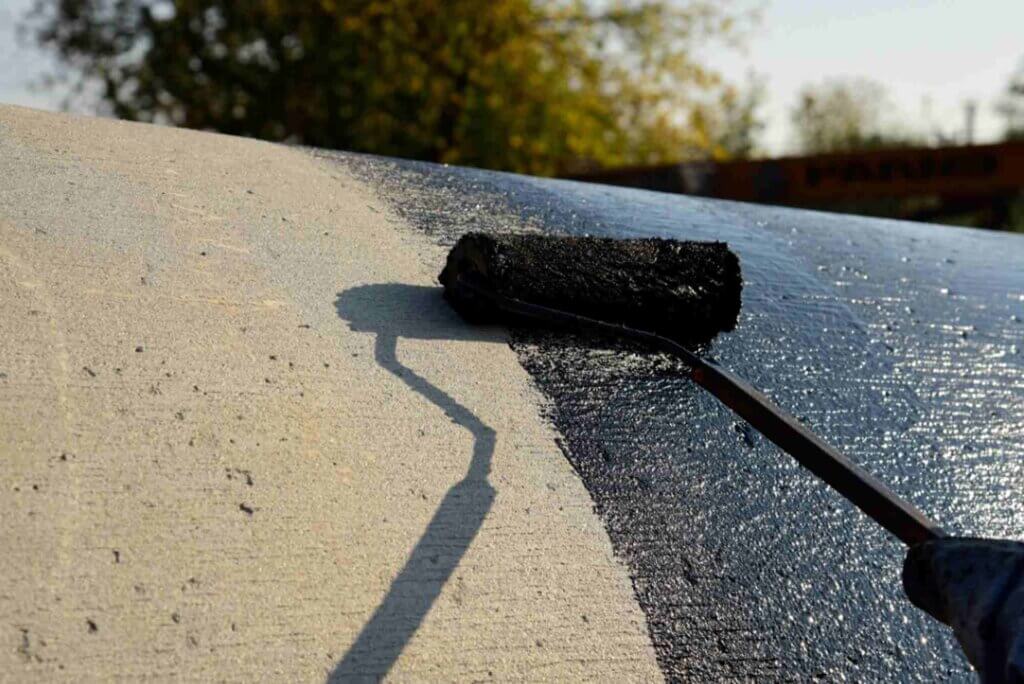
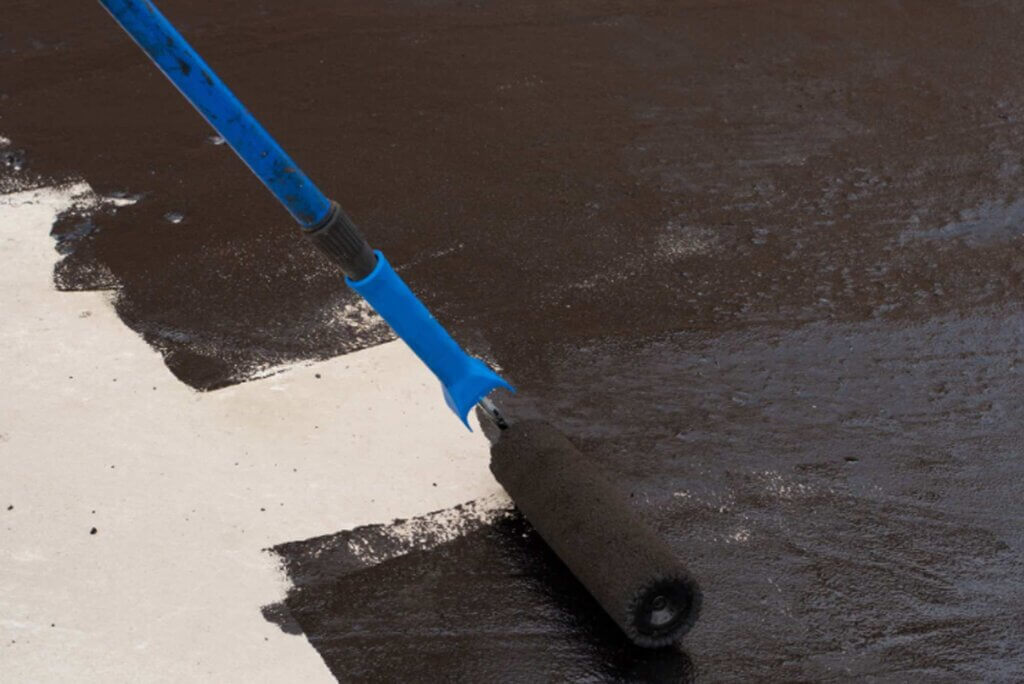
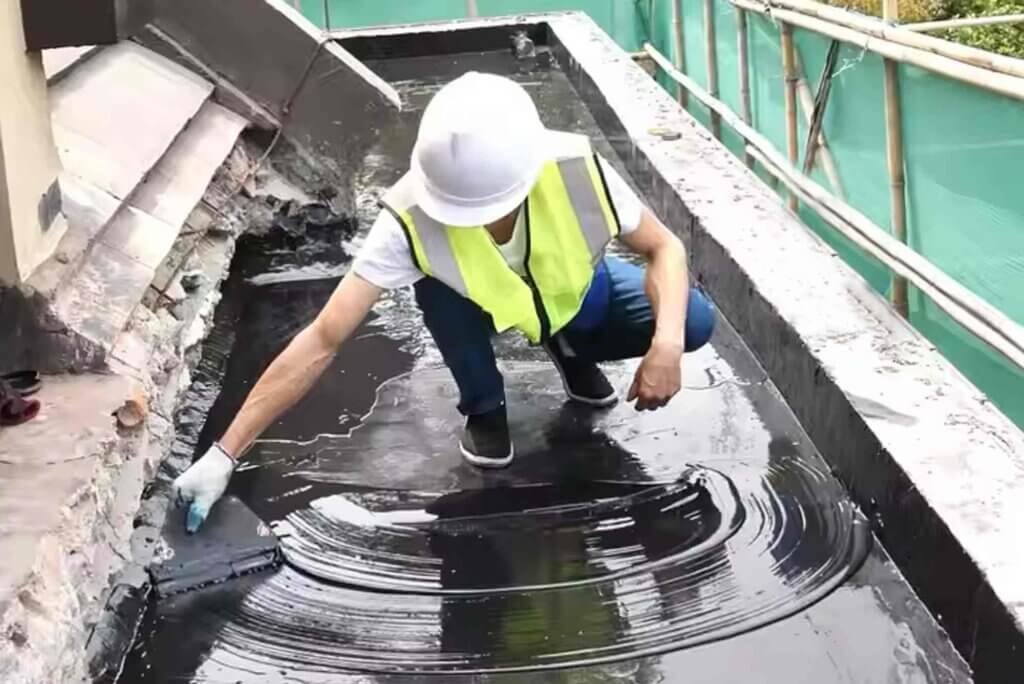
Polyurethane roofing waterproofing systems are widely used. Polyurethane is chosen because of its flexibility, excellent waterproofing performance. But many projects fail prematurely.
Blistering, cracking, peeling, uv degradation, leakage at joints. These problems are everywhere in the industry.
The problem usually isn’t the polyurethane material. It’s the application. Poor substrate preparation, improper application methods, or incomplete system design.
Understanding the common problems in polyurethane roof waterproofing applications is important.
This guide covers the most common failures, the real causes, and professional solutions.
Why Polyurethane Roof Waterproofing Often Fails?
Polyurethane Performance Depends Heavily on Application Conditions
Polyurethane waterproof coating is highly sensitive to:
- Surface moisture
- Ambient temperature
- Humidity
- Substrate condition
- Application thickness
Even high-quality polyurethane waterproof coating can fail if installation conditions are not properly controlled.
Many Projects Focus Only on Material Selection
In practice, many contractors focus exclusively on:
- Product brand
- Material price
- Coating thickness
while ignoring critical factors such as:
- Surface preparation
- Joint reinforcement
- Drainage design
- UV protection systems
As a result, waterproofing systems fail much earlier than expected.
Waterproofing Is a System, Not Just a Product
Professional roof waterproofing should include:
- Surface preparation
- Primer layer
- Waterproof coating layer
- Reinforcement layer
- Protective layer
- Drainage system
Projects that skip one or more of these components usually experience premature problems.
Common Problem #1 – Blistering and Bubbling
High Substrate Moisture Content
Why It Happens:
Blistering is one of the most common issues in polyurethane roof waterproofing. And it almost always comes back to trapped moisture.
When moisture remains inside concrete or screed:
- Heat causes vapor expansion
- Pressure builds beneath the coating
- Bubbles and blisters form
This problem is especially common in humid climates and after rain.
Application on Wet or Damp Surfaces
Typical Mistake:
Some projects proceed immediately after washing or rainfall to avoid delays.
However, polyurethane coatings require properly dried substrates to ensure:
- Good adhesion
- Stable curing
- Long-term waterproofing performance
Inadequate Primer Penetration
If primer does not fully seal substrate pores:
- Air pockets remain trapped
- Moisture migrates upward
- Coating failure becomes likely
Proper primer selection is essential for successful polyurethane roof waterproofing systems.
Common Problem #2 – Cracking and Surface Aging
Excessive Thickness in One Application
Why Thick Coating Causes Failure:
Many contractors mistakenly assume thicker coating equals better waterproofing.
In reality:
- Thick layers cure unevenly
- Surface hardens first
- Internal solvent or moisture remains trapped
Over time, this leads to:
- Surface cracking
- Reduced elasticity
- Premature deterioration
Professional systems rely on multiple thin layers instead of one thick application.
Structural Movement and Thermal Expansion
Concrete roofs constantly expand and contract due to:
- Day-night temperature cycles
- Seasonal weather changes
- Structural settlement
If coating flexibility is insufficient, cracks will develop.
This is particularly common in:
- Large industrial roofs
- Metal-concrete hybrid structures
- Hot climate regions
UV Exposure and Weathering
Polyurethane waterproof coatings exposed directly to sunlight for years gradually suffer from:
- UV degradation
- Chalk formation
- Surface brittleness
- Color fading
This issue is severe in regions such as:
- UAE
- Saudi Arabia
- Qatar
- North Africa
Without UV protection, roof waterproofing lifespan decreases significantly.
Common Problem #3 – Poor Adhesion and Delamination
Inadequate Surface Preparation
Dirty substrates prevent proper bonding.
Common contaminants include:
- Dust
- Oil
- Loose concrete particles
- Previous coating residues
Poor surface preparation remains one of the leading causes of coating delamination.
Incorrect Primer Selection
Different substrates require different primers:
| Substrate Type | Recommended Primer |
| Concrete | PU or epoxy primer |
| Metal | Anti-corrosion primer |
| Old membrane | Specialized bonding primer |
Using incompatible primer systems weakens adhesion.
Unsuitable Application Temperature
Temperature directly affects polyurethane reaction speed.
- Low Temperature Problems:
- Slow curing
- Sticky surface
- Weak adhesion
High Temperature Problems:
- Overly rapid curing
- Poor leveling
- Surface defects
Common Problem #4 – Leakage at Roof Details and Joints
Failure at Parapet Corners and Flashings
Roof corners and transitions are highly vulnerable because:
- Stress concentration occurs
- Movement is higher
- Coating thickness becomes inconsistent
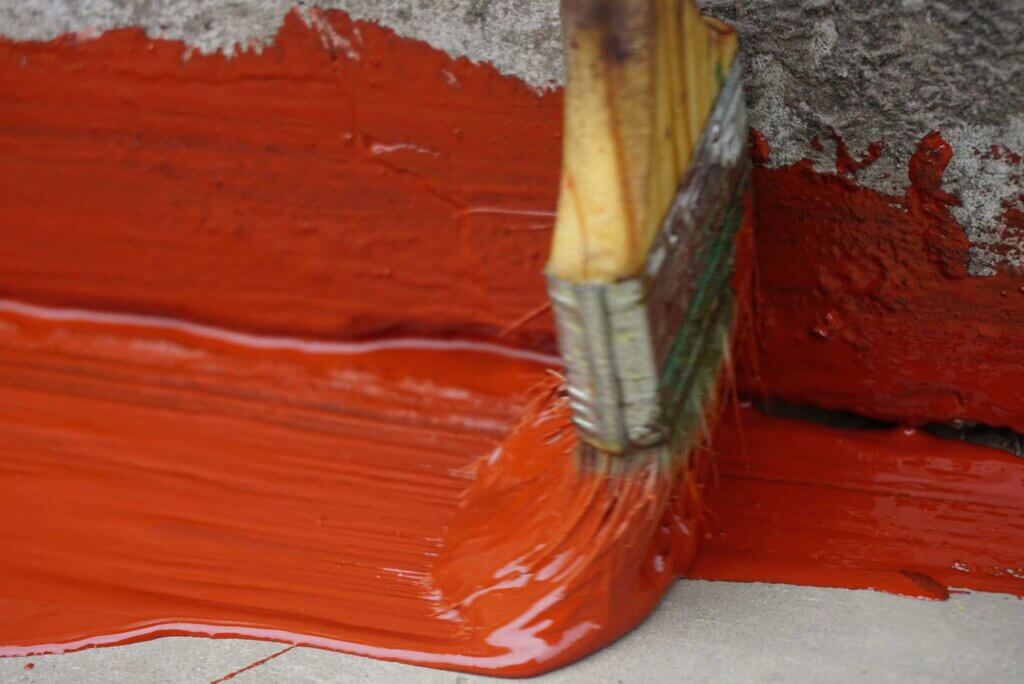
These areas require reinforcement fabric or additional coating layers.
Drain Outlets and Pipe Penetrations
Waterproofing failures often begin around:
- Roof drains
- Air conditioning bases
- Vent pipes
- Expansion joints
Improper detailing causes water infiltration even when the main roof area remains intact.
Poor Overlap and Transition Work
Inconsistent overlaps between coating sections create weak points that eventually leak.
Common Problem #5 – Short Waterproofing Lifespan
Low-Quality Polyurethane Materials
Not all polyurethane coatings offer the same performance.
Low-grade products may suffer from:
- Poor elasticity
- Weak UV resistance
- Short service life
Continuous Ponding Water
Standing water significantly increases waterproofing stress.
Poor roof drainage leads to:
- Accelerated aging
- Hydrostatic pressure buildup
- Membrane softening
Lack of Maintenance
Many roofs receive no inspection after installation.
Small defects gradually expand into major failures.
Climate-Related Problems in Polyurethane Roof Waterproofing
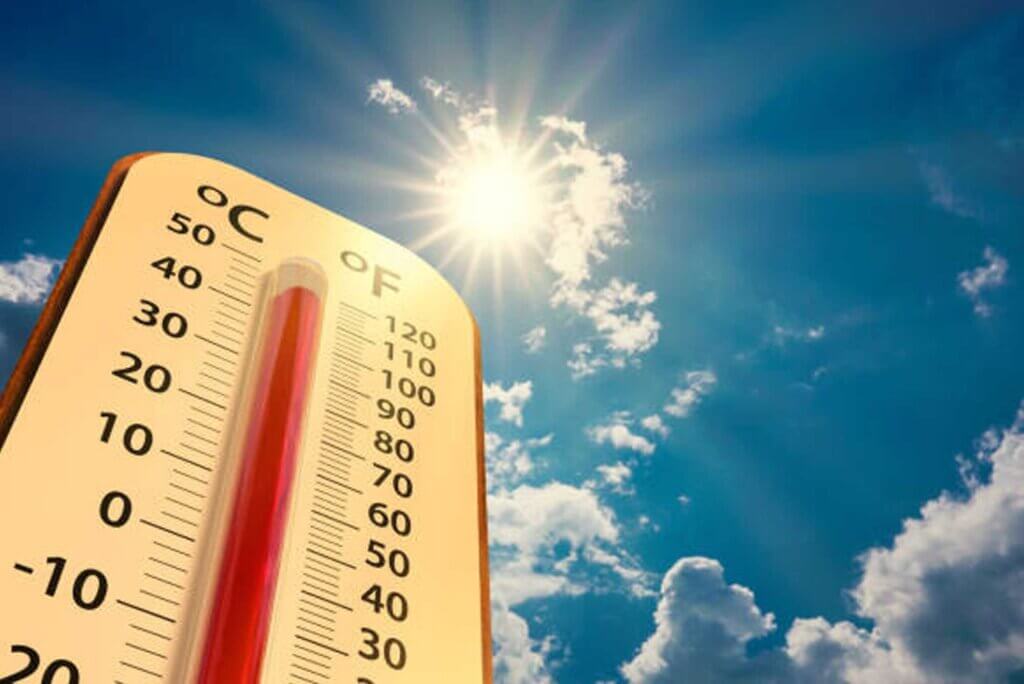
High-Temperature Middle East Climate
Main challenges:
- Extreme UV exposure
- Surface temperatures above 70°C
- Rapid thermal cycling
Recommended solution: UV-resistant polyurethane systems combined with protective topcoats.
Southeast Asian Humid Climate
Main Challenges:
- High humidity
- Frequent rainfall
- Slow curing conditions
Recommended Solution:
Moisture-tolerant primer systems and controlled curing schedules.
Cold Climate Freeze-Thaw Conditions
Main Challenges:
- Expansion of trapped moisture
- Freeze-thaw crack propagation
Recommended Solution:
Highly elastic waterproof coating systems.
Why Polyurethane Waterproofing Needs a Protective Layer?
Waterproofing Layer Alone Is Not Enough
One of the biggest misconceptions in roof waterproofing is assuming the exposed polyurethane layer alone can provide maximum lifespan.
In reality, long-term exposure to:
- UV radiation
- Foot traffic
- Mechanical wear
- Ponding water
gradually damages the waterproof membrane.
Protective Layer Significantly Extends Roof Lifespan
Professional roofing projects often include:
- Tile protection layers
- Cement mortar protection screeds
- UV-resistant topcoats
- Reflective protective coatings
This system-based approach dramatically improves durability.
Common Protective Layer Systems for Polyurethane Roof Waterproofing
| System | Advantages | Common Applications |
| Tile Protection Layer | UV protection, reduces mechanical damage, improves aesthetics, extends lifespan | Residential and commercial rooftops |
| Cement Mortar Protection Layer | Distributes mechanical load, impact protection, improves stability | Industrial roofs, commercial projects |
| UV-Resistant Protective Topcoat | Prevents UV degradation, enhances weather resistance, reduces heat absorption | Middle East climates, exposed roofs |
Can Polyurethane Roof Waterproofing Last More Than 20 Years?
Yes – If Properly Designed and Protected
When installed correctly with:
- Proper substrate preparation
- Correct coating thickness
- Reinforced details
- Protective top layer
polyurethane waterproofing systems can achieve:
- 15–20+ years lifespan
and sometimes even longer.
Why Protection Layers Make Such a Big Difference?
Protective layers reduce:
- UV aging
- Thermal stress
- Mechanical abrasion
- Water pressure impact
As a result, the polyurethane membrane maintains elasticity and waterproof performance for much longer.
Common Reason Why Roof Waterproofing Fails Too Early
Failure Is Often System-Related, Not Material-Related
Many roofs fail within 5–8 years because:
- No protective layer was installed
- Drainage system was poor
- Surface preparation was inadequate
- Maintenance was neglected
The problem is often incomplete system design—not necessarily poor polyurethane quality.
How to Prevent Polyurethane Roof Waterproofing Failure?
Strict Moisture Control
Always ensure substrate moisture levels meet application standards.
Use Multi-Layer Application
Avoid thick single-layer applications.
Reinforce Critical Details
Strengthen:
- Corners
- Drains
- Pipe penetrations
- Expansion joints
Add Protective Layers
Protective systems are critical for long-term roof waterproofing durability.
Choose High-Quality Polyurethane Waterproof Coating
Premium materials provide:
- Better elasticity
- Higher UV resistance
- Longer service life
YURU Waterproof Polyurethane Roofing Solutions
Complete Roof Waterproofing Systems
YURU Waterproof provides:
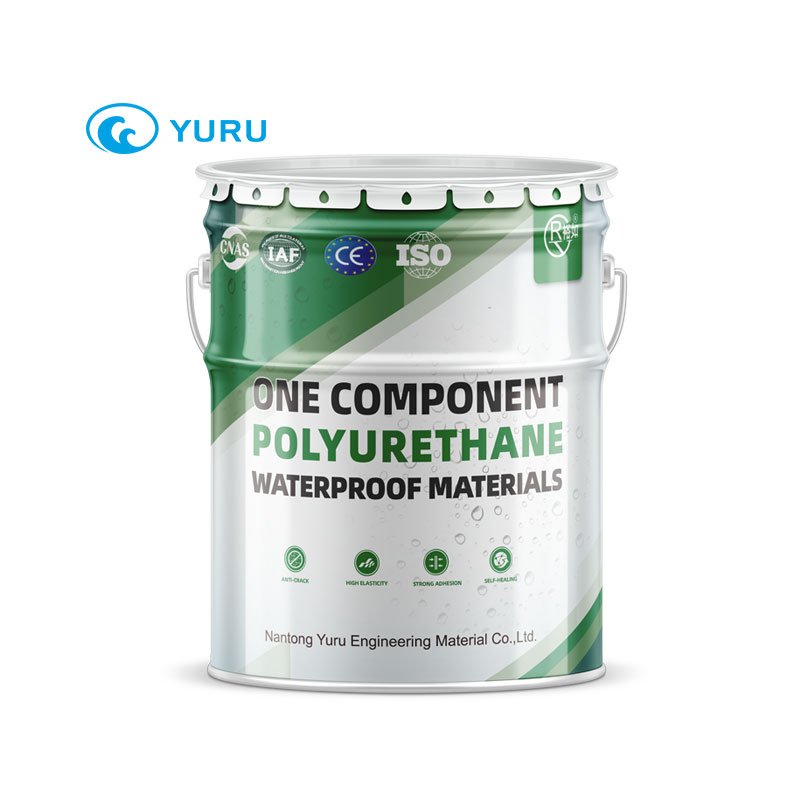
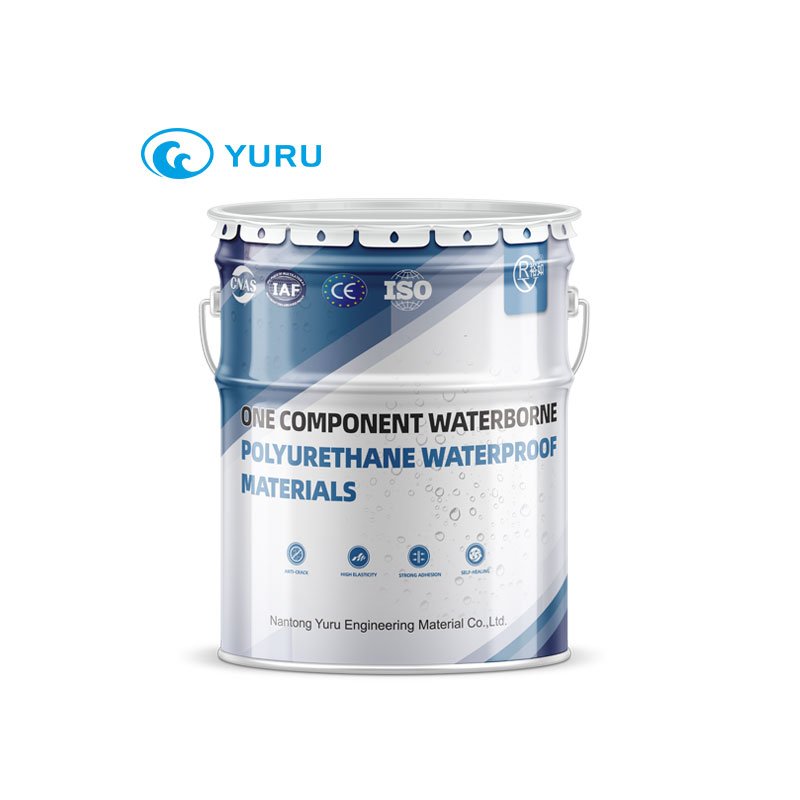
- Single-component PU waterproof coating
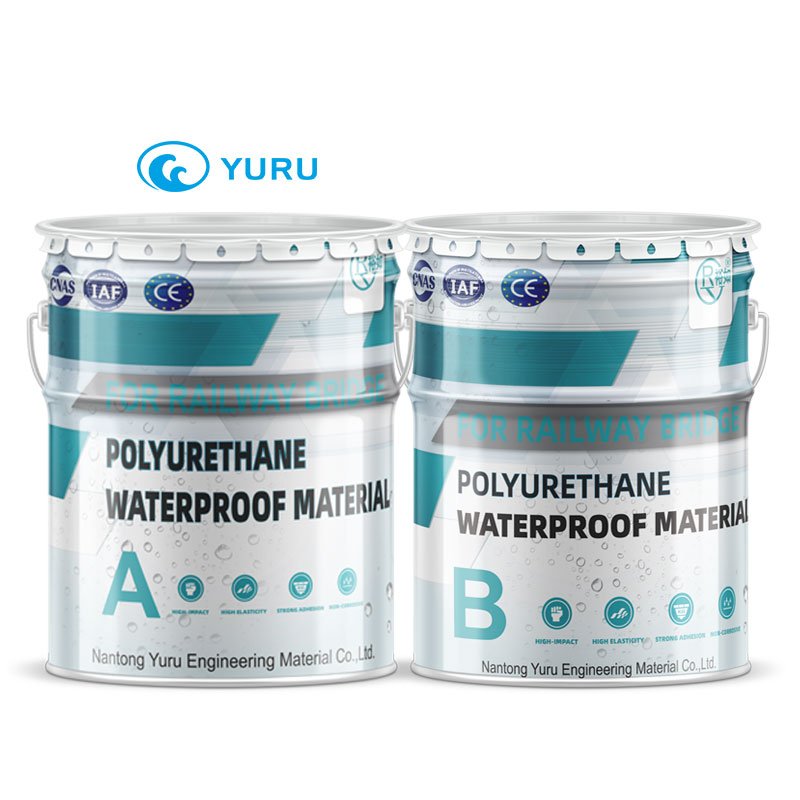
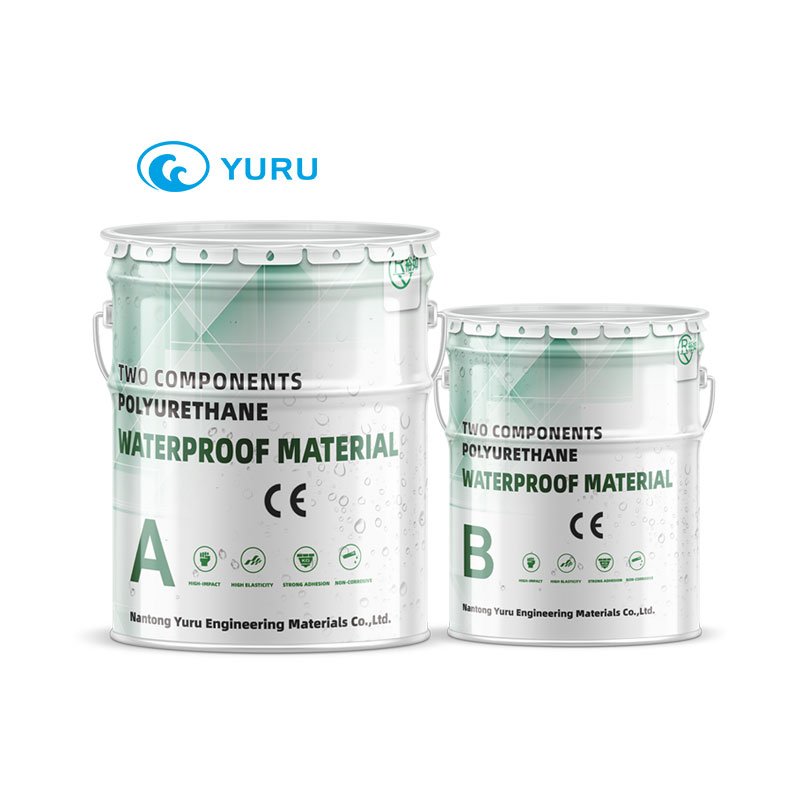
- Two-component polyurethane systems
- UV-resistant topcoats
- Waterproof protection systems
Designed for Harsh Climate Conditions
Our systems are widely used in:
- Middle East high-temperature regions
- Tropical humid climates
- Industrial roofing projects
Professional Technical Support
We support contractors and distributors with:
- Application guidance
- OEM/ODM services
- Customized waterproofing solutions
FAQs:
1. What causes bubbling in polyurethane waterproof coating?
High substrate moisture and trapped vapor are the main causes.
2. Why does polyurethane roof coating crack?
Excessive thickness, UV exposure, and structural movement are common reasons.
3. Why is a protective layer important in roof waterproofing?
It protects the membrane from UV, mechanical damage, and weather aging.
Conclusion:
Polyurethane roof waterproofing failures are common – but most aren’t the material’s fault. They come from improper application, lack of system protection, or poor planning.
The most successful roof waterproofing systems combine four things:
- High-quality polyurethane coating
- Proper application techniques
- Reinforced detailing
- Long-term protective layers
This complete approach significantly extends waterproofing lifespan and reduces future maintenance costs.
Looking for Durable Polyurethane Roof Waterproofing Solutions?
Contact YURU Waterproof today for technical consultation, product recommendations, and customized waterproofing solutions.
YURU Product solutions