Does Polyurea Bond to Concrete?
Introduction
Polyurea is rapidly becoming a popular choice in the construction industry due to its outstanding bonding capabilities, durability, and resistance properties. One of the most frequently asked questions in this industry is whether polyurea bonds to concrete, especially in projects involving waterproofing, structural repairs, or floor coatings.
In this article, we will explore the properties of polyurea, how it bonds with concrete, its application in various industries, and the advantages it offers for concrete protection.
Table of Contents:
- What is Polyurea and How Does It Work?
- How Does Polyurea Bond to Concrete?
- Benefits of Using Polyurea for Concrete Bonding
- Applications of Polyurea in Concrete Projects
- Waterproofing
- Structural Repairs
- Flooring and Coatings
- Challenges and Considerations when Using Polyurea on Concrete
- Real-World Use Cases: Polyurea Bonding in Concrete Projects
- Conclusion: Why Choose Polyurea for Concrete Bonding?


1. What is Polyurea and How Does It Work?
Polyurea is a type of polymer that is created through the reaction of isocyanates and amines, forming a durable, flexible coating material. It is often used for waterproofing, surface coatings, and structural repairs because of its exceptional chemical resistance, flexibility, and abrasion resistance.
When it comes to concrete, polyurea serves as a strong, reliable adhesive for creating high-performance surfaces and protective layers.
2. How Does Polyurea Bond to Concrete?
The ability of polyurea to bond with concrete is one of its strongest advantages. The chemical reaction that occurs when polyurea is applied to concrete forms a durable, strong bond. Here’s why it works so effectively:
- Surface Preparation: The concrete surface must be clean and free from dust, debris, oils, or contaminants that could interfere with the bonding process. Proper surface preparation is key to achieving a strong bond.
- Chemical Reaction: Once polyurea is applied, it chemically reacts with the concrete’s surface. This reaction creates a tight bond between the polyurea molecules and the concrete, making it suitable for applications requiring high adhesion strength.
- Flexibility: Unlike other coatings, polyurea remains flexible even after curing. This flexibility allows it to accommodate minor shifts and movements in the concrete without compromising the bond.
3. Benefits of Using Polyurea for Concrete Bonding
Polyurea’s ability to bond effectively with concrete offers several notable benefits, making it a top choice for industrial and commercial applications. These include:
Durability
Polyurea is known for its long-lasting durability. Its resistance to abrasions, UV radiation, chemicals, and extreme weather conditions makes it a preferred solution for concrete waterproofing and structural repairs.
Flexibility and Expansion Resistance
Polyurea maintains its flexibility even under temperature variations. This characteristic is critical in concrete structures, which often expand and contract with changes in environmental conditions. Polyurea ensures that the bonding remains intact even during these fluctuations.
Waterproofing Properties
Polyurea is inherently waterproof, making it an excellent choice for applications involving concrete surfaces exposed to moisture, such as basements, tunnels, and outdoor structures.
Chemical Resistance
Polyurea provides outstanding resistance to corrosive substances, making it ideal for environments where concrete might be exposed to harsh chemicals or industrial solvents.
4. Applications of Polyurea in Concrete Projects
Polyurea’s versatility makes it useful in a wide range of concrete applications. Below are some key areas where polyurea’s bonding properties shine:
Waterproofing
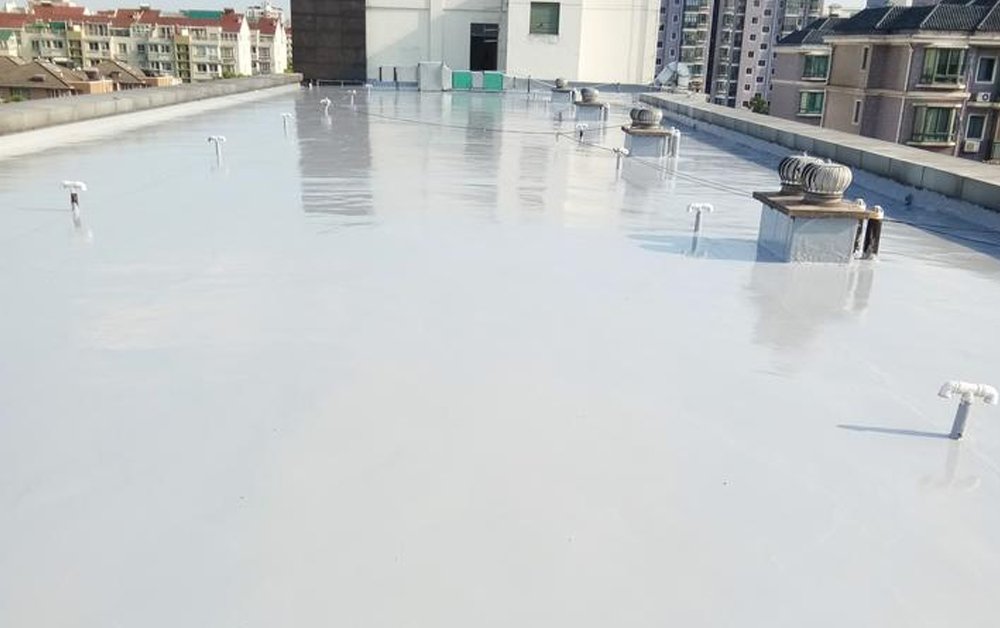
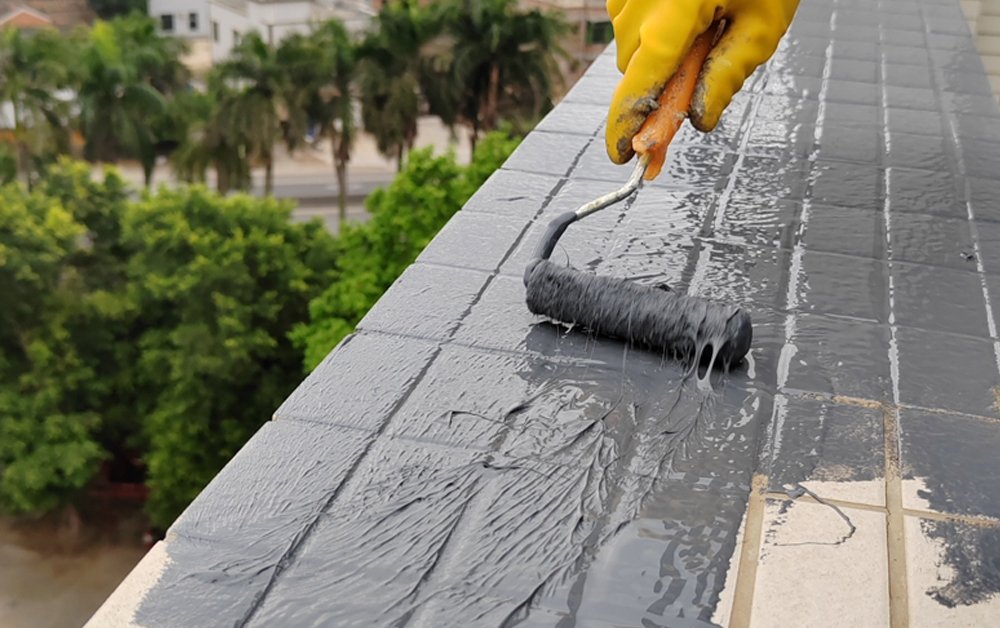
Polyurea is often used as a waterproofing solution for concrete. It forms a seamless, impermeable barrier, preventing water infiltration in structures like underground foundations, roofs, and tanks. The ability to bond securely with concrete enhances its waterproofing capability, offering long-term protection from water damage.
Structural Repairs
Concrete structures often develop cracks, voids, or weaknesses over time. Polyurea can be injected into these cracks to bond with the concrete, effectively sealing and reinforcing the structure. The quick-curing nature of polyurea is especially valuable in emergency repairs or when time is a critical factor.
Flooring and Coatings
Polyurea is a great choice for floor coatings in industrial and commercial settings. When applied to concrete floors, it provides a highly durable surface that is resistant to abrasions, chemicals, and extreme conditions. The ability to bond with concrete ensures that the coating remains intact even in high-traffic areas.
5. Challenges and Considerations when Using Polyurea on Concrete
While polyurea offers numerous benefits, there are a few considerations to keep in mind when using it for concrete bonding:
Surface Preparation is Key
Proper surface preparation is critical to ensure a strong bond. Concrete surfaces should be cleaned, roughened, and primed as needed to promote better adhesion.
Temperature Sensitivity
Polyurea cures quickly, but ambient temperature can affect its curing process. For optimal results, the application should be performed at recommended temperatures (typically between 50°F and 90°F).
Initial Cost
The initial cost of polyurea may be higher than some other coatings or sealants. However, its long-term durability, reduced maintenance costs, and quick curing times provide significant value.
6. Real-World Use Cases: Polyurea Bonding in Concrete Projects
Here are a few examples of how polyurea bonding has been successfully applied in real-world concrete projects:
- Bridge Deck Waterproofing: Polyurea has been used to seal concrete bridge decks, providing long-lasting protection from water damage and corrosion.
- Parking Garage Coatings: Polyurea has been applied to concrete parking structures, creating a durable, waterproof surface that can withstand the heavy load and exposure to harsh chemicals.
- Underground Foundations: In underground concrete foundations, polyurea serves as a waterproof barrier, preventing water seepage and structural weakening over time.
7. Conclusion: Why Choose Polyurea for Concrete Bonding?
Polyurea‘s ability to bond to concrete effectively makes it an invaluable solution for various applications, including waterproofing, repairing cracks, and industrial coatings. With its rapid curing time, flexibility, and durability, polyurea stands out as one of the best materials for concrete protection.
For concrete projects requiring a high-strength bond and long-lasting protection, YURU Waterproof offers premium polyurea products and solutions, ensuring the highest level of performance and reliability.
FAQs
1. Can polyurea be used on all types of concrete?
Yes, polyurea can bond to most types of concrete surfaces, but proper surface preparation is essential for achieving the best results.
2. Is polyurea resistant to extreme temperatures?
Yes, polyurea maintains its performance across a wide range of temperatures, making it suitable for both hot and cold environments.
3. How does polyurea compare to other concrete coatings like epoxy?
Polyurea is superior to many other coatings in terms of durability, flexibility, and fast curing. While epoxy is often used for concrete coatings, polyurea offers faster application and better resistance to chemicals and temperature changes.
4. Can polyurea be applied in wet conditions?
Polyurea can be applied in damp or wet conditions, making it ideal for waterproofing projects and outdoor applications.

YURU Product solutions