Epoxy vs Polyurethane Injection: How to Choose the Right Crack Repair Method?
Introduction:
Cracks in concrete aren’t just a cosmetic problem. They’re a warning sign. Water coming through, the structure moving, materials getting tired.
If you ignore them, they get worse. If you fix them wrong, they come back.
Two of the most common repair methods are epoxy injection and polyurethane injection. Both work. But they serve completely different purposes.
This guide provides a practical comparison of epoxy vs polyurethane injection, helping you make informed decisions based on real project conditions.
Understanding Crack Formation in Concrete Structures
Before choosing a repair method, figure out why it’s there. Different causes need different fixes.
Structural Stress and Load Pressure
Concrete is under pressure:
- Static loads
- Dynamic loads
- Vibrations
Over time, this can lead to cracking.
Thermal Expansion and Contraction
Temperature changes also have an effect:
- Expand during heat
- Contract during cooling
That cycle weakens it over time.
Water Infiltration and Chemical Attack
Water is one of the most destructive factors:
- It penetrates micro-cracks
- Carries corrosive agents
- Accelerates reinforcement corrosion
Material Shrinkage During Curing
Improper curing can result in:
- Surface cracks
- Internal voids
What Is Epoxy Injection? (Structural Crack Repair Solution)
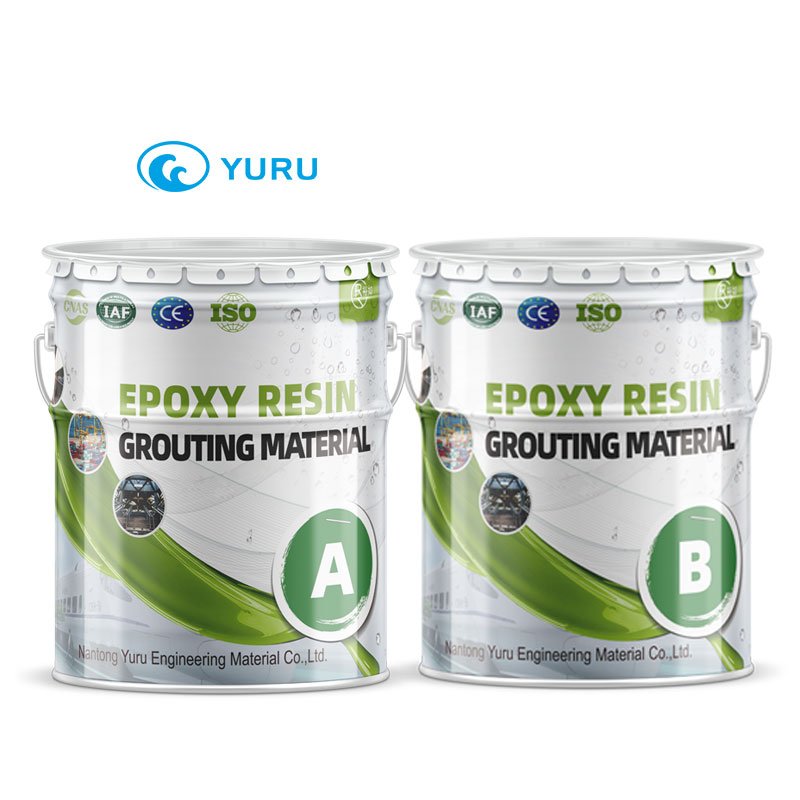
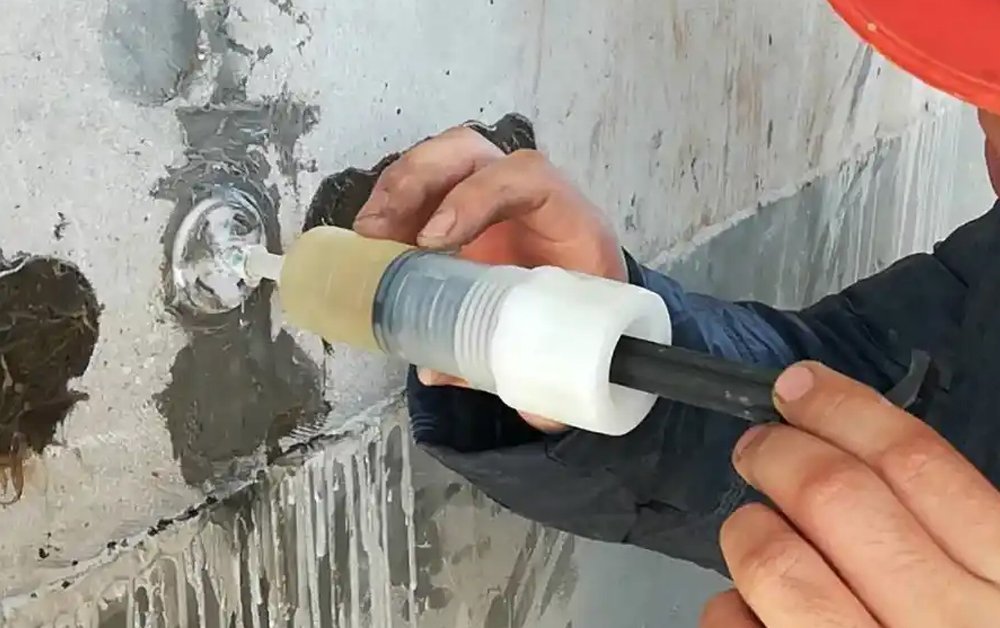
Epoxy injection is a high-strength repair method used primarily for restoring structural integrity.
Definition and Composition:
Epoxy injection involves:
- Two-component resin system
- High bonding strength
- Rigid curing after injection
Key Characteristics:
- Extremely high compressive strength
- Strong adhesion to concrete
- Rigid, non-flexible repair
Primary Purpose:
Epoxy is designed for:
- Structural restoration
- Load-bearing reinforcement
- Crack bonding
Typical Applications:
- Bridges
- Beams and columns
- Parking structures
- Industrial floors
What Is Polyurethane Injection? (Waterproofing & Leak Sealing Solution)
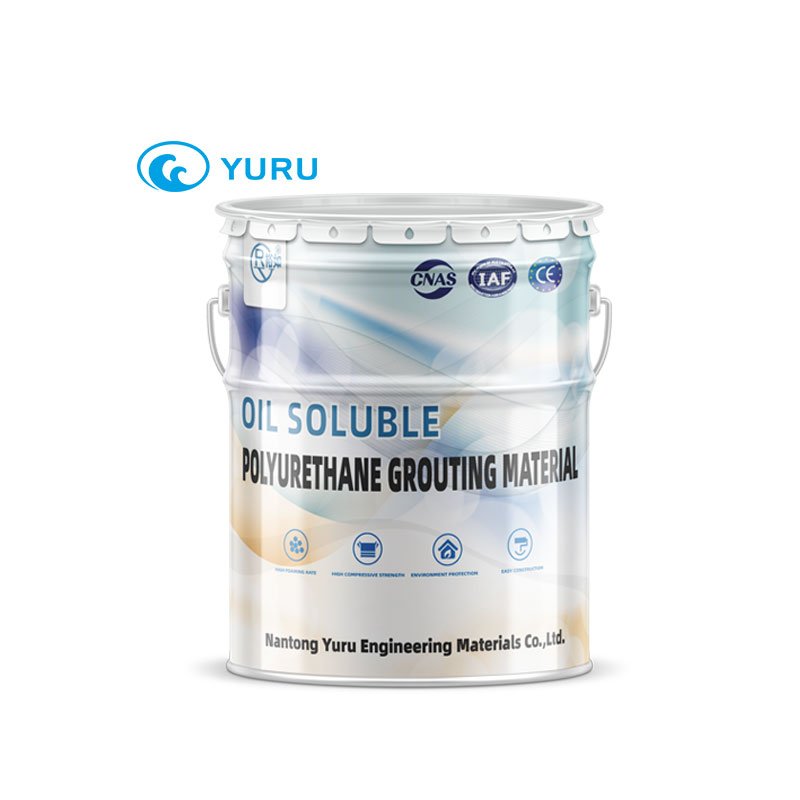
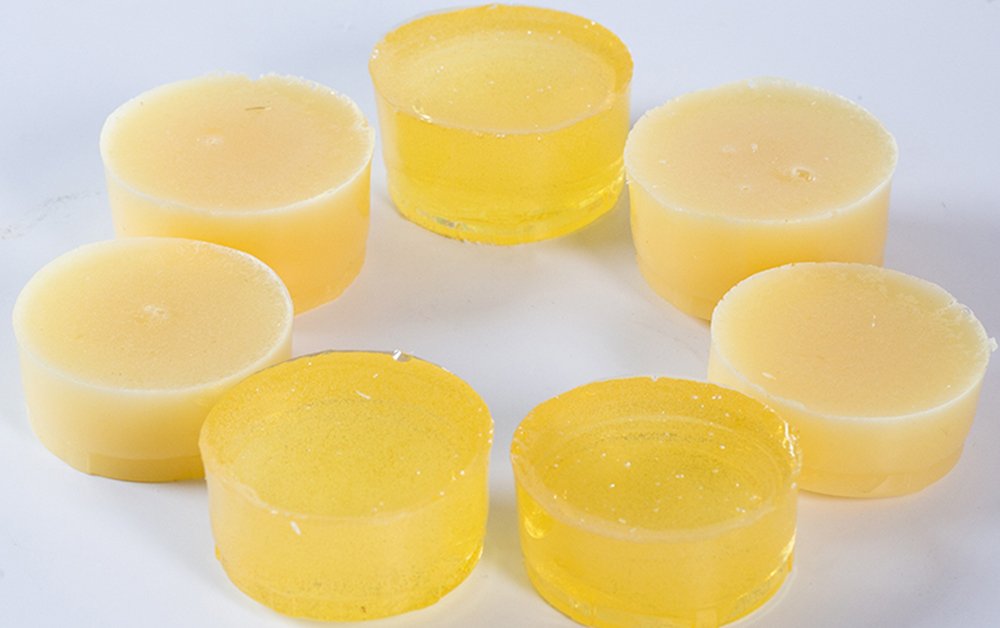
Polyurethane injection is a chemical grouting method designed to stop water leakage and seal active cracks.
Definition and Reaction Mechanism
Polyurethane reacts with:
- Water or moisture
- Chemical curing agents
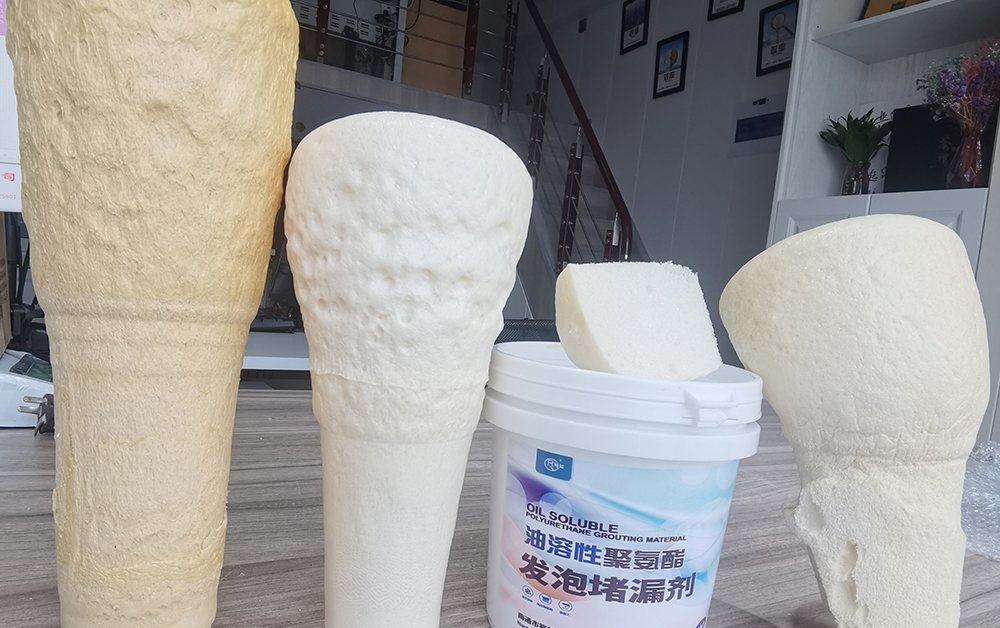
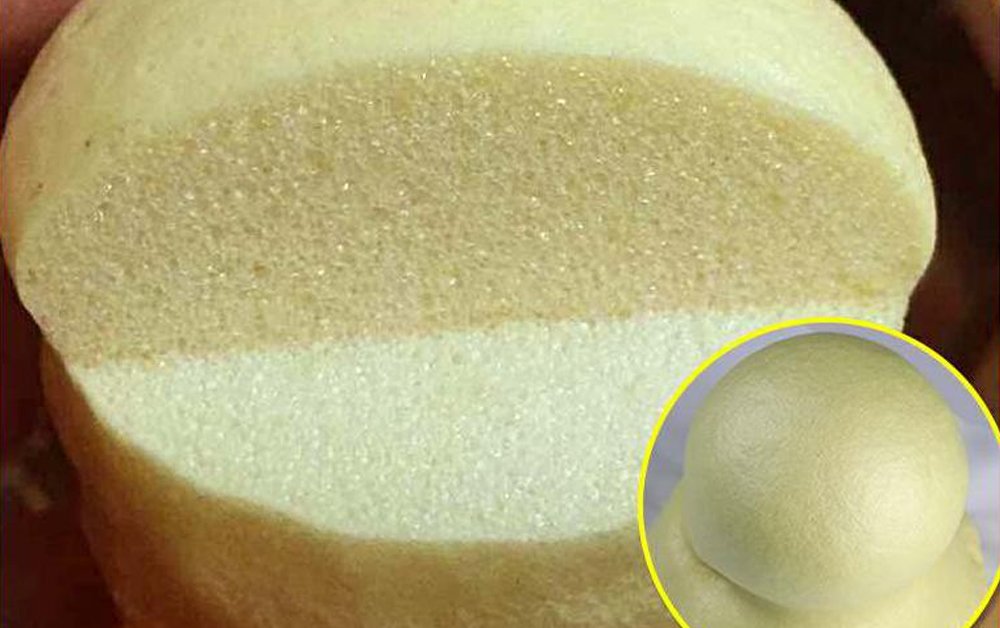
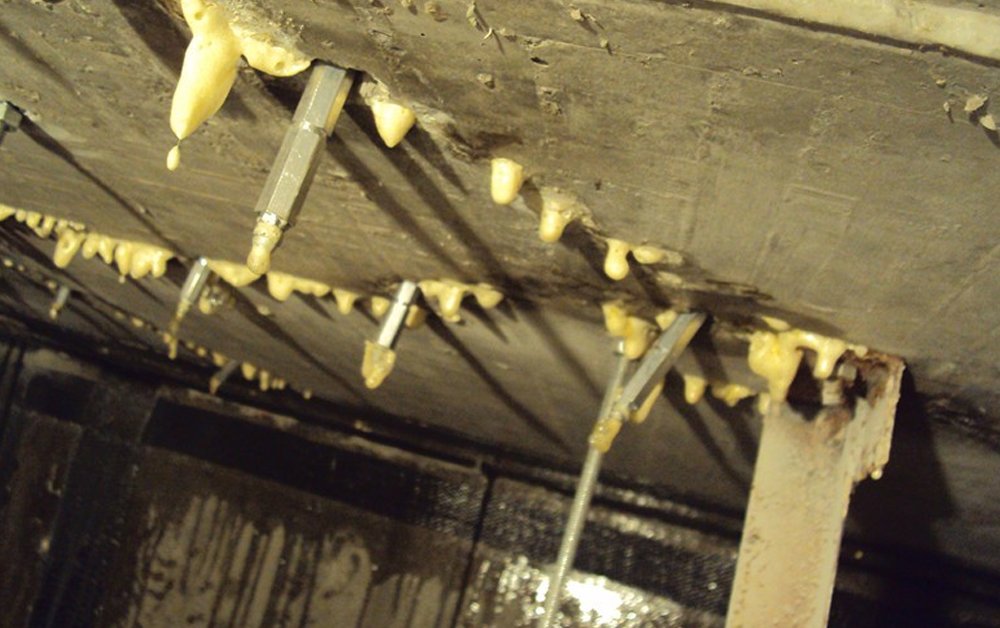
It expands and forms:
- Flexible foam
- Water-resistant barrier
Key Characteristics:
- Flexible after curing
- Excellent water stop capability
- Expands to fill voids
Primary Purpose:
Polyurethane is used for:
- Leak sealing
- Waterproofing
- Soil stabilization
Typical Applications:
- Basements
- Tunnels
- Subways
- Underground structures
Epoxy vs Polyurethane Injection: Core Differences Explained
Understanding the differences is essential for correct application.
Material Nature
Epoxy:
- Rigid material
- High structural strength
Polyurethane:
- Flexible material
- Expanding and sealing
Primary Function
Epoxy:
- Structural repair
Polyurethane:
- Waterproofing and leak control
Crack Condition Suitability
Epoxy injection:
- Dry cracks
- Stable structures
Polyurethane injection:
- Wet or leaking cracks
- Active water infiltration
Flexibility
Epoxy injection:
- No flexibility
- Brittle under movement
Polyurethane injection:
- High elasticity
- Adapts to movement
Durability
Epoxy:
- Long-term structural stability
Polyurethane:
- Long-term waterproof sealing
When to Use Epoxy Injection?
Epoxy injection is the right choice when the goal is structural restoration.
Ideal Conditions
- Dry cracks
- Non-moving structures
- Load-bearing components
Engineering Applications
- Concrete beams
- Columns
- Structural slabs
Why Epoxy Works Here:
Because it:
- Bonds cracked concrete
- Restores original strength
- Prevents further structural degradation
When to Use Polyurethane Injection?
Polyurethane injection is designed for water-related issues.
Ideal Conditions
- Active water leakage
- Wet environments
- Moving cracks
Engineering Applications
- Basement walls
- Tunnels
- Underground utilities
Why Polyurethane Works Here:
Because it:
- Expands to block water
- Seals irregular voids
- Maintains flexibility under pressure

Common Mistakes in Crack Repair Selection
Incorrect selection often leads to failure.
Using Epoxy for Wet Cracks
This leads to:
- Poor bonding
- Ongoing leakage
Using Polyurethane for Structural Strength
This results in:
- Weak load capacity
- Structural instability
Ignoring Crack Activity
Cracks should be classified as:
- Static
- Dynamic
Skipping Site Evaluation
Without proper diagnosis:
- Wrong material selection occurs
How Engineers Choose the Right Injection Method?
1. Crack Assessment
Evaluate:
- Crack width
- Depth
- Moisture condition
2. Structural Requirement Analysis
Determine whether:
- Strength restoration is needed
- Waterproofing is required
3. Environmental Conditions
Consider:
- Water presence
- Temperature
- Movement activity
4. Material Selection
Match:
- Epoxy → Structural repair
- Polyurethane → Waterproof sealing
Cost Comparison: Epoxy vs Polyurethane Injection
Epoxy Injection Cost Factors
- Higher material cost
- Requires dry conditions
- Precision application
Polyurethane Injection Cost Factors
- Lower material cost
- Faster application
- Suitable for emergency repairs
Long-Term Cost Perspective
Incorrect choice leads to:
- Rework
- Maintenance expenses
- Structural damage


Performance Comparison in Real Engineering Projects
| Comparison Dimensions | Epoxy Injection | Polyurethane Injection |
| Structural Stability | Excellent (high strength, rigidity) | Moderate (not suitable for structural repair) |
| Waterproofing Ability | Poor (requires drying conditions) | Excellent (expands upon contact with water) |
| Flexibility Under Movement | Low (rigidity, cracks upon displacement) | High (flexible, adapts to displacement) |
Industry Trend: Integrated Crack Repair Systems
Modern engineering increasingly uses combined approaches.
Hybrid Repair Systems
- Epoxy + Polyurethane combination
- Structural + waterproof dual protection
Smart Diagnostics
Use of:
- Crack monitoring sensors
- Digital inspection tools
YURU Waterproof: Professional Injection Material Manufacturer
Selecting the right material supplier is just as important as choosing the method.
YURU Waterproof specializes in:
- Polyurethane injection materials
- Epoxy repair systems
- Waterproof coating solutions
Why Choose YURU:
- Stable product formulation
- Strong R&D capability
- Engineering-grade quality control
- OEM/ODM customization support
Application Expertise:
- Tunnel engineering
- Basement waterproofing
- Infrastructure repair
- Municipal projects
FAQs:
1. What is epoxy injection used for?
It is used for structural crack repair and strengthening concrete.
2. What is polyurethane injection used for?
It is mainly used for waterproofing and leak sealing.
3. Can epoxy stop water leaks?
No, epoxy is not suitable for active water leakage.
4. Which is more flexible, epoxy or polyurethane?
Polyurethane is significantly more flexible.
5. Can both methods be used together?
Yes, in some projects hybrid systems are used.
Conclusion: Epoxy vs Polyurethane Injection
There is no universal answer. The correct method depends on the problem type.
Key Takeaways:
- Epoxy = structural strength repair
- Polyurethane = waterproof sealing
- Correct diagnosis is critical
Choosing the right method ensures:
- Longer structural lifespan
- Lower maintenance cost
- Higher safety performance
Looking for reliable injection materials for your crack repair projects?
YURU Waterproof provides high-performance epoxy and polyurethane systems designed for demanding engineering applications.
Contact YURU today for technical support and customized solutions.
YURU Product solutions