How to Choose an Epoxy Injection Resin Supplier for Contractors?
Introduction:
In the construction repair industry, choosing the right material is important. However, choosing the right supplier is often even more critical.
Contractors spend a lot of time comparing epoxy injection resin prices, specs, and delivery times. But long-term success depends on things beyond the resin itself — consistency, technical support, quality control, experience, and reliable supply.
Bridge decks, industrial floors, parking structures, water treatment plants, tunnels, commercial buildings — the supplier you choose affects structural performance, your profit, and client satisfaction.
This guide explains how professional contractors evaluate epoxy injection resin manufacturers and what to look for before buying.
Why Supplier Selection Matters More Than Many Contractors Realize?
At first glance, most epoxy injection products appear similar.
Manufacturers often advertise:
- High strength
- Low viscosity
- Superior bonding
- Excellent durability
However, experienced contractors understand that real-world project performance depends on much more than marketing claims.
A supplier might offer great pricing. But if their product consistency varies from batch to batch, the consequences can be serious.
Potential risks include:
- Incomplete crack penetration
- Uneven curing
- Poor adhesion
- Structural repair failure
- Costly rework
For infrastructure projects, such failures may create long-term liability concerns.
As a result, leading contractors typically evaluate suppliers as strategic partners rather than simple material vendors.
Understanding Epoxy Injection Resin and Its Applications
What Is Epoxy Injection Resin?
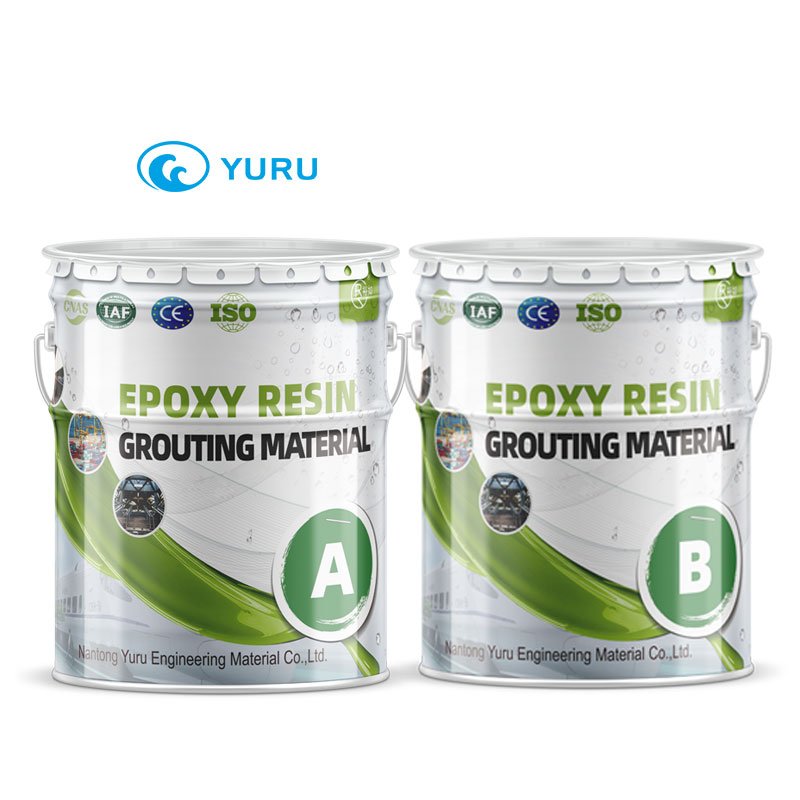
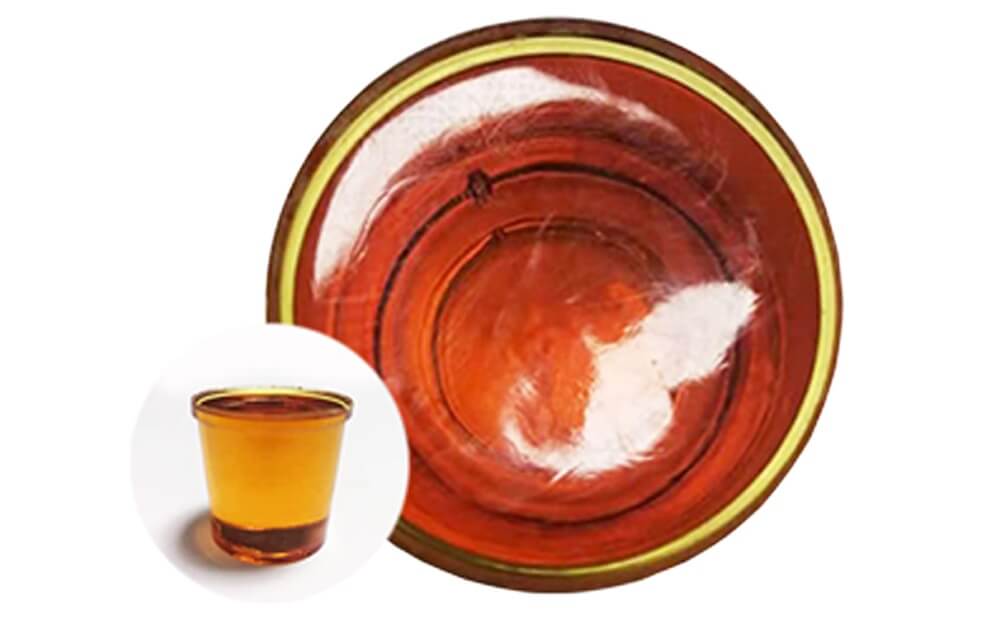
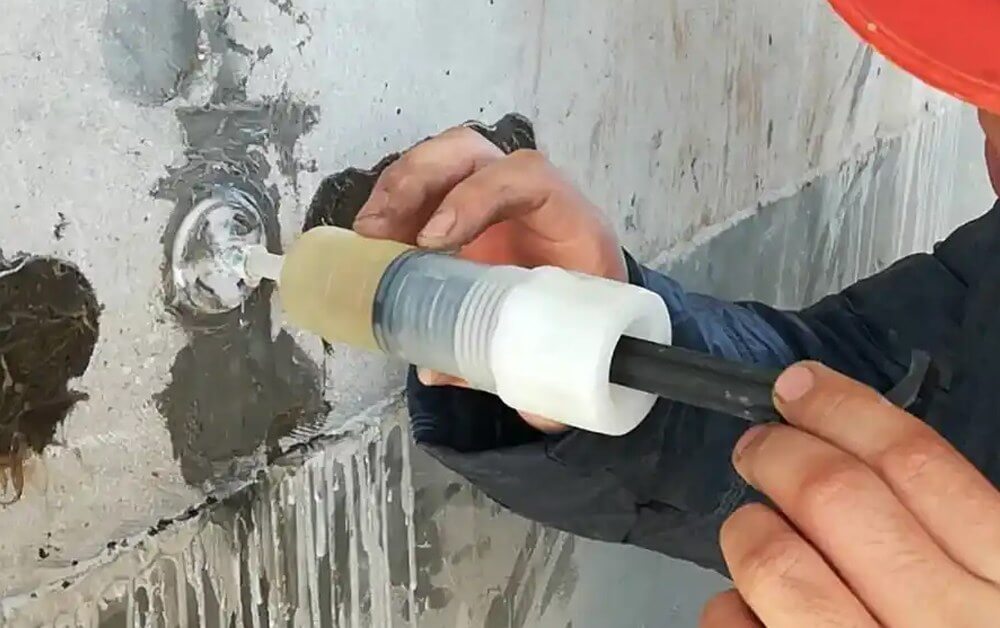
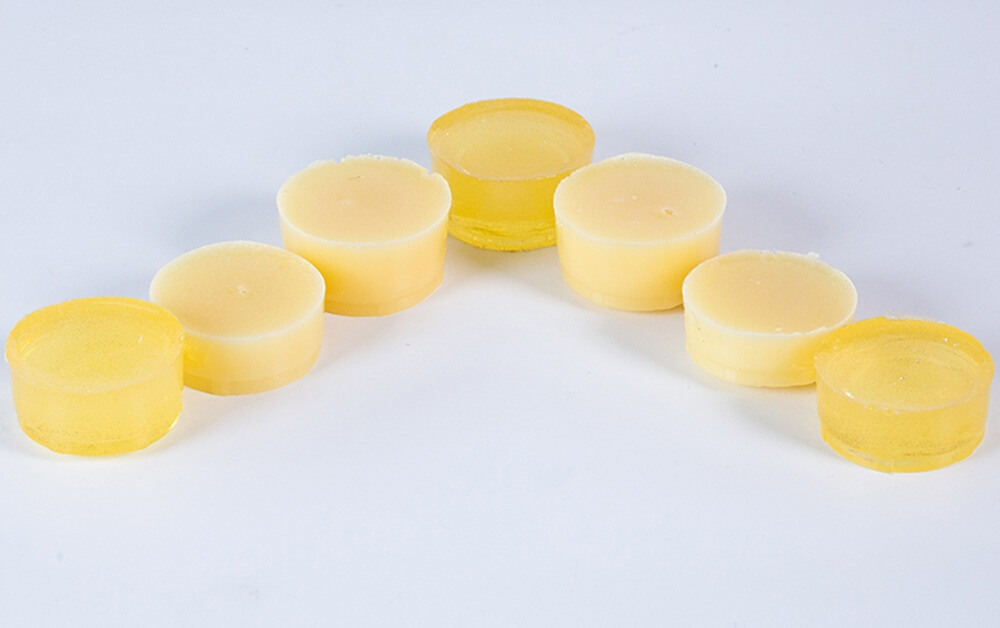
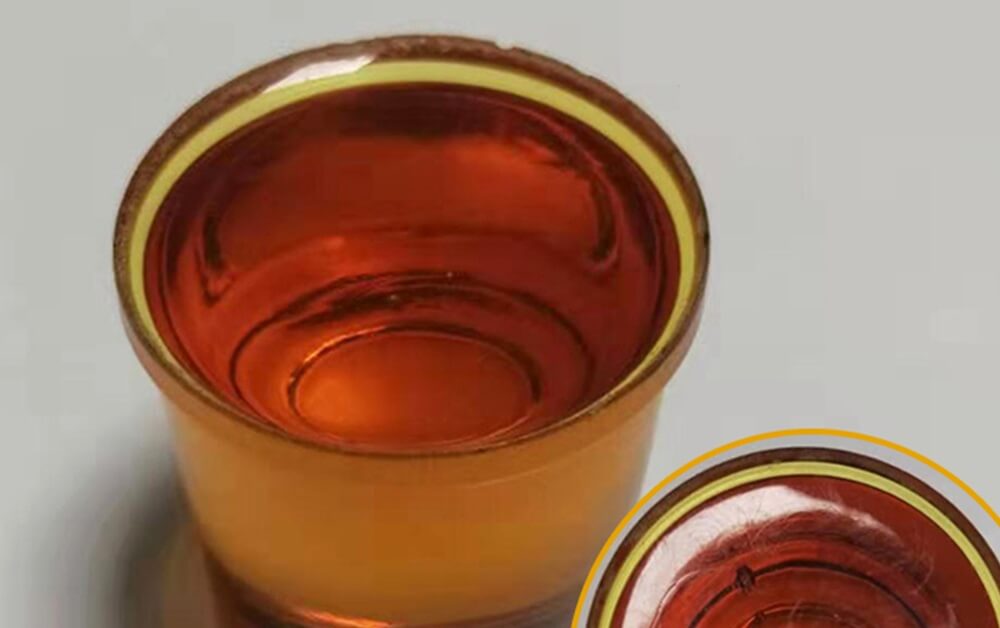
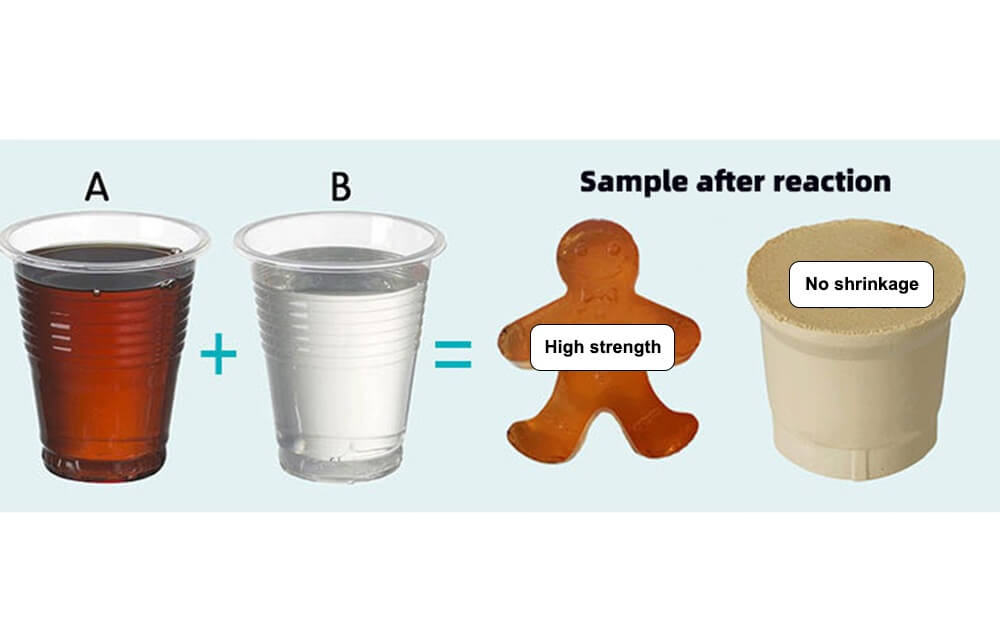
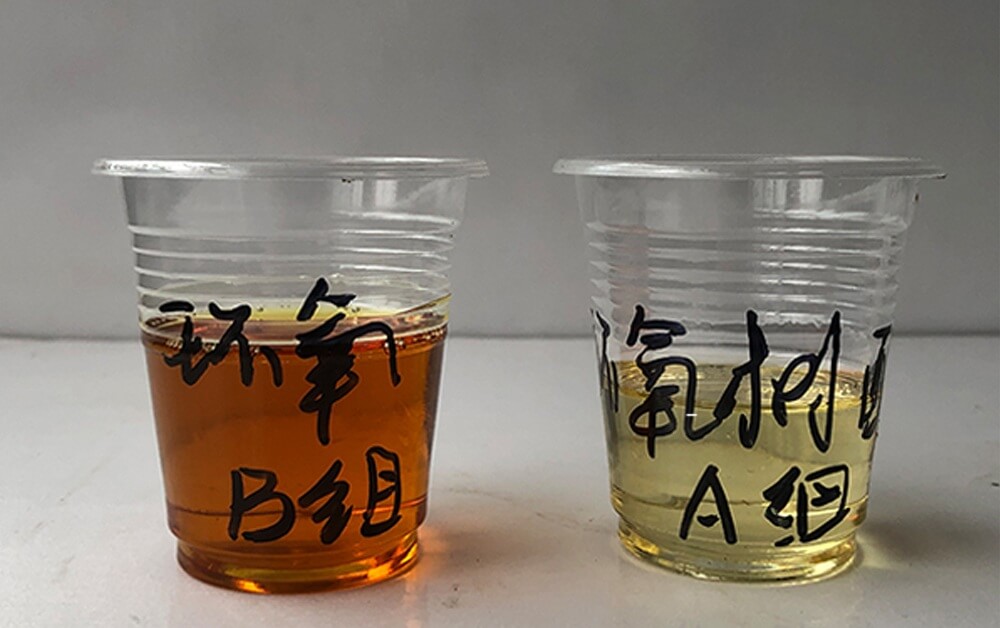
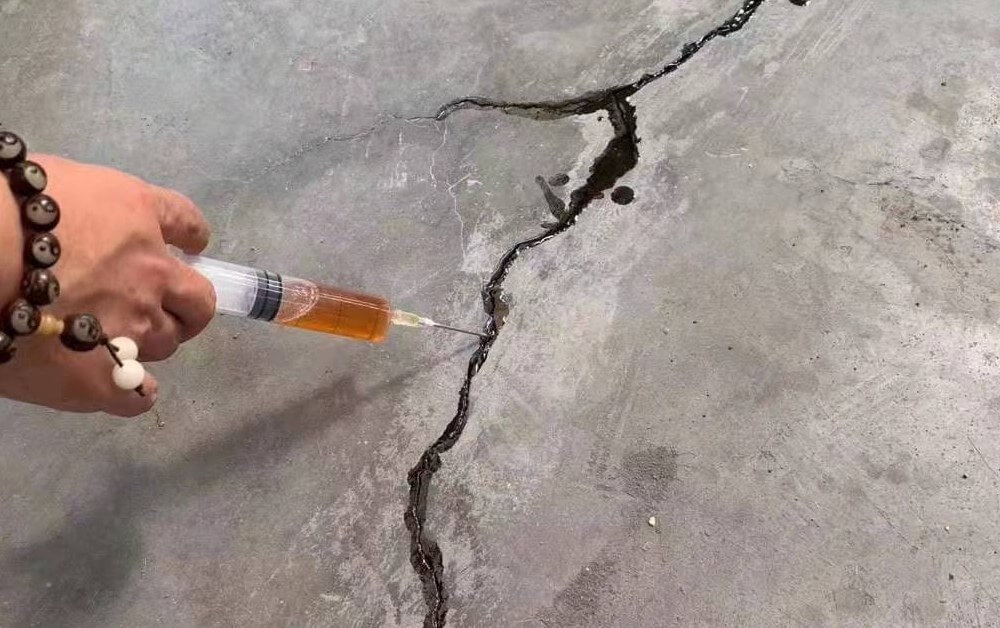
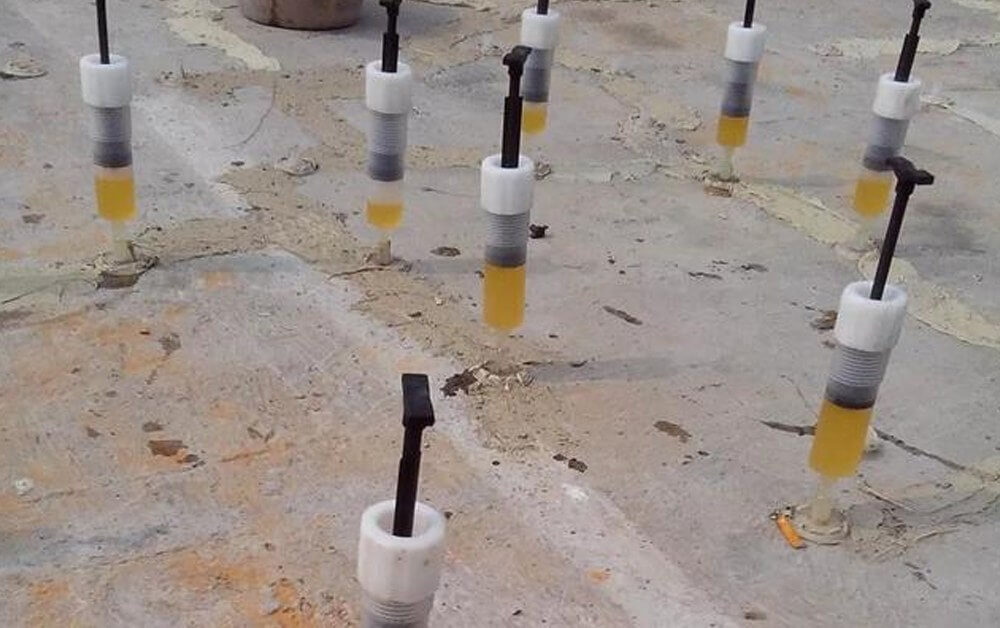
Epoxy injection resin is a two-component structural repair material. You inject it into cracked concrete, it cures, and it bonds the crack back together. It restores strength.
Here’s the key difference. Polyurethane injection grouts are for waterproofing and stopping leaks. Epoxy injection systems are for structural crack repair.
The goal isn’t just to stop water. The goal is to restore strength.
Common Applications
Epoxy crack injection is widely used in:
Bridge Repair Projects
Bridge decks and support structures often develop cracks due to:
- Traffic loading
- Thermal movement
- Shrinkage stress
Proper epoxy injection helps restore structural integrity.
Industrial Buildings
Manufacturing facilities frequently experience:
- Equipment vibration
- Heavy forklift traffic
- Dynamic loading
Epoxy injection stabilizes them before they get worse.
Commercial Structures
Office buildings, shopping centers, parking garages – renovation projects often require crack repair.
Water Treatment Facilities
Concrete tanks and treatment structures need repairs that can survive tough conditions.
Key Technical Properties Contractors Should Evaluate
Not all epoxy injection resins are the same. Here’s what professional contractors actually check.
Viscosity
Viscosity is about how well the resin flows into cracks. Low-viscosity epoxy is great for:
- Hairline cracks
- Fine structural cracks
- Deep crack penetration
However, extremely low viscosity may not always be ideal for wider cracks.
A qualified supplier should offer multiple formulations for different repair scenarios.
Bond Strength
The primary purpose of epoxy injection is structural restoration.
Therefore, bond strength is often the most important performance metric.
High-quality epoxy systems should create a bond stronger than the surrounding concrete.
When testing reports show cohesive concrete failure instead of adhesive failure, it usually indicates excellent bonding performance.
Compressive Strength
Infrastructure projects often require high compressive strength values.
Strong cured epoxy improves:
- Load transfer
- Structural stability
- Long-term durability
Tensile Strength
Concrete naturally performs poorly under tension.
Epoxy injection systems help restore tensile continuity across cracked sections.
Shrinkage Characteristics
Low shrinkage is critical. Too much shrinkage creates voids inside the repair. Those voids will cause problems later.
Evaluating Manufacturing Capability
Production Equipment
Professional manufacturers typically invest in:
- Automated batching systems
- Precision mixing equipment
- Advanced quality control laboratories
Automation improves consistency and reduces human error.
Raw Material Selection
The performance of epoxy injection resin begins with raw material quality.
Premium suppliers generally use:
- High-purity epoxy resins
- High-performance curing agents
- Specialized additives
Lower-cost manufacturers may substitute cheaper ingredients to reduce production costs.
This can negatively impact:
- Strength
- Durability
- Workability
Batch Consistency
Contractors often overlook batch consistency until problems arise.
Imagine repairing a large bridge using resin from multiple production lots.
If viscosity or cure speed changes between shipments, application quality may suffer.
Reliable manufacturers implement strict batch verification procedures to ensure uniform performance.
The Importance of Technical Documentation
Professional suppliers should provide comprehensive technical documentation.
Technical Data Sheets (TDS)
A detailed TDS should include:
- Viscosity
- Pot life
- Mixing ratio
- Tensile strength
- Compressive strength
- Bond strength
These values help engineers verify suitability.
Safety Data Sheets (SDS)
Safety compliance is increasingly important for international projects.
Proper SDS documentation demonstrates supplier professionalism.
Third-Party Testing Reports
Independent laboratory reports often provide additional confidence.
Look for testing based on recognized standards such as:
- ASTM
- EN
- ISO
Why Engineering Support Is a Major Competitive Advantage?
The best epoxy injection resin supplier does more than sell products.
They provide engineering support.
Crack Assessment Assistance
Different crack types require different repair strategies.
Common categories include:
Structural Cracks
Require strength restoration.
Non-Structural Cracks
May only require sealing.
Active Cracks
May continue moving after repair.
Selecting the wrong repair method can lead to premature failure.
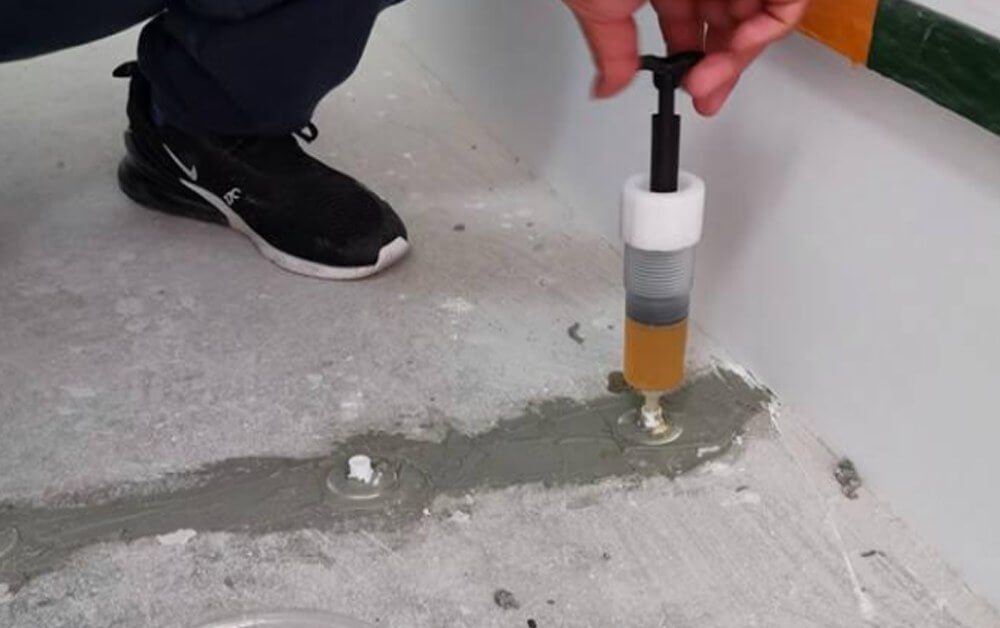
Injection Procedure Recommendations
Experienced suppliers can help contractors determine:
- Injection pressure
- Port spacing
- Resin selection
- Surface preparation
This reduces installation errors.
Troubleshooting Support
Unexpected site conditions frequently arise.
For example:
- Moisture contamination
- Low-temperature environments
- Deep crack networks
Technical support teams can help identify practical solutions quickly.
International Experience Matters
For overseas contractors and distributors, export capability is extremely important.
A supplier with international project experience generally understands:
- Shipping regulations
- Packaging standards
- Customs requirements
- Regional climate challenges
This reduces procurement risks.
Here’s a real example. Middle Eastern projects need materials that can handle extreme heat. Southeast Asian projects need humidity resistance. An experienced supplier knows the difference and can recommend the right product.
How to Evaluate Supplier Reputation?
Contractors should investigate a supplier’s track record before committing to large purchases.
Key indicators include:
- Years in business
- Infrastructure project references
- Client testimonials
- Repeat customer rates
- Export history
Long-term industry presence often indicates stability and reliability.
Common Mistakes Contractors Make When Selecting Suppliers
Choosing Based Only on Price
Low-cost products often create expensive problems later.
Material savings can quickly disappear through:
- Rework
- Delays
- Warranty claims
Ignoring Technical Support
Many contractors focus exclusively on product specifications.
However, project success often depends on application expertise.
Failing to Request Samples
Laboratory data is useful, but field testing is equally important.
Small-scale site trials can reveal performance characteristics before large purchases are made.
Why More Contractors Are Looking for One-Stop Structural Repair Suppliers?
Here’s what’s happening in construction. Project timelines are shorter. Quality requirements are higher.
Contractors don’t just want a supplier who sells one epoxy product anymore. Instead, they prefer manufacturers capable of delivering complete repair systems.
A comprehensive supplier can often provide:
- Epoxy injection resin
- Polyurethane injection grout
- Crack repair mortar
- Waterproof coatings
- Surface protection materials
- Technical support services
This integrated approach helps ensure compatibility between products and simplifies project management.
For large infrastructure projects, working with a single trusted supplier can significantly reduce procurement complexity.
Supplier Evaluation Checklist for Contractors
Product Quality Evaluation
Ask the supplier:
- What is the resin viscosity?
- What is the compressive strength?
- What is the bond strength?
- Does the product comply with ASTM or CE standards?
- Can testing reports be provided?
Manufacturing Evaluation
Important questions include:
- Does the factory have automated production equipment?
- How is batch consistency controlled?
- What is the annual production capacity?
- Are OEM services available?
Technical Support Evaluation
Ask whether the supplier provides:
- Project-specific recommendations
- Crack diagnosis assistance
- Injection procedure guidance
- Troubleshooting support
Supply Chain Evaluation
Contractors should confirm:
- Delivery lead times
- Export experience
- Packaging standards
- Inventory availability
Reliable supply is often just as important as product performance.
Real Project Examples
Case Study – Bridge Crack Rehabilitation Project
A transportation authority discovered multiple structural cracks in a concrete bridge deck. They needed a solution.
The repair objectives included:
- Restoring structural continuity
- Preventing crack propagation
- Extending service life
The contractor selected a low-viscosity epoxy injection system capable of penetrating cracks below 0.3 mm.
Results:
- Successful crack filling
- Improved load transfer
- Reduced future maintenance costs
This project highlights the importance of selecting a supplier capable of providing specialized formulations rather than generic products.
Comparing Different Types of Epoxy Injection Resin Suppliers
Trading Companies
Advantages:
- Competitive pricing
- Multiple product options
Limitations:
- Limited technical support
- No direct manufacturing control
- Less flexibility for customization
Small Local Manufacturers
Advantages:
- Faster communication
- Local market knowledge
Limitations:
- Limited production capacity
- Smaller R&D capabilities
Professional Manufacturing Factories
Advantages:
- Stable quality control
- Strong technical support
- OEM capabilities
- Large production capacity
- International project experience
For most contractors, factory-direct cooperation provides greater long-term value.
Why OEM and Private Label Capabilities Matter?
Many distributors and construction material brands are expanding their own product lines.
A supplier with OEM capability can help:
- Build a private label brand
- Customize packaging
- Develop unique formulations
- Strengthen market competitiveness
This creates additional opportunities for distributors and regional partners.
YURU Waterproof Epoxy Injection Resin Solutions
Comprehensive Structural Repair Product Portfolio
YURU Waterproof offers a complete range of repair materials including:
- Epoxy Injection Resin
- Polyurethane Injection Grout
- Water-Reactive PU Grout
- Crack Repair Systems
- Waterproof Coatings
This allows contractors to source multiple solutions from a single supplier.
Developed for Challenging Engineering Conditions
Our products are designed for use in:
- Bridges
- Tunnels
- Industrial Facilities
- Water Treatment Plants
- Commercial Structures
- Municipal Infrastructure
Each product is engineered to meet the demands of modern construction repair projects.
Global Support
YURU Waterproof supports:
- Contractors
- Distributors
- Engineering Companies
- Construction Material Brands
through:
- OEM Services
- Product Customization
- Technical Training
- Export Support
Our goal is to become a long-term partner rather than simply a material supplier.
FAQs:
1. What is epoxy injection resin used for?
Epoxy injection resin is primarily used to repair structural cracks in concrete and restore load-bearing capacity.
2. How do I choose an epoxy injection resin supplier?
Evaluate product quality, technical support, manufacturing capability, certifications, and project experience.
3. Is low-viscosity epoxy better?
Low-viscosity epoxy is generally preferred for fine crack penetration, but the ideal formulation depends on the project.
4. Does YURU Waterproof provide OEM services?
Yes. YURU Waterproof offers OEM and private label solutions for distributors and construction material brands.
Conclusion:
Choosing the right epoxy injection resin supplier is not simply about finding the lowest price. It’s about finding a reliable partner who’s got your back — from making the material to helping you apply it on site.
The best suppliers offer:
- Consistent product quality
- Engineering expertise
- Technical documentation
- Reliable delivery
- Long-term support
If you are looking for a trusted epoxy injection resin supplier for bridge repair, industrial structures, tunnels, commercial buildings, or infrastructure projects, YURU Waterproof is ready to help.
Our technical team can help you select the right structural repair solution for your requirements.
Contact YURU Waterproof today to request:
- Product Catalog
- Technical Data Sheets
- Free Samples
- OEM Solutions
- Engineering Consultation
and discover how professional epoxy injection systems can improve the performance and durability of your next project.
YURU Product solutions