How to Waterproof Roof in Hot Climate?
Introduction:
Waterproofing a roof in hot climates is not as simple as applying a standard coating. The rules are different. The materials are different. In regions such as the Middle East, Africa, and parts of Southeast Asia, the conditions are too harsh:
- Extreme heat (50°C+)
- Intense UV radiation
- Large temperature swings
These conditions accelerate aging, they cause cracking, they lead to leaks. They turn a “good” coating into a failed one in just a few years.
If you’re a contractor, engineer, or project owner working in hot climates, you need a different approach. You need materials and methods designed for the heat.
In this guide, we’ll explore practical strategies, material selection, application methods that hold up.
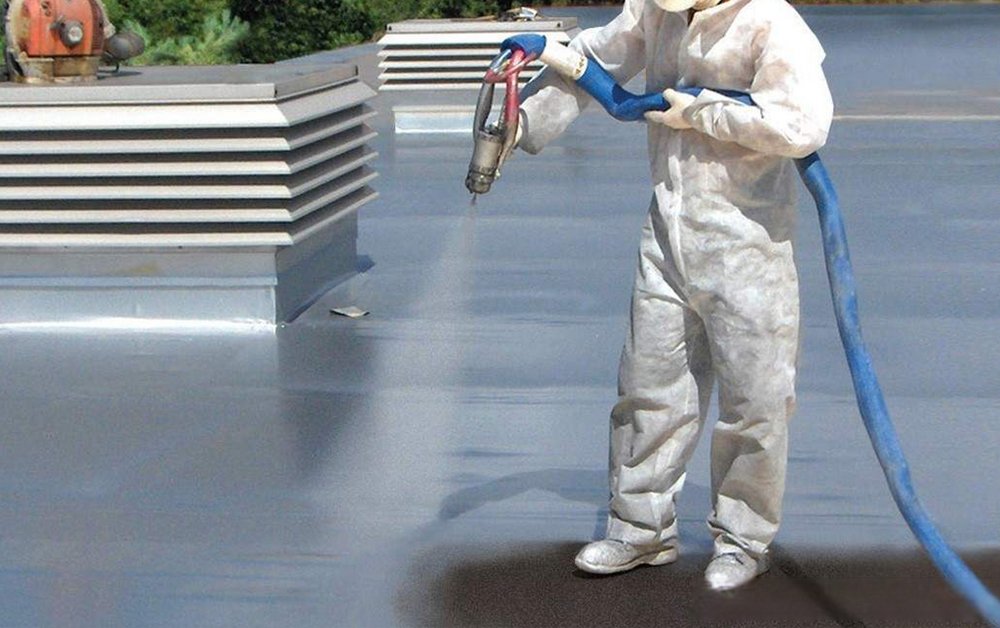
Challenges of Waterproofing Roofs in Hot Climates
Intense UV Radiation and Material Degradation
One of the biggest challenges is ultraviolet (UV) exposure. Prolonged sunlight breaks down the chemical structure of many waterproof coatings, causing:
- Surface chalking
- Loss of elasticity
- Cracking and peeling
Without UV-resistant materials, even high-quality coatings can fail within a few years.
Thermal Expansion and Contraction
In hot climates, roof temperatures can exceed 60°C during the day and drop significantly at night. This constant expansion and contraction leads to:
- Structural movement
- Joint separation
- Micro-cracks in coatings
Over time, these small defects become pathways for water infiltration.
High Surface Temperatures During Application
Applying coatings under extreme heat can result in:
- Rapid drying before proper bonding
- Poor film formation
- Reduced adhesion
This makes timing and technique critical during installation.
Best Waterproofing Materials for Hot Climate Roofs
Choosing the right material is the foundation of long-term performance.
Acrylic Reflective Waterproof Coatings
Key Advantages:
Acrylic coatings are widely used due to their:
- High solar reflectivity
- Ability to reduce roof temperature
- Environmentally friendly formulation
Suitable Applications:
They are ideal for:
- Commercial roofs
- Industrial buildings
- Warehouses
However, they may require periodic maintenance in extreme conditions.
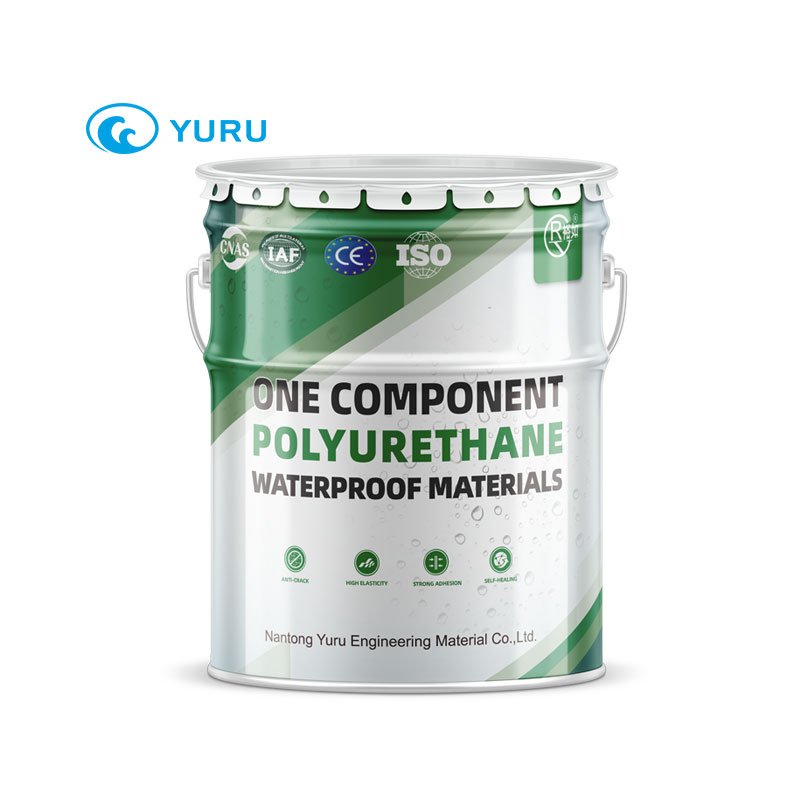
Polyurethane Waterproof Coatings
Performance Features:
Polyurethane coatings offer:
- Excellent elasticity
- Strong adhesion to concrete and metal
- Resistance to mechanical stress
Use Cases:
They are suitable for roofs with complex structures and frequent movement.
Silicone Waterproof Coatings
Why Silicone Stands Out:
Silicone coatings are among the best solutions for hot climates because they:
- Resist UV degradation
- Maintain flexibility over time
- Provide excellent water repellency
Ideal Environments:
- Desert regions
- Coastal areas with high humidity
- Long-term exposed roofs
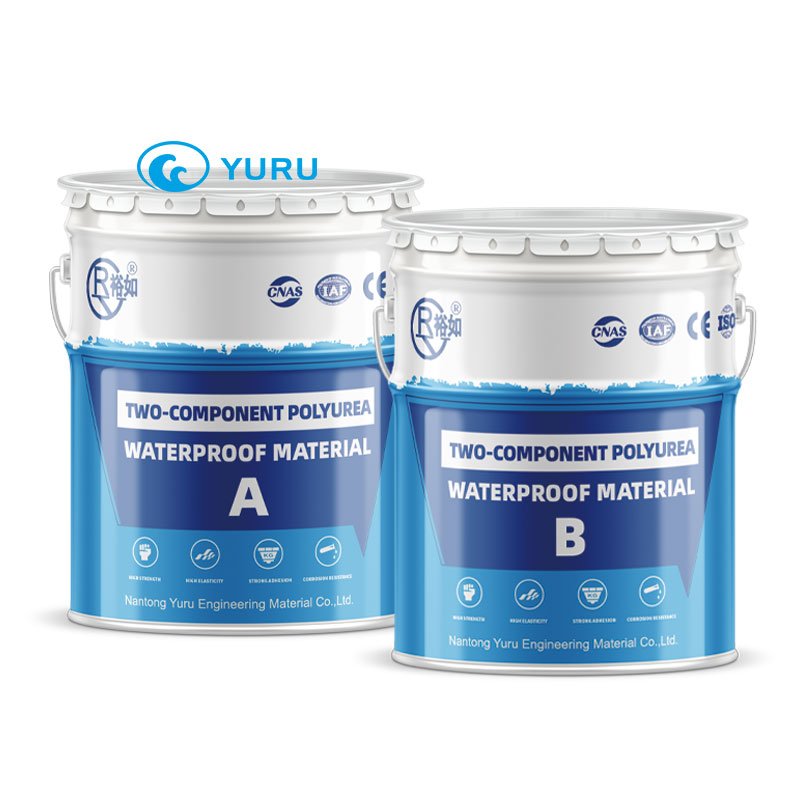
Polyurea Waterproof Coatings for High-Performance Projects
Key Benefits:
Polyurea coatings are known for:
- Fast curing
- High durability
- Resistance to extreme conditions
Application Scenarios:
Used in:
- Industrial plants
- Large infrastructure projects
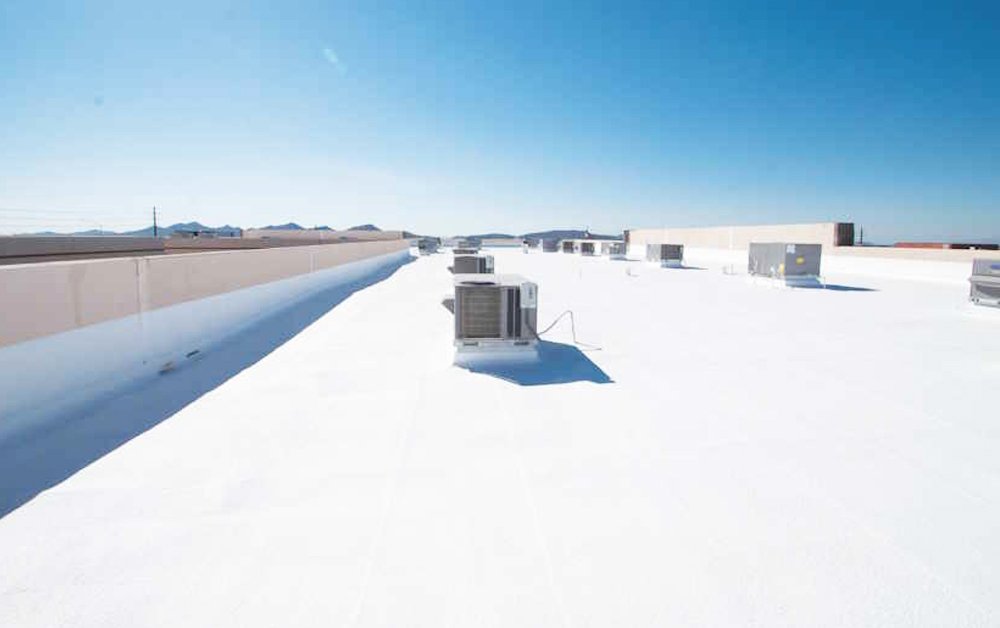
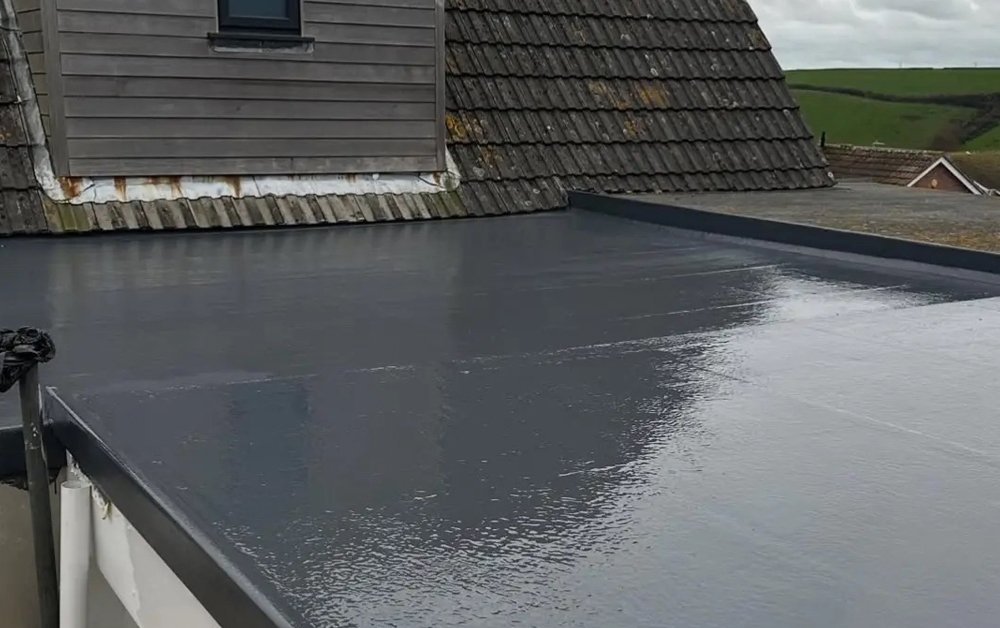
Pre-Application Preparation in Hot Climate Conditions
Controlling Substrate Moisture
Even in hot climates, moisture inside the substrate can cause problems. Before application:
- Check moisture content
- Ensure the surface is completely dry
Ignoring this step can lead to blistering.
Choosing the Right Application Time
Timing is critical:
- Avoid midday heat
- Apply coatings early morning or late afternoon
This ensures better curing and adhesion.
Step-by-Step Process to Waterproof Roof in Hot Climate
Step 1 – Surface Preparation
Cleaning and Repair:
- Remove dust, oil, and loose materials.
- Repair cracks and damaged areas.
A clean surface ensures proper bonding.
Step 2 – Treating Critical Details
Reinforcing Weak Points:
Focus on:
- Roof joints
- Drain outlets
- Pipe penetrations
Use sealants and reinforcement fabrics.
Step 3 – Primer Application
Enhancing Adhesion:
Primer improves bonding and reduces surface porosity.
Step 4 – Applying the Waterproof Coating
Multi-Layer Application:
Apply coatings in thin, even layers:
- Avoid thick single coats
- Ensure uniform coverage
Step 5 – Protective Top Layer
UV and Heat Protection:
Topcoats enhance:
- UV resistance
- Reflectivity
- Overall durability
Common Problems in Hot Climate Waterproofing and Solutions
Coating Cracking
- Cause: Low elasticity or thermal stress.
- Solution: Use flexible coatings like polyurethane.
Blistering and Bubbling
- Cause: Moisture trapped under coating.
- Solution: Ensure dry substrate and proper priming.
Rapid Aging
- Cause: UV exposure.
- Solution: Use silicone or UV-resistant coatings.

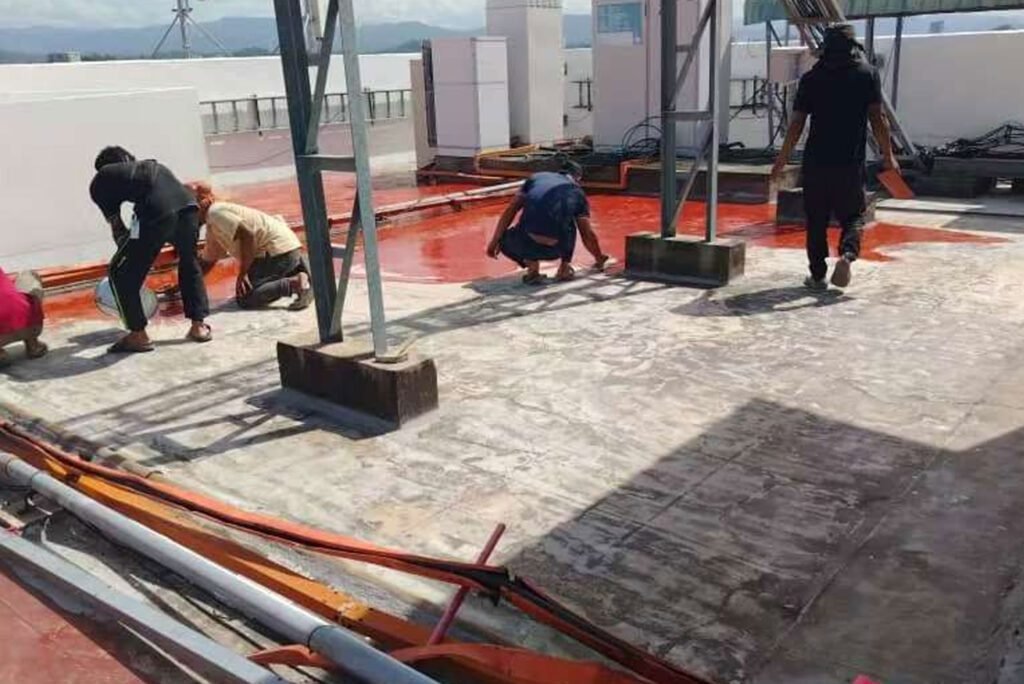
Real-World Case Study – Waterproofing in the Middle East
Project Overview:
A large warehouse in Saudi Arabia experienced recurring leaks due to extreme heat and aging waterproof layers.
Challenges Faced:
- Roof temperatures exceeding 65°C
- UV-induced degradation
- Multiple structural joints
Solution Applied:
A silicone-based reflective waterproof coating system was used:
- High UV resistance
- Seamless application
- Reinforced joints
Results Achieved:
- Significant reduction in roof temperature
- No leakage after 3+ years
- Lower maintenance costs
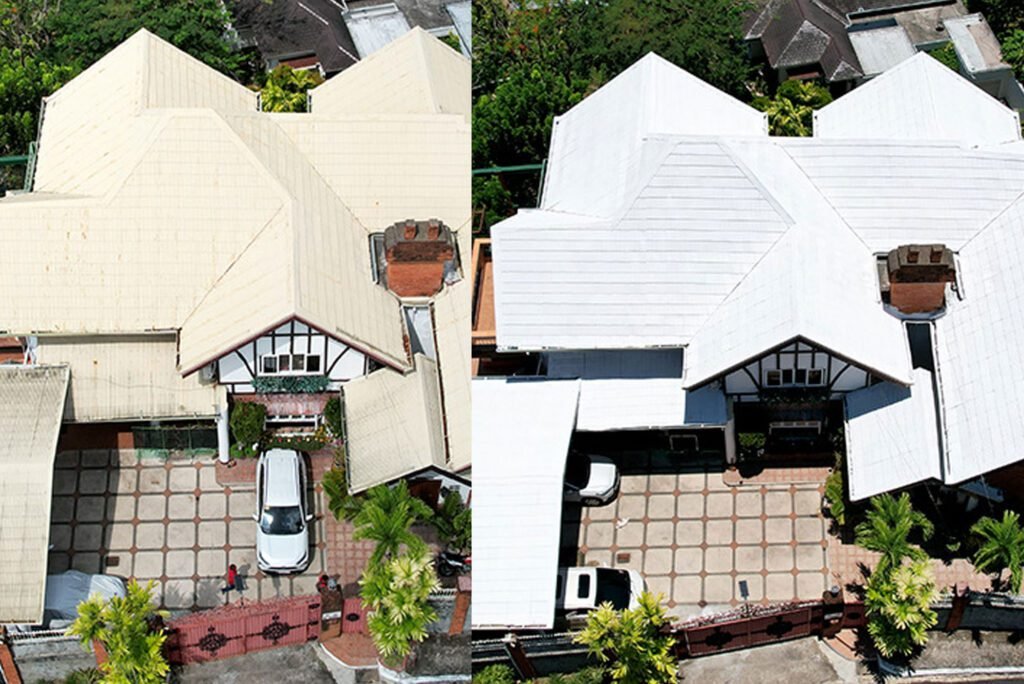
This case highlights the importance of selecting the right system for hot climates.
Maintenance Strategies for Hot Climate Roofs
Routine Inspection
Inspect roofs at least once a year.
Cleaning and Debris Removal
Prevent water accumulation and damage.
Timely Repairs
Address minor issues before they escalate.
How to Choose a Reliable Waterproofing Supplier?
Proven Experience in Hot Climate Projects
Look for suppliers with experience in regions like the Middle East.
Technical Support and Guidance
Professional support ensures correct application.
Product Performance Certification
Certified products offer consistent and reliable results.

YURU Waterproof – Your Solution for Hot Climate Roofs
Advanced Waterproofing Systems
YURU Waterproof offers high-performance coatings designed specifically for extreme weather conditions.
Tailored Solutions for Global Markets
Our products are widely used in:
- Middle East
- Africa
- Southeast Asia
- Europe
- United States
OEM and Support
We provide:
- Custom formulations
- Bulk supply
- Technical consultation
Reliable Performance
With stable formulations and proven results, YURU helps clients achieve long-lasting waterproofing.
FAQs:
1. What is the best waterproof coating for hot climates?
Silicone, polyurethane, polyurea coatings are highly recommended.
2. Can waterproofing be done in extreme heat?
Yes, but application timing must be carefully controlled.
3. How long does waterproofing last in hot climates?
Typically 10–15 years with proper maintenance.
4. Why do coatings fail faster in hot regions?
Due to UV exposure and thermal stress.
5. Is reflective coating necessary?
Yes, it helps reduce heat and extend coating lifespan.
Conclusion:
Understanding how to waterproof a roof in a hot climate is the first step. But knowledge alone doesn’t stop leaks – execution does. Right materials, proper application, regular maintenance, roofs can withstand even the harshest environments.
Contact YURU Waterproof today to get high-performance solutions and samples.
YURU Product solutions