How to Waterproof Roofs in Saudi Arabia?
Introduction:
Roof waterproofing in Saudi Arabia is essential. Extreme temperatures, intense sunlight, and occasional heavy rainfall present unique challenges to roofs that can affect building safety and lifespan.
Choosing the right materials, understanding the impact of the local climate, and using the correct installation techniques are crucial to ensuring the longevity of a waterproofing system.
This article will explore all aspects of roof waterproofing in Saudi Arabia, including material selection, best installation practices, maintenance strategies, and why YURU Waterproof is a partner you can trust.
Why Roof Waterproofing Is Critical in Saudi Arabia?
The Impact of Extreme Heat on Roof Structures
Saudi Arabia experiences scorching temperatures that can exceed 40°C – 50°C during summer months. These extreme conditions can cause traditional roofing materials to expand, contract, or degrade faster. UV radiation accelerates the breakdown of protective layers, leading to cracks, leaks, and reduced material lifespan.
Proper waterproofing mitigates these risks by providing a protective barrier that can withstand high temperatures while maintaining structural integrity. Certain waterproof coatings possess exceptional weather resistance; while providing UV protection, they also offer thermal insulation properties, thereby helping to lower or maintain a comfortable indoor temperature.
Flash Rainfall and Drainage Challenges
Although Saudi Arabia has relatively low annual rainfall, when it does rain, it often occurs as short but intense downpours. Poor roof drainage combined with inadequate waterproofing can result in ponding water, leaks, and even structural damage. Waterproof systems must not only be durable but also designed to handle water efficiently.
Long-Term Cost Implications
Ignoring waterproofing can lead to high maintenance costs and frequent repairs. Preventive waterproofing investment reduces future expenses, protects interior finishes, and ensures occupant safety.
Common Types of Roof Waterproofing in Saudi Arabia
Liquid-Applied Waterproofing Membranes
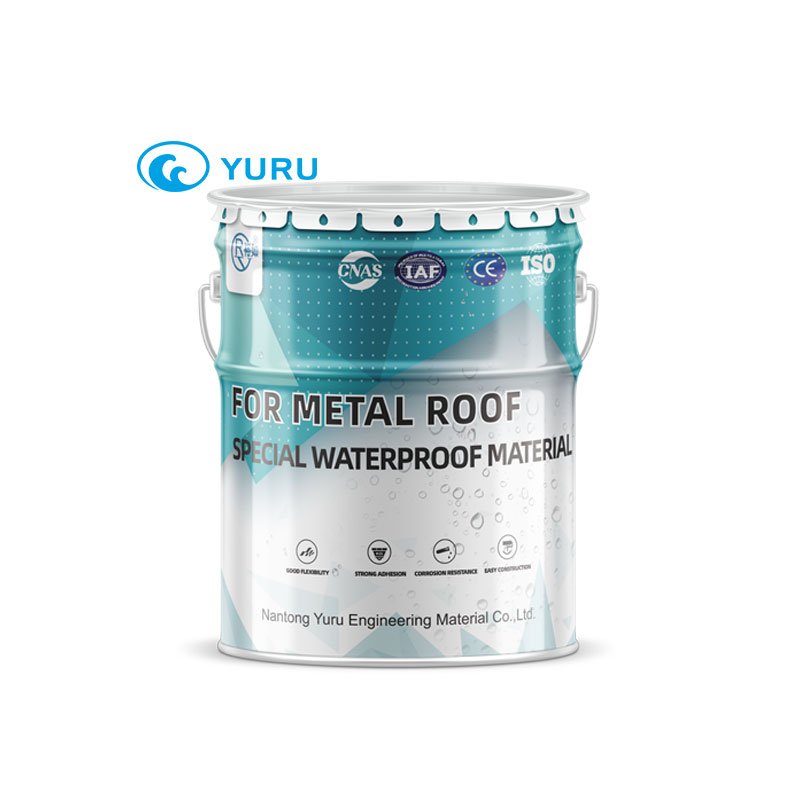
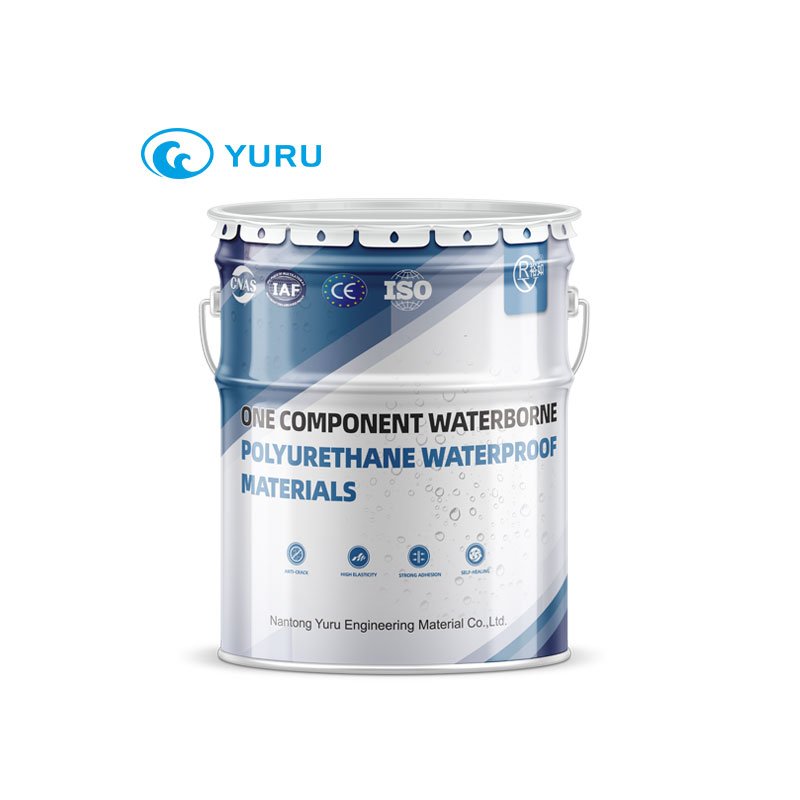
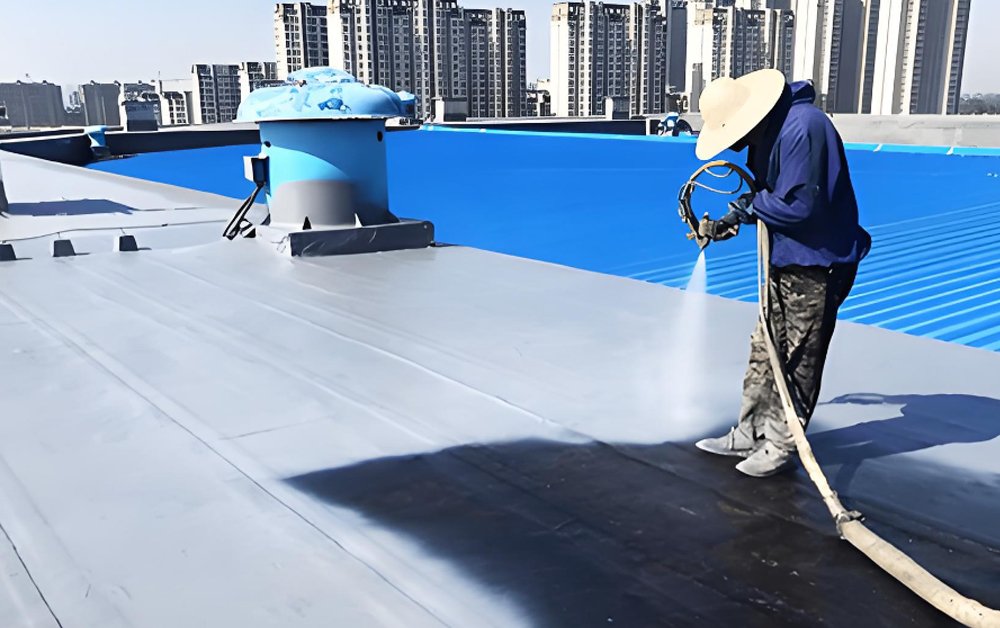
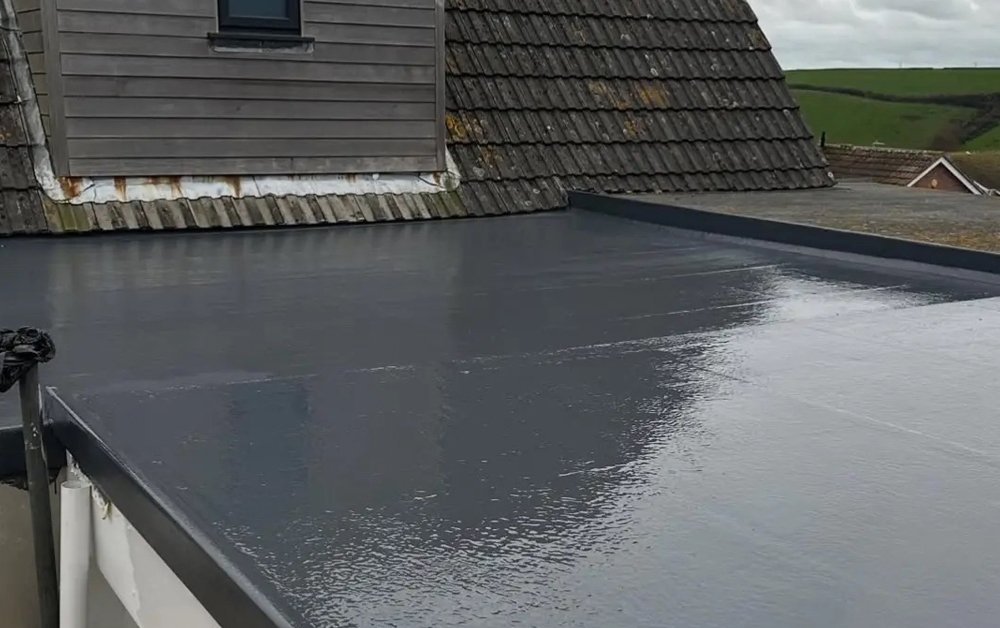
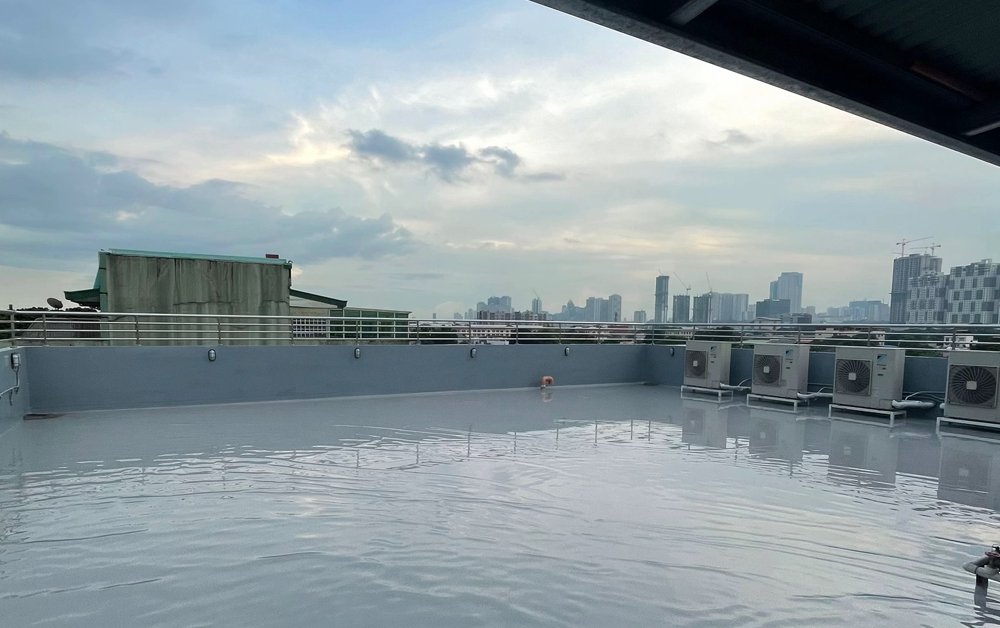
Liquid-applied coatings are applied directly onto the roof surface, creating a seamless barrier that conforms to irregular shapes. These coatings are particularly effective for complex roofs with multiple penetrations, such as skylights, vents, and parapets. YURU Waterproof offers high-performance liquid coatings designed to withstand the harsh Saudi climate.
Waterproofing Membrane Systems
Traditional membrane systems, such as SBS and APP modified bitumen sheets, provide excellent waterproofing for large, flat roofs. The key to success with membranes is proper seam installation and overlap. Membranes are durable but require skilled application to prevent gaps or weak points.
Polyurethane Spray Systems
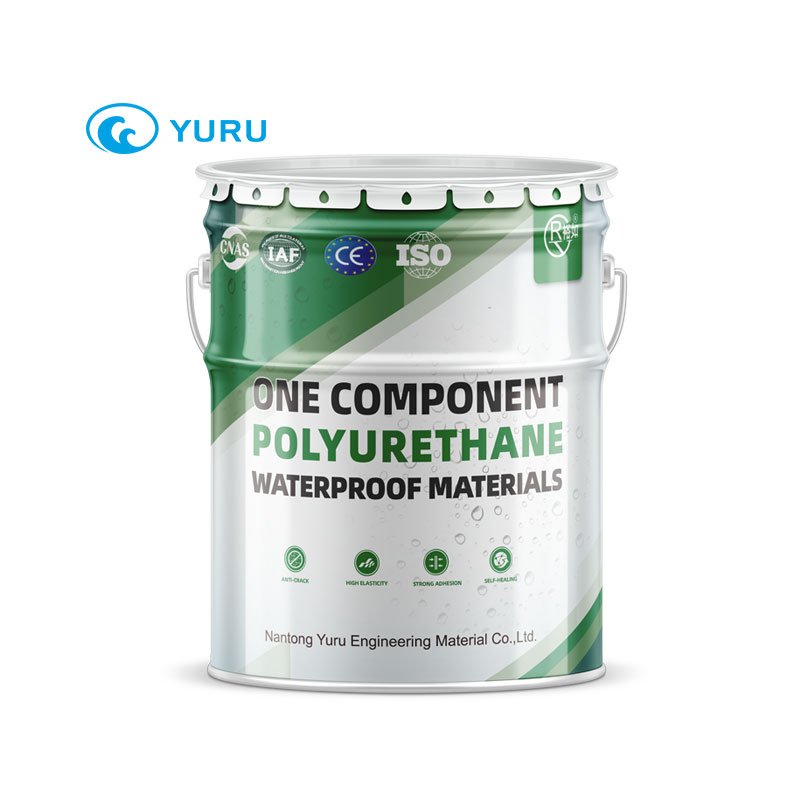
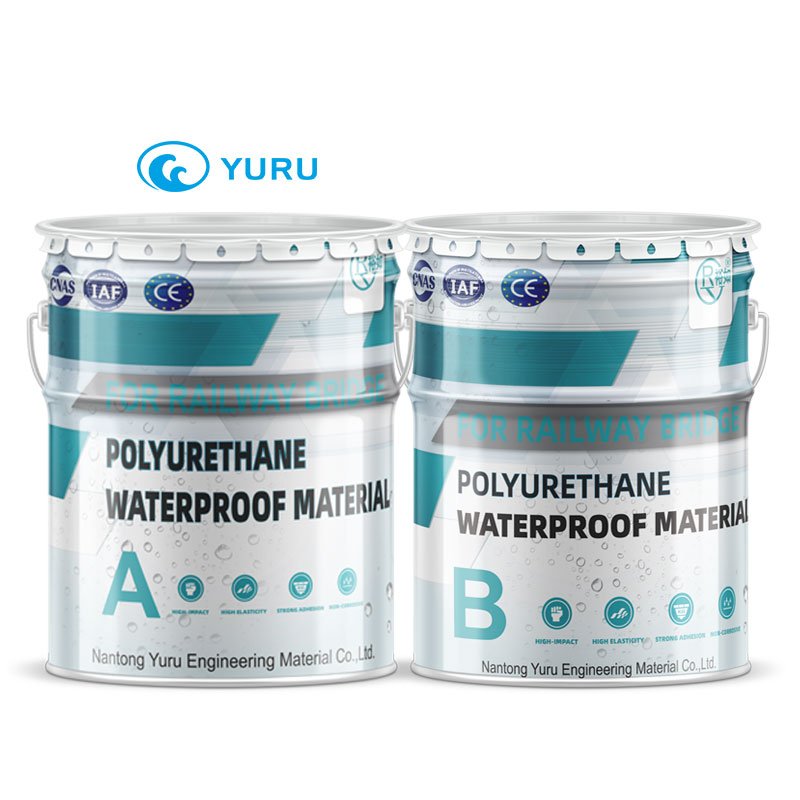
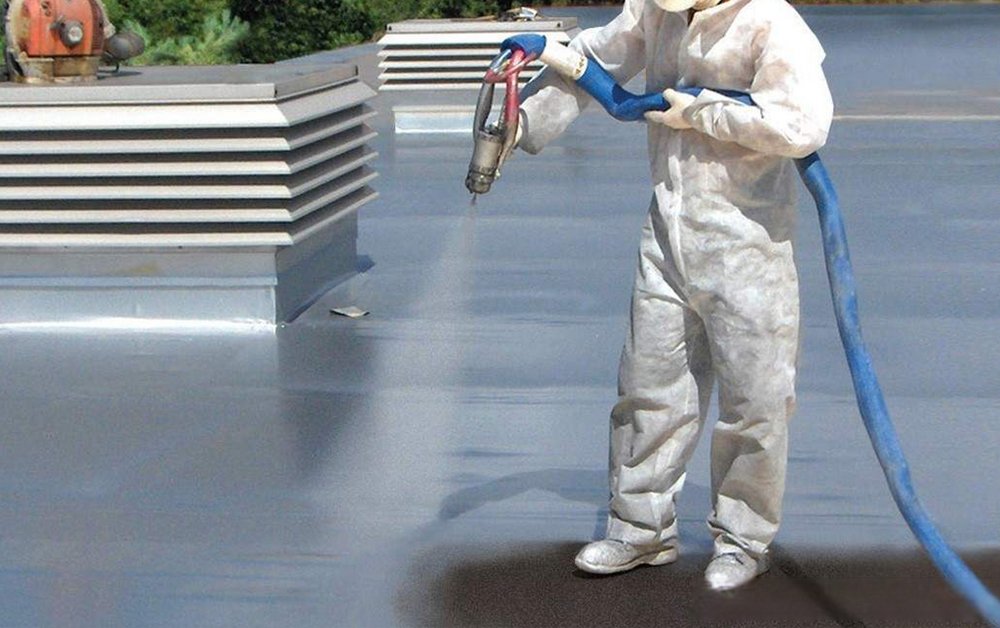
Spray-applied polyurethane systems offer high elasticity and adhesion, making them suitable for industrial and commercial applications. These coatings can expand and contract with the roof substrate, reducing the risk of cracks under thermal stress.
Polyurea Waterproof Coatings
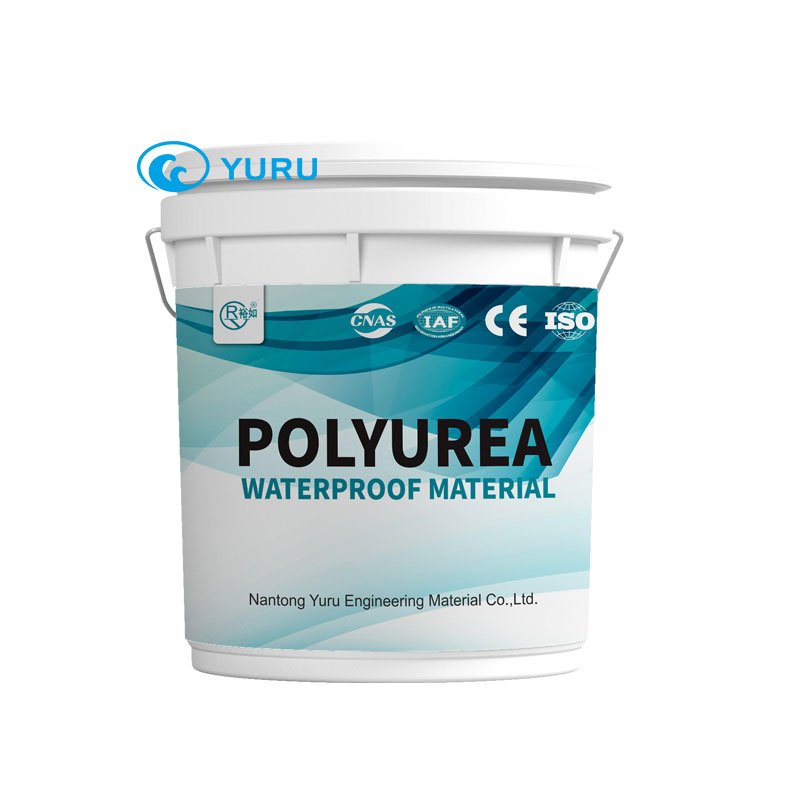
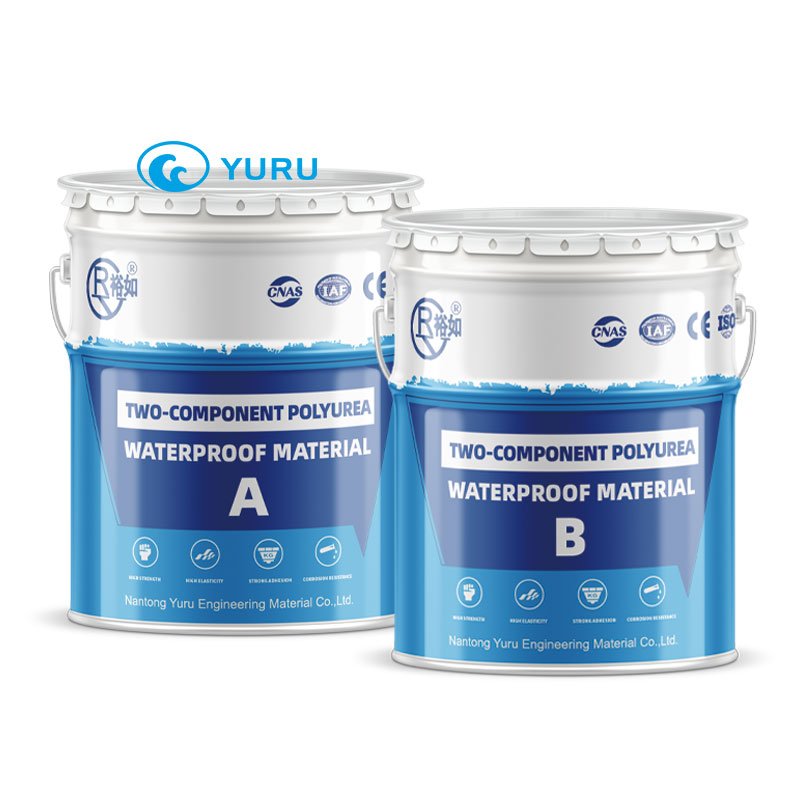
Polyurea waterproof coating is a high-performance elastomer produced by the reaction of isocyanate components with amine-terminated resins. It features high weather resistance, UV resistance, rapid curing, and a seamless waterproof membrane, making it suitable for harsh and highly weather-resistant environments.
Selecting the Right Waterproofing Materials for Saudi Arabia
Heat Resistance
Materials must withstand prolonged exposure to high temperatures without softening or losing integrity. Coatings with heat-stabilized formulations are ideal for Saudi conditions.
UV Resistance
Constant exposure to sunlight accelerates aging. UV-resistant coatings ensure that the waterproofing layer maintains performance over many years.
Flexibility and Crack Resistance
Roof substrates in Saudi Arabia undergo significant thermal expansion and contraction. Waterproofing materials should be elastic enough to accommodate these movements without cracking.
Chemical and Salt Resistance
For coastal areas, resistance to salt and industrial pollutants is critical. Materials should be designed to maintain durability despite harsh environmental exposure.
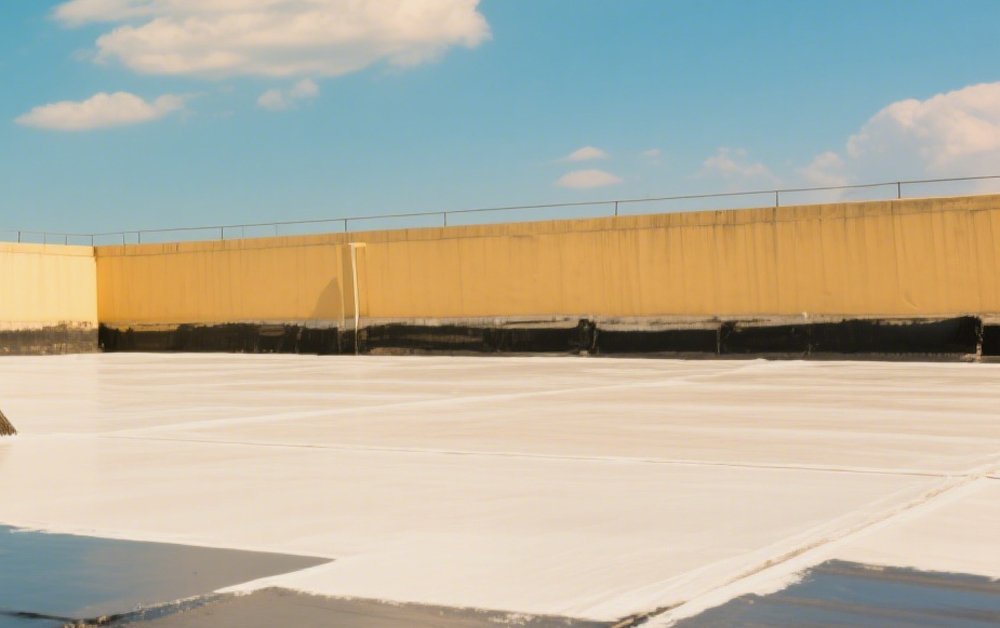
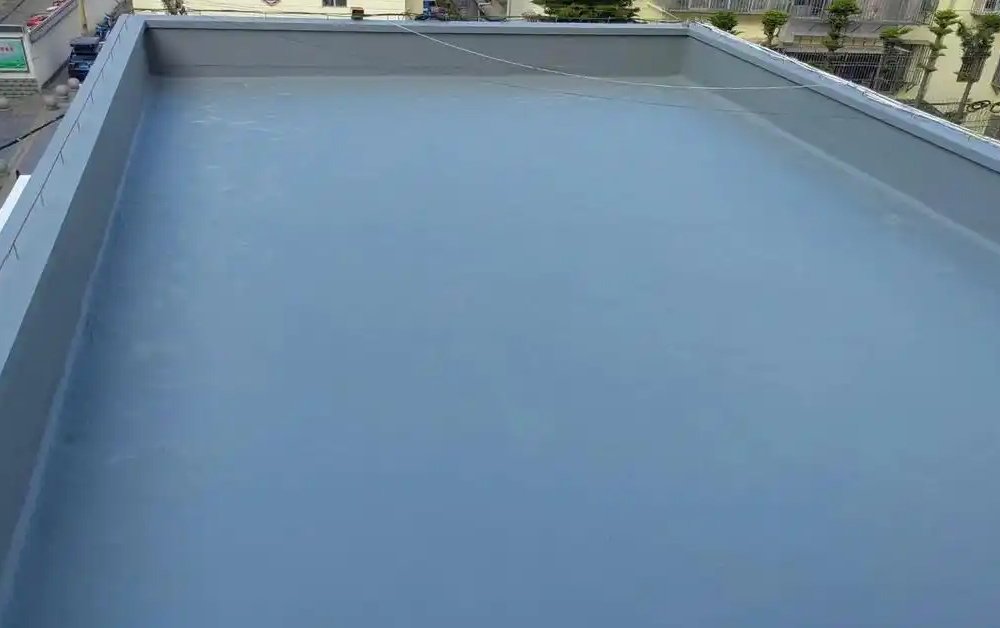
Step-by-Step Roof Waterproofing Process
Step 1 – Surface Preparation
Before applying any waterproofing system, the roof must be clean, dry, and structurally sound. Debris, dust, and loose material must be removed. Cracks and holes should be filled using appropriate fillers to ensure a smooth surface for coating adhesion.
Step 2 – Primer Application
A primer layer enhances the bond between the substrate and the waterproofing system. Primers also prevent moisture from the underlying surface from affecting the waterproofing layer.
Step 3 – Applying the Waterproof Layer
Depending on the selected system (liquid coating, membrane, spray polyurethane, or polyurea coatings), apply the waterproofing material uniformly. For coatings, multiple thin layers ensure consistent coverage, while membranes require precise overlap and sealing of joints.
Step 4 – Protective Layer or Topcoat
A protective topcoat shields the waterproofing layer from mechanical damage, UV exposure, and chemical attacks. For some systems, additional surfacing like gravel or reflective coatings is recommended for added durability.
Common Roof Waterproofing Mistakes and How to Avoid Them?
Neglecting Surface Preparation
Failing to clean and repair the roof before waterproofing often leads to peeling and leakage. Proper surface preparation is crucial to maximize adhesion and long-term performance.
Using Unsuitable Materials
Materials not designed for high temperatures or intense UV exposure degrade quickly. Ensure your supplier provides products specifically formulated for Saudi conditions.
Poor Installation Practices
Uneven coating thickness, improperly sealed seams, and rushed installation can compromise the entire waterproofing system. Always follow manufacturer guidelines or work with experienced contractors.
Roof Maintenance and Longevity in Saudi Arabia
Regular Inspections
Scheduled inspections, ideally annually, help identify minor damages before they escalate into costly repairs. Pay attention to ponding water, cracks, or blistering on the surface.
Timely Repairs
Prompt repair of small defects, such as re-coating worn areas or resealing seams, prolongs the roof’s lifespan and maintains waterproofing integrity.
Preventive Cleaning
Remove debris, sand, and dust accumulation to prevent water pooling and material abrasion. This simple step improves roof performance over time.
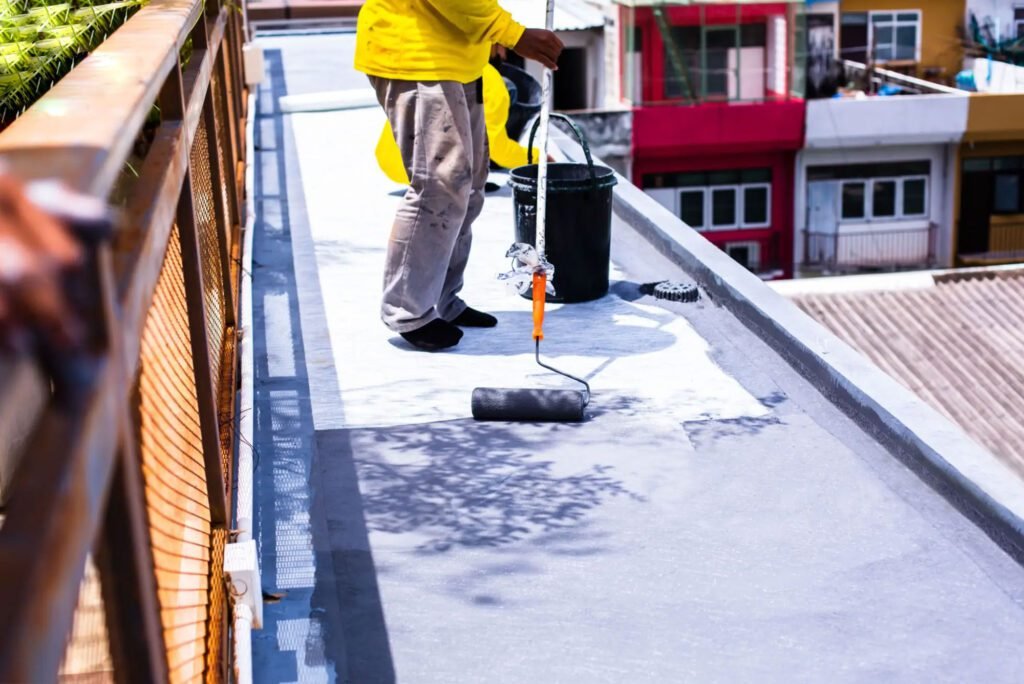
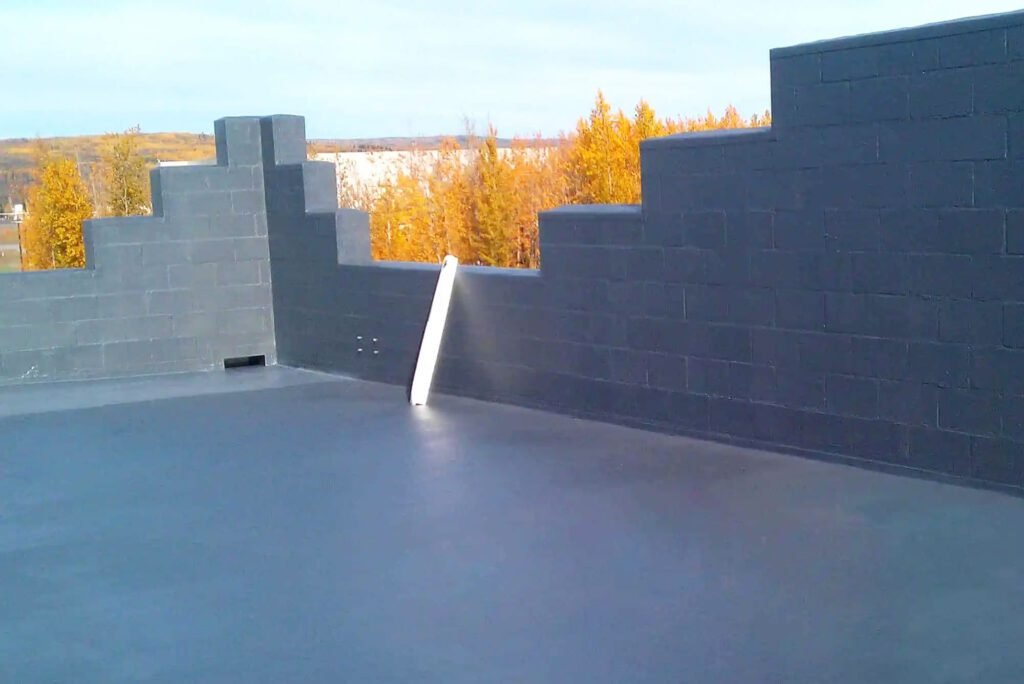
How to Choose a Reliable Waterproofing Supplier?
Verified Project Experience
Look for suppliers with proven experience in similar projects. Check for references and completed case studies, particularly for harsh climates like Saudi Arabia.
Technical Support and Consultancy
Professional suppliers should provide technical guidance, installation support, and problem-solving solutions, ensuring that your project achieves optimal performance.
Quality Certifications
ISO, CE, and other industry-standard certifications indicate adherence to manufacturing quality and safety standards. These certifications reduce risks of substandard products.
Why YURU Waterproof Is the Ideal Partner for Saudi Roofs?
Comprehensive Product Range
YURU Waterproof provides a full spectrum of waterproofing solutions, including liquid coatings, grouting materials, and floor coatings. This diversity ensures the right solution for residential, commercial, and industrial roofs.
Climate-Optimized Formulations
Our products are engineered for extreme heat, UV exposure, and variable weather conditions. YURU’s coatings maintain elasticity, adhesion, and durability, even under the harsh Saudi climate.
Customization and OEM Services
YURU supports bulk orders, OEM branding, and tailored solutions for contractors and distributors. Our technical team ensures each project receives the ideal combination of materials and guidance.
Benefits of Professional Roof Waterproofing in Saudi Arabia
Prolonged Roof Lifespan
- High-quality waterproofing minimizes material degradation, reducing the frequency of repairs and extending roof life.
Enhanced Safety
- Water infiltration can lead to structural weakening, mold growth, and health hazards. Waterproofing safeguards both the building and occupants.
Cost Efficiency
- Investing in reliable waterproofing saves long-term costs associated with emergency repairs, water damage, and interior renovations.
FAQs:
1. What is the best waterproofing method for Saudi roofs?
Liquid-applied membranes and spray polyurethane and polyurea systems are ideal due to their flexibility and UV resistance.
2. How often should roof waterproofing be inspected?
At least once a year, especially after heavy rains or extreme heat periods.
3. Can waterproof coatings withstand Saudi temperatures?
Yes, products formulated for high-UV and high-heat climates, like YURU UV resistance Waterproof coatings, maintain performance under extreme conditions.
4. Are there eco-friendly waterproofing options in Saudi Arabia?
Yes, YURU Waterproof offers environmentally friendly coatings that reduce VOC emissions while maintaining durability.
5. Do suppliers provide technical guidance for installation?
Reputable suppliers like YURU provide full technical support, including application guidance, material selection, and maintenance strategies.
Conclusion
By selecting high-quality, climate-optimized roof waterproofing materials, following correct installation procedures, and maintaining roofs regularly, you can ensure your buildings remain protected for decades.
YURU Waterproof offers professional, reliable solutions tailored to the challenges of Saudi roofs. With comprehensive products, technical guidance, and customization options, we are the trusted partner for contractors, distributors, and project managers looking to achieve long-lasting waterproofing results.
Contact YURU Waterproof for a free consultation, technical guidance, and high-performance waterproofing products.
YURU Product solutions