Hydrophilic Chemical Grout: How Water Conditions Affect Injection Performance?
Introduction
Hydrophilic chemical grout reacts with water to form a flexible seal inside concrete cracks, construction joints, and other water-bearing openings. Its performance depends on the moisture present in the structure, the movement of water through the crack, and how the grout behaves during injection.
A damp basement crack and a joint with continuous water seepage may both be suitable for hydrophilic polyurethane injection. However, they present different injection conditions. In one, moisture is distributed along the crack surfaces. In the other, water is already occupying and moving through the space where the grout needs to travel.
Understanding these conditions helps contractors select the appropriate hydrophilic grout formulation and plan an effective injection.
How Does Water Activate Hydrophilic Chemical Grout?
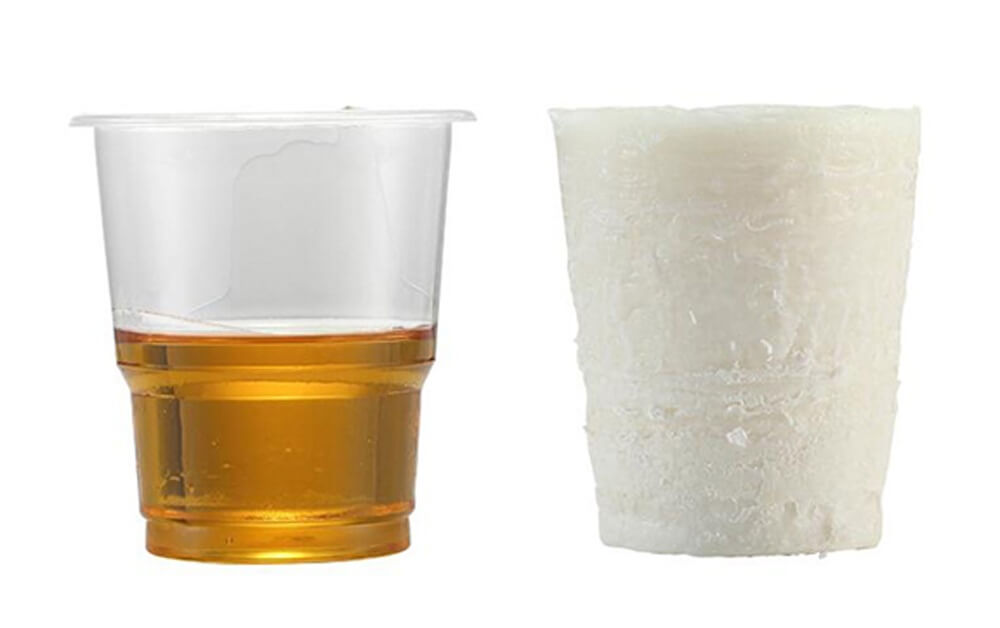
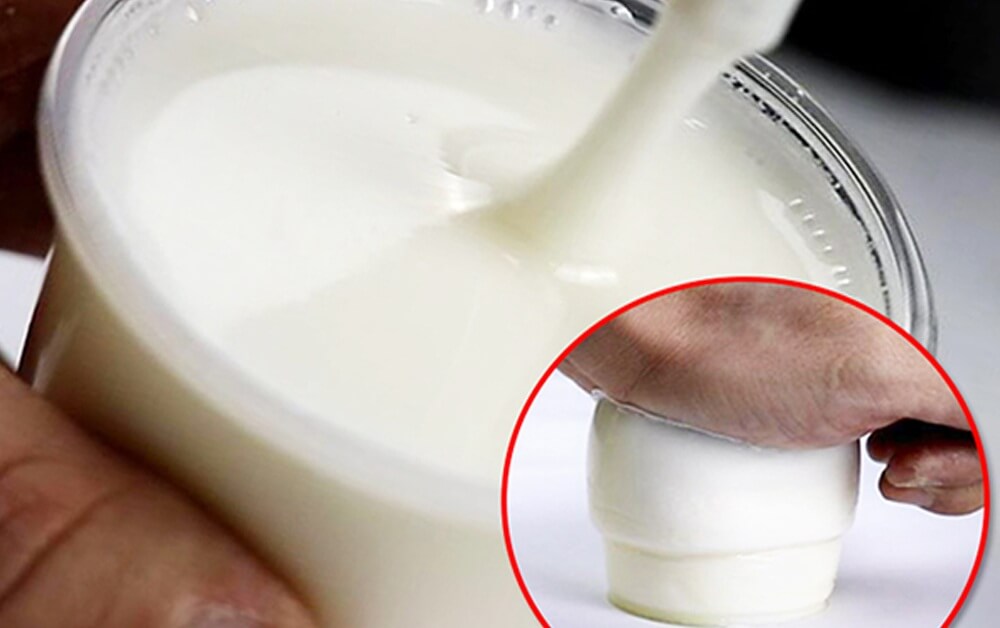
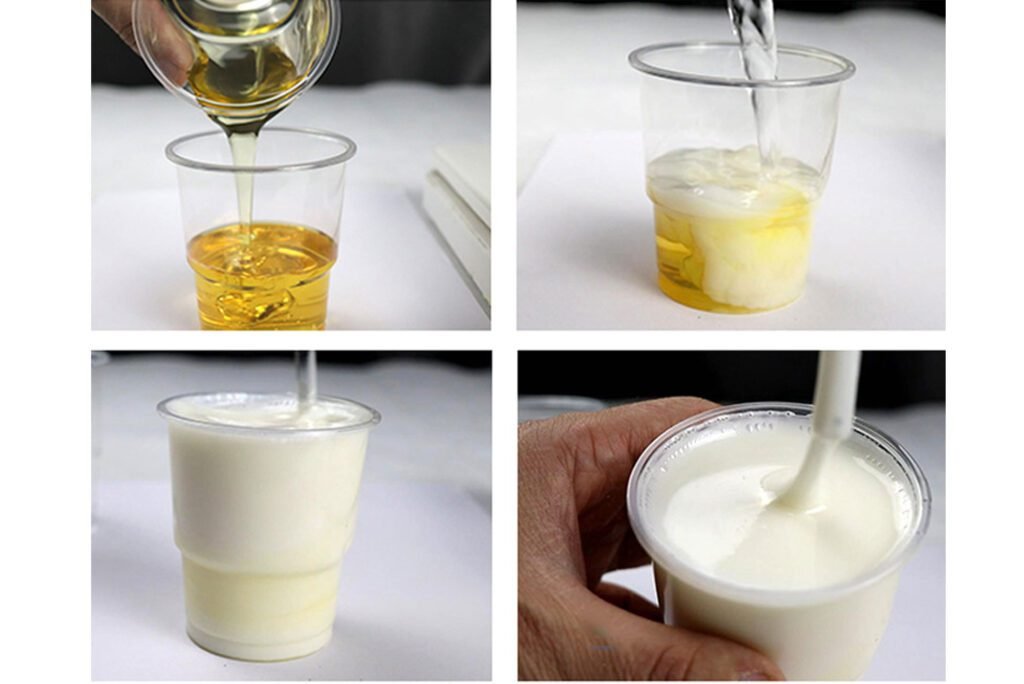
Hydrophilic polyurethane grout contains water-reactive resin components. When the material comes into contact with moisture, a chemical reaction begins, allowing the grout to cure and form a sealing body within the injected area.
Depending on the formulation and water conditions, the cured material can develop a flexible gel-like structure or an expanded foam.
The reaction takes place within the crack or joint, where moisture is already present. As the grout moves through the connected openings, it contacts water along the flow path and begins to develop its final structure.
This behavior makes hydrophilic grout particularly useful for concrete exposed to persistent moisture, including underground walls, construction joints, and water-bearing cracks.
The amount and distribution of water affect the reaction. A damp surface, a saturated crack, and a water-filled cavity expose the grout to different conditions during injection.
Contractors should identify these conditions before selecting the material and establishing the injection procedure.
How Do Different Moisture Conditions Affect Injection Performance?
Water in a concrete structure may remain still, collect in confined openings, or move continuously under pressure.
Each condition affects how the grout spreads and reacts.
| Water condition | Expected injection behavior | Practical consideration |
| Dry or nearly dry crack | Limited moisture may delay activation of water-reactive formulations | Check whether controlled pre-wetting is required |
| Damp concrete crack | Moisture along the crack surfaces supports grout reaction | Suitable for many hydrophilic injection applications |
| Saturated crack or joint | Grout encounters water throughout the connected opening | Review water incorporation and gel formation |
| Slow, continuous seepage | Water moves through the same pathway used by the grout | Allow sufficient penetration before substantial curing |
| Strong, sustained flowing water | Moving water can displace grout before it develops a seal | Establish water control before using a slower-reacting sealing formulation |
Damp Cracks and Saturated Openings
Damp cracks generally provide favorable conditions for water-reactive polyurethane injection. Moisture is available to activate the resin, while relatively stable water conditions give the grout time to move through the connected crack.
Saturated openings introduce more water into the reaction zone.
For hydrophilic gel-forming materials, this can support water incorporation and the development of an elastic sealing body. The resulting consistency is determined by the grout formulation and its reaction with the available water.
Continuous Seepage
Where water is flowing, the injection process becomes more sensitive to reaction time.
The grout must travel into the required area while water continues moving in the opposite direction or through adjacent pathways.
For controlled seepage, a suitable hydrophilic formulation can reach the affected section and form a seal. Higher flow rates require closer attention to material travel and reaction speed.
Why Can Hydrophilic Grout Form a Gel or a Foam?
Hydrophilic polyurethane injection materials can develop different cured structures according to their formulations and reaction conditions.
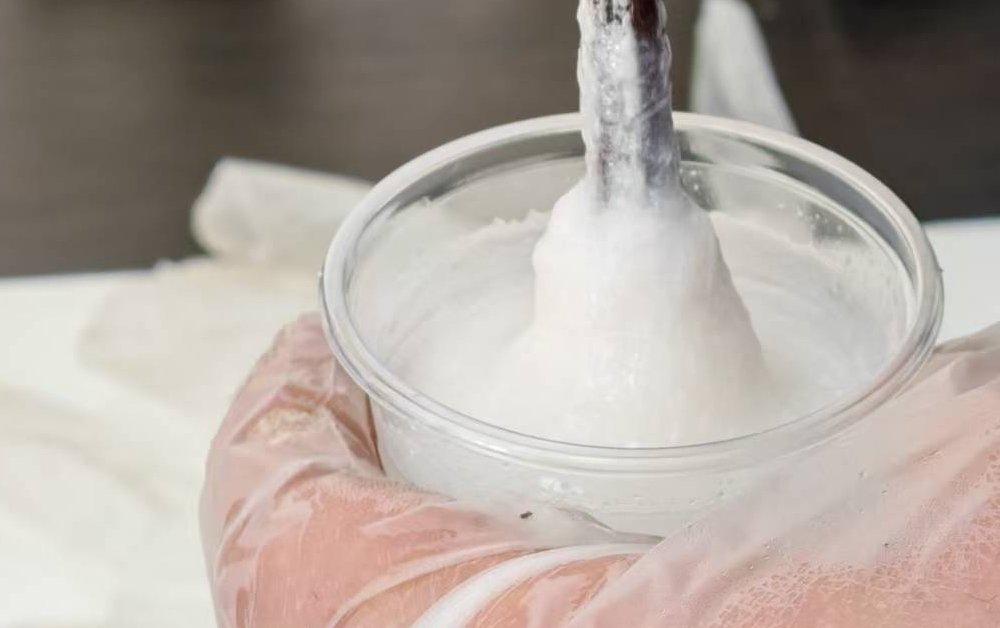
Gel-forming systems are designed to incorporate water and form a flexible, cohesive sealing material. These formulations are useful where grout must occupy connected cracks or create a water-resistant barrier in persistently moist areas.
Foam-forming systems develop an expanded cellular structure during reaction. Their expansion helps occupy irregular spaces and can contribute to water sealing.
The water-to-resin proportion also influences the reaction in formulations designed to accommodate different water loadings. Some hydrophilic grout systems produce a flexible gel under higher water incorporation conditions and a foam under other mixing or confinement conditions.
For engineering selection, the relevant properties are the consistency, flexibility, cohesion, and sealing behavior of the cured material.
A material intended to form an elastic gel should be evaluated using its gel-forming performance data. Foam-forming formulations require their own reaction and expansion data.
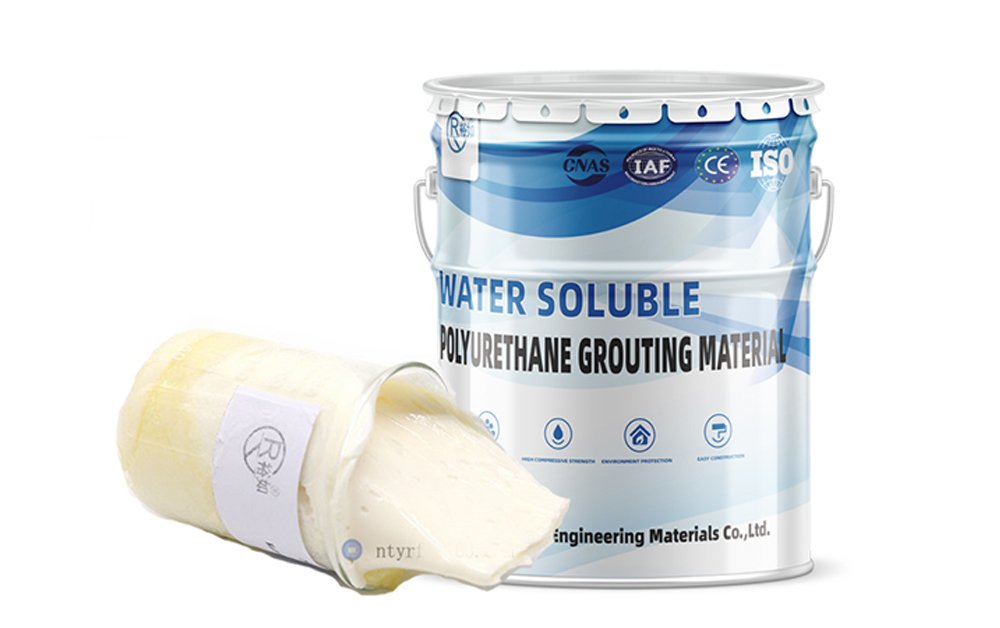
YURU supplies hydrophilic polyurethane formulations for different sealing requirements, including gel-forming and foam-forming grades. The formulation should be matched to the actual water conditions and the intended sealing method.
How Do Water Pressure and Flow Rate Affect Grout Sealing?
Water pressure and flow rate influence two different parts of the injection process.
Water pressure affects the resistance the grout must overcome to enter and remain within the water-bearing pathway.
Flow rate affects how quickly water moves through the opening and how much opportunity it has to carry uncured material away.
For example, a narrow crack may contain pressurized groundwater with relatively little visible discharge. A larger opening can allow substantial water movement even when the pressure is moderate.
These conditions require different responses during injection.
Controlled Water Seepage
In a crack with slow or moderate seepage, hydrophilic grout can move into the opening and react with the surrounding water.
The contractor can monitor injection pressure, resin consumption, and material returns from connected cracks or adjacent packers.
These observations help establish whether the grout is reaching the intended area.
Strong or High-Pressure Water Flow
A continuously flowing leak creates a more demanding condition.
When water passes rapidly through the injection area, slower-reacting grout may be displaced before sufficient material has accumulated and cured.
For severe, high-pressure active leakage, a fast-reacting two-component oil-based polyurethane water-stop material is generally more appropriate for the initial intervention.
A subsequent sealing injection may be considered where the structure and repair design require it.
The practical sequence is to control the active flow first, then complete the sealing work with a material selected for the remaining water conditions.

How Does Water Distribution Inside a Crack Influence Grout Penetration?
In concrete structures experiencing leakage, the distribution of moisture is often non-uniform.
Water may collect at the lower end of a vertical crack, remain within a construction joint, or travel through connected openings behind the visible leak.
As the grouting material flows through these areas, it encounters varying moisture environments.
In relatively dry areas, the resin can penetrate further before undergoing a significant water-curing reaction. A saturated section can initiate the reaction sooner. In a connected pathway carrying flowing water, the grout must also overcome the existing water movement.
This affects how the injection develops along the crack.
During the work, changes in injection pressure, material consumption, and returns at nearby packers can help the contractor follow grout movement.
Where several pathways are connected, material may reach one section before another. Injection sequencing should follow the observed response and the approved repair method.
The aim is to distribute grout through the water-bearing area and develop a continuous seal across the required repair zone.
Where Are Hydrophilic Chemical Grouts Most Suitable?
Hydrophilic polyurethane grout is commonly selected for waterproofing repairs involving persistent moisture, controlled seepage, and water-bearing concrete openings.
The following applications illustrate how water conditions influence its use.
Basement Walls and Underground Concrete
Basement walls often experience prolonged exposure to groundwater.
Water may enter through cracks, construction joints, or local defects in the concrete.
Hydrophilic grout can be injected into connected water-bearing openings to form a flexible seal. Gel-forming formulations are particularly relevant where the repair involves persistently damp conditions and requires a cohesive sealing body.
Construction Joints and Water-Bearing Cracks
Construction joints can provide continuous pathways for moisture movement.
Where seepage is controlled, a hydrophilic formulation can penetrate the joint and react with water already present.
Material flexibility is also relevant where the joint experiences limited movement. The required deformation capacity should be matched to the selected grout’s cured properties.
Curtain Injection Behind Underground Walls
Curtain injection addresses water infiltration by placing sealing material behind or around the affected structural area.
The grout must be distributed through the intended treatment zone to form a connected barrier.
Hydrophilic gel-forming systems can be used in suitable curtain injection applications, particularly where the surrounding environment remains moist.
The success of the treatment depends on the material’s compatibility with the surrounding conditions, the injection layout, and the distribution achieved during the work.
What Do YURU WPU Technical Data Tell Us About Water-Reactive Performance?
YURU manufactures several hydrophilic polyurethane injection formulations, including Standard WPU and Premium WPU gel-forming grades.
The technical data provide useful information about the material’s behavior during water activation and the properties of the cured sealing body.
| Technical property | Reported YURU result | Engineering relevance |
| Gelation time — Standard WPU | 62 seconds under a 20-times-water test condition | Describes reaction behavior under the specified test |
| Viscosity — Standard WPU | 662 mPa·s | Relevant to injection flow and material handling |
| Water absorption rate — Standard WPU | 115% | Describes the tested material’s water absorption behavior |
| Elongation after curing — Premium WPU | 410% | Relevant to the flexibility of the cured elastic material |
| Controlled expansion — Premium WPU | 105% | Describes expansion under the reported test condition |
Gelation Time and Water Conditions
The Standard WPU technical data report a gelation time of 62 seconds under a test condition involving 20 times water.
On site, reaction behavior also depends on the product formulation, material temperature, available water, and the way the grout contacts moisture inside the crack.
Viscosity and Material Travel
Viscosity influences the flow of grout through injection equipment and connected openings.
For water-reactive materials, the useful injection period is also affected by the onset of curing after water contact.
Contractors should therefore consider viscosity together with reaction behavior and the water conditions within the structure.
Flexibility After Curing
YURU Premium WPU gel-forming material has a reported elongation after curing of 410%.
This property is relevant to applications requiring a flexible sealing body, including selected construction joints and cracks where limited movement is expected.
The required flexibility and movement capacity should be established for the actual repair location.
For foam-forming WPU formulations, reaction time, expansion, and cured foam properties should be taken from the corresponding grade’s technical data.
What Should Contractors Confirm Before Hydrophilic Grout Injection?
A suitable hydrophilic grout formulation can be selected once the water conditions and sealing requirements are clear.
Before starting the work, establish:
- Water condition: Damp, saturated, slowly seeping, or actively flowing
- Water pressure and flow rate: The hydraulic conditions acting on the repair area
- Crack or joint characteristics: Width, connectivity, available injection access, and expected movement
- Required cured structure: Flexible gel, expanded foam, or a specified sealing system
- Material reaction profile: The relevant formulation, water-contact behavior, and working temperature
- Injection method: Pump configuration, packer arrangement, pressure monitoring, and injection sequence
For underground waterproofing projects, these details help determine whether hydrophilic polyurethane grout can provide the required sealing performance or whether initial water control is needed.

Frequently Asked Questions
Can hydrophilic chemical grout be injected into dry concrete cracks?
It’s not ideal. Hydrophilic grouts react with water, in dry concrete, there’s not enough water for the reaction to start properly.
Check the product instructions. Where the manufacturer allows it, moisture conditioning or pre-wetting may be an option before injection.
Does a higher water content always produce more grout expansion?
The cured structure depends on the grout formulation and its interaction with water. Gel-forming and foam-forming systems respond differently to water loading. So the appropriate test data should be reviewed for the selected material.
Can hydrophilic polyurethane grout seal continuously leaking joints?
Hydrophilic polyurethane grout is suitable for many joints affected by controlled seepage. Strong, sustained water flow may require an initial rapid water-stop treatment before the final sealing injection.
What information should be provided when selecting a YURU WPU formulation?
The most useful information includes the structure type, leak location, water pressure, approximate flow rate, crack or joint condition, and required sealing behavior.
Photographs or videos of the leakage area can also help with formulation selection.
Final Considerations
Hydrophilic chemical grout performs best when its reaction behavior matches the water conditions inside the structure.
For damp cracks and controlled seepage, suitable formulations can penetrate the affected openings and develop a flexible seal. Saturated conditions require attention to water incorporation and gel formation, while strong flowing water calls for a different initial water-control strategy.
YURU Waterproof provides hydrophilic polyurethane grout formulations for underground waterproofing and concrete injection applications.
For material selection, share your project conditions with the YURU technical team to review the appropriate WPU grade, technical data, and injection requirements.
YURU Product solutions