Injection Grout for Basement Leakage Repair
Introduction:
Basement leakage is rarely only a surface problem. In many repair projects, water enters through concrete cracks, construction joints, wall-floor joints, pipe penetrations, honeycombs, or other weak points under outside water pressure. If the internal leakage path is not sealed, a surface patch or coating may only hide the problem for a short time.
This is why injection grout is often used for basement leakage repair.
Injection grout can enter cracks, voids, joints, or seepage paths and form a sealing or bonding material inside the problem area. However, choosing the right grout is not as simple as asking for “the strongest material” or “the cheapest injection resin.” Basement leakage may involve active water, damp cracks, dry structural cracks, fine seepage, or moving joints. Each condition may need a different material.
For contractors, distributors, waterproofing repair teams, and project buyers, the key question is not only “What grout should I buy?” A better question is: What type of basement leakage am I repairing?
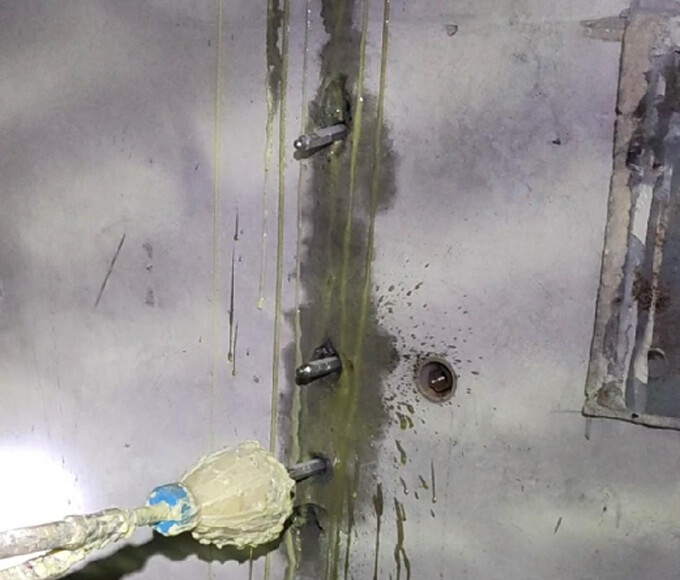
Why Basement Leakage Needs Injection Grout?
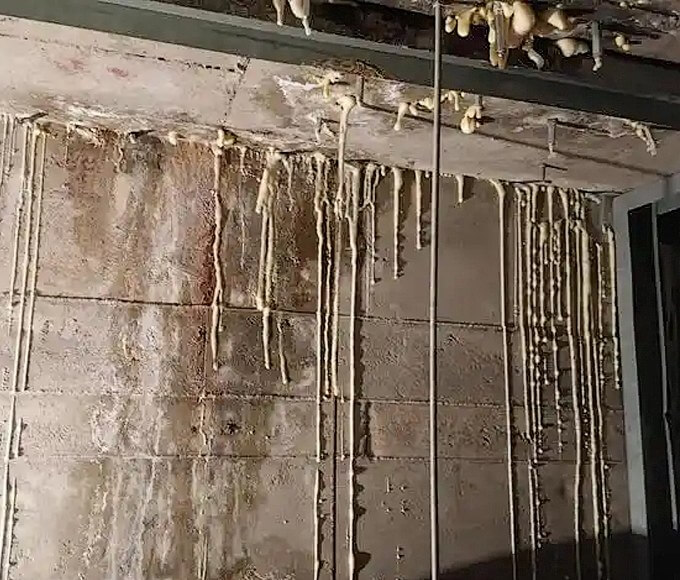
Basements are below ground level, so they are exposed to soil moisture, groundwater, rainwater buildup, and hydrostatic pressure. Water finds the weak points — especially with poor drainage or rising water tables.
Common leakage points include:
- Basement wall cracks
- Wall-floor joints
- Construction joints and cold joints
- Pipe penetrations
- Honeycomb concrete areas
- Settlement joints or deformation joints
- Floor cracks
- Weak repair patches from previous work
Surface repair hides the visible crack but doesn’t stop water moving through the concrete. Pressure from behind will blister or pop the surface patch.
Injection grouting offers a fundamentally different approach. The grout is injected directly into the crack or leakage pathway, where it reacts, expands, seals, bonds, or fills — depending on the material type. In many basement projects, injection grouting is used first to stop or reduce the leakage path. After that, a surface repair layer may be applied to close drill holes, smooth the crack area, and prepare for further waterproofing if needed.
Common Basement Leakage Points That Require Grouting
Before selecting an injection grout, the leakage point should be identified. A wall crack is not the same as a pipe penetration. A dry structural crack is not the same as an active water leak.
Wall Cracks
Basement wall cracks are one of the most common leakage points. Some are dry and structural. Some are damp. Others allow visible water to enter during rain or snowmelt.
For dry structural cracks where bonding strength is the primary objective, epoxy injection resin may be considered. Where the crack is damp or actively leaking, polyurethane grout is often more appropriate due to its effectiveness in sealing moisture paths.
After injection, the crack surface and injection ports usually need to be repaired. This creates a cleaner surface and protects the local repair area.
Wall-Floor Joints
The wall-floor joint is a common weak point in basement construction. Hydrostatic pressure can drive water through this joint, particularly where exterior drainage is inadequate.
A surface seal alone may not be enough because water pressure can lift or bypass it. Injection grout can help seal the internal water path. In some projects, a surface repair layer and waterproof coating are applied after grouting to improve the overall repair system.
Construction Joints and Cold Joints
Construction joints and cold joints can become leakage paths because they are not always as dense as the main concrete body. Water may travel along the joint line and appear inside the basement.
For active water, PU grout is often considered first. For repeated leakage or slight movement at structural joints, elastic grouting materials may also be evaluated depending on the site condition.
Pipe Penetrations and Honeycombs
Pipe penetrations, sleeve gaps, and honeycomb concrete areas often create local leakage. These areas usually require careful cleaning, local injection, and surface patching.
A grout can help seal the inner void or water path, while the surface repair layer restores the visible area and protects the repaired zone.
Deformation Joints and Settlement Joints
Deformation joints and settlement joints may move slightly. If a rigid repair material is used without considering movement, re-leakage can occur.
In these cases, flexible sealing performance matters. Polyurea grouting material or other elastic grouting systems may be evaluated for re-leakage repair. If active water is present, PU grout may be needed first.
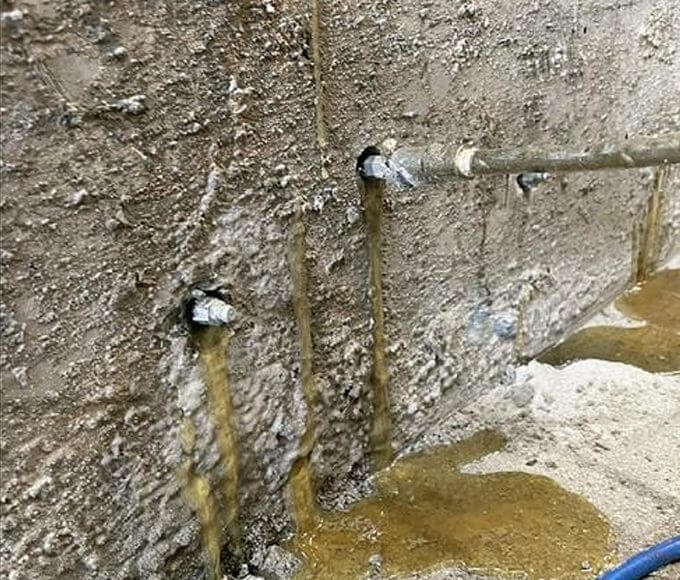
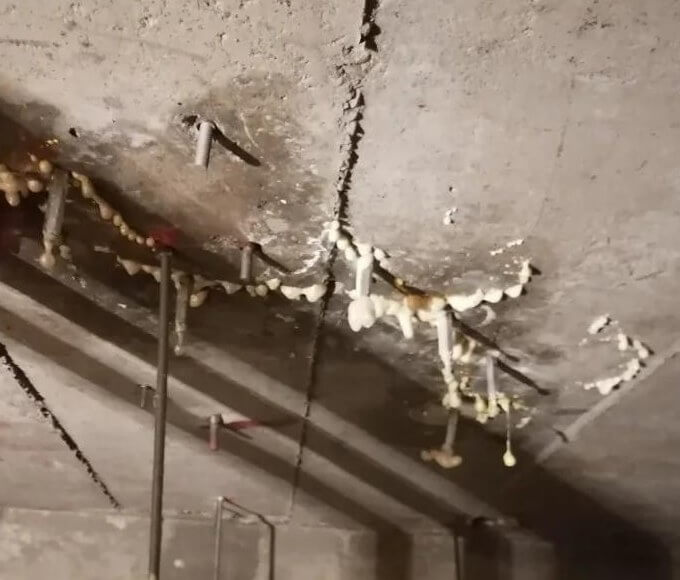
Main Injection Grout Materials for Basement Leakage Repair
Different grouting materials solve different problems. A good basement repair plan starts with leakage diagnosis.
Polyurethane Grout for Active Water Leakage
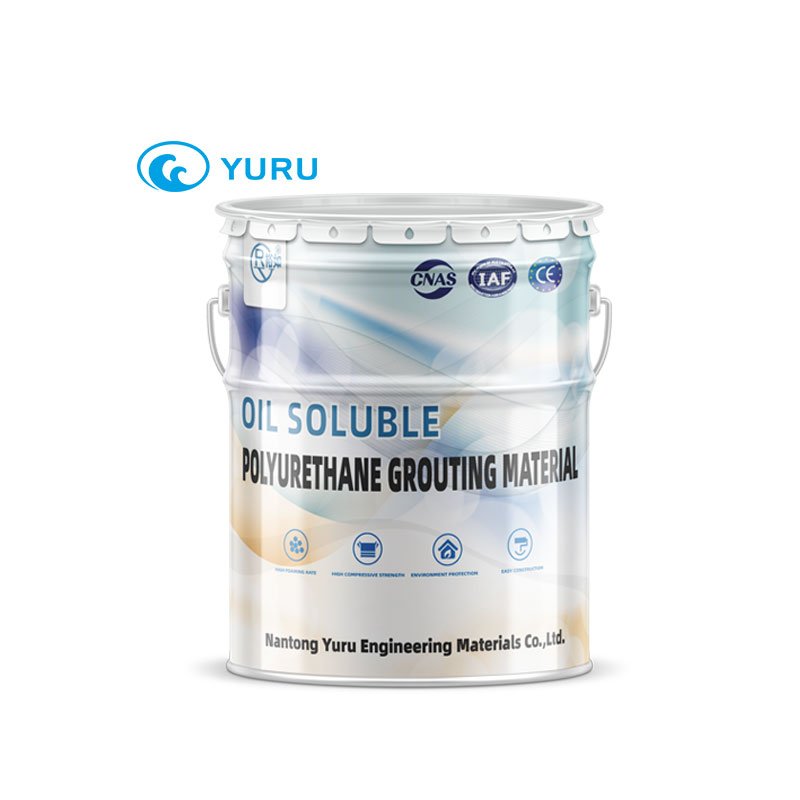
Polyurethane grout is widely used for basement active water leakage. It can react with moisture or water and form a foam or sealing body depending on the product type.
It is commonly used for:
- Wall cracks with water leakage
- Construction joint leakage
- Cold joint leakage
- Pipe penetration leakage
- Wall-floor joint leakage
- Local voids or honeycombs
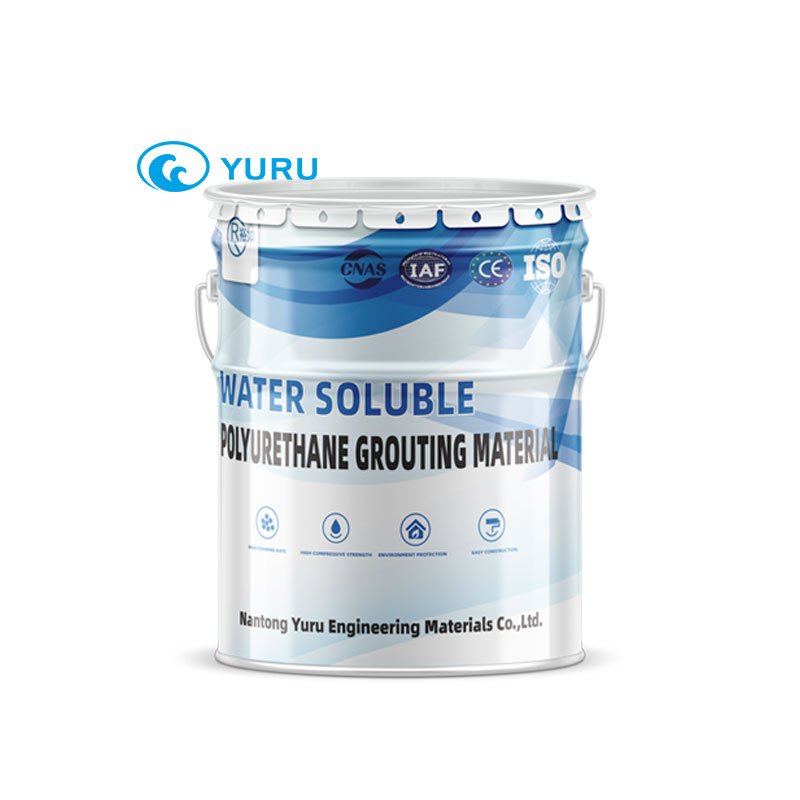
Not all PU grouts are the same. Formulations include hydrophobic and hydrophilic types, oil-based and water-based systems, and products with different reaction speeds, expansion characteristics, viscosities, and cured properties. Selection should be matched to the specific leakage condition.
For active water, material selection and injection method are both important. If the reaction is too slow, water may continue to wash the material away. If the material is too fast for the crack condition, it may not penetrate deeply enough.
Epoxy Injection Resin for Dry Structural Cracks
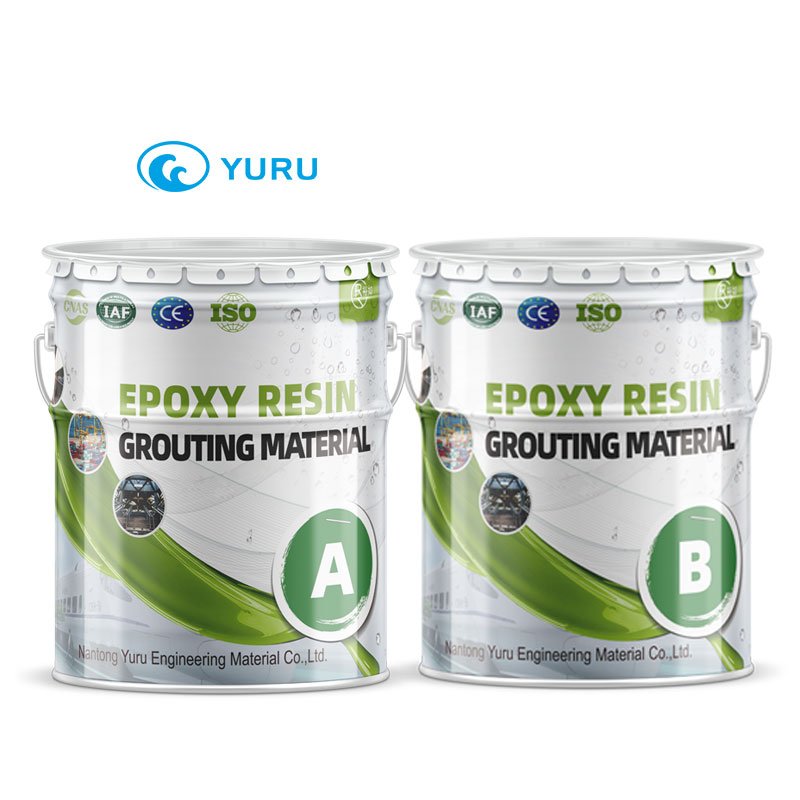
Epoxy injection resin is more suitable for dry structural cracks where bonding and strength restoration are the main goals. It can bond crack surfaces and help restore structural integrity in suitable dry conditions.
However, epoxy is usually not the first choice for active water leakage. If a basement crack is still leaking, the water path should be controlled before considering epoxy for structural bonding.
For cracks related to structural safety, a qualified engineer should evaluate the condition before repair.
Acrylate Grout for Fine Seepage and Curtain Grouting
Acrylate grout is typically selected where low viscosity and penetration capability are critical. It is effective for fine seepage paths, curtain grouting, and challenging underground seepage conditions.
This material may be considered when exterior excavation is not feasible and the project requires a waterproof barrier or deep seepage control. Acrylate grouting requires precise control of mixing parameters, gel time, and injection methodology.
Polyurea Grouting Material for Structural Joint Re-Leakage
Polyurea grouting material has a different positioning from PU foaming grout. It is more suitable for structural joint re-leakage, deformation joints, expansion joints, settlement joints, and areas where flexibility, bonding, waterproof sealing, and elastic recovery are important.
It should not be described as a fast-curing PU foam or a two-component injection resin. For example, YURU PG-1 Polyurea Grouting Material is a single-component polyurea grouting material used for structural crack leakage and re-leakage repair.
In basement projects, it may be considered when the problem involves repeated leakage at joints or slight movement where elastic sealing is useful.
Cementitious Grout and Surface Repair Materials
Cementitious materials are useful for bigger voids, concrete repair, or as a surface layer after injection. However, they usually cannot replace chemical grout in fine cracks or active water leakage paths.
Surface repair materials are often used after injection to close the visible crack, repair drill holes, and protect the local repair area.
How to Choose the Right Injection Grout for Basement Leakage?
The right grout depends on the leakage condition, not the product name.
If Water Is Actively Flowing
When water is actively flowing through a basement crack or joint, polyurethane grout is often the first option to consider.
The contractor should evaluate:
- Water flow rate
- Crack width
- Water pressure
- Injection pressure
- Reaction speed
- Whether multiple injection rounds are needed
Epoxy resin should not be used directly for active water leakage unless the water problem is controlled first.
If the Crack Is Damp but Not Actively Leaking
For damp cracks without active flow, the selection may depend on whether the goal is waterproof sealing, flexible sealing, or structural bonding.
PU grout may still be suitable. In some re-leakage or joint conditions, polyurea grouting material can be evaluated. After injection, the crack surface may need a repair layer to improve local protection and appearance.
If the Crack Is Dry and Structural
If the basement crack is dry and the goal is structural bonding, epoxy injection resin may be more suitable.
The key question is whether the crack is structural. If it is, the repair goal is not only waterproofing. Strength, bonding, and engineering assessment become more important.
If the Leakage Comes from Fine Seepage Paths
Fine seepage can be difficult because water may move through tiny paths that are not easy to identify. Acrylate grout may be considered because of its low viscosity and penetration ability.
This is more specialized work and usually requires experienced injection control.
If the Leakage Is from Moving Joints or Re-Leakage Areas
For moving joints, deformation joints, or repeated leakage areas, rigid repair materials may fail again. Flexible sealing performance is important.
In these conditions, polyurea grouting material can be evaluated. If water is actively flowing, PU grout may be used first to stop the water, followed by a suitable elastic sealing or surface protection approach.
Why Basement Injection Grouting Fails or Re-Leaks?
Injection grouting can fail when the material, crack condition, and method do not match.
Wrong Material Selection
Common mistakes include using epoxy for active water leakage, using foaming grout for dry structural bonding, or using high-viscosity material for fine cracks.
The material should match the repair target.
Poor Crack Diagnosis
Some contractors only look at the wet mark on the surface. However, the actual water path may be deeper or wider than what appears on the wall.
Poor diagnosis may miss:
- Seasonal groundwater changes
- Hidden crack branches
- Construction joint paths
- Pipe penetration gaps
- Wall-floor joint water pressure
Incorrect Injection Method
Even the right material can fail if the injection method is poor. Problems may include wrong hole spacing, unsuitable injection pressure, incomplete crack filling, or wrong injection sequence.
The injection process should push material into the leakage path, not simply fill the surface.
No Surface Repair Layer After Injection
In many basement wall crack projects, injection should not be the final visible step. After grouting, the crack surface, injection holes, and local damaged areas should be repaired.
A surface repair layer can:
- Close drill holes
- Cover the visible crack line
- Protect the injection area
- Improve wall surface flatness
- Prepare the surface for waterproof coating or finishing
Without this layer, the repair may look unfinished and the surface may remain vulnerable.
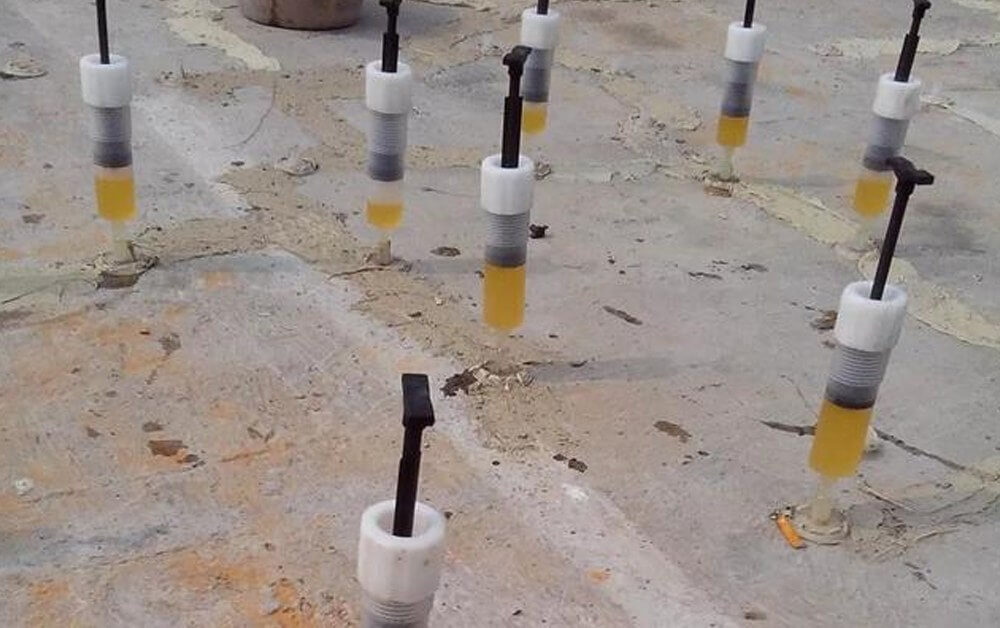
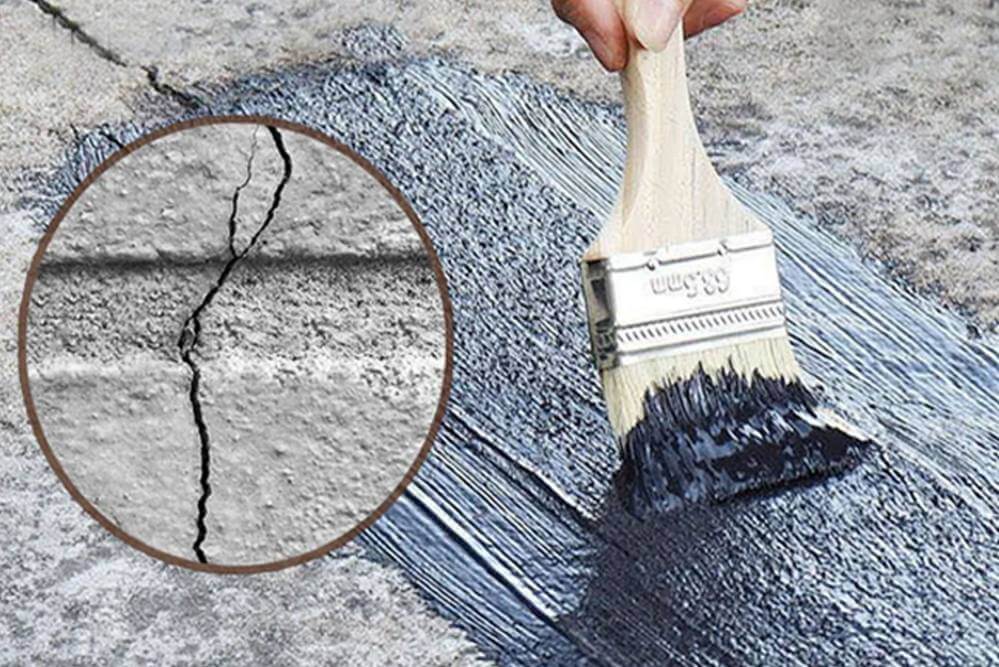
Case Example: Canadian Basement Wall Crack Leakage Sealed with Injection Grout
Project Background:
YURU Waterproof once supported a Canadian customer with a basement wall crack leakage repair project. The basement wall had visible crack leakage during rainy periods and when groundwater pressure increased. The customer had previously tried simple surface patching, but the leakage returned because the internal water path had not been sealed.
External excavation was not convenient for the project, so the customer wanted to repair the crack from the interior side.
Problem Analysis:
After reviewing the customer’s description, YURU identified that the main issue was not only a damaged surface. The wall crack had an internal seepage path. When outside water pressure increased, moisture moved through the crack and appeared on the basement wall.
The project required more than a surface patch. It needed an injection material that could enter the crack and seal the leakage path.
YURU also considered whether the crack was actively leaking, whether the water appeared seasonally, and whether a surface repair layer would be needed after injection.
Material Recommendation:
Based on the basement crack condition, YURU recommended polyurethane injection grout for the leaking wall crack. PU grout was suitable because the crack was damp and had water leakage risk.
For this type of basement repair, PU injection grout can enter the crack and form a sealing body inside the water path. If the crack had been dry and structural, epoxy injection resin would have been considered. If the issue had involved fine seepage or curtain grouting, acrylate grout could have been evaluated.
For structural joint re-leakage or slight movement, polyurea grouting material may also be considered depending on the actual condition.
Application Process:
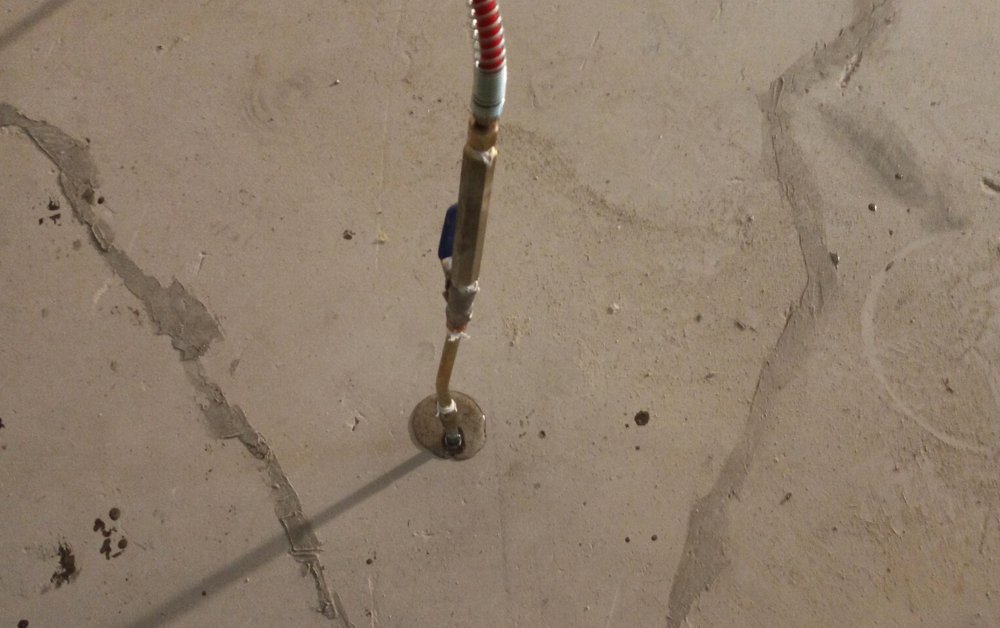
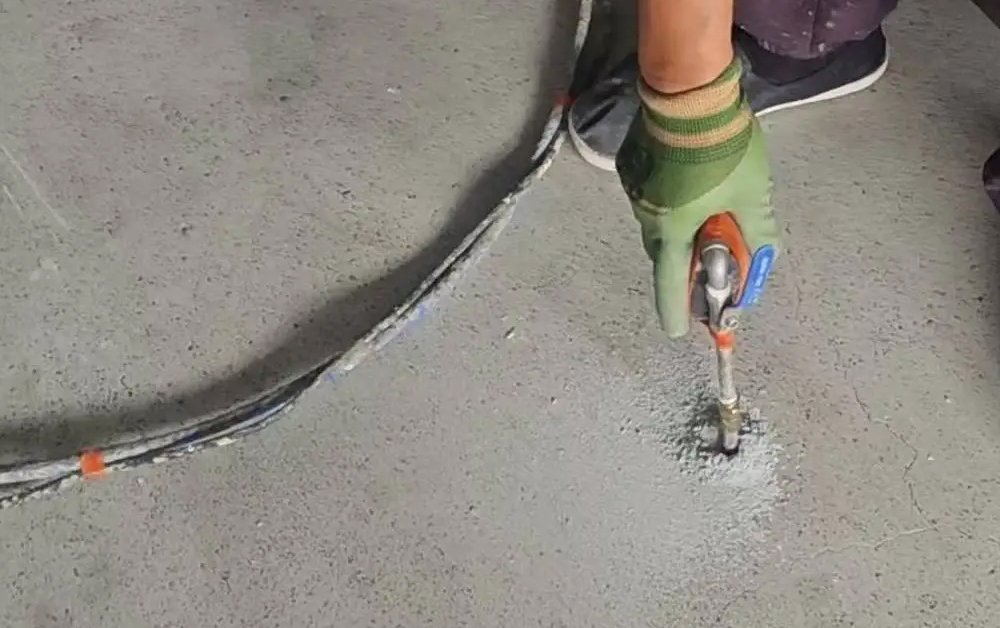
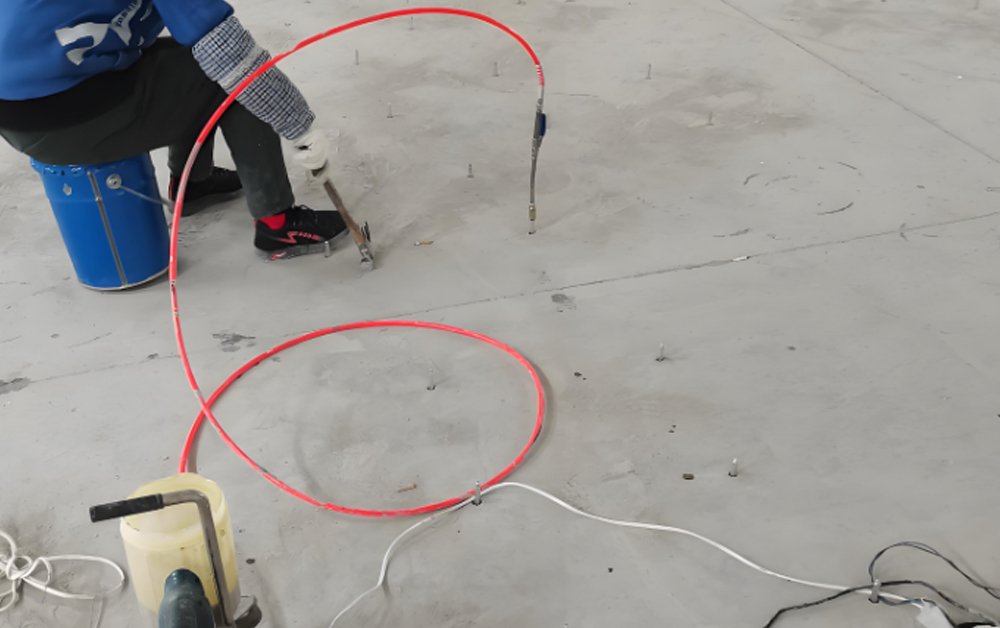
The customer installed injection ports along the wall crack and injected the grout according to the crack direction and leakage condition. The goal was to seal the internal water path rather than only cover the visible crack.
After injection, the customer applied a surface repair layer over the crack area. This step helped close the injection holes, cover the repaired crack line, improve the wall surface, and protect the local repair zone.
This is an important point. The project was not only “inject and stop.” It followed a more complete repair logic:
injection grout first, surface repair layer after grouting.
Result and Takeaway:
After the work was completed, the customer reported that the basement wall crack leakage improved. The case shows that basement leakage repair should deal with both the internal leakage path and the surface repair area.
The main lessons are:
- Basement cracks should be diagnosed before material selection.
- Active or damp cracks usually need injection grout, not only surface patching.
- PU injection grout is often suitable for basement wall crack leakage.
- Surface repair after injection helps protect the repaired crack area.
- Injection grout and surface repair layer work together, but they are not the same thing.
- YURU can help customers select materials based on leakage type and site condition.
How Injection Grout Works with Surface Repair and Waterproofing?
Basement repair often works best as a system.
Injection Grout Seals the Internal Leakage Path
Injection grout goes inside the crack, joint, or void. Its job is simple: stop or reduce the water path from the inside out.
For basement wall cracks, construction joints, and pipe penetrations, injection grout tackles the internal issue that no surface coating can reach.
Surface Repair Layer Restores and Protects the Crack Area
After injection, you’ve still got to deal with the visible surface. This layer closes up the injection holes, covers the crack line, smooths things out, and protects the local repair area.
It also gets the wall ready for any additional waterproofing or finishing you might want to do later.
Surface Waterproofing Protects the Concrete Surface
Waterproof coating or membrane protects the surface after the leakage path is controlled. It should not be used as a replacement for injection when water is actively entering through a crack.
When a Combined System Is Needed
A combined system may be needed when the basement has active leakage, visible cracks, and damp wall surfaces.
A practical sequence is often:
- Diagnose the leakage source.
- Inject the crack or joint.
- Apply a surface repair layer.
- Add surface waterproofing if the project requires broader protection.
This approach is more reliable than using one product for every problem.
What to Confirm Before Buying Injection Grout for Basement Leakage Repair
Before buying injection grout, confirm these project details:
- Where is the leakage point?
- Is it a wall crack, wall-floor joint, construction joint, pipe penetration, or honeycomb area?
- Is water actively flowing?
- Is the crack damp, leaking, or dry?
- Is the crack structural?
- Does water pressure change during rainy seasons?
- Is flexible sealing required?
- Is low-viscosity penetration required?
- Is a surface repair layer needed after injection?
- Is surface waterproofing also required?
- Is the injection equipment suitable?
- Are TDS, MSDS, and application instructions available?
- Is sample testing needed?
- Is OEM/ODM or private-label packaging required?
These questions help avoid wrong material selection and reduce re-leakage risk.
Why Choose YURU Waterproof for Basement Leakage Injection Grout?
YURU Waterproof is a professional manufacturer of waterproof coatings, injection grouting materials, and floor coating systems. For basement leakage repair, YURU offers a wide range of grouting materials for different leakage conditions.
YURU products can support:
- Polyurethane grout for active water leakage, damp cracks, and basement leak sealing
- Epoxy injection resin for dry structural crack repair
- Acrylate grout for fine seepage and curtain grouting
- Polyurea grouting material for structural joint re-leakage and elastic sealing
- Microcrystalline polyurea grout for higher-performance underground waterproof sealing
- Waterproof coatings for surface protection after injection and surface repair
YURU can help contractors, distributors, importers, project buyers, and private-label partners select materials for basement wall cracks, wall-floor joints, construction joints, pipe penetrations, honeycombs, and settlement joints.
YURU’s support services include sample testing, TDS, MSDS, application guidance, project communication, OEM/ODM, packaging customization, wholesale supply, and private-label cooperation.

FAQs:
1. What injection grout is best for basement leakage repair?
There is no single best grout for every basement leak. Active water leakage often uses polyurethane grout. Dry structural cracks may use epoxy injection resin. Fine seepage may use acrylate grout. Structural joint re-leakage may require elastic grouting materials such as polyurea grouting material.
2. Can injection grout stop active basement leaks?
Yes, if the correct material is selected. Polyurethane grout is commonly used for active basement leaks, damp cracks, wall-floor joints, construction joints, and pipe penetration leakage.
3. Do I need a surface repair layer after injection grouting?
In many basement wall crack projects, yes. The surface repair layer closes injection holes, covers the crack line, protects the repaired area, and prepares the surface for further waterproofing or finishing.
4. Why does basement injection grouting fail or re-leak?
Common reasons include wrong material selection, poor crack diagnosis, improper injection port spacing, unsuitable injection pressure, incomplete crack filling, changing water pressure, no surface repair layer, or no follow-up surface protection.
5. Can YURU Waterproof provide injection grout for basement leakage repair?
Yes. YURU Waterproof provides polyurethane grout, epoxy injection resin, acrylate grout, polyurea grouting material, microcrystalline polyurea grout, and waterproof coatings for basement leakage repair. YURU also supports sample testing, technical documents, OEM/ODM, and project-based material selection.
Conclusion:
Injection grout for basement leakage repair should be chosen according to the leakage condition.
For active water leakage, polyurethane grout is often the first material to consider, for dry structural cracks, epoxy injection resin may be more suitable, for fine seepage or curtain grouting, acrylate grout can be evaluated. For structural joint re-leakage or slight movement, polyurea grouting material may be useful. After injection, a surface repair layer may be needed to close drill holes, protect the repair area, and prepare for surface waterproofing.
Basement leakage repair is most reliable when the contractor first diagnoses the water source, crack condition, pressure, and repair target.
A good repair plan does not start with a product name. It starts with the leakage path.
If you are looking for injection grout for basement leakage repair, YURU Waterproof can help you select the right material based on your basement crack, leakage condition, water pressure, and repair target.
Contact YURU Waterproof to discuss basement leakage injection grout, polyurethane grout for active water leakage, epoxy injection resin for dry structural cracks, acrylate grout for fine seepage, polyurea grouting material for joint re-leakage, surface repair after grouting, sample testing, OEM/ODM supply, and project-based material selection.

YURU Product solutions