Is Epoxy Colored Sand Floor Paint Durable?
Introduction
Yes. Epoxy colored sand floor paint can be a durable flooring choice for commercial and industrial projects when the system is matched to the actual traffic, load, substrate, and service conditions.
For most buyers, the real question is not whether epoxy colored sand flooring is “strong.” It is whether the floor can continue to perform under daily wear, forklift traffic, cleaning, oil exposure, or repeated use.
That depends on both the material itself and how the floor is designed and installed.
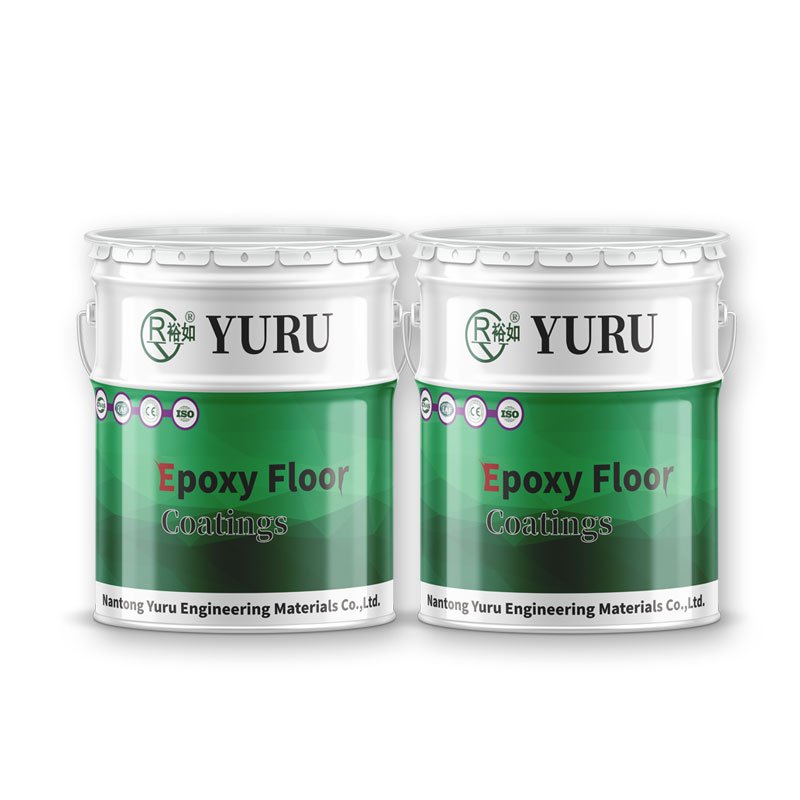
YURU epoxy colored sand self-leveling floor paint has measurable abrasion, flexural, and compressive strength data that give buyers a practical starting point for evaluating durability. From there, project conditions determine whether the system is the right fit.
Why Is Epoxy Colored Sand Flooring Durable?
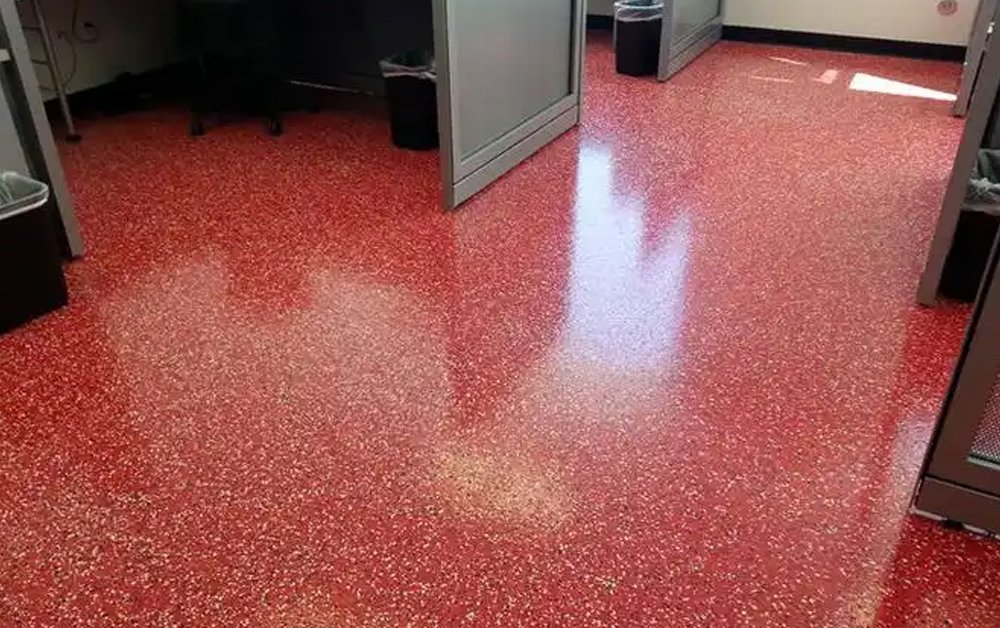
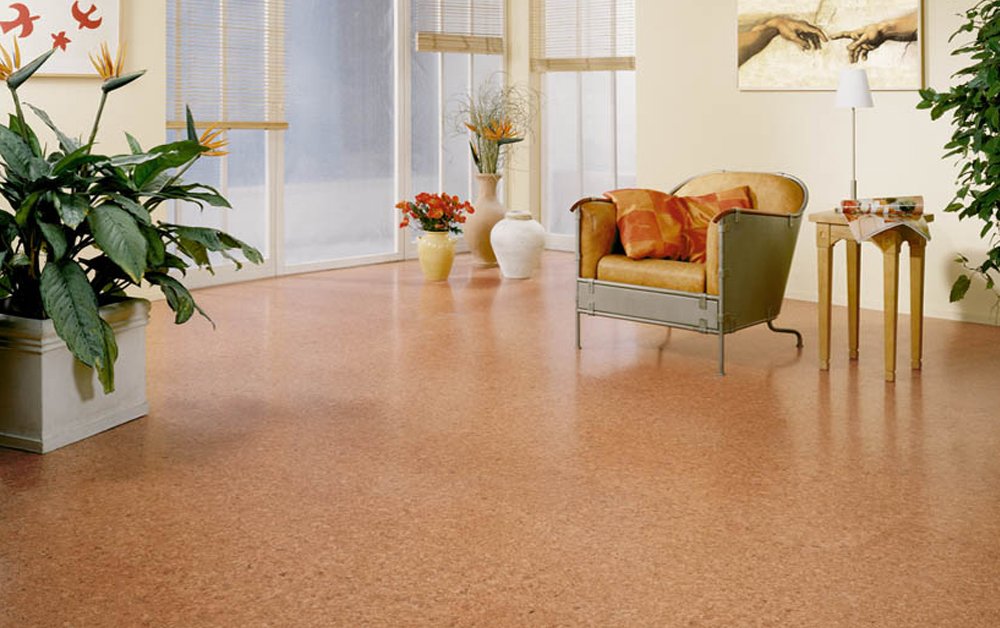
Epoxy colored sand flooring combines epoxy resin, colored sand, and curing components to form a dense, seamless surface.
Once cured, the system provides three characteristics that directly affect durability:
1. Strong resistance to surface wear
The colored sand and epoxy matrix create a harder wearing surface than a thin decorative coating.
This is important in areas where the floor is exposed to:
- regular foot traffic;
- carts and trolleys;
- warehouse movement;
- cleaning equipment;
- repeated daily use.
Wear resistance matters because many floors do not fail suddenly. It progressively loses gloss, texture, color consistency, or surface thickness.
A flooring system resistant to repeated abrasion maintains appearance and function longer.
2. Good resistance to pressure and repeated loading
Factories, warehouses, and workshops place more stress on a floor than a normal residential environment.
The coating may need to deal with:
- loaded carts;
- pallet movement;
- forklifts;
- machinery;
- storage racks;
- repeated wheel paths.
For YURU epoxy colored sand self-leveling floor paint, available test data show:
| Test Item | Test Result |
| Abrasion Resistance | 123 mm² |
| Flexural Strength | 21.5 MPa |
| Compressive Strength | 38.6 MPa |
These results give buyers a measurable reference when evaluating the system for demanding applications.
3. Seamless protection against common contamination
A dense, seamless floor has fewer joints and open pores where dirt, oil, or liquids can collect.
That makes the surface easier to clean and helps protect it in working environments where spills and frequent maintenance are common.
YURU’s product information lists resistance to water, oil, acids, alkalis, and chemical exposure as part of the product performance.
Can Epoxy Colored Sand Flooring Handle Forklifts and Heavy Traffic?
In many projects, yes.
But the answer depends on how the floor will actually be used.
A warehouse with occasional pallet trucks is very different from a logistics center where forklifts turn repeatedly in the same aisle all day.
The most important factors are:
- vehicle weight;
- wheel hardness;
- turning frequency;
- braking points;
- traffic concentration;
- floor thickness;
- substrate strength.
For example, straight-line forklift movement produces different wear from repeated tight turns.
Areas around loading bays, turning points, machine bases, and entrances normally receive more concentrated stress.
That means the same epoxy flooring system may perform very well in one area but need additional thickness or a different specification in another.
For buyers, the practical approach is simple:
Do not select flooring only by the words “heavy duty.” Match the floor system to the actual load pattern.
YURU’s technical information describes the material as suitable for heavy pressure, impact, forklift traffic, and mechanical rolling conditions.
So for warehouses and workshops, the product can be a strong candidate when the substrate and system design are appropriate.
What Makes Epoxy Colored Sand Floors Wear Out Early?
This is where many projects go wrong.
The material itself is only one part of the system.
Several common problems can shorten floor performance much faster than expected.
Poor concrete preparation
If dust, oil, weak laitance, old coatings, or loose concrete remain on the substrate, the epoxy may not bond properly.
The surface may then start peeling or separating even if the coating itself has good mechanical strength.
Moisture in the substrate
Moisture below the floor can create adhesion problems and may contribute to blistering or delamination.
A concrete floor that looks dry on the surface may still contain internal moisture.
Incorrect mixing
Two-component epoxy systems depend on the correct proportion of resin and curing component.
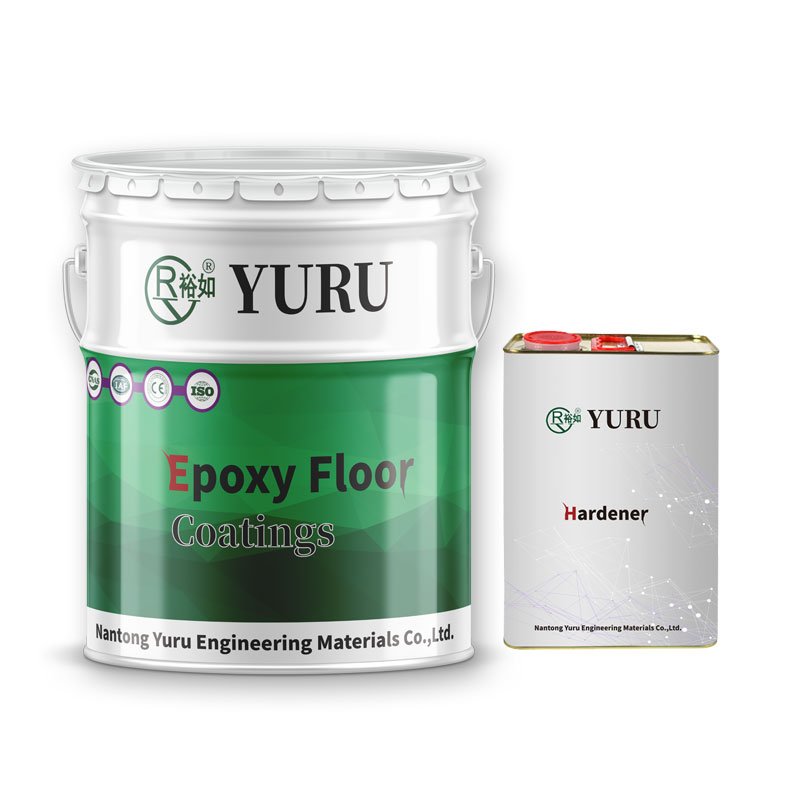
YURU’s current product data specify a 7:1 mixing ratio and approximately 30–40 minutes of working time.
Poor mixing can lead to soft areas, uneven curing, or inconsistent performance.
Using too little material for the traffic level
A floor designed mainly for pedestrian use should not automatically be expected to perform like a heavy industrial system.
Thickness should be selected according to the actual traffic and load.
Putting the floor into service too early
YURU’s technical data list approximately 6 hours surface dry and 24–36 hours through dry under suitable conditions.
Heavy use too early can damage the surface before the system has developed its intended performance.
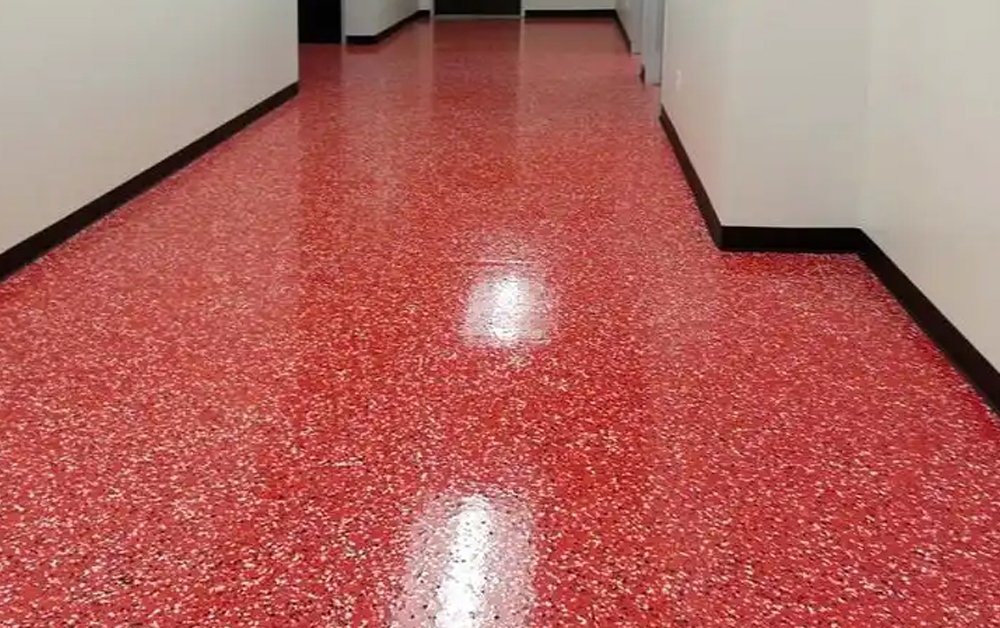
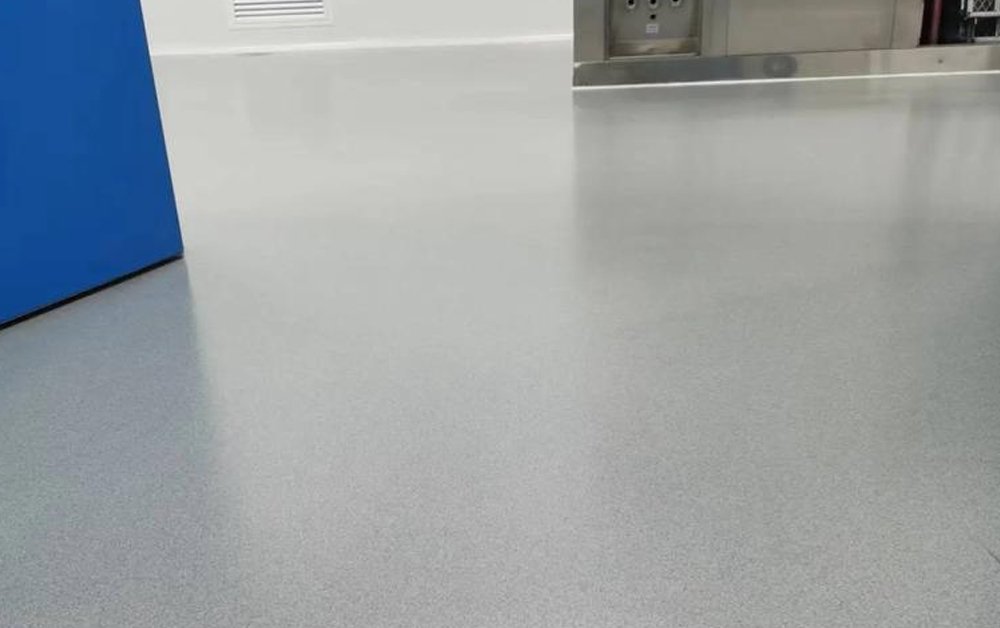
Is It Durable in Areas Exposed to Oil and Chemicals?
For many industrial and commercial environments, epoxy colored sand flooring performs well against routine oil and chemical exposure.
This is one reason it is commonly considered for:
- workshops;
- laboratories;
- production areas;
- pharmaceutical facilities;
- warehouses;
- maintenance areas.
The seamless surface also makes spills easier to remove before they remain on the floor for long periods.
But chemical resistance depends on the actual substance.
Intermittent exposure to machine oil differs substantially from continuous exposure to concentrated acids, solvents, or aggressive cleaning agents.
Prior to floor selection for chemically demanding areas, buyers should confirm:
- chemical name;
- concentration;
- exposure time;
- temperature;
- cleaning frequency.
That gives the supplier enough information to determine whether the standard system is suitable.
How Long Can Epoxy Colored Sand Flooring Last?
There is no useful universal answer such as “10 years” or “15 years.”
The more practical way to estimate service life is to look at the conditions that determine wear.
A floor usually lasts longer when:
- the concrete base is strong;
- surface preparation is correct;
- the flooring thickness matches the traffic;
- mixing and curing are controlled;
- chemicals are cleaned promptly;
- concentrated wear areas are maintained;
- local damage is repaired early.
In a commercial area, the main challenge may be repeated pedestrian traffic and appearance retention; In a warehouse, it may be forklift movement. In a workshop, oil, impact, and tools may matter more.
So “how long will it last?” should always be connected to how the floor will be used.
Is Epoxy Colored Sand Flooring More Durable Than Regular Epoxy Flooring?
Not always.
This is an important distinction.
Epoxy colored sand flooring offers a combination of:
- wear resistance;
- decorative texture;
- slip-related surface
- characteristics;
- seamless appearance;
- mechanical strength.
Regular epoxy systems can also be extremely durable and may be better suited to some heavy industrial environments.
If a project mainly prioritizes:
- maximum mechanical performance
a conventional industrial epoxy system may be appropriate.
If the project needs:
- durability + decorative appearance + texture
epoxy colored sand flooring can be a better fit.
For this topic, you can see our guide about “epoxy colored sand vs epoxy floor”. Traditional epoxy and colored-sand systems can serve different performance priorities.
Where Does Epoxy Colored Sand Flooring Make the Most Sense?
Epoxy colored sand flooring is especially useful where buyers want both performance and appearance.
Typical examples include:
| Project Type | Why Durability Matters |
| Warehouses | carts, wheels, repeated traffic |
| Workshops | oil, impact, equipment |
| Factories | wear, cleaning, machinery |
| Commercial Spaces | foot traffic and appearance |
| Hospitals & Schools | repeated use and easy cleaning |
| Laboratories | seamless finish and chemical exposure |
YURU product documentation lists workshops, warehouses, pharmaceutical factories, laboratories, shopping malls, hospitals, schools, and similar industrial, commercial, and public environments among the application areas.
The point is not that one flooring specification fits all of them.
The point is that epoxy colored sand flooring can be adapted to different durability requirements when the project conditions are known.


How Should Buyers Judge Whether It Is Durable Enough for Their Project?
Before ordering, ask these questions:
1. What will move across the floor?
People, carts, pallet trucks, forklifts, or machinery?
2. Where will the highest wear occur?
Entrances, loading zones, turning areas, production lines, or storage aisles?
3. What chemicals will contact the floor?
Oil, cleaners, acids, alkalis, or solvents?
4. What is the concrete condition?
New concrete, old concrete, repaired floor, cracked substrate, or contaminated surface?
5. Is appearance important?
A warehouse and a shopping mall may need very different finishes even if both require durability.
6. How much curing time is available?
A rushed construction schedule can directly affect final performance.
If these project conditions are clear, selecting the correct epoxy flooring system becomes much easier.
For buyers, this information is more useful than a general promise that a product is “very durable.”
FAQs
Is epoxy colored sand flooring suitable for warehouses?
Yes, it may be suitable for warehouse applications, particularly where wear resistance, ease of maintenance, and a decorative seamless finish are required.
For heavy forklift traffic, traffic patterns, substrate strength, and flooring thickness should be evaluated prior to selection.
Will forklift traffic damage epoxy colored sand flooring?
Normal forklift operation does not inherently cause failure.
Damage risk increases when loads are high, wheels are hard, turning is frequent, or the system is too thin for the traffic level.
Turning zones and loading areas usually deserve extra attention.
Does colored sand make epoxy flooring stronger?
Colored sand contributes to the texture and aggregate structure of the system, while the epoxy resin binds the material together.
Final durability depends on the whole formulation and system design rather than the sand alone.
Is epoxy colored sand flooring easy to maintain?
Yes, the seamless surface is generally easy to clean.
Regular removal of abrasive dirt, oil, and chemical spills helps preserve the floor surface.
Can epoxy colored sand flooring be used outdoors?
Standard epoxy systems should be evaluated carefully for outdoor exposure.
For projects with strong long-term UV exposure, buyers should confirm whether the selected flooring system has verified UV-resistant performance.
Final Answer
Epoxy colored sand floor paint can be a durable flooring solution for warehouses, workshops, commercial spaces, public buildings, and other high-use environments.
For YURU epoxy colored sand self-leveling floor paint, the available technical results include:
- Abrasion resistance: 123 mm²
- Flexural strength: 21.5 MPa
- Compressive strength: 38.6 MPa
These figures provide a useful technical reference, but real floor durability depends on the complete project conditions –especially the substrate, traffic, loading, chemicals, system thickness, application, and curing.
For a project evaluation, prepare the following information before requesting a flooring recommendation:
substrate condition + floor area + traffic type + forklift or machinery load + chemical exposure + required finish
YURU Waterproof can then evaluate the project requirements and recommend a more suitable epoxy flooring specification.
For full product specifications, application information, customization, packaging, and bulk supply details, see the YURU Epoxy Colored Sand Floor Paint product page.


YURU Product solutions