Is Polyurethane Good for Waterproofing? Contractor Material Selection Guide
Introduction:
We hear this one all the time from contractors: is polyurethane actually waterproof?
The practical answer is yes, it can work great for waterproofing. But the real question isn’t just “is it waterproof?” The question contractors should be asking is:
Which polyurethane product fits this project?
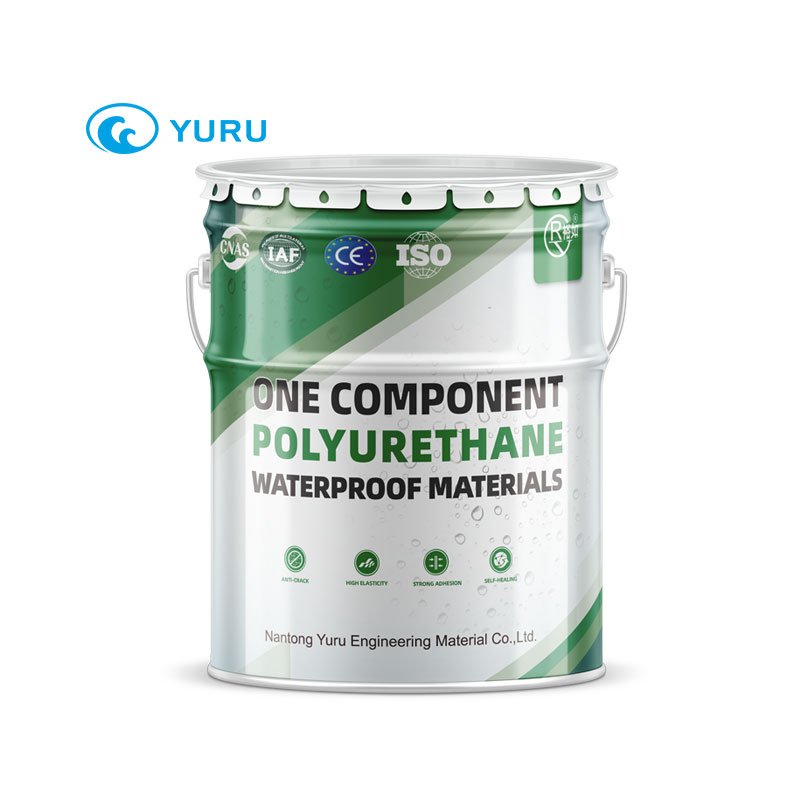
This matters because “polyurethane waterproof” can mean different materials. A polyurethane waterproof coating forms a surface-applied waterproof membrane. A polyurethane injection grout is introduced into cracks, joints, and leakage channels to address internal water paths. Same family of chemistry — completely different jobs.
For example, an exposed roof may need a one-component water-based polyurethane waterproof coating with polyester fabric reinforcement. On the other hand, an underground crack with active leakage may need polyurethane injection grout, a grouting machine, and injection packers.
Therefore, polyurethane is good for waterproofing when contractors choose the right PU product for the right application.
Is Polyurethane Waterproof?
Polyurethane can be used in waterproofing — but here’s the catch: it’s not one single product. In construction, “polyurethane” may refer to coating, grout, sealant, or a complete waterproofing system.
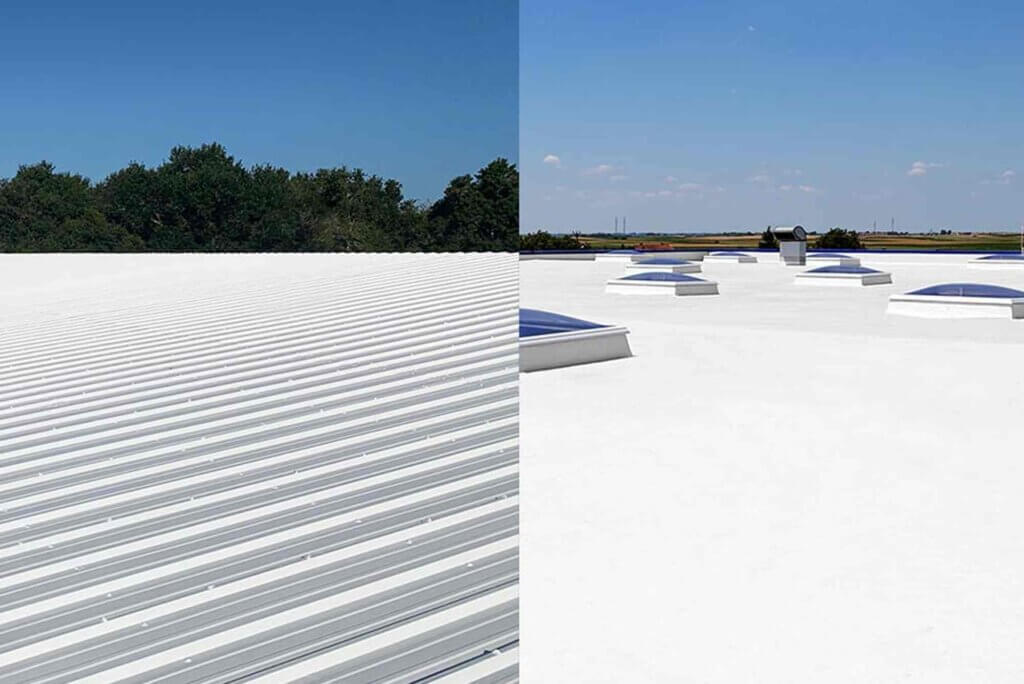
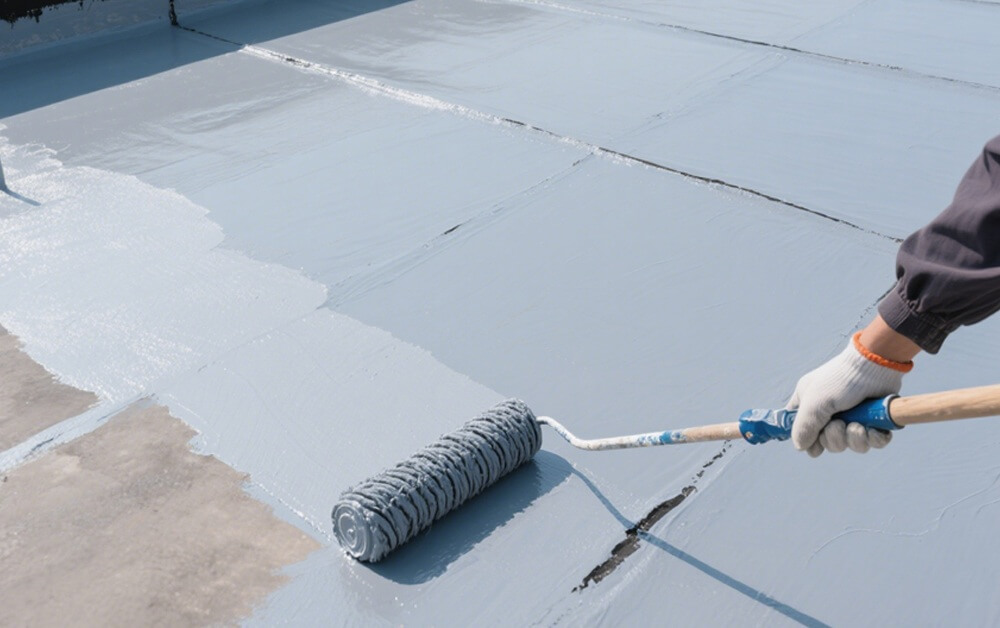
For surface waterproofing applications, contractors usually choose polyurethane waterproof coating. This type of material forms a flexible film over concrete, cement mortar, roof slabs, balconies, bathrooms, or other prepared substrates.
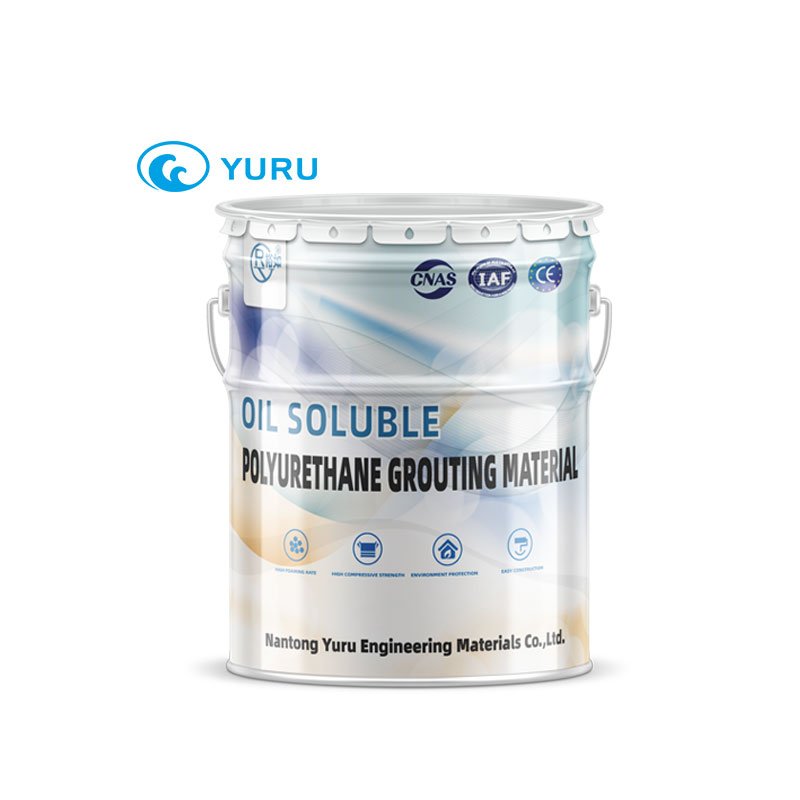
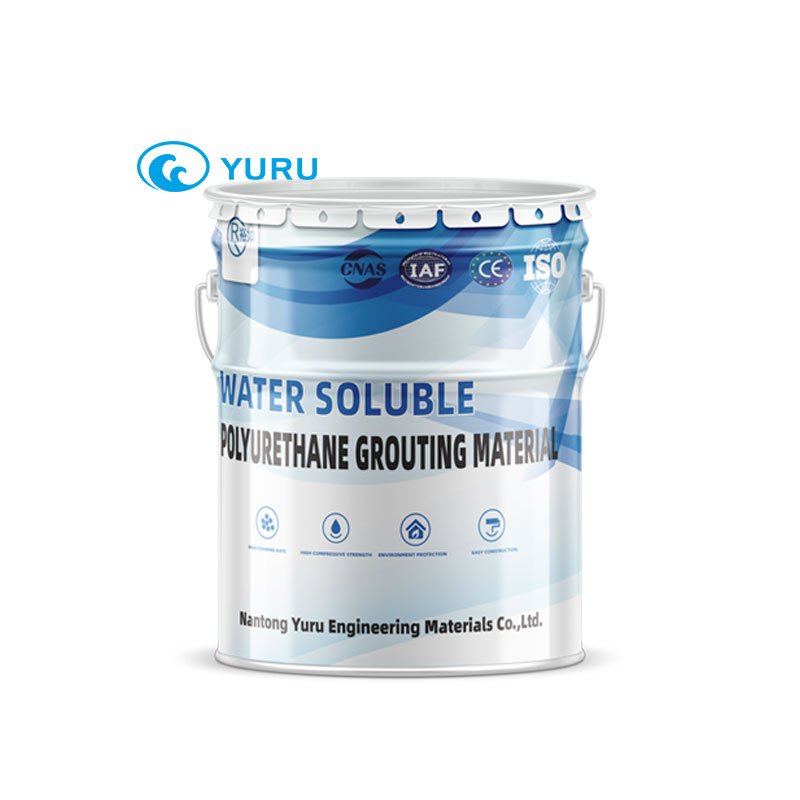
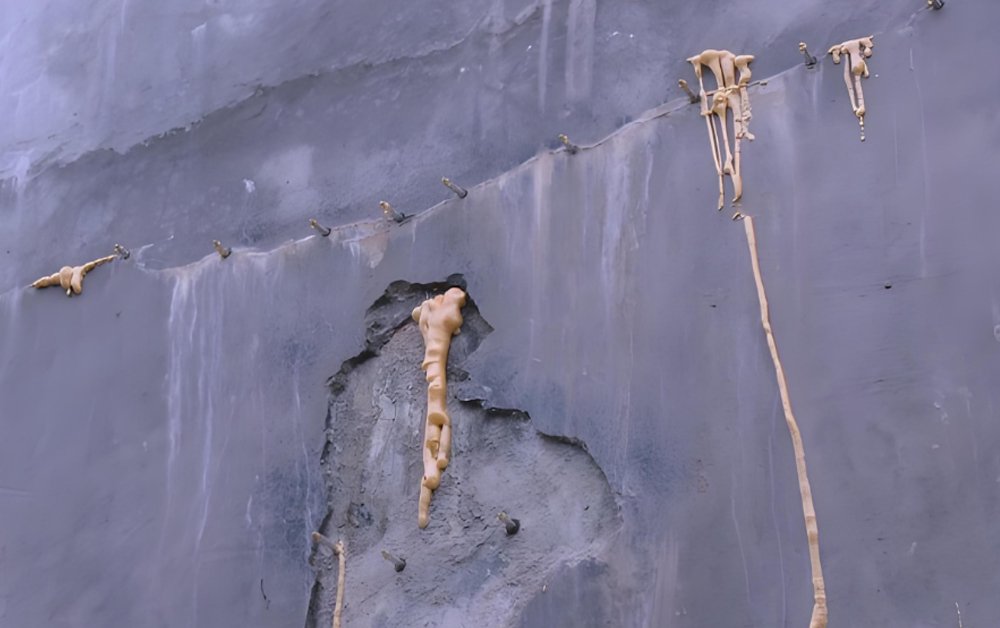
For leakage repair applications, contractors use polyurethane injection grout. This type of material goes into cracks, joints, and internal leakage channels. It’s a completely different animal from surface coating.
So when a buyer inquires “is polyurethane good for waterproofing,” the answer is: it depends on the project. Polyurethane can be a strong waterproofing choice — but only if the product type, substrate, application method, exposure, and repair goal all line up.
Why Contractors Use Polyurethane for Waterproofing?
Contractors specify polyurethane waterproofing materials due to their effectiveness in addressing multiple common waterproofing challenges. However, a clear understanding of product-specific functions is essential prior to procurement.
Flexible Waterproof Membrane Formation
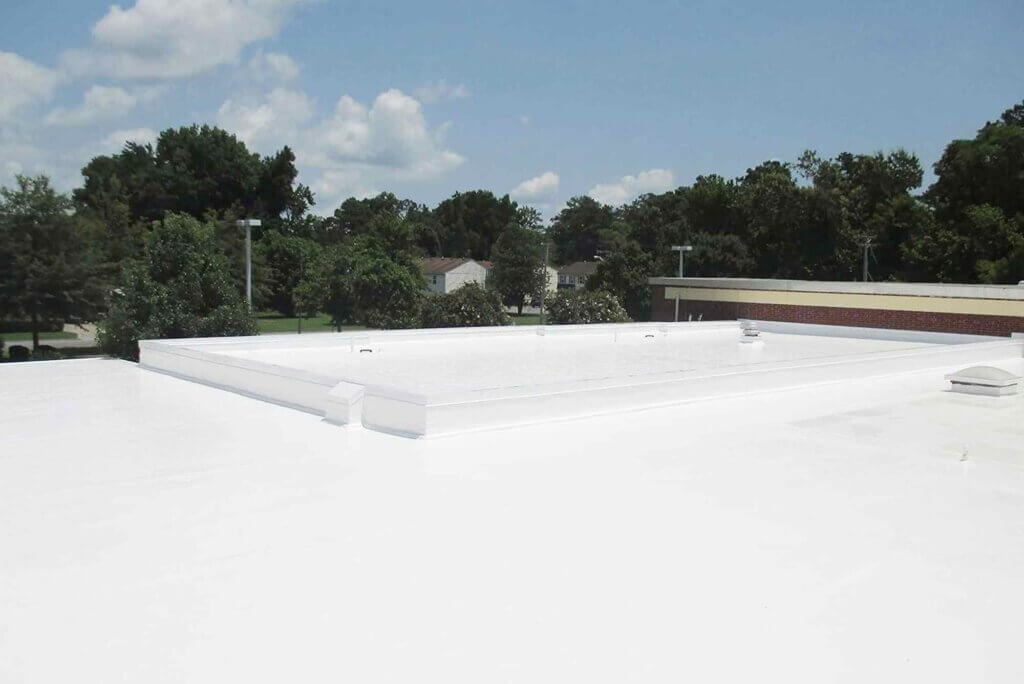
Polyurethane waterproof coating can form a continuous waterproof membrane on the surface. This makes it useful for roof waterproofing, balcony waterproofing, bathroom waterproofing, and some concrete slab waterproofing projects.
Unlike rigid cement-based materials, a PU coating can provide a certain level of flexibility. This helps the waterproofing layer handle small substrate movements.
However, contractors should not use PU waterproof coating like ordinary paint. Waterproofing needs enough film thickness. If the coating is too thin, the membrane may not provide reliable protection.
Crack-Bridging Ability in Suitable Conditions
A good PU coating can help bridge small surface cracks when the substrate is prepared correctly. This is useful on roofs, terraces, wet areas, and concrete surfaces where minor movement may happen.
Still, contractors should be careful. If a crack has active water or an internal leakage channel, a coating alone may not solve the problem. In that case, contractors should evaluate PU injection grout first.
Adhesion to Prepared Substrates
Polyurethane coating can bond to prepared concrete, cement mortar, and other suitable substrates. However, surface preparation decides much of the final result.
Before applying PU coating, contractors should remove dust, oil, loose material, old weak coatings, and standing water. In many cases, they should also check whether a primer is required.
Good adhesion does not happen by accident. It comes from proper cleaning, substrate repair, correct application thickness, and suitable curing conditions.
Different PU Products for Different Waterproofing Problems
Polyurethane has wide use in waterproofing because it can be made into different products.
Contractors may choose:
- PU waterproof coating for surface waterproofing
- PU injection grout for cracks and leakage channels
- PU sealant for some joints and details
- Water-based PU coating for selected low-odor or easier application needs
- One-component PU coating for convenient site application
- Two-component PU coating for projects that need more controlled performance
This is why buyers should not make decisions based only on the phrase “polyurethane waterproof.” They should first define the project problem.
Polyurethane Waterproof Coating vs Polyurethane Injection Grout
This is the most important point in polyurethane waterproofing selection. A lot of project failures happen because contractors confuse PU coating with PU grout.
When to Choose Polyurethane Waterproof Coating
Contractors should choose polyurethane waterproof coating when the project needs a waterproof membrane on the surface.
Typical applications include:
- Roof waterproofing
- Exposed roof waterproofing
- Balcony waterproofing
- Bathroom waterproofing
- Kitchen and wet area waterproofing
- Concrete slab waterproofing
- Basement surface waterproofing
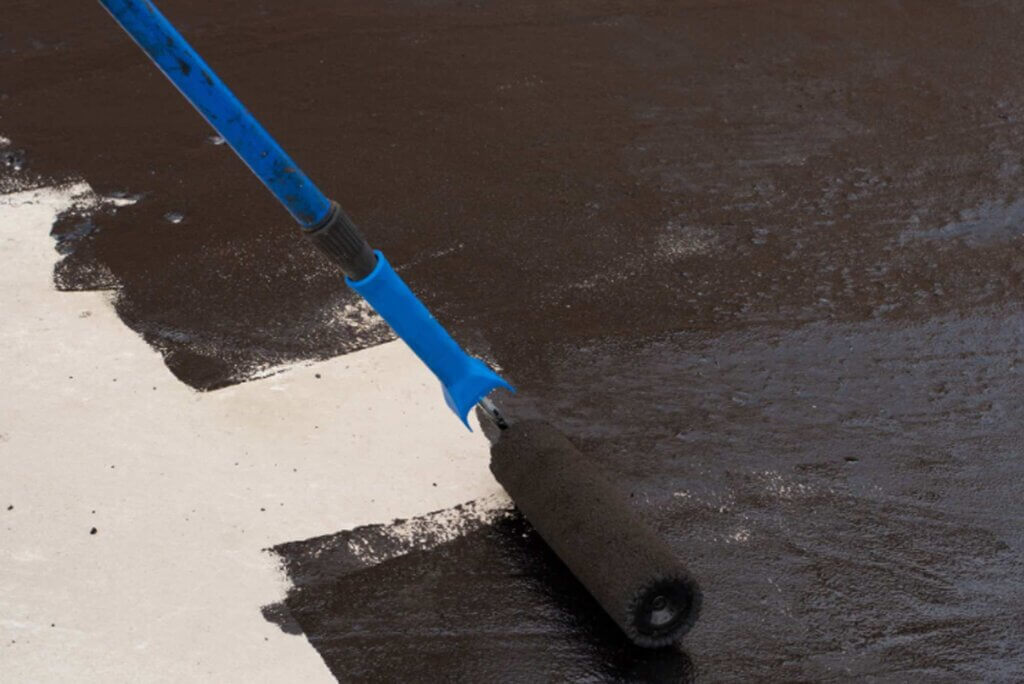
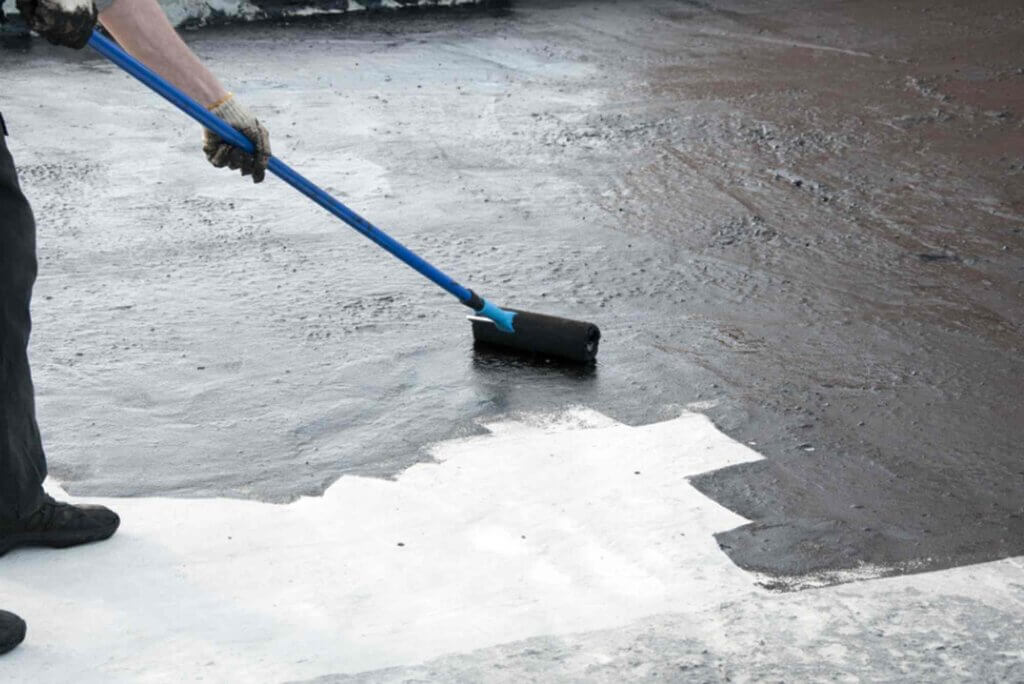
PU coating covers the prepared surface and forms a continuous film. You apply it with a brush, roller, or spray.
For roof waterproofing applications, you need even coverage and the right thickness. If it’s exposed, you’ve also got to think about sun, rain, temperature changes, slope, drainage, and reinforcement.
When to Choose Polyurethane Injection Grout
Choose polyurethane injection grout when you’re dealing with cracks, joints, or internal leak channels.
Typical applications include:
- Underground crack leakage
- Basement wall leakage
- Concrete crack leakage
- Construction joint leakage
- Expansion joint leakage
- Tunnel leakage
- Pipe penetration leakage
- Active water leakage
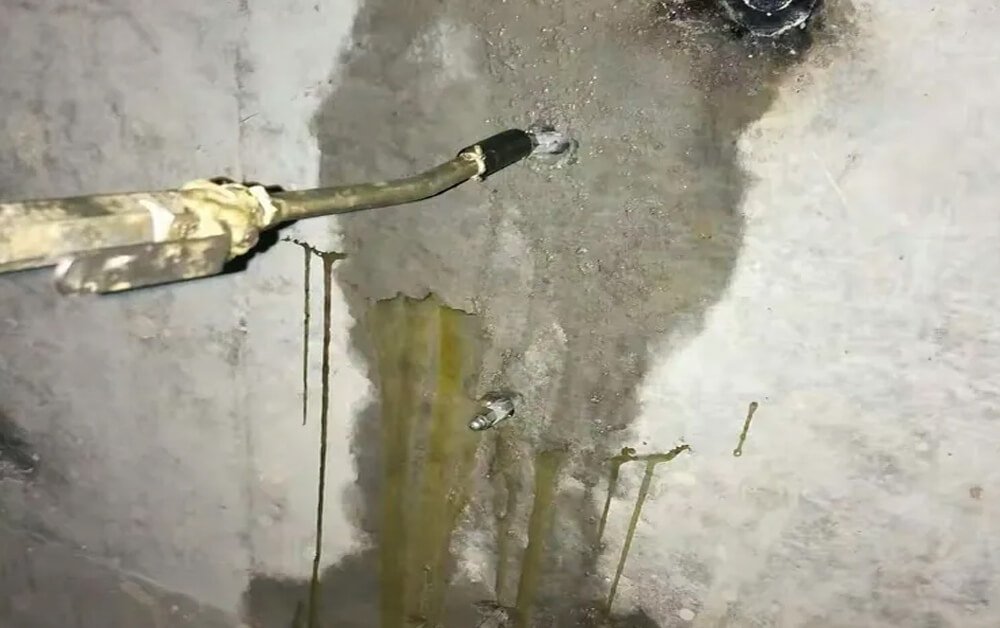
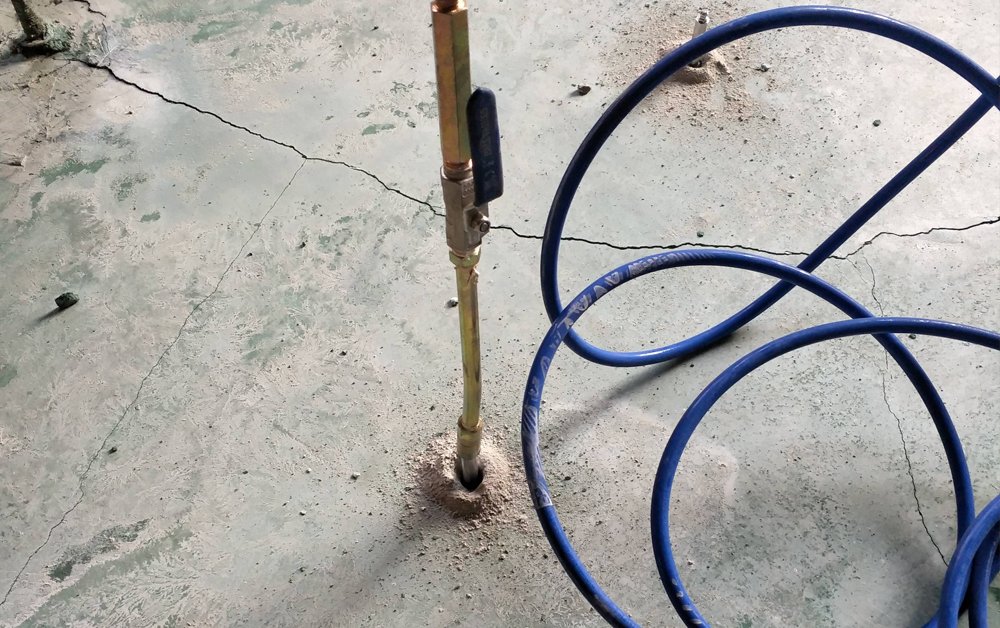
PU grout works inside the structure. Contractors inject it into leakage channels with a grouting machine and injection packers. Therefore, it solves a different problem from PU coating.
If a basement crack has water coming through it, applying PU coating on the surface may only hide the problem for a short time. The internal water path may continue to push water behind the coating. As a result, the surface may blister, peel, or leak again.
Why PU Coating and PU Grout Cannot Be Mixed Up?
PU coating and PU grout should not be used as substitutes for each other.
The PU coating forms a waterproof membrane on the surface. PU grout fills or seals cracks, joints, and leakage channels inside the structure.
If a contractor uses PU coating to repair active crack leakage, the water path may remain open. If a contractor uses PU grout for large roof surface waterproofing, the material will not form the correct continuous membrane.
Both are polyurethane-based materials, but their application position, tools, reaction behavior, and repair purpose are different.
Where Is Polyurethane Good for Waterproofing?
Polyurethane works well in a lot of waterproofing projects — still the right product depends on where you’re using it.
Roof Waterproofing
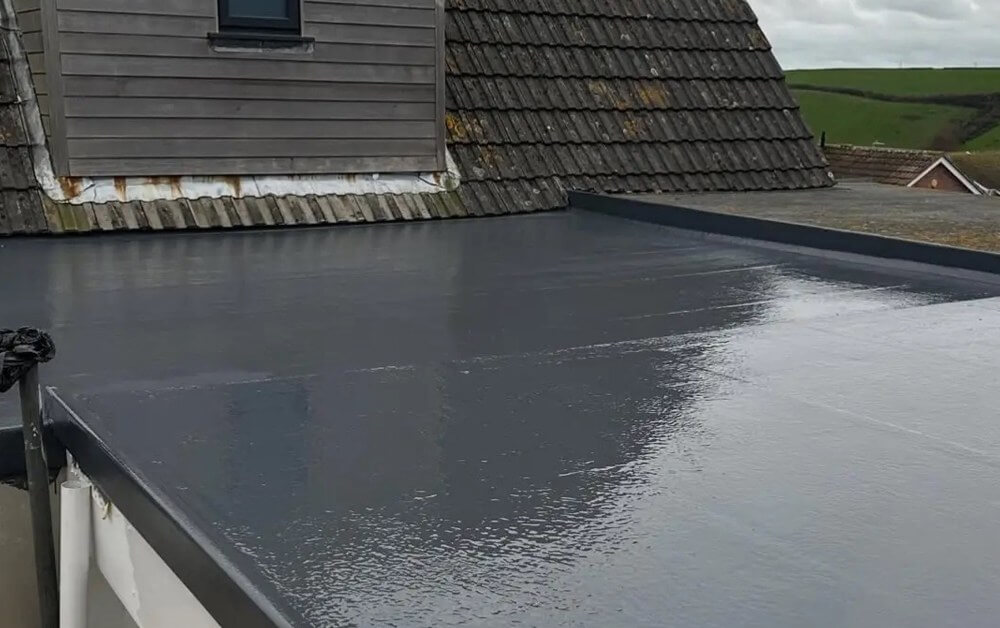
PU waterproof coating can be a practical choice for roof waterproofing. It can form a flexible membrane over prepared roof substrates and help protect the roof from rainwater.
For exposed roof waterproofing, contractors need to think beyond the coating itself. The roof will face sunlight, rain, thermal movement, and possible standing water in low areas.
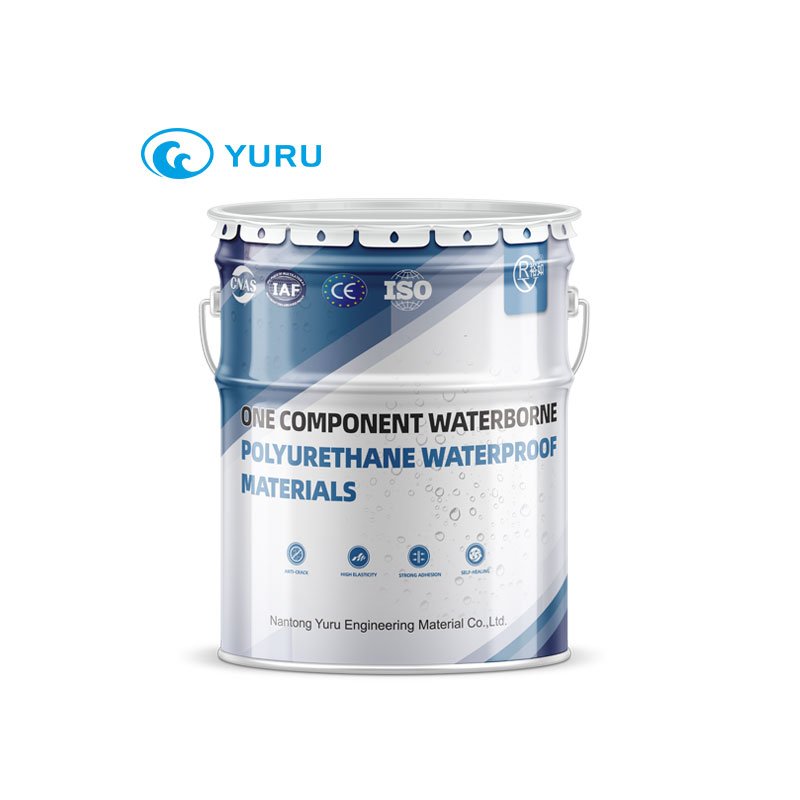
For selected roof projects, YURU Waterproof may recommend one-component water-based polyurethane waterproof coating. This product direction can suit contractors who need convenient site application. However, contractors should follow the application guide carefully.
For exposed roof waterproofing, YURU recommends using polyester fabric reinforcement with the coating system. This is especially important around cracks, overlaps, corners, pipe roots, drains, and other details.
Basement and Underground Waterproofing
Basement and underground waterproofing require careful diagnosis. A damp wall, a surface seepage area, and an active crack leak do not need the same material.
If the project needs surface waterproofing on a prepared wall or slab, PU coating may be considered. However, if water comes through a crack or construction joint, contractors should evaluate PU injection grout.
Underground leakage often involves water pressure and internal water paths. Therefore, surface coating alone may not solve crack leakage.
Bathroom, Kitchen and Wet Areas
PU waterproof coating can also work in bathrooms, kitchens, and wet areas. These areas need careful detail treatment because leaks often happen around floor drains, pipe roots, internal corners, wall-floor joints, and thresholds.
For indoor projects, contractors may prefer water-based or low-odor PU systems when suitable. They should also confirm tile compatibility, drying time, coating thickness, and water test requirements before installation.
Balcony and Terrace Waterproofing
Balconies and terraces face rainwater, temperature changes, and movement at details. PU coating can help create a flexible waterproof layer in these areas.
However, contractors must pay attention to drainage slope, railing bases, door thresholds, corners, and cracks. In exposed balcony and terrace projects, reinforcement with polyester fabric may also improve stability at weak areas.
Concrete Crack and Joint Leakage Repair
When cracks or joints leak from inside the structure, contractors should not treat the problem as ordinary surface waterproofing.
PU injection grout is more suitable for internal water paths. It can enter cracks or joints and seal the leakage channel. Contractors should use suitable grouting equipment, packers, and pressure control.
After injection, the project team may still need surface finishing or additional waterproofing, depending on the structure and project goal.
When Polyurethane May Not Be the Best Waterproofing Choice
PU is a great material — but it’s not always the right answer. Any good material selection guide should also tell you when to be careful.
Severe UV Exposure Without Proper System Design
Exposed roofs face UV, rain, temperature changes, and thermal movement. Not every PU coating system performs the same in exposed outdoor conditions.
Contractors should check the technical data sheet and application guide. In some cases, the project may need polyester fabric, a protection layer, or a compatible topcoat. The supplier should confirm whether the product fits the exposure condition.
Active Leakage Without Injection Treatment
Active water leakage should not be treated with surface coating alone. If water flows through a crack or joint, contractors should first consider injection repair.
PU injection grout can help treat the internal leakage channel. After that, the contractor can decide whether the surface also needs waterproof coating.
Weak, Dusty or Wet Substrate
PU coating needs a stable substrate. If the surface is dusty, loose, oily, wet beyond product limits, or poorly repaired, the coating may not bond well.
This may lead to blistering, pinholes, peeling, or early failure. Therefore, contractors should clean and repair the substrate before application.
Wrong Product for the Application
The wrong product can cause failure even when the material quality is acceptable.
A roof PU coating should not be used as crack injection grout. PU grout should not be used as a large-area roof membrane. Indoor wet areas, exposed roofs, underground cracks, and bridge decks all require different selection logic.
How to Choose the Right Polyurethane Waterproofing Product?
A contractor material selection guide should help buyers move from a general question to a clear product direction.
Choose by Application Area
- For roof waterproofing, focus on UV exposure, rainwater, drainage, coating thickness, and polyester fabric reinforcement.
- For basement waterproofing, focus on water pressure, crack condition, and whether the project needs surface coating or injection grout.
- For bathroom waterproofing, focus on low odor, corners, floor drains, tile compatibility, and water testing.
- For balcony waterproofing, focus on drainage, thermal movement, railing bases, and detail reinforcement.
- For underground crack leakage, focus on PU injection grout, grouting equipment, packers, and pressure control.
Choose by Product Type
Contractors can select from different PU waterproofing products.
One-Component Water-Based Polyurethane Waterproof Coating
This product direction can help contractors who need convenient application for selected surface waterproofing projects. For exposed roof waterproofing, YURU recommends following the application guide and using polyester fabric reinforcement.
One-Component Polyurethane Waterproof Coating
This type suits many surface waterproofing projects where contractors need simple site application and flexible membrane formation.
Two-Component Polyurethane Waterproof Coating
This type may suit projects that need more controlled mixing and performance. However, it requires correct ratio control and proper mixing.
This product suits cracks, joints, active leakage, and underground water paths. It requires grouting equipment and packers.
PU Sealant
PU sealant can help with selected joints and details. However, it does not replace a full waterproof coating or injection grout system.
Check Technical Data Before Purchase
Before buying polyurethane waterproofing materials, contractors should review the product data carefully.
Important items may include:
- Tensile strength
- Elongation at break
- Bonding strength
- Solid content
- Viscosity
- Drying time
- Water resistance
- Low temperature flexibility
- Recommended thickness
- Application temperature
- Substrate moisture requirement
- UV or exposure recommendation
- TDS and MSDS
A serious supplier should help contractors understand these items instead of only giving a price.
Match the Product with the Construction Method
Different PU products need different application methods.
PU coating usually needs brush, roller, or spray application. Roof coating may also need polyester fabric reinforcement. One-component products are easier to use on site, while two-component products require careful mixing.
PU grout needs a grouting machine, injection packers, and pressure control. The contractor must also understand the crack, water pressure, and injection sequence.
Common Mistakes Contractors Should Avoid
Many waterproofing failures are attributable to avoidable errors. Contractors can mitigate these risks through appropriate product selection and correct application methodology.
Using PU Coating Like Ordinary Paint
PU waterproof coating isn’t decorative paint. You need to apply it thick enough to form a proper waterproof membrane.
If you put it on too thin, it won’t bridge small defects or resist water the way it should. Contractors should follow the TDS for coverage, thickness, drying time, and layer requirements.
Ignoring Polyester Fabric Reinforcement on Exposed Roofs
Exposed roofs face sunlight, rain, thermal movement, and detail stress. Polyester fabric reinforcement can help strengthen weak areas.
For YURU one-component water-based polyurethane waterproof coating, contractors should use polyester fabric according to the application guide. This is especially important at cracks, corners, overlaps, drains, pipe roots, and roof details.
The basic method is simple: apply first coat, lay fabric flat in wet coating, apply more coats until fully covered. Focus on cracks, corners, overlaps, drains, pipe roots.
Choosing Coating When Grout Is Needed
Underground crack leakage is not a normal surface waterproofing problem. If water comes through a crack or joint, the water path is inside the structure.
In that case, PU injection grout should be evaluated. If the contractor only applies coating on the surface, water pressure may push the coating away and cause re-leakage.
Ignoring Details Around Joints and Penetrations
Waterproofing usually fails happen at details, not flat areas. Pipe roots, drains, corners, joints, wall-floor connections all need attention.
Contractors should treat these details before applying the full coating. Depending on the project, they may need sealant, polyester fabric, extra coating layers, or injection grout.
Case Example: Roof Waterproofing and Underground Crack Leakage Repair
YURU Waterproof once supported an overseas contractor who asked about polyurethane waterproofing for two different project needs. The contractor needed waterproofing for an exposed roof and also wanted to repair underground crack leakage.
At first, the question sounded simple: “Is polyurethane good for waterproofing?”
However, the project included two different problems. Therefore, one polyurethane product could not solve both conditions.
Project Situation
The first problem was exposed roof waterproofing, the roof needed a waterproof membrane that could remain exposed to sunlight, rain, and temperature changes.
The second problem was underground crack leakage. In that area, water came through cracks or leakage channels inside the structure.
These two conditions required different polyurethane waterproofing products.
YURU Problem Review
YURU first helped the contractor separate the project into two categories.
The roof belonged to surface waterproofing. It needed a coating system that could form a continuous membrane on the roof surface.
The underground crack belonged to leakage repair. It needed a material that could enter and seal the internal water path.
This review made the product direction much clearer. The contractor should not mix PU coating and PU grout, even though both products are polyurethane-based.
Recommended Product for Exposed Roof Waterproofing
For the exposed roof, YURU recommended a one-component water-based polyurethane waterproof coating.
This product direction offered convenient site application and flexible membrane formation. It also suited the contractor’s need for a practical waterproof coating solution.
However, YURU did not recommend applying it like ordinary paint. For exposed roof waterproofing, the coating should work with polyester fabric reinforcement.
Application Guidance with Polyester Fabric
YURU also provided application guidance. The recommended roof waterproofing logic included these steps:
- Clean the roof surface and remove dust, loose materials, oil, and debris.
- Treat cracks, corners, pipe roots, drains, overlaps, and weak details.
- Apply the first coat of one-component water-based polyurethane waterproof coating.
- Lay polyester fabric into the wet coating.
- Keep the fabric flat, without hollow areas, wrinkles, or lifted edges.
- Apply additional coating layers to fully wet and cover the fabric.
- Control total material usage, coating thickness, and drying time according to the product guide.
- Check the whole surface and detail areas after application.
This method helps contractors build a more stable waterproofing layer, especially on exposed roof details.
Recommended Product for Underground Crack Leakage
For the underground crack leakage area, YURU did not recommend the same roof coating product.
Instead, YURU advised the contractor to evaluate polyurethane injection grout.
Underground crack leakage usually involves internal water paths. PU grout can enter cracks, joints, and leakage channels through injection. The contractor may also need a grouting machine, injection packers, and suitable pressure control.
This part of the project required leakage repair, not surface coating.
Takeaway for Contractors
This case shows a practical lesson.
Polyurethane can be good for waterproofing, but the product must match the application. An exposed roof may need one-component water-based PU waterproof coating with polyester fabric reinforcement. Underground crack leakage may need PU injection grout and injection equipment.
PU coating and PU grout cannot be mixed up. They solve different waterproofing problems.
Why Choose YURU Waterproof for Polyurethane Waterproofing Materials?
YURU Waterproof supports contractors, distributors, importers, and project buyers with polyurethane waterproofing materials and project-based selection advice.
Polyurethane Waterproofing Product Range
YURU can supply:
- Polyurethane waterproof coatings: One-component water-based, one-component, two-component
- Polyurethane injection grouts
- PU sealant
- Grouting machines
- Injection packers
This product range helps buyers build a more complete polyurethane waterproofing product line.
Project-Based Material Selection
YURU does not recommend buying only by the phrase “polyurethane waterproof.” Instead, the team helps customers consider:
- Application area
- Surface waterproofing or leakage repair
- Roof exposure
- Substrate condition
- Water pressure
- Crack condition
- Indoor or outdoor use
- Coating or grouting requirement
- Contractor application method
This approach helps customers choose a more suitable product.
Application Guidance and Technical Documents
YURU can provide roof waterproofing application guidance, PU coating with polyester fabric recommendations, PU grout selection communication, TDS, MSDS, samples, and basic construction notes.
For contractors, these documents make procurement and site communication easier.
Wholesale Supply and OEM/ODM Support
YURU also supports OEM/ODM, private-label packaging, wholesale supply, packaging customization, and long-term cooperation.
This is especially useful for distributors, contractors, importers, and suppliers who want to expand their PU waterproofing product range.
FAQs:
1. Is polyurethane waterproof?
Yes, polyurethane can be used for waterproofing — but it depends on the product and how you use it. PU coating creates a surface membrane. PU grout seals cracks and leak channels from the inside.
2. Is polyurethane good for roof waterproofing?
Yes, PU coating works on roofs when the substrate is prepped right and the system fits the roof. For YURU one-component water-based PU coating, use polyester fabric reinforcement as the application guide shows.
3. Can polyurethane stop underground crack leakage?
PU coating should not be the main solution for internal crack leakage. For underground cracks, contractors should evaluate polyurethane injection grout because it can enter leakage channels inside the structure.
4. Does YURU Waterproof supply polyurethane waterproofing materials?
Yes. YURU Waterproof supplies one-component water-based PU waterproof coating, one-component PU coating, two-component PU coating, polyurethane injection grout, oil-based PU grout, water-based PU grout, grouting machines, injection packers, and project support.
Conclusion: Is Polyurethane Good for Waterproofing?
Yes, polyurethane is good for waterproofing when contractors choose the right PU product for the right application.
PU coating works for surface waterproofing. PU grout works for cracks, joints, and leakage channels. Exposed roofs may need one-component water-based polyurethane waterproof coating with polyester fabric reinforcement. Underground crack leakage may need polyurethane injection grout, grouting equipment, and packers.
The key is not to treat all polyurethane waterproofing materials as the same product.
Before buying, contractors should confirm the application area, substrate condition, water pressure, crack condition, exposure environment, application method, TDS, MSDS, and supplier guidance.
YURU Waterproof can help with PU coating, PU grout, and related materials for different projects.
Contact YURU Waterproof to discuss polyurethane waterproof coating, polyurethane injection grout, roof waterproofing with polyester fabric, sample testing, OEM/ODM supply, and project-based material selection.
YURU Product solutions