Polyurea Grout for Tunnel Leakage Repair: Applications, Benefits and Project Considerations
Introduction:
Tunnel leakage is one of the most difficult problems in underground construction maintenance. A wet mark on the tunnel wall may look simple, but the real water path may run through lining cracks, construction joints, segment joints, bolt holes, or old repair areas.
For contractors and project buyers, the main question is not only “Which grout is stronger?” A better question is:
Which injection grout matches the leakage condition, water pressure, crack type, joint movement, and site equipment?
Polyurea grout can support tunnel leakage repair in selected conditions. It works best where elastic waterproof sealing and re-leakage control matter. However, it should not replace every injection material. In many tunnel injection grouting projects, contractors may still need polyurethane grout, acrylate grout, epoxy injection resin, grouting machines, and injection packers.
This article addresses the role of polyurea grout in tunnel leakage repair, its performance in leakage channels, its comparison with PU grout, and key considerations for project teams prior to material procurement.
Why Tunnel Leakage Requires Reliable Injection Grouting?
Tunnel leakage usually does not come from one flat surface. Instead, water enters and travels through cracks, joints, gaps, cavities, or weak points in the structure.
Common leakage sources include:
- Tunnel lining cracks
- Construction joints and cold joints
- Segment joints in shield tunnels
- Expansion joints and deformation joints
- Settlement joints
- Bolt holes
- Old injection or repair areas
In many cases, the visible wet area is only the outlet. The real leakage channel may sit deeper inside the structure. Therefore, contractors should focus on the water path instead of only the surface wet mark.
Reliable tunnel injection grouting helps contractors inject grout into cracks, joints, or leakage channels. When the material reaches the right path, it can form a waterproof seal inside the structure. As a result, the repair can reduce water movement and lower the risk of repeated leakage.
However, material selection still matters. Polyurea grout can help selected tunnel leakage repair points, especially where elastic sealing and re-leakage control are required. For active water leakage, high water flow, or large voids, contractors may need other materials first.
Common Leakage Points in Tunnel Structures
Every tunnel project is different. Still, most tunnel leakage repair work starts by identifying the leakage point and the water behavior.
Tunnel Lining Cracks
Tunnel lining cracks may show as damp marks, dripping water, line leakage, or active water flow. Before selecting a grout, contractors should check the crack width, depth, water pressure, and movement.
For obvious active leakage, polyurethane grout often becomes the first option for water stopping. On the other hand, if a crack or joint needs flexible waterproof sealing after water control, project teams may evaluate polyurea grout.
This is why contractors should avoid choosing a material only because the project involves “cracks.” They need to understand the crack condition first.
Construction Joints and Cold Joints
Construction joints and cold joints often become leakage points in tunnels. These areas may contain weak bonding, poor compaction, waterstop failure, or previous injection gaps.
If the joint has active water, contractors may use PU grout first to control the water. After that, they can evaluate whether polyurea grout fits the joint condition and re-leakage risk.
In many tunnel projects, joint leakage requires more careful material selection than ordinary surface dampness.
Segment Joints in Shield Tunnels
Shield tunnels use precast segments. Their joints may leak because of gasket aging, segment misalignment, bolt hole problems, or groundwater pressure changes.
When contractors inject grout around segment joints, they must control pressure carefully. Excessive pressure may affect the segment structure or push material into the wrong area.
Polyurea grout can be considered for selected segment joint re-leakage and waterproof sealing work. However, the contractor still needs proper packer placement, controlled injection pressure, and site experience.
Expansion Joints, Deformation Joints and Settlement Joints
Expansion joints, deformation joints, and settlement joints allow some movement. Because of this, rigid repair materials may crack again after the structure moves.
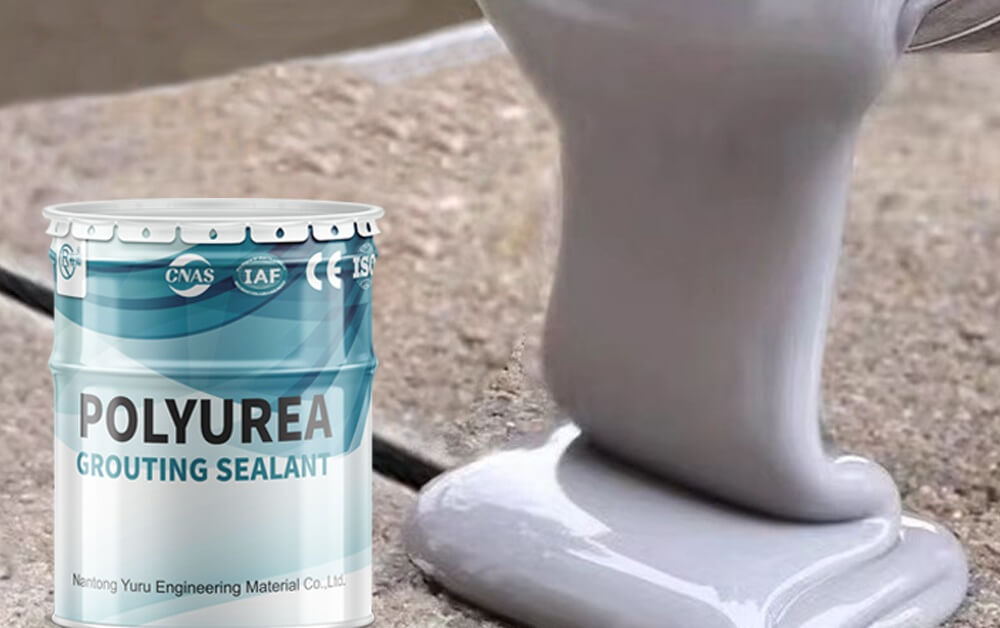
Polyurea grout has more value in these areas because it focuses on elastic waterproof sealing. YURU PG-1 Polyurea Grouting Material is designed for leakage and re-leakage in structural cracks such as deformation joints, expansion joints, joints, and settlement joints.
Therefore, project teams can evaluate polyurea grout when tunnel joints require sealing and slight movement accommodation.
Old Repair Areas and Re-Leakage Points
Old repair areas often leak again after water pressure changes, material aging, or joint movement. In this situation, contractors should not only cover the surface again. They should check the real leakage channel and decide whether the old repair material blocks new injection paths.
For selected re-leakage points, polyurea grout may help with elastic sealing. However, if water flow is still strong, PU grout or a staged injection plan may be needed first.
How Polyurea Grout Works in Leakage Channels?
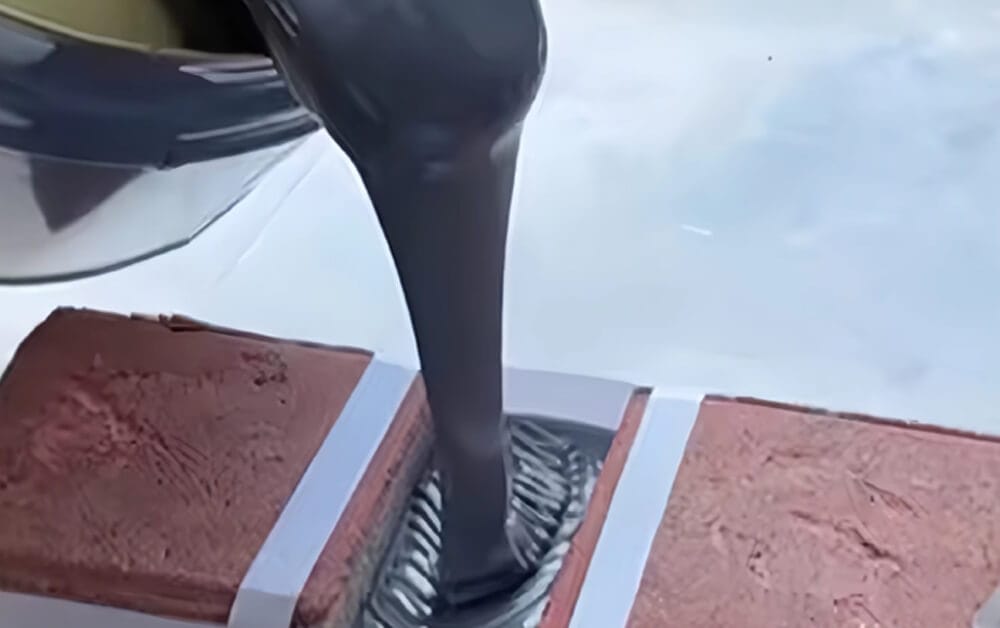
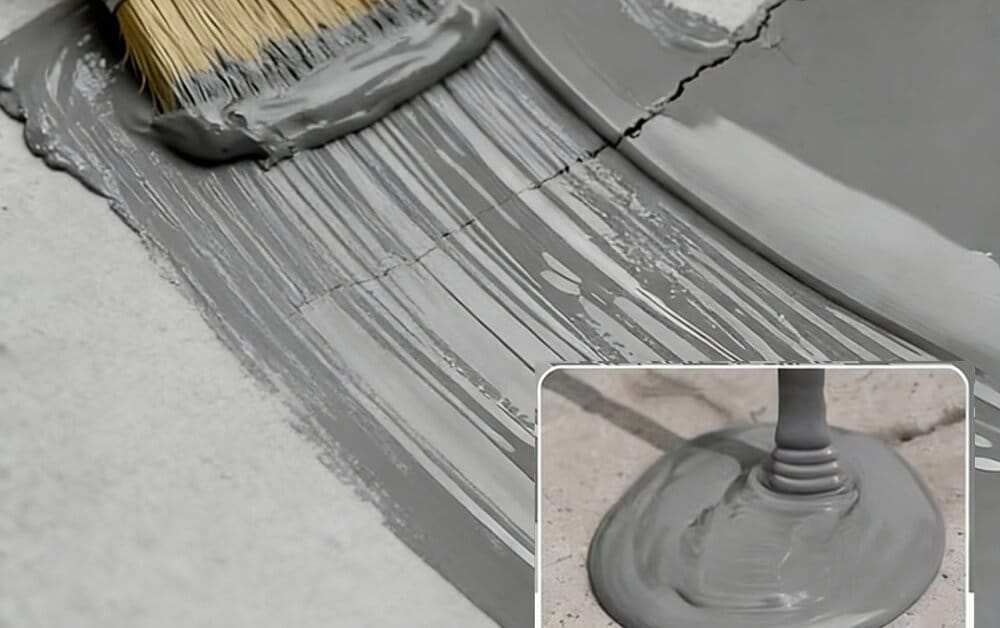
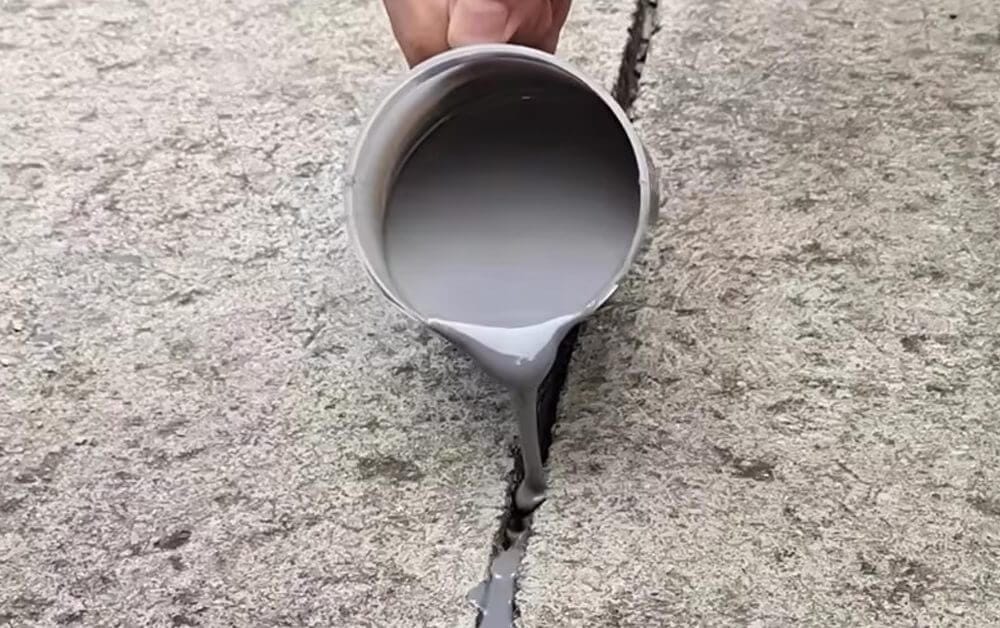
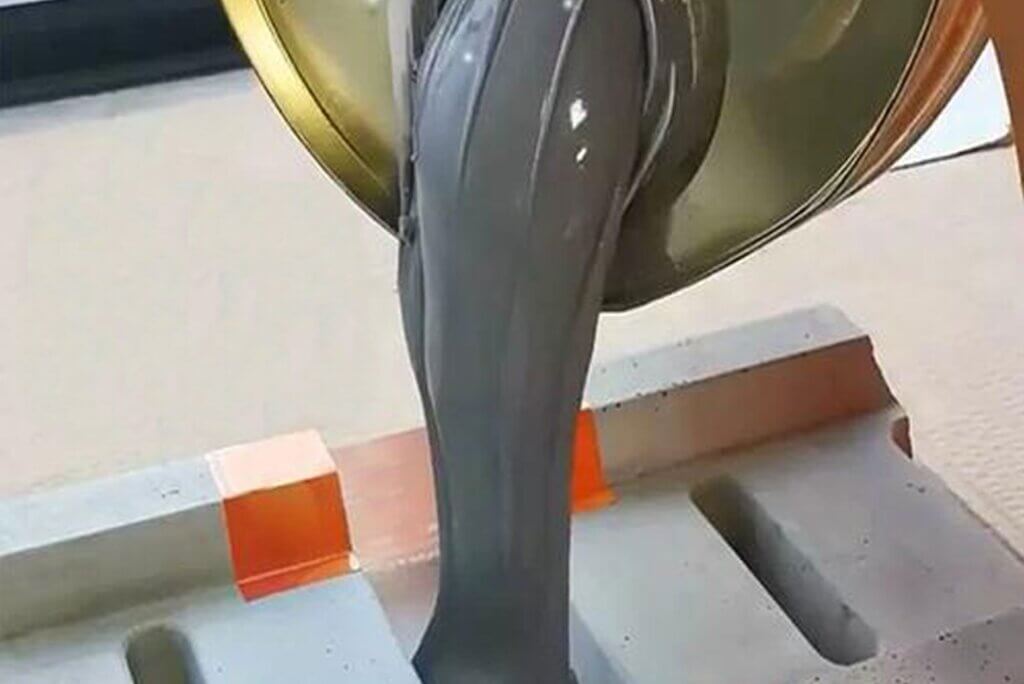
Polyurea grout works through injection. Contractors use a grouting machine and injection packers to push the material into cracks, joints, or leakage paths.
It Enters Cracks, Joints and Leakage Paths
Polyurea grout reaches the leakage area through drilled holes and packers. Once the grout enters the target channel, it forms a sealing body inside the crack or joint.
However, the result depends on several site factors:
- Crack width
- Drilling angle
- Packer spacing
- Injection pressure
- Material flow behavior
- Water condition
- Worker experience
Therefore, contractors should inspect and mark the leakage path before injection. Blind injection wastes material and may fail to reach the real water channel.
It Creates Flexible Waterproof Sealing
Tunnel structures may move slightly because of vibration, temperature changes, ground pressure, or joint behavior. In these areas, rigid materials may not perform well over time.
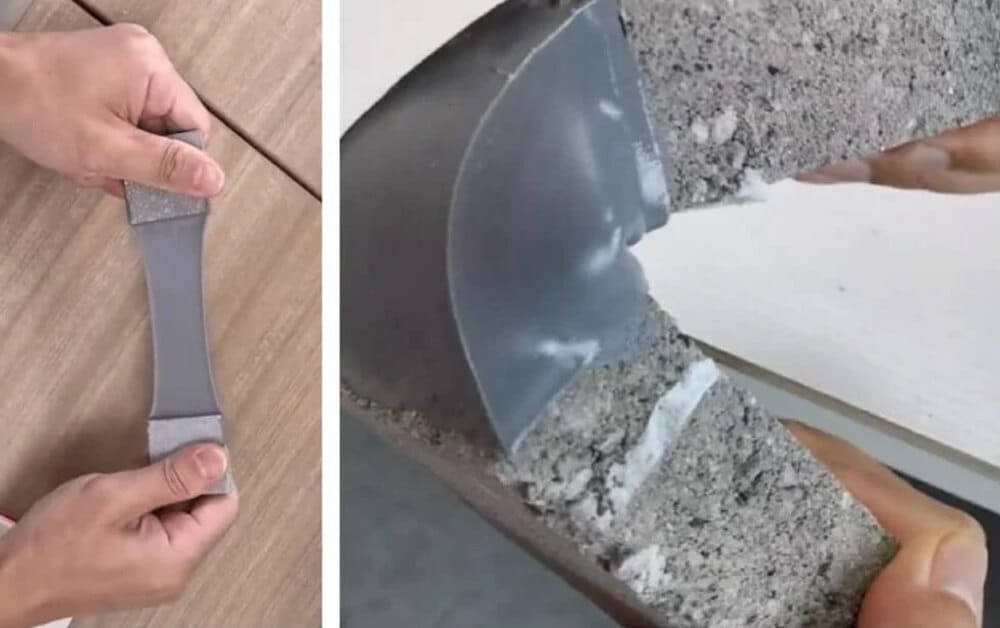
Polyurea grout can support elastic waterproof sealing in selected cracks and joints. This makes it useful for re-leakage points and movement-related joint repair.
Still, contractors should not treat polyurea grout as a structural strengthening material. Its main value lies in sealing, bonding, waterproofing, and movement tolerance in suitable areas.
It Helps Control Re-Leakage in Selected Joint Areas
Re-leakage often happens when the original water path remains open or when a joint continues to move after repair. Polyurea grout can help control re-leakage when the repair target matches its sealing function.
For better results, contractors should combine the right material with correct drilling, good packer installation, controlled pressure, and follow-up inspection.
It Should Match the Leakage Condition
Tunnel leakage conditions vary widely. Some areas only show dampness, some areas drip water, some cracks have line flow, some points have active water leakage.
Polyurea grout should not become the first answer for every active leak, for large water flow or high-pressure leakage, contractors usually evaluate PU grout first, for fine seepage or curtain grouting, acrylate grout may fit better. For dry structural cracks, epoxy injection resin may be more suitable.
The key is simple: choose the grout by leakage condition, not by product name.
Polyurea Grout vs PU Grout for Tunnel Repair
Many buyers compare polyurea grout with PU grout. This comparison is useful, but contractors should avoid asking which one is “better” in every situation.
They serve different repair goals.
When PU Grout Is Usually Selected
PU grout is often used for active water leakage control, fast water stopping, and foam filling. It works well when contractors need to reduce or stop obvious water flow.
In tunnel repair, contractors may choose PU grout for:
- Active lining crack leakage
- Construction joint leakage
- Local dripping or flowing water
- Initial water control before further sealing
However, PU grout should also match the site condition. Water pressure, crack width, reaction time, expansion behavior, and injection method all affect the result.
When Polyurea Grout Is More Relevant
Polyurea grout becomes more relevant when the project needs elastic waterproof sealing instead of only fast water stopping.
It can be evaluated for:
- Deformation joints
- Expansion joints
- Settlement joints
- Selected construction joints
- Structural crack re-leakage
- Old repair areas with repeated leakage
- Areas with slight movement
In these areas, polyurea grout can support waterproof bonding and flexible sealing. However, contractors should not market it as the only solution for large active water leakage.
Can PU Grout and Polyurea Grout Be Used Together?
Yes, project teams may use both materials in the same tunnel leakage repair project.
For example, PU grout can first control active water. After that, polyurea grout can support elastic sealing in selected joints or re-leakage areas. This approach depends on water volume, water pressure, crack type, joint movement, and the available construction window.
YURU’s Middle East tunnel project also reflects this logic. The customer purchased both polyurea grout and polyurethane grout for tunnel leakage repair preparation.
How to Choose Between Them?
Contractors can use this basic selection logic:
- For active water and fast control: evaluate PU grout.
- For joint re-leakage and slight movement: evaluate polyurea grout.
- For fine seepage or curtain grouting: evaluate acrylate grout.
- For dry structural cracks: evaluate epoxy injection resin.
- For mixed leakage conditions: consider a material combination.
This approach helps contractors avoid using one grout for every tunnel leak.
Injection Process and Site Preparation
A good tunnel injection grouting result depends on material and site preparation. Even a suitable grout may fail if the drilling pattern, packer installation, or injection pressure is wrong.
Step 1 — Leakage Inspection and Marking
Contractors should first inspect the tunnel carefully. They need to mark lining cracks, construction joints, segment joints, bolt holes, old repair areas, and dripping points.
They should also record the water volume, water direction, water pressure, and re-leakage areas. This step helps the team decide which grout to use and where to drill.
Step 2 — Drilling and Packer Installation
After inspection, the team drills holes according to the crack direction and lining thickness. They should control the hole angle and depth to reach the leakage channel.
Then, workers install suitable injection packers. A poor packer seal can cause grout leakage, pressure loss, or incomplete injection. In shield tunnels, contractors should pay extra attention to structural safety and injection pressure.
Step 3 — Grouting Machine Setup
The grouting machine must match the material and jobsite requirements. Before injection, contractors should check the pressure gauge, hoses, connectors, injection gun, and safety condition.
Equipment problems can interrupt injection and affect material delivery. Therefore, the team should test and prepare the machine before starting the main injection work.
Step 4 — Controlled Injection
During injection, contractors should control pressure and pace. In many projects, workers inject from lower points to higher points or follow a section-by-section plan.
They should watch adjacent packers, cracks, and overflow points. If the material appears in the wrong place, they need to adjust pressure or stop injection.
Controlled injection protects the tunnel structure and helps the grout reach the target leakage channel.
Step 5 — Packer Removal and Hole Repair
After the grout reacts or cures according to the product requirements, workers remove or treat the packers. Then they repair the drill holes and clean excess material.
At this stage, the team should check whether wet marks or dripping water remain. If needed, they can arrange secondary injection.
Step 6 — Follow-Up Inspection
Tunnel leakage may change after rainfall or groundwater pressure changes. Therefore, contractors should inspect the repaired areas later, especially during the rainy season.
For operating tunnels, a leakage repair log helps the owner track repair positions, material batches, injection holes, and future maintenance needs.
Common Problems and How to Avoid Re-Leakage
Re-leakage does not always mean the grout is poor. Often, the failure comes from diagnosis, material mismatch, injection mistakes, or missing follow-up inspection.
Wrong Material for the Leakage Condition
A large active leak may not match a material designed for elastic sealing. A dry structural crack may not match a foaming water-stop material. A moving joint may fail again if contractors use a rigid material.
To avoid this, project teams should select materials according to water condition, crack type, joint movement, and repair target.
Poor Leakage Channel Diagnosis
The visible wet point may not be the original water source. Water can travel behind the lining and appear at a different location.
Contractors should observe, mark, and divide leakage areas before drilling. For difficult areas, they may need trial injection or staged grouting.
Incorrect Drilling Pattern or Packer Spacing
If the hole spacing is too large, the grout may not cover the full leakage path, if the drilling angle is wrong, the hole may miss the crack. If the packer is loose, the grout may leak out instead of entering the channel.
Contractors should design hole spacing based on crack direction, lining thickness, water pressure, and site feedback.
Uncontrolled Injection Pressure
Low pressure may fail to push grout into the leakage path. However, excessive pressure may force material into the wrong area or affect the tunnel lining.
This is especially important in segment tunnels. The operator should increase pressure gradually and respond to site feedback.
Poor Equipment or Packer Compatibility
A grouting machine with unstable pressure can reduce injection quality. Packers with the wrong size may leak or fail to hold pressure. In addition, grout viscosity, equipment pressure, and packer specification must match each other.
Before buying tunnel leakage repair grout, buyers should confirm the material and equipment package together.
No Follow-Up Inspection After Grouting
Some projects skip follow-up inspection. As a result, they only discover re-leakage after the rainy season or groundwater pressure changes.
A repair log and follow-up inspection can help owners find nearby weak points early and reduce long-term maintenance risk.
Case Example: Middle East Tunnel Leakage Repair Project
YURU Waterproof supported a Middle East customer with materials and equipment for a tunnel leakage repair project. The customer purchased polyurea grout, polyurethane grout, a grouting machine, and injection packers.
This project reference shows a practical point: tunnel leakage repair often needs both suitable injection materials and matching grouting accessories.
Project Background
The customer needed materials and equipment for tunnel leakage repair preparation. Because a tunnel may contain different leakage conditions, the customer did not purchase only one grout.
Instead, the customer prepared a more complete injection package:
- Polyurea grout
- Polyurethane grout
- Grouting machine
- Injection packers
Customer Requirement
The customer needed different grouts for different leakage conditions.
Polyurethane grout could support areas with more obvious water flow or active leakage. Polyurea grout could support selected joints, structural cracks, and re-leakage areas where elastic waterproof sealing mattered more.
The customer also needed a grouting machine for on-site injection work and injection packers to connect the drilled holes with the injection system.
YURU Material and Equipment Supply Logic
YURU supplied the project with a package that matched tunnel injection grouting needs.
The supply logic was clear:
- Use polyurethane grout for water stopping and active leakage control.
- Use polyurea grout for selected joint sealing and re-leakage control.
- Use a grouting machine to deliver material into the leakage channels.
- Use injection packers to connect drilled holes and injection lines.
- Select materials and tools according to water condition, crack type, joint movement, and site work requirements.
Products Supplied for the Project
The customer used polyurea grout as part of the tunnel repair material package. Contractors can evaluate it for elastic waterproof sealing, selected tunnel joints, structural cracks, and re-leakage points.
The customer also purchased polyurethane grout. In tunnel repair, PU grout can support water stopping, active leakage control, and crack or joint leakage treatment.
The grouting machine helps contractors inject grout into cracks, joints, or leakage channels. Machine selection should match material type, project condition, and site safety requirements.
Injection packers help deliver grout into drilled holes and target leakage channels. Packer spacing, size, and installation quality can directly affect injection performance.
Recommended Application Logic
For this type of tunnel leakage repair project, contractors may follow a general injection process.
First, they inspect and mark tunnel lining cracks, segment joints, construction joints, old repair areas, and dripping points. Next, they select the grout according to water volume, water pressure, crack width, joint movement, and repair goal.
After that, they drill holes and install injection packers. Then, they prepare the grouting machine, check the pressure and hose connections, and begin controlled injection. Finally, they inspect the repaired area and decide whether secondary injection is needed.
Result and Takeaway
This Middle East tunnel project shows that tunnel leakage repair often requires a package, not only a single grout.
Polyurethane grout can support water control and active leakage treatment. Polyurea grout can support selected joints, structural cracks, and re-leakage areas. Grouting machines and injection packers help contractors carry out on-site injection work.
For engineering buyers, the lesson is clear: material compatibility, equipment compatibility, and site application requirements should be considered together.
YURU Technical Support for Tunnel Grouting Projects
YURU Waterproof supports tunnel leakage repair customers with materials, equipment, packers, technical documents, sample testing, and project-based material communication.
Project-Based Material Selection
YURU can help customers select materials according to leakage type, water pressure, crack condition, joint movement, and construction method.
YURU supplies:
- PG-1 Polyurea Grouting Material for structural cracks, deformation joints, expansion joints, joints, settlement joints, leakage and re-leakage
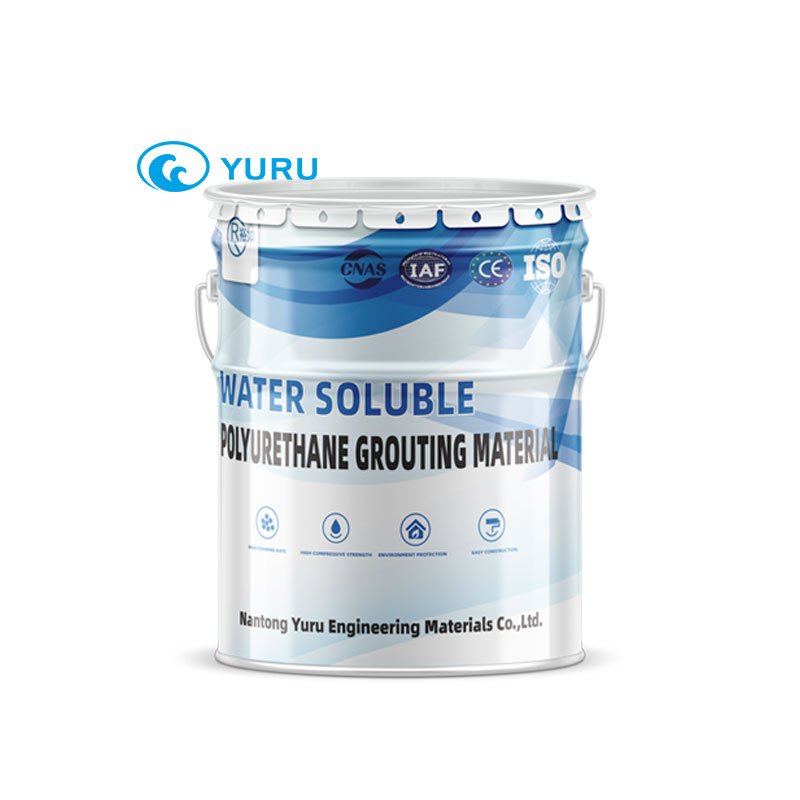
- Polyurethane grout for active water leakage and fast water control
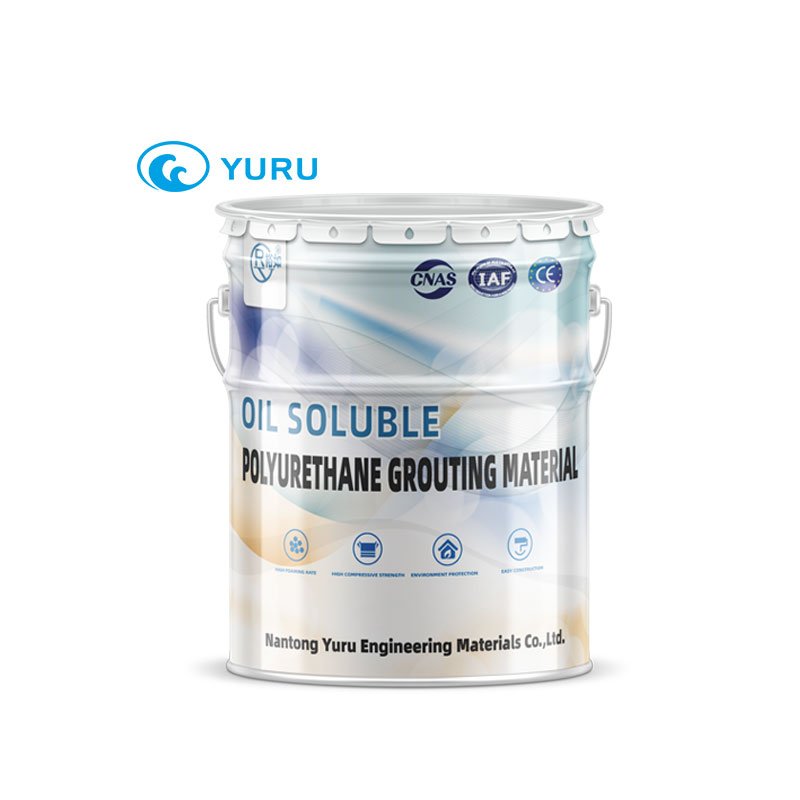
- Microcrystalline polyurea grout for higher-demand underground waterproof sealing
- Acrylate grout for fine seepage and low-viscosity penetration
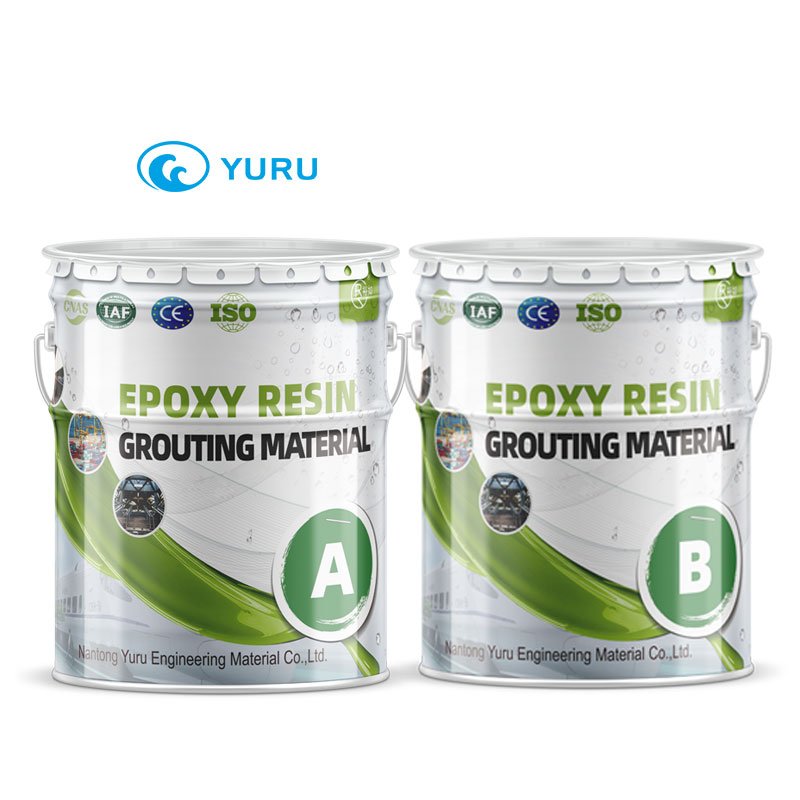
- Epoxy injection resin for dry structural crack bonding
- Grouting machines for on-site injection work
- Injection packers for crack and joint injection
Technical Documents and Sample Testing
YURU can provide TDS, MSDS, sample testing, and basic application communication. This helps contractors and distributors check material viscosity, reaction time, packaging, and application suitability before bulk purchase.
For project buyers, this step can reduce material mismatch and improve procurement confidence.
OEM/ODM and Stable Supply
YURU supports OEM/ODM, private-label packaging, wholesale supply, and packaging customization. This is useful for tunnel repair contractors, waterproofing distributors, infrastructure material suppliers, and local brands that want to build a tunnel leakage repair product line.
Application Guidance for Tunnel Grouting
YURU can provide basic application guidance for material selection and project communication. For example, the team can remind buyers to consider drilling pattern, packer size, injection pressure, ventilation, and site safety.
YURU’s support does not replace site engineering design. However, it can help buyers choose suitable materials and prepare better for tunnel injection grouting work.
FAQs:
1. What is polyurea grout used for in tunnel leakage repair?
Polyurea grout can be evaluated for selected tunnel lining cracks, construction joints, segment joints, deformation joints, expansion joints, settlement joints, and re-leakage points. Its main value is elastic waterproof sealing and re-leakage control.
2. Is polyurea grout suitable for active water leakage?
It depends on water volume and pressure. For large active leakage, contractors often evaluate PU grout first for water stopping. Polyurea grout is more relevant for selected joint leakage, slight movement, and re-leakage control.
3. What is the difference between polyurea grout and PU grout?
PU grout usually supports active water stopping and fast leakage control. Polyurea grout focuses more on elastic waterproof sealing in selected joints, structural cracks, and re-leakage areas. Contractors may use both materials in the same project.
4. Can polyurea grout reduce tunnel re-leakage?
Polyurea grout can help reduce re-leakage in suitable joint or crack areas. However, the final result depends on leakage diagnosis, drilling pattern, packer installation, injection pressure, material matching, and follow-up inspection.
Conclusion: Polyurea Grout Works Best When It Matches the Tunnel Leakage Condition
Polyurea grout can play a useful role in tunnel leakage repair, especially where elastic waterproof sealing and re-leakage control are required.
However, it should not become the first answer for every tunnel leak. Contractors should choose the grout according to leakage condition, water pressure, crack width, joint movement, equipment, and site operation requirements.
A reliable tunnel injection grouting plan usually follows this logic:
leakage inspection → material selection → drilling and packer installation → grouting machine setup → controlled injection → follow-up inspection
For active water leakage, contractors may evaluate PU grout first, for selected joints and re-leakage points, they may evaluate polyurea grout. For complex projects, they may need a complete package with grout materials, grouting machines, injection packers, and technical support.
If you are looking for polyurea grout for tunnel leakage repair, tunnel leakage repair grout, waterproof injection grout for tunnel, or tunnel injection grouting materials, YURU Waterproof can help you evaluate suitable material and equipment options.
Contact YURU Waterproof to discuss PG-1 Polyurea Grouting Material, tunnel polyurethane grout, acrylate grout, epoxy injection resin, microcrystalline polyurea grout, grouting machines, injection packers, sample testing, OEM/ODM supply, and project-based tunnel leakage repair material selection.
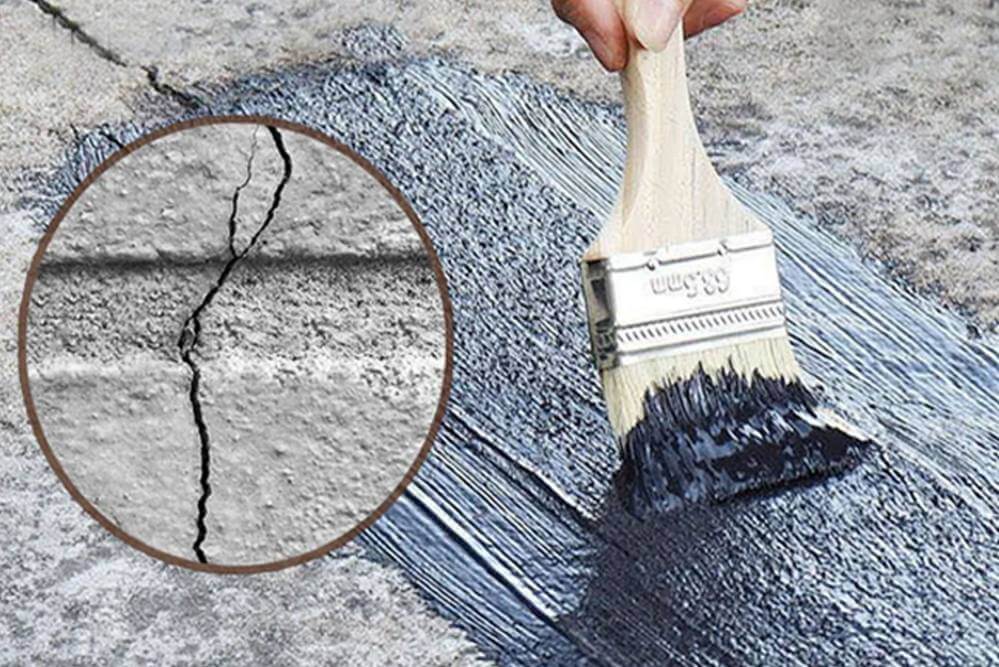
YURU Product solutions