Polyurea vs Polyurethane Waterproof Coating: Which Solution Is Better for Your Project?
Introduction:
Waterproof coating selection extends beyond material procurement — it constitutes an engineering decision influencing construction quality, maintenance expenditure, and long-term performance.
Contractors and project teams frequently compare polyurea vs polyurethane waterproof coating when specifying new waterproofing or planning structural remediation.
Both coating systems can provide reliable waterproof protection. However, they work differently and suit different project conditions.
The key question is not:
“Which waterproof coating is stronger?”
The better question is:
“Which waterproof coating matches my project requirements?”
A roof project, industrial facility, underground structure, and bridge deck all have different challenges.
Before selecting a waterproof coating, engineers should evaluate:
- Exposure environment
- Required durability
- Crack movement risk
- Construction conditions
- Long-term maintenance requirements
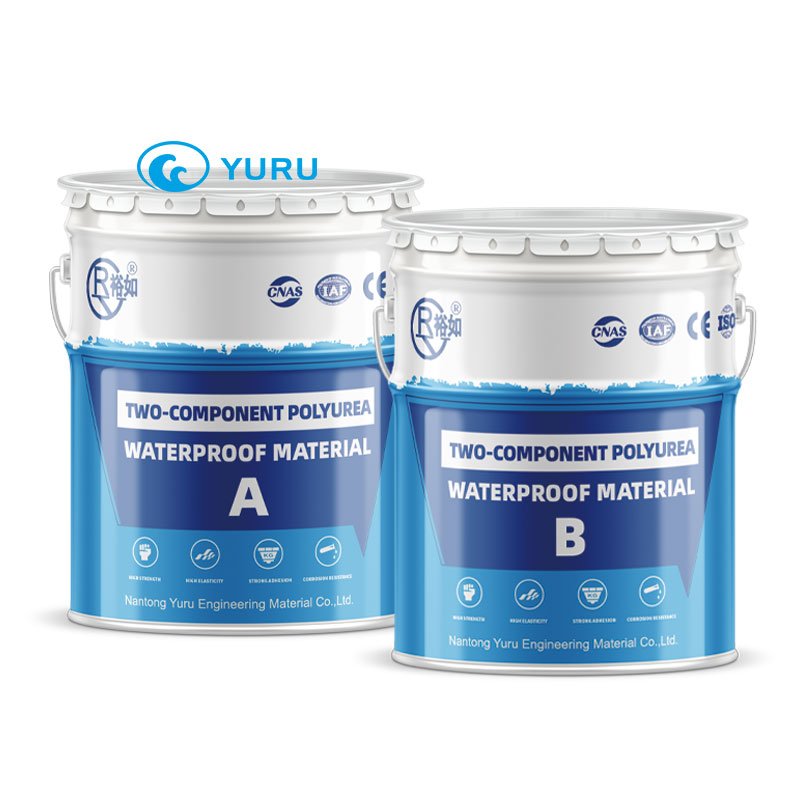
Polyurea waterproof coating is often selected for high-performance applications where the project requires strong protection against mechanical stress and harsh environments.
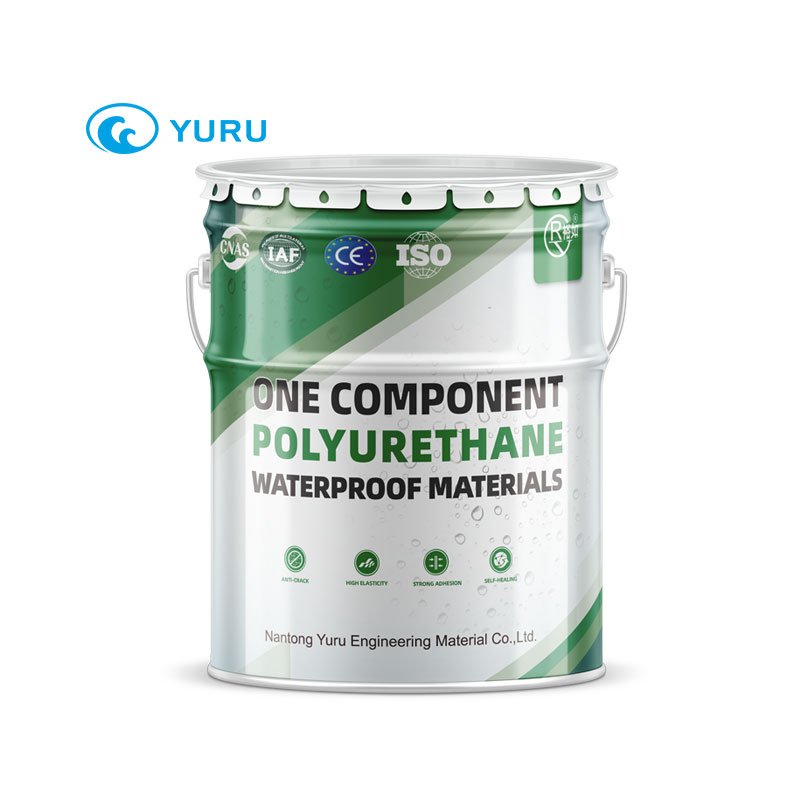
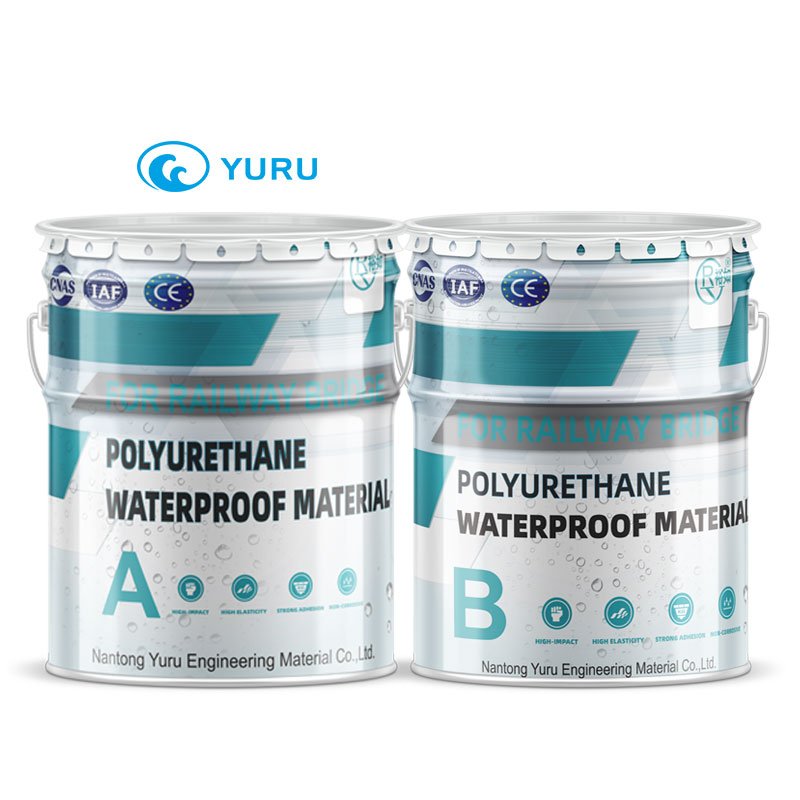
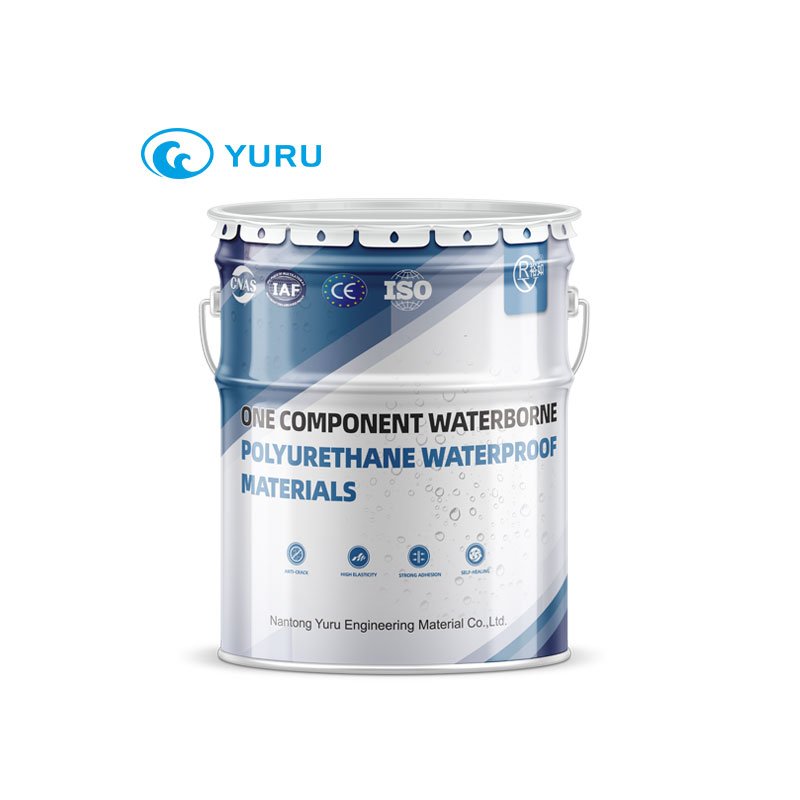
Polyurethane waterproof coating is widely used for building waterproofing projects because it provides balanced performance, flexibility, and practical application.
This article examines the key differences between polyurea waterproof coating and polyurethane waterproof coatings to facilitate appropriate project selection.
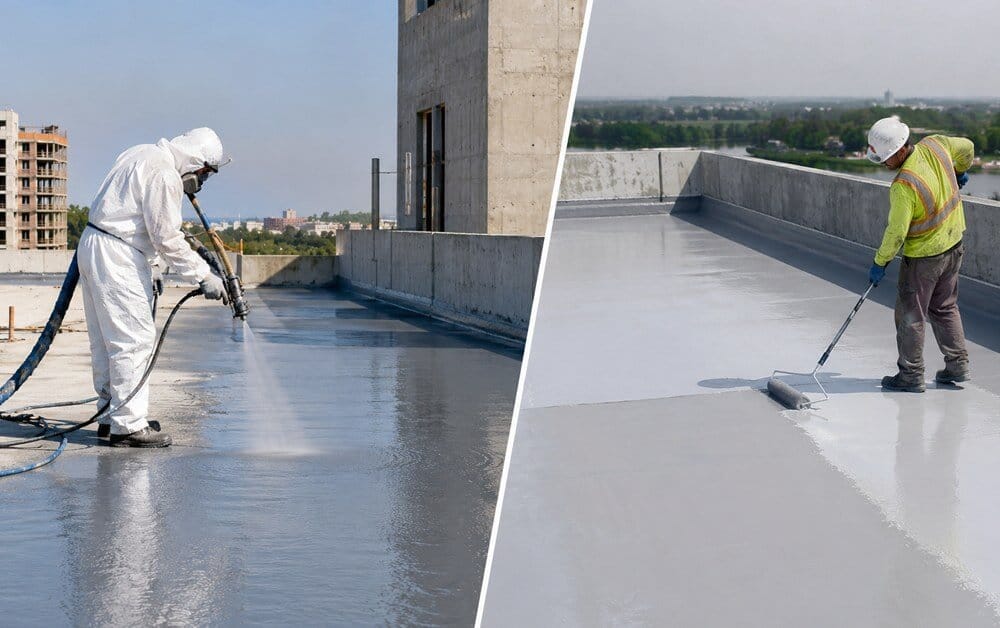
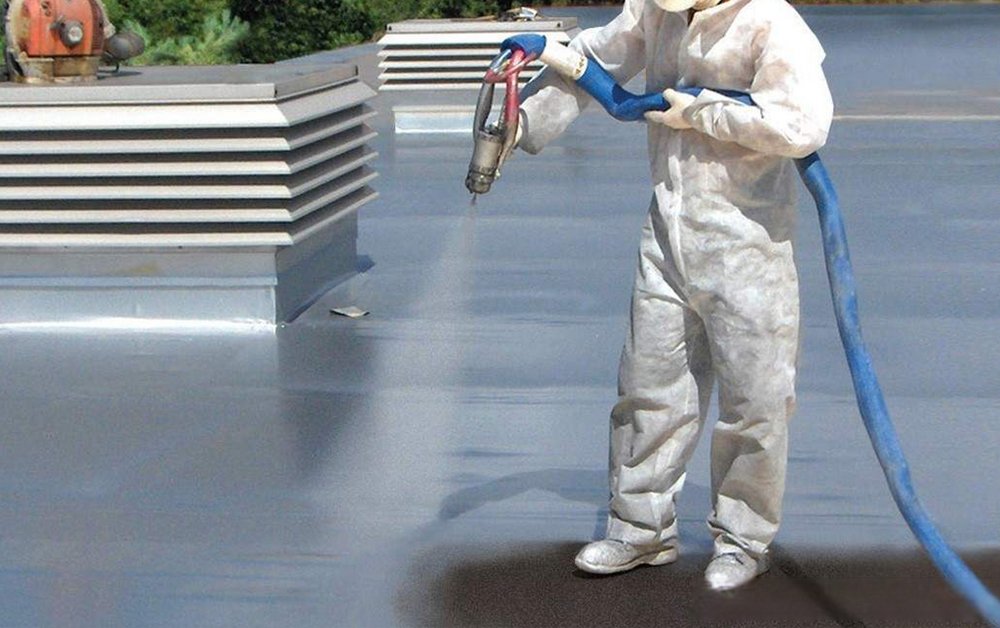
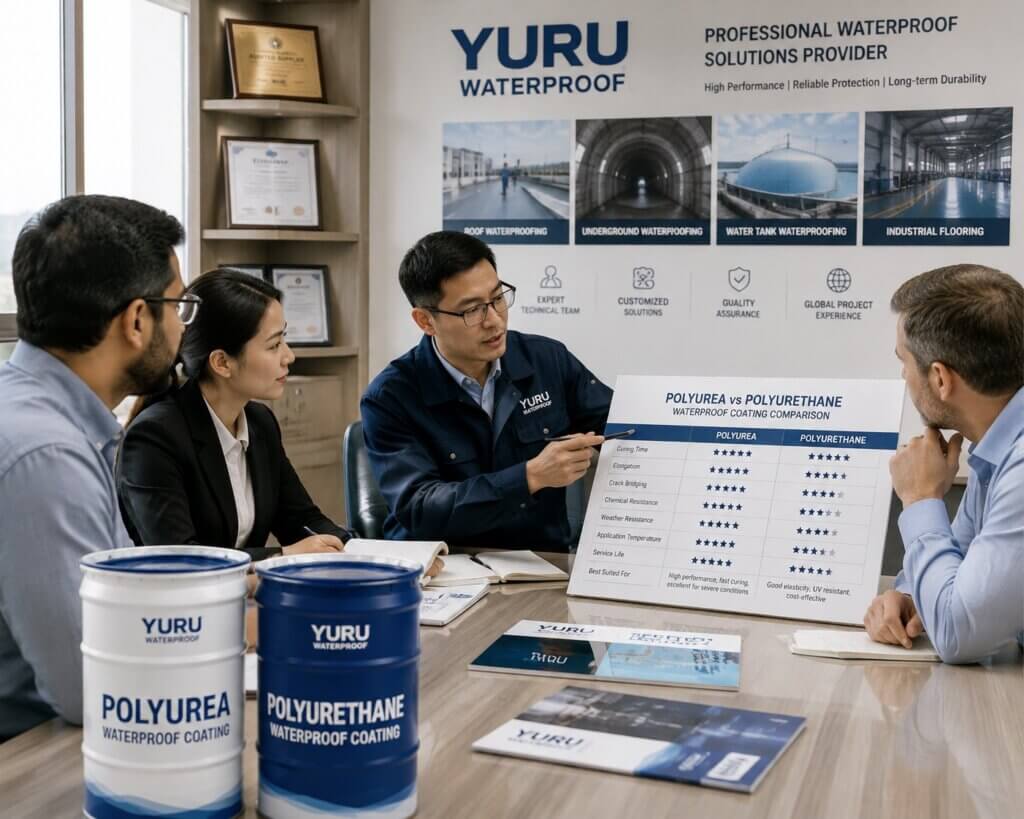
Polyurea vs Polyurethane Waterproof Coating: Key Differences
Performance Comparison
While both materials are classified as polymer-based waterproofing systems, their performance characteristics differ.
The selection should depend on the project condition instead of choosing a product only because of its higher specification.
| Comparison Factor | Polyurea Waterproof Coating | Polyurethane Waterproof Coating |
| Waterproof Performance | Excellent waterproof protection | Excellent waterproof protection |
| Elasticity | High flexibility and movement resistance | Good flexibility for building applications |
| Crack Bridging Ability | Suitable for dynamic structures | Suitable for normal substrate movement |
| Chemical Resistance | Strong resistance in demanding environments | Good resistance for general applications |
| Application Method | Usually requires spray equipment | Brush, roller, or spray application |
| Construction Requirement | Requires experienced applicators | Easier for general construction teams |
| Initial Investment | Higher equipment and material costs | More economical for many projects |
| Primary Applications | Infrastructure, industrial, heavy-duty | Roofs, basements, buildings, general waterproofing |
Flexibility and Crack Resistance Comparison
Concrete structures are not completely static.
They expand and contract because of:
- Temperature changes
- Structural movement
- Ground settlement
- External loading
A waterproof coating needs to maintain protection when small movements occur.
Polyurea waterproof coating offers high elasticity and is frequently specified for movement-sensitive applications:
- Bridge decks
- Parking structures
- Industrial facilities
- Large concrete structures
Polyurethane waterproof coating also provides flexibility and crack resistance.
It is commonly selected for building waterproofing projects where contractors need a practical balance between performance and construction convenience.
Application Method Difference
One of the biggest differences between polyurea and polyurethane waterproof coating is the construction method.
Polyurea Waterproof Coating Application
Polyurea systems usually require:
- Specialized spray equipment
- Professional operators
- Strict surface preparation
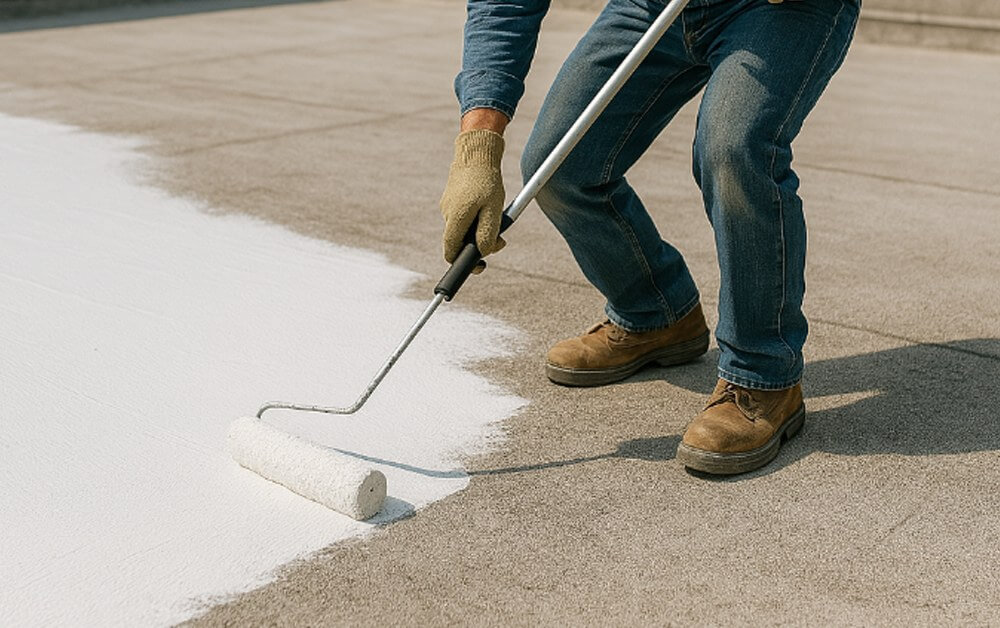
The spraying process creates a continuous waterproof layer over large areas.
This makes polyurea suitable for projects that require fast coverage and high-performance protection.
However, the project team must consider equipment availability and application experience before choosing this system.
YURU Waterproof team has developed a polyurea coating that can be applied via brushing, eliminating the need for spray equipment.
Polyurethane Waterproof Coating Application
Polyurethane waterproof coating provides more flexible application options.
Depending on the product type, contractors can use:
- Rollers
- Brushes
- Spray equipment
This makes polyurethane suitable for many construction projects where application simplicity is important.
For example:
- Residential buildings
- Commercial buildings
- Concrete roofs
- Underground waterproofing projects
When Should You Choose Polyurea Waterproof Coating?
Choose Polyurea for High-Performance Waterproofing Projects
Polyurea waterproof coating is typically specified for projects requiring elevated protection levels.
It is suitable for environments where the coating faces:
- Heavy traffic
- Mechanical impact
- Chemical exposure
- Long-term weather exposure
Typical projects include:
- Industrial plants
- Parking structures
- Bridge decks
- Infrastructure facilities
In these applications, the coating serves not only as a waterproof barrier but also as a protective layer contributing to structural service life extension.
Polyurea for Industrial Waterproofing Projects
Industrial environments often create more demanding conditions than normal buildings.
A factory floor or industrial structure may experience:
- Equipment movement
- Chemical contact
- Frequent cleaning
- Heavy operation loads
For these conditions, project owners usually focus on:
- Durability
- Surface protection
- Long-term performance
Polyurea coating is appropriate where high-performance protective systems are required.
Polyurea for Infrastructure and Large Concrete Structures
Infrastructure projects usually require long-term reliability.
Examples include:
- Bridges
- Transportation structures
- Large concrete facilities
- Public infrastructure projects
These structures often face:
- Weather exposure
- Temperature changes
- Structural movement
A waterproof coating system must maintain performance over many years.
Polyurea is frequently considered for these applications due to its protective performance and flexibility.
Polyurea for Chemical and High-Stress Environments
Some projects require additional resistance because the environment is more aggressive.
Examples include:
- Chemical processing areas
- Industrial containment areas
- Special protection zones
In these cases, material selection should consider more than waterproof ability.
Engineers should also evaluate:
- Chemical resistance
- Surface durability
- Maintenance requirements
Polyurea waterproof coating can provide a suitable solution for these demanding environments.
Polyurea Is Not Always the Best Choice
Although polyurea offers high performance, it does not mean every project needs polyurea.
For example:
A small residential roof repair may not require a professional spray polyurea system.
A polyurethane waterproof coating may already provide sufficient protection with easier construction and lower cost.
The correct selection depends on the actual project requirements.
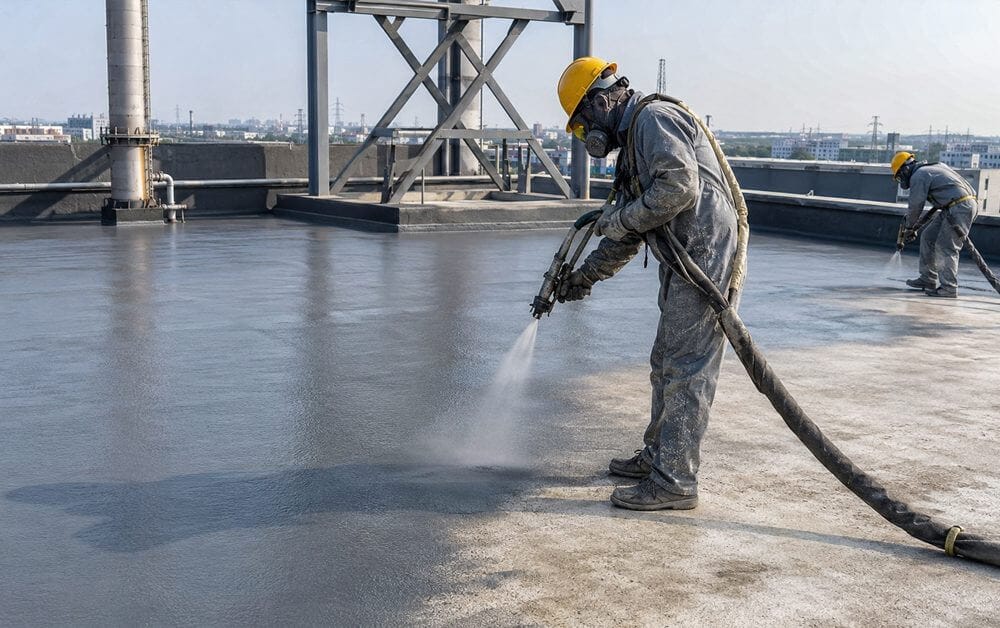
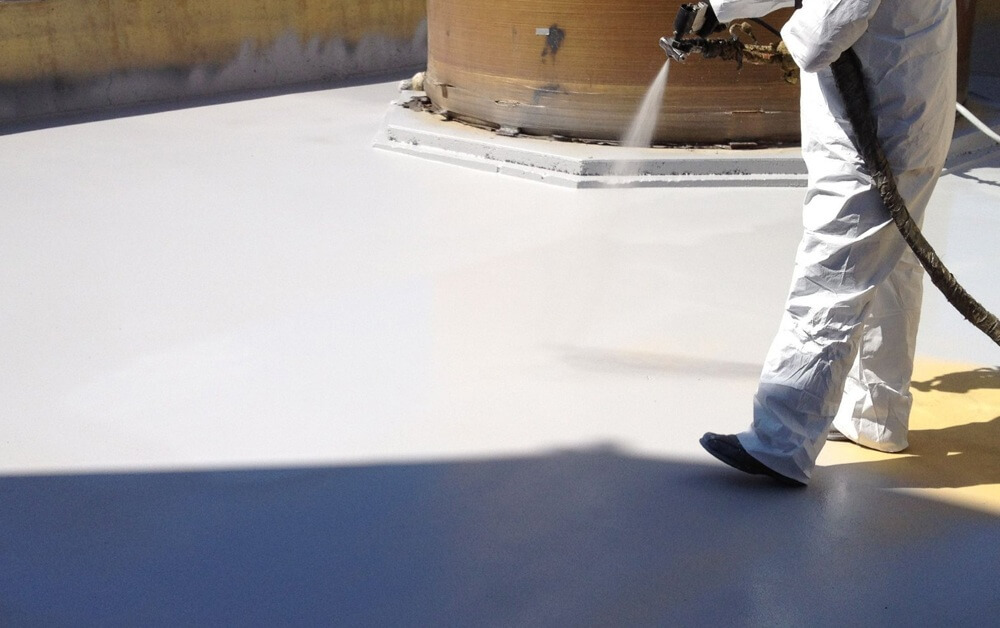
When Should You Choose Polyurethane Waterproof Coating?
Polyurethane waterproof coating is widely used because it gives you a practical balance of waterproofing, flexibility, and ease of application.
Relative to polyurea systems, polyurethane offers simplified application and is appropriate for projects not requiring specialized spray equipment.
For many building projects, the key requirement is not maximum performance.
The key requirement is:
Reliable waterproof protection with suitable construction conditions and project cost.
Polyurethane for Roof Waterproofing Projects
Practical Solution for Concrete Roof Systems
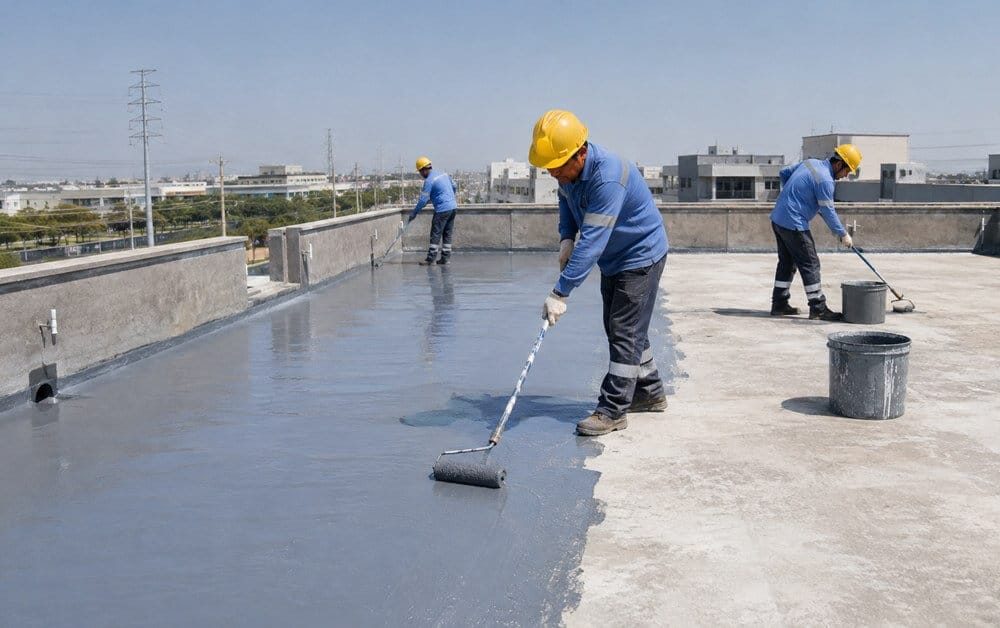
Roof waterproofing represents one of the most frequent applications for polyurethane coatings.
Concrete roofs often experience:
- Rainwater exposure
- Temperature changes
- Surface cracks
- Long-term weather conditions
A suitable polyurethane waterproof coating can create a seamless waterproof layer that protects the concrete surface.
It is commonly selected for:
- Commercial buildings
- Residential buildings
- Warehouse roofs
- Concrete roof repair projects
Why Contractors Choose Polyurethane for Roof Applications?
Many contractors prefer polyurethane waterproof coating for roofs because it provides:
Easier Construction
Most polyurethane coating systems can be applied with:
- Roller
- Brush
- Spray equipment
This gives contractors more flexibility during construction.
Good Cost Performance
Not every roof project requires a high-performance spray polyurea system.
For many building waterproofing projects, polyurethane provides sufficient protection while keeping the project budget under control.
Flexible Waterproof Layer
Roof structures experience daily temperature changes.
A flexible coating system helps reduce the risk of cracking caused by normal substrate movement.
Polyurethane for Basement and Underground Waterproofing
Suitable for Below-Grade Waterproofing Applications
Basement and underground structures face different challenges from exposed structures.
Common problems include:
- Moisture exposure
- Concrete cracks
- Groundwater pressure
- Construction joints
Polyurethane waterproof coating is often selected for underground waterproofing because it provides good adhesion and flexible waterproof protection.
Important Selection Factors for Underground Projects
When choosing polyurethane waterproof coating for underground structures, engineers should consider:
- Concrete surface condition
- Water exposure level
- Crack movement
- Required service life
The coating should match the actual project condition.
A material designed for a dry basement may not perform the same in a high-moisture environment.
Polyurethane for Residential and Commercial Waterproofing
Polyurethane waterproof coating is also widely used in general building waterproofing.
Typical applications include:
- Bathrooms
- Balconies
- Wet areas
- Building details
These projects usually require:
- Reliable waterproof protection
- Easy construction
- Good compatibility with concrete surfaces
For these applications, polyurethane often provides a practical solution.
Polyurea vs Polyurethane Waterproof Coating for Different Projects
The best waterproof coating depends on the project requirements.
The following guide helps compare different applications.
| Project Type | Recommended Solution | Main Reason |
| Residential roof | Polyurethane waterproof coating | Easier application and cost control |
| Commercial roof | Polyurethane / Polyurea | Depends on performance requirement |
| Industrial floor | Polyurethane / Polyurea | Higher durability and wear resistance |
| Bridge deck | Polyurea waterproof coating | Long-term protection requirement |
| Basement waterproofing | Polyurethane or Polyurea | Depends on leakage condition |
| Chemical environment | Polyurea waterproof coating | Strong protective performance |
| General building waterproofing | Polyurethane waterproof coating | Practical and economical solution |
Project Selection Flow: How to Choose the Right Coating
A simple selection process:
Project Location
↓
Environmental Conditions
↓
Performance Requirements
↓
Construction Method
↓
Select Polyurea or Polyurethane Waterproof Coating
Example 1: Concrete Roof Project
Project condition:
- Large concrete roof
- Normal weather exposure
- Need reliable waterproof protection
Recommended consideration:
Polyurethane waterproof coating.
Reason:
- Easy application
- Good flexibility
- Suitable cost performance
Example 2: Underground Structure
Project condition:
- Concrete structure
- Moisture exposure
- Possible crack movement
Recommended consideration:
Polyurethane or polyurea
depending on:
- Water condition
- Crack movement
- Repair objective
Cost Comparison: Polyurea vs Polyurethane Waterproof Coating
Cost is an important factor during waterproof coating selection.
However, project teams should evaluate the total cost instead of only the material price.
Material Cost Comparison
Generally:
Polyurea systems often require higher initial investment because they involve:
- Advanced equipment
- Professional application
- High-performance formulation
Polyurethane waterproof coating usually provides a more economical option for general construction projects.
However, the final cost depends on:
- Product type
- Project size
- Application requirements
Equipment and Labor Cost
The application method directly affects project cost.
Polyurea
Usually requires:
- Spray machine
- Skilled operators
- Controlled application environment
This increases equipment and labor requirements.
Polyurethane
Usually provides simpler construction options.
Contractors can often apply it using:
- Rollers
- Brushes
- Standard spraying equipment
This makes polyurethane suitable for projects with more flexible construction conditions.
Long-Term Maintenance Cost
The lowest initial price does not always create the lowest project cost.
A coating system should provide:
- Long service life
- Stable waterproof performance
- Reduced repair frequency
A professional selection should consider the complete project lifecycle.
How to Select the Right Waterproof Coating Supplier?
Choosing the right supplier is an important step before purchasing waterproof coating.
A reliable supplier should provide more than products.
They should provide:
- Technical support
- Product information
- Stable supply
- Project communication
Check Manufacturing Capability
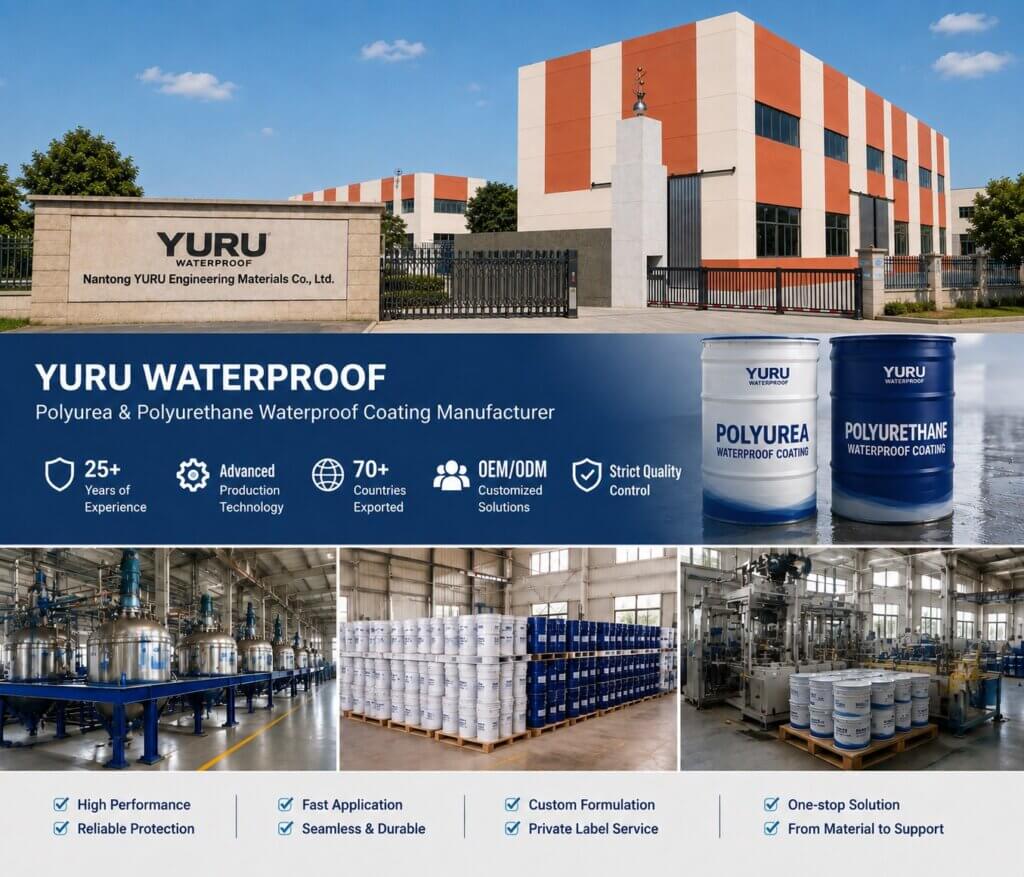
A professional waterproof coating supplier should have real production capability.
Customers should evaluate:
- Factory facilities
- Production process
- Quality control system
- Product consistency
A manufacturer with strong production control can provide more stable cooperation.
Check Technical Support Ability
Waterproof coating selection often requires technical discussion.
A professional supplier should help customers evaluate:
- Project condition
- Application environment
- Suitable coating system
This reduces the risk of choosing the wrong product.
Check Product Testing and Documentation
Before large orders, customers may request:
- Technical data sheets
- Test reports
- Samples
Sample evaluation allows customers to confirm product suitability before project application.
Check OEM and Customization Capability
For overseas cooperation, customization can be important.
A capable supplier may support:
- Custom packaging
- Private label solutions
- Product adjustment
- Different market requirements
YURU Waterproof Coating Solutions
YURU Waterproof provides waterproof coating solutions for different construction requirements.
The product system includes:
- Polyurea waterproof coating
- Polyurethane waterproof coating
YURU focuses on helping customers select suitable waterproof materials based on project requirements.
Engineering-Based Material Selection Support
YURU does not simply recommend one product for every project.
The selection process considers:
- Application area
- Environmental conditions
- Performance requirements
- Construction method
This approach helps customers choose a more suitable waterproofing solution.
Polyurea Waterproof Coating Solutions
YURU polyurea waterproof coating solutions are designed for projects requiring higher protection performance.
Typical applications include:
- Industrial waterproofing
- Infrastructure protection
- Heavy-duty areas
Polyurethane Waterproof Coating Solutions
YURU polyurethane waterproof coating solutions support many general construction applications.
Typical applications include:
- Roof waterproofing
- Building waterproofing
- Basement waterproofing
- Commercial projects
Why Choose YURU as Your Waterproof Coating Supplier?
Professional Waterproof Material Manufacturer
YURU focuses on waterproof coatings, injection grouting materials, and flooring systems.
The company supports overseas customers with manufacturing capability and technical communication.
Complete Waterproof Coating Product System
Customers can select from different waterproof coating solutions.
This helps match materials with different project requirements.
Technical Communication Before Purchase
YURU supports customers through:
- Project discussion
- Product recommendation
- Sample evaluation
This helps customers make better purchasing decisions.
Stable Supply and OEM Support
YURU supports long-term cooperation through:
- Manufacturing capability
- Quality control
- Custom solutions
FAQs:
Not always.
Polyurea provides higher performance for demanding applications, while polyurethane offers balanced performance for many construction projects.
Polyurethane waterproof coating is commonly selected for many roof projects because it offers good waterproof protection and practical application.
For high-performance roof systems, engineers may also consider polyurea depending on project conditions.
Yes.
Polyurethane waterproof coating can be used for underground waterproofing applications.
The product should match the moisture condition, concrete condition, and project requirements.
Consider:
- Factory capability
- Product quality
- Technical support
- Sample testing
- Customization ability
Conclusion:
When comparing polyurea vs polyurethane waterproof coating, it’s not about which one is always better.
It’s about which one fits your project.
Polyurea is frequently specified for demanding applications requiring robust protection, high durability, and resistance to heavy stress.
Polyurethane offers a practical solution for building projects where reliable waterproof performance and construction practicality are prioritized.
A successful waterproofing project starts with correct material selection.
Understand your project conditions, work with an experienced supplier, and you’ll reduce risks and get better long-term results.
YURU provides polyurea and polyurethane waterproof coating solutions for different construction applications.
Contact YURU to discuss your project requirements and select the right waterproof coating system.
YURU Product solutions