Polyurethane vs Polyurea: Which Is the Best Waterproof Coating for Roofs?
Introduction:
Here’s the thing about roof waterproofing. I’ve specified both polyurethane and polyurea on roofing projects. Both are high-performance, But they’re not the same.
Which is better for roof waterproofing?
It depends on the project. Choose wrong, leaks, damage, expensive repairs. Get it right, and you get a roof that lasts.
This guide helps you understand the difference, properties, applications, decision criteria.
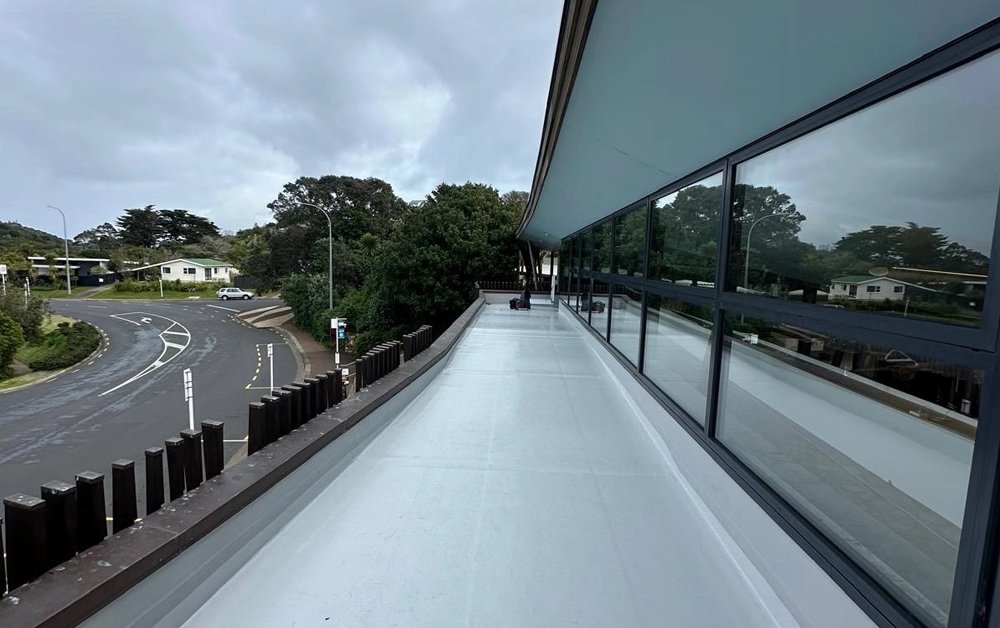
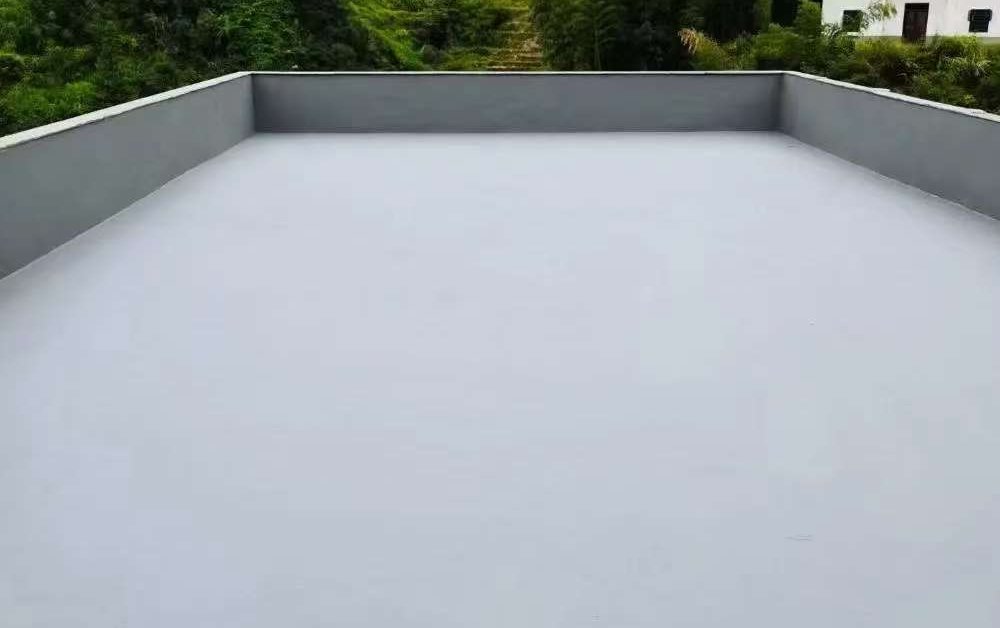
Understanding Roof Waterproofing Challenges
Before you compare materials, you need to understand the environment they’ll face. Here’s what your waterproof coating has to handle.
Continuous UV Exposure
The roof has always been there, receiving sunlight. UV radiation:
- Breaks down coating materials
- Causes discoloration and cracking
- Reduces service life
Temperature Fluctuations
Roofs expand and contract due to:
- Day-night temperature cycles
- Seasonal changes
This leads to stress on the waterproof layer.
Water Ponding and Rainfall
Standing water can:
- Penetrate weak points
- Accelerate degradation
Structural Movement
Buildings naturally move over time, especially:
- Steel structures
- Large-span roofs
What Is Polyurethane Waterproof Coating?
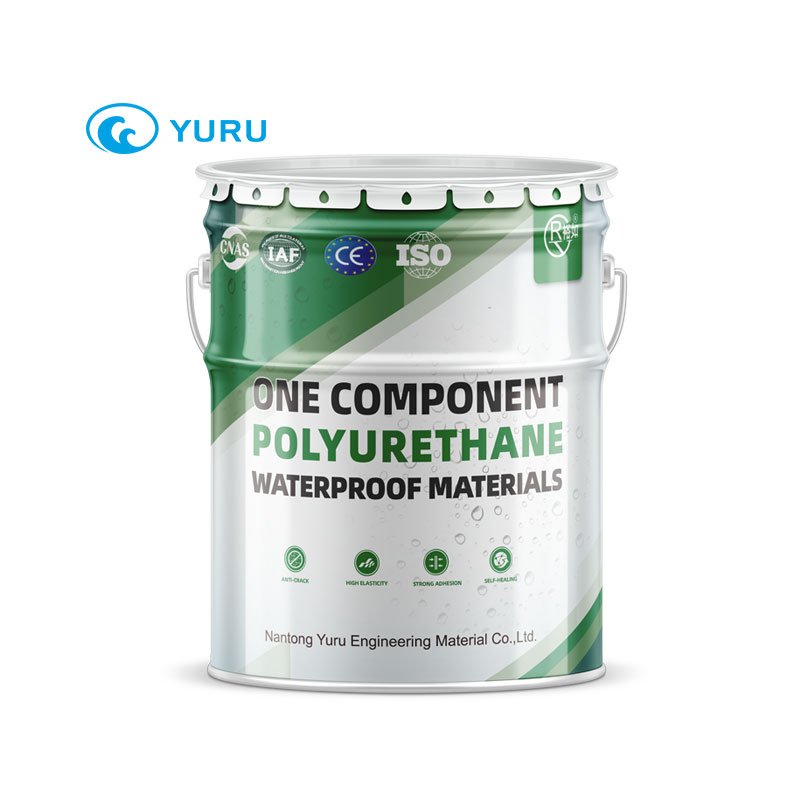
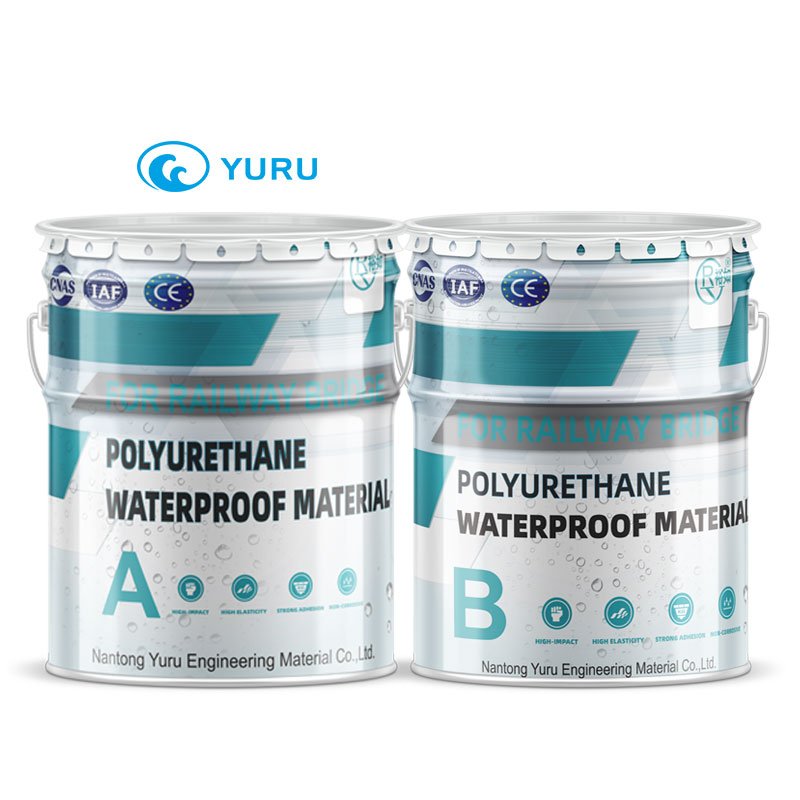
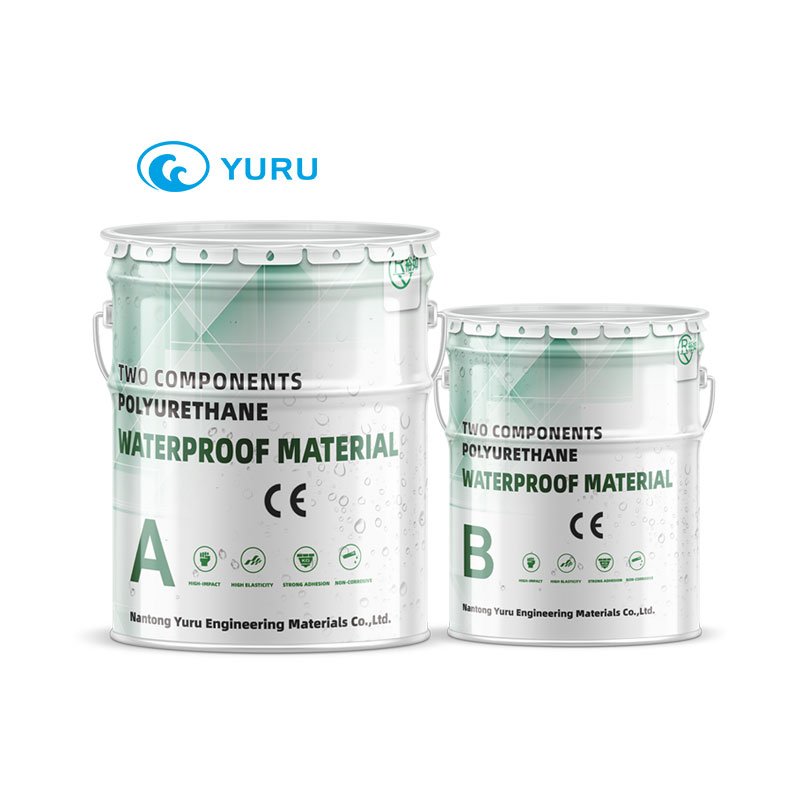
Polyurethane coating is a widely used, flexible waterproofing material.
Definition and Composition
Polyurethane coatings are:
- Liquid-applied materials
- Available in one-component or two-component systems
- Cured through chemical reaction with moisture or hardeners
Key Properties
- High elasticity
- Strong adhesion to substrates
- Seamless membrane formation
Advantages
- Easy to apply using rollers or brushes
- Suitable for complex surfaces
- Cost-effective
Limitations
- Requires protective topcoat for long-term outdoor use
What Is Polyurea Waterproof Coating?
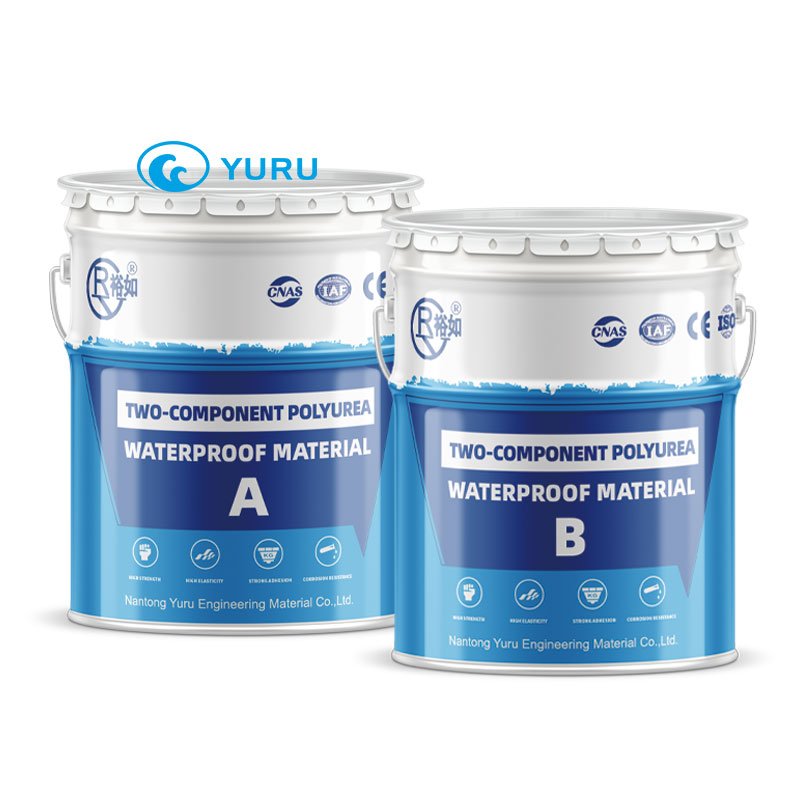
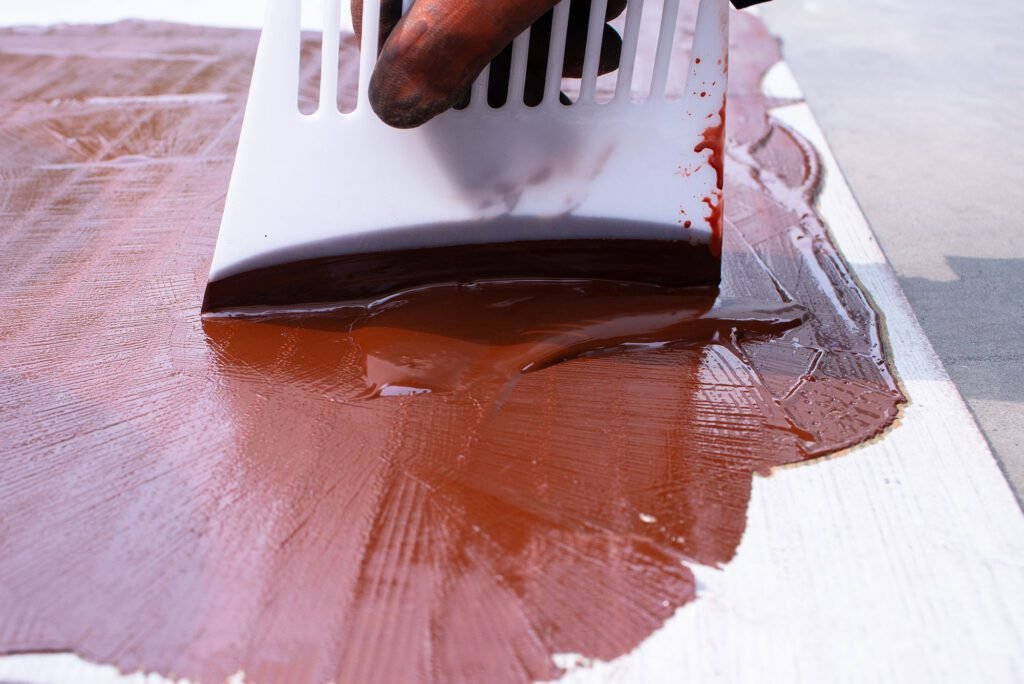
Polyurea is a high-performance coating.
Definition and Reaction Mechanism
Polyurea is:
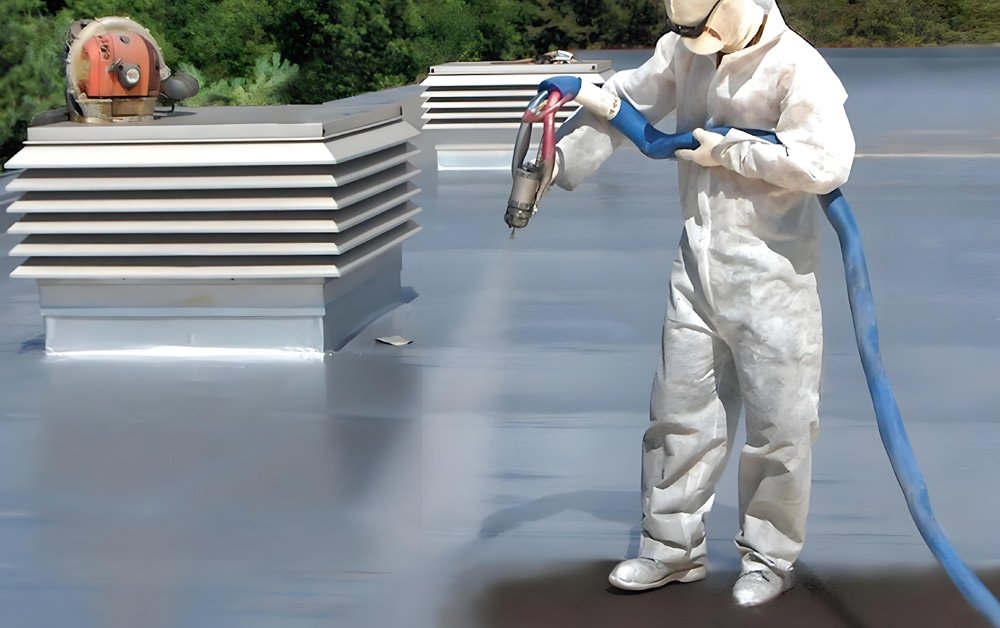
- A two-component spray-applied elastomer
- A hand-applied type waterproof coating
- Formed through rapid chemical reaction
Key Properties
- Ultra-fast curing (two-component spray-applied type)
- Excellent UV resistance
- High tensile strength and elongation
Advantages
- Superior durability
- Excellent weather resistance
- Suitable for large-scale projects
Limitations
- Requires specialized spray equipment (two-component spray-applied type)
- Higher initial cost

Polyurethane vs Polyurea: Key Performance Comparison
Understanding performance differences helps in proper selection.
Here’s the quick version.
| Comparison Items | Polyurethane | Polyurea |
| Application | Brush/Roller Coating | Brush/Spray Coating (Requires Specialized Equipment) |
| Cure Time | Hours-Days | Seconds-Hours |
| UV Resistance | Requires Topcoat | Naturally UV Resistant |
| Durability | Mid-term | Long-term |
| Elasticity | Excellent | Excellent |
| Upfront Cost | Low | High |
| Lifecycle Cost | Higher | Lower |
Which Coating Is Better for Roof Waterproofing?
The answer depends on project conditions.
1. When Polyurethane Is the Better Choice?
Polyurethane works well when:
- Budget is limited
- Project scale is small or medium
- UV exposure is moderate
- Manual application is required
2. When Polyurea Is the Better Choice?
Polyurea is ideal when:
- Long-term durability is required
- Roof is exposed to strong sunlight
- Large surface area needs fast application
- Minimal maintenance is desired
Best Material Choices for Different Roof Types
| Roofing Type | Recommended Material | Key Reasons |
| Industrial Roofs | Polyurea | High durability, UV resistance, no topcoat required |
| Commercial Buildings | Polyurea or high-grade polyurethane | Balanced performance and cost |
| Residential Roofs | Polyurethane | High cost-effectiveness, easy to apply |
| Metal Roofs | Polyurea | Strong adhesion, good flexibility, adaptable to thermal expansion and contraction |
Impact of Environmental Conditions on Material Selection
Hot and UV-Intensive Regions
Polyurea performs significantly better.
Cold Climate Areas
Both materials perform well, but flexibility matters.
High Humidity Environments
Polyurea provides more stable performance.
Installation Factors That Affect Waterproofing Performance
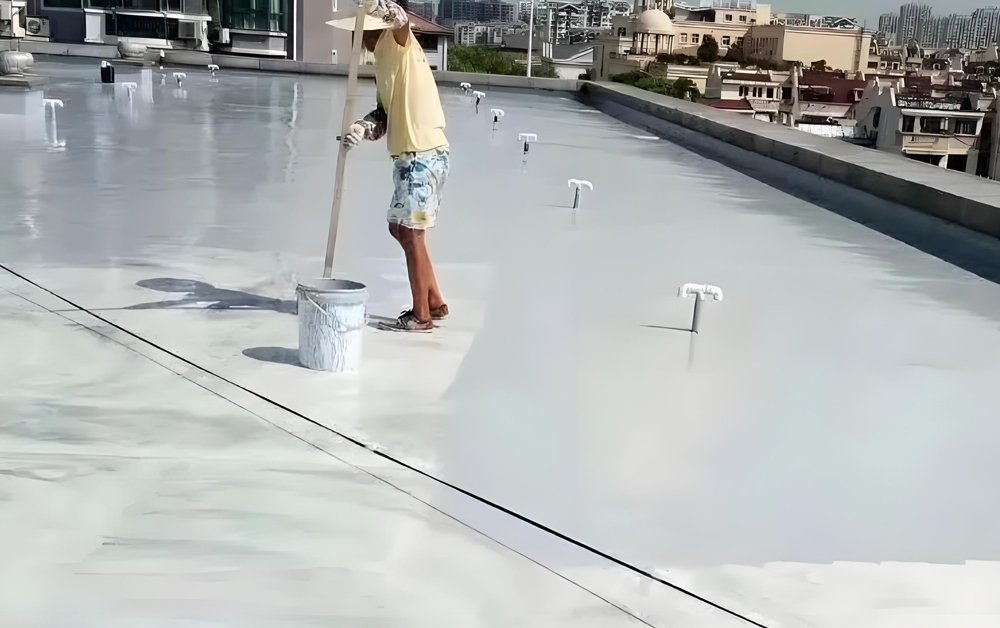
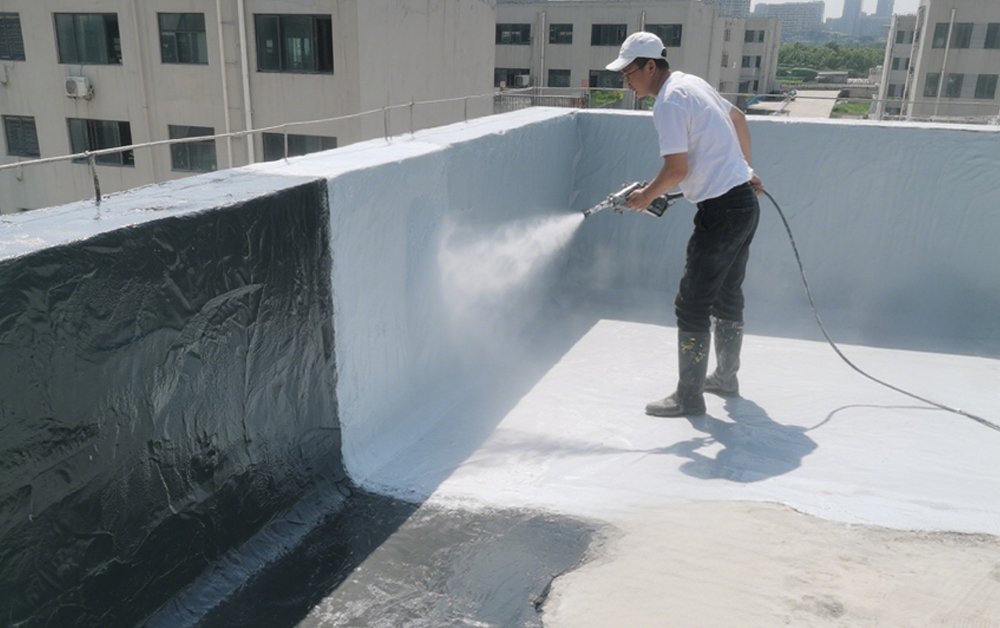
Even the best material can fail if applied incorrectly.
Surface Preparation
- Clean and dry substrate
- Remove dust and grease
Coating Thickness
- Must meet specification
- Too thin = failure risk
Environmental Conditions
- Temperature and humidity impact curing
Application Technique
- Skilled labor is essential
Common Mistakes in Roof Waterproofing Material Selection
Choosing Based Only on Price
Leads to:
- Short lifespan
- Frequent repairs
Ignoring UV Resistance
Common issue with polyurethane systems.
Using Incompatible Materials
Leads to:
- Adhesion failure
- Cracking
Underestimating Project Requirements
Results in:
- Poor performance
- Increased costs
YURU Waterproof: Your Trusted Roofing Waterproofing Partner
Selecting the right supplier is as important as choosing the material.
YURU Waterproof is a professional manufacturer specializing in:
- Polyurea waterproof coatings
- Polyurethane waterproof systems
- Grouting and floor coating solutions
Why Choose YURU
- Advanced production technology
- Strict quality control
- Proven engineering applications
- OEM/ODM customization
Key Product Advantages
- High UV-resistant polyurea systems
- Durable polyurethane coatings
- Stable performance in extreme environments
Application Experience
YURU products are widely used in:
- Industrial roofing
- Municipal infrastructure
- Commercial construction
- International projects
FAQs:
1. Which is better for roof waterproofing, polyurethane or polyurea?
Polyurea is generally better for long-term performance and UV resistance.
2. Is polyurethane waterproof coating suitable for outdoor roofs?
Yes, but it requires a protective topcoat against UV exposure.
3. Can polyurea be applied manually?
Yes, Yuru Waterproofing offers hand-applied polyurea waterproof coatings, while fast-curing types typically require spraying equipment.
4. Which coating lasts longer?
Polyurea usually has a longer lifespan.
5. Why is polyurea more expensive?
It requires specialized equipment and offers higher performance.
Conclusion
So, polyurethane or polyurea? The answer depends on your project. It depends on your project size, budget, and performance needs.
Need the Best Waterproof Coating for Your Roofing Projects?
YURU Waterproof offer both high-performance polyurea and polyurethane coatings. Not sure which one is right for you? We’ll help you figure it out.
Contact us for expert recommendations and customized solutions.
YURU Product solutions