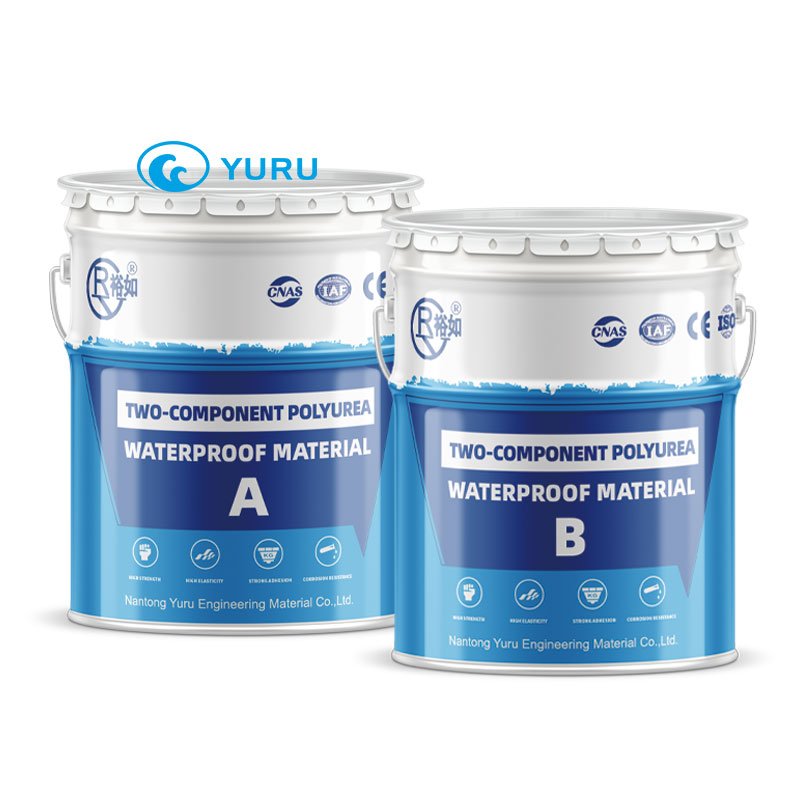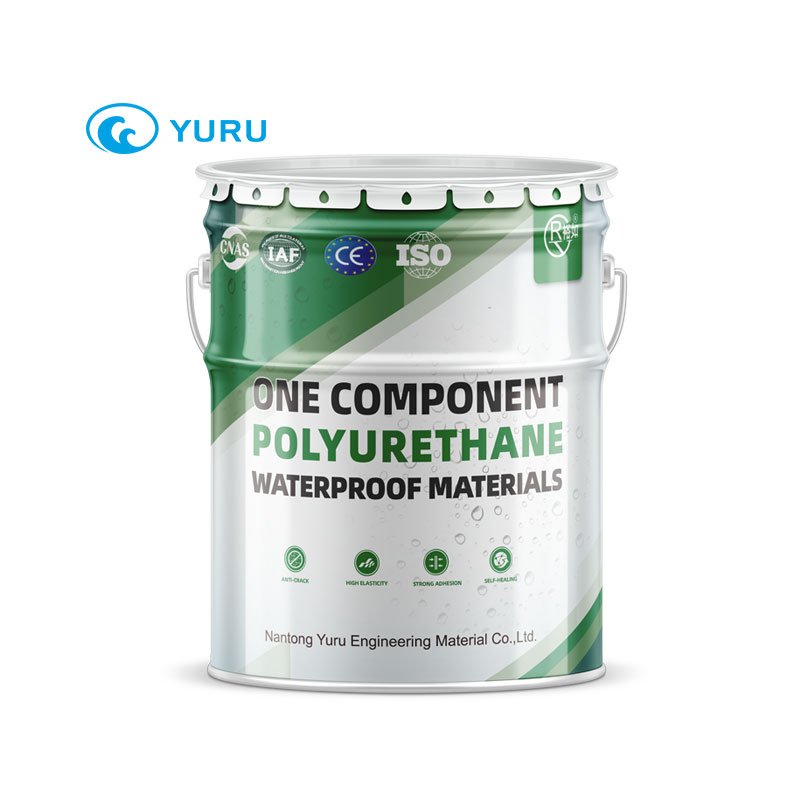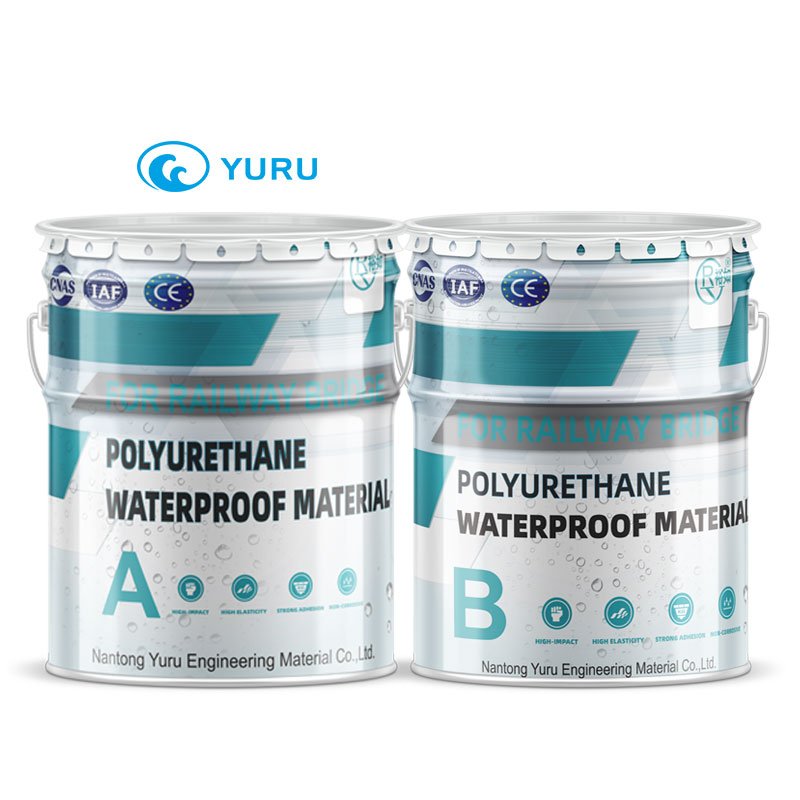
Single Component PU vs Polyurea Roof Coating: Which Waterproofing Coating Is Better for Your Roof?
Introduction: Which Waterproofing System Is Better for Your Roof?
Modern roof waterproofing decisions require a balance between durability, installation speed, long-term costs, climate adaptability, and maintainability.
Two liquid-applied technologies show up on project specs a lot:
- Single Component PU Roof Coating
- Polyurea Roof Waterproof Coating
Both provide seamless waterproofing, good adhesion, and crack-bridging. Buyers assume they are direct substitutes. They are not — they are designed for different applications, budgets, and performance expectations.
The confusion becomes even greater because many people believe that all polyurea products are spray-applied systems. This is not true.
Today’s market includes several types of polyurea waterproofing technologies, each with distinct installation methods and performance characteristics.
This guide explains the real differences between Single Component PU Roof Coating and Polyurea Roof Coating, helping contractors, project owners, distributors, and procurement managers make informed decisions.
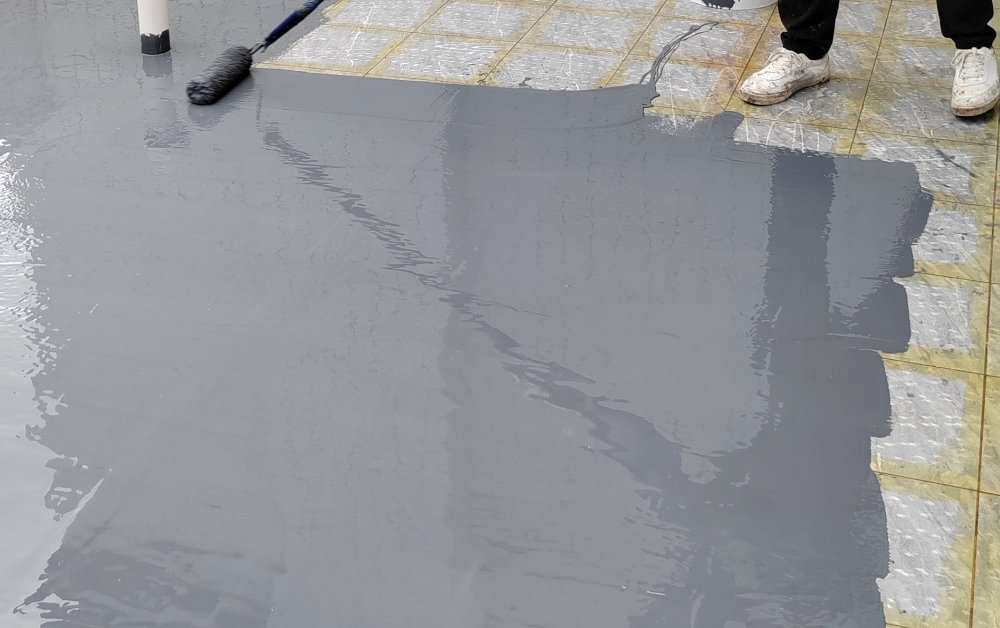
Why Roof Waterproofing Systems Have Evolved Beyond Traditional Solutions?
Growing Expectations for Building Service Life
Modern buildings — commercial, industrial, warehouses, airports, infrastructure — have design lives extending decades. That means waterproofing needs to deliver:
- Long-term performance
- Reduced maintenance
- Better resistance to weather
- Improved lifecycle value
Traditional materials often fall short.
Why Liquid Waterproofing Systems Continue to Gain Popularity?
Unlike sheet membranes, liquid-applied coatings offer several advantages:
No Seams
Seams are common failure points in conventional waterproofing systems.
Liquid membranes eliminate this risk.
Better Adaptation to Complex Roof Details
Modern roofs often contain:
- Pipe penetrations
- HVAC equipment
- Skylights
- Drainage systems
Liquid coatings can easily conform to these details.
Easier Maintenance
Repairs without replacing large sections.
Why PU and Polyurea Dominate High-Performance Roof Waterproofing?
Among liquid waterproof coating systems, PU and polyurea are top choices because:
- Elasticity
- Adhesion
- Crack-bridging ability
- Waterproof integrity
However, the similarities often cause confusion.
Understanding how each technology works is essential for proper selection.
What Is Single Component PU Roof Coating?
Basic Technology
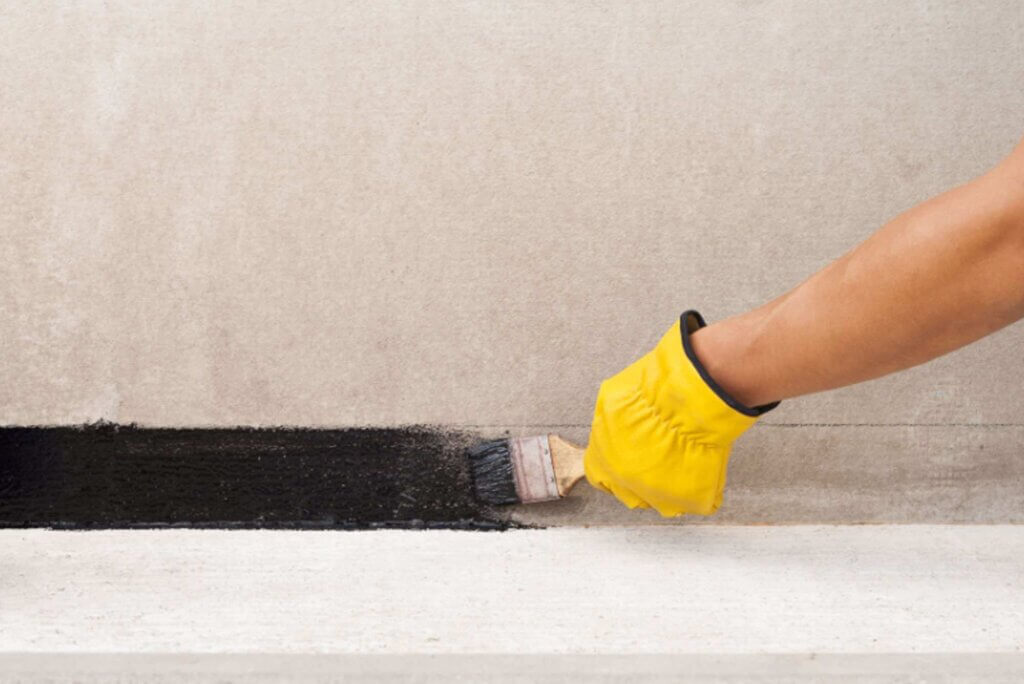
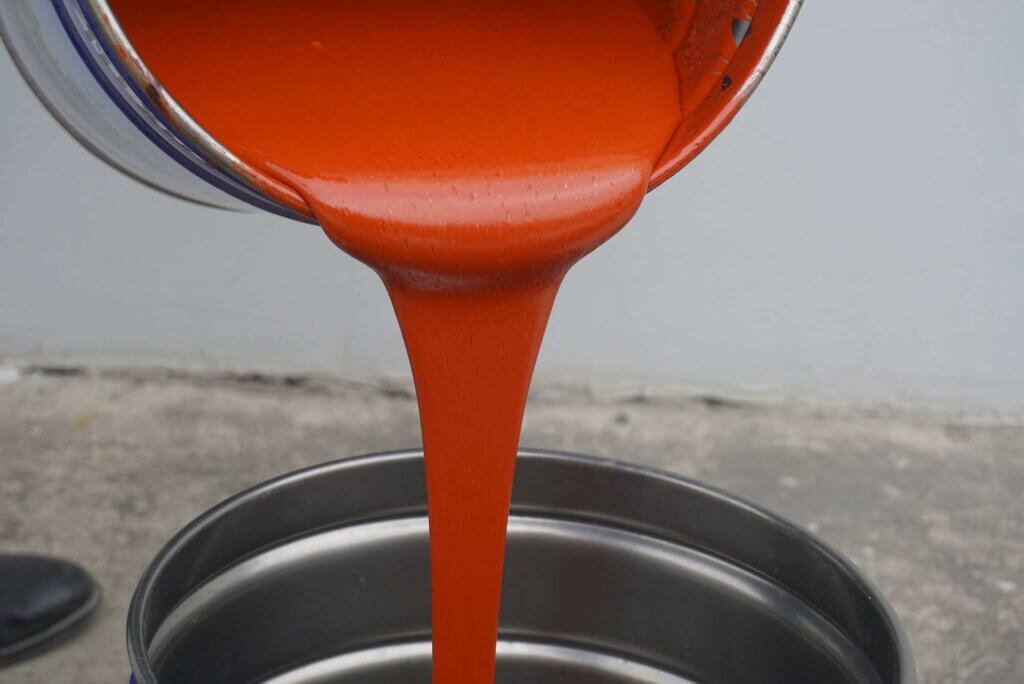
Single Component PU (Polyurethane) Roof Coating is a moisture-curing waterproofing material.
The product is supplied ready for use.
After application, it reacts with moisture in the atmosphere and gradually cures into an elastic waterproof membrane.
This curing mechanism makes the system relatively simple to apply.
Key Advantages of Single Component PU Roof Coating
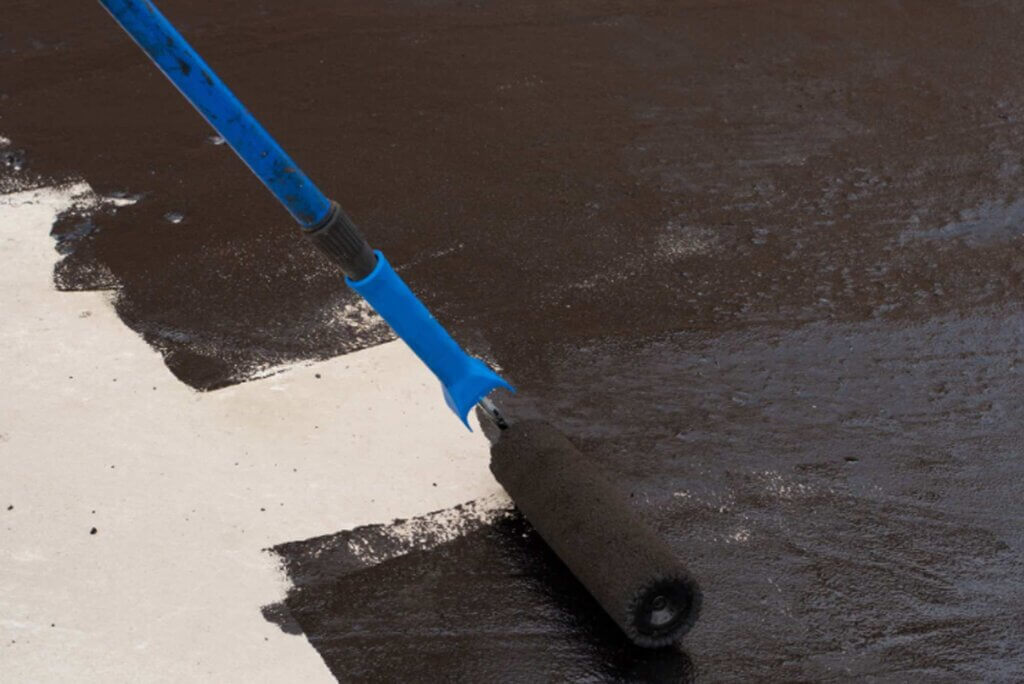
Easy Application
No mixing is required.
The material can be applied directly from the container.
Excellent Flexibility
PU membranes generally provide outstanding elongation.
This allows the coating to accommodate:
- Thermal expansion
- Concrete movement
- Minor cracking
without losing waterproof performance.
Strong Adhesion
Single Component PU adheres well to:
- Concrete roofs
- Cement mortar surfaces
- Existing waterproof layers
- Various building substrates
Cost-Effective Performance
Compared with many premium waterproofing technologies, PU often provides an attractive balance between cost and performance.
Typical Applications
Single Component PU Roof Coating is widely used for:
Commercial Roofs
- Office buildings
- Shopping centers
- Mixed-use developments
Residential Buildings
- Apartments
- Villas
- Townhouses
Concrete Roof Structures
- Flat roofs
- Podium decks
- Terraces
Roof Restoration Projects
A common choice for renovation and refurbishment work.
Can Single Component PU Roof Coating Be Used as an Exposed Waterproofing System?
This question confuses a lot of people.
Short-Term Exposure Is Possible
Single Component PU coatings generally possess some degree of weather resistance.
As a result, they can remain exposed during construction or for limited periods.
Long-Term Exposure Is Not Always the Best Option
Over extended periods, exposure to:
- UV radiation
- Temperature fluctuations
- Weathering
may gradually accelerate membrane aging.
Common symptoms can include:
- Surface chalking
- Color fading
- Reduced elasticity
depending on formulation quality and environmental conditions.
Why Protection Layers Are Recommended?
Professional waterproofing engineers often recommend adding a protective layer over PU membranes.
Examples include:
Reflective Coatings
Can reduce surface temperature.
Mortar Protection Layers
Provide mechanical protection.
Tile Finishes
Common for terraces and podium decks.
Additional Protective Coatings
Improve long-term durability.
How Protection Layers Extend Service Life?
A properly designed protection system can significantly reduce:
- UV degradation
- Mechanical damage
- Surface wear
and may help extend waterproofing service life to well beyond a decade under appropriate conditions.
What Is Polyurea Roof Coating?
A common misconception is: “Polyurea equals spray-applied waterproofing.”
That’s not accurate.
Polyurea Is a Technology Family, Not a Single Product
Today’s market includes several categories of polyurea waterproofing products.
Each category serves different applications.
The three most common types include:
- Single Component Polyurea
- Two Component Brushable Polyurea
- Spray Polyurea
Knowing the difference is key when choosing a roof waterproofing system.
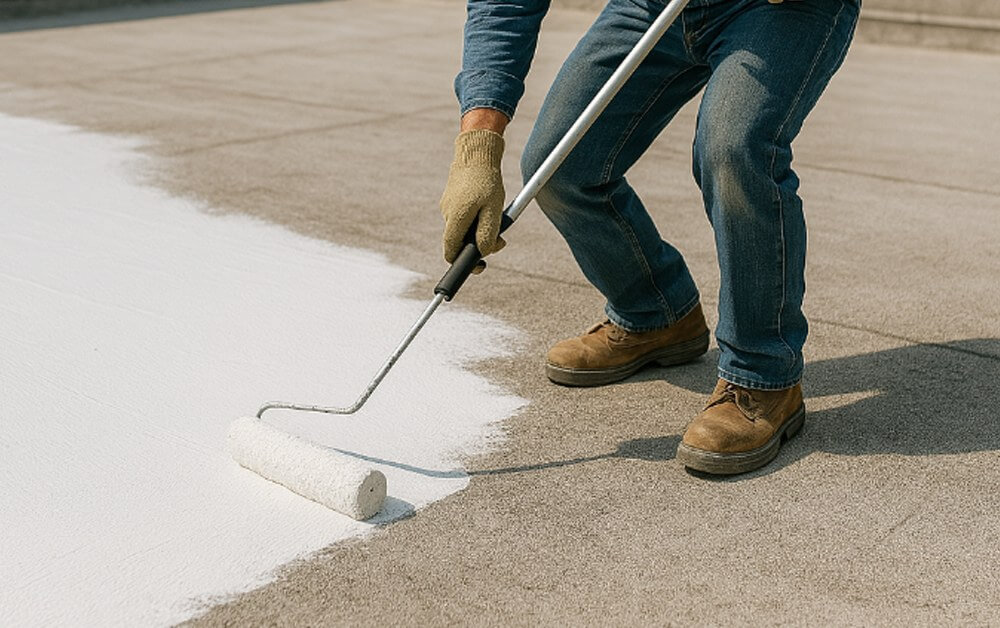
Single Component Polyurea Roof Coating
What Is Single Component Polyurea?
Single Component Polyurea combines the convenience of single-component materials with some of the performance advantages associated with polyurea chemistry.
Like PU coatings, it can be applied without complex mixing procedures.
Installation Method:
Typical application methods include:
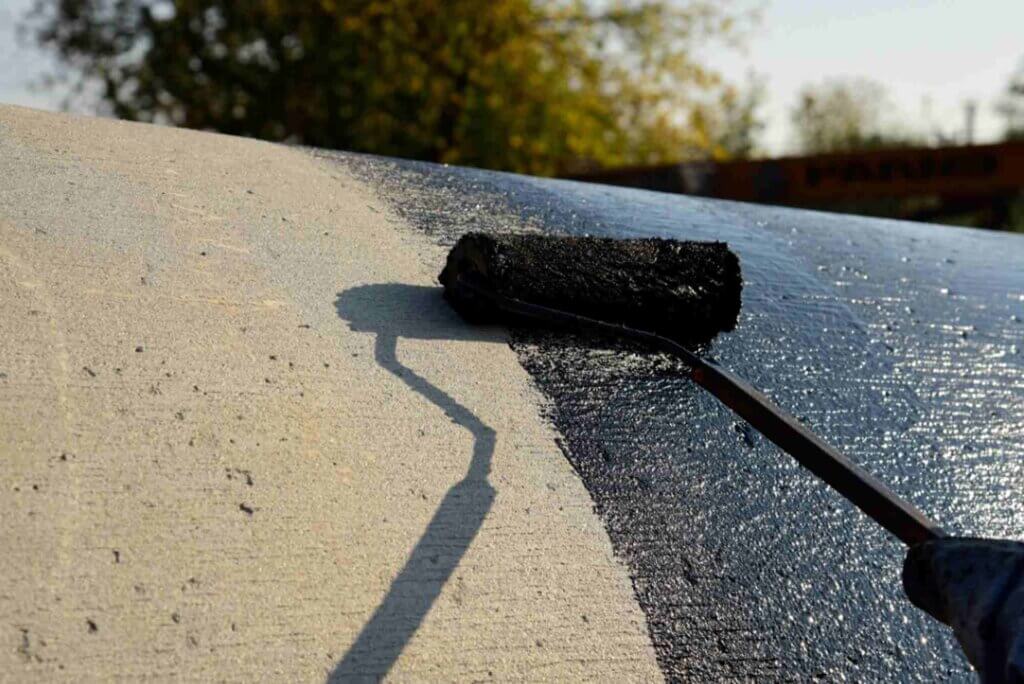
- Roller application
- Brush application
- Airless spray application
No specialized plural-component spray equipment is required.
Advantages:
Easier Installation
Suitable for small and medium-sized projects.
Improved Weather Resistance
Compared with many conventional waterproofing systems.
Better UV Performance
Depending on formulation.
Typical Applications:
Common uses include:
- Roof waterproofing
- Roof restoration
- Balcony waterproofing
- Concrete roof systems
Two Component Brushable Polyurea
What Is Brushable Polyurea?
This category uses a two-component reactive system.
Unlike spray polyurea, it can still be applied manually.
Application methods include:
- Roller
- Brush
- Squeegee
making it suitable for contractors who prefer not to invest in expensive spray equipment.
Faster Curing Performance
Compared with single-component technologies, brushable polyurea typically cures faster.
This can shorten construction schedules.
Improved Mechanical Properties
Many brushable polyurea systems provide:
- Higher tensile strength
- Better abrasion resistance
- Stronger durability
than traditional PU systems.
Common Project Types
Frequently used for:
- Commercial roofs
- Industrial roofs
- Concrete roof systems
- Waterproofing upgrades
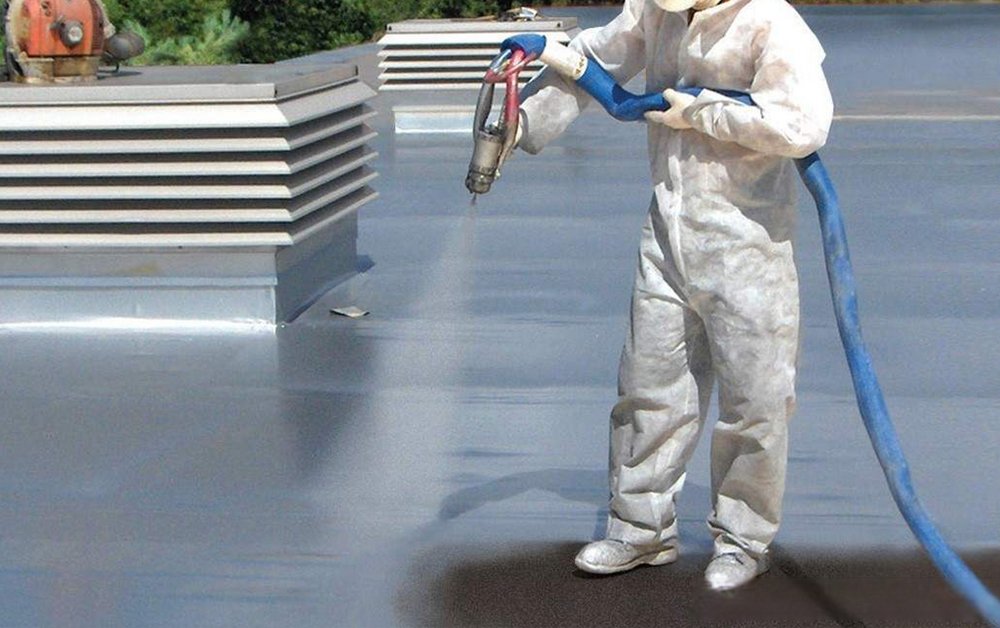
Spray Polyurea Roof Coating
What Makes Spray Polyurea Different?
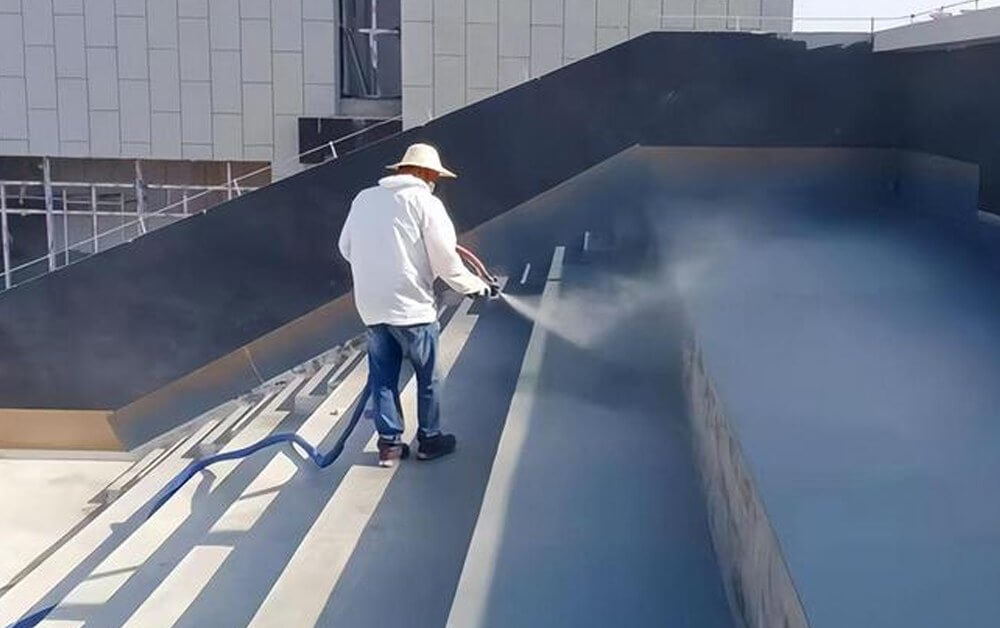
Spray polyurea uses high-pressure spray equipment. Two components mix and react almost instantly during application.
Ultra-Fast Cure Speed
This is one of its most recognized advantages.
Many systems cure within:
- Seconds
- Minutes
rather than hours.
Exceptional Mechanical Performance
Spray polyurea is often selected for projects requiring:
- High impact resistance
- Abrasion resistance
- Heavy-duty waterproofing
Typical Applications
Common examples include:
- Airports
- Stadiums
- Industrial facilities
- Infrastructure projects
- Large commercial roofs
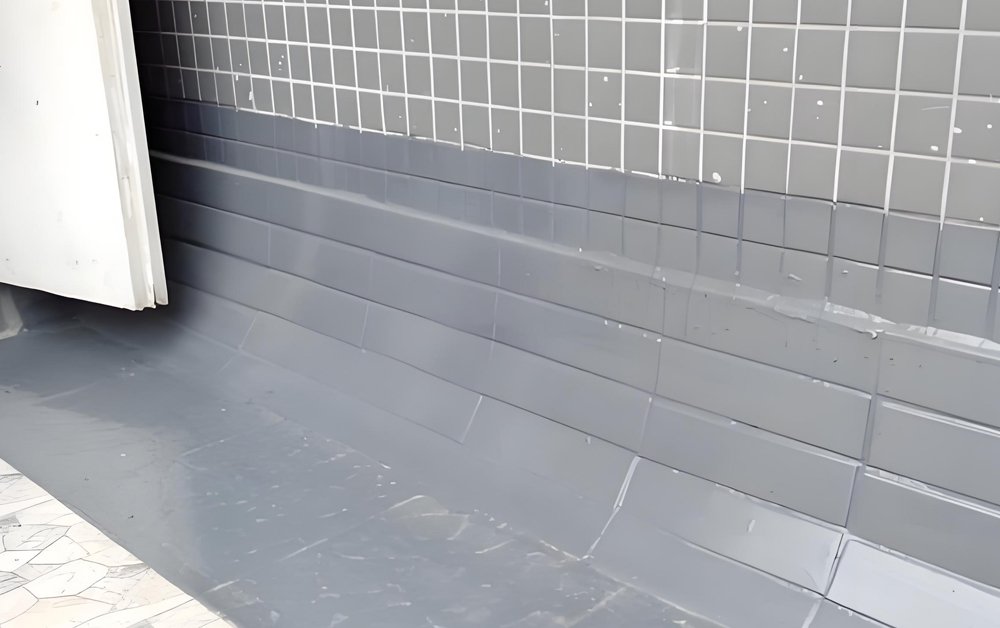
Single Component PU vs Different Types of Polyurea
Before choosing a system, it is important to understand that PU is not competing against one product.
It is competing against several different polyurea technologies.
PU vs Single Component Polyurea
Both systems offer:
- Easy installation
- Roller application
- Brush application
However, single component polyurea may provide enhanced weather resistance depending on formulation.
PU vs Brushable Polyurea
Brushable polyurea generally offers:
- Faster curing
- Better mechanical properties
- Improved durability
However, it usually involves higher material costs.
PU vs Spray Polyurea
Spray polyurea delivers:
- Faster installation
- Superior strength
- Longer potential service life
but requires specialized equipment and trained applicators.
As a result, project scale becomes an important consideration.
Curing Speed Comparison
One of the most misunderstood comparison points involves curing speed.
Not all polyurea products cure at the same rate.
Single Component PU
Typical curing:
- Surface dry within hours
- Full cure may require 24–48 hours
depending on temperature and humidity.
Single Component Polyurea
Generally faster than many traditional PU systems, although still within normal construction schedules.
Two Component Brushable Polyurea
Often cures significantly faster than single-component technologies.
This can improve project efficiency.
Spray Polyurea
The fastest curing system.
Many formulations gel within seconds and become traffic-ready shortly afterward.
UV Resistance Comparison
When evaluating roof waterproofing systems, UV resistance is one of the most critical factors affecting long-term durability.
Roof surfaces are continuously exposed to:
- Sunlight
- Infrared radiation
- Thermal cycling
- Weathering
Over time, UV radiation can degrade membranes — causing reduced elasticity, chalking, cracking, and eventually failure.
Single Component PU UV Performance
Traditional single component polyurethane waterproof coatings generally provide moderate UV resistance.
However, prolonged exposure can gradually accelerate aging.
Common issues may include:
- Surface chalking
- Gloss reduction
- Color fading
- Reduced elasticity
For this reason, professional waterproofing specifications often recommend protective layers when PU systems are exposed outdoors for extended periods.
Why Protection Layers Improve PU Performance?
Adding a protection layer helps reduce direct UV exposure.
Common solutions include:
Reflective Protective Coatings
Can reduce roof surface temperatures.
Ceramic Tile Finishes
Frequently used on terraces and podium decks.
Mortar Protection Layers
Widely used in commercial and residential waterproofing systems.
Additional Protective Membranes
Used in specialized waterproofing applications.
When properly protected, PU waterproof systems can achieve significantly longer service lives and lower maintenance costs.
Single Component Polyurea UV Resistance
Single component polyurea often demonstrates improved weather resistance compared with many traditional PU systems.
Depending on formulation, it may provide:
- Better color stability
- Improved weather durability
- Enhanced outdoor performance
However, performance varies among manufacturers.
Brushable Polyurea UV Resistance
Brushable polyurea systems generally offer stronger weathering performance than conventional polyurethane coatings.
Many formulations are specifically designed for long-term roof exposure.
Spray Polyurea UV Resistance
This topic is often misunderstood.
Not all spray polyurea systems are designed for permanent UV exposure.
Some aromatic polyurea systems may discolor when exposed to sunlight.
Although discoloration may not immediately affect waterproof performance, aesthetics can be impacted.
For exposed roofing projects, UV-stable formulations should be specified.
Exposed vs Non-Exposed Polyurea Waterproof Coatings
Many buyers assume that every polyurea coating can remain permanently exposed.
This is not always correct.
Understanding this distinction is essential when selecting a roof waterproofing system.
What Is an Exposed Polyurea Waterproof Coating?
Exposed-grade polyurea is formulated for direct environmental exposure.
Characteristics typically include:
- UV resistance
- Weather resistance
- Long-term outdoor durability
These systems are frequently used on:
- Industrial roofs
- Commercial roofs
- Stadiums
- Public buildings
where no additional protective layer is planned.
What Is a Non-Exposed Polyurea System?
Non-exposed polyurea systems are designed to function beneath protective layers.
Examples include:
- Concrete overlays
- Mortar protection layers
- Tile systems
- Mechanical protection systems
These systems may provide excellent waterproofing performance but require protection from environmental exposure.
Questions Buyers Should Ask Suppliers
Before purchasing, buyers should always ask:
- Is this exposed-grade or non-exposed-grade polyurea?
- Does the system require a protective layer?
- What is the recommended service life?
- What maintenance requirements exist?
These questions can prevent costly specification mistakes.
Service Life Comparison
People ask this all the time: “How long does PU last compared to polyurea?”
The answer depends on installation quality, environmental conditions, and system design.
Single Component PU Roof Coating
With proper installation and protection:
Typical service life may range from:
- 10–20 years
depending on project conditions.
The use of a protective layer can significantly improve long-term performance.
Single Component Polyurea
Single component polyurea often provides improved durability and weather resistance.
Typical service life expectations may exceed many traditional PU systems.
Brushable Polyurea
Due to stronger mechanical properties and faster curing performance, brushable polyurea is frequently selected for projects requiring enhanced durability.
Spray Polyurea
Among liquid waterproofing technologies, spray polyurea is often regarded as one of the longest-lasting systems when properly specified and installed.
Many large infrastructure projects choose spray polyurea specifically for lifecycle performance.
Cost Comparison and Lifecycle Value Analysis
Many procurement decisions focus too heavily on initial material price.
Professional project owners increasingly evaluate waterproofing systems based on total lifecycle value.
Initial Material Cost
General trend:
Lowest
Single Component PU
Moderate
Single Component Polyurea
Brushable Polyurea
Highest
Spray Polyurea
Equipment Cost
Single Component PU
- Minimal equipment requirements
Single Component Polyurea
- Similar installation simplicity
Brushable Polyurea
- Standard tools
Spray Polyurea
- Specialized plural-component spray equipment required
This significantly affects project economics.
Labor Cost
Fast-curing systems often reduce labor requirements.
For large projects, labor savings can partially offset higher material costs.
Maintenance Cost
Systems with longer service lives typically require:
- Fewer repairs
- Less maintenance
- Reduced downtime
which can create substantial savings over the building lifecycle.
ROI Comparison
The best waterproofing system is not necessarily the cheapest.
Instead, buyers should evaluate:
- Service life
- Maintenance cost
- Downtime risk
- Project scale
before making a decision.
Which Waterproofing System Performs Better in Different Climates?
| Climate Region | Key Concerns | Recommended Approach |
| Hot Climate Regions | UV exposure, roof temperatures, thermal cycling | Polyurea or properly protected PU — premium weather-resistant systems preferred |
| Tropical Regions | Humidity, heavy rainfall, biological growth | Strong waterproof integrity is critical |
| Coastal Environments | Salt exposure, humidity, wind-driven rain | Prioritize long-term durability |
| Cold Climate Regions | Freeze-thaw cycles, thermal movement | Elastic waterproof membranes are essential |
Which Roof Coating Is Better for Different Roof Types?
No waterproofing material is ideal for every project.
The best choice depends on project requirements.
Residential Roofs
Recommended:
Single Component PU
Advantages:
- Cost-effective
- Easy application
- Proven performance
Commercial Roofs
Possible options:
- PU
- Brushable Polyurea
- Single Component Polyurea
depending on performance expectations.
Industrial Facilities
Higher-performance polyurea systems are often selected because of their durability.
Large Warehouse Roofs
Lifecycle cost becomes increasingly important.
Polyurea systems may provide stronger long-term value.
Infrastructure Projects
Examples:
- Airports
- Transportation hubs
- Industrial complexes
Spray polyurea is frequently specified because of its durability and rapid installation.
Common Mistakes When Choosing Between PU and Polyurea
Assuming All Polyurea Is Spray Applied
One of the most common misconceptions.
Polyurea includes:
- Single Component Polyurea
- Brushable Polyurea
- Spray Polyurea
Each serves different applications.
Ignoring Exposure Requirements
Not every polyurea system is suitable for permanent exposure.
Always verify system classification.
Choosing Based Only on Material Price
Initial price is only one component of lifecycle cost.
Ignoring Protection Layer Design
Particularly important for PU systems.
Proper protection can dramatically improve service life.
Overlooking Technical Support
Supplier expertise often influences project success.
Why Contractors Choose YURU Waterproof Solutions?
Single Component PU Waterproofing Systems
Suitable for:
- Residential roofs
- Commercial roofs
- Roof restoration
Cost-effective and practical.
Single Component Polyurea Systems
Designed for projects seeking upgraded weather resistance and durability.
Brushable Polyurea Systems
Ideal for commercial and industrial roofing applications requiring enhanced performance.
Spray Polyurea Solutions
Designed for:
- Infrastructure projects
- Large industrial facilities
- High-performance waterproofing requirements
Customized Waterproofing Recommendations
YURU evaluates:
- Climate
- Roof type
- Budget
- Service life goals
before recommending a system.
This approach helps customers achieve better project outcomes.
FAQs:
1. Is Polyurea Better Than Single Component PU?
Not necessarily – depends on project requirements, budget, climate, and service-life expectations.
2. Does Every Polyurea Coating Require Spray Equipment?
No – single component polyurea and brushable polyurea can often be applied using rollers or brushes.
3. Can Single Component PU Be Used Outdoors?
Yes – but adding a protection layer is generally recommended for improved durability and weather resistance.
4. Which System Is Better for UAE Climate?
High-performance weather-resistant polyurea systems are often preferred, although properly protected PU systems can also perform successfully.
5. Does YURU Provide OEM Waterproofing Solutions?
Yes. YURU Waterproof supports OEM, private-label manufacturing, and customized waterproofing solutions.
Conclusion:
Single Component PU vs Polyurea — it’s not as simple as one being “better” than the other.
Polyurea is not a single product category. It includes:
- Single Component Polyurea
- Brushable Polyurea
- Spray Polyurea
Each technology offers different advantages.
Single Component PU is still one of the most cost-effective, versatile roof coatings out there – especially with a good protection layer.
Polyurea gives you more choices for faster cure, better durability, or longer life.
Ultimately, the best waterproofing system is the one that aligns with the project’s technical requirements, environmental conditions, budget, and lifecycle objectives.
Looking for expert guidance on PU or Polyurea roof waterproofing systems?
YURU Waterproof offers:
- Single Component PU Roof Coatings
- Single Component Polyurea Systems
- Brushable Polyurea Solutions
- Spray Polyurea Technologies
- OEM & Private Label Services
- Customized Waterproofing Recommendations
Contact YURU today to request technical data sheets, samples, project consultations, and waterproofing system recommendations.

YURU Product solutions