Underground Waterproofing Solutions: Complete Guide for Long-Term Protection
Introduction:
Underground structures are constantly exposed to moisture, groundwater pressure, and environmental changes. Unlike above-ground buildings, these structures face continuous water intrusion risks that can compromise durability and safety.
Common examples include:
- Basements
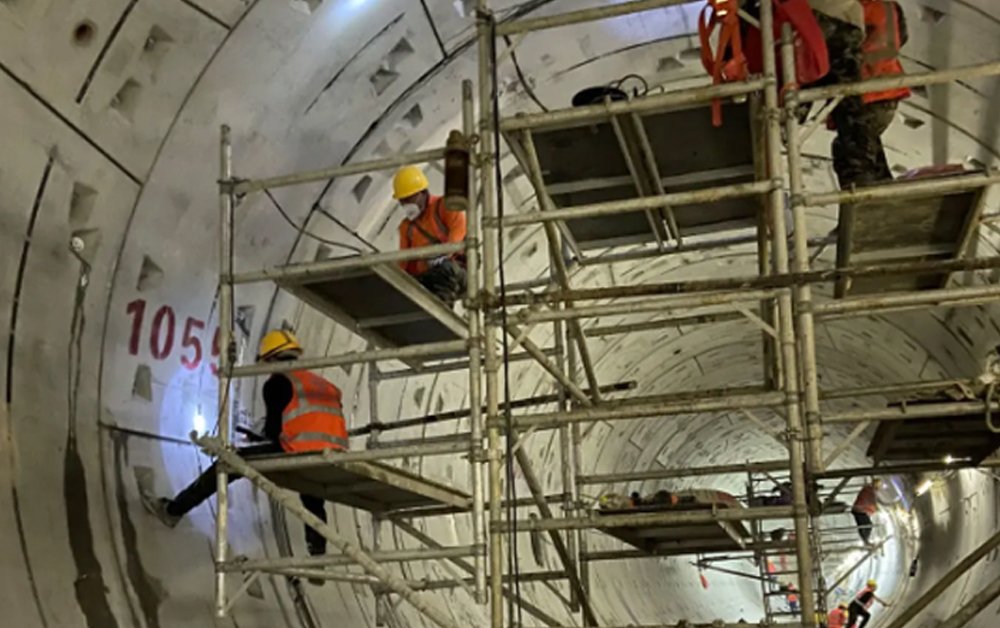
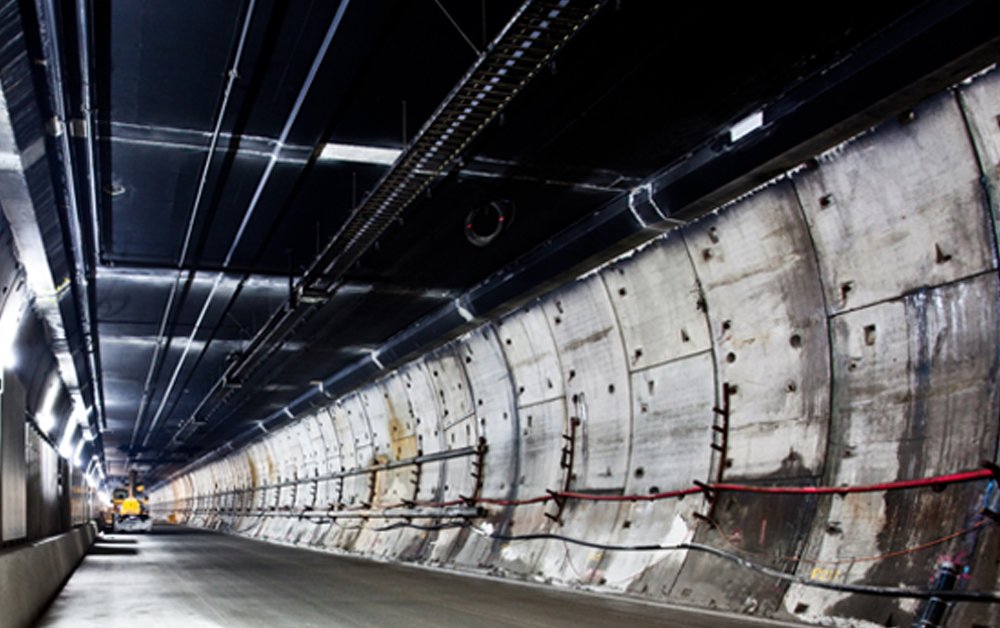
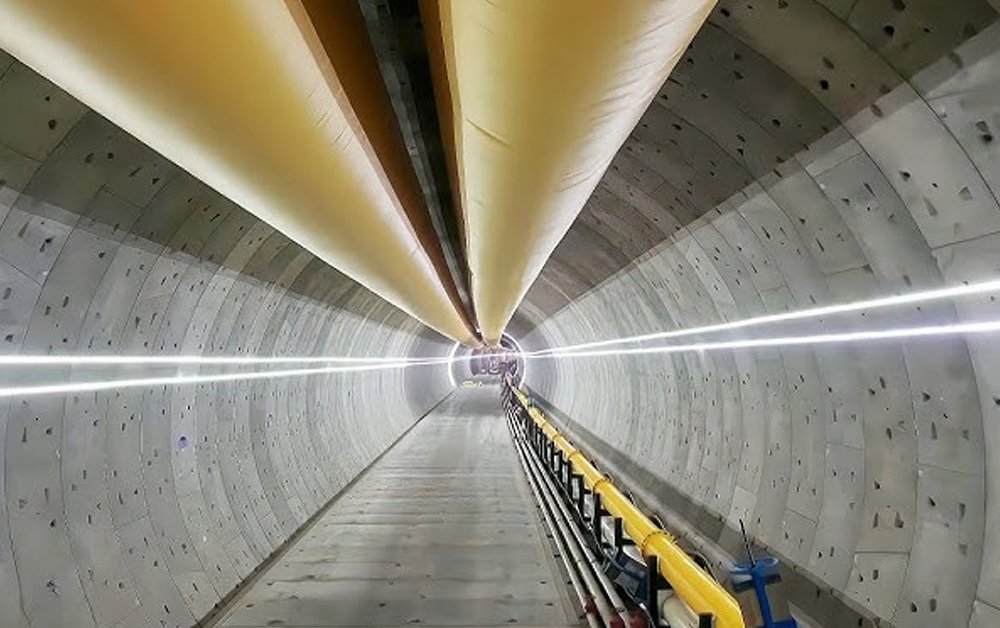
- Tunnels
- Subways
- Foundations
- Underground parking structures
Once leakage occurs, repairs can be complex and costly. In many cases, improper waterproofing leads to repeated failures.
Therefore, choosing the right underground waterproofing solution is a long-term investment in structural performance.
Common Underground Water Leakage Problems
Understanding the source of leakage is the first step toward solving it effectively.
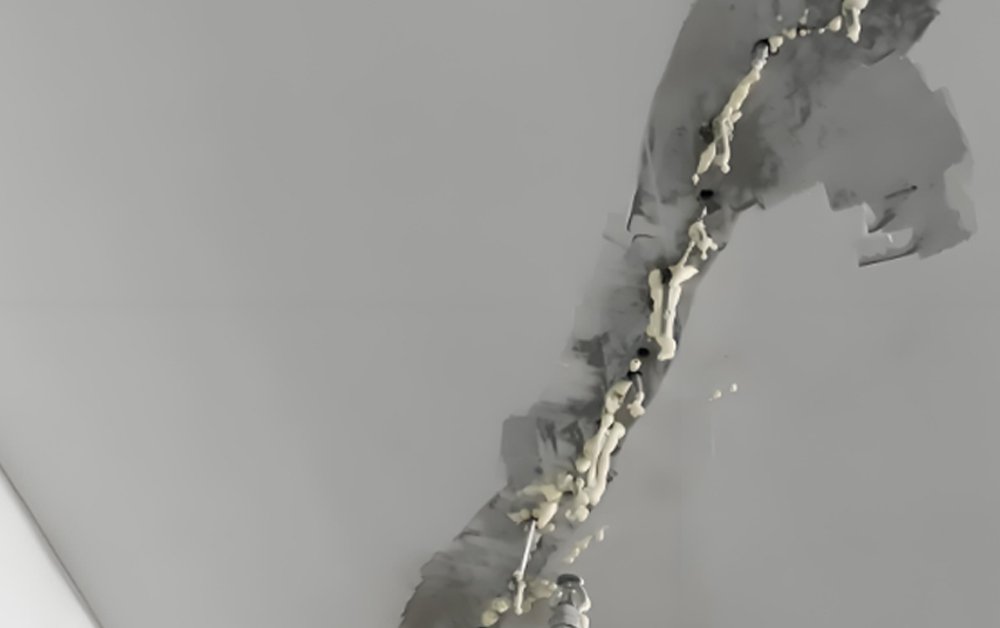
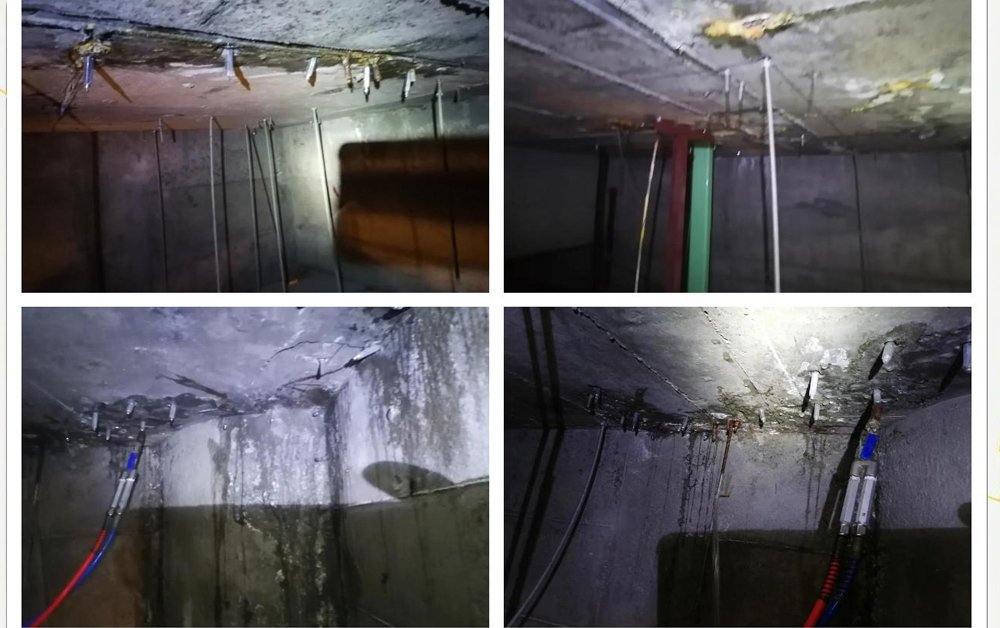
Concrete Crack Leakage
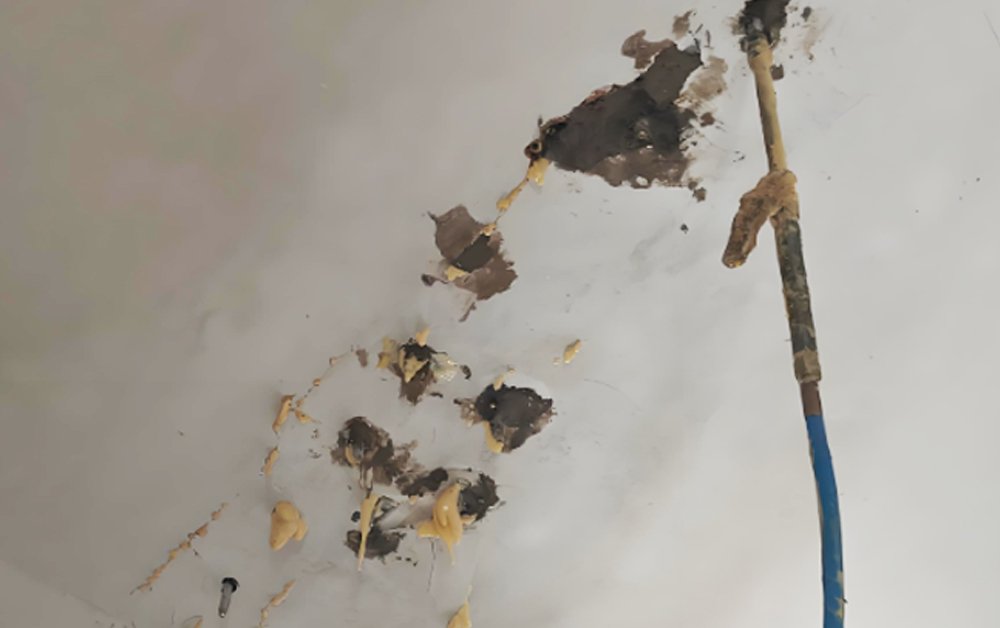
Cracks in concrete allow water to penetrate into the structure.
These cracks may result from:
- Structural stress
- Shrinkage
- Temperature variation
Without proper sealing, they become continuous leakage paths.
Construction Joint Leakage
Construction joints are naturally weak points in any structure.
Typical locations include:
- Slab joints
- Wall-to-floor connections
- Expansion joints
These areas are prone to leakage due to improper sealing or movement over time.
High Hydrostatic Pressure Leakage
In deep underground environments, water pressure can force water through even the smallest defects.
This is common in:
- Tunnels
- Deep basements
- Subway systems
Such conditions require high-performance waterproofing solutions.
Material Aging and Deterioration
Over time, waterproof materials degrade.
Factors include:
- Chemical exposure
- Temperature changes
- Mechanical stress
This leads to loss of waterproof performance and eventual leakage.
Core Principles of Underground Waterproofing
Waterproofing vs Water Stopping
It is important to distinguish between:
- Preventive waterproofing: applied during construction.
- Remedial water stopping: applied after leakage occurs.
Both are essential in a complete system.
System-Based Approach
No single material can solve all problems.
A successful underground waterproofing system typically includes:
- Surface protection
- Internal sealing
- Drainage control
Material and Application Must Work Together
Even the best materials will fail if improperly applied.
Proper design, material selection, and installation must be integrated.
Main Underground Waterproofing Solutions
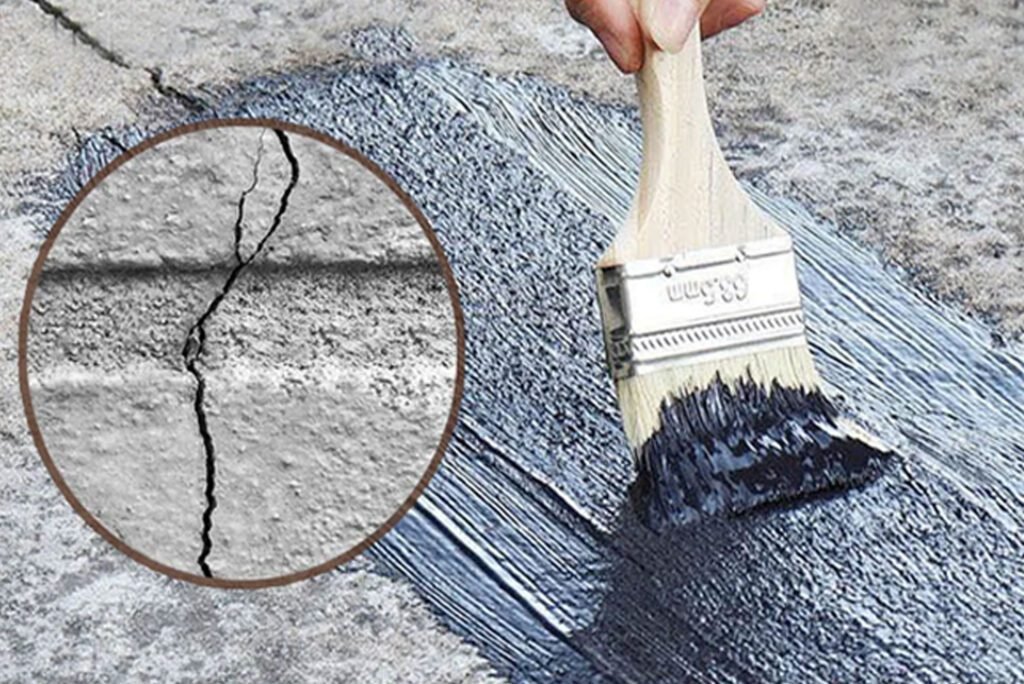
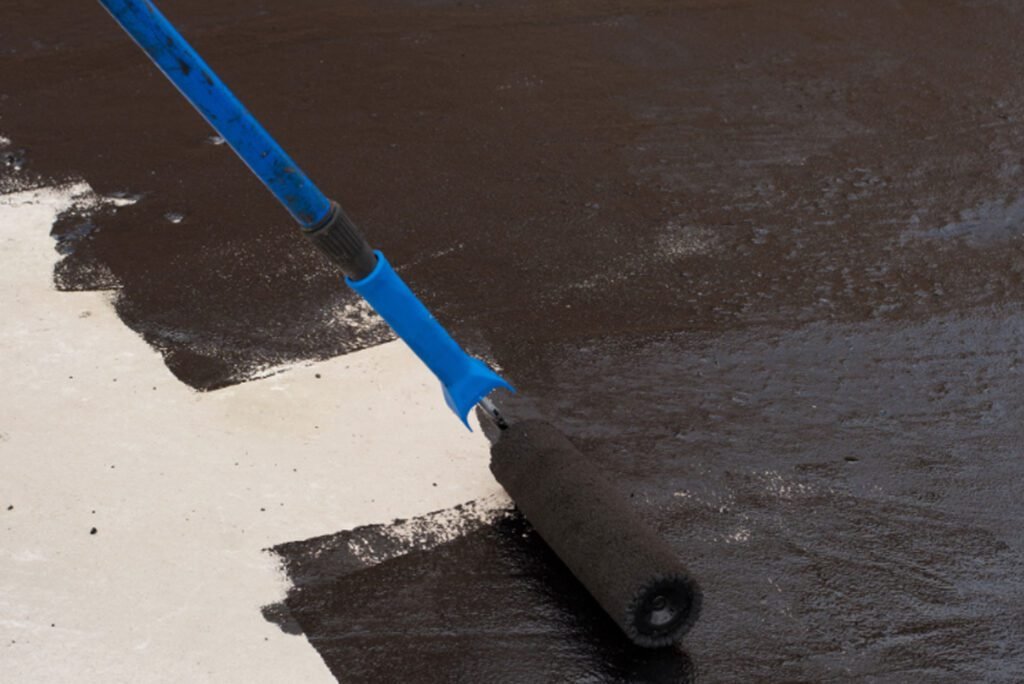
Waterproof Coating Systems
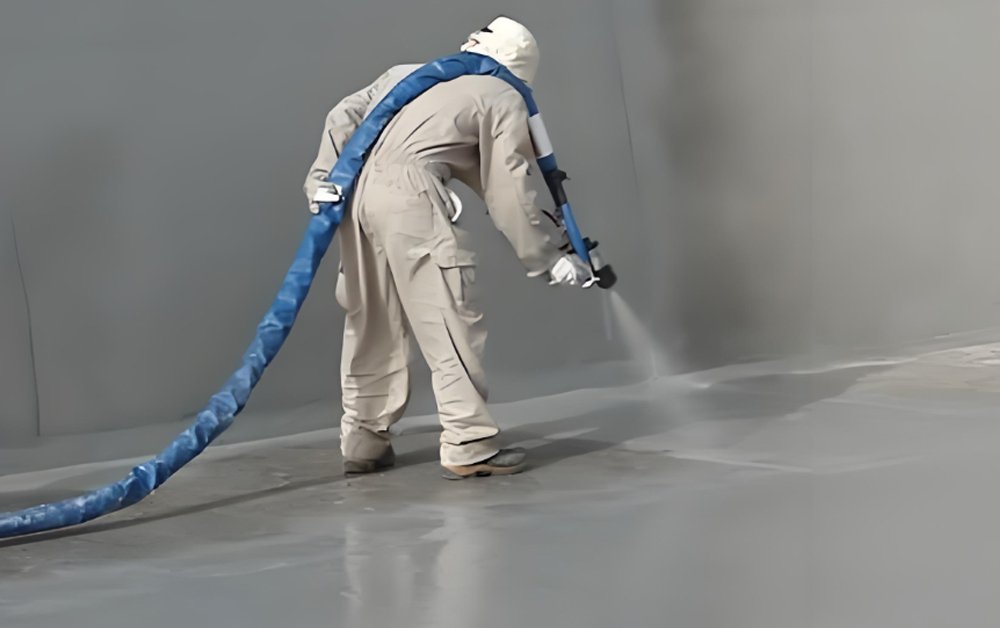
Coatings form a continuous barrier on surfaces.
Common Types:
- Polyurethane coatings
- Polyurea coatings
Advantages:
- Seamless application
- Good flexibility
- Suitable for large areas
Limitations:
- Surface preparation is critical.
- Not effective for active internal leakage.
Applications:
- Basement walls
- Exterior foundation surfaces
Grouting Systems
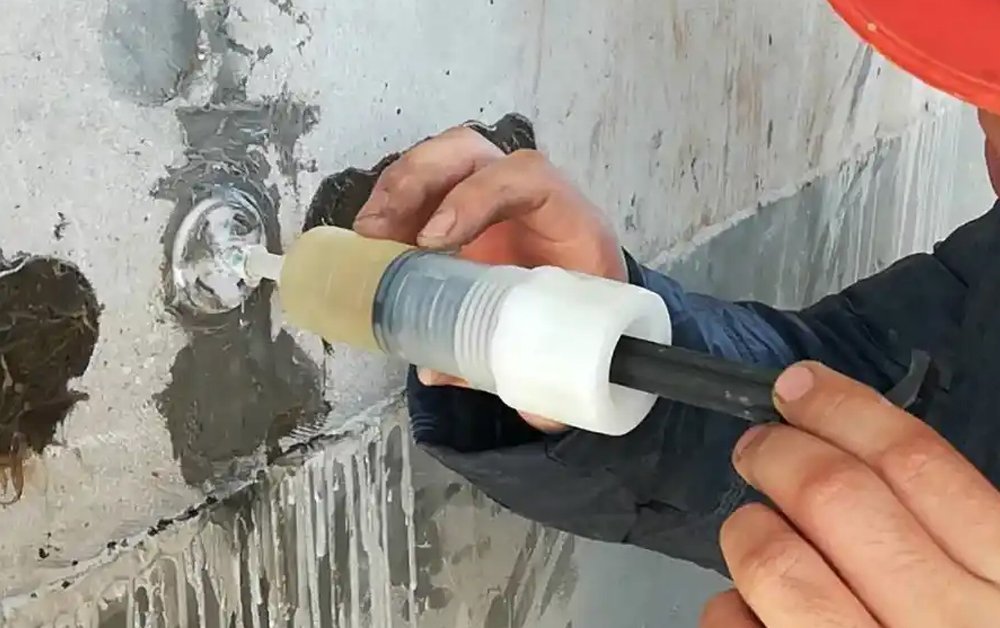
Grouting is used to seal cracks and voids from within the structure.
How It Works:
Material is injected under pressure into cracks or voids, where it reacts and forms a seal.
Advantages:
- Directly targets leakage paths
- Effective for repair projects
- Works in wet conditions
Applications:
- Active leaks
- Structural cracks
- Underground repairs
Membrane Waterproofing Systems
Membranes create a physical barrier against water.
Types:
- Pre-applied membranes
- Post-applied membranes
Advantages:
- Reliable barrier protection
- Long service life
Applications:
- New construction projects
- Foundations and slabs
Integral Waterproofing Systems
This method improves concrete itself.
How It Works:
Waterproofing additives are mixed into concrete.
Advantages:
- Built-in protection
- Reduces permeability
Limitations:
Can’t seal existing cracks
Drainage Systems
Drainage reduces water pressure.
Importance:
Lower pressure means less risk of leakage.
Applications:
- Perimeter drainage
- Subsurface drainage layers
Grouting Materials for Underground Waterproofing
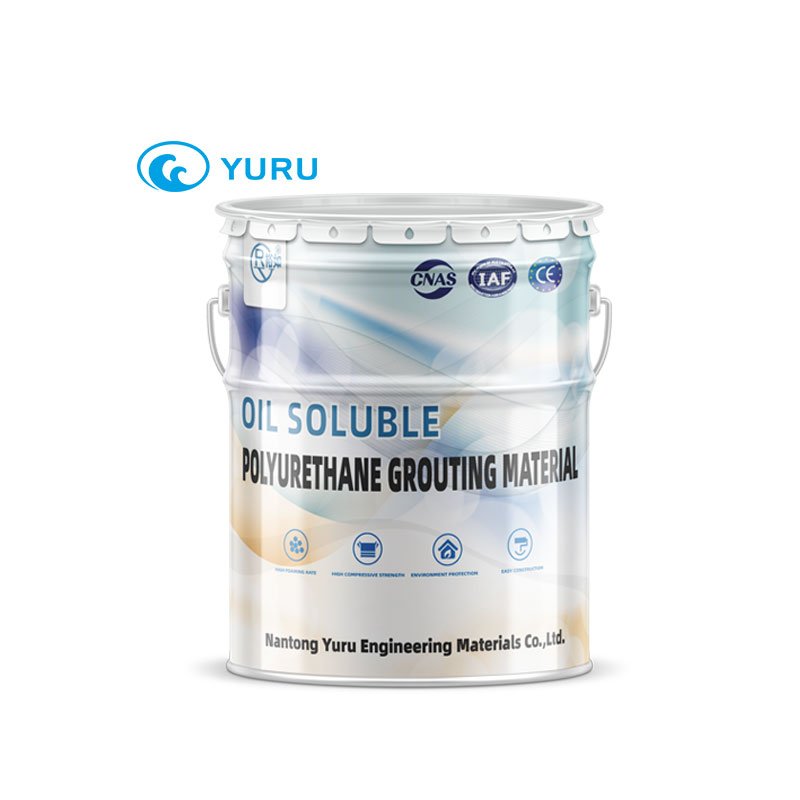
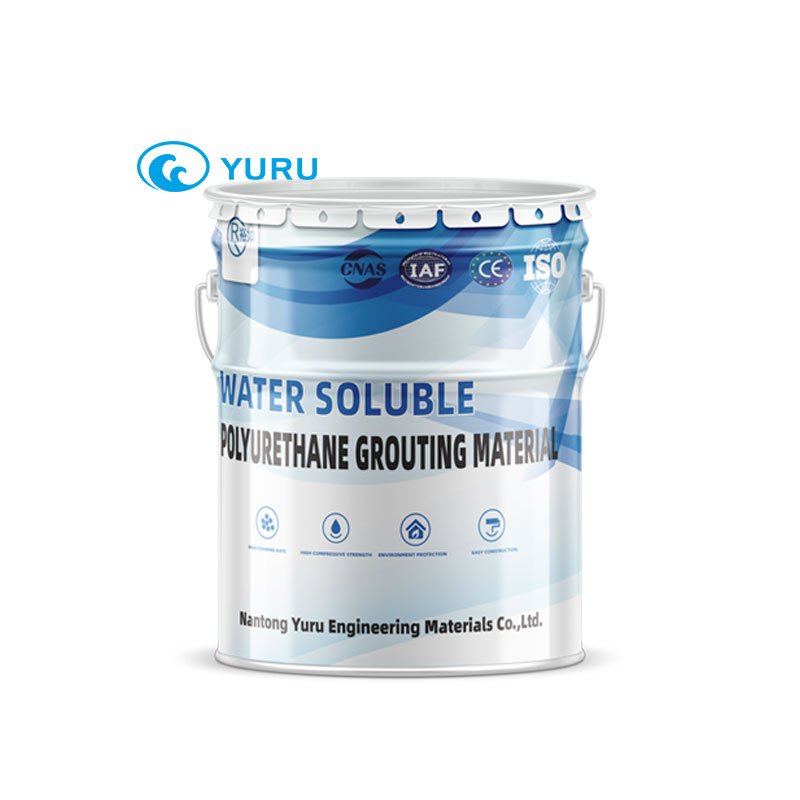
Polyurethane Grout
- Expands upon contact with water.
- Ideal for emergency leak sealing.
Polyurea Grout
- Fast curing
- High elasticity
- Long-term durability
Microcrystalline Polyurea Grout
- Enhanced penetration
- Suitable for micro cracks
- High-end performance
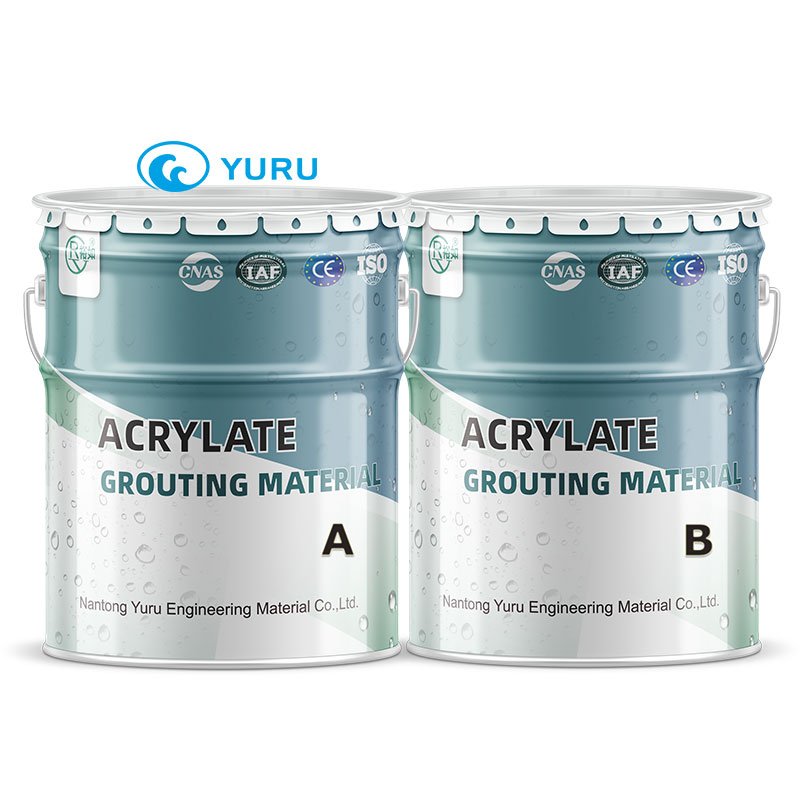
Acrylate Grout
- Extremely low viscosity
- Ideal for fine crack sealing
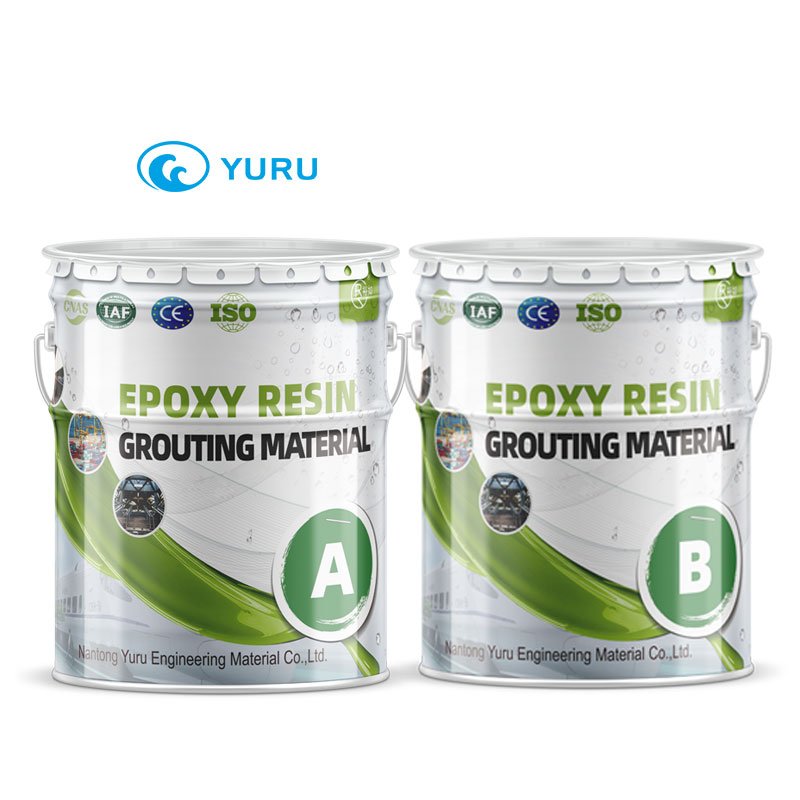
Epoxy Resin Grouting
- Structural Strengthening and Stabilization
- Strong Bonding Strength
How to Choose the Right Underground Waterproofing Solution?
New Construction vs Repair
- New projects → membranes and coatings
- Repairs → grouting systems
Water Pressure Conditions
Higher pressure requires stronger and more reactive materials.
Location of Leakage
- Walls
- Slabs
- Joints
Each requires a different approach.
Budget and Durability Requirements
Balance cost with long-term performance.
Typical Engineering Solutions
Basement Waterproofing
- External coatings
- Internal PU injection
Tunnel Waterproofing
- Polyurea systems
- Grouting reinforcement
Subway Projects
- Multi-layer waterproofing systems
- Drainage integration
Foundation Waterproofing
- Grouting + drainage
- Structural sealing
Installation Process Overview
Inspection
Identify leakage sources.
Design
Select appropriate materials and methods.
Application
Execute coating, grouting, or membrane installation.
Testing
Verify waterproofing performance.
Common Mistakes to Avoid
Relying on a Single Method
A combination of solutions is usually required.
Incorrect Material Selection
Leads to repeated leakage.
Poor Workmanship
Even good materials can fail if improperly applied.
Choosing a Reliable Waterproofing Supplier
Key Factors
- Product range
- Technical expertise
- Project experience
- Customization capability
YURU Underground Waterproofing Solutions
YURU Waterproof provides comprehensive waterproofing materials and solutions for global construction projects.
Product Portfolio:
- Waterproof coatings
- Grouting materials (PU, polyurea, acrylate, epoxy)
- Waterproof membranes
- Injection machine systems
Advantages:
- Stable quality
- Engineering-focused solutions
- OEM ODM services
- Fast delivery
YURU supports contractors and distributors with practical and reliable solutions.
FAQs:
1. What is the best waterproofing method for underground structures?
A combination of membranes, coatings, and grouting systems provides the best results.
2. How do you stop underground water leakage?
By using injection grouting materials such as polyurethane or polyurea.
3. Which material is best for high-pressure water leakage?
Polyurea or advanced PU systems are typically used.
4. Can waterproof coatings stop active leaks?
No, coatings are mainly preventive and require dry conditions.
5. How long does underground waterproofing last?
It depends on materials and application quality, but high-performance systems can last 10-20 years.
Conclusion:
Effective underground waterproofing requires:
- Understanding leakage types
- Selecting appropriate materials
- Applying a system-based approach
Combining the right technologies ensures long-term protection and performance.
If you need solve or source underground waterproof materials, contact YURU Waterproof today to get waterproofing samples and custom solutions.
YURU Product solutions