Which Polyurethane Coating Lasts Longer on Outdoor Concrete Patios?
Introduction
If you want an outdoor concrete patio to keep its color and gloss for longer, aliphatic polyurethane is generally a better choice than an unprotected aromatic polyurethane coating. It costs more, but offers better resistance to the changes caused by long-term sunlight exposure.
Beyond providing an aesthetically pleasing appearance, UV-resistant polyurethane coatings for concrete must also account for factors that cause wear and tear — such as exposure to rainwater, foot traffic, the placement of outdoor furniture, and seasonal weather fluctuations.
That is why the choice between aromatic and aliphatic polyurethane matters, especially when the goal is to avoid frequent maintenance and recoating.
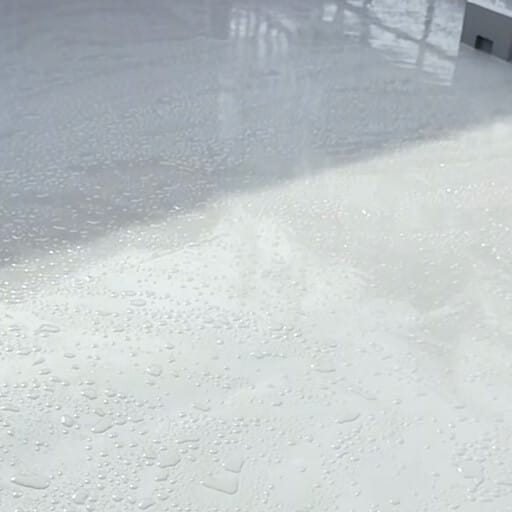
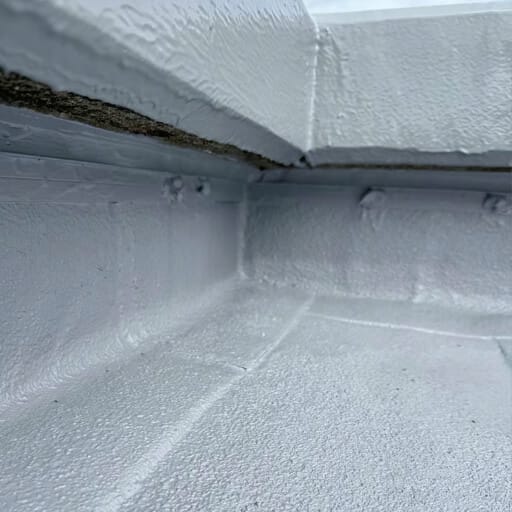
Why Does Polyurethane Coating Lose Its Gloss Outdoors?
Sunlight is often a major factor. UV exposure can change the surface of a coating over time, causing yellowing, chalking, or a duller appearance. When exposed directly to sunlight, aromatic polyurethane coatings are particularly prone to these issues, whereas aliphatic polyurethane waterproof coatings perform significantly better.
But UV isn’t the only reason a polyurethane waterproof coating patio loses its shine.
Dust and sand are carried across the surface underfoot. Patio chairs get moved around. Rain leaves dirt behind, and repeated cleaning adds further wear. Over time, these small scratches and changes in surface texture can make a once-glossy finish look noticeably dull.
If a coating has merely lost its gloss while remaining firmly bonded to the concrete substrate, this is generally just an aesthetic issue, and the performance of the coating itself remains intact. However, if peeling, blistering, or delamination occurs, it indicates that the coating’s performance has been compromised, and other factors must be taken into account.
Before choosing another coating, it is worth establishing which problem you are trying to solve. A new finish with the same limitations as the old one may simply repeat the experience.
Aliphatic vs. Aromatic Polyurethane: Which Holds Up Better in Sunlight?
For outdoor terraces, the most critical distinction between these two types of polyurethane waterproof coatings lies in how they perform when exposed to sunlight. If the coating itself is to be left exposed for an extended period, an aliphatic polyurethane waterproof coating is the more suitable choice.
Aromatic polyurethane is widely used in waterproofing. It offers good mechanical properties and is generally less expensive to manufacture. For outdoor applications, an additional protective layer is generally recommended. Therefore, we recommend that it be used when the waterproof layer is covered or when it is protected from direct sunlight.
Aliphatic polyurethane is more suitable when the coating itself will remain exposed. It generally resists UV-related yellowing and changes in gloss better than aromatic polyurethane, therefore, it is often chosen as a protective coating for outdoor use.
This is an established distinction in the coatings industry. PCI Magazine’s article on polyurethane coatings explains how the different chemistries affect weathering performance and material cost.
How Do the Two Compare?
| Property | Aliphatic Polyurethane | Aromatic Polyurethane |
| Initial material cost | Generally higher | Generally lower |
| UV stability | Better suited to prolonged exterior exposure | More vulnerable to UV-related appearance changes |
| Yellowing | Generally better resistance | More likely with direct sunlight |
| Gloss retention | Usually better in suitable exterior formulations | Often needs a protective finish for lasting appearance |
| Typical use | Exposed surfaces and weather-resistant coatings | Waterproofing layers and protected coating systems |
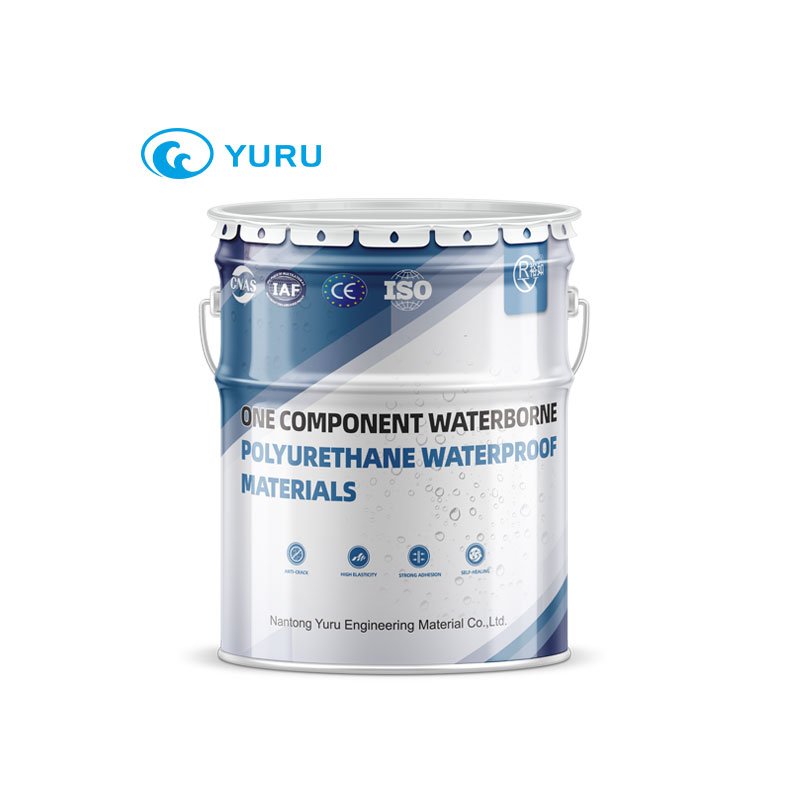
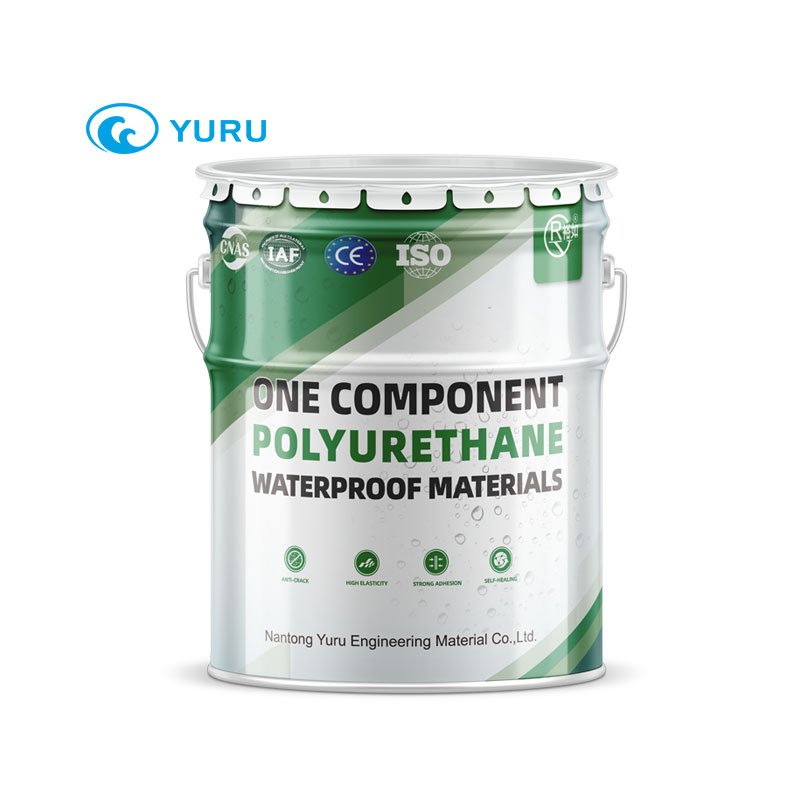
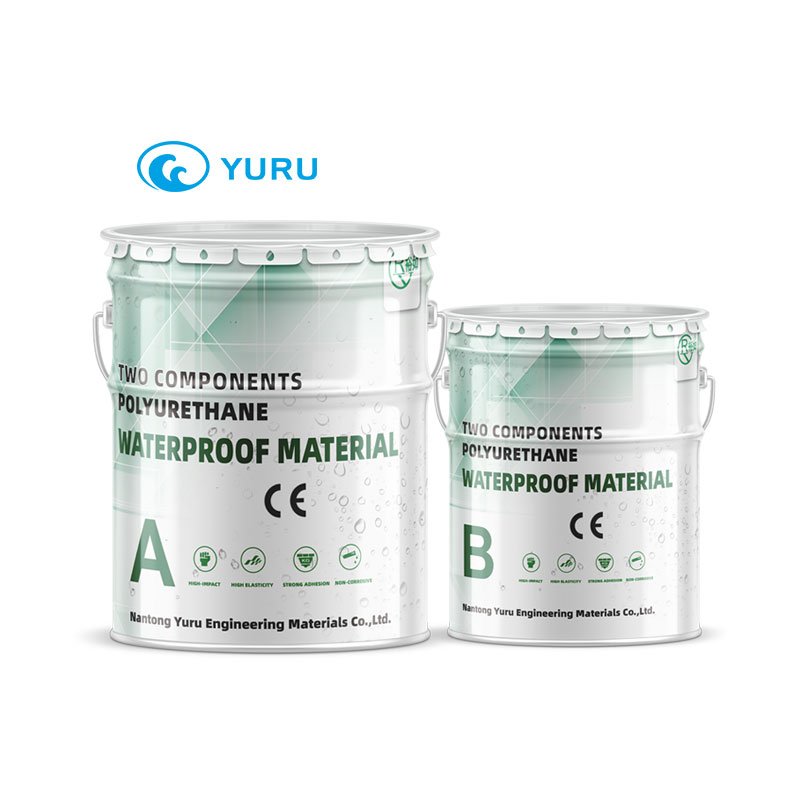
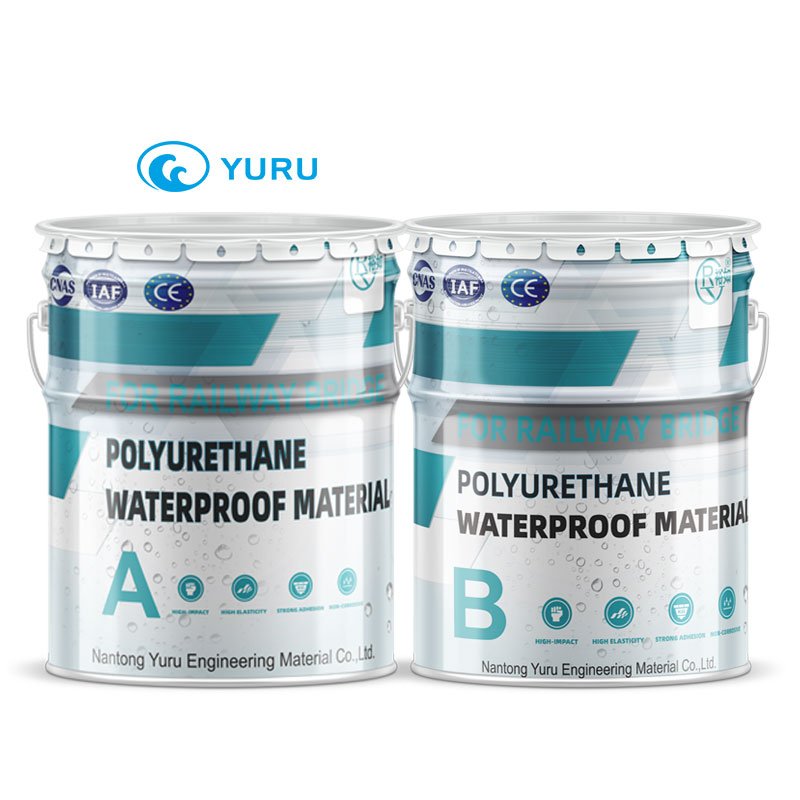
YURU supplies both aromatic and aliphatic polyurethane waterproof coatings. Our PU range provides waterproofing, wear resistance, and slip-resistant performance, with formulations available for different project requirements.
For terraces exposed to intense sunlight, it is not enough to simply evaluate whether polyurethane can provide waterproof protection for the concrete. One must also determine which type of exposed coating offers superior durability.
Why a Pennsylvania Customer Chose Aliphatic Polyurethane?
We had a customer in southwestern Pennsylvania who wanted a longer-lasting finish for an outdoor concrete patio.
According to the customer, the patio received around 8–10 hours of sunlight a day. A coating used on a previous outdoor project had lost most of its gloss after roughly seven months.
The customer wanted to avoid going through the same process again. For him, the most important factors are that the coating retains its gloss and requires almost no maintenance, thereby reducing the frequency of upkeep.
The customer eventually purchased YURU’s aliphatic polyurethane waterproof coating. It was more expensive than the aromatic alternative, but better matched the customer’s priorities for an exposed outdoor surface.
After application, the customer reported that the result met their expectations and resolved the problem they had experienced with the earlier coating.

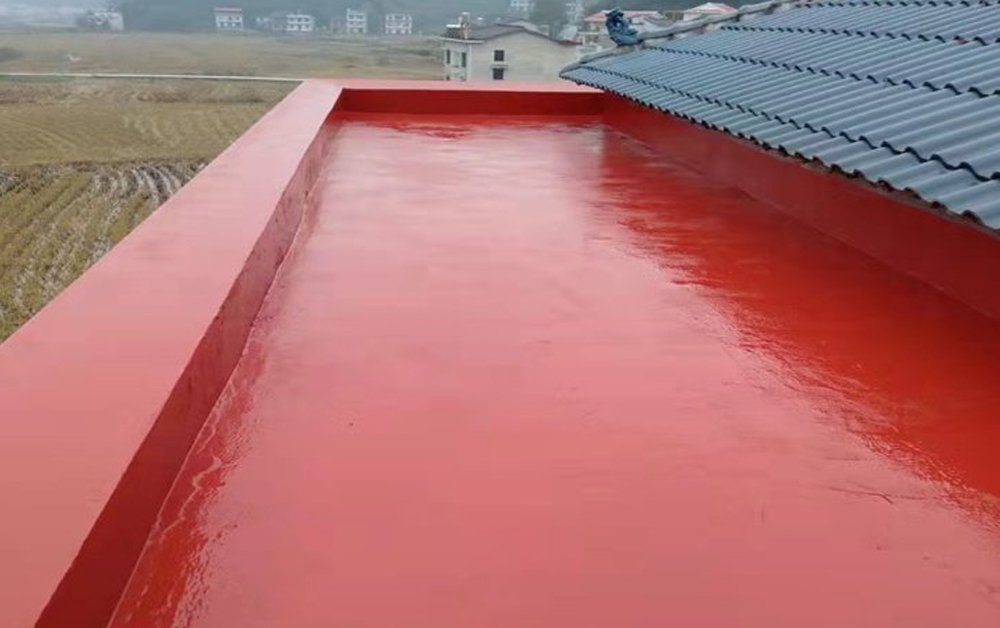
Does a Concrete Patio Need a Protective Topcoat or a Full Waterproofing System?
The answer depends partly on the patio’s location.
For a ground-level patio, priorities may include appearance, weather protection, abrasion resistance, and the condition of the existing concrete. Moisture moving through the slab also needs consideration before applying an impermeable coating.
An elevated concrete deck usually requires more attention to waterproofing. Water entering through cracks, joints, or poorly sealed details can affect the structure or the rooms beneath it.
In that situation, a complete system may include a primer, waterproofing membrane, reinforcement or detailing where required, and a surface layer designed to withstand foot traffic and weather.
An aromatic polyurethane waterproofing layer with a compatible aliphatic topcoat is one established approach. The aromatic layer provides the main waterproofing function, while the exposed aliphatic finish offers improved weather resistance.
Neogard’s Peda-Gard Aliphatic system is an example of this type of pedestrian deck protection.
Depending on the specific formulation and project requirements, certain aliphatic polyurethane waterproofing systems can also be applied directly in outdoor environments; for instance, one of the aliphatic polyurethane waterproofing products offered by YURU is designed for such use.
For more information about the broader waterproofing role of PU layers and protective finishes, see our guide to two-component polyurethane waterproof coatings.
Can a Glossy Polyurethane Patio Coating Also Be Slip-Resistant?
Gloss and slip resistance both matter on a patio, especially one exposed to rain.
Polyurethane coatings can be formulated and finished to deliver both an attractive appearance and slip-resistant performance.
YURU polyurethane waterproof coatings provide both wear resistance and slip resistance.
Does Aliphatic Polyurethane Reduce Long-Term Maintenance Costs?
Aromatic polyurethane is generally cheaper to buy. Aliphatic polyurethane usually costs more because of its chemistry and the performance requirements of exterior-grade formulations.
But the price of the coating itself isn’t the whole project cost.
Take two systems intended for the same exposed concrete deck.
One uses an aromatic polyurethane waterproofing layer with a compatible UV-resistant topcoat. The other uses an aliphatic polyurethane system designed for the required exposure and waterproofing conditions.
The first may have a less expensive waterproofing layer but also needs the protective finish. The latter involves materials with a higher unit price but entails fewer coating layers and simpler application requirements.
To make a useful comparison, contractors need to consider what will actually be installed.
| What to compare | Why it matters |
| Material cost and consumption | The cheaper product per kilogram may not produce the cheaper installed system |
| Required layers and labor | Primers, waterproofing coats, topcoats, and curing intervals affect the job |
| Appearance over time | UV stability and wear influence when the finish may need attention |
| Repairs and recoating | Surface preparation, materials, labor, and temporary loss of use all add costs |
The cost of recoating can be easy to overlook. Furniture has to be moved, the surface cleaned and prepared, and the patio left unused during the work.
If the finish needs attention sooner than expected, those costs come back sooner too.
What Does Lower Maintenance Actually Mean?
Even a good exterior coating needs cleaning and occasional inspection.
Dirt and grit can gradually abrade the surface. Furniture legs can damage the finish. In colder climates, careless snow removal can also cause wear.
For the Pennsylvania customer, the earlier loss of gloss had already made frequent recoating a concern. The higher purchase price of YURU aliphatic polyurethane was acceptable because the customer wanted better outdoor appearance and subsequently reported a satisfactory result.
That experience supports the importance of choosing for the intended service conditions.
For a commercial project or a larger purchasing decision, expected maintenance costs should be estimated from the actual coating system, available performance data, and the conditions in which it will be used.
What Should Buyers Check in a Polyurethane Coating TDS?
When comparing polyurethane coatings for outdoor concrete, keep these useful points in mind.
Look Beyond the Initial Gloss
A coating may show a high gloss reading when new and still lose much of that appearance after weathering.
Where gloss retention matters, ask whether the manufacturer has test results showing initial gloss and gloss after a defined exposure period.
Methods such as ASTM D523 are used to measure specular gloss. Weathering reports may also include changes in color or other visible surface properties.
Check the Surface and Waterproofing Performance
For an outdoor concrete patio, the most relevant technical information includes:
| Technical property | What it tells the buyer |
| UV and weathering resistance | How the coating responds to defined exposure conditions |
| Gloss and color retention | How much its appearance changes after weathering |
| Abrasion resistance | How the surface responds to mechanical wear |
| Wet slip resistance | Whether the specified finish suits pedestrian use |
| Adhesion to concrete | How well the coating bonds to the prepared substrate |
| Waterproofing performance | Whether the membrane or coating system meets the project’s water-protection requirements |
The relevant tests will depend on the application.
Also check the manufacturer’s recommended coating thickness, compatible primers or topcoats, and recoating instructions. These details affect installation cost and future maintenance.
YURU supplies aromatic and aliphatic polyurethane waterproof coatings for different construction applications.
Frequently Asked Questions
Does aliphatic polyurethane retain its gloss longer than aromatic polyurethane?
Aliphatic polyurethane generally provides better gloss and color retention under prolonged sunlight exposure than an unprotected aromatic coating.
Can aromatic polyurethane be used on an exposed concrete patio?
Aromatic polyurethane can be part of an exterior waterproofing system, including systems that use a compatible UV-resistant protective topcoat.
For patios where appearance matters, the performance of the exposed surface layer is especially important.
How often should an outdoor polyurethane patio coating be recoated?
Reapplied every 2–5 years. Recoating depends on the product, exposure conditions, foot traffic, and the condition of the existing coating.
Regular cleaning and inspection help identify worn or damaged areas before they become larger problems.
Can a polyurethane coating be both glossy and slip-resistant?
Yes — both properties can be achieved in suitable polyurethane coating systems, but the surface formulation and finishing method matter.
YURU polyurethane coatings can offer both a glossy finish and slip resistance.
Conclusion
For a sun-exposed concrete patio where long-term appearance is important, aliphatic polyurethane waterproof coating is usually the more suitable option.
Aromatic polyurethane waterproof coating remains a practical choice for protected waterproofing layers and compatible multilayer systems.
YURU Waterproof supplies both aromatic and aliphatic polyurethane coatings and can help contractors and distributors select a formulation suited to their concrete projects.
YURU Product solutions