What is Liquid Waterproof Membrane?
Introduction:
Water damage is one of those things that sneaks up on you. A small leak here, some moisture there—next thing you know, you’re looking at expensive repairs, delays, and frustrated clients. That’s why more and more people in the construction world are turning to liquid waterproof membrane.
Whether you’re a contractor in the field, a distributor stocking products, or a project engineer overseeing a build, it pays to know what liquid membrane actually is and how it performs. Because the right choice upfront saves you a world of trouble down the road.
Construction today moves fast. Schedules are tighter, expectations are higher, and nobody has time for rework. Traditional waterproofing, like torch-down rolls or sheet membranes, can be labor-intensive, tricky around corners, and prone to failure at seams. Liquid-applied waterproofing systems solve a lot of those headaches. You brush or roll or spray it on, it cures into one seamless piece, and it sticks to pretty much anything.
In this comprehensive guide, we will explore liquid waterproof types and benefits, application methods and supplier selection, while also introducing how YURU Waterproof supports global clients with reliable solutions.
What is a Liquid Waterproof Membrane?
Definition and Core Concept:
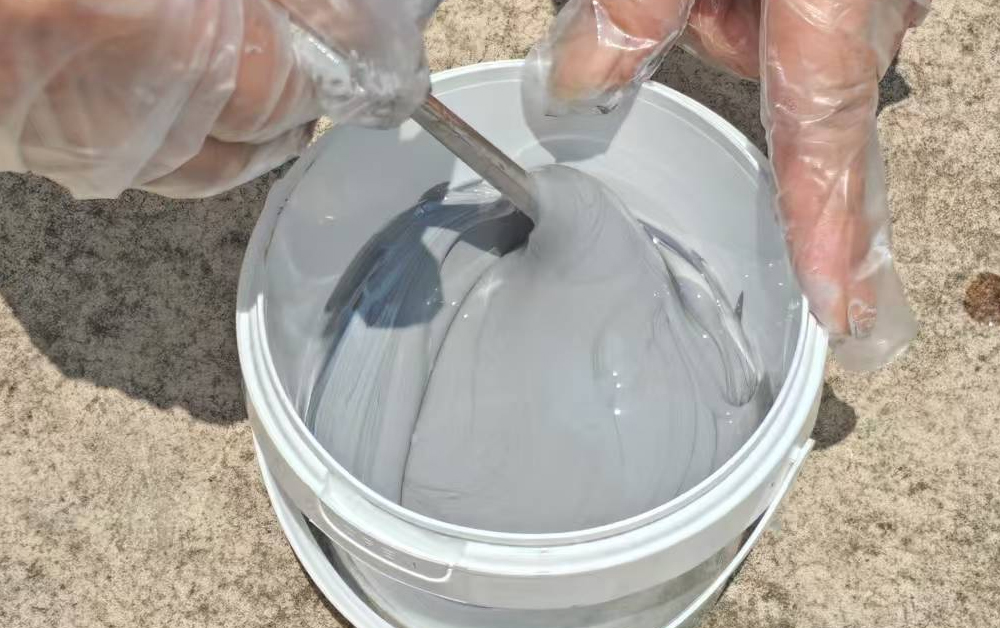
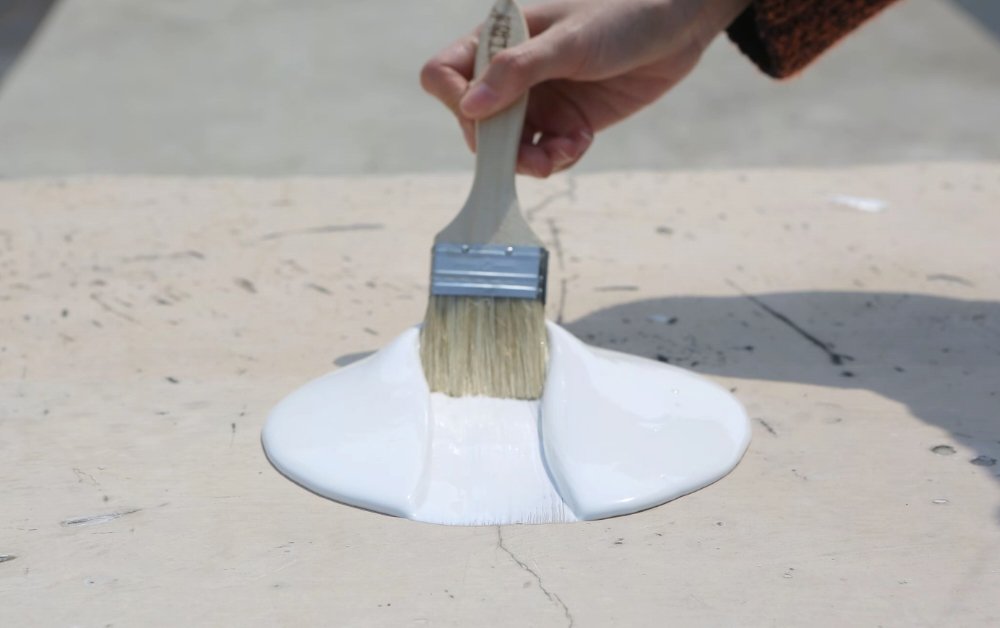
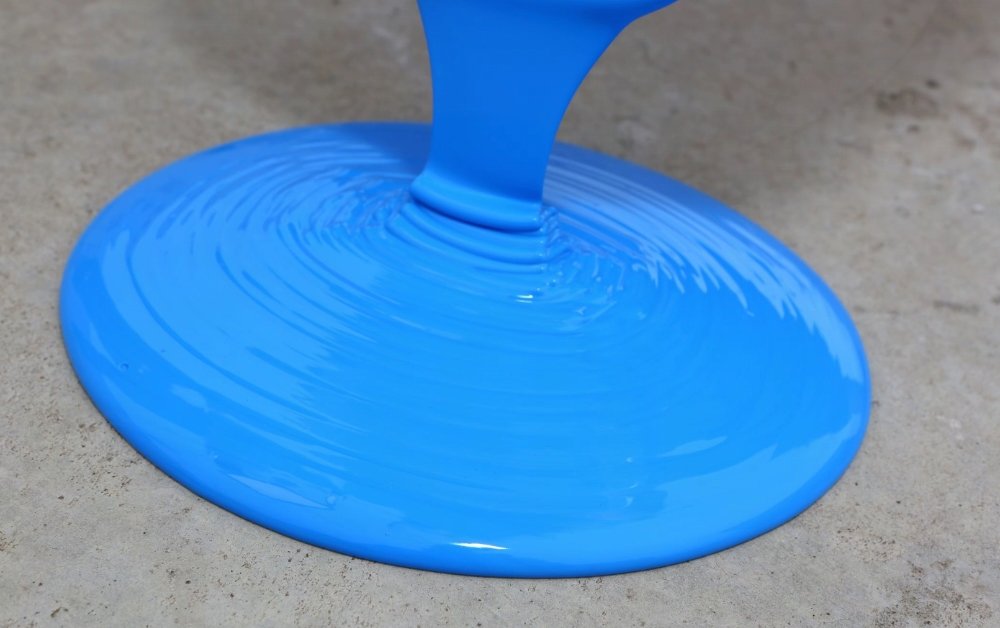
A liquid waterproof membrane is a liquid coating that you apply–brush it, roll it, or spray it. Once it cures, it becomes a solid, flexible, waterproof layer. And here’s the key part–it’s one continuous piece. No seams. No joints and overlaps.
Unlike traditional sheet membranes, which rely on joints and overlaps, liquid membrane bonds directly to the surface and forms a continuous barrier.
This seamless nature significantly reduces the risk of leakage, especially in complex structures where traditional materials often fail.
How It Differs from Traditional Waterproofing Methods:
Traditional waterproofing systems, such as bituminous sheets or PVC membranes, require precise installation and seam treatment. Any weak joint can become a leakage point.
In contrast, liquid membranes:
- Conform to irregular shapes
- Eliminate seams and joints
- Provide uniform coverage
- Offer easier repair and maintenance
Because of these advantages, they are increasingly used in both new construction and renovation projects.
Main Types of Liquid Waterproof Membranes
Not all liquid membranes are the same. Different formulations are built for different jobs.
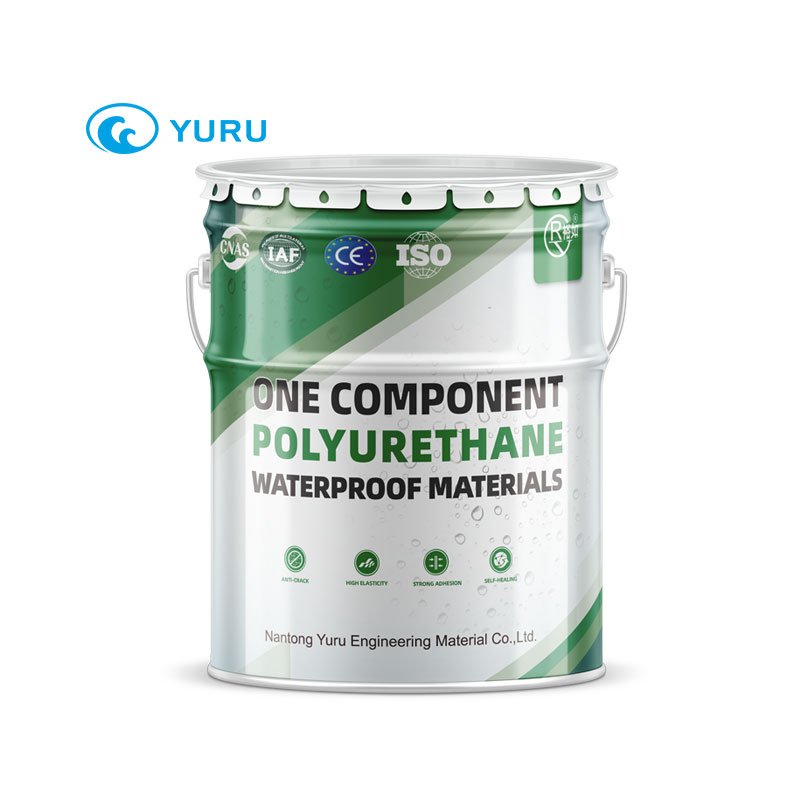
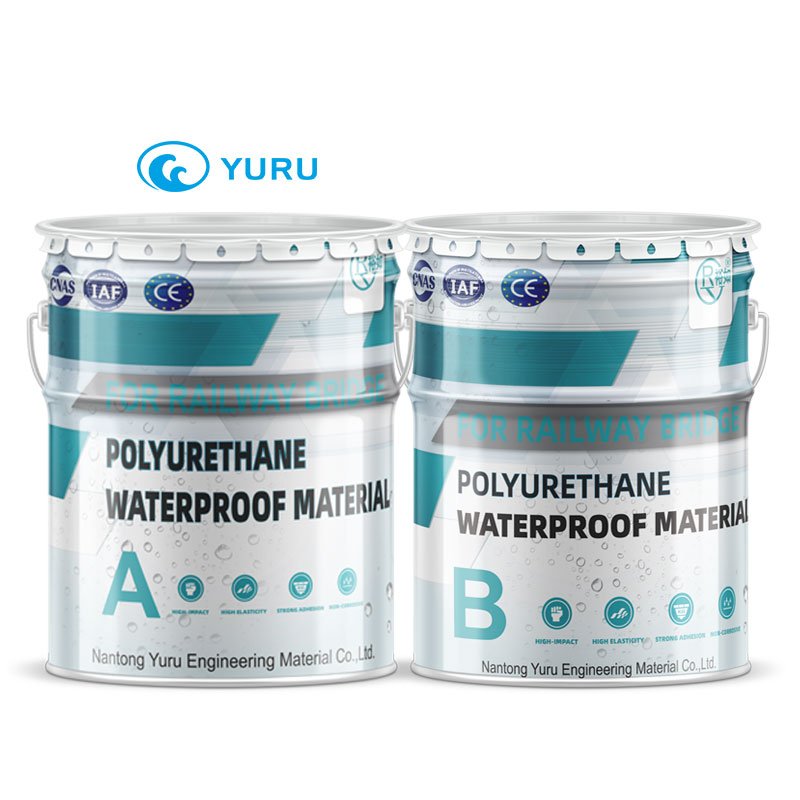
Polyurethane Liquid Waterproof Membrane
Key Features:
- High elasticity – stretches and returns to original shape.
- Strong adhesion – bonds firmly to the substrate.
- Handles movement – ideal for structures that expand, contract, or vibrate.
Best Applications:
| Applications | Reason |
| Roofs | Handles temperature swings |
| Basements | Moves with soil pressure and settling |
| Parking decks | Withstands vibration and vehicle loads |
| Bridges | Built for structural movement |
Acrylic Liquid Waterproof Membrane
What Makes It Special:
- Water-based – environmentally friendly, low odor.
- Easy to apply – straightforward rolling or spraying.
- Reflective properties – reduces heat absorption, keeps buildings cooler.
Applications:
- Exposed roofs – especially those that bake in the sun all day.
- Lightweight steel structures – where reflective properties help with heat buildup.
- Residential buildings – straightforward, reliable, and low-maintenance.
They are particularly suitable for regions with strong sunlight.
Cementitious Waterproof Coating
Key Features:
- Penetrates into substrate – bonds chemically from within.
- Forms rigid waterproof barrier – durable and permanent.
- Best for static environments – not designed for movement.
Applications:
- Water tanks
- Basements
- Tunnels
- Foundations
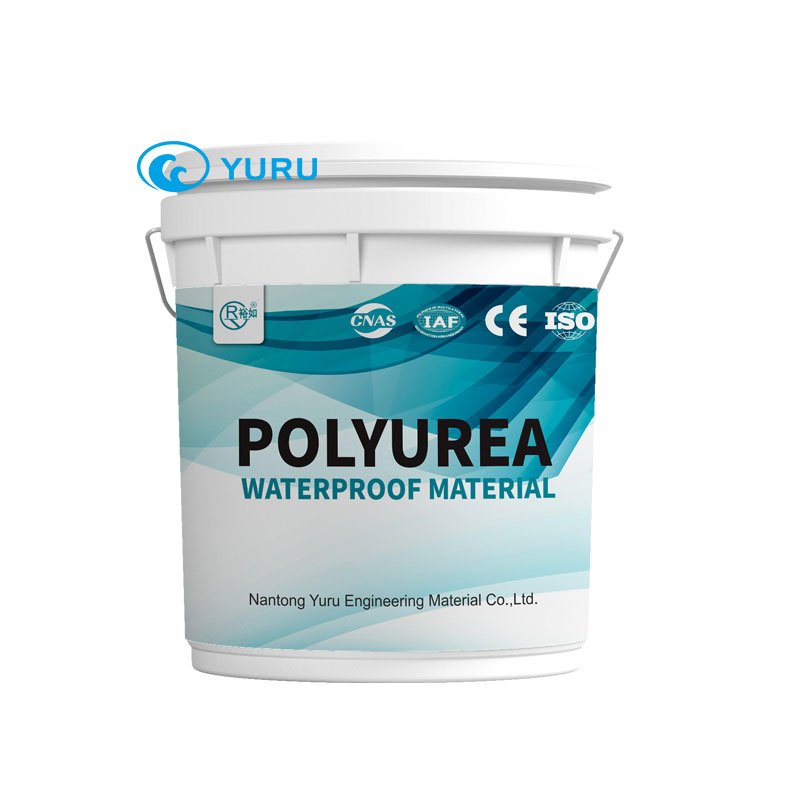
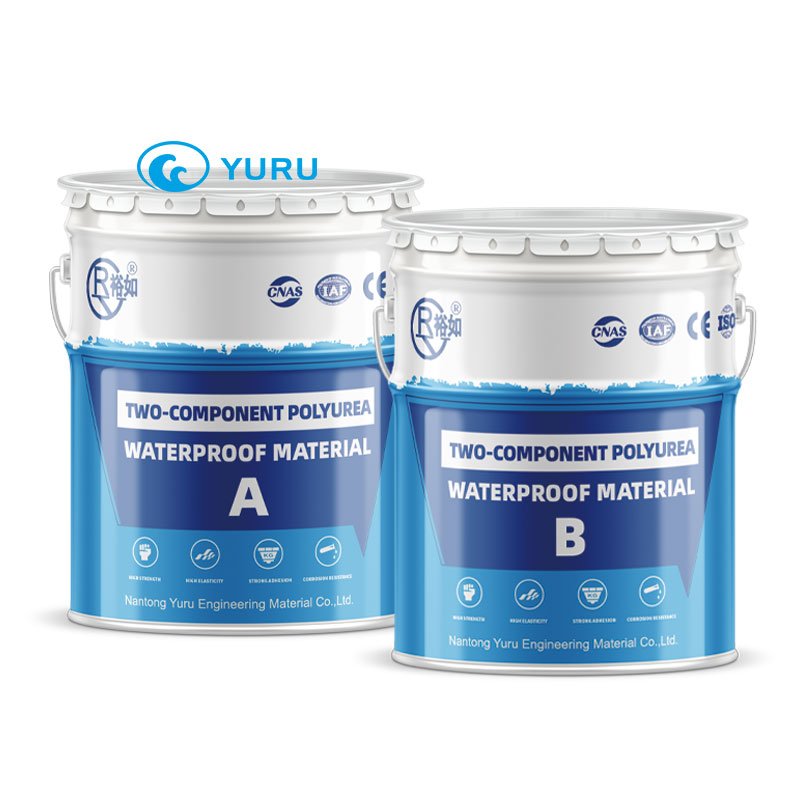
Polyurea Liquid Waterproof Membrane
Key Features:
Polyurea waterproof systems provide excellent resistance to uv, chemicals, abrasion, and water.
Best Applications:
- Roofs
- Chemical plants
- Wastewater treatment facilities
Polyurea systems have different types, some systems are typically applied using spray equipment and are favored for high-performance environments.
Silicone (Organosilicon) Liquid Waterproof Membrane
What Makes It Different:
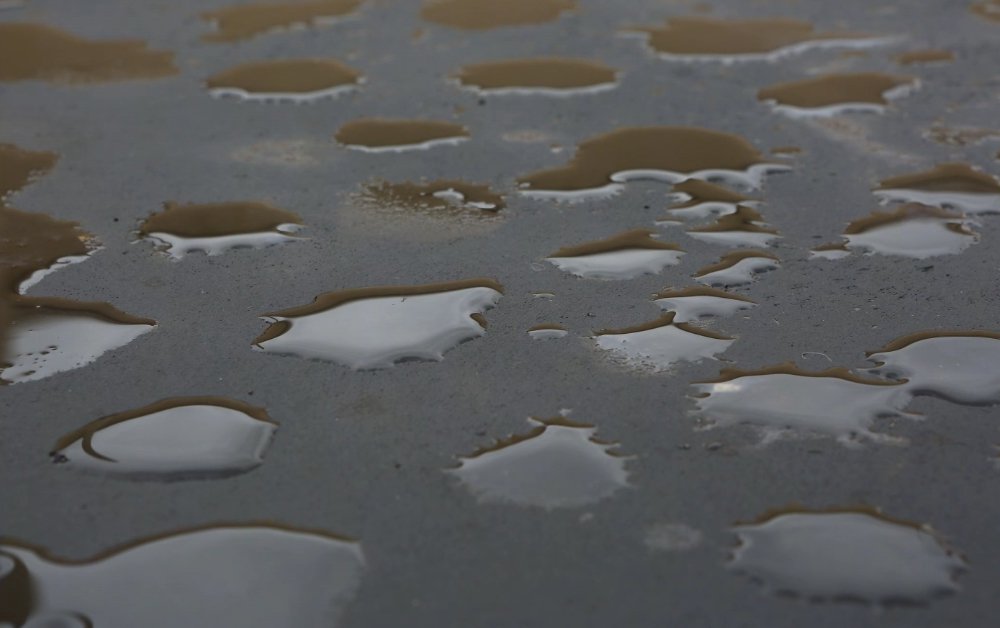
- Outstanding water repellency – water beads up and rolls off.
- Weather resistance – stands up to sun, rain, and wind.
- Breathable – allows water vapor to escape, prevents trapped moisture.
Where It Works Best:
- Exterior walls
- Roof refurbishment
- High-humidity environments
Transparent Waterproof Coating
Key Features:
Transparent waterproof coatings form a clear protective layer that preserves the original appearance of the surface.
Applications:
- Tile surfaces
- Balconies
- Bathrooms
- Decorative facades
They are ideal for repair and renovation projects where aesthetics matter.


Key Advantages of Liquid Waterproof Membranes
Seamless Protection
Liquid membranes start as a liquid and cures into one continuous layer. That means no joints, no seams, no overlaps. Water doesn’t have anywhere to sneak in.
High Flexibility
Buildings move. They settle, expand in the heat, contract in the cold. Liquid membranes move right along with them. That flexibility means fewer cracks and fewer leaks down the road.
Strong Adhesion
Liquid waterproof membranes bond directly to substrate, resists delamination.
Easy Application
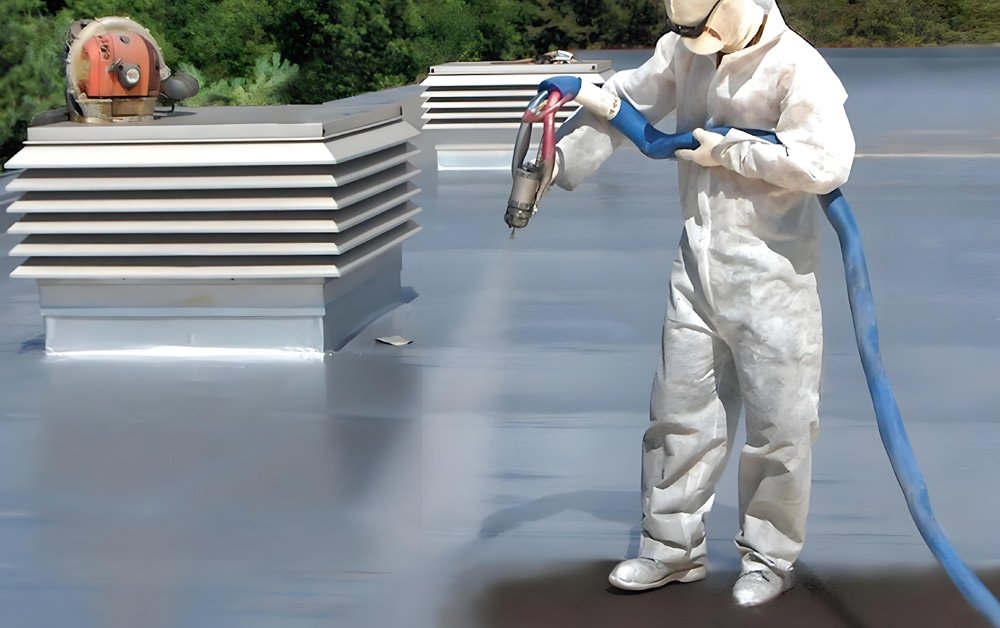
Brush it, roll it, spray it—whatever works for your project. Small job? Grab a roller. Big commercial roof? Fire up the spray rig. The application method is flexible enough to match the scale of what you’re doing.
Low Maintenance
Spot repairs without tearing out the whole system.
Where Are Liquid Waterproof Membranes Used?
Roof Waterproofing
Ideal for flat roofs, complex details, and penetrations. Liquid membranes – – No cutting, no fitting, no weak spots.
Basement Waterproofing
Below grade is a tough environment. Liquid membrane seals out groundwater infiltration with seamless protection.
Bathrooms and Wet Areas
Provides reliable waterproofing in high-moisture environments. Seals drains, corners, and joints in high-moisture spaces.
Industrial Applications
Withstands heavy traffic, chemicals, and demanding conditions.
Also used in:
- Bridges and parking decks
- Water treatment facilities
- Foundations and retaining walls
- Balconies and terraces
How to Choose the Right Liquid Waterproof Membrane?
| Factors to consider | Key issues | Recommended directions |
| Environmental Conditions | Hot climate? Humid area? | UV-resistant for sun; breathable for humidity |
| Mechanical Requirements | High traffic? Heavy loads? | Polyurethane or polyurea for wear resistance |
| Chemical Exposure | Acids, oils, or solvents present? | Polyurea or chemical-resistant polyurethane |
| Timeline & Application | Need it done fast? | Fast-curing polyurea for tight schedules |
Application Process of Liquid Waterproof Membrane
Surface Preparation
The surface has to be clean, dry, and free of anything that could mess with adhesion. Dust, oil, grease, loose paint – get it all off.
Primer Application
Primers improve adhesion and seal the substrate.
Coating Application
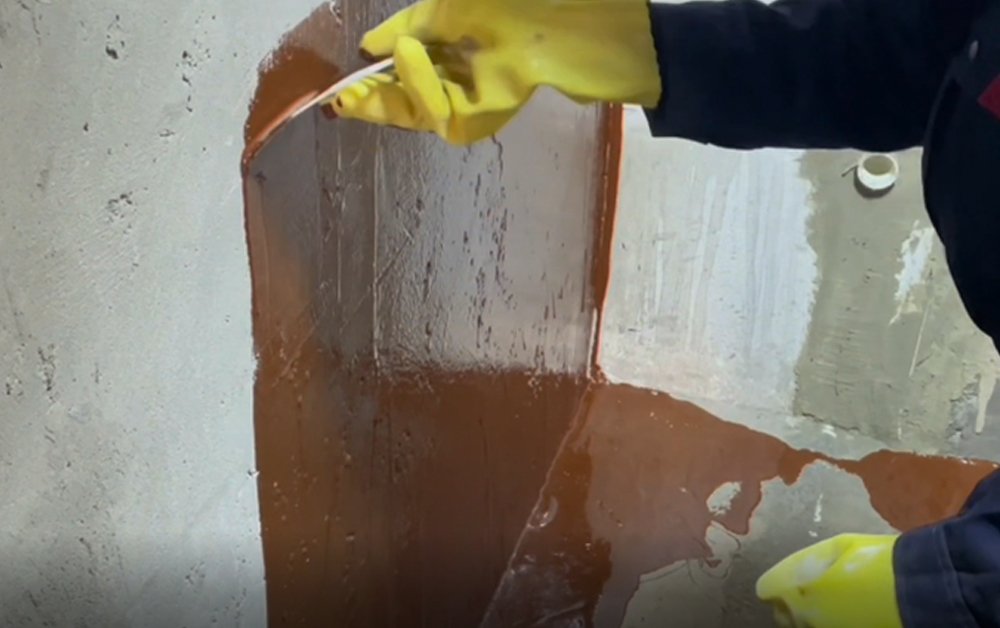
Multiple thin coats. Build up to the specified thickness. Let each layer cure according to manufacturer instructions.
Curing and Inspection
Allow sufficient curing time and perform water testing to ensure effectiveness.
Common Mistakes and How to Avoid Them
Poor Surface Preparation
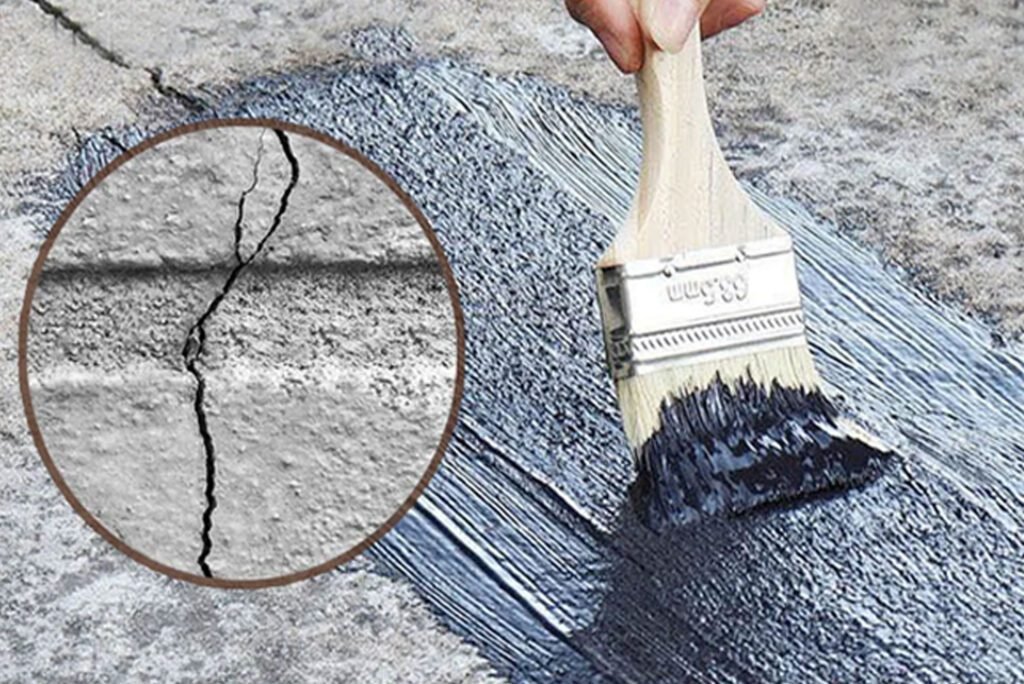
Treat surface prep like it’s the most important part of the job. Clean it. Dry it. Fix the cracks. If the substrate isn’t ready, nothing else matters.
Incorrect Material Selection
Wrong product fails under actual conditions. Match material to climate, traffic, chemical exposure.
Improper Thickness
Follow the manufacturer’s guidelines. Apply in multiple thin coats. Use a wet film thickness gauge if you have to. Hit the specified thickness, and don’t cut corners.

Maintenance and Lifespan
Routine Inspection
- Check annually for damage or wear.
Preventive Maintenance
- Clean surfaces and address minor issues early.
Expected Lifespan
- High-quality systems can last 10–20 years with proper maintenance.
How to Choose a Reliable Waterproofing Supplier?
Industry Experience
Look for suppliers with proven project experience.
Technical Support
Reliable suppliers provide guidance on material selection and application.
Product Certification
Certifications ensure quality and compliance with standards.
YURU Waterproof – Your Professional Partner
A Full Range of Products – One Stop
YURU Waterproof offers a wide range of liquid waterproof membranes:
- Polyurethane liquid membranes
- Acrylic coatings
- Silicone coatings
- Transparent coatings
- Cementitious and polyurea coatings
Whatever the project calls for, we’ve got something that works.
Solutions for Diverse Environments
Hot climates, humid environments, industrial settings, we’ve formulated solutions that stand up to the conditions they’re up against.
OEM and Custom Services
We support distributors and contractors with customized solutions and branding services.
Technical Expertise
Product selection. Application guidance. Troubleshooting. Whatever you need, our team is here to help.
FAQs:
1. What is a liquid waterproof membrane used for?
It is used to protect structures from water infiltration in roofs, basements, and wet areas.
2. How long does it last?
Typically 10–20 years, depending on material and maintenance.
3. Can it be applied on old surfaces?
Yes, with proper surface preparation.
4. Is it environmentally friendly?
Water-based waterproof coatings are more environmentally friendly.
5. Does YURU Waterproof provide customized solutions?
Yes, tailored products for different industries and climates.
Conclusion
Modern construction demands modern solutions. Liquid waterproof membranes are changing–flexible, durable, and seamless protection for any project.
From residential roofs to industrial facilities, they provide reliable, long-lasting protection against water damage.
Looking for high-performance waterproofing?
Contact YURU Waterproof for customized solutions and samples.
YURU Product solutions