What Is Polyurea Concrete Coating and How Does It Work?
Introduction:
Concrete looks strong from the outside, but most contractors know the problems start long before the surface breaks apart — water enters through hairline cracks, sunlight and temperature changes weaken exposed roofs, industrial traffic wears down floors, underground moisture and pressure push through joints, cracks, and weak points.
That is why many project teams are paying more attention to polyurea concrete coating.
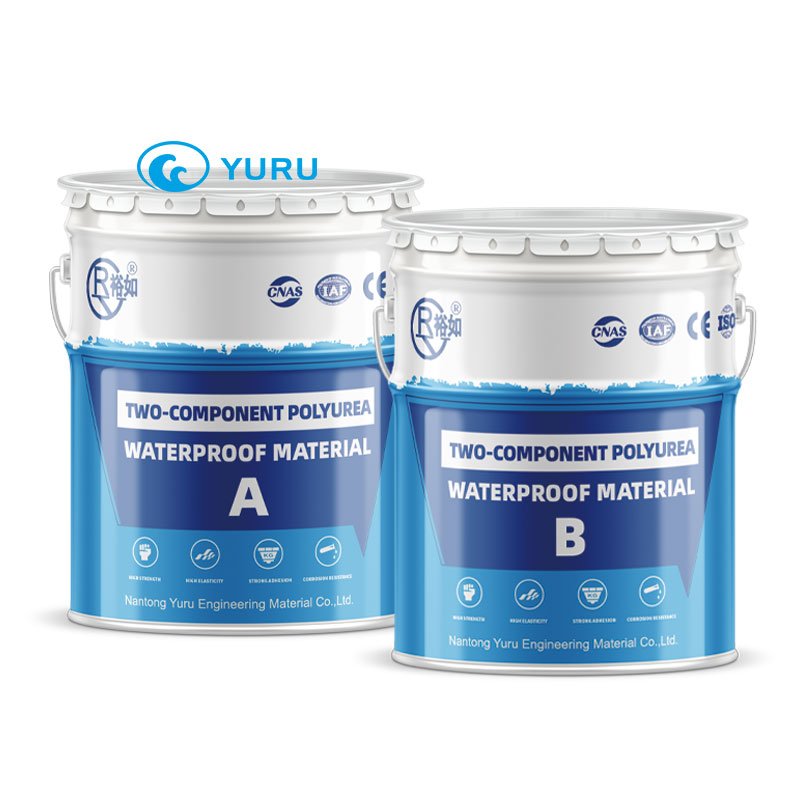
Polyurea concrete coating is a high-performance protective coating for concrete. It forms a continuous waterproof, elastic membrane that protects against water, abrasion, movement, and environmental exposure. Used on concrete roofs, industrial floors, parking decks, basements, water tanks, platforms, and repairs where ordinary coatings lack flexibility or curing speed.
However, there is one important point that should be clear from the beginning: not all polyurea coatings are the same.
A spray polyurea system is not the same as a manual-applied polyurea coating, a non-exposed polyurea coating should not be used like a UV-resistant exposed system, a slow-curing one-component coating should not be promoted as if it performs like fast-curing spray polyurea.
For contractors, distributors, project procurement teams, and private-label partners, the real question is not only “What is polyurea concrete coating?” The better question is: which polyurea concrete coating system fits this project?
What Is Polyurea Concrete Coating?
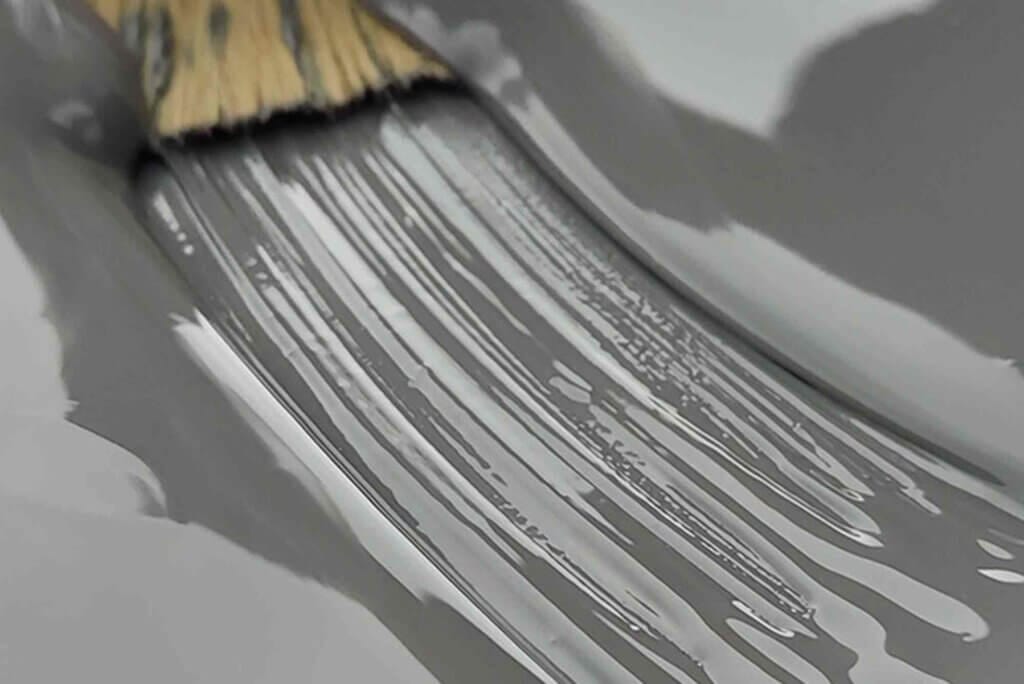
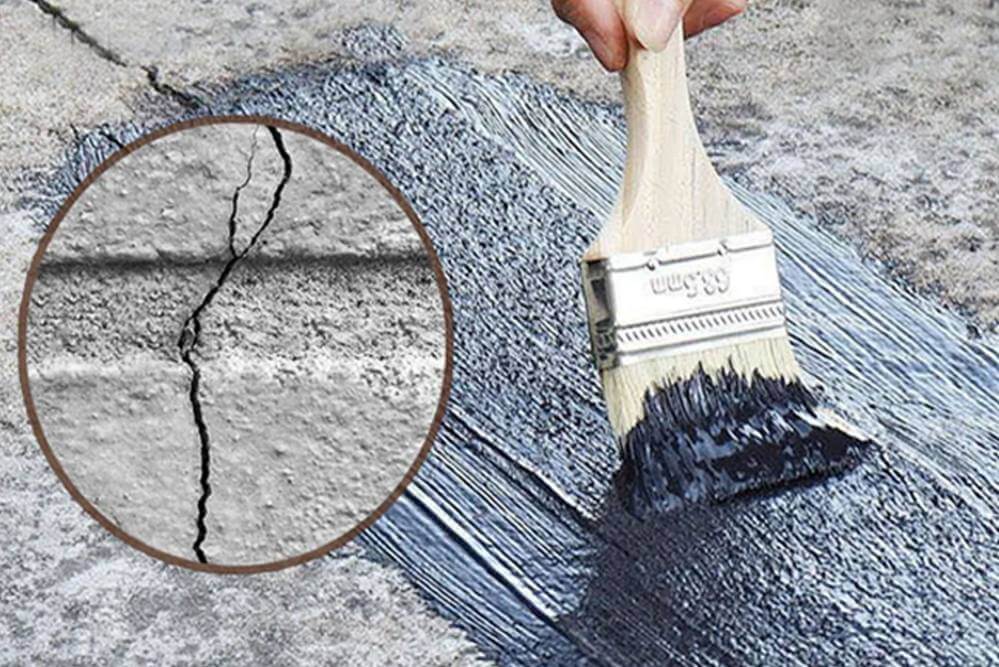
Polyurea concrete coating is a protective coating system designed for concrete surfaces — after application and curing, it forms a durable film that can help prevent water penetration, reduce surface damage, and protect concrete from wear, moisture, and environmental attack.
Depending on the formula and application method, polyurea coatings may offer:
- Waterproofing protection
- Elastic crack-bridging ability
- Abrasion resistance
- Fast curing
- Seamless membrane formation
- Weather resistance for exposed
- Chemical resistance in selected environments
- Long-term concrete surface protection
Polyurea concrete coating may be used on concrete roofs, parking decks, industrial floors, warehouses, basements, underground structures, water tanks, platforms, and concrete repair areas.
Still, it’s not one universal product — different polyurea systems have different curing speeds, exposure resistance, equipment requirements, and application boundaries.
For example, a non-exposed manual-applied polyurea coating may work well under a protective layer or in covered areas — not for exposed roofs under strong UV. A spray polyurea coating can cure very fast and create a high-performance membrane, but it requires professional spraying equipment and trained applicators.
How Does Polyurea Concrete Coating Work?
Polyurea concrete coating works as part of a system. The coating performance depends on the material, the substrate, the primer, the application method, the weather conditions, and the project details.
| Function | How It Works |
| Bonds to properly prepared concrete | Adhesion to clean, sound, prepared substrate — dust/oil/weak/damp/laitance = poor bond — grinding, cleaning, crack repair, primer needed — poor prep = top failure cause |
| Forms seamless waterproof membrane | Continuous protective layer blocks water — roofs, basements, tanks, decks, platforms — apply at right thickness (thin/uneven = reduced performance) |
| Bridges minor movement & surface cracks | Elasticity handles minor movement (temperature, settlement, vibration, structure) — does NOT repair large/active/leaking cracks — repair before coating (may need PU injection grout first) — coating works best after proper treatment |
| Protects from abrasion, moisture, chemicals | Protects concrete from wear — industrial floors, parking decks, maintenance, regular wear surfaces — waterproofing + maintenance reduction + cleanability + service life |
| Cures faster than traditional coatings | Spray polyurea fast – useful for short shutdown windows – curing speed depends on product: manual-applied slower than spray – one-component slowest – two-component faster than simple coatings but not comparable to professional spray |
Main Types of Polyurea Concrete Coating
YURU Waterproof provides several types of polyurea waterproof coating systems. Each one has a different application position. Choosing the correct type is more important than simply choosing the word “polyurea.”
Single-Component Manual-Applied Polyurea Waterproof Coating
Single-component manual-applied polyurea waterproof coating is easier to apply because it does not require professional spray equipment — can be applied by brush or roller, depending on project requirements.
It is suitable for smaller areas, detail work, and equipment-limited sites. However, this type cures more slowly and is not recommended for exposed use.
It is better positioned for non-exposed concrete waterproofing or areas that will receive a protective layer. It should not be promoted as a fast-curing spray polyurea or a UV-resistant exposed roof coating.
Two-Component Manual-Applied Polyurea Coating for Non-Exposed Areas
Two-component manual-applied polyurea coating has stronger system control than a one-component product. It is mixed before application and then applied manually.
This type is suitable for non-exposed concrete waterproofing, underground structures, covered concrete areas, and projects where a protective layer will be added later.
The applicator must follow the correct mixing ratio, mixing method, pot life, and application window. If the two components are not mixed properly, curing and coating performance may be affected.
UV-Resistant Two-Component Manual-Applied Polyurea Coating for Exposed Areas
For exposed concrete roofs or platforms, UV resistance becomes important — rain, sunlight, temperature changes, roof movement damage non-UV coatings.
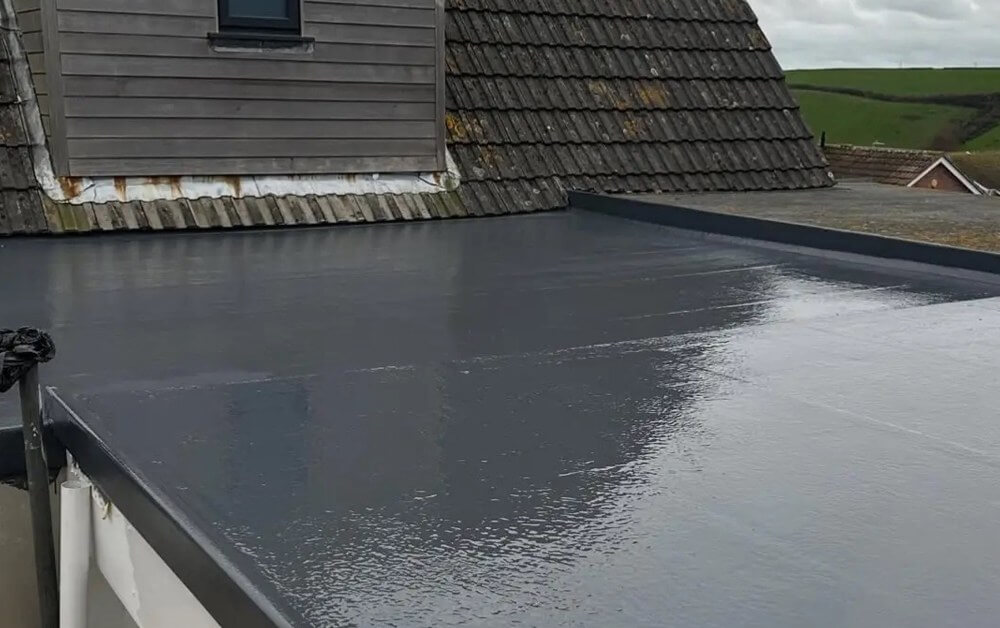
A UV-resistant two-component manual-applied polyurea coating is a practical option when the project requires exposed waterproofing protection but the contractor does not have spray polyurea equipment.
It cures faster than many manual-applied waterproof coatings, but it is still not as fast as spray polyurea. It must be applied under suitable weather conditions, with correct surface preparation and proper mixing.
Spray Polyurea Waterproof Coating for Fast-Curing Exposed Protection
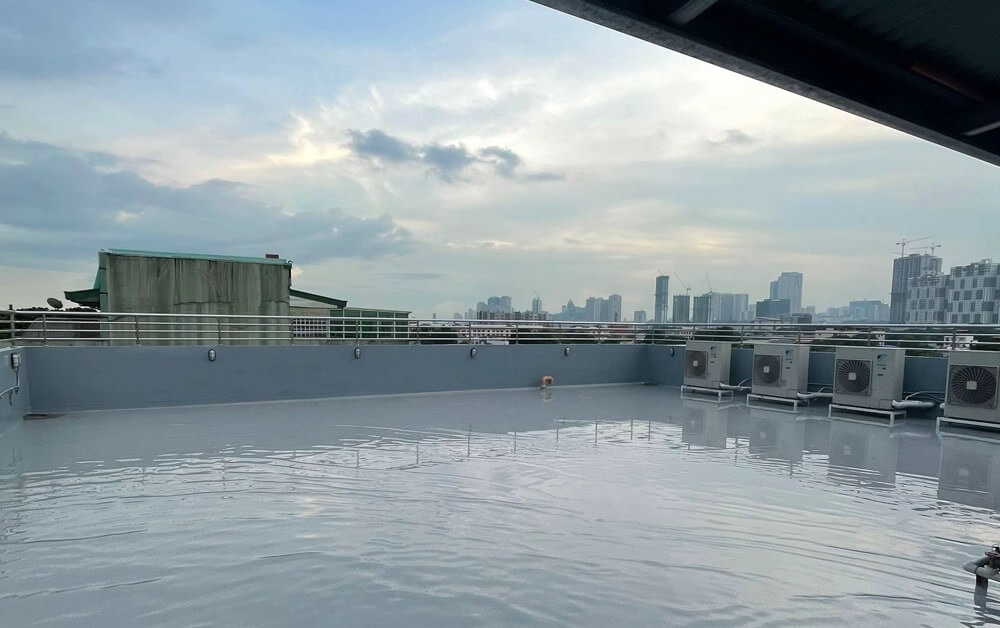
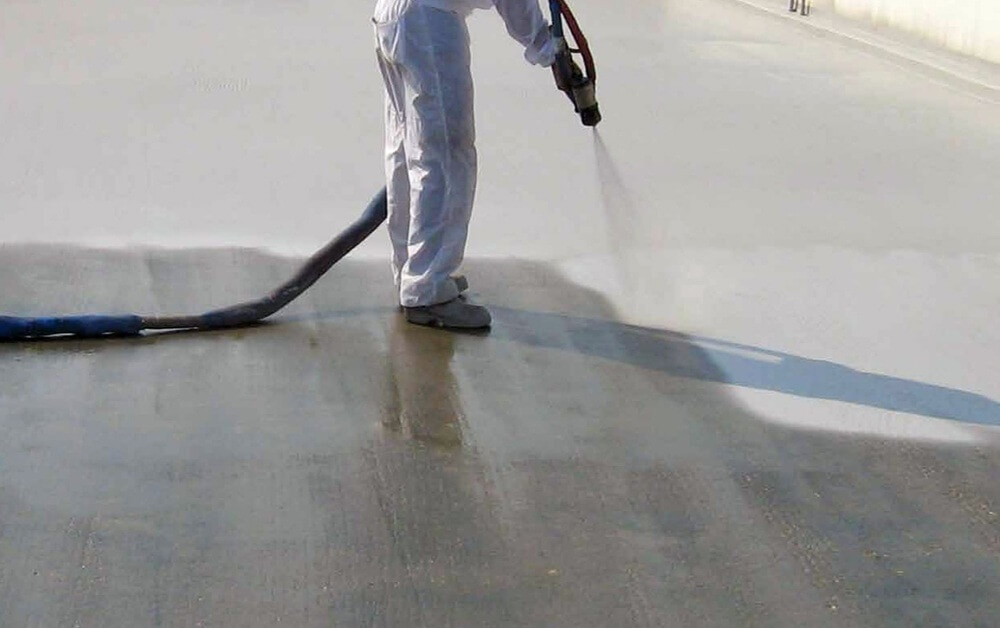
Spray polyurea waterproof coating is designed for fast-curing, high-efficiency application. It is suitable for large-area exposed concrete roofs, industrial structures, parking decks, bridge decks, water tanks, wastewater structures, and other projects where speed and membrane performance matter.
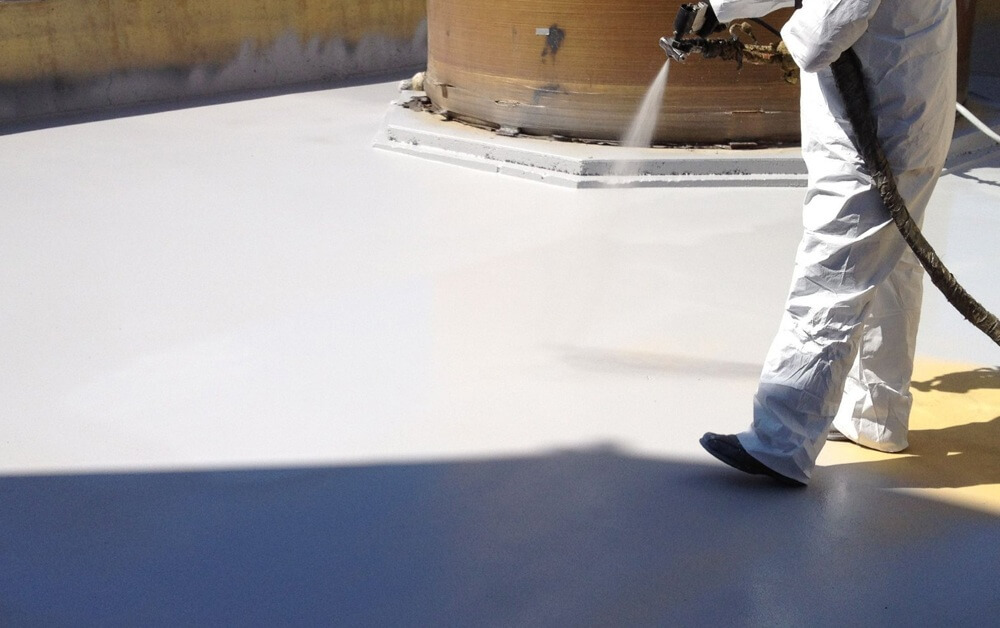
Spray polyurea can form a strong, seamless, fast-curing membrane. It is often preferred for large projects with tight schedules.
However, it requires professional spray equipment and trained applicators. It is not the best choice for every small repair or equipment-limited project.
Where Is Polyurea Concrete Coating Used?
Polyurea concrete coating can be used in many concrete protection projects, but the correct product type should match the application.
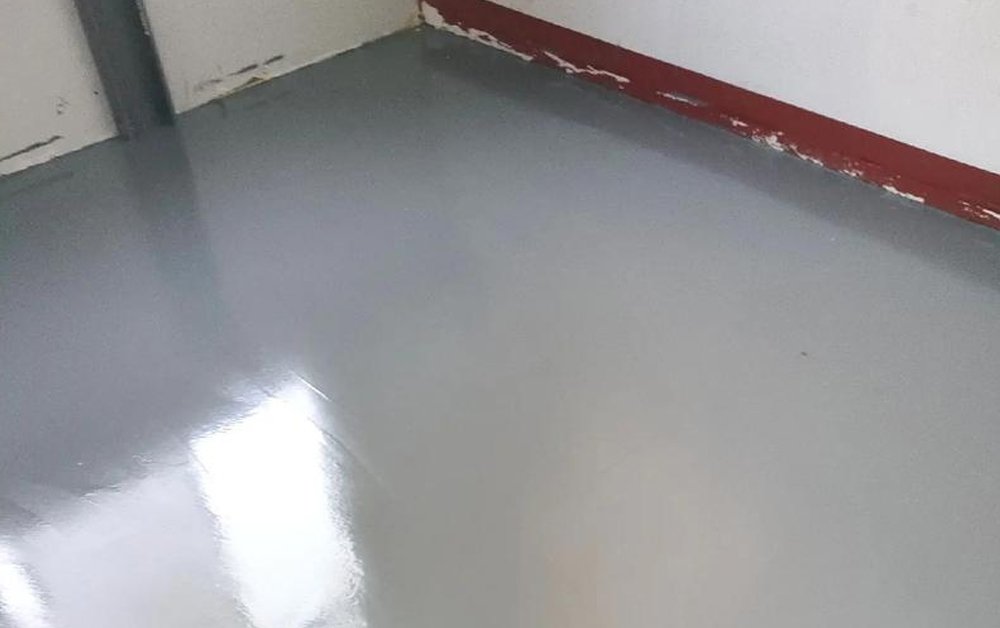
Industrial Concrete Floors and Warehouses
Industrial floors and warehouse slabs face Face abrasion, moisture, cleaning traffic, forklift movement, and sometimes chemical exposure — polyurea protects surface and reduces maintenance.
Review surface prep, coating thickness, slip resistance, traffic conditions before choosing.
Parking Decks and Concrete Traffic Areas
Parking decks face vehicle traffic, water, tire friction, oil contamination, and temperature changes — may need waterproofing, crack-bridging, abrasion resistance, and anti-slip texture.
Polyurea can be useful, but the full system should include substrate repair, primer, coating thickness control, and surface texture design.
Concrete Roofs and Exposed Platforms
Concrete roofs and exposed platforms are among the most demanding applications. They face UV exposure, rain, ponding water, temperature changes, and substrate cracks.
For these areas, non-exposed polyurea should not be used. A UV-resistant manual-applied polyurea system or spray polyurea system is more appropriate.
Basements and Underground Concrete Structures
Basements and underground structures need moisture and waterproofing protection. Polyurea coating can be used as part of the waterproofing system — active water leakage should be stopped first.
If water is already leaking through cracks, coating the surface directly may not solve the root problem. Crack injection or local repair may be required before coating.
Water Tanks, Pools and Wastewater Structures
Water-retaining structures require a continuous waterproof membrane and careful detail treatment — substrate repair, primer selection, coating thickness, joints, corners, and curing conditions are critical.
The product must be selected based on the water type, project requirement, exposure condition, and safety needs.
Concrete Repair and Fast Return-to-Service Projects
Polyurea systems can be valuable where the project needs faster return to service. Spray polyurea is especially useful for fast-curing work, while manual-applied systems are more flexible for smaller areas.
The final decision depends on equipment availability, site size, weather, substrate condition, and project schedule.
Polyurea Concrete Coating vs Epoxy and Polyurethane Coatings
Many buyers compare polyurea with epoxy and polyurethane coatings before choosing a concrete protection system.
Polyurea vs Epoxy Coating
Epoxy coating is known for hardness, strength, and good bonding on properly prepared dry concrete — widely used in industrial floors and dry interior environments.
Polyurea coating offers better flexibility and faster curing in many applications — more suitable for waterproofing, crack movement, and projects needing faster return to service.
However, epoxy may still be a better choice for some low-cost, dry, rigid floor systems, polyurea is not automatically better for every floor.
Polyurea vs Polyurethane Coating
Polyurethane coating is also flexible and durable — used in many floor and waterproofing systems. Polyurea often has stronger advantages in curing speed, elasticity, and seamless waterproofing performance.
Still, polyurethane coating may be suitable for many projects depending on budget, finish requirements, and application method — right choice based on exposure, movement, curing time, abrasion, water conditions, and long-term maintenance goals.
Manual-Applied Polyurea vs Spray Polyurea
Manual-applied polyurea is easier to use on small sites and equipment-limited projects — does not require professional spray equipment, so it can be more practical for contractors who need flexible application.
Spray polyurea cures faster and is more efficient for large projects. It creates a strong seamless membrane, but it needs specialized equipment and experienced workers.
These two systems should not be described as the same product. The project size, equipment, budget, exposure condition, and schedule should decide which system is suitable.
What to Check Before Applying Polyurea Concrete Coating?
A successful polyurea coating project starts before the coating is opened.
Concrete Surface Strength and Moisture
The concrete substrate should be sound, stable, and suitable for coating — weak concrete, excessive moisture, or vapor pressure can affect adhesion and may lead to blistering or peeling.
Moisture conditions should be checked according to the product and project requirements.
Surface Cleaning and Profile
Dust, oil, laitance, loose particles, and weak surface layers should be removed — grinding, sanding, shot blasting, or other mechanical preparation may be required.
A proper surface profile helps the primer and coating bond better.
Crack and Joint Treatment
Cracks, holes, joints, and leaking areas should be treated before the coating is applied.
Small surface cracks may be repaired with suitable fillers. Active leakage may require injection grouting before coating. Movement joints should not be simply buried under the coating without design consideration.
Primer Selection
Primer can improve adhesion, seal the concrete surface, and reduce pinholes or bubbles — the right primer depends on the substrate, moisture condition, coating system, and application environment — skipping primer may save time at first, but it can increase the risk of failure.
Thickness and Application Method
Coating thickness affects waterproofing and durability. Manual-applied systems require careful layer control. Spray systems require equipment control and trained applicators.
The correct number of coats, total thickness, and curing interval should follow the product guidance.
Weather, Temperature and Curing Window
For exposed concrete roofs or platforms, weather matters. Rain, humidity, temperature, wind, and dew point can affect the coating.
Manual-applied polyurea coatings need enough curing time. They should not be scheduled as if they were fast spray polyurea systems.
Common Problems with Polyurea Concrete Coating
When polyurea concrete coating fails, the reason is often connected to substrate, selection, or application.
Peeling or Poor Adhesion
Peeling may happen when the concrete is weak, dirty, oily, dusty, wet, or poorly primed — it can also happen when the coating is applied outside the correct application window.
Blisters and Pinholes
Blisters and pinholes may come from moisture vapor, porous concrete, poor primer coverage, fast temperature changes, or incorrect application.
Cracking After Application
Polyurea can bridge minor movement, but it cannot solve serious structural cracks — if the concrete continues to move or the crack was not repaired, the coating may crack or fail at the same location.
UV Aging in Exposed Areas
If a non-exposed polyurea product is used outdoors, it may age, chalk, discolor, or lose performance. Exposed concrete roofs and platforms should use UV-resistant polyurea coating or spray polyurea systems designed for outdoor use.
Slow Curing or Wrong Expectation
Some customers expect every polyurea product to cure like spray polyurea. This is not correct. One-component manual-applied and two-component manual-applied systems have different curing speeds.
Project planning should follow the specific product type.
How to Choose the Right Polyurea Concrete Coating?
Choose polyurea by matching product to project.
For Non-Exposed Concrete Waterproofing
For non-exposed concrete waterproofing, a single-component manual-applied polyurea coating or a two-component manual-applied non-exposed polyurea coating may be suitable.
These systems are practical for covered areas, underground waterproofing, or surfaces that will receive a protective layer.
For Exposed Concrete Roofs and Platforms
For exposed concrete roofs and platforms, UV resistance is critical. The coating must handle sunlight, rain, temperature changes, and surface movement.
A UV-resistant two-component manual-applied polyurea coating or spray polyurea waterproof coating should be considered. Non-exposed systems should not be used in this situation.
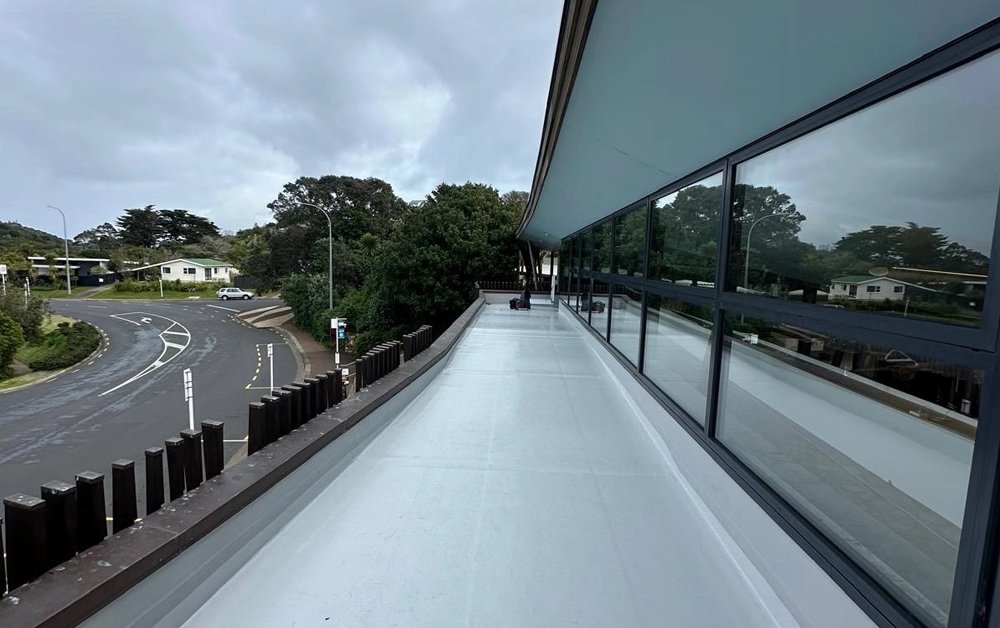
Case Example: Manual-Applied UV-Resistant Polyurea for an Exposed Roof
YURU Waterproof once supported a customer who needed polyurea waterproof coating for a concrete roof. Before selecting the material, the customer shared the roof condition with YURU. The roof had visible cracks, so YURU first advised that substrate preparation and crack treatment must be taken seriously before coating.
Because the roof was outdoors, the coating needed weather resistance and UV resistance. YURU did not recommend a non-exposed polyurea product. Instead, YURU recommended a two-component UV-resistant manual-applied polyurea waterproof coating.
The customer did not have professional spray polyurea equipment and was concerned that a two-component coating might be difficult to apply. YURU explained the correct mixing ratio, mixing method, application time, and manual brushing requirements.
After following the guidance, the customer completed the roof coating successfully. The result was good. About six to seven years after completion, the roof is still performing well, with no leakage, no water seepage, and no obvious aging or peeling reported.
This case shows a practical lesson: long-term performance depends on both material selection and substrate preparation, for exposed roofs without spray equipment, a UV-resistant manual-applied polyurea system can be a realistic solution when the product is selected correctly and applied under proper guidance.
For Fast-Curing Large-Area Projects
For large-area projects with tight schedules, spray polyurea is often more suitable. It cures quickly and can form a strong seamless membrane.
However, it requires equipment and skilled workers. It may not be the best option for small repairs or contractors without spray machines.
For Small Repairs or Equipment-Limited Projects
Manual-applied polyurea is more flexible for smaller projects and sites without spray equipment. It can be applied by brush or roller, depending on the product.
The key is to choose the correct manual-applied product for exposed or non-exposed conditions.
For OEM, Wholesale and Project Supply
Distributors, importers, and project suppliers should not rely on one polyurea product for all applications. A better approach is to build a small product line:
- Non-exposed manual-applied polyurea
- UV-resistant manual-applied polyurea
- Spray polyurea waterproof coating
- Supporting primers and application documents
This makes it easier to serve different contractors and project types.
Why Choose YURU Waterproof Polyurea Concrete Coating?
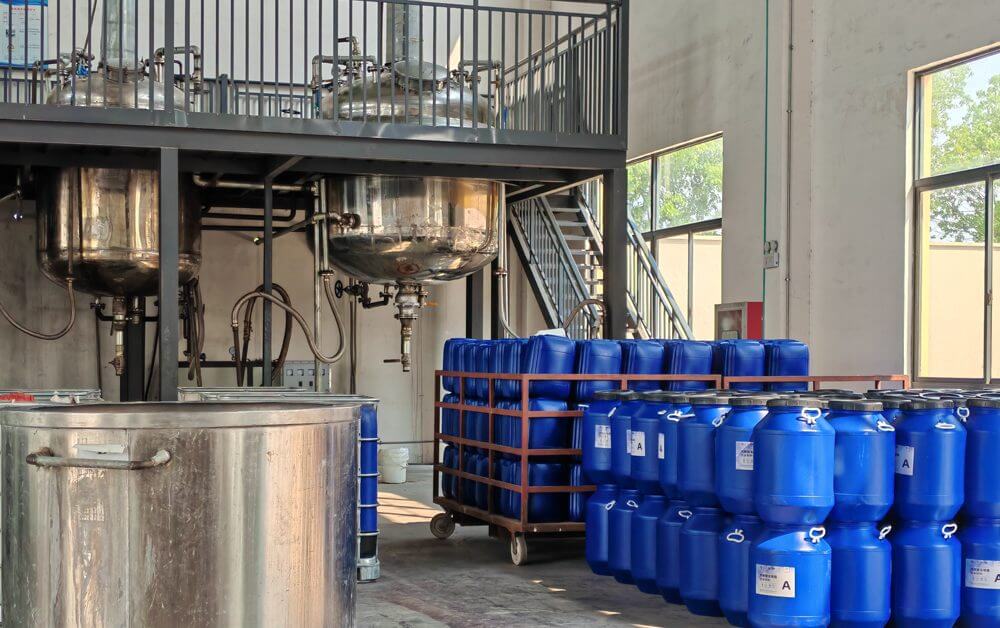
YURU Waterproof is a professional manufacturer of waterproof coatings, injection grouting materials, and floor coating systems. For polyurea concrete coating and waterproofing applications, YURU offers several polyurea coating systems for different project needs.
YURU Waterproof polyurea product options include:
- Single-component manual-applied polyurea waterproof coating for non-exposed use, with slower curing
- Two-component manual-applied polyurea coating for non-exposed use, with standard curing speed
- Two-component UV-resistant manual-applied polyurea coating for exposed use, with faster curing than standard manual systems
- Spray polyurea waterproof coating for exposed use, UV resistance, and fast curing
These products can be used for concrete roofs, underground structures, water tanks, industrial concrete surfaces, platforms, repair areas, and other waterproofing projects when the system is selected correctly.
For exposed roof projects without spray polyurea equipment — YURU Waterproof can help customers evaluate substrate condition and choose a UV-resistant manual-applied polyurea coating system with proper mixing and application guidance.
YURU Waterproof also supports OEM/ODM, packaging customization, color customization, sample testing, technical documents, and long-term supply for contractors, distributors, importers, private-label brands, and project procurement teams.
Final Checklist Before Buying Polyurea Concrete Coating
Before choosing a polyurea concrete coating, review these questions:
- Exposed or non-exposed?
- UV exposure?
- Roof, floor, basement, water tank, platform, repair?
- Is fast curing required?
- Is spray equipment available?
- Can the project only use manual application?
- Is the concrete sound, clean, and dry enough?
- Are there visible cracks?
- Do cracks, holes, joints, or active leaks need treatment first?
- Is primer required?
- Thickness and number of coats?
- Abrasion, slip, or chemical resistance needed?
- Are TDS, MSDS, and application instructions available?
- Is sample testing needed?
- Is OEM/ODM or private-label packaging required?
- Can the manufacturer recommend the right polyurea system based on project conditions?
- Can the manufacturer provide mixing and application guidance?
FAQs:
1. What is polyurea concrete coating?
Polyurea concrete coating is a high-performance protective coating applied to concrete surfaces — forms a continuous, elastic, waterproof, and wear-resistant membrane for concrete roofs, floors, basements, water tanks, parking decks, and repair projects.
2. How does polyurea concrete coating work?
Bonds to a properly prepared concrete surface and cures into a seamless protective membrane — helps block water, bridge minor movement, resist abrasion, and protect the concrete surface from moisture and environmental exposure.
3. Can polyurea coating be used on exposed concrete?
Yes, but the correct exposed system must be selected. Exposed concrete roofs and platforms should use UV-resistant manual-applied polyurea coating or spray polyurea coating. Non-exposed polyurea coatings are not recommended for outdoor UV exposure.
4. Does YURU Waterproof provide polyurea concrete coating?
Yes. YURU Waterproof provides single-component manual-applied polyurea, two-component manual-applied polyurea, UV-resistant manual-applied polyurea, and spray polyurea waterproof coating. YURU also supports sample testing, OEM/ODM, packaging customization, technical documents, and project-based material selection.
Conclusion:
Polyurea concrete coating can provide waterproofing, elasticity, abrasion resistance, fast curing, and long-term concrete protection — used on roofs, industrial floors, parking decks, basements, water tanks, platforms, and repair projects.
But polyurea isn’t a single answer for every surface.
Single-component manual-applied polyurea, two-component manual-applied polyurea, UV-resistant manual-applied polyurea, and spray polyurea have different curing speeds, exposure resistance, application methods, and project values.
The right approach is to match the system with the project environment, substrate condition, crack condition, exposure, equipment, schedule, and maintenance target.
When the material, substrate preparation, and application method work together, polyurea concrete coating can become a strong and practical solution for concrete waterproofing and protection.
Looking for polyurea concrete coating, concrete waterproof coating, or a polyurea waterproof coating supplier? YURU Waterproof can help you choose a suitable system based on project exposure, substrate condition, application method, curing requirement, and procurement plan.
Contact YURU Waterproof to discuss polyurea concrete coating solutions for concrete roofs, industrial floors, basements, water tanks, parking decks, exposed platforms, OEM/ODM supply, sample testing, and project-based material selection.

YURU Product solutions